Swamp Tupelo (Nyssa biflora)
Nyssa biflora, the Swamp Tupelo, is the wetland specialist of the tupelo family — a tree so closely tied to standing water that it is classified as an obligate wetland species, meaning it is almost never found growing outside saturated or seasonally flooded soil. For many years it was treated as a variety of the widespread Black Gum, Nyssa sylvatica var. biflora, and you will still see it listed that way in some references. Genetic studies and Flora of North America now support treating it as its own species, distinct from the upland-tolerant Black Gum in both habitat and leaf form, and this page follows that treatment.
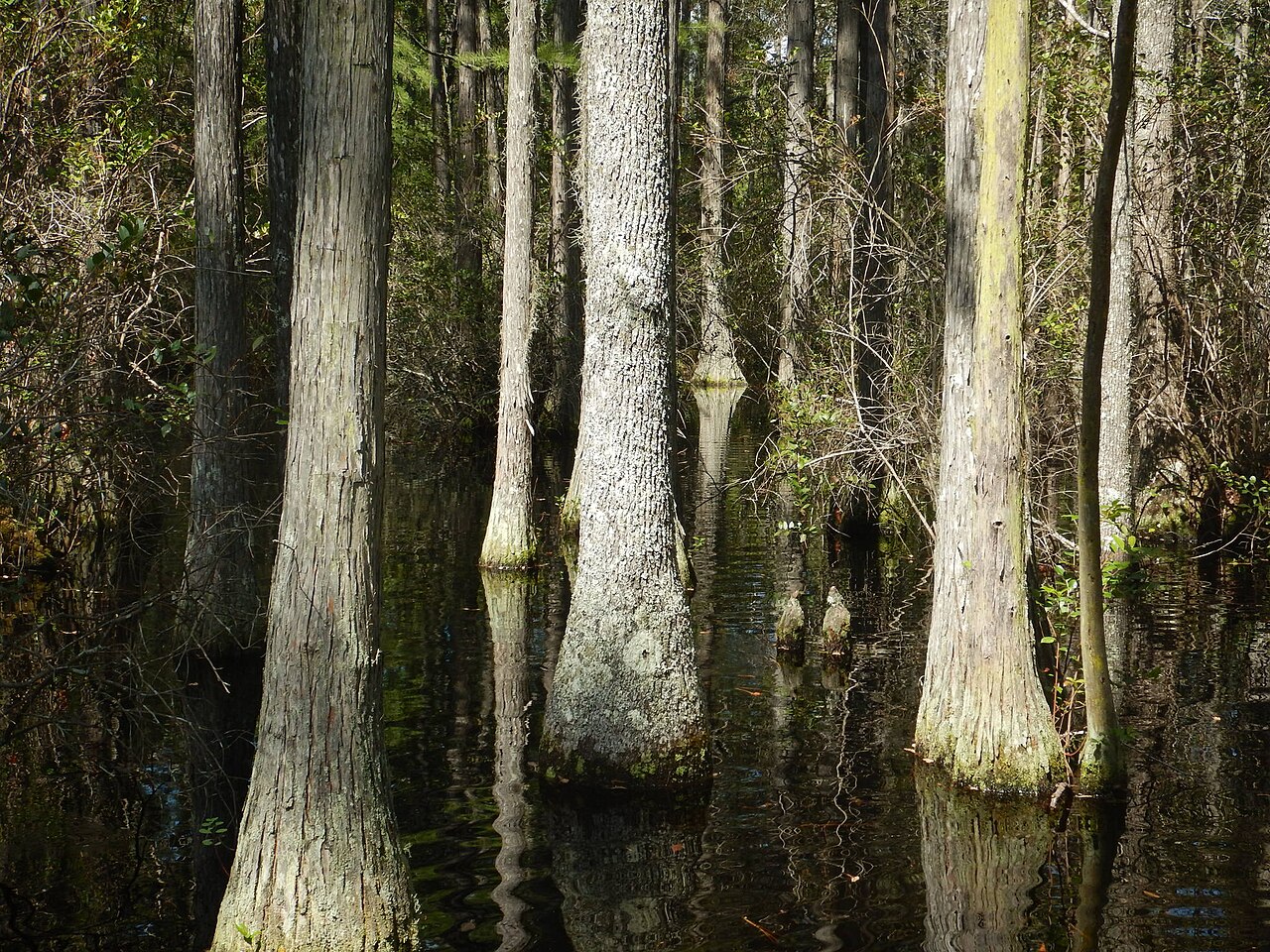
From Delaware and the Chesapeake Bay south through the Carolinas, Georgia, and Florida, and west along the Gulf Coast to east Texas, Swamp Tupelo forms the backbone of blackwater river swamps, pocosins, and the wet depressions scattered through Coastal Plain pine flatwoods. Like its relatives, it develops a swollen, buttressed trunk base in response to growing in standing water, and it shares the brilliant fall color — scarlet, orange, and deep purple — that has made the tupelo-blackgum group a favorite of Southern swamp photographers for generations.
Swamp Tupelo is a true wetland tree, not suited to ordinary garden soil, but for anyone restoring a pond margin, bog, or swamp-edge habitat in the Southeast, it is one of the most reliable and ecologically valuable native trees available — tolerant of flooding that would kill nearly anything else, and loaded with wildlife value from spring through fall.
Identification
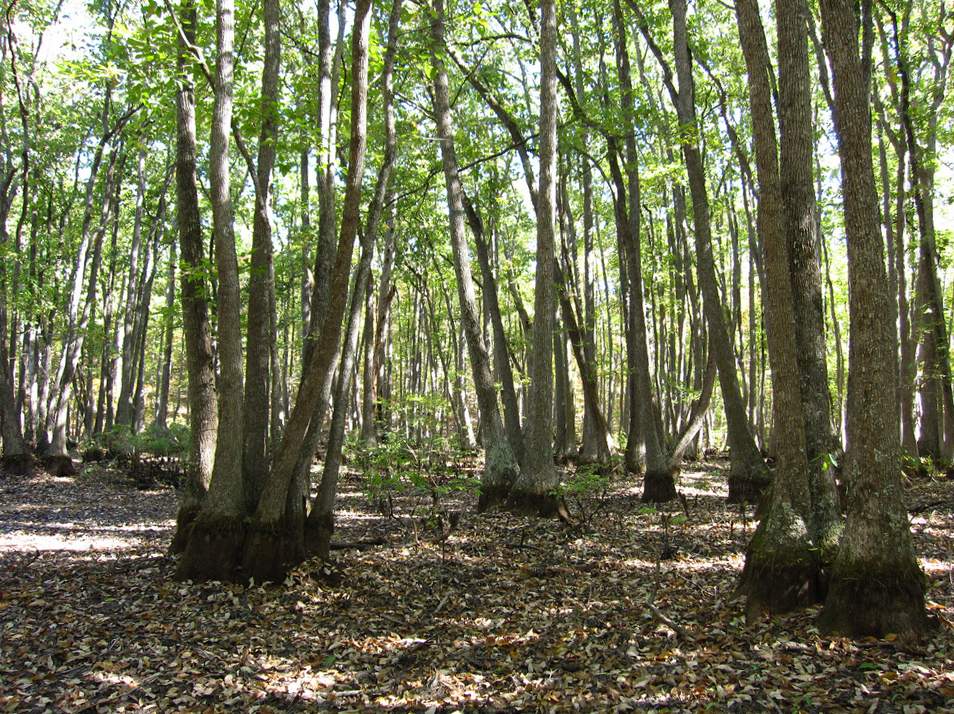
Swamp Tupelo grows 30 to 70 feet tall, with a narrow, somewhat conical crown and a trunk that is often markedly swollen or buttressed at the base where it meets standing water — sometimes dramatically so in permanently flooded sites, tapering to a more normal diameter higher up.
Bark & Stems
Bark is gray to grayish-brown, becoming blocky and furrowed with age, similar in texture to Black Gum but often more deeply fissured on old, buttressed trunks. Twigs are slender and reddish-brown when young.
Leaves
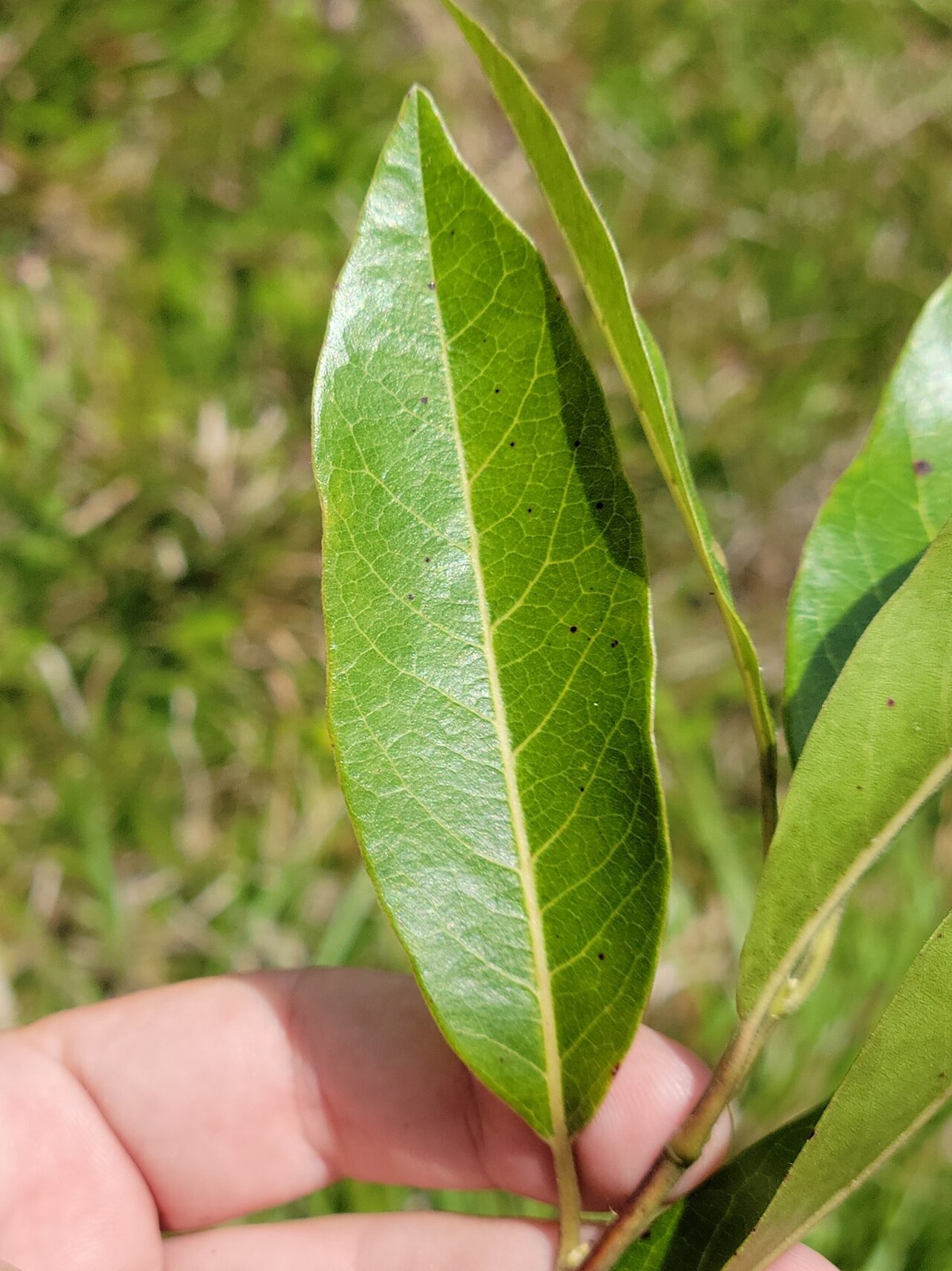
Leaves are 2 to 5 inches long, narrowly oblong to elliptical — noticeably narrower than the broader, more oval leaves of Black Gum — glossy dark green above, usually with smooth margins (occasionally a few coarse teeth), and turning brilliant scarlet, orange, or purple in fall, often earlier in the season than surrounding trees.
Flowers & Fruit
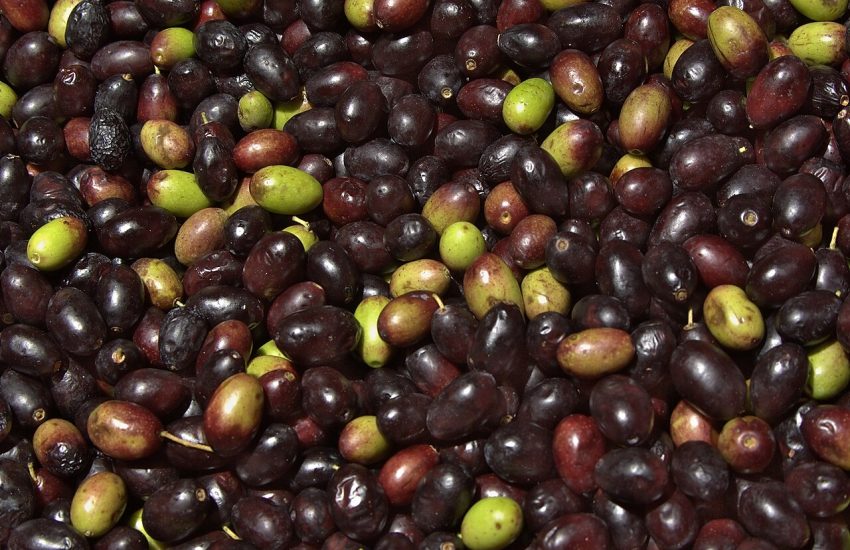
Like other tupelos, Swamp Tupelo is dioecious, with small greenish-white flowers opening on separate male and female trees in spring. Female trees that have a male tree nearby for pollination produce dark blue-black, egg-shaped drupes about half an inch long, ripening in late summer and early fall and quickly stripped by wildlife.
Quick Facts
| Scientific Name | Nyssa biflora (syn. Nyssa sylvatica var. biflora) |
| Family | Nyssaceae (Tupelo) |
| Plant Type | Deciduous Wetland Tree |
| Mature Height | 30–70 ft |
| Mature Spread | 15–25 ft |
| Growth Rate | Slow to moderate |
| Sun Exposure | Full Sun to Part Shade |
| Water Needs | High; wet to seasonally flooded soil |
| Soil Type | Wet, poorly drained, often peaty or organic |
| Soil pH | Acidic |
| Bloom Time | March – May |
| Flower Color | Greenish-white |
| Fall Color | Scarlet, orange, purple |
| Fruit | Dark blue-black drupe, female trees only |
| Deer Resistant | Yes |
| USDA Hardiness Zones | 6–9 |
Native Range
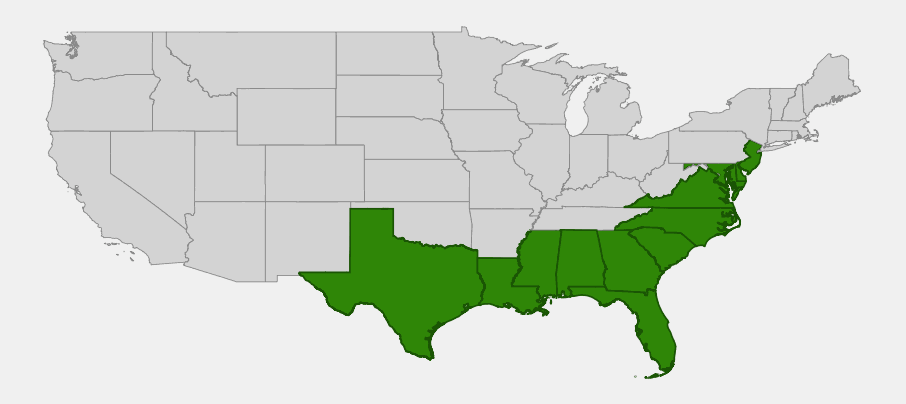
Swamp Tupelo occupies the Coastal Plain from Delaware and the Chesapeake Bay region of Maryland and Virginia south through North Carolina, South Carolina, Georgia, and Florida, then west along the Gulf Coast through Alabama, Mississippi, and Louisiana to eastern Texas. It is also recorded in southern New Jersey, at the northern edge of its range.
Throughout this range it is restricted almost entirely to wet habitats: blackwater river swamps, pocosins, Carolina bay margins, and the shallow depressions scattered through Coastal Plain pine flatwoods that hold water for much of the year. These sites are either permanently saturated or flooded for long stretches each year, conditions Swamp Tupelo tolerates better than almost any other native tree in the region.
Because it was long lumped together with Black Gum as a single variable species, Swamp Tupelo’s range has sometimes been under-reported in older references. Recent treatments that recognize it as a full species draw a sharper line: Black Gum ranges widely into upland forests across the eastern half of the country, while Swamp Tupelo stays tied to the wet Coastal Plain habitats described here.
📋 Regional plant lists featuring Swamp Tupelo: Delaware, Southern New Jersey & Long Island · Maryland, Virginia & West Virginia · North Carolina & South Carolina · Georgia, Alabama & Mississippi · Arkansas, Louisiana, Eastern Oklahoma & Eastern Texas. No Florida regional plant list currently covers this species; browse all Native Plant Profiles.
Growing & Care Guide
Swamp Tupelo is a tree for a genuinely wet or seasonally flooded landscape — pond margins, rain garden low points, or restored swamp and bog habitat. Outside of consistently moist conditions, it is not a good fit, but where the soil is right, it is tough, long-lived, and strikingly colorful in fall.
Light
Swamp Tupelo grows well in full sun to partial shade. In the wild it often forms dense stands in open swamp canopy gaps, and in cultivation it tolerates more sun than many swamp trees as long as soil moisture stays high.
Soil & Water
This species needs wet, poorly drained, often acidic and organic-rich soil, and tolerates seasonal to near-permanent flooding far better than upland trees — including Black Gum. It does not tolerate drought and should be reserved for sites that stay consistently damp or are seasonally inundated, such as the low, soggy corner of a yard that resists most other privacy trees for wet soil.
Planting Tips
Choose the lowest, wettest part of the property, a pond or stream margin, or a constructed wetland or rain garden designed to hold water seasonally. Because the species is dioecious, both male and female trees are needed nearby if fruit production for wildlife is a goal.
Pruning & Maintenance
Little pruning is required beyond removing dead wood. Established Swamp Tupelo is a low-maintenance, long-lived tree with few serious pests or diseases, and it handles storm-related flooding better than almost any upland species, making it valuable for resilient wet-site plantings, including along the fast-growing trees suited to Maryland’s wetter landscapes.
Propagation
Propagate from fresh seed, which benefits from cold stratification before spring sowing. Germination and early growth are best in consistently moist, partially shaded conditions that mimic the swamp understory.
Landscape Uses
- Pond, lake, and stream-margin plantings in wet soil
- Rain gardens and constructed wetlands with seasonal flooding
- Swamp and pocosin restoration within the native range
- Fall color specimen for a consistently moist site
Wildlife & Ecological Value
For Pollinators
Spring flowers attract honeybees and native bees alike, and Swamp Tupelo contributes to the same tupelo-honey tradition associated with its relatives Ogeechee Tupelo and Water Tupelo, though it is less commonly managed for honey production specifically.
For Birds & Mammals
The dark, fatty fruit is an important fall food source for wood ducks, wild turkeys, and a wide range of songbirds, as well as raccoons and black bears, which readily feed on tupelo drupes as they ripen.
Ecosystem Role
As one of the most flood-tolerant native trees in the Southeast, Swamp Tupelo helps anchor and structure blackwater swamp and pocosin ecosystems that are otherwise difficult for trees to colonize, providing habitat complexity and erosion control in wetlands that face ongoing pressure from drainage and development.
Cultural & Historical Uses
Swamp Tupelo has historically been used much like Black Gum and other tupelos: the soft, interlocked wood grain made it resistant to splitting, which led to its use for items like butcher’s blocks, mallet heads, and other objects requiring wood that would absorb repeated impact without cracking. Hollowed sections of swamp tupelo and related species were also historically used by rural communities for bee gums — simple hive containers — before modern box hives became standard.
Like its relatives, Swamp Tupelo contributes to the regional tupelo honey tradition of the Southeastern river-swamp beekeeping, though Ogeechee Tupelo and Water Tupelo are more specifically associated with commercial “tupelo honey” production. Swamp Tupelo’s main cultural significance today is as an icon of the Southern swamp landscape — its buttressed trunks and brilliant fall foliage are instantly recognizable features of pocosins and blackwater rivers across the Coastal Plain.
Because it was only recently separated from Black Gum in most field guides and nursery catalogs, Swamp Tupelo has not developed the distinct horticultural following that some other native wetland trees have, though interest in distinguishing and using it correctly is growing among native plant restoration practitioners.
Frequently Asked Questions
Is Swamp Tupelo the same as Black Gum?
They are very closely related, and Swamp Tupelo was long classified as Nyssa sylvatica var. biflora. Most current treatments, including Flora of North America, recognize it as the separate species Nyssa biflora, distinguished from Black Gum (Nyssa sylvatica) by its narrower leaves and strict preference for wet, flooded habitat rather than upland forest.
How is Swamp Tupelo different from Water Tupelo?
Water Tupelo (Nyssa aquatica) grows in deeper, more permanently flooded water and has larger leaves and much larger fruit. Swamp Tupelo tolerates a somewhat broader range of wet conditions, including seasonally rather than permanently flooded sites, and has smaller leaves and fruit.
Does Swamp Tupelo need standing water to survive?
It needs consistently wet, poorly drained soil and tolerates standing or seasonal flooding extremely well, but it is not strictly limited to permanent standing water the way Water Tupelo is. It will not thrive in average, well-drained garden soil.
Is Swamp Tupelo good for fall color?
Yes — it is one of the most reliably colorful native wetland trees, often turning scarlet, orange, or deep purple earlier in the season than many surrounding species, making it a strong choice for a wet-site planting with seasonal interest.
Can Swamp Tupelo be used in a rain garden?
Yes, provided the rain garden holds water for extended periods and the tree has room to grow 30 to 70 feet tall over time. It is best suited to larger rain gardens or constructed wetlands rather than small residential basins.

Looking for a nursery that carries Swamp Tupelo?
Browse our native plant nursery directory: Delaware, Georgia & Florida · Maryland, Alabama, Mississippi & Louisiana · Virginia, South Carolina & Texas · North Carolina & New Jersey