
Ogeechee Tupelo (Nyssa ogeche)
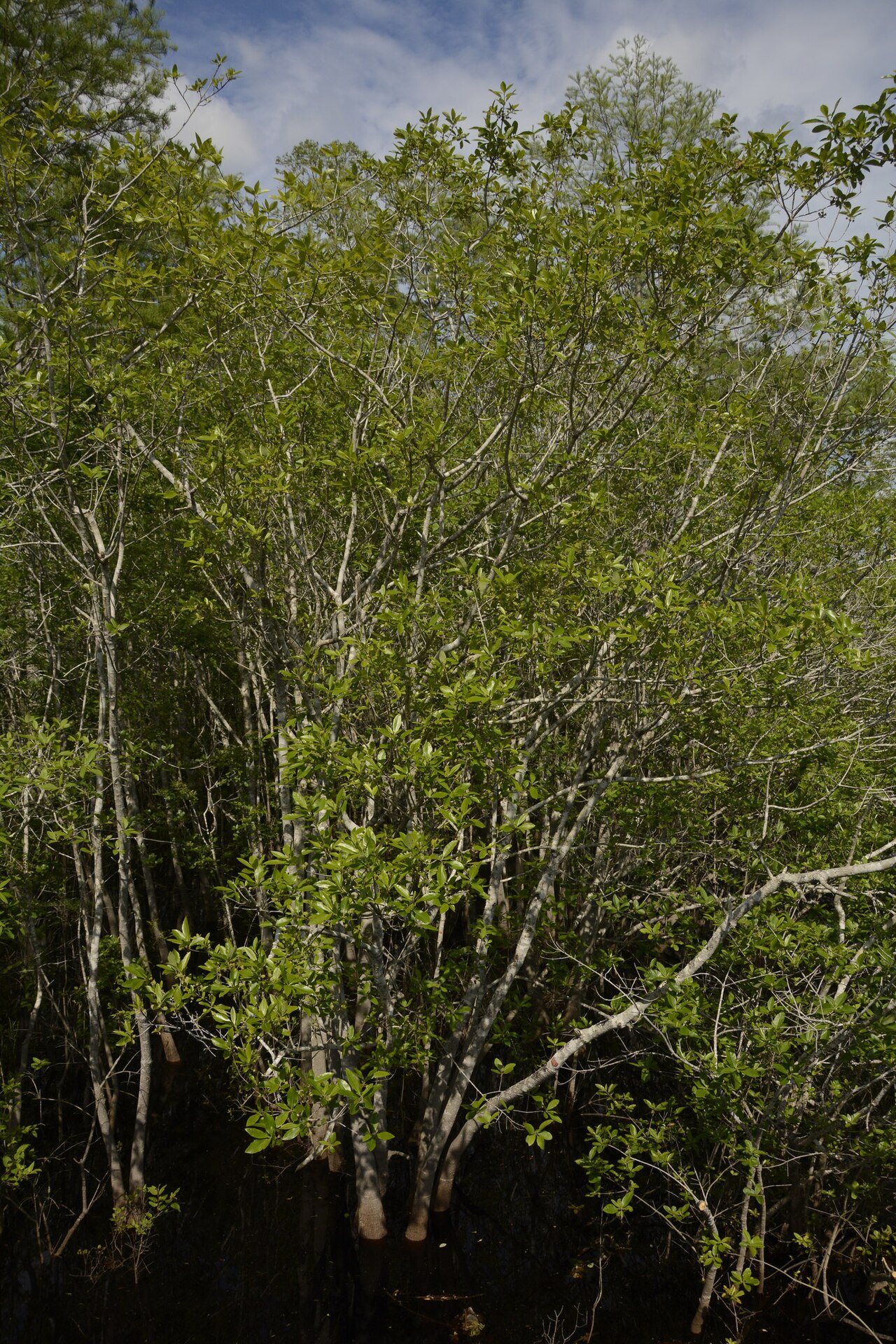
Nyssa ogeche, the Ogeechee Tupelo, is a scarce and narrowly distributed wetland tree found only along the rivers and swamps of the Coastal Plain from southeastern South Carolina through Georgia to the Florida Panhandle. It takes its name from the Ogeechee River in Georgia, where it has long grown in abundance, alongside the Altamaha, Suwannee, and Satilla Rivers. Few native trees have such a direct economic legacy tied to their flowers: Ogeechee Tupelo, along with its close relative Tupelo Gum (Nyssa aquatica), is the primary source of true “tupelo honey,” the prized, slow-to-crystallize honey made famous along the Apalachicola River in Florida.
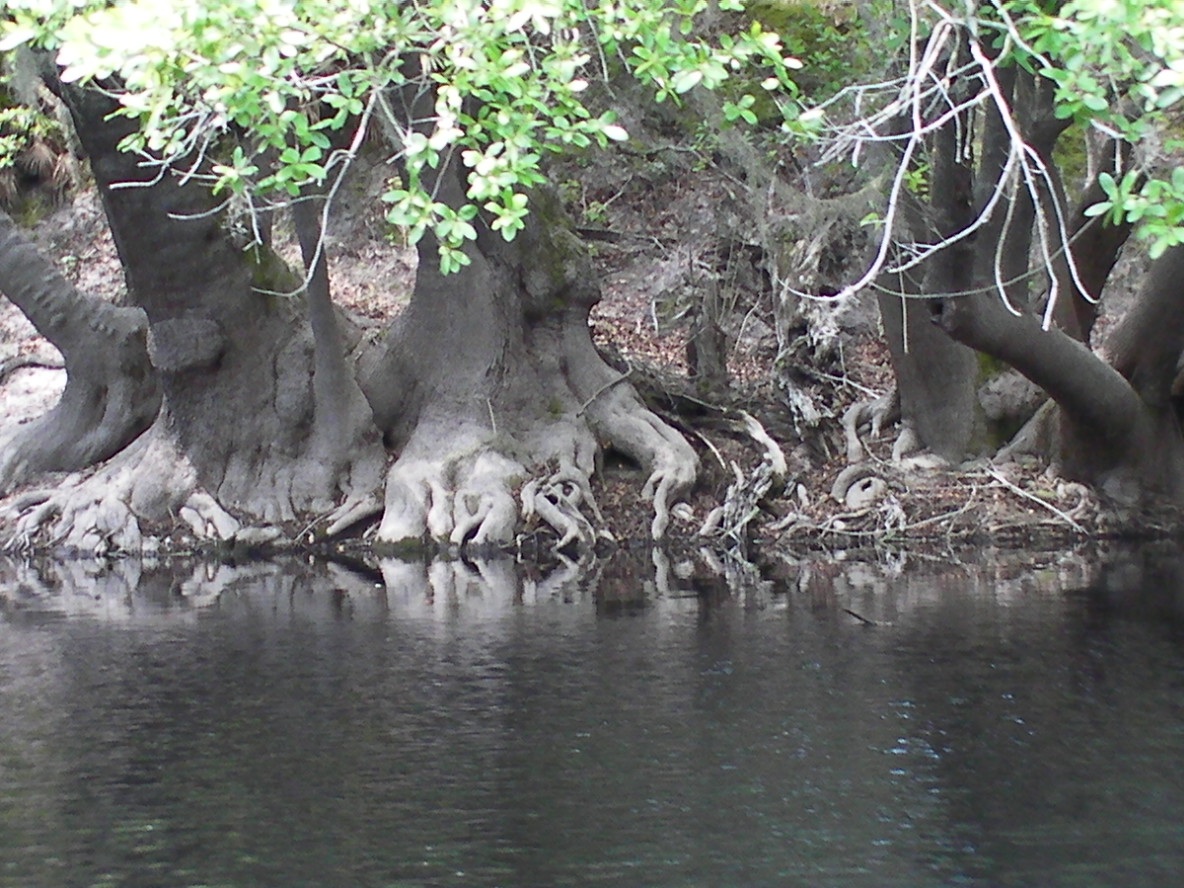
This is a tree built for standing water. Ogeechee Tupelo grows along the margins of rivers, sloughs, and swamps that are frequently or permanently flooded, developing the swollen, buttressed trunk base typical of wetland trees that need extra stability and oxygen exchange in saturated soil. In spring it produces small greenish flowers that are intensely attractive to bees, and by late summer female trees bear the tart, red, lime-like fruit known regionally as “Ogeechee lime” — used for generations as a substitute for true limes in preserves and drinks.
Ogeechee Tupelo is not a tree for the average home landscape — it needs a genuinely wet site — but for anyone restoring riverfront, pond-edge, or swamp habitat within its native range, or keeping bees near a blackwater river, it is an irreplaceable native species with both ecological and traditional economic value.
Identification
Ogeechee Tupelo is typically a smaller, more crooked tree than its larger tupelo relatives, usually 30 to 50 feet tall, though old specimens in favorable sites can grow taller. The trunk often leans or forks into several crooked stems, and the base is distinctly swollen and buttressed from standing in water for much of the year.
Bark & Stems
Bark is gray-brown, becoming shallowly furrowed into flat, scaly ridges with age. The swollen “bottle” or buttressed base, wider than the trunk above it, is one of the clearest field marks of this and other swamp-adapted tupelos, helping anchor the tree in soft, saturated soil.
Leaves
Leaves are 4 to 6 inches long, oval to elliptical, with smooth or slightly toothed margins, dark glossy green above and noticeably velvety-hairy on the underside — a texture you can feel by running a finger along the leaf’s underside, distinguishing it from the smoother leaves of Black Gum and Swamp Tupelo.
Flowers & Fruit
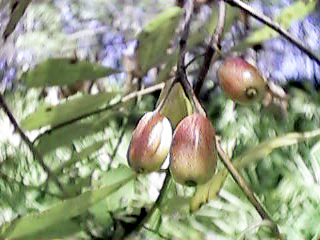
Like other tupelos, Ogeechee Tupelo is dioecious — individual trees are either male or female, and only female trees produce fruit. Small greenish flowers open in April, borne in dense clusters that are a magnet for honeybees; this is the floral source of true tupelo honey. Female trees produce an oblong, red, tart drupe up to an inch long, maturing from late summer into fall and historically gathered and used as “Ogeechee lime” in home preserving.
Quick Facts
| Scientific Name | Nyssa ogeche (syn. Nyssa acuminata) |
| Family | Nyssaceae (Tupelo) |
| Plant Type | Deciduous Wetland Tree |
| Mature Height | 30–50 ft |
| Mature Spread | 20–30 ft |
| Growth Rate | Moderate |
| Sun Exposure | Part Shade |
| Water Needs | High; requires wet to seasonally flooded soil |
| Soil Type | Wet, poorly drained alluvial or swamp soil |
| Soil pH | Slightly acidic |
| Bloom Time | April |
| Flower Color | Green |
| Fall Color | Yellow to bronze |
| Fruit | Red, tart drupe (“Ogeechee lime”), female trees only |
| Deer Resistant | Yes |
| USDA Hardiness Zones | 7–9 |
Native Range
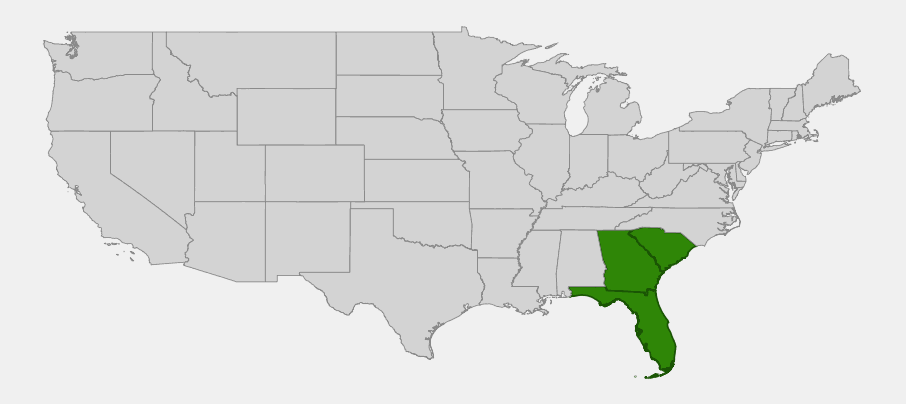
Ogeechee Tupelo is endemic to a narrow stretch of the Southeastern Coastal Plain, found along the coast from southeastern South Carolina through Georgia and into the Florida Panhandle and northern peninsula. It is especially associated with the Ogeechee, Altamaha, Suwannee, and Satilla Rivers of Georgia and north Florida, and with the wet flatwoods between the Choctawhatchee and Wakulla Rivers in the Florida Panhandle.
Within this range it grows in river-swamp forests, tupelo-cypress sloughs, lake margins, and alluvial bottomland woods that are flooded for a significant part of the year. It tolerates slow-moving or standing water better than most trees, and it is listed as an obligate wetland species, meaning it is almost never found outside of consistently wet habitat.
Because its range is so restricted and tied to specific river systems, Ogeechee Tupelo is uncommon outside of a few concentrated areas — most famously the Apalachicola River basin, where generations of beekeepers have placed hives to produce tupelo honey during the tree’s brief spring bloom.
📋 Regional plant lists featuring Ogeechee Tupelo: North Carolina & South Carolina · Georgia, Alabama & Mississippi. No Florida regional plant list currently covers this species; browse all Native Plant Profiles.
Growing & Care Guide
Ogeechee Tupelo is a highly specialized tree for genuinely wet sites — pond and lake margins, riverbanks, and low ground that floods regularly. Outside of these conditions it struggles, so this is a tree to plant with a clear, wet site already in mind rather than one to try to accommodate elsewhere.
Light
Ogeechee Tupelo grows best in partial shade to filtered sun, as found naturally along wooded river margins. It tolerates more sun where soil moisture is reliably high, but appreciates some canopy shade in hotter, drier portions of its range.
Soil & Water
This tree needs consistently wet, poorly drained soil and tolerates standing or slow-moving water for extended periods — conditions that would kill most upland trees. It is not a drought-tolerant species and should never be planted on a typical dry or well-drained landscape site; if you’re weighing privacy trees for a soggy lot, Ogeechee Tupelo belongs on that short list within its native range.
Planting Tips
Plant in low, wet ground, along pond or lake margins, or in restored river-swamp habitat within the native range. Because the species is dioecious, at least one male tree is needed nearby for any female tree to set fruit — an important consideration for beekeepers hoping to encourage tupelo honey production, or for anyone wanting the ornamental “Ogeechee limes.”
Pruning & Maintenance
Minimal pruning is needed; remove dead or storm-damaged wood as it appears. Established trees are otherwise low-maintenance in the wet conditions they require, with few serious pest or disease problems.
Propagation
Propagate from fresh or cold-stratified seed sown in moist, muddy soil and covered lightly; seedlings do best with some shade while establishing. The species also sprouts readily from roots and self-sows in favorable wet sites.
Landscape Uses
- Pond and lake-margin plantings in consistently wet soil
- River-swamp and floodplain restoration within the native range
- Beekeeping sites seeking to support tupelo honey production
- Wildlife plantings in blackwater river habitat
Wildlife & Ecological Value
For Pollinators
Ogeechee Tupelo’s brief, intense April bloom is one of the most important early-season nectar sources for honeybees in its range, producing the light, delicately flavored, slow-to-crystallize tupelo honey long associated with the Apalachicola River region. Native bees and other insects also use the flowers.
For Birds & Mammals
The tart red fruit, produced only on female trees, is eaten by a range of wetland and woodland wildlife, including raccoons and waterfowl, which help disperse the seeds along the waterways where the tree grows.
Ecosystem Role
As a flood-tolerant tree of blackwater river swamps, Ogeechee Tupelo helps stabilize riverbanks and swamp margins and contributes to the structural complexity of Coastal Plain river-swamp forests, growing alongside Bald Cypress and other tupelo species in one of the Southeast’s most distinctive wetland ecosystems. For a broader look at trees suited to Florida’s humid, flood-prone lowlands, see our roundup of shade trees for southern, northern, and central Florida.
Cultural & Historical Uses
Ogeechee Tupelo has a long history of local use along the rivers of Georgia and north Florida. Its tart fruit, the “Ogeechee lime,” was gathered by rural families for generations and used as a substitute for true limes in preserves, drinks, and seasoning, prized for its acidity in a region where citrus limes did not grow well inland.
Its greater fame, however, comes from beekeeping. For well over a century, beekeepers along the Apalachicola River in the Florida Panhandle have placed hives in the river swamps specifically to catch the tree’s brief, intense spring bloom, producing true tupelo honey — a delicacy known for its mild flavor and resistance to crystallization, celebrated in regional food culture and popularized well beyond the Southeast.
The wood itself has little commercial value: it is light, soft, and tough but coarse-grained and difficult to split, and the tree has never grown large or common enough to support a timber industry. Its lasting value has always been ecological and agricultural — as a wetland tree and a honey source — rather than as a source of lumber.
Frequently Asked Questions
What is “tupelo honey” and does it come from this tree?
Yes. True tupelo honey comes primarily from Ogeechee Tupelo and the related Water Tupelo (Nyssa aquatica), especially in the Apalachicola River region of Florida. Beekeepers time their hives to the tree’s brief April bloom to harvest this distinctive, slow-to-crystallize honey.
Can I eat the fruit of Ogeechee Tupelo?
Yes — the fruit, known as “Ogeechee lime,” is edible and has a long history of use as a tart lime substitute in preserves and drinks, though it is only produced by female trees and only where a male tree is nearby for pollination.
Does Ogeechee Tupelo need standing water to grow?
It doesn’t strictly require permanent standing water, but it needs consistently wet, poorly drained soil and tolerates seasonal flooding very well. It is a poor choice for typical dry or well-drained garden soil.
How is Ogeechee Tupelo different from Black Gum?
Black Gum (Nyssa sylvatica) is a much more widespread, upland-tolerant tree with smooth, hairless leaves and smaller fruit. Ogeechee Tupelo is restricted to wet, river-swamp habitat in a narrow coastal range and has distinctly velvety-hairy leaf undersides and larger, tarter fruit.
Is Ogeechee Tupelo good for a backyard pond?
It can be, if the pond margin stays consistently wet and the tree has room to grow 30 to 50 feet tall. It is best suited to larger properties within its native Southeastern range rather than small, upland yards.

Looking for a nursery that carries Ogeechee Tupelo?
Browse our native plant nursery directory: Florida & Georgia · South Carolina

