Texas Wintergrass (Nassella leucotricha)
Nassella leucotricha (formerly classified as Stipa leucotricha), commonly called Texas Wintergrass, Texas Needlegrass, or Texas Tussockgrass, is a cool-season perennial bunchgrass of the south-central United States. Unlike most prairie grasses, which green up in summer and go dormant in winter, Texas wintergrass does the opposite: it greens up with fall rains, grows through the cooler months, flowers in late winter and spring, and then goes dormant and tan-colored through the heat of summer. That reversed growing season is the source of both its common name and its ecological importance, since it provides green forage during the very months when most warm-season grasses are brown and dormant.
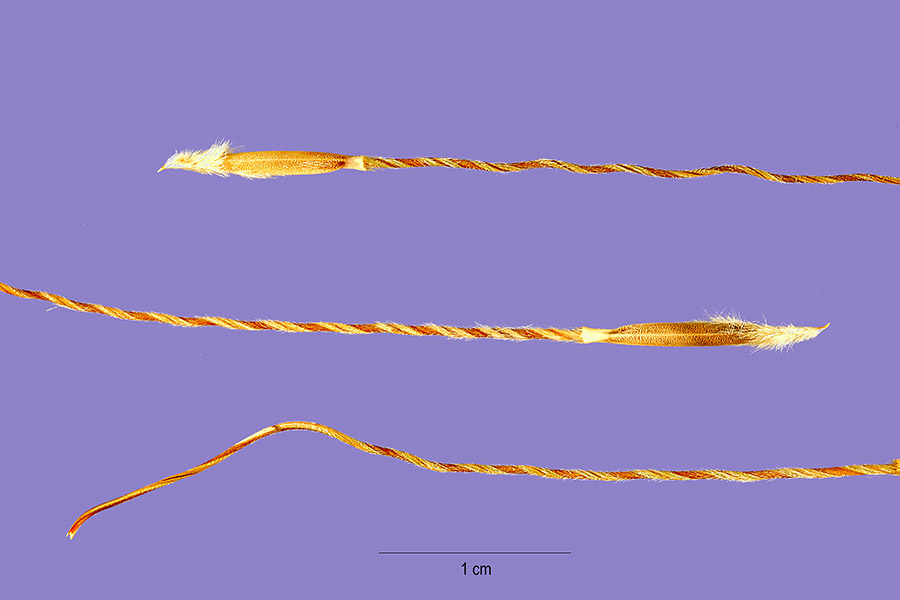
The plant grows as a dense, low tussock of narrow, rolled leaf blades, with wiry flowering stems that rise above the foliage in spring. Its seeds are unmistakable once you know what to look for: each has a sharp, hardened tip and a long, twice-bent, corkscrew-like awn that can reach 3 inches, built to drill the seed into soil (and, less conveniently, into socks, fur, and the mouths of grazing animals).
Texas wintergrass is one of the most widespread native grasses across Texas and the western Gulf South, found in prairies, savannas, pastures, roadsides, and disturbed ground alike. It is valued by ranchers for its cool-season forage, used in native plantings for its early-season green color, and occasionally considered a nuisance where its seeds foul wool, coats, or shoelaces in spring.
Identification
Texas wintergrass forms a dense basal tussock of narrow, rolled or folded leaf blades 6 to 16 inches long, with the foliage typically lying low and curling at the tips. Flowering culms (stems) rise above the tussock, usually reaching 1 to 3 feet tall, occasionally taller, topped with a loose, narrow flower cluster (panicle).
Leaves
Leaf blades are narrow, inrolled, and somewhat wiry, blue-green to gray-green when actively growing and fading to straw-tan as the plant goes dormant in summer. The basal leaves form a thick, persistent tuft that stays low to the ground even when the plant is not flowering.
Flowers
The species produces two kinds of flowers: showy, open flowers at the tips of the spring flowering stems, and hidden, self-pollinating (cleistogamous) flowers tucked down inside the lower leaf sheaths near the base of the plant. This dual strategy lets the grass set seed reliably even in years when pollination conditions are poor.
Fruit & Seeds
The fruit is a slender grain with a sharp, hardened callus at the base and a long, twisted, twice-geniculate (bent) awn up to about 3½ inches long. As the awn dries, it twists and untwists with changes in humidity, slowly drilling the sharp-tipped seed into the soil — an effective planting mechanism, but one that can also work the seed into animal hides, wool, ears, and mouths, and into shoes and socks on a spring walk through a Texas pasture.
Quick Facts
| Scientific Name | Nassella leucotricha (syn. Stipa leucotricha) |
| Family | Poaceae (Grass) |
| Plant Type | Cool-Season Perennial Bunchgrass |
| Mature Height | 12–24 in tussock; flowering stems to 3 ft |
| Mature Spread | 12–18 in |
| Growth Rate | Moderate |
| Sun Exposure | Full Sun to Part Shade |
| Water Needs | Low to Moderate |
| Soil Type | Clay, loam, caliche or limestone-based; tolerates poor soil |
| Soil pH | 6.5–8.0 (neutral to alkaline) |
| Bloom Time | February – May |
| Flower Color | Tan/straw (inconspicuous) |
| Fall Color | Greens up in fall; tan/dormant in summer |
| Fruit | Sharp-tipped grain with a long, twisted awn |
| Deer Resistant | Yes (grazed lightly once mature) |
| USDA Hardiness Zones | 7–9 |
Native Range
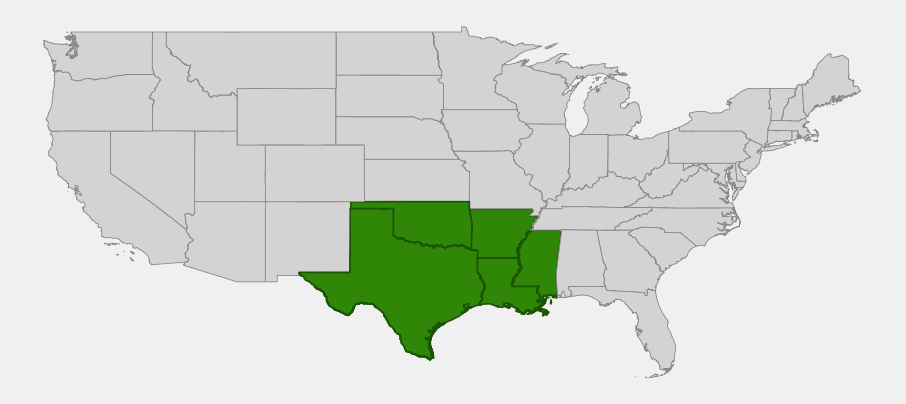
Texas wintergrass is native to the south-central United States, with its core range across Texas and extending into Oklahoma, Arkansas, Louisiana, and Mississippi, as well as much of northern and central Mexico. It is one of the most common and widespread native grasses in Texas, occurring from the eastern Piney Woods through the Hill Country, the Blackland Prairie, and into the Rolling Plains and Trans-Pecos.
It grows across a wide range of open habitats, including tallgrass and mixed-grass prairies, oak savannas and woodland edges, limestone glades, pastures, and disturbed ground such as roadsides and old fields. Its tolerance of grazing, drought, and a wide range of soils — from heavy clay to thin, rocky caliche — has helped it remain abundant even in heavily used rangeland.
Outside its native range, Texas wintergrass has become a problematic introduced weed in places such as Australia, where its sharp awns injure grazing livestock; gardeners and land managers east of its native Gulf South range should treat plantings as an introduction rather than a native addition to the local flora.
📋 Regional plant lists featuring Texas Wintergrass: South and West Texas · Arkansas, Louisiana, Eastern Oklahoma & Eastern Texas · Georgia, Alabama & Mississippi
Growing & Care Guide
Texas wintergrass is easy to grow and nearly maintenance-free once established, making it a practical choice for naturalistic lawns, restoration seedings, and low-water landscapes that want green color in the cooler months.
Light
Grows best in full sun but tolerates the dappled light of oak savanna and woodland edges, where it is often found growing naturally beneath an open canopy.
Soil & Water
Adaptable to a wide range of soils, from heavy clay and loam to thin, rocky, caliche or limestone-based ground, and tolerant of both periodic flooding and extended drought once established. No supplemental irrigation is needed beyond normal rainfall in its native range; the plant simply goes dormant and tan-colored during summer dry spells, then resumes growth with fall rain.
Planting Tips
Establish from seed in fall, timed with the start of the cool growing season, or from container plants set out in fall or early spring. Because it spreads mainly by seed rather than rhizomes, allow some seed to mature and drop if you want the stand to thicken or spread naturally over time.
Pruning & Maintenance
Mow or trim old flowering stems after seed drop in late spring if a neater appearance is desired; this also reduces the number of sharp awned seeds that can catch in clothing, pet fur, or livestock. No other maintenance is typically needed — the grass is naturally self-sufficient within its native range.
Landscape Uses
- Native lawn alternatives and meadow plantings that stay green through winter
- Prairie and savanna restoration seed mixes
- Erosion control on roadsides, slopes, and disturbed ground
- Pasture and rangeland as a valuable cool-season forage component
- Dry, rocky, or poor-soil areas where many ornamental grasses struggle
Wildlife & Ecological Value
As one of the most common native grasses across Texas rangeland, Texas wintergrass plays a significant role in regional grassland ecology, especially during the cool months when most other forage plants are dormant.
For Pollinators
Like other wind-pollinated grasses, Texas wintergrass does not provide nectar, but its foliage and seed heads support grass-feeding caterpillars of several native skipper butterflies, which in turn feed birds and other wildlife.
For Birds
Ground-feeding birds, including native sparrows and quail, use the dense basal tussocks for nesting cover and forage on the seeds, particularly in winter and early spring when the grass is green and seeding.
For Mammals
Cattle, deer, and other grazers readily eat the green winter and spring growth, making it an important cool-season forage species on Texas and Gulf South rangeland; ranchers typically move livestock off stands once the sharp-awned seed heads mature, since the awns can injure animals’ mouths and eyes.
Ecosystem Role
By actively growing and photosynthesizing during the cool season, Texas wintergrass fills a niche largely left open by the region’s dominant warm-season bunchgrasses, keeping soil covered and stabilized through fall and winter and providing continuous forage and habitat structure across the full year.
Cultural & Historical Uses
Texas wintergrass has long been recognized by ranchers across Texas and the western Gulf South as a valuable range grass, prized for the green forage it provides during the cooler months when warm-season grasses are dormant and other feed is scarce.
Its reversed growing season — green in winter, dormant in summer — made it a familiar and dependable part of the region’s working rangeland long before it attracted attention from native-plant gardeners, and it remains primarily known today as a rangeland and restoration grass rather than an ornamental one.
The species has also drawn scientific interest for its unusual twisted, self-planting awns and its dual flowering strategy — showy spring flowers alongside hidden, self-pollinating ones — both of which have been studied as adaptations to the variable rainfall and grazing pressure of south-central grasslands.
Frequently Asked Questions
Why is it called “wintergrass” if it’s dormant in winter where I live?
In its native Texas and Gulf South range, this grass actually grows and stays green through fall and winter, then goes dormant and tan-colored in summer heat — the reverse of most lawn and pasture grasses. The name refers to when it is actively growing, not when it is planted.
Are the seed awns dangerous to pets or livestock?
Yes, to a degree. The long, sharp, twisted awns can work into fur, wool, skin, eyes, and the mouths of grazing animals. Ranchers typically move livestock off mature stands once the seed heads harden in late spring, and pet owners in Texas often check their dogs for embedded awns after walks through tall grass in spring.
Is Texas wintergrass a good lawn substitute?
It works well as part of a naturalistic, low-water native lawn or meadow that is allowed some seasonal variation in appearance, but it will go dormant and tan in summer and produce seed heads with sharp awns in spring, which some homeowners find inconvenient for a traditional, mowed turf look.
Is Texas wintergrass invasive?
Not within its native range in Texas, Oklahoma, Arkansas, Louisiana, and Mississippi, where it is a long-established and ecologically important native grass. It has become a problematic introduced weed in other parts of the world, notably Australia, where it is not native and can injure livestock.
Does Texas wintergrass need to be watered?
No, not once established within its native range. It relies on natural seasonal rainfall, greening up with fall rains and going dormant during the heat of summer without supplemental irrigation.

Looking for a nursery that carries Texas Wintergrass?
Browse our native plant nursery directory: Texas · Oklahoma · Arkansas · Louisiana & Mississippi