Thingrass (Agrostis pallens)
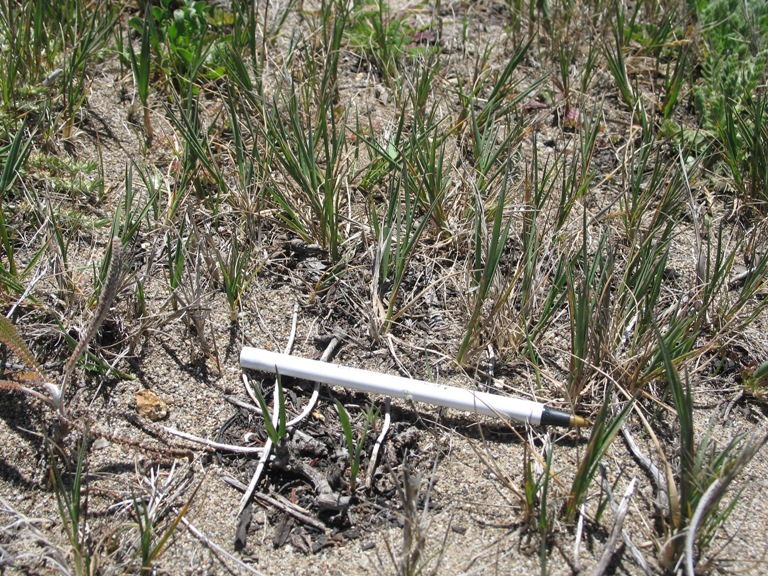
Agrostis pallens, commonly known as Thingrass or seashore bentgrass, is a fine-textured, low-growing native perennial bunchgrass of the West Coast and northern Rocky Mountain states. It forms soft, dense, deep green mats or tufts 4 inches to 2 feet tall, spreading slowly by short rhizomes, and it has become increasingly popular as a true native, low-water lawn alternative that can be mowed or left shaggy and informal.
In the wild, thingrass grows across a remarkably wide range of conditions, from coastal dunes and bluffs to open meadows, oak woodlands, and dry subalpine slopes, from British Columbia south through Washington, Oregon, California, and east into Idaho, Montana, Nevada, and Utah. That adaptability carries over into the garden: thingrass tolerates sun or part shade, poor or sandy soil, and once established needs only a fraction of the water that a traditional turf lawn demands.
For gardeners looking to replace a thirsty non-native lawn, thingrass is one of the most functional native grasses available: it can be mowed regularly for a conventional lawn look, left unmowed for a soft meadow texture, and it tolerates light foot traffic. It is equally valuable left wild in naturalistic plantings, dune restoration, and erosion control on slopes, where its spreading habit helps knit together loose or sandy soil.
Identification
Thingrass is a perennial bunchgrass that typically reaches 4 inches to 2 feet tall, occasionally sending up flowering stems closer to 2.5 feet. It is occasionally rhizomatous, forming loose, spreading patches rather than a single tight clump, which is part of what gives it a lawn-like, matting growth habit.
Stems & Growth Habit
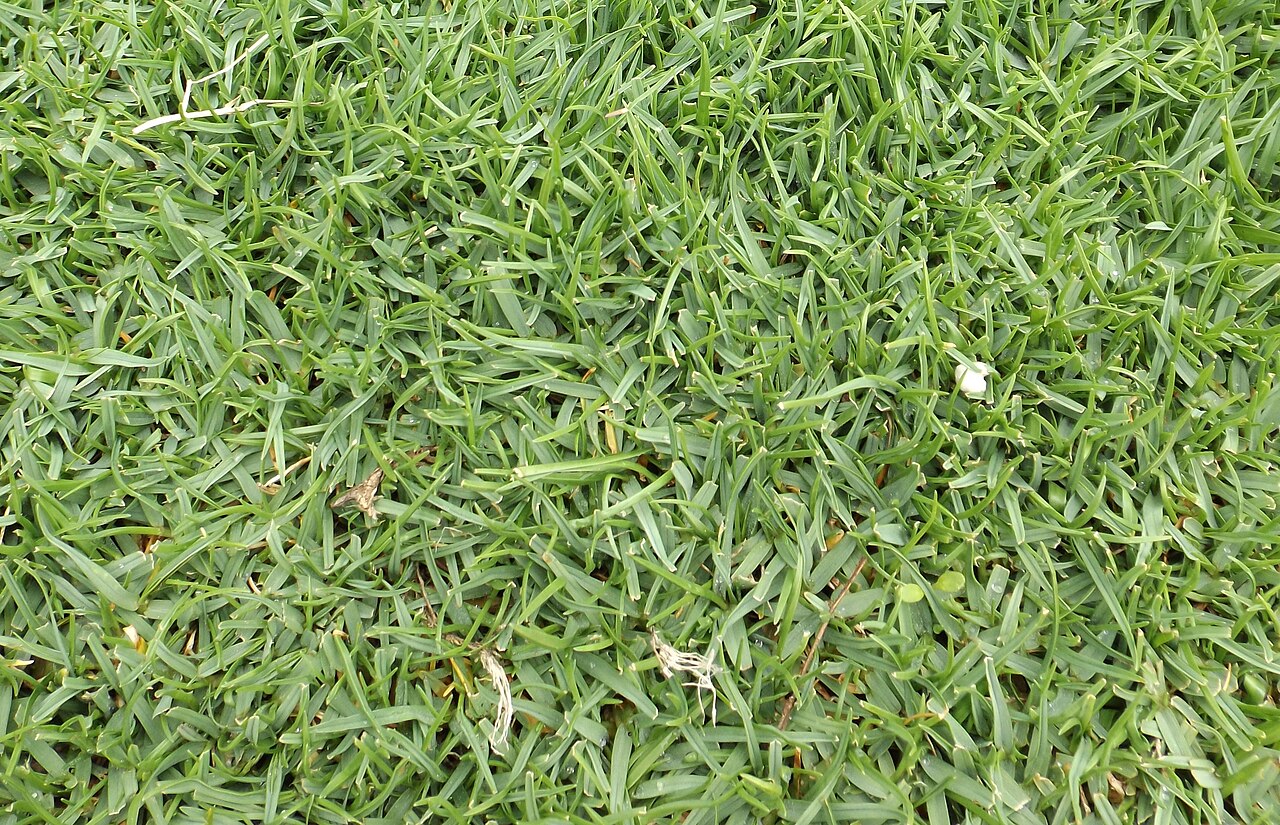
The growth form is a fine, dense mat of slender stems rising from short rhizomes and basal tufts. Mowed, it knits into a soft, fine-bladed turf; left unmowed, it grows into a loose, airy, low meadow grass. Established plants spread gradually to fill in bare ground, useful for erosion control on slopes and dunes.
Leaves
Leaf blades are narrow and fine, flat or inrolled, about half an inch to two inches long and just 1 to 6 millimeters wide, giving the grass its soft, hair-fine texture underfoot. Foliage is a deep, consistent green through the growing season, holding color better with occasional summer water in hot, dry sites.
Flowers & Seedheads
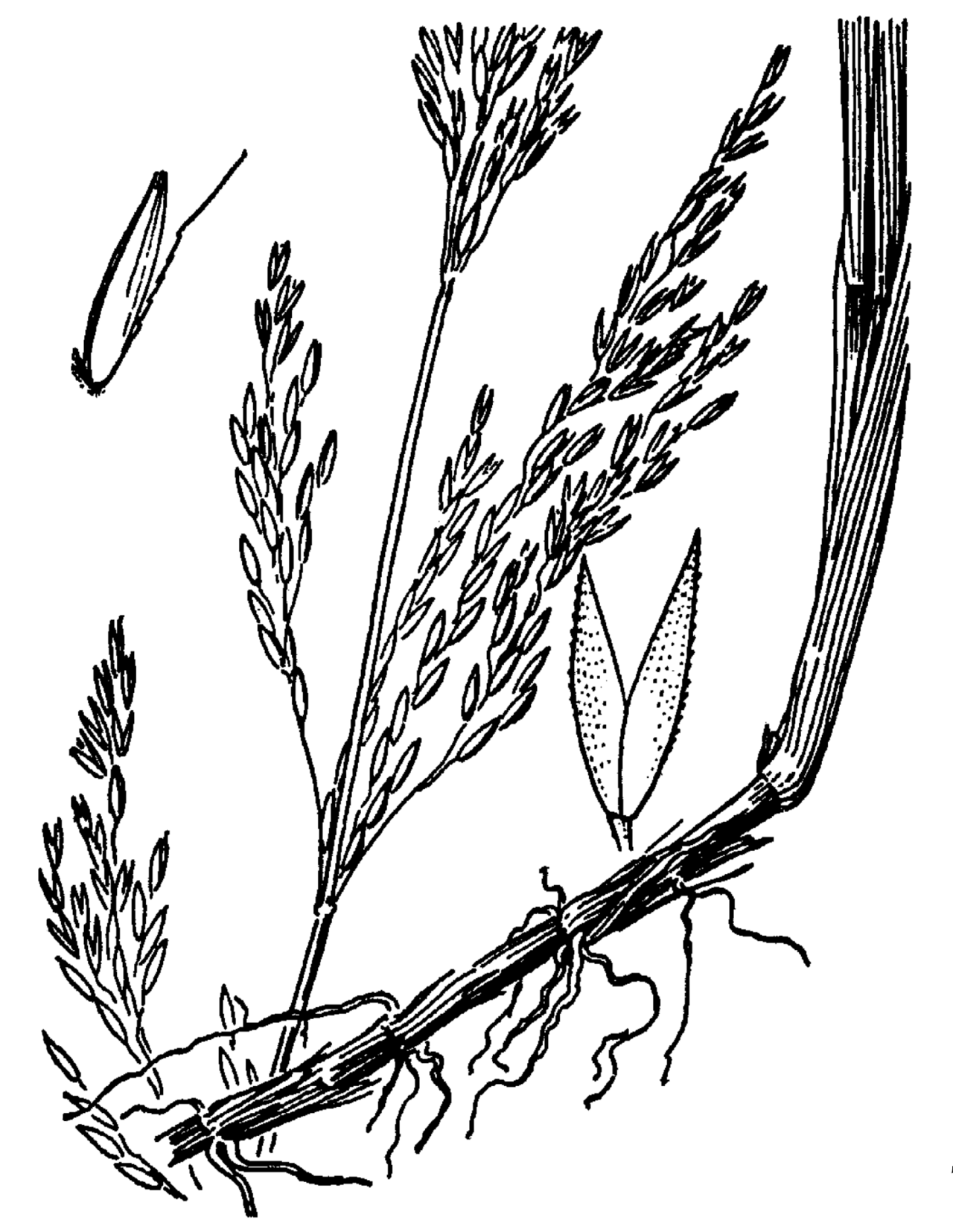
Thingrass blooms in spring, typically April into May, sending up slender, open, lance-shaped seed heads (panicles) 2 to 8 inches long on thin stems well above the foliage. The tiny individual flowers (spikelets) are only a couple of millimeters long, giving the bloom a light, airy, purplish-to-straw haze rather than a showy display. Left unmowed, the seed heads add gentle movement and texture to a naturalistic planting through late spring.
Quick Facts
| Scientific Name | Agrostis pallens |
| Family | Poaceae (Grass) |
| Plant Type | Perennial bunchgrass, occasionally rhizomatous |
| Mature Height | 4 in – 2 ft (mowed turf stays 2–4 in) |
| Mature Spread | Spreads gradually by short rhizomes; forms matting patches |
| Growth Rate | Slow to moderate |
| Sun Exposure | Full Sun to Part Shade |
| Water Needs | Low to average; drought tolerant once established |
| Soil Type | Sandy to loamy, well-drained; tolerates poor soil |
| Soil pH | Slightly acidic to neutral (5.5–7.0) |
| Bloom Time | April – May |
| Flower Color | Purplish to straw-colored (inconspicuous) |
| Fall Color | Evergreen to semi-dormant; stays green with some water |
| Fruit | Tiny grass caryopses (grain), wind dispersed |
| Deer Resistant | Yes (grasses are rarely browsed seriously) |
| USDA Hardiness Zones | 6–9 |
Native Range
Thingrass is native to western North America, ranging from British Columbia south through western Washington and Oregon to California, and east into the northern Rocky Mountains of Idaho and Montana, with scattered native populations in Nevada and Utah. In California it is especially widespread, found in most of the state outside the Central Valley floor and the driest desert regions.
Across this range, thingrass grows in an unusually broad set of habitats: coastal dunes, bluffs and scrub, open grassy meadows, oak woodlands and openings in coniferous forest, and dry subalpine slopes, from near sea level up to roughly 11,000 feet in the mountains. This habitat flexibility is a major reason it performs so reliably across different garden conditions, from coastal fog belts to drier interior valleys.
Because it tolerates sandy, nutrient-poor soils so well, thingrass is also a useful species for coastal dune stabilization and slope erosion control projects throughout its native range.
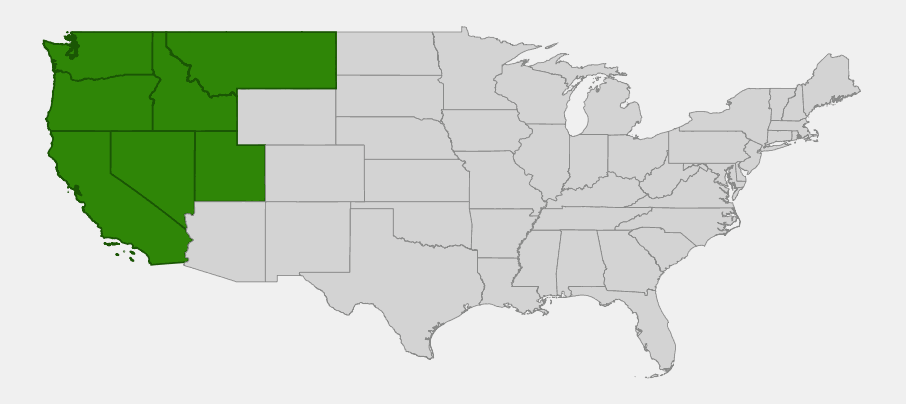
📋 Regional plant lists featuring Thingrass: Western Oregon & Western Washington · Idaho, Eastern Oregon & Eastern Washington · Montana & Wyoming · Utah & Western Colorado
Growing & Care Guide
Thingrass is prized specifically because it behaves like a conventional lawn grass while asking for far less water, fertilizer and mowing once it is established — a genuine native substitute for a thirsty turf lawn across much of the West.
Light
Full sun to part shade both work well. In full coastal sun the grass stays dense and low; in part shade, especially inland, it grows a bit more loosely but remains healthy. Avoid deep, full shade, where growth thins out.
Soil & Water
Thingrass is not fussy about soil, tolerating sandy, rocky or lean ground that would stress conventional turfgrasses. It establishes best with regular water the first year; after that, it needs only occasional deep watering through the dry season to stay green, and it can be allowed to go summer-dormant with minimal water if a brown summer lawn is acceptable. Good drainage is important — it does not tolerate standing water or heavy, waterlogged soil.
Planting Tips
Thingrass is typically established from plugs, sod, or seed in fall or early spring, when cool temperatures and seasonal rain support establishment. Keep newly planted areas consistently moist until roots take hold, then taper watering gradually. It spreads slowly by rhizome, so full lawn coverage from plugs can take one to two growing seasons.
Pruning & Maintenance
As a lawn substitute, thingrass can be mowed regularly to 1 to 3 inches for a conventional look, or left unmowed for a soft, informal meadow texture with visible seed heads in spring. It needs far less fertilizer than conventional turf — an occasional light feeding is usually enough. Reduce or stop mowing in late summer if allowing the grass to go dormant in dry-summer climates.
Landscape Uses
Thingrass fills several practical roles in West Coast and interior Western landscapes:
- Native lawn substitute — mowed turf that needs far less water than conventional grass
- Informal meadow lawn left unmowed for texture and spring seed heads
- Slope and dune stabilization on sandy or erosion-prone ground
- Light foot-traffic areas such as informal paths and play lawns
- Naturalistic and habitat gardens paired with other regional natives
Wildlife & Ecological Value
As a native grass with deep regional roots, thingrass supports Western ecosystems quietly but consistently, through forage, habitat structure, and erosion control rather than showy bloom.
For Pollinators
Like most grasses, thingrass is wind-pollinated and offers little direct nectar value, but its foliage and structure support a range of native grass-feeding insects, which in turn feed birds and other wildlife through the food web.
For Birds
The fine seed heads provide modest forage for seed-eating birds, and dense, low thingrass stands offer ground-level cover for foraging and nesting songbirds in open meadow and coastal habitats.
For Mammals
Thingrass is grazed by native herbivores including deer in some parts of its range, and its spreading root system helps stabilize soil used by burrowing animals in dune and grassland habitats.
Ecosystem Role
Thingrass is an important soil stabilizer in coastal dune and bluff systems and dry mountain meadows, where its spreading rhizomes help hold loose or sandy soil in place against wind and water erosion, supporting the broader plant community that depends on that stabilized ground.
Cultural & Historical Uses
Thingrass has no widely documented traditional food, craft, or medicinal use among Indigenous peoples of the Pacific Coast and interior West; as a fine-leaved native grass rather than a seed or fiber crop, its primary historical role has been ecological rather than utilitarian. Early American botanists, including A. S. Hitchcock in his landmark “Manual of the Grasses of the United States” (USDA, 1950), documented the species as seashore bentgrass, reflecting its abundance along the Pacific coastline.
In recent decades, thingrass has gained a second life in horticulture as interest in regionally appropriate, low-water lawn alternatives has grown across California and the broader West. Native plant nurseries and water districts have promoted it specifically as a mowable turf substitute, and demonstration gardens — including water-conservation gardens at several California community colleges — now use it to show homeowners a genuine, functional native alternative to conventional lawn grass.
Its modern popularity reflects a broader shift in Western landscaping away from thirsty, high-maintenance turf and toward native species that already belong on the land they are planted in.
Frequently Asked Questions
Can thingrass really replace my lawn?
Yes, in much of California, western Oregon and Washington, and similar dry-summer climates. It tolerates mowing, light foot traffic, and low water once established, making it one of the more practical native turf alternatives, though it will not handle heavy, constant foot traffic as well as some conventional sports turfgrasses.
How much water does thingrass need compared to a regular lawn?
Substantially less. Once established, thingrass typically needs only occasional deep watering through the dry season to stay green, and it can be allowed to go summer-dormant with little or no irrigation if a brown summer lawn is acceptable, unlike most conventional turfgrasses that need regular watering all summer.
Does thingrass spread aggressively?
No. It spreads gradually by short rhizomes, filling in bare patches and knitting together over one to two seasons rather than aggressively invading neighboring beds, which makes it manageable in home landscapes.
Is thingrass the same as common bentgrass used on golf greens?
No. Golf course “bentgrass” greens typically use a different species, creeping bentgrass (Agrostis stolonifera), which is not native to North America and requires intensive water and maintenance. Thingrass is a true Western native with much lower water and input needs.
Will thingrass grow well inland, away from the coast?
Yes. While it is especially common along the Pacific coast, thingrass is also native to interior meadows, woodlands and mountain slopes in Oregon, Idaho, Montana, Nevada and Utah, and performs well in those drier, more continental climates with appropriate watering during establishment.

Looking for a nursery that carries Thingrass?
Browse our native plant nursery directory: California · Oregon · Washington · Idaho · Montana · Nevada · Utah