Triangle-leaf Bursage (Ambrosia deltoidea)
Ambrosia deltoidea, commonly called Triangle-leaf Bursage or triangleleaf bursage, is one of the most abundant and defining shrubs of the Sonoran Desert, yet it is rarely planted on purpose — most people who know the Arizona desert know it only as the low, gray-green, unassuming shrub that fills the spaces between the saguaros and palo verdes. It is native only to Arizona within the United States, where it dominates vast stretches of desert bajadas and rocky slopes, often standing in for the entire shrub layer of the Sonoran Desert plant community.
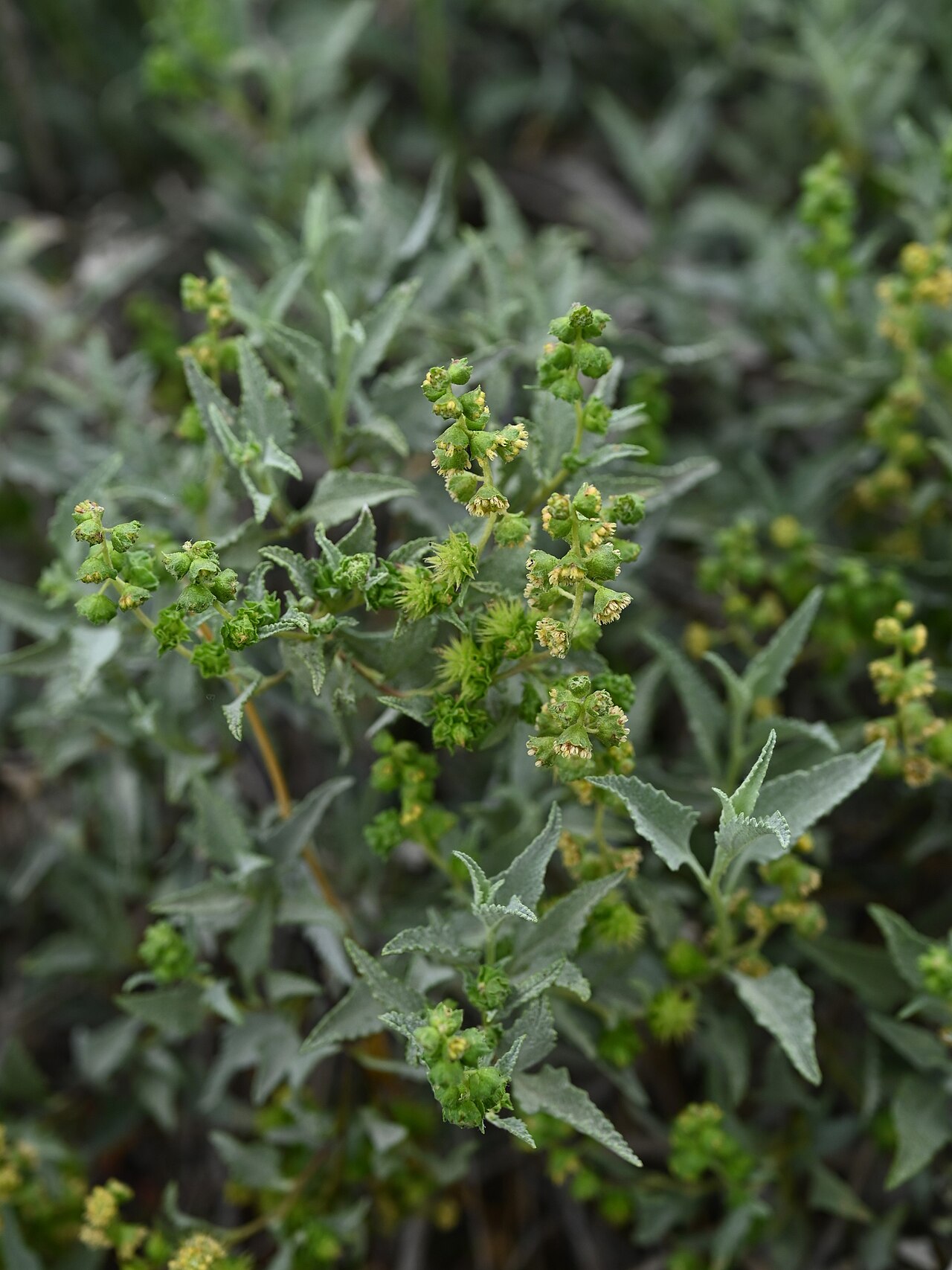
The plant itself is modest: a rounded, deciduous, 1 to 2.5 foot shrub with small, triangular to deltoid, gray-green leaves covered in fine hairs, and short spikes of small greenish-yellow flowers that bloom in late winter and spring. It is wind-pollinated rather than showy, and its pollen is a well-known contributor to desert allergy season. What triangle-leaf bursage lacks in ornamental flash, it makes up for in sheer ecological importance — it is frequently the single most numerous perennial plant across huge areas of the Sonoran Desert, and it plays an outsized role as a nurse plant, shade provider, and soil-building shrub for the iconic saguaro cactus and many other desert species.
For gardeners in central and southern Arizona working on a true desert-native or xeriscape planting, triangle-leaf bursage is an exceptionally low-maintenance, drought-adapted shrub that asks for nothing beyond what the desert already provides. It is not a plant for flower-garden color, but as a structural, water-wise backdrop that supports local wildlife and reads as authentically Sonoran, it has few equals.
Identification
Triangle-leaf bursage is a low, rounded, many-branched shrub, typically 1 to 2.5 feet tall and somewhat wider, with slender gray-brown stems that branch densely from the base. It is drought-deciduous, dropping most of its leaves during the driest, hottest part of summer and re-leafing after rains, so its appearance shifts noticeably through the year — lush and green after winter or summer rains, sparse and twiggy in extreme drought.
Stems
The stems are slender, numerous, and gray to reddish-brown, forming a dense, rounded thicket from a woody base. New growth is finely hairy, giving young stems a soft gray cast that matches the foliage.
Leaves
The leaves are small, typically under an inch long, and distinctly triangular to deltoid (arrowhead-shaped) in outline, with shallowly toothed or lobed margins — the feature that gives the plant both its common and scientific names (deltoidea, referring to the triangular leaf shape). They are covered in fine, soft hairs that give the foliage a grayish-green, slightly fuzzy texture, an adaptation that reflects sunlight and reduces water loss in the intense desert sun.
Flowers & Fruit
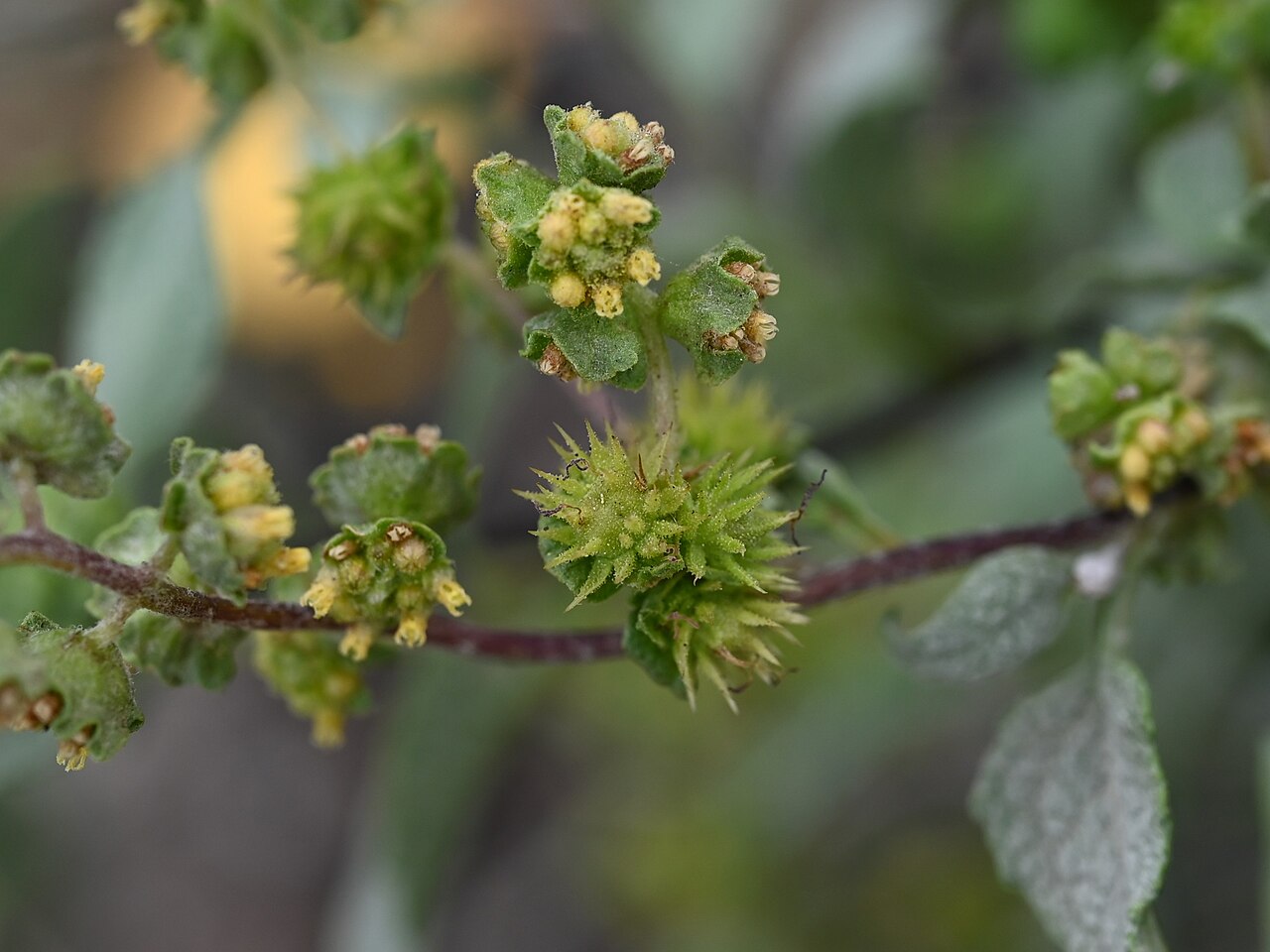
Like other ragweeds, triangle-leaf bursage is wind-pollinated and produces small, inconspicuous greenish-yellow flowers in short spikes at the branch tips, with separate male and female flowers on the same plant. Bloom occurs mainly from February through April, and again after summer rains. The fruit is a small, spiny bur about 1/4 inch long, bearing a ring or scattering of short hooked spines — distinct from the needle-like spines of its desert relative, white bursage (Ambrosia dumosa), and a useful field mark for telling the two apart.
Quick Facts
| Scientific Name | Ambrosia deltoidea |
| Family | Asteraceae (Aster/Sunflower) |
| Plant Type | Drought-deciduous shrub |
| Mature Height | 1–2.5 ft |
| Mature Spread | 2–4 ft |
| Growth Rate | Slow to moderate |
| Sun Exposure | Full Sun |
| Water Needs | Very low; highly drought tolerant |
| Soil Type | Rocky, gravelly or sandy desert soils; must be well-drained |
| Soil pH | 7.0–8.5 (neutral to alkaline) |
| Bloom Time | February – April, with a secondary bloom after summer rains |
| Flower Color | Greenish-yellow (inconspicuous) |
| Fall Color | None; drops leaves in drought rather than cold |
| Fruit | Small spiny bur, roughly 1/4 in |
| Deer Resistant | Yes |
| USDA Hardiness Zones | 9–11 |
Native Range
Triangle-leaf bursage is native within the United States only to Arizona, where it is concentrated in the central, southern, and southwestern parts of the state — the heart of the Sonoran Desert. It also occurs south of the border in Sonora and Baja California, Mexico. It is not native to California, Nevada, New Mexico, Texas, or any other U.S. state; gardeners outside Arizona’s Sonoran Desert zone should not expect it to be locally native, even though related bursage species occur more widely across the Southwest.
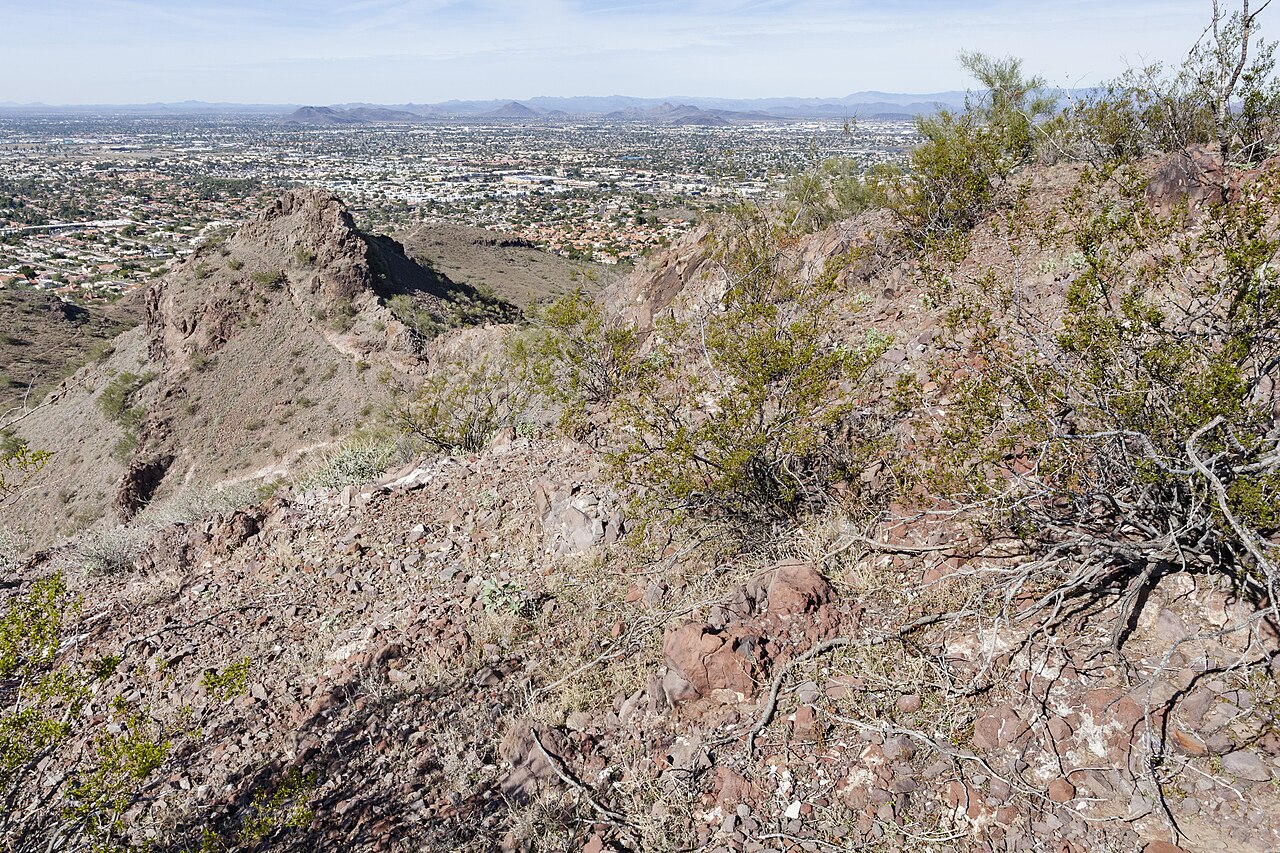
Within Arizona, triangle-leaf bursage is extremely common on desert bajadas (the gently sloping aprons of eroded material below mountain ranges), rocky foothills, and flats, typically below about 3,000 feet elevation. It is one of the most numerically dominant shrubs of the Arizona Upland subdivision of the Sonoran Desert, often forming the main shrub layer beneath and between the scattered saguaro, palo verde, and ironwood trees that define that landscape.
It is especially well known as a nurse plant: young saguaro cacti frequently establish in the dappled shade and slightly cooler, moister microclimate beneath a bursage shrub, which protects seedlings from intense sun and frost during their vulnerable first years. This relationship makes triangle-leaf bursage one of the ecologically most important shrubs in its native range, even though it is rarely the plant visitors notice first.
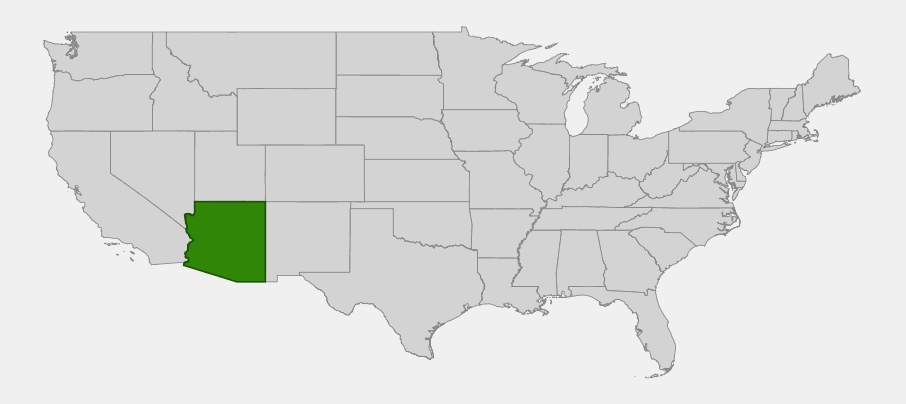
📋 Regional plant lists featuring Triangle-leaf Bursage: Arizona & New Mexico
Growing & Care Guide
Triangle-leaf bursage is as low-maintenance as desert shrubs get, provided it is planted within its climate — it has no tolerance for regular irrigation, heavy soils, or freezing winters much below its native Sonoran Desert range.
Light
Full sun is essential. Triangle-leaf bursage is adapted to the open, intensely sunny conditions of the Sonoran Desert floor and does not perform well in shade, where it becomes sparse and leggy.
Soil & Water
Good drainage is critical — rocky, gravelly, or coarse sandy desert soils suit it best, and it struggles or rots in heavy clay or regularly irrigated soil. Once established, it needs no supplemental water beyond natural rainfall in its native range; it survives extended drought by shedding its leaves and resuming growth after rain. Overwatering is the most common way gardeners kill this plant.
Planting Tips
Plant from containers in fall or early spring to allow roots to establish before summer heat. Give it plenty of room to spread naturally into its low, rounded form, and avoid amending the planting hole with rich organic matter, which can hold excess moisture against the roots. It pairs naturally with saguaro, palo verde, brittlebush, and other authentic Sonoran Desert companions in a low-water desert landscape.
Pruning & Maintenance
Little pruning is needed or wanted; triangle-leaf bursage keeps a naturally tidy, rounded shape on its own. Avoid shearing it into a formal shape, which looks unnatural and stresses the plant. Old, woody plants can be cut back hard in late winter to rejuvenate growth if they become too sparse, though most gardeners simply let the shrub follow its natural drought-deciduous cycle.
Landscape Uses
Triangle-leaf bursage serves specific, valuable roles in a desert-native landscape:
- Authentic Sonoran Desert restoration plantings and natural-area buffers
- Nurse-plant companion for young saguaro and other slow-growing cacti
- Low water-use groundcover shrub filling space between larger desert trees
- Erosion control on rocky desert slopes and bajadas
- Wildlife habitat in xeriscape and desert wildlife gardens
Wildlife & Ecological Value
Triangle-leaf bursage’s value lies less in feeding wildlife directly and more in the structural and ecological support it provides across the Sonoran Desert.
For Pollinators
Because it is wind-pollinated, triangle-leaf bursage offers little nectar value to bees and butterflies, though its pollen (shared with other ragweeds) is a food source for some specialist insects and a well-known contributor to seasonal allergies for desert residents.
For Birds
The dense, twiggy growth form provides shelter and nesting cover for small desert birds such as Gambel’s quail and various sparrows, which use bursage thickets to hide from predators and the intense desert sun.
For Mammals
Jackrabbits and desert cottontails browse the foliage, especially after rains when new growth is soft and abundant, and the shrub’s cover benefits small mammals moving between more exposed areas. Its burs can hitch a ride on the fur of passing animals, aiding seed dispersal.
Ecosystem Role
Triangle-leaf bursage is best known ecologically as a nurse plant for saguaro cacti and other slow-establishing desert species, moderating temperature extremes and providing cover for seedlings during their most vulnerable years. As one of the most numerous shrubs across huge areas of the Arizona Upland Sonoran Desert, it also plays a major role in stabilizing soil, cycling nutrients, and structuring the desert plant community as a whole.
Cultural & Historical Uses
Triangle-leaf bursage has a limited documented history of direct use by Indigenous peoples of the Sonoran Desert compared with more prominent food and fiber plants of the region, likely because of its lack of edible parts and its role as an allergenic pollen producer rather than a resource plant. It is primarily recognized today for its ecological rather than cultural significance.
Its main historical and ongoing significance is as a defining, almost ever-present element of the Sonoran Desert landscape itself — a plant so common across central and southern Arizona that it has shaped how botanists and ecologists describe and classify the Arizona Upland desert community. Its close association with the saguaro cactus, a plant of deep cultural importance to the Tohono O’odham and other regional peoples, means bursage indirectly supports one of the Southwest’s most culturally significant native species.
Today triangle-leaf bursage is increasingly recognized by desert gardeners and land managers as a valuable, authentic component of xeriscape and native habitat restoration projects, prized for the same low-water, low-maintenance qualities that have always made it so successful in the wild.
Frequently Asked Questions
Is triangle-leaf bursage the same as the ragweed that causes allergies?
It is in the same genus as common ragweed and is wind-pollinated like other ragweeds, so its pollen does contribute to seasonal allergy symptoms in the desert Southwest, especially in late winter and spring. It is a separate species from the ragweeds more commonly blamed for allergies in the eastern U.S.
Why does triangle-leaf bursage lose its leaves in summer?
It is drought-deciduous, meaning it sheds most of its leaves during the hottest, driest part of the year to conserve water, then quickly re-leafs after rain. This is a normal survival strategy, not a sign of a dying plant.
Can I grow triangle-leaf bursage outside Arizona?
It can be grown in other hot, dry, frost-free or lightly frosty climates with excellent drainage, but it is native only to Arizona (and adjacent Sonora and Baja California, Mexico) and should be considered a regional native rather than a native plant outside that range.
Is triangle-leaf bursage a nurse plant for saguaro cacti?
Yes — young saguaro seedlings very often establish beneath triangle-leaf bursage shrubs, which shade them from intense sun and buffer them from frost during their slow early growth. This “nurse plant” relationship is one of the shrub’s most important ecological roles.
How much water does triangle-leaf bursage need?
Very little. Once established, it relies entirely on natural desert rainfall and should not be placed on a regular irrigation schedule; overwatering is more likely to kill it than drought.

Looking for a nursery that carries Triangle-leaf Bursage?
Browse our native plant nursery directory: Arizona