
Variable Linanthus (Leptosiphon parviflorus)
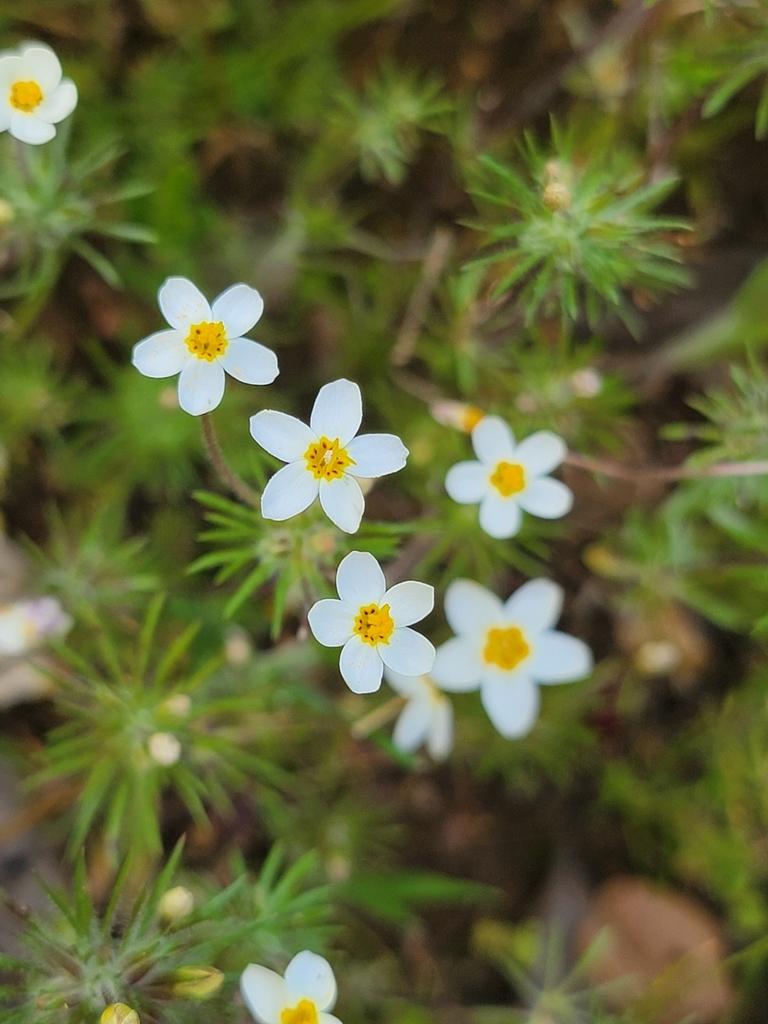
Leptosiphon parviflorus, known as Variable Linanthus or common linanthus, is a small native annual wildflower in the phlox family (Polemoniaceae). In spring it carpets open ground with starry, five-lobed flowers that can be white, pink, lavender or yellow, often in the same population, each with a contrasting yellow throat. It was long known as Linanthus parviflorus, a name still used in many books and seed catalogs.
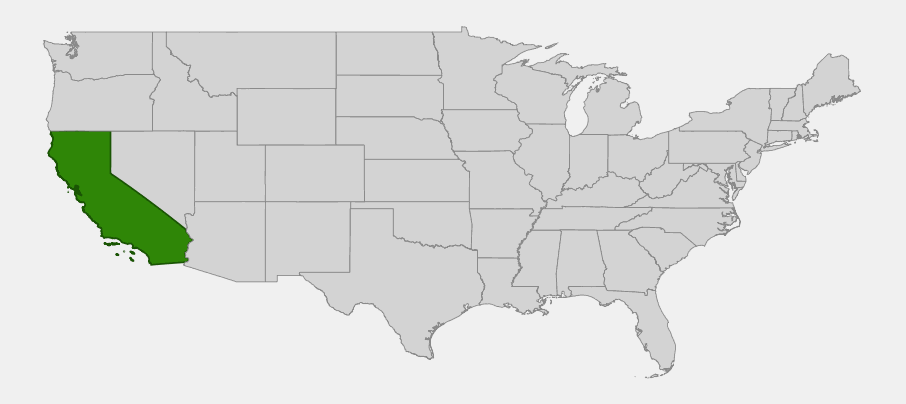
It is native only to California in the United States, where it grows in grasslands, open oak woodland, chaparral and coastal scrub openings, and on serpentine and other thin, rocky soils, mostly in the Coast Ranges and the mountains and foothills of southern California.
Variable linanthus is easy to grow from seed in sunny, well-drained spots and makes a delicate, colorful filler in California wildflower meadows and rock gardens. Its unusually long, thread-like flower tubes are a specialty of long-tongued pollinators such as bee flies.
Identification
Look for a small, wiry annual with needle-like leaves arranged in apparent whorls and tight clusters of starry white, pink, lavender or yellow flowers with yellow throats, in open grassy or rocky ground in spring.
Growth Habit
A slender, erect annual, usually 2 to 10 inches tall, with one stem or a few branches. Plants are often tiny in dry, poor soil and larger in good years.
Leaves
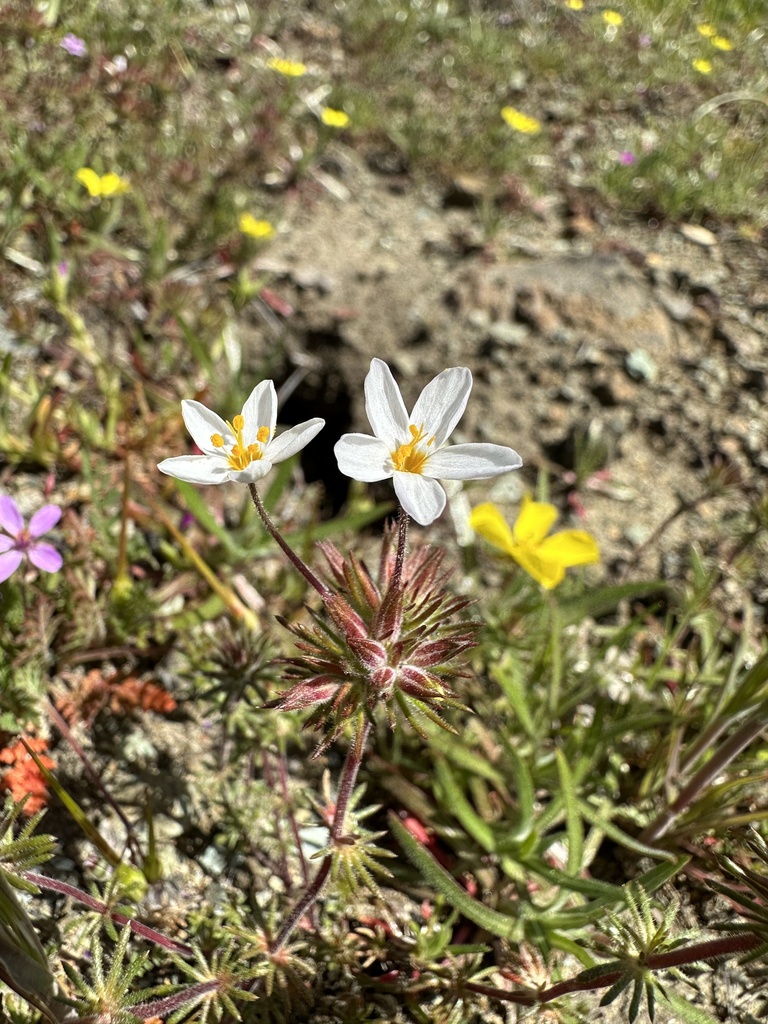
The leaves are opposite but deeply divided into three to nine narrow, needle-like lobes, so each pair looks like a whorl of bristly green needles along the stem. They are often finely hairy at the edges.
Flowers
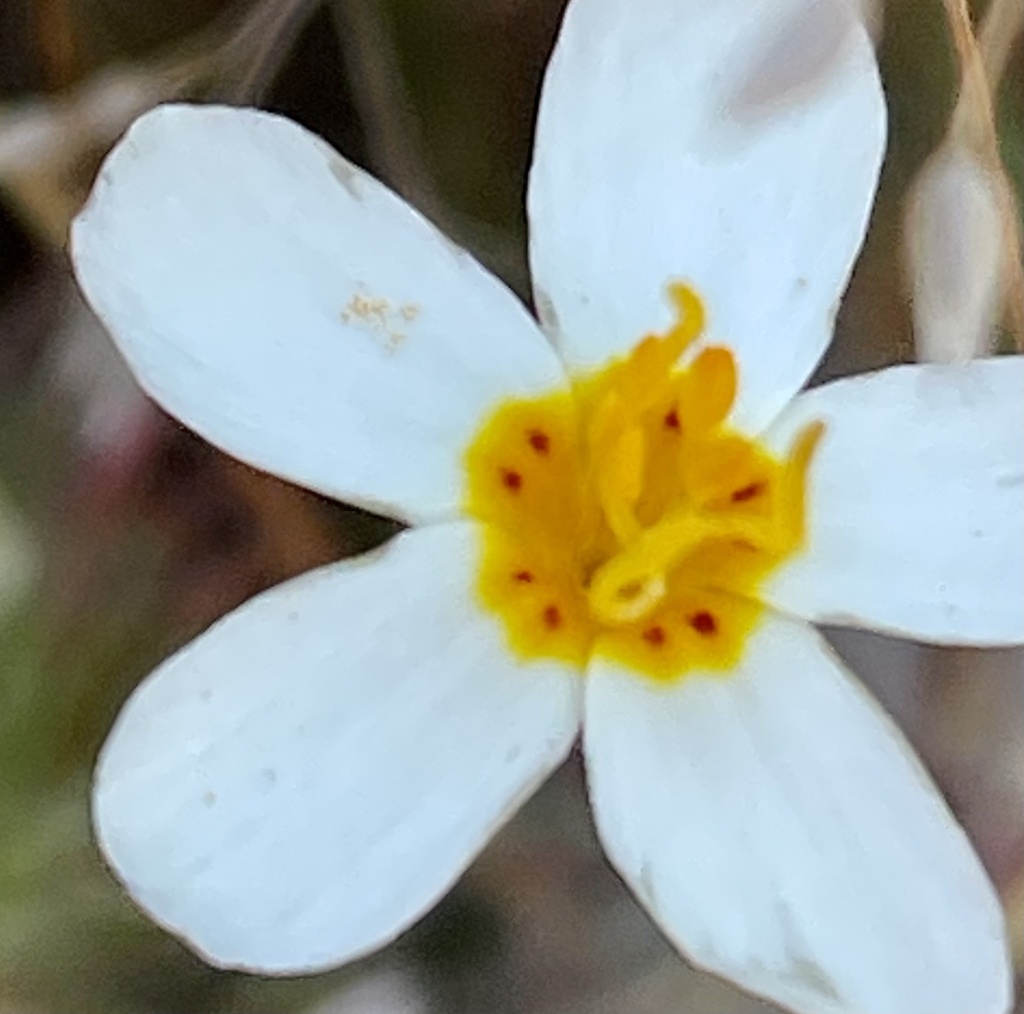
The flowers are borne in a dense, head-like cluster at the tip of the stem, surrounded by bristly, leaf-like bracts. Each has a very long, thread-thin tube, often 1 to 1 1/2 inches long, that rises above the bracts and opens into five spreading lobes about 1/4 to 1/2 inch long. The lobes are white, pink, lavender or yellow, and the throat is usually yellow, sometimes with red or purple spots. Flowering is from about March to June.
Fruit
The fruit is a small capsule that splits to release tiny seeds, which lie dormant in the soil until the next rainy season.
Look-alikes
Other linanthus species are similar. True babystars (Leptosiphon bicolor) has smaller flowers with a short tube. Ground pink (Linanthus dianthiflorus) has fringed, larger pink flowers on short tubes. Sand blossoms (Linanthus parryae) is a low desert annual. Look for the extremely long, thread-like tube to recognize variable linanthus.
Quick Facts
| Scientific Name | Leptosiphon parviflorus (syn. Linanthus parviflorus) |
| Family | Polemoniaceae (phlox family) |
| Plant Type | Annual wildflower |
| Mature Height | 2–10 in |
| Mature Spread | 2–6 in |
| Growth Rate | Fast (one season) |
| Sun Exposure | Full sun to light shade |
| Water Needs | Low; winter and spring rain, dry summer |
| Soil Type | Sandy, gravelly, rocky or serpentine, well-drained soil |
| Soil pH | Slightly acidic to neutral (about 5.5–7.5) |
| Bloom Time | Spring (March–June) |
| Flower Color | White, pink, lavender or yellow, with a yellow throat |
| Fall Color | None; dies after setting seed |
| Fruit | Small capsule with tiny seeds |
| Deer Resistant | Mostly; too small to attract much browsing |
| USDA Hardiness Zones | Annual; grows wild in zones 8–10 |
Native Range
Variable linanthus is native to California. USDA PLANTS records it from California only, and it is not known to occur naturally in other states.
It is most common in the Coast Ranges, from the San Francisco Bay Area and the Santa Cruz Mountains south through Monterey, San Benito and San Luis Obispo Counties, and in the Transverse and Peninsular Ranges of southern California, including the Santa Monica Mountains, the Simi Hills and the mountains of San Diego County.
It grows in open, sunny places in grassland, oak woodland and savanna, chaparral and coastal scrub, often on thin, sandy, gravelly or serpentine soils where competition from taller plants is low. It occurs from near the coast up into the foothills and lower mountains.
📋 Regional plant lists featuring Variable Linanthus: California & Nevada
Growing & Care Guide
Variable linanthus is a cool-season annual, like most California wildflowers. It sprouts with the fall and winter rains, blooms in spring and dies back in early summer after setting seed.
Light
Full sun to light shade. It flowers best in sun.
Soil & Water
It needs well-drained, lean soil, such as sand, gravel or rocky loam. Rich, heavily watered soil encourages weeds that crowd it out. In dry winters, water once or twice to help seedlings establish. No summer water is needed.
Planting Tips
Sow seed directly in fall, just before or at the start of the rainy season, on weed-free, raked soil. Barely cover the seed or press it into the surface. It looks best scattered in drifts with other low spring annuals, in rock gardens, along paths and at the front of native borders.
Pruning & Maintenance
No pruning is needed. Let plants dry and drop their seed before removing them in early summer. Keep weeds and nonnative grasses down in fall and winter so the seedlings get light.
Propagation
It grows only from seed. Collect seed when the capsules dry in late spring, store it dry over summer and sow it in fall. Plants often reseed themselves where soil is left bare.
Landscape Uses
- California wildflower meadows: drifts of starry, multicolored flowers in spring
- Rock gardens: a delicate annual for thin, well-drained soil
- Pollinator gardens: long-tubed flowers for bee flies and other long-tongued insects
- Containers: small pots and troughs of spring annuals
- Restoration: native seed mixes for grassland and woodland openings
Wildlife & Ecological Value
Variable linanthus is part of the rich spring annual wildflower display of California grasslands, woodlands and serpentine outcrops.
For Pollinators
Its long, narrow flower tubes hold nectar out of reach of short-tongued insects. Long-tongued bee flies are important pollinators, and long-tongued bees, butterflies and moths also visit.
For Birds
Seed-eating birds such as finches and sparrows feed on the tiny seeds of spring annuals, including linanthus, in late spring.
For Mammals
It is too small to be a significant food for mammals, but the open grasslands where it grows are habitat for many native rodents and their predators.
Ecosystem Role
As a native annual, it fills open spaces between perennial bunchgrasses and shrubs, adds to the diversity of spring wildflower communities and supplies early-season nectar. Native annual wildflowers like this one have declined where invasive annual grasses dominate.
Cultural & Historical Uses
The genus name Leptosiphon means “slender tube,” a perfect description of the flower. The species name parviflorus means “small-flowered,” which seems odd for such a showy plant, but refers to the small petal lobes compared with the long tube.
Botanists split the large genus Linanthus in the late 1990s and early 2000s, moving species with opposite, palmately divided leaves and long flower tubes into Leptosiphon. Many gardeners and seed companies still use the older name Linanthus parviflorus.
Because it is so small, variable linanthus is easy to overlook until it blooms. In a good rain year, after a fire or on serpentine soils where grasses are sparse, it can paint whole slopes in white, pink and yellow, one of the many “belly flowers” that California wildflower enthusiasts lie down on the ground to admire.
Frequently Asked Questions
Why is it called variable linanthus?
Because its flowers vary in color, from white to pink, lavender or yellow, often within the same population.
Is variable linanthus an annual?
Yes. It sprouts with fall and winter rains, blooms in spring and dies after setting seed in early summer.
When does variable linanthus bloom?
From about March to June, depending on location and rainfall.
How do I grow variable linanthus?
Sow seed in fall on bare, well-drained soil in full sun and let winter rains water it.
What pollinates variable linanthus?
Long-tongued insects, especially bee flies, as well as long-tongued bees, butterflies and moths, which can reach nectar at the base of its long flower tube.

Looking for a nursery that carries Variable Linanthus?
Browse our native plant nursery directory: California