
Wormleaf Stonecrop (Sedum stenopetalum)
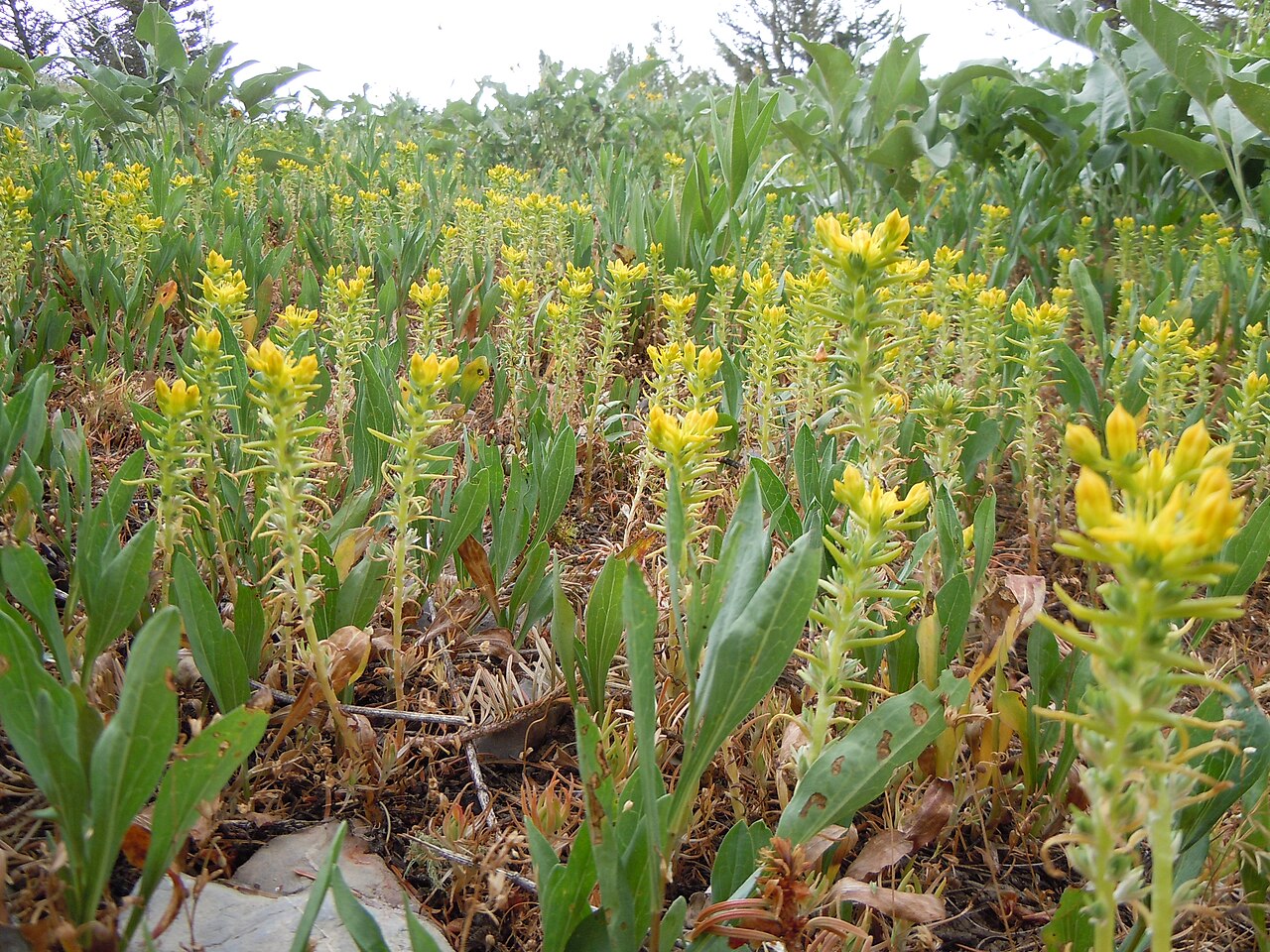
Sedum stenopetalum, known as Wormleaf Stonecrop (also narrow-petaled stonecrop), is a small succulent perennial in the stonecrop family (Crassulaceae) native to the Pacific Northwest and northern Rockies. It grows in rocky, gravelly and thin-soiled places, from sagebrush scablands to open pine forests and mountain slopes. In late spring and early summer each short stem ends in a flat cluster of bright yellow, star-shaped flowers.
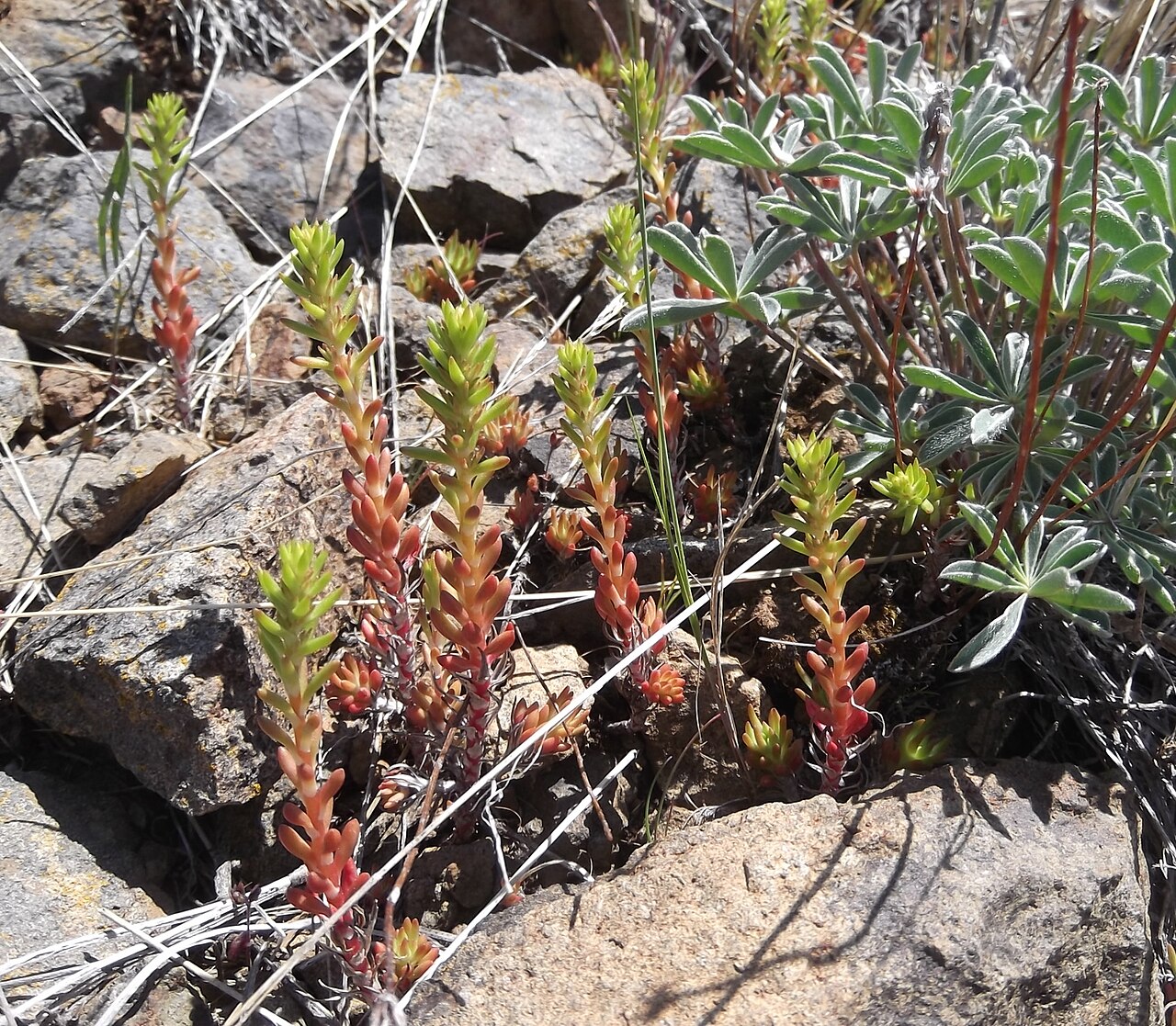
Its common name comes from its narrow, fleshy leaves, which are lance-shaped to nearly cylindrical and often have a keel or ridge underneath. On the lower part of the stem the old leaves dry and persist. Many plants also produce small rosette-like bulblets in the leaf axils, which drop off and grow into new plants. Plants growing in hot, exposed sites often turn red or bronze.
Wormleaf stonecrop is a tough, drought-tolerant plant for rock gardens, gravel gardens, green roofs and dry walls in the Northwest and intermountain West. It is easy to grow from cuttings, bulblets or seed and needs almost no care once established.
Identification
Look for small clumps of short, upright stems with narrow, fleshy, keeled leaves, topped by flat clusters of yellow, star-shaped flowers on rocky ground in late spring or summer.
Growth Habit
A low, clump-forming succulent perennial that spreads by short, branching stems. Flowering stems are upright, about 2 to 8 inches tall (rarely taller), and covered with leaves. Non-flowering shoots are shorter, and old, dried leaves often remain on the lower stems.
Leaves
The leaves are alternate, about 1/4 to 3/4 inch long, narrowly lance-shaped to linear, flattened on top and keeled or ridged underneath, with a pointed tip. They are green to gray-green and often turn red in sun or drought. Older leaves dry but stay attached. In many plants, small leafy bulblets form in the leaf axils and fall off to start new plants.
Flowers
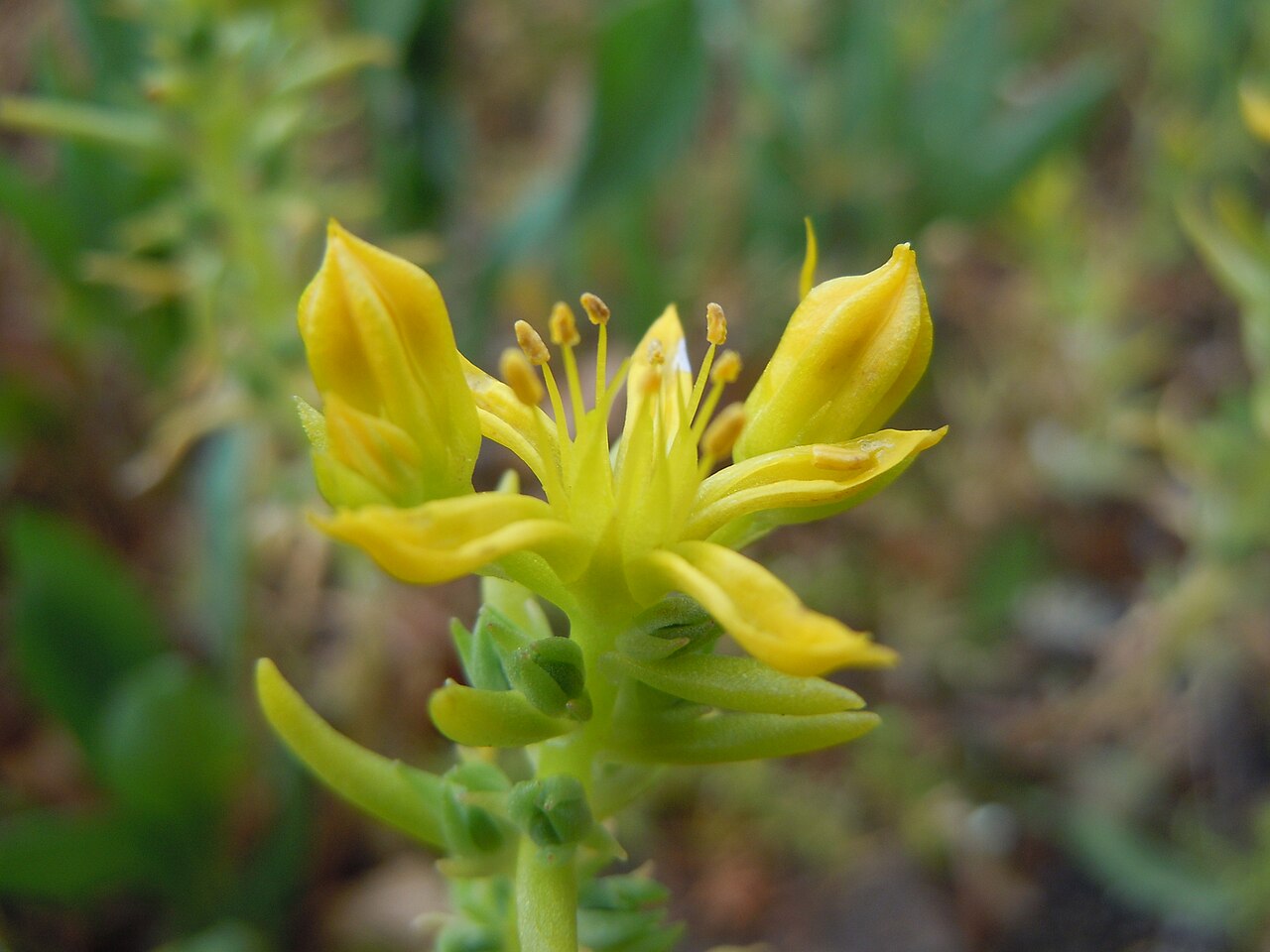
The flowers are held in a flat or slightly rounded cluster (cyme) at the top of the stem. Each has five narrow, sharply pointed, bright yellow petals about 1/4 to 3/8 inch long that spread widely in a star, and ten stamens. Flowers bloom from May to August, depending on elevation.
Fruit
The fruits are clusters of small, spreading follicles that turn tan or reddish and release tiny seeds in summer.
Subspecies & Look-alikes
Subspecies ciliosum, found in southwestern Oregon and northern California, has leaves fringed with fine hairs along the edges and usually lacks bulblets. Spearleaf stonecrop (S. lanceolatum) is very similar but has rounded, unkeeled leaves that usually fall off as they age, and no bulblets. Oregon stonecrop and Pacific stonecrop have broad, spoon-shaped leaves.
Quick Facts
| Scientific Name | Sedum stenopetalum |
| Family | Crassulaceae (stonecrop family) |
| Plant Type | Succulent herbaceous perennial |
| Mature Height | 2–8 in |
| Mature Spread | 6–12 in |
| Growth Rate | Moderate |
| Sun Exposure | Full sun to part shade |
| Water Needs | Very low; drought tolerant |
| Soil Type | Rocky, gravelly, sandy or thin soils; cliffs and rock outcrops |
| Soil pH | Slightly acidic to neutral (about 5.5–7.5) |
| Bloom Time | May–August |
| Flower Color | Bright yellow |
| Fall Color | Leaves and stems often turn red to bronze |
| Fruit | Small, spreading follicles |
| Deer Resistant | Yes; rarely browsed |
| USDA Hardiness Zones | 4–9 |
Native Range
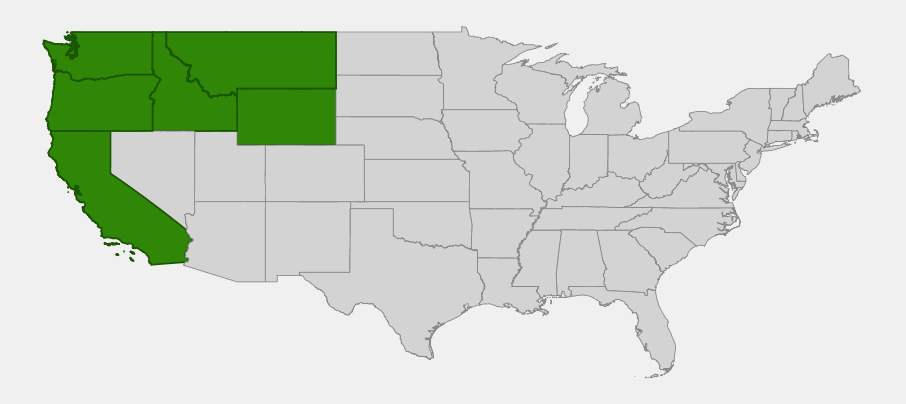
USDA PLANTS lists wormleaf stonecrop as native to California, Idaho, Montana, Oregon, Washington and Wyoming. In Canada it grows in southern British Columbia and southwestern Alberta.
It is most common east of the Cascades, in the Columbia Basin, the Blue and Wallowa Mountains, the Idaho Panhandle and northern Idaho, and western Montana, reaching northwestern Wyoming. West of the Cascades it is found on rocky outcrops in the western Cascades of Oregon, and in the Klamath-Siskiyou region of southwestern Oregon and northern California, where subspecies ciliosum grows.
Habitats include basalt outcrops and cliffs, rocky scablands, gravelly slopes, sagebrush and grassland openings, open ponderosa pine and Douglas-fir forests, and rocky mountain ridges. It often grows with mosses and lichens in thin soil over rock.
📋 Regional plant lists featuring Wormleaf Stonecrop: Idaho, Eastern Oregon & Eastern Washington · Montana & Wyoming · Western Oregon & Western Washington · California & Nevada
Growing & Care Guide
Wormleaf stonecrop is one of the easiest native succulents for dry gardens in the Northwest and northern Rockies. Its only real need is sharp drainage.
Light
Full sun gives compact plants, the best bloom and red winter color. It also grows in part shade, such as under open pines.
Soil & Water
Plant in lean, rocky, gravelly or sandy soil that drains quickly. It rots in rich, wet soil, especially in winter. Water occasionally until established; after that it usually needs no extra water except in very long droughts.
Planting Tips
Plant in spring or fall into crevices, gravel beds, wall pockets or shallow troughs. It also works on green roofs and in rock mulch around larger dryland plants. Space plants about 6 to 10 inches apart.
Pruning & Maintenance
Little care is needed. Trim off old flower stems after seed has dropped if you want a tidier look. Pull grasses and weeds that may smother it.
Propagation
Very easy. Press stem cuttings or the small bulblets into gritty soil and keep them barely moist until they root. It can also be grown from seed sown on the surface in fall.
Landscape Uses
- Rock gardens: a low succulent for crevices and scree
- Green roofs: handles thin soil, sun and drought
- Dry walls and troughs: fills pockets between stones
- Xeriscapes: groundcover that needs no summer water
- Pollinator gardens: yellow flowers for small bees and flies
Wildlife & Ecological Value
Wormleaf stonecrop is part of the specialized plant community of rocky, thin-soiled habitats in the inland Northwest.
For Pollinators
The open, star-shaped flowers offer easy nectar and pollen to small native bees, flies and butterflies.
For Birds
It provides little direct food for birds, but rocky habitats with stonecrops host insects eaten by birds such as rock wrens.
For Mammals
Deer and elk rarely browse it. Small mammals may nibble the fleshy leaves.
Ecosystem Role
Stonecrops are host plants for some butterflies. In the West, the caterpillars of several parnassians and blues feed on Sedum species. Stonecrops also help stabilize thin soils on rock outcrops.
Cultural & Historical Uses
The name Sedum comes from the Latin sedere, “to sit,” referring to the way many stonecrops sit on rocks and walls. The species name stenopetalum means “narrow-petaled.”
Like many stonecrops, it can use a special form of photosynthesis called CAM in which the leaves open their pores at night, when it is cooler, to take in carbon dioxide. This helps it save water in hot, dry places.
Stonecrops are well known for their ability to root from pieces of stem or single leaves. The bulblets of wormleaf stonecrop are a natural version of this, letting it spread across rock outcrops without seed.
Frequently Asked Questions
Is wormleaf stonecrop drought tolerant?
Yes. It stores water in its fleshy leaves and needs little or no summer water once established.
What are the small rosettes on the stems?
They are bulblets, small leafy buds that form in the leaf axils. They fall off and root to form new plants.
How is it different from spearleaf stonecrop?
Wormleaf stonecrop has keeled leaves that stay attached after drying and often produces bulblets. Spearleaf stonecrop has rounded leaves that usually drop as they age and no bulblets.
Can I grow it on a green roof?
Yes. It is well suited to shallow, fast-draining green roof soils in the Northwest and northern Rockies.
Is wormleaf stonecrop a host plant for butterflies?
Stonecrops are host plants for several western butterflies, including some parnassians and blues. Check local sources for the species in your area.

Looking for a nursery that carries Wormleaf Stonecrop?
Browse our native plant nursery directory: California · Idaho · Montana · Oregon · Washington · Wyoming

