
Wood Anemone (Anemone quinquefolia)
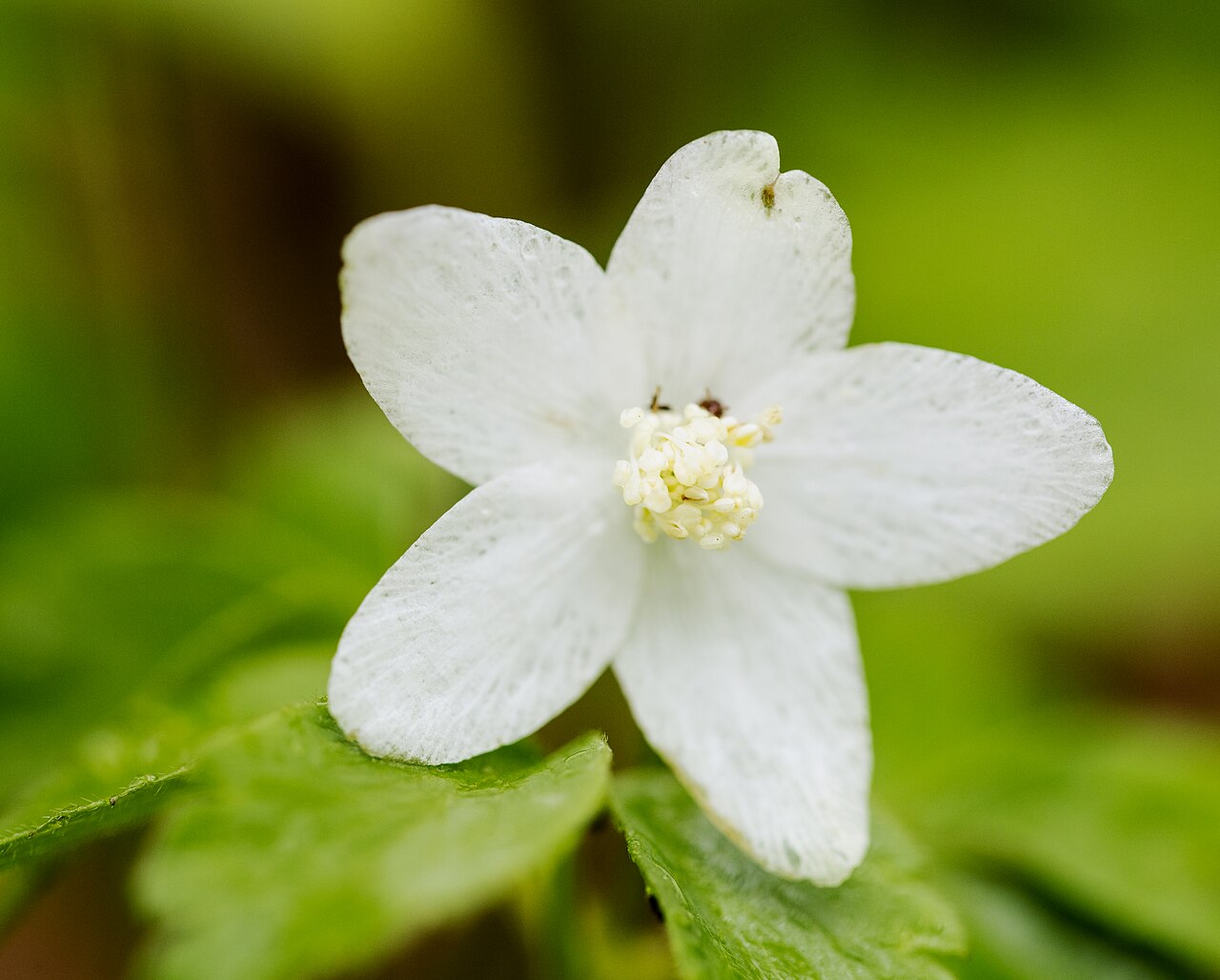
Anemone quinquefolia, commonly known as Wood Anemone or wood windflower, is one of the most familiar spring ephemerals of eastern and midwestern woodlands. A member of the buttercup family, Ranunculaceae, it forms loose, airy colonies across the forest floor each spring, each slender stalk topped by a single star-shaped white flower that nods and closes on cloudy days and opens wide in sunshine — a habit that earned the genus its windflower nickname, after the Greek wind god Anemos.
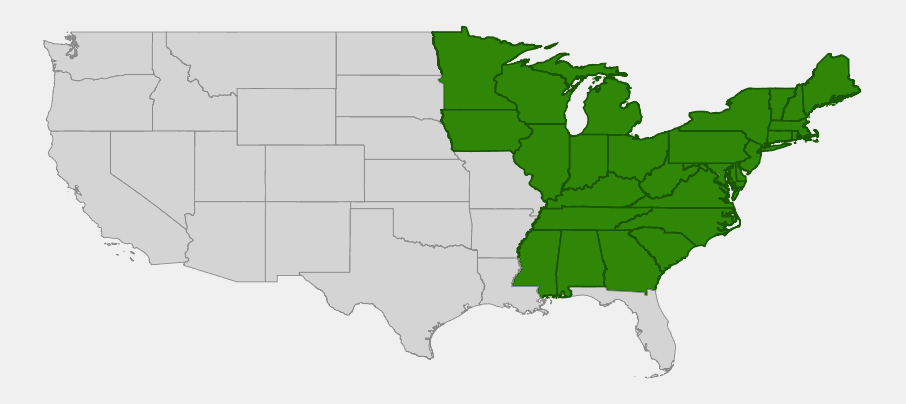
Wood anemone is native across most of the eastern United States, from New England and the Mid-Atlantic south through the Appalachians to Georgia, Alabama and Mississippi, and west through the Ohio Valley and the upper Midwest into Michigan, Wisconsin, Minnesota and Iowa. It is a true spring ephemeral: the plant emerges, flowers, sets seed, and dies back to its slender underground rhizome before the deciduous canopy overhead fully leafs out, all within a few short weeks each year.
For woodland and shade gardeners within its range, wood anemone is an easy, low-maintenance groundcover that spreads gently by rhizome to form a soft carpet of ferny leaves and white flowers under deciduous trees in April and May. Like other anemones, every part of the plant contains protoanemonin, which is toxic if eaten and can irritate the skin, so it is grown and admired for its flowers rather than put to any culinary use.
Identification
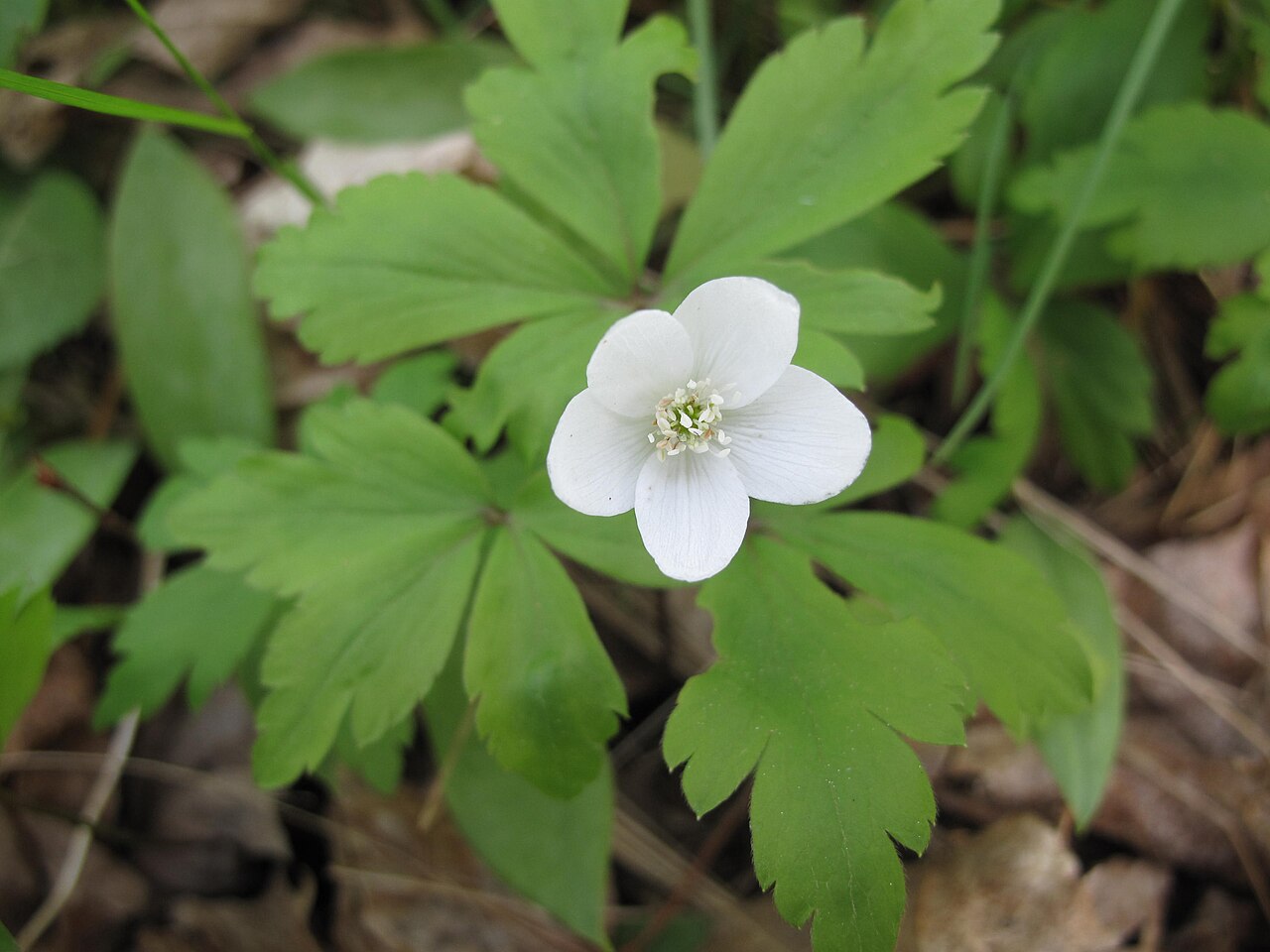
Wood anemone is a low, slender perennial typically 4 to 8 inches (10–20 cm) tall, spreading by thin, branching rhizomes to form loose colonies rather than dense clumps. Each flowering stem is topped by a single whorl of three leaflike bracts partway up the stalk, below the solitary flower — a key feature that separates true anemones from similar-looking spring wildflowers.
Leaves
The basal leaves, which usually appear after flowering, are long-stalked and divided into three leaflets, each leaflet further lobed or toothed, giving a delicate, almost fern-like texture. The stem leaves (the involucre) are similarly divided but shorter-stalked, usually in a whorl of three just below the flower. Despite the species name “quinquefolia” (five-leaved), most plants show three main leaflets rather than five; the name reflects an older, broader interpretation of the leaf divisions.
Flowers
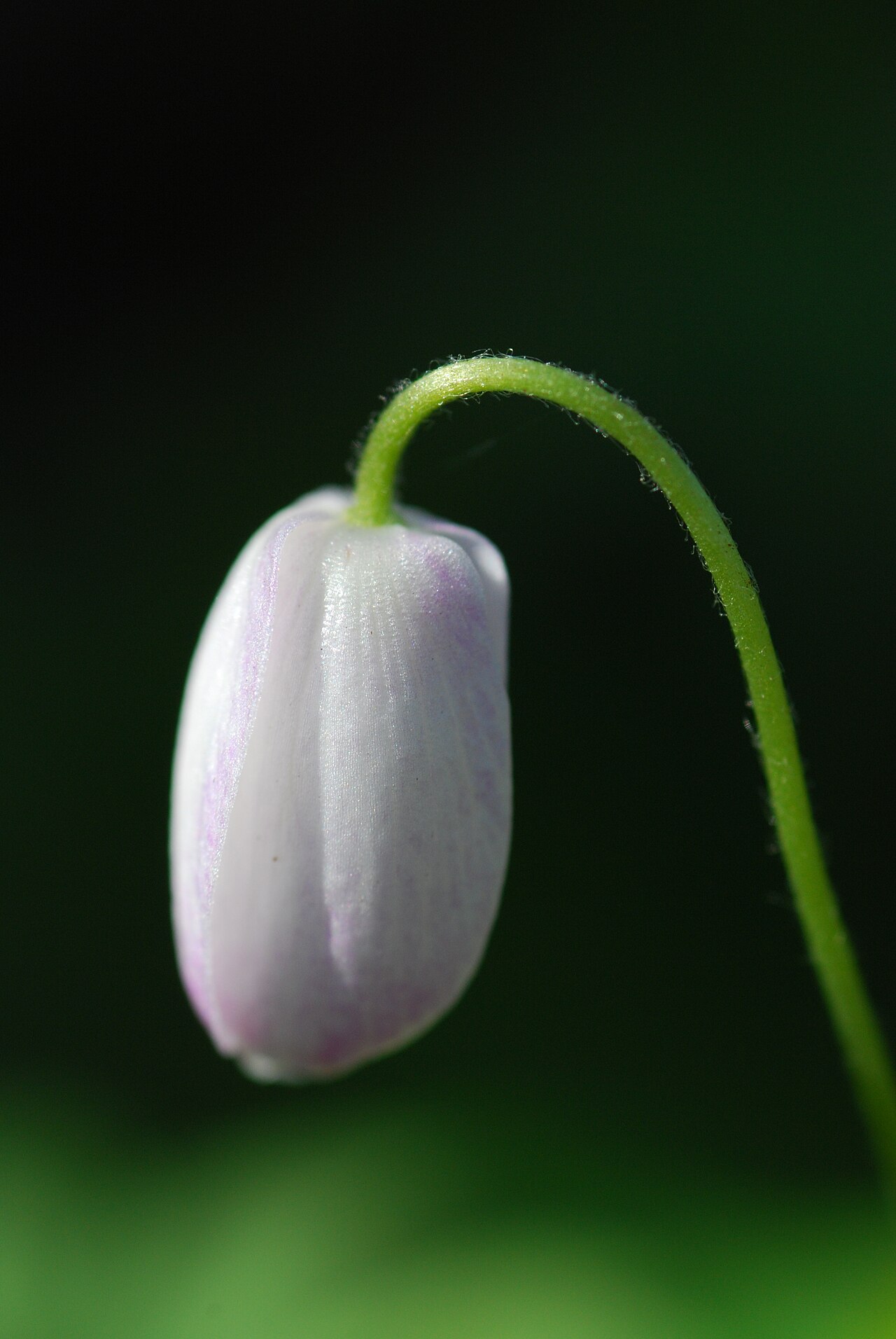
Each stem bears one flower, ¾ to 1¼ inches (2–3 cm) across, with five to nine white (occasionally pink-tinged) petal-like sepals surrounding a center of pale yellow stamens. Unopened buds often show a faint pink or purple blush on the outside of the sepals. The flowers nod on their stalks in bud and close in response to cold, cloudy, or low-light conditions, reopening as the sun returns — a simple protective response that helps keep pollen dry. Bloom time runs from April into June depending on latitude and elevation.
Fruit & Seeds
After pollination, the flower gives way to a small, loose cluster of beaked achenes, far less conspicuous than the woolly seed heads of some other anemones. By early summer the entire plant, leaves included, withers and disappears underground until the following spring, true to its ephemeral habit.
Quick Facts
| Scientific Name | Anemone quinquefolia |
| Family | Ranunculaceae (Buttercup) |
| Plant Type | Herbaceous perennial; spring ephemeral |
| Mature Height | 4–8 in (10–20 cm) |
| Mature Spread | Spreads gradually by rhizome into loose colonies |
| Growth Rate | Slow to moderate spread by rhizome |
| Sun Exposure | Part Shade to Full Shade |
| Water Needs | Moist in spring; tolerates dry shade in summer dormancy |
| Soil Type | Rich, humus-y, well-drained woodland soil |
| Soil pH | Slightly acidic to neutral |
| Bloom Time | April – June |
| Flower Color | White, occasionally pink-tinged |
| Fall Color | None; foliage disappears by early summer |
| Fruit | Small cluster of beaked achenes |
| Deer Resistant | Yes (toxic sap discourages browsing) |
| USDA Hardiness Zones | 3–8 |
Native Range
Wood anemone is native across a broad swath of eastern North America, from New England and the Maritimes south through the Mid-Atlantic and Appalachian states to Georgia, Alabama and Mississippi, and west through the Ohio Valley into Illinois, Iowa, Michigan, Wisconsin, and eastern Minnesota. It is common throughout much of this range and is one of the characteristic spring wildflowers of deciduous forests from the Gulf Coastal Plain of the Southeast to the Great Lakes.
Typical habitat is rich, moist deciduous woodland: the floor of mixed hardwood and cove forests, wooded slopes, floodplain terraces, and shaded roadside banks, usually in soils with good organic content and reliable spring moisture. Like other spring ephemerals, it depends on the open light that reaches the forest floor before trees leaf out, then goes dormant for the rest of the year once the canopy closes overhead.
Wood anemone remains widespread and secure through most of its range, though as with many spring ephemerals, old, undisturbed colonies in mature forest are a sign of long-term habitat stability and are worth protecting. The species is absent from the Great Plains, the arid West, and Florida, so it should not be planted or expected to naturalize outside the moist eastern and midwestern woodlands it is suited to.
📋 Regional plant lists featuring Wood Anemone: New Hampshire, Maine & Vermont · Connecticut, Massachusetts & Rhode Island · New York, Pennsylvania & Northern New Jersey · Delaware, Southern New Jersey & Long Island · Maryland, Virginia & West Virginia · North Carolina & South Carolina · Georgia, Alabama & Mississippi · Kentucky & Tennessee · Ohio & Indiana · Illinois, Iowa & Missouri · Michigan, Wisconsin & Eastern Minnesota
Growing & Care Guide
Wood anemone is one of the easiest native spring ephemerals to establish, asking only for the same conditions it enjoys in the wild: rich, moist, shaded woodland soil and a bit of patience while it slowly spreads.
Light
Plant it in part to full shade, ideally beneath deciduous trees where it receives bright spring sun before the canopy fills in and dappled to deep shade through summer. This mimics its natural woodland cycle and keeps the ephemeral foliage from drying out during its brief active season.
Soil & Water
Wood anemone prefers rich, humus-laden, well-drained soil with a slightly acidic to neutral pH — the kind of leaf-litter-enriched ground found on a healthy forest floor. Keep it consistently moist in spring while the plant is actively growing and flowering; once it goes dormant in early summer, it tolerates the drier shade conditions typical under established trees.
Planting Tips
Plant rhizome divisions or container plants in fall, setting them shallowly just under the soil surface in a woodland bed, shade garden, or naturalized area under trees. Space plants 6 to 12 inches apart if trying to establish a colony more quickly; left alone, they will fill in gradually on their own over several years. Mulch with shredded leaves to replicate natural leaf litter.
Pruning & Maintenance
Wood anemone needs essentially no maintenance. Let the foliage die back naturally after flowering rather than cutting it, since the plant is storing energy in its rhizome for next spring. Avoid disturbing the soil where it grows during its summer dormancy, when the rhizomes are difficult to see and easy to damage accidentally.
Propagation
The easiest method is rhizome division in fall, after the foliage has died back; dig gently and replant segments promptly in prepared woodland soil. Fresh seed can also be sown in fall for spring germination, but division is faster and more reliable for most gardeners.
Landscape Uses
- Woodland and shade gardens as a delicate spring groundcover under deciduous trees
- Naturalized colonies alongside other spring ephemerals such as trout lily and spring beauty
- Understory plantings in native plant gardens and restoration projects
- Shaded slopes and banks, where its spreading rhizomes help knit together loose soil
Wildlife & Ecological Value
As one of the first wildflowers to bloom in eastern woodlands each spring, wood anemone plays an outsized role in the brief but critical early-season window of forest ecology.
For Pollinators
The flowers are visited by small native bees, syrphid flies, and other early-season pollinators that are active before most other woodland plants bloom. Because the flowers close in cold or cloudy weather and reopen in sun, they help protect pollen for the pollinators that do manage to visit during brief warm spells in early spring.
For Birds & Mammals
The toxic, bitter foliage of wood anemone is avoided by deer and other browsing mammals, which makes it a reliably deer-resistant component of a woodland garden. It offers little direct food value to birds or mammals, but its dense spring colonies contribute to the overall structure and ground cover of the forest floor during the critical early growing season.
Ecosystem Role
Wood anemone is part of the spring ephemeral guild that carpets eastern deciduous forests before the tree canopy closes, helping to capture early-season sunlight and nutrients, stabilize leaf-litter soils with its rhizome network, and signal a healthy, undisturbed forest understory when found in large, long-established colonies.
Cultural & Historical Uses
Wood anemone has a modest history of use among Indigenous peoples of eastern North America, who recognized it chiefly as a familiar spring woodland plant rather than a significant food or medicine source, likely owing to its toxicity and small size compared to more substantial spring plants like trout lily or ramps.
Like other anemones, every part of wood anemone contains protoanemonin, a compound that is toxic if eaten and can irritate skin on contact with the fresh plant. It has no history of safe culinary use and should not be consumed or handled carelessly, particularly by anyone with sensitive skin.
In European folk tradition, related anemone species carried associations with the arrival of spring and were sometimes considered a sign that the wind had “awakened” the woods — a theme echoed in the English name windflower, which has been applied informally to the American wood anemone as well. Today the species is valued mainly by native plant gardeners and naturalists as an early, reliable marker of spring in the eastern forest.
Frequently Asked Questions
Is wood anemone the same as the European wood anemone?
No. The European wood anemone, Anemonoides nemorosa, is a related but separate species native to Europe and Asia. The North American wood anemone, Anemone quinquefolia, is native to the eastern United States and eastern Canada and is the species covered here.
Is wood anemone poisonous?
Yes. Like all anemones, it contains protoanemonin, which is toxic if eaten and can irritate the skin on contact with the fresh plant. Keep it out of reach of pets and children who might chew on garden plants.
Why does wood anemone disappear in summer?
It is a spring ephemeral, meaning it completes its entire above-ground life cycle — emerging, flowering, and setting seed — before the deciduous forest canopy fully leafs out. Once shade deepens in early summer, the foliage withers and the plant survives underground as a rhizome until the following spring.
Will wood anemone spread aggressively in my garden?
No. It spreads slowly and gently by rhizome, forming a loose colony over several years rather than taking over a bed. It is easy to control and makes a well-behaved groundcover for a shaded native garden.
What grows well with wood anemone?
Other spring ephemerals and shade-loving natives make excellent companions, including trout lily, spring beauty, trillium, and Virginia bluebells, all of which share its preference for rich, moist, deciduous woodland soil.

Looking for a nursery that carries Wood Anemone?
Browse our native plant nursery directory: ME, MA, MD, MS, KY, MI & MN · NH, NY, NJ, NC & OH · VT, RI, PA, VA, SC & TN · CT, DE & GA · AL · WV & WI · IN, IL & IA