Engelmann Daisy (Engelmannia peristenia)
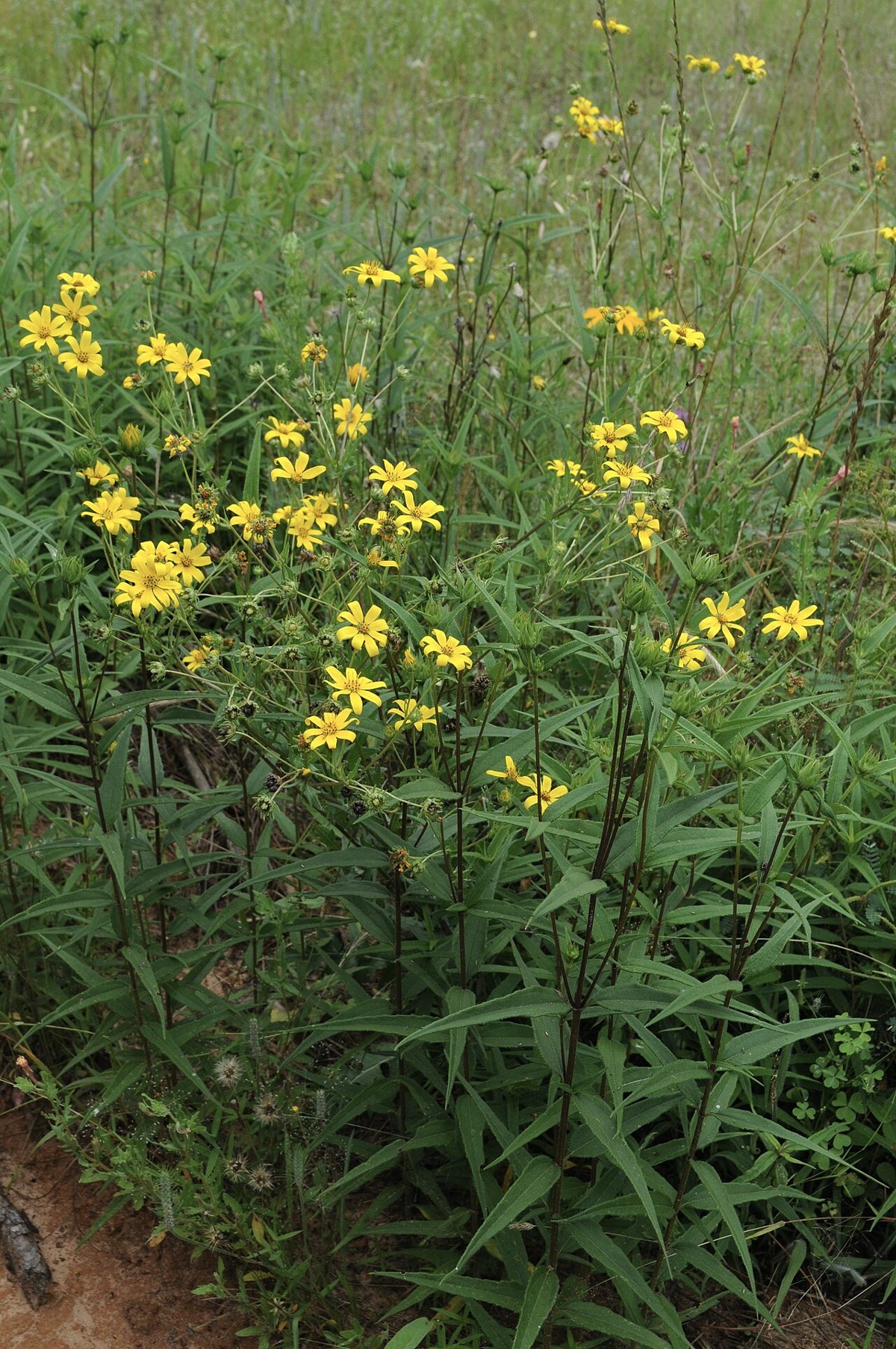
Engelmannia peristenia (syn. Engelmannia pinnatifida), commonly called Engelmann Daisy or Cutleaf Daisy, is a tough, long-blooming perennial wildflower of the southern Great Plains and Southwest. It is the sole species in its genus, named for the German-born botanist George Engelmann, who spent much of his career cataloging the plants of the American frontier from his base in St. Louis. Gardeners across Texas, Oklahoma, New Mexico, Arizona and Kansas prize it for a trait few other prairie forbs can match: it keeps blooming through the worst of summer heat and drought, long after showier annuals have given up.
The plant forms a rounded clump of branching, bristly-hairy stems 1 to 3 feet tall, rising from a thick basal rosette of deeply lobed, almost fern-like leaves. From late spring into fall it is topped with a steady succession of 1½-inch, bright yellow, daisy-like flowerheads, each with 8 to 10 notched ray petals surrounding a cluster of tiny disk flowers. A curious habit sets it apart: the flowers open fully in the cooler light of late afternoon and evening, then partially fold the following day once the sun and heat intensify — a simple but effective way of protecting pollen and nectar from the harshest part of the day.
Engelmann Daisy is a fixture of the limestone prairies, caliche flats and rocky plains that stretch from the Edwards Plateau north through the Panhandle into Oklahoma and Kansas, and west across the grasslands of New Mexico and southeastern Arizona. It asks for almost nothing once established — no supplemental water, no fertilizer, no spraying — and rewards that neglect with months of flowers that feed a long list of native bees, butterflies and seed-eating birds. For a low-maintenance, deer-resistant wildflower that holds its own in heavy clay or thin rocky soil, it is hard to beat.
Identification
Engelmann Daisy grows as a clump-forming herbaceous perennial, typically 1 to 3 feet tall and about as wide, with several stout, branching stems rising from a woody taproot and basal crown. The whole plant is covered in short, stiff, grayish hairs that give the foliage and stems a slightly rough, sandpapery texture — a classic adaptation to intense sun and wind.
Leaves
The basal leaves are the most distinctive feature: large, deeply pinnately lobed or cleft (hence “cutleaf daisy”), sometimes resembling a coarse oak or dandelion leaf, and often forming a substantial winter rosette that persists at ground level. Stem leaves are smaller, fewer, and less deeply divided as they ascend, becoming nearly bract-like near the flower clusters. Leaf color is a dull grayish-green, in keeping with the plant’s hairy, sun-adapted surfaces.
Flowers
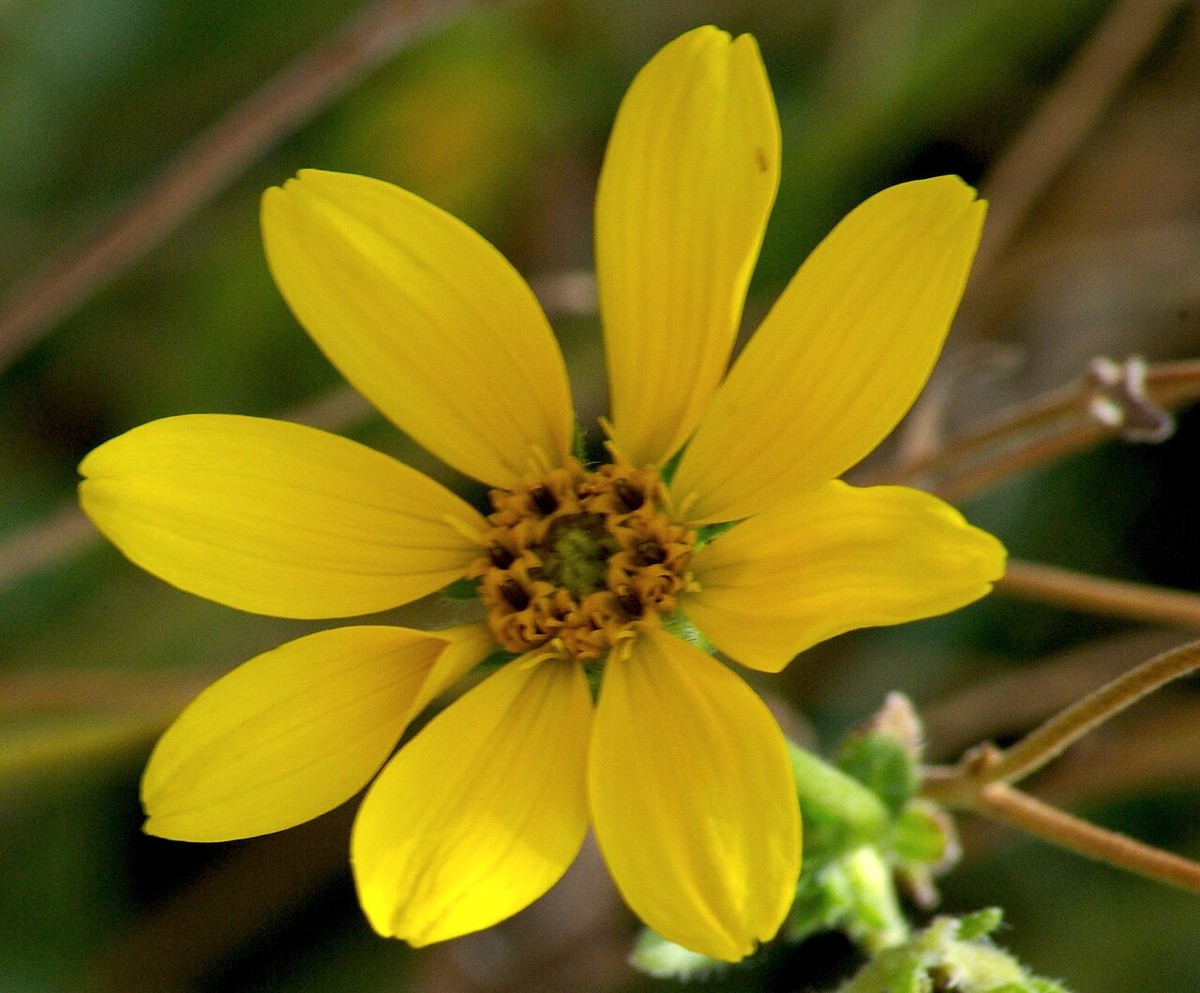
Flowerheads are about 1 to 1½ inches across, borne in loose, branching clusters (corymbs) at the stem tips on long peduncles. Each head carries 8 to 10 bright yellow ray flowers, each ray tip distinctly notched or two-lobed, surrounding a dense center of small yellow-orange disk flowers. Bloom is heaviest from April through June, continuing sporadically through summer and into October, especially after rain. The afternoon-opening, next-day-folding behavior of the rays is a reliable field mark.
Fruit & Seeds
Like other members of the sunflower family, Engelmann Daisy produces small, dry, single-seeded fruits (achenes) in the spent flowerheads, maturing a few weeks after bloom. The seed is relished by seed-eating birds and is the main means of natural spread; the plant does not run or spread vegetatively, remaining a discrete clump.
Quick Facts
| Scientific Name | Engelmannia peristenia (syn. Engelmannia pinnatifida) |
| Family | Asteraceae (Aster/Sunflower) |
| Plant Type | Herbaceous Perennial Wildflower |
| Mature Height | 1–3 ft |
| Mature Spread | 1–2½ ft |
| Growth Rate | Moderate |
| Sun Exposure | Full Sun to Part Shade |
| Water Needs | Low to Moderate; drought tolerant once established |
| Soil Type | Well-drained; limestone, caliche, clay or rocky soils |
| Soil pH | Neutral to alkaline |
| Bloom Time | April – October, heaviest in spring |
| Flower Color | Yellow |
| Fall Color | None notable; foliage dies back after frost |
| Fruit | Small dry achenes (inconspicuous) |
| Deer Resistant | Yes (bristly, rough foliage generally avoided) |
| USDA Hardiness Zones | 6–9 |
Native Range
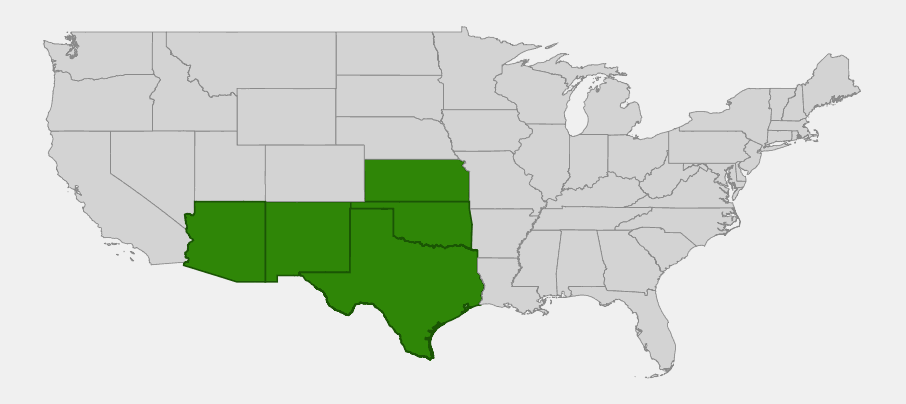
Engelmann Daisy is native to the south-central United States, centered on Texas and ranging north through Oklahoma and southern Kansas, and west across New Mexico into southeastern Arizona. It is most abundant on the limestone prairies and caliche soils of the Edwards Plateau and Rolling Plains of Texas, where it is one of the most recognizable spring wildflowers along rural roadsides and in remnant prairie.
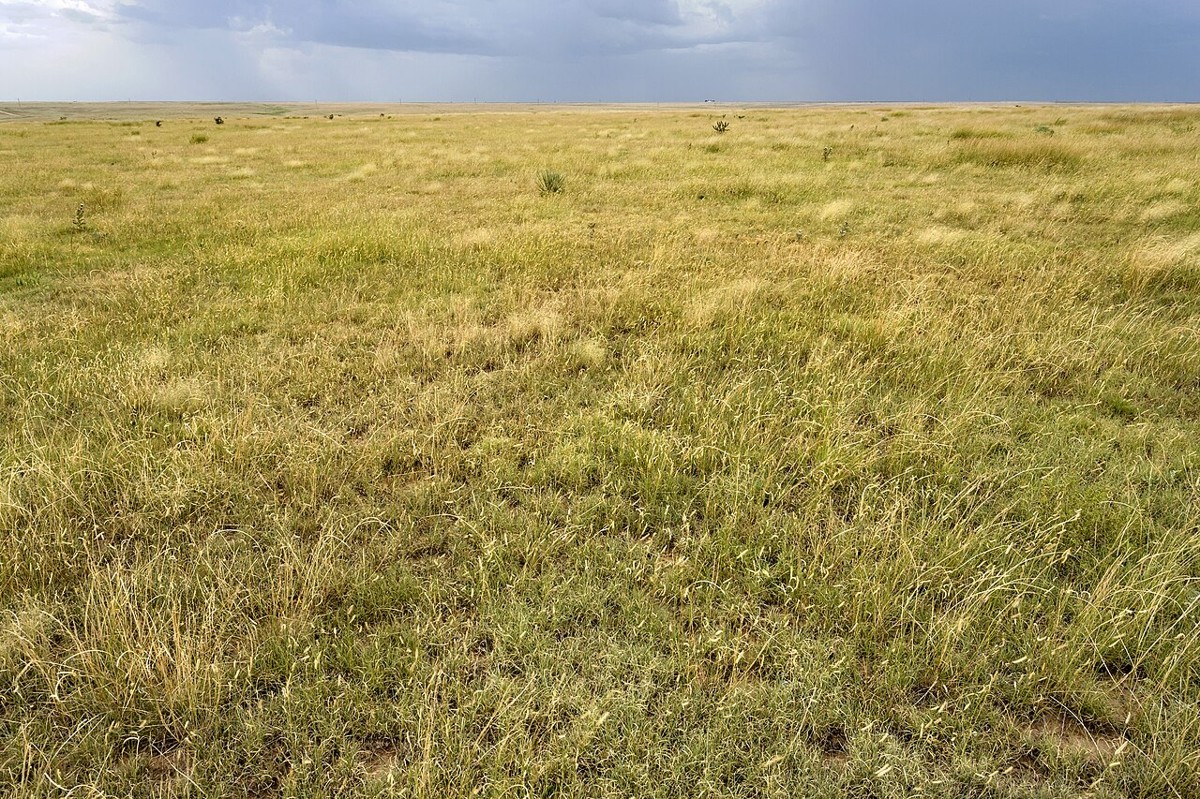
Across its range it favors open grasslands, prairies, mesquite savannas, rocky outcrops, and disturbed ground such as roadsides and pastures, generally below about 6,500 feet elevation. It is a common associate of shortgrass and mixed-grass prairie species, and often grows alongside other tough, drought-adapted forbs on thin, alkaline soils where few other wildflowers persist.
Because its range runs right up against areas where it is only occasionally planted or escapes cultivation, gardeners outside this core region — the Southeast, the Midwest corn belt, and the Pacific states — should treat it as a regional native rather than assume it is native to their own area; it is not documented as native outside the south-central states listed here.
📋 Regional plant lists featuring Engelmann Daisy: South and West Texas · Arkansas, Louisiana, Eastern Oklahoma & Eastern Texas · Nebraska, Kansas & Eastern Colorado · Arizona & New Mexico
Growing & Care Guide
Engelmann Daisy is about as low-maintenance as native wildflowers get. Once its taproot is established, it shrugs off heat, drought, poor soil and neglect, making it a reliable anchor plant for a xeric or prairie-style garden.
Light
Give it full sun for the best, longest bloom. It will tolerate light or part shade, especially in the hottest parts of its range, but plants grown in too much shade become leggy and flower less. In open sun it forms a tighter, more floriferous clump.
Soil & Water
This daisy is built for thin, rocky, alkaline soils — limestone, caliche, and heavy clay are all fine as long as drainage is reasonable. It needs regular watering only while young; established plants rely on deep taproots to ride out summer drought with little or no supplemental water. Overly rich, consistently moist soil can actually shorten its life and encourage floppy growth.
Planting Tips
Plant from containers in fall or early spring so the taproot has time to establish before summer heat arrives. Engelmann Daisy also grows readily from seed sown in fall, mimicking its natural cycle of ripening and dropping seed in late summer. Space plants 18 to 24 inches apart to allow the clump to fill out without crowding. It resents being transplanted once mature, so choose its spot with care.
Pruning & Maintenance
Deadheading spent flowerheads can encourage additional bloom flushes through summer, though many gardeners leave some heads to set seed for birds and for self-sowing. Cut the clump back hard in late winter to remove old growth before new basal leaves emerge. The plant is otherwise carefree, with no significant pest or disease problems.
Landscape Uses
Engelmann Daisy earns its keep in several settings:
- Prairie and meadow restorations, where it is a foundational spring-blooming forb
- Xeriscapes and rock gardens on thin or rocky soil
- Pollinator gardens for season-long nectar and seed
- Roadside and erosion-control plantings on caliche or clay banks
- Cottage-style native borders mixed with grasses and other prairie wildflowers
Wildlife & Ecological Value
Despite its toughness, Engelmann Daisy is a generous source of food for pollinators, seed-eaters, and grazing wildlife throughout the growing season.
For Pollinators
The long bloom season makes Engelmann Daisy an important nectar and pollen source for native bees, honeybees, and a wide range of butterflies and other beneficial insects, particularly valuable in the lean weeks of mid-to-late summer when fewer prairie plants are flowering.
For Birds
Seed-eating birds, including sparrows and finches, forage on the ripe achenes through summer and fall. The dense basal rosette and clump structure also offer modest ground-level cover for small birds foraging in open prairie and pasture settings.
For Mammals
Engelmann Daisy is a valuable rangeland forage plant; cattle, deer, and other grazers browse the foliage, especially new spring growth, and it is often noted by rangeland managers as an indicator of healthy grazing pressure since it tends to decline under overgrazing.
Ecosystem Role
As one of the more drought-resilient forbs of the southern plains, Engelmann Daisy helps stabilize thin prairie soils with its deep taproot and provides structural diversity in grass-dominated landscapes. Its reliable, early and extended bloom period helps bridge gaps in pollinator forage between the spring bulb season and the peak of summer wildflowers.
Cultural & Historical Uses
Engelmann Daisy carries the name of George Engelmann (1809–1884), a German-born physician and botanist who settled in St. Louis and became one of the most influential plant scientists of the American frontier, describing new species of firs, agaves, cacti, junipers, pines and grapes gathered by the era’s great western expeditions. The genus Engelmannia is monotypic — this is the only species it contains — a reflection of how distinctive the plant’s features seemed to the botanists who first classified it.
On the rangelands of Texas and Oklahoma, Engelmann Daisy has long been recognized by ranchers as palatable forage for cattle and a useful indicator species: its persistence or decline in a pasture offers a rough read on grazing intensity and rangeland health. It has no significant documented history of medicinal or culinary use among Indigenous peoples of the region, unlike many of its prairie neighbors, and is valued today primarily for its forage quality, erosion control on disturbed ground, and ornamental merit in native plant gardens.
In recent decades it has become a staple of Texas and Southwest native-plant nurseries, promoted for its extraordinarily long bloom season and near-total indifference to heat and drought — qualities increasingly prized as gardeners across its range shift toward lower-water, climate-adapted landscaping.
Frequently Asked Questions
Why do Engelmann Daisy flowers look different in the afternoon than in the morning?
The ray petals open fully in the cooler light of late afternoon and evening, then partially fold the next day as the sun and heat intensify. This daily cycle is a normal, healthy behavior, not a sign of stress, and is one of the easiest ways to identify the species in the field.
Is Engelmann Daisy deer resistant?
Generally yes. The bristly, rough-textured foliage is not a preferred deer browse, which makes it a dependable choice in areas with heavy deer pressure, though cattle and other livestock will graze the young growth.
How much water does Engelmann Daisy need once established?
Very little. Its deep taproot lets it tap moisture far below the soil surface, so established plants typically need no supplemental irrigation beyond natural rainfall, even through a Texas or New Mexico summer.
Will Engelmann Daisy spread aggressively in my garden?
No. It is a clump-forming perennial that spreads only slowly by seed, not by runners or rhizomes, so it stays where you plant it and is easy to manage alongside other prairie natives.
Can Engelmann Daisy grow outside Texas and the Southwest?
It can be grown as far as its native range extends — Texas, Oklahoma, southern Kansas, New Mexico and southeastern Arizona — where its tolerance for heat, drought and alkaline soil are well matched to local conditions. Outside that native range it is not naturally occurring, so gardeners elsewhere should look for a comparable regional native instead.

Looking for a nursery that carries Engelmann Daisy?
Browse our native plant nursery directory: Texas · New Mexico & Oklahoma · Arizona · Kansas