Coastal/Springbank Clover (Trifolium wormskioldii)
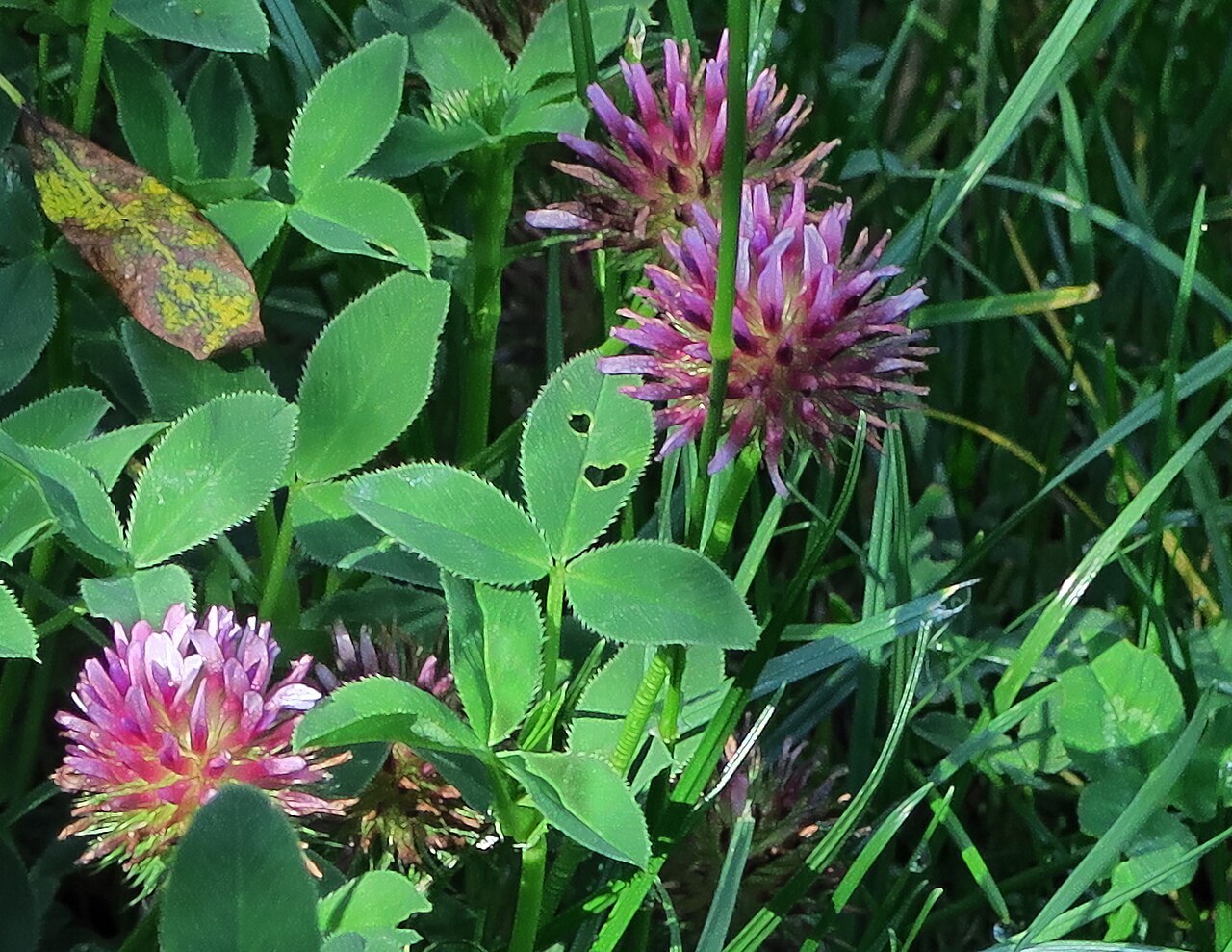
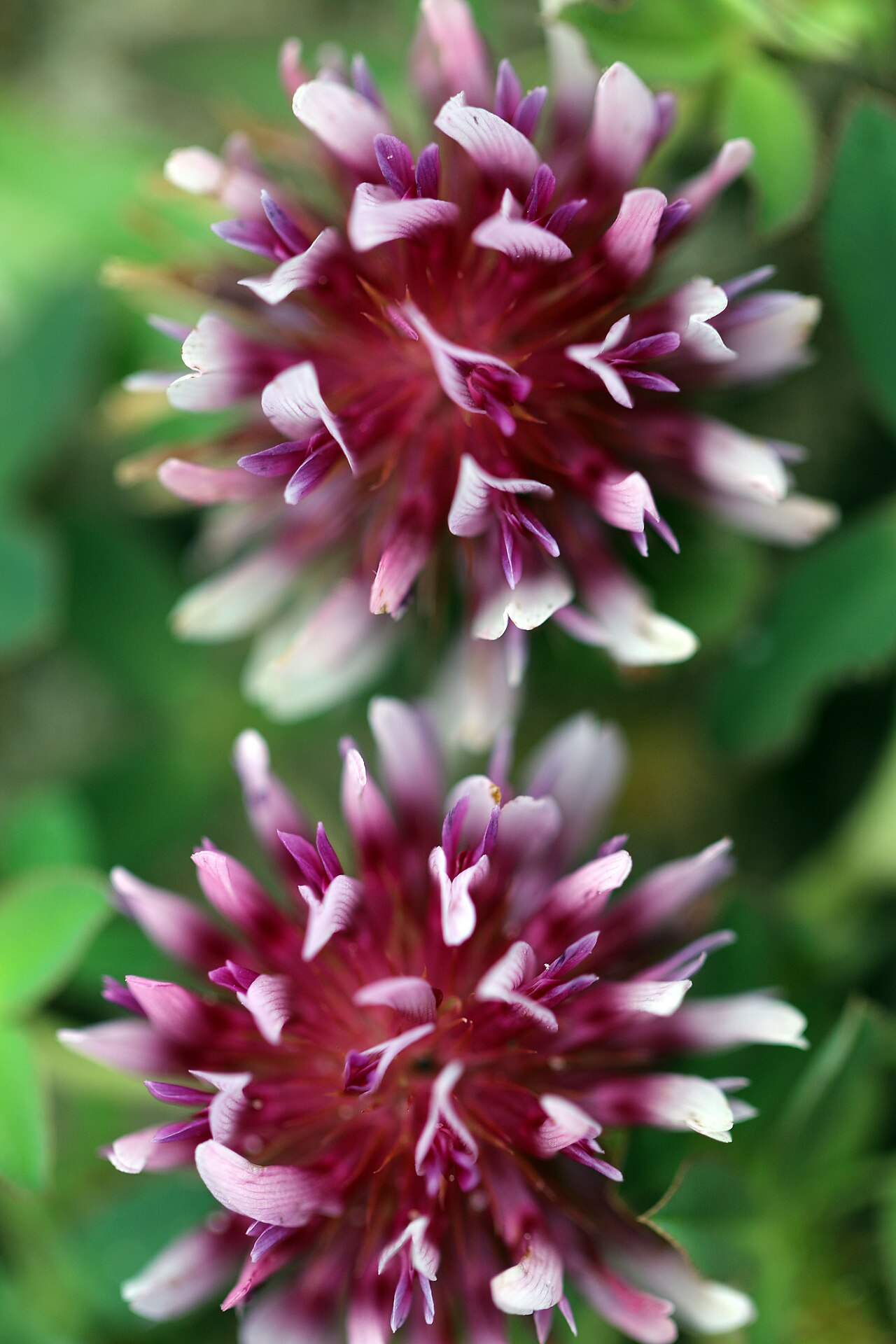
Trifolium wormskioldii, commonly called coastal clover or springbank clover (also known as cow’s clover, sand clover, or seaside clover), is a low-growing native perennial legume found across much of the western United States. Unlike the familiar lawn clovers brought over from Europe, this is a true native wildflower, equally at home creeping along a foggy coastal bluff, carpeting a Sierra meadow, or threading through a desert spring seep. Its rounded, magenta-purple flower heads with white-tipped petals appear in dense clusters just above a mat of neat, toothed, three-part leaves.
Springbank clover spreads by both seed and rhizome, forming loose mats or, in consistently moist ground, denser spreading colonies. It is remarkably adaptable to elevation and moisture, growing from sea-level beaches and brackish marsh edges up through oak woodland, chaparral, and yellow pine forest to subalpine ridges above 10,000 feet. As a nitrogen-fixing legume, it quietly improves the soil it grows in, and its early, nectar-rich blooms make it one of the more valuable small wildflowers for native bees in open, sunny ground.
For native plant gardeners from the Pacific Coast to the Rockies and the high desert Southwest, springbank clover offers a tough, low-maintenance groundcover that tolerates foot traffic, needs no fertilizer, and asks only for a reasonably sunny spot and some moisture during its spring growth spurt. It is also historically significant: several Pacific Coast tribes cultivated its roots as a food plant, one of relatively few root crops actively tended by Native peoples in western North America.
Identification
Springbank clover is a herbaceous perennial that forms a low, often mat-like or loosely upright growth of decumbent stems rooting at the nodes. Plants typically reach 4 to 12 inches tall, though flowering stems can lean taller where grass or neighboring vegetation is tall. Spread is variable: isolated plants form tight clumps, while colonies on moist, open ground can spread into broad patches over several seasons via creeping rhizomes.
Leaves
Leaves are trifoliate (divided into three leaflets) on slender petioles, with each leaflet ½ to 1¼ inches long, oval to elliptical, and finely toothed along the margin — a useful field mark that separates it from the smoother-edged leaflets of many introduced clovers. Leaflets often carry a pale chevron or watermark near the base. At the base of each leaf, paired stipules are present; the lower stipules end in a small bristle tip, and the upper ones may be toothed.
Flowers
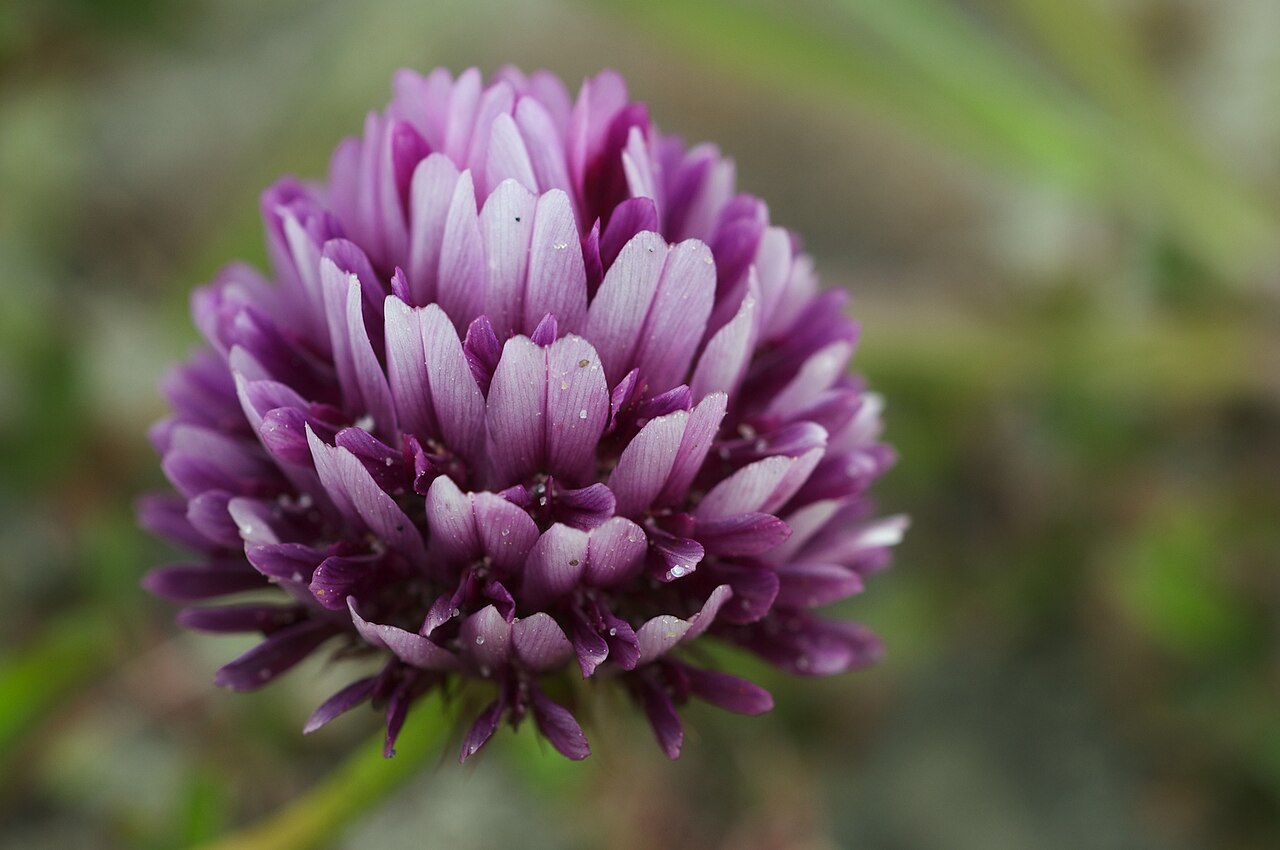
The flower heads are rounded, ¾ to 1¼ inches wide, made up of many small pea-type flowers packed into a tight globe. Color ranges from rosy pink to deep magenta-purple, with petal tips that fade to white or cream, giving each head a two-toned look. The outer sepals are bristle-tipped. Bloom runs from spring into mid-summer depending on elevation and moisture, with coastal and low-elevation populations flowering earliest.
Fruit & Seeds
After pollination, each small flower produces a tiny, inconspicuous pod containing one to a few seeds, hidden within the dried, persistent flower head. Seed set is modest in most years; the plant relies at least as heavily on rhizome spread for local persistence as it does on seedling establishment.
Quick Facts
| Scientific Name | Trifolium wormskioldii |
| Family | Fabaceae (Legume/Pea) |
| Plant Type | Herbaceous Perennial / Groundcover |
| Mature Height | 4–12 in (10–30 cm) |
| Mature Spread | 1–3 ft, wider in moist colonies via rhizomes |
| Growth Rate | Moderate to fast in consistent moisture |
| Sun Exposure | Full Sun to Part Shade |
| Water Needs | Average to Moist; tolerates seasonal wet ground |
| Soil Type | Adaptable; sand, loam or clay, including seasonally saturated soils |
| Soil pH | 6.0–7.5 |
| Bloom Time | April – July, elevation dependent |
| Flower Color | Magenta-purple with white petal tips |
| Fall Color | None notable; foliage dies back |
| Fruit | Small inconspicuous pods within the dried flower head |
| Deer Resistant | No (readily browsed; valued as forage) |
| USDA Hardiness Zones | 4–10 |
Native Range
Springbank clover is native to western North America from coastal and interior Alaska south through British Columbia, Washington, Oregon, California, and Nevada, east through Idaho, Utah, Arizona, New Mexico, Colorado, Wyoming, and into south and west Texas. It occupies an unusually wide elevation range for a clover, from ocean beaches and tidal marsh margins up to subalpine meadows and ridgelines near 10,000 feet.
Across this range it turns up in a correspondingly wide set of plant communities: coastal bluffs and dune swales, wet prairies and vernal seeps of the Willamette and Central Valleys, oak woodland and chaparral openings, yellow pine and red fir forest, lodgepole and subalpine forest clearings, and desert-mountain riparian seeps in the Southwest. Everywhere it grows, it favors open, sunny ground with at least seasonal moisture rather than deep shade or permanent drought.
Springbank clover was historically far more abundant in the wet prairies of the Pacific Northwest, where Indigenous communities tended and harvested it as a root crop; conversion of those prairies to farmland and urban development has sharply reduced it in parts of the Willamette Valley, even though the species remains common on the coast and in drier interior ranges. It is not considered native or naturalized anywhere outside its documented western range — gardeners east of the Rockies should look to regional native clovers instead.
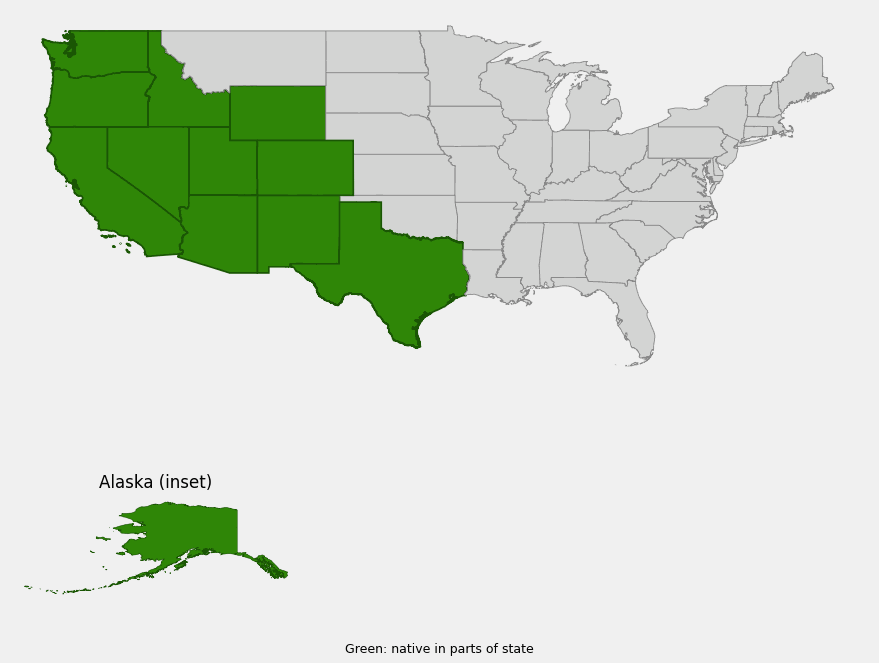
📋 Regional plant lists featuring coastal springbank clover: Alaska · Western Oregon & Washington · Idaho, Eastern Oregon & Eastern Washington · California & Nevada · Utah & Western Colorado · Arizona & New Mexico · Montana & Wyoming · South & West Texas
Growing & Care Guide
Springbank clover is an easygoing, resilient groundcover once it is given a reasonably open, sunny spot with some moisture. It is especially good at filling gaps between other low natives and tolerates occasional foot traffic better than most wildflowers.
Light
Best flowering and the densest mat form occurs in full sun to light part shade. In hotter interior or desert-edge gardens, afternoon shade helps keep the foliage from scorching during summer dry spells.
Soil & Water
This species is unfussy about soil texture — it grows in beach sand, valley loam, and heavier clay alike — but it does best with reliable moisture during its spring growth period. It tolerates seasonally saturated ground better than most garden perennials, making it useful at the edges of rain gardens, seasonal swales, and pond margins. Once established, plants handle a drier summer in coastal gardens but appreciate occasional deep watering inland.
Planting Tips
Plant from containers or divisions in fall or early spring so roots can establish before summer heat. Space plants 12 to 18 inches apart if you want quick groundcover coverage; closer spacing fills in faster. Because it spreads by rhizome in favorable spots, give it room to wander or pair it with equally vigorous neighbors rather than delicate specimen plants.
Pruning & Maintenance
Little maintenance is needed. Mowing or trimming spent flower heads after bloom can tidy the planting and may encourage a second flush in mild climates. In colder, high-elevation gardens the foliage dies back naturally with frost and returns from the rootstock in spring.
Landscape Uses
Springbank clover fits a wide range of native plantings:
- Low-mow native lawn substitute in sunny, moderately moist areas
- Rain garden and swale edges that see seasonal standing water
- Meadow and wildflower mixes as a nitrogen-fixing groundcover
- Pollinator gardens, especially in coastal and mid-elevation mountain settings
- Erosion control on gentle slopes and disturbed open ground
- Between stepping stones or in lightly trafficked paths
Wildlife & Ecological Value
Springbank clover is a modest but steady contributor to its plant community, offering early-season blooms and forage in habitats where few other low plants are flowering yet.
For Pollinators
The nectar-rich flower heads draw a range of native bees, bumblebees, and honeybees, along with butterflies. It is a documented host plant for the caterpillars of the Western cloudywing skipper (Thorybes diversus) in California, and its early bloom window fills a gap before many summer wildflowers get started.
For Birds
Ground-foraging birds use clover patches for insects drawn to the flowers and foliage, and the dense mat provides some cover for small birds foraging at ground level in open meadow and prairie habitat.
For Mammals
Deer, elk, and smaller mammals browse the foliage readily, and it has long been recognized as a valuable native forage plant in rangeland settings. Rodents and other small mammals also make use of the cover the mats provide.
Ecosystem Role
As a nitrogen-fixing legume, springbank clover enriches the soils it colonizes, benefiting neighboring grasses and forbs. Its rhizomatous spread helps stabilize loose or disturbed soils on coastal bluffs and streambanks, and its tolerance for seasonal flooding makes it a useful early colonizer in wet prairie and seep restoration projects.
Cultural & Historical Uses
Springbank clover holds a distinctive place in the ethnobotany of the Pacific Coast: it was one of relatively few native plants actively cultivated for its roots by Indigenous peoples in western North America, particularly in the wet prairies of coastal British Columbia, Washington, and Oregon. Communities such as the Coast Salish and other Pacific Northwest groups tended clover beds, dug the roots in fall, and steamed or pit-cooked them for eating, often alongside other root crops like Pacific silverweed.
The tender young leaves and flower heads were also eaten raw or lightly cooked by various western tribes as a fresh green, sometimes seasoned with a little salt. Oral histories and ethnobotanical records describe the careful, sustained management of clover root patches as a form of small-scale cultivation, distinct from simple foraging, underscoring how deeply this plant was woven into traditional Pacific Coast food systems.
Today the species is recognized mainly as a conservation and restoration plant rather than a food crop, valued for its role in wet prairie recovery, pollinator habitat, and low-input native groundcover plantings. Its historical importance as a cultivated root vegetable is increasingly cited in projects that aim to restore traditional food systems alongside habitat.
Frequently Asked Questions
Is springbank clover the same plant as the clover in my lawn?
No. Common lawn clovers (white clover, red clover) are European species. Springbank clover, Trifolium wormskioldii, is a native western wildflower with toothed leaflets and rounder, two-toned magenta-and-white flower heads.
Will springbank clover take over my garden?
In consistently moist soil it spreads readily by rhizome and makes a good, assertive groundcover. In drier or sandier conditions it stays more clump-forming. Give it room among similarly vigorous native companions.
Does springbank clover need regular watering?
It prefers average to moist soil, especially in spring, but tolerates brief dry spells once established, particularly in coastal gardens. Inland and desert-edge gardens will need supplemental water through summer.
Can I eat springbank clover like my ancestors’ traditions describe?
Historically, Indigenous peoples of the Pacific Coast cultivated and ate the roots and tender greens of this plant. As with any wild or garden plant, positively confirm identification and consult current foraging guidance before eating; this page describes historical use, not a recommendation.
Is springbank clover good for pollinators?
Yes — its nectar-rich blooms attract native bees and bumblebees, and in California it hosts the caterpillars of the Western cloudywing skipper, making it a useful addition to a pollinator-focused native planting.

Looking for a nursery that carries coastal springbank clover?
Browse our native plant nursery directory: California · Oregon · Washington · Alaska & Arizona · Idaho · Nevada & New Mexico · Colorado · Texas & Utah · Wyoming