
West Indian Satinwood (Zanthoxylum flavum)
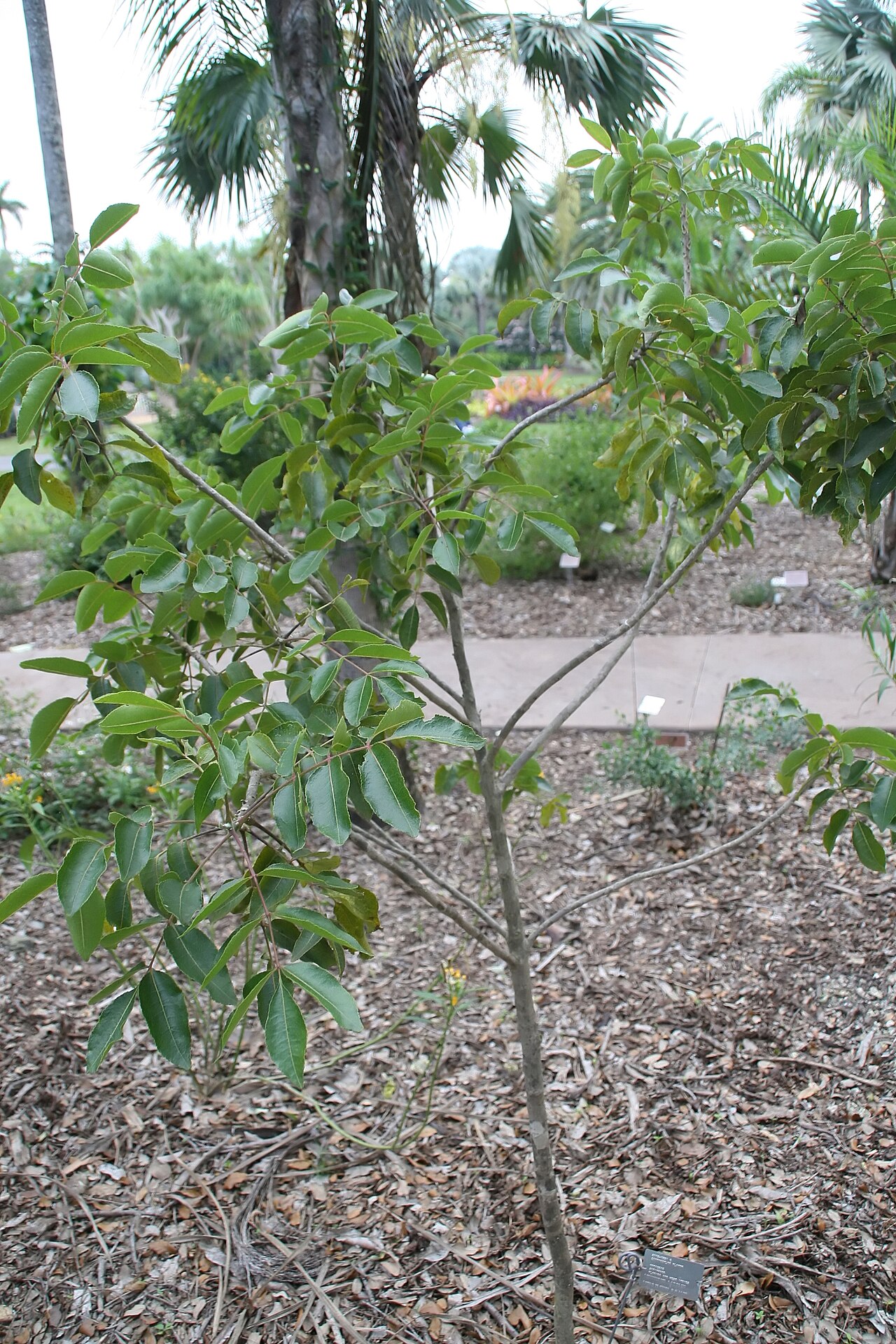
Zanthoxylum flavum, commonly called West Indian Satinwood (also known as Yellowheart), is one of Florida’s rarest native trees — a small-to-medium evergreen tree found wild in the United States only in the rockland hammocks and coastal berms of the Florida Keys. Long prized for its fine-grained, satiny yellow heartwood, it has been heavily cut throughout its Caribbean range for centuries, and its already-small Florida population is now legally protected.
In cultivation and in the wild, West Indian satinwood typically grows as a slow-growing, upright tree reaching 20 to 40 feet, with glossy, pinnately compound leaves and a trunk that develops attractively flaking, warm-toned bark with age. It is a conservation-priority species for anyone restoring Keys hammock habitat, and a distinctive, rarely planted specimen tree for South Florida gardens able to source nursery-propagated stock responsibly.
Identification
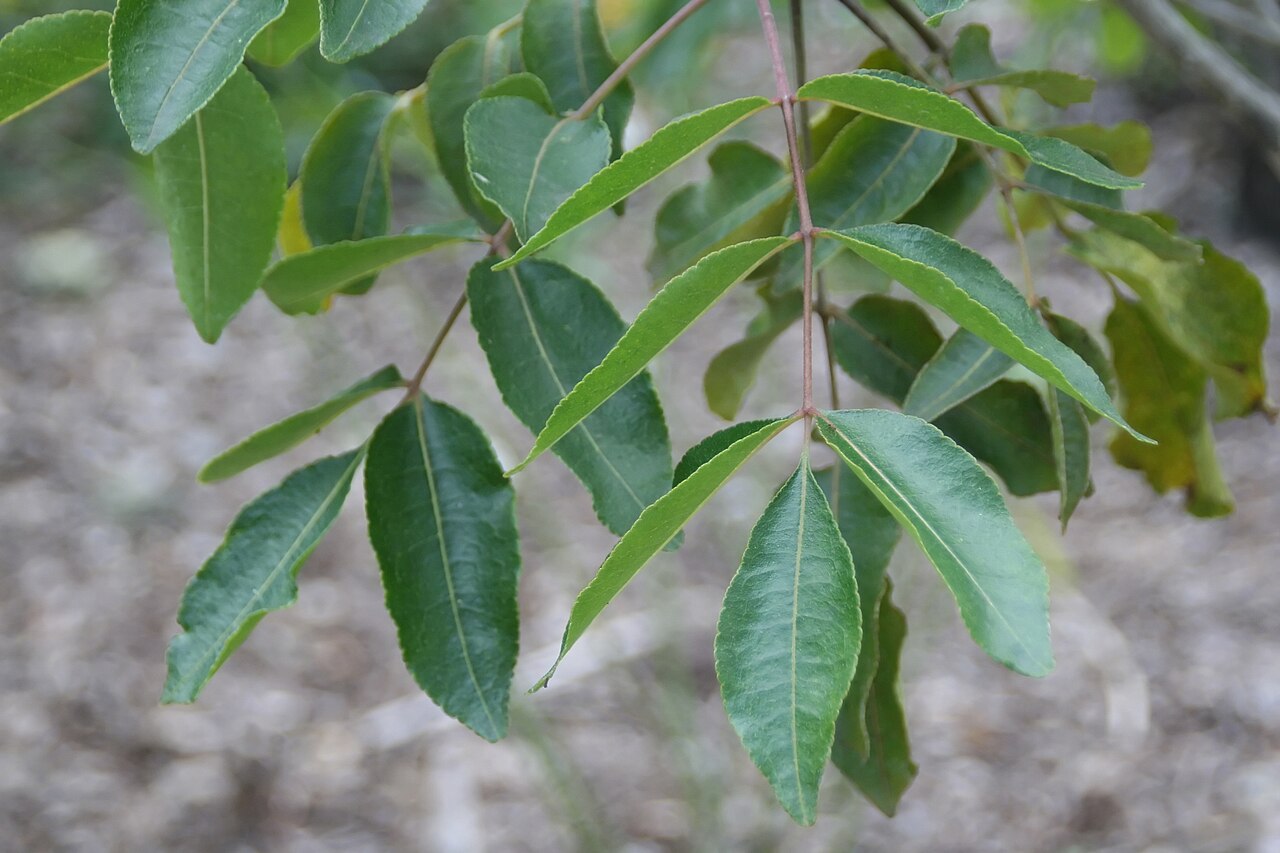
West Indian satinwood is identified by its glossy, pinnately compound leaves with 2 to 4 pairs of finely toothed, lance-shaped leaflets, aromatic foliage typical of the citrus family, and bark that peels in thin, papery, yellowish-tan flakes on mature trunks.
Bark & Stems
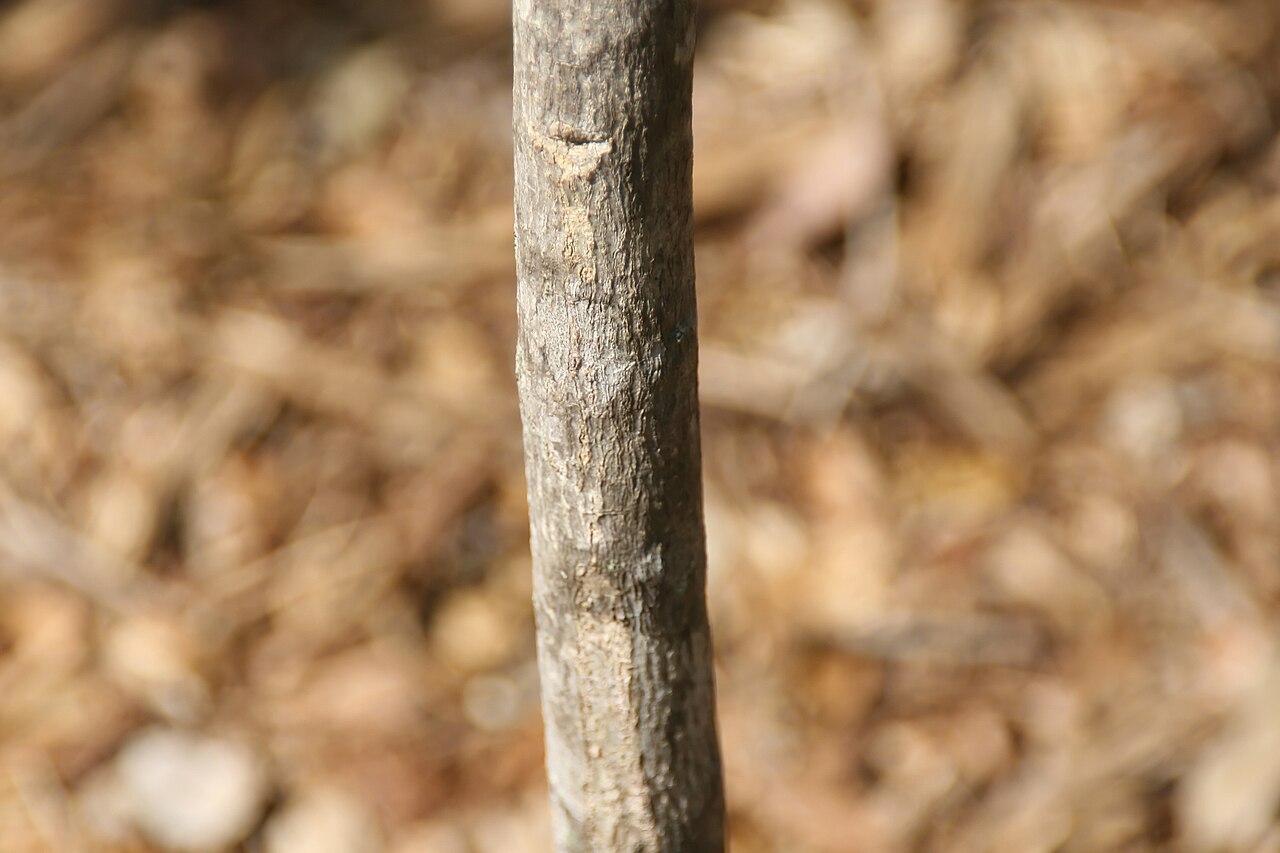
Young bark is smooth and gray-brown; as the tree matures, the bark becomes rough and peels away in thin, curling flakes, revealing a warm tan to yellowish inner layer — a feature that lends the tree both its common name and part of its ornamental appeal. Unlike many of its prickly-ash relatives, mature satinwood is largely unarmed, though young growth can bear small spines.
Leaves
Leaves are alternate, pinnately compound, 4 to 8 inches long, with 2 to 4 pairs of opposite, glossy dark green leaflets plus a terminal leaflet, each leaflet finely serrated along the margin and tapering to a point. Crushed foliage releases a mild citrus-like aroma, consistent with the plant’s membership in the Rutaceae (citrus family).
Flowers
Small, inconspicuous greenish-yellow flowers are borne in loose clusters at the branch tips, typical of the genus and easy to overlook compared with the foliage and bark.
Fruit & Seeds
Flowers give way to small, round, reddish-brown capsules that split open to reveal a single shiny black seed each, a fruit type shared with other prickly-ash relatives. Fruit is produced sparingly and is not a conspicuous ornamental feature.
Quick Facts
| Scientific Name | Zanthoxylum flavum |
| Family | Rutaceae (Citrus family) |
| Plant Type | Evergreen tree |
| Mature Height | 20–40 ft |
| Mature Spread | 15–25 ft |
| Growth Rate | Slow |
| Sun Exposure | Full Sun to Part Shade |
| Water Needs | Low once established |
| Soil Type | Rocky limestone soils; well-drained |
| Soil pH | Neutral to alkaline |
| Bloom Time | Spring |
| Flower Color | Greenish-yellow |
| Fall Color | Evergreen; no seasonal color change |
| Fruit | Small reddish-brown capsule, one black seed |
| Deer Resistant | Likely, aromatic citrus-family foliage |
| USDA Hardiness Zones | 10b – 11 |
Native Range
West Indian satinwood is native in the United States only to the Florida Keys (Monroe County), where it grows in rockland hammocks and on coastal berms on thin limestone soils. It is far more common in the wider Caribbean, including the Bahamas, Cuba, Jamaica and other West Indian islands, where its fine, satiny yellow wood has long been harvested for furniture and cabinetry — heavy historical logging across its range, combined with its naturally small, scattered Florida population, has made it rare and vulnerable.
Because of its scarcity, Zanthoxylum flavum is included on Florida’s state Regulated Plant Index as an endangered species, which restricts the harvesting or removal of wild plants on both public and private land without authorization; always source nursery-propagated stock rather than collecting from wild populations.
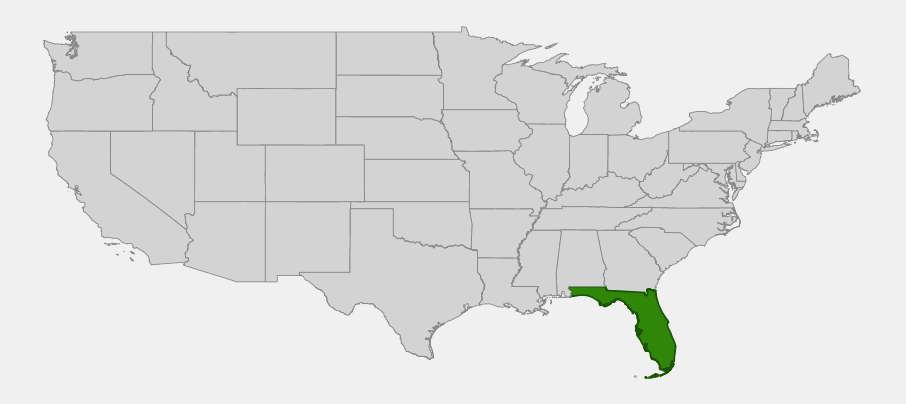
📋 Regional plant lists featuring West Indian Satinwood: none yet — West Indian Satinwood is native only to the Florida Keys, and no plantnative.org regional list currently covers that area; see our full native plant directory for other South Florida natives.
Growing & Care Guide
West Indian satinwood is a slow-growing but tough tree once established, well suited to the thin, rocky limestone soils of the Keys and South Florida — but as a rare, legally regulated species, it should only be planted from responsibly propagated nursery stock, never from wild-collected material.
Light
Plant in full sun to light, dappled shade; young trees often establish well with some shelter from taller hammock canopy before growing on into more open conditions.
Soil & Water
It thrives in rocky, alkaline, limestone-derived soils typical of the Florida Keys and tolerates drought well once established, needing only occasional supplemental water during extended dry spells or while young.
Planting Tips
Because of its rarity and slow growth, source plants only from reputable native-plant nurseries that propagate from cultivated stock, never from wild collection. Give young trees room to develop their upright form, and be patient — satinwood is not a fast grower, and a mature specimen with well-developed flaking bark can take years to achieve.
Pruning & Maintenance
Minimal pruning is needed beyond removing damaged or crossing branches; established trees are low-maintenance and well adapted to South Florida’s hurricane-prone climate, with naturally sturdy wood.
Landscape Uses
West Indian satinwood suits a handful of specialized South Florida planting roles:
- Conservation and habitat restoration plantings in Keys rockland hammock projects
- Specimen tree valued for its flaking, warm-toned bark and glossy foliage
- Rock garden and limestone-soil landscaping where few trees of this stature thrive
- Native plant collections focused on rare and regionally significant Florida species
Wildlife & Ecological Value
As a citrus-family (Rutaceae) tree, West Indian satinwood contributes to the Florida Keys hammock ecosystem in ways typical of its relatives, alongside its specific value as part of a now-rare habitat type.
For Butterflies & Insects
Members of the genus Zanthoxylum are known host plants for swallowtail butterfly caterpillars across their range, including giant swallowtail, making satinwood a potentially valuable addition to Keys-area butterfly gardens alongside its conservation value.
For Birds & Mammals
The tree’s small seed capsules provide incidental food for birds in the hammock canopy, while its structure contributes to the layered habitat that supports the Keys’ distinctive hammock wildlife community, much of which depends on intact native tree cover.
Ecosystem Role
As a canopy-contributing tree in one of Florida’s most imperiled native plant communities — Keys rockland hammock — West Indian satinwood’s presence (or absence) is itself an indicator of habitat quality, and restoration plantings of this and associated rare hammock species directly support the recovery of this limited ecosystem.
Cultural & Historical Uses
West Indian satinwood takes its common name from its genuinely satin-textured, fine-grained yellow heartwood, which has been prized for centuries throughout the Caribbean and in export markets for fine furniture, cabinetry, veneer and turned items. This long history of commercial logging — stretching back to the colonial-era Caribbean furniture trade — is the primary reason the species has become scarce across much of its range, including in the Florida Keys, where remaining wild trees are now protected rather than harvested.
Today the tree’s cultural significance rests mainly in its conservation story: a once-commercially important timber species now valued instead as a rare living component of Keys hammock habitat, grown and protected rather than cut.
Frequently Asked Questions
Is it legal to collect West Indian satinwood from the wild in Florida?
No. Zanthoxylum flavum is listed on Florida’s state Regulated Plant Index as endangered, which restricts harvesting or removal of wild plants. Always buy nursery-propagated stock rather than collecting from wild populations.
Why is West Indian satinwood so rare in Florida?
It was never common in the state, being restricted to Florida Keys rockland hammocks, and centuries of commercial logging for its valuable satiny heartwood across its wider Caribbean range has reduced populations further, making conservation of the remaining Keys trees a priority.
What does the wood get used for?
Historically, satinwood’s fine-grained, lustrous yellow heartwood was prized for furniture, cabinetry and decorative veneer throughout the Caribbean; harvesting wild Florida trees for wood is not legal today given the species’ protected status.
Is West Indian satinwood related to citrus?
Yes — it belongs to the Rutaceae (citrus family), and its foliage has a mild citrus-like aroma when crushed, a family trait shared with oranges, lemons and other prickly-ash relatives.
How cold hardy is West Indian satinwood?
It is reliably hardy only in USDA zones 10b–11 and has essentially no frost tolerance, restricting it to the warmest parts of South Florida and the Keys.

Looking for a nursery that carries West Indian Satinwood?
Browse our native plant nursery directory: Florida
For other Florida Keys rockland hammock natives that pair well with West Indian satinwood, see our pages on Florida Silver Palm and Pitch Apple. For South Florida landscaping ideas, also see our guide to shade trees for South Florida.

