
Prairie Flameleaf Sumac (Rhus lanceolata)
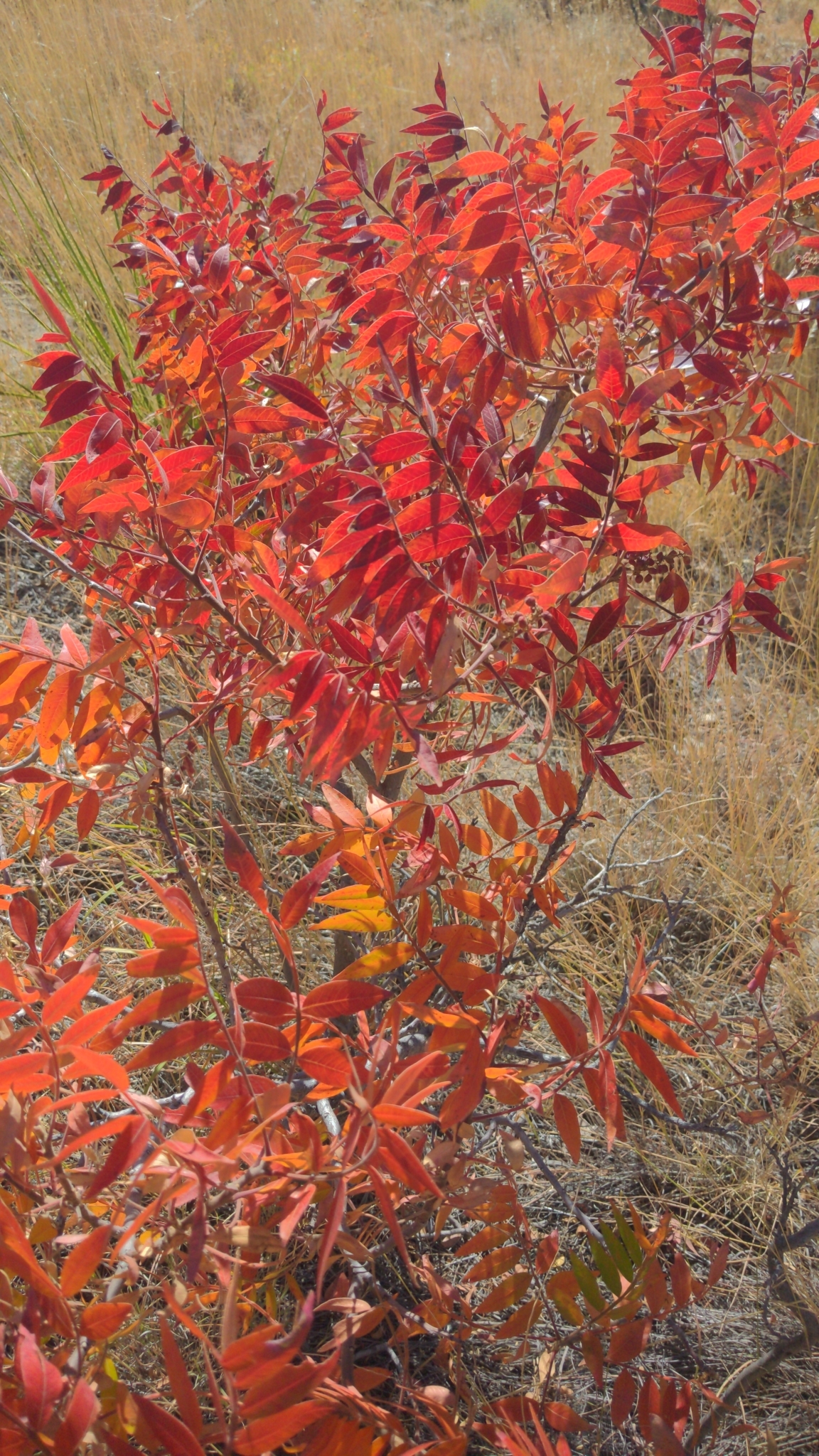
Rhus lanceolata, commonly called Prairie Flameleaf Sumac, Flameleaf Sumac, or Texas Sumac, is a small deciduous tree or large shrub native to the limestone hills and prairies of central Texas, Oklahoma, and New Mexico. Few native plants deliver a more dependable or dramatic autumn show in this region — glossy green, pinnately compound leaves turn brilliant scarlet, orange, and crimson over several weeks each fall, earning the species its common “flameleaf” name and a well-deserved spot in Hill Country roadside views.
Beyond its fall color, Prairie Flameleaf Sumac is a workhorse of the Edwards Plateau and Cross Timbers landscape. It grows readily on thin, rocky, alkaline soils where little else thrives, tolerates extreme heat and drought once established, and forms loose thickets that stabilize slopes and provide dense cover for wildlife. Creamy white-to-yellow flower panicles in midsummer feed pollinators during the hottest, driest part of the Texas growing season, and the dark red fruit clusters that follow persist into winter, when they become an important food source for birds.
For gardeners and land managers working with thin limestone soils in its native range, Prairie Flameleaf Sumac offers reliable fall color, low maintenance, and genuine wildlife value — a combination that is hard to find in a tree this tough.
Identification
Prairie Flameleaf Sumac typically grows as a large, multi-stemmed shrub or small tree, usually 10 to 20 feet tall but capable of reaching up to 30 feet under favorable conditions. It often suckers from the base, forming loose thickets or colonies, though it is less aggressively colonizing than some of its sumac relatives.
Bark & Stems
Young stems are reddish-brown and finely hairy, aging to gray-brown bark with shallow fissures on older trunks. The central leaf stalk (rachis) connecting the leaflets is distinctly winged in some related sumacs, but in Prairie Flameleaf Sumac it is narrow and essentially unwinged — a useful field mark separating it from winged sumac (Rhus copallinum).
Leaves
Leaves are pinnately compound, 6 to 10 inches long, with 9 to 21 narrow, lance-shaped leaflets (hence lanceolata) arranged along a slender rachis. Leaflets are shiny dark green above and pale, slightly fuzzy below, with finely toothed margins. The foliage turns vivid red, orange, and burgundy in autumn, often the most reliable and showy fall color display among native Texas trees and shrubs.
Flowers & Fruit
Small white to yellowish-green flowers are borne in dense, upright, pyramidal panicles 4 to 6 inches long at the branch tips, blooming in July and August — later than most other native sumacs, which gives Prairie Flameleaf Sumac extra value as a late-summer nectar source. The flowers give way to clusters of small, fuzzy, dark red drupes about ⅛ inch long, held in the same pyramidal shape. Fruit ripens in fall and persists on the plant well into winter, providing an important late-season food source for birds and other wildlife.
Quick Facts
| Scientific Name | Rhus lanceolata |
| Family | Anacardiaceae (Cashew/Sumac) |
| Plant Type | Deciduous large shrub / small tree |
| Mature Height | 10–20 ft, occasionally to 30 ft |
| Mature Spread | 10–15 ft, thicket-forming by root suckers |
| Growth Rate | Moderate to fast |
| Sun Exposure | Full sun |
| Water Needs | Low; high drought tolerance |
| Soil Type | Rocky, calcareous limestone soils: clay, loam or sand |
| Soil pH | Alkaline (above 7.2) preferred |
| Bloom Time | July – August |
| Flower Color | White to yellowish-green |
| Fall Color | Brilliant red, orange and crimson |
| Fruit | Small dark red, fuzzy drupes in pyramidal clusters |
| Deer Resistant | Moderately (deer browse foliage occasionally) |
| USDA Hardiness Zones | 7–9 |
Native Range
Prairie Flameleaf Sumac is native from southern Oklahoma through central, north, and west Texas, with scattered populations reaching into southeastern New Mexico, and south into adjacent northern Mexico (Coahuila, Nuevo León, Tamaulipas). It is most abundant and characteristic on the limestone hills of the Edwards Plateau and the Cross Timbers region of north-central Texas.
The species favors rocky, limestone hillsides, caliche outcrops, canyon rims, and dry prairie margins, where its drought tolerance and tolerance of thin, poor soils give it a competitive advantage over less rugged trees. It often grows in open woodland edges and brushy draws alongside Texas persimmon, smooth sumac, and various oaks, forming part of the brushy understory and edge habitat so important to Hill Country wildlife.
Prairie Flameleaf Sumac’s range is more restricted than some of its sumac relatives — it is not native to the humid pine forests of East Texas or Louisiana, nor to the wetter eastern portions of Oklahoma. Gardeners outside its native limestone-soil range should expect reduced performance in heavier, more acidic, or consistently moist soils.
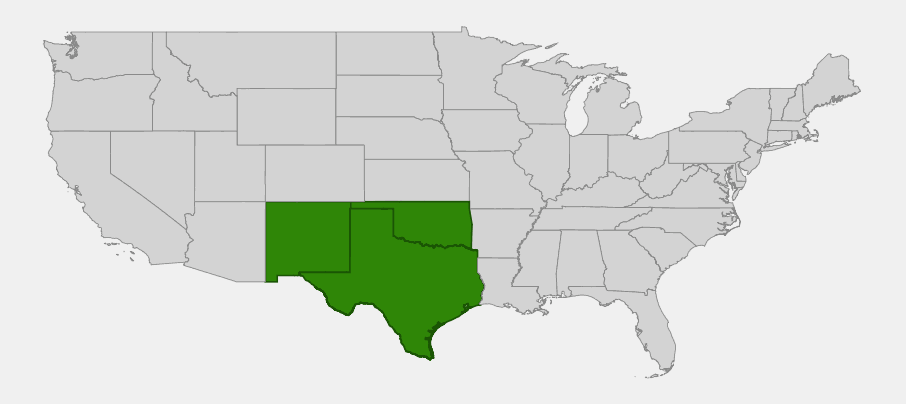
📋 Regional plant lists featuring Prairie Flameleaf Sumac: Texas (South/West/Central)
Growing & Care Guide
Prairie Flameleaf Sumac is remarkably low-maintenance once established, making it a favorite for xeriscaping, slope stabilization, and naturalistic plantings across central and west Texas.
Light
Plant in full sun for the best flowering, fruiting, and the most intense fall color. Plants in partial shade will survive but bloom and color less vigorously.
Soil & Water
This sumac is built for rocky, calcareous, well-drained soils and actually performs best on thin, alkaline limestone ground where many other trees struggle. It tolerates clay, loam, or sandy soils as long as drainage is good, and shows high drought, heat, and cold tolerance once roots are established. Avoid heavy, poorly drained, or consistently wet soils, which can lead to root problems.
Planting Tips
Plant container-grown stock in fall or early spring. Because it suckers from the base, give it room to form a natural thicket, or plan to manage suckers if a single-trunk tree form is preferred. It establishes quickly on rocky slopes where erosion control and low water use are priorities, and pairs well with other tough Hill Country natives such as Texas persimmon.
Pruning & Maintenance
Remove root suckers as needed to control spread if a tidier form is desired, or let the plant form a natural multi-stemmed thicket for wildlife cover. Little other pruning is required beyond removing dead or damaged wood in late winter. The species is generally free of serious pest and disease problems.
Landscape Uses
Prairie Flameleaf Sumac earns its keep in several landscape roles:
- Fall color specimen — among the most reliable red-orange displays of any native Texas plant
- Erosion control on rocky, limestone slopes and caliche cuts
- Wildlife thicket providing cover, nesting sites, and winter fruit
- Xeriscape and low-water landscaping in central and west Texas
- Naturalized hedgerow or screen where its suckering habit is an asset
- Pollinator plantings — its late-summer bloom fills a nectar gap
Wildlife & Ecological Value
Prairie Flameleaf Sumac punches well above its weight as a wildlife plant in the dry limestone country it calls home.
For Pollinators
The dense midsummer flower panicles bloom later than many other native shrubs, in July and August, offering a valuable nectar source for bees and other pollinators during the hottest, driest stretch of the Texas growing season — exactly the kind of resource highlighted in our guide to attracting butterflies to gardens. The foliage also serves as a larval host plant for red-banded hairstreak and banded hairstreak butterflies.
For Birds
Bobwhite quail, wild turkey, and other game birds eat the persistent fall and winter fruit clusters, as do numerous songbirds. The dense, thicket-forming growth habit provides excellent nesting cover and protection from predators and weather.
For Mammals
White-tailed deer browse the foliage, particularly new growth, and small mammals use the brushy thickets for cover. Native bees also use the hollow or pithy stems for nesting.
Ecosystem Role
As a pioneer and edge species on disturbed or rocky ground, Prairie Flameleaf Sumac helps stabilize thin limestone soils against erosion while its thickets create structural diversity in otherwise open prairie and savanna habitat. Its persistence through drought and poor soils makes it an important component of resilient Edwards Plateau plant communities, and its late bloom time helps extend the local pollinator season.
Cultural & Historical Uses
Like many sumacs, Prairie Flameleaf Sumac has a history of use among Indigenous peoples of Texas and the southern Plains, who used the tart, fuzzy fruit clusters — high in vitamin C — to make a tart, lemonade-like beverage, a practice shared with other native Rhus species across North America. The wood and bark have also seen limited traditional use.
Today, Prairie Flameleaf Sumac is primarily valued for its landscaping and ecological benefits rather than any commercial product, and it has become an increasingly popular choice among Texas Hill Country gardeners and land managers who want dependable fall color paired with genuine drought tolerance — a combination well suited to the region’s ongoing shift toward xeriscape and native plantings, as reflected in resources like our guide to caring for native shrubs.
The species has also become a staple of roadside and highway beautification plantings in central Texas, prized by transportation departments and native plant nurseries alike for its combination of toughness and seasonal color.
Frequently Asked Questions
Is Prairie Flameleaf Sumac the same as poison sumac?
No. Poison sumac (Toxicodendron vernix) is a wetland species in a different genus that causes severe skin irritation. Prairie Flameleaf Sumac is not poisonous to the touch and is safe to plant and handle.
Why is it called “flameleaf” sumac?
The name comes from its exceptionally vivid fall foliage, which turns bright red, orange, and crimson, resembling flames across Texas Hill Country hillsides every autumn.
How much water does Prairie Flameleaf Sumac need?
Very little once established. It has high drought tolerance and thrives on the natural rainfall of its native limestone hill country, needing supplemental water only during the first year or two of establishment.
Does Prairie Flameleaf Sumac spread aggressively?
It can sucker from the base to form loose thickets, but it is generally considered less aggressive than some related sumacs. Suckers can be removed if a more controlled, single-trunk form is preferred.
Can you eat the berries?
The tart, fuzzy red drupes have historically been steeped to make a lemonade-like drink, similar to other edible native sumacs, though they are primarily valued today as wildlife food rather than a garden harvest.

Looking for a nursery that carries Prairie Flameleaf Sumac?
Browse our native plant nursery directory: Texas · Oklahoma & New Mexico

