
False Rosinweed (Osmadenia tenella)
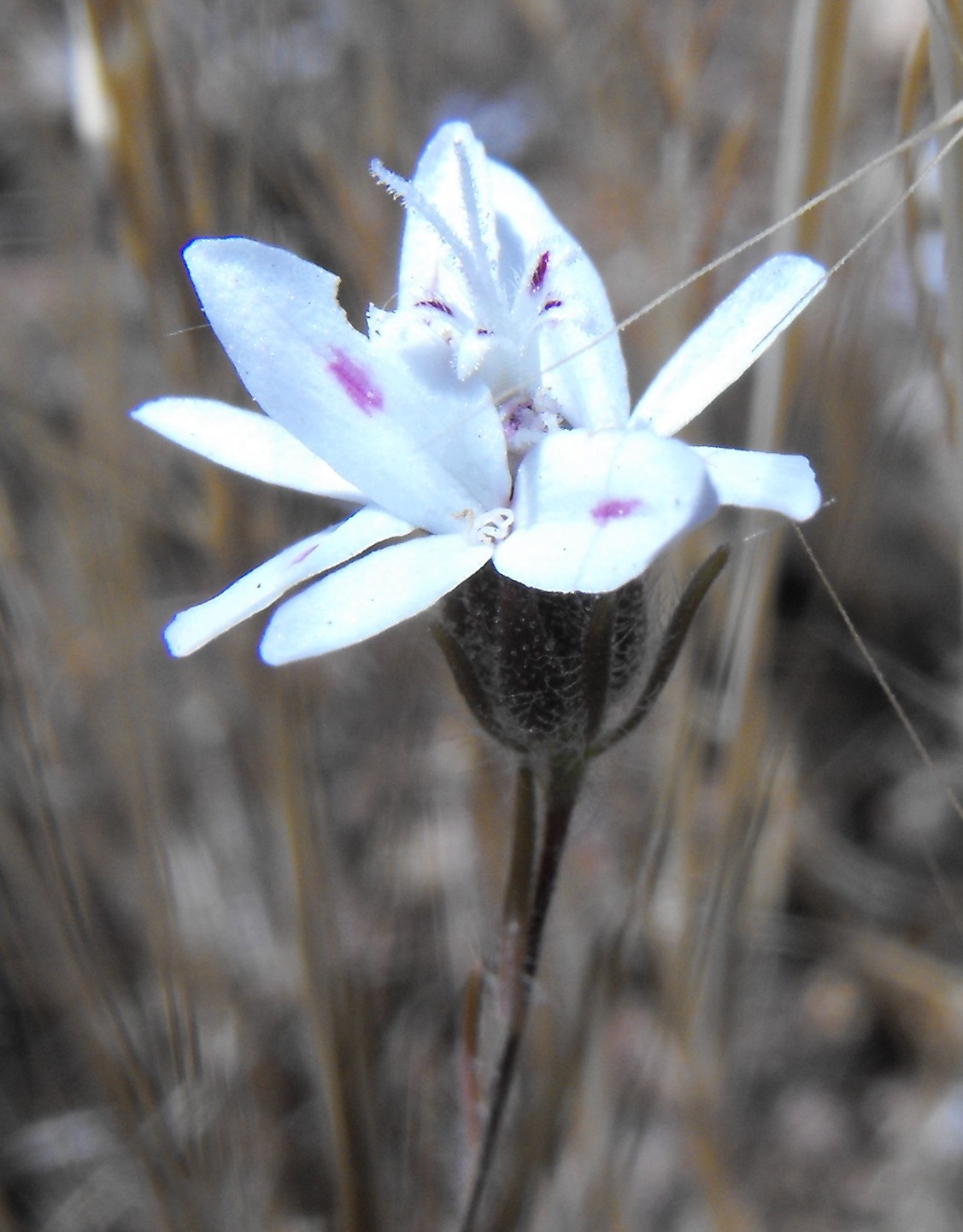
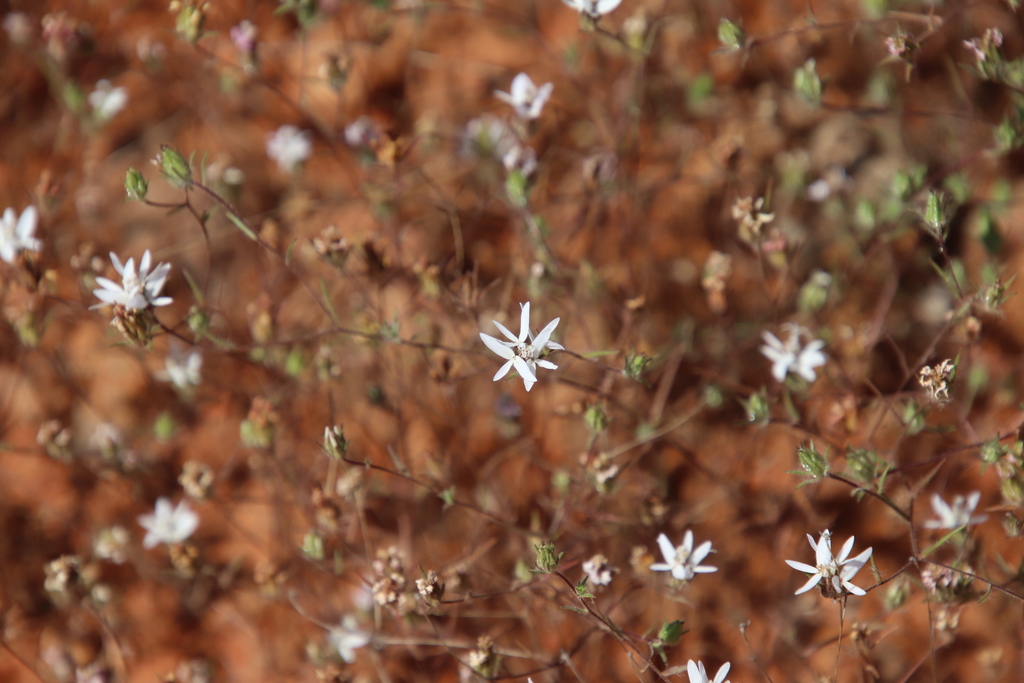
Osmadenia tenella, known as False Rosinweed or Osmadenia, is a small, delicate annual wildflower of the coastal sage scrub, chaparral openings and grasslands of southwestern California and northern Baja California. It is a slender, branching plant, usually 4 to 16 inches tall, with thread-like leaves and small flower heads of three to five white, three-lobed rays, often marked with tiny magenta or purple spots near the base. In late spring the plants can dot open ground with hundreds of little white stars.
It belongs to the tarweed group of the sunflower family (Asteraceae), a group of mostly sticky, aromatic plants that is especially diverse in California. It is the only species in the genus Osmadenia, whose name comes from the Greek osme, scent, and aden, gland, for its fragrant, glandular bracts. It has also been placed in the related genus Calycadenia as Calycadenia tenella, which explains its common name: the calycadenias are called rosinweeds.
It grows mainly in Los Angeles, Orange, Riverside, San Bernardino and San Diego Counties, and south into Baja California. This guide covers how to identify false rosinweed, where it grows, how to grow it from seed, and its role in southern California’s native plant communities.
Identification
False rosinweed is a small plant that is easy to overlook until it flowers. Look in late spring for wiry, branching plants with very narrow leaves and white, star-like flower heads whose rays are each divided into three lobes at the tip.
Growth Habit
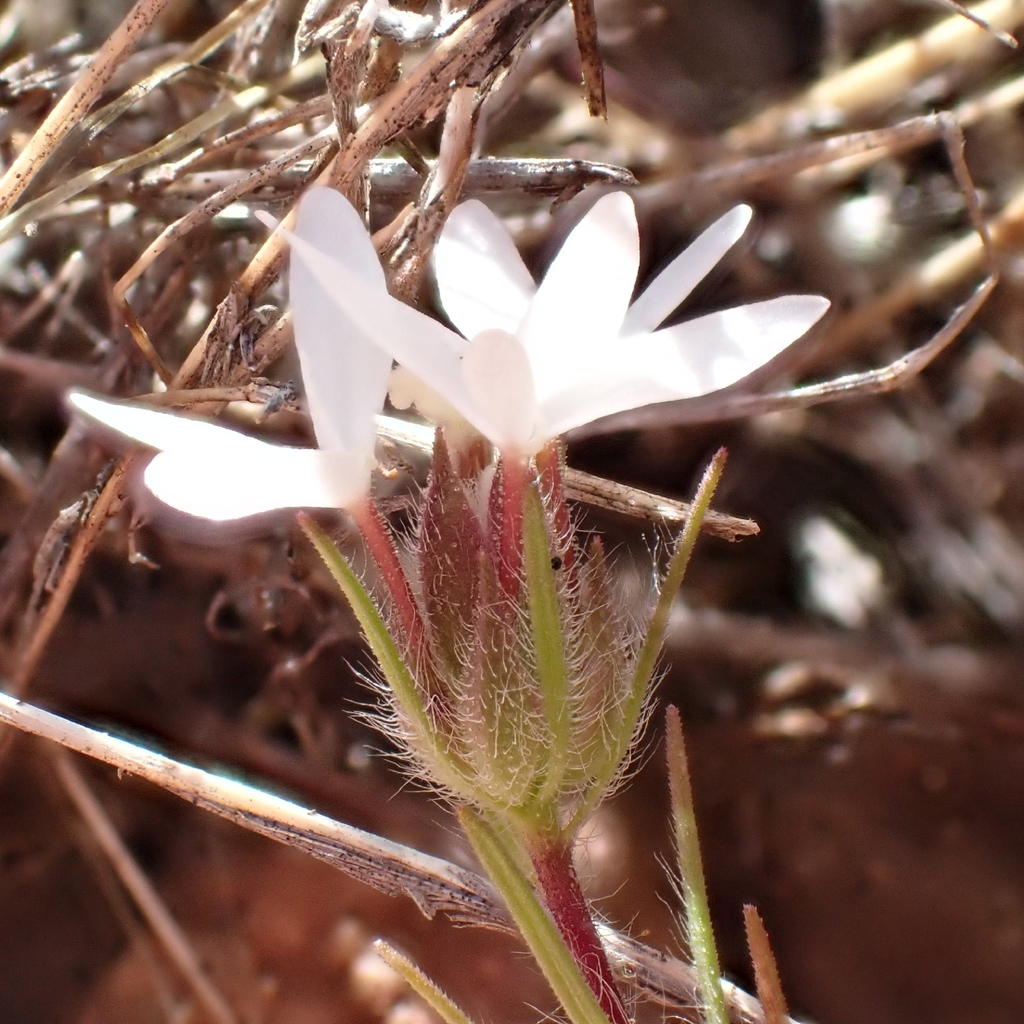
It is an annual, usually 4 to 16 inches tall, with slender, wiry stems that branch from near the base or higher up. The stems are hairy and often reddish, and the plant has a resinous, tarweed scent.
Leaves
The leaves are very narrow, almost thread-like, about 1/2 to 1 1/2 inches long, and hairy. The lower leaves are often opposite and the upper ones alternate. Many have dried by the time the plant flowers.
Flowers
Each flower head is small, about 1/2 to 3/4 inch across, with three to five white or pink-tinged ray flowers, each deeply three-lobed at the tip, and a few small disc flowers in the center. The rays often have small magenta or reddish spots near their base. The bracts beneath the head are bristly and dotted with glands. It blooms from about April to June.
Fruit & Seeds
The ray and disc flowers produce small, dry, one-seeded fruits (achenes). The plant dies after setting seed, and the seed waits in the soil for the next rainy season.
Habitat Clues
Look for it in open, sunny patches of coastal sage scrub, chaparral and grassland, often on clay or rocky soils and on old, gently sloping mesas.
Look-alikes
Other tarweeds, such as Deinandra species and hayfield tarweed, have more numerous rays, usually yellow or white, and stouter, leafier stems. White tidytips has larger heads with many three-toothed white rays. False rosinweed’s combination of very slender stems, thread-like leaves and only three to five deeply three-lobed white rays is distinctive.
Quick Facts
| Scientific Name | Osmadenia tenella Nutt. (syn. Calycadenia tenella) |
| Family | Asteraceae (sunflower family, tarweed group) |
| Plant Type | Annual wildflower |
| Mature Height | 4–16 in |
| Mature Spread | 4–10 in |
| Growth Rate | Fast (completes its life cycle in one season) |
| Sun Exposure | Full sun |
| Water Needs | Low; relies on winter and spring rain |
| Soil Type | Clay, loam or rocky soils in open ground |
| Soil pH | About 6.0–8.0 |
| Bloom Time | April–June |
| Flower Color | White, often with small magenta spots |
| Fall Color | None; dies after setting seed |
| Fruit | Small, dry, one-seeded achene |
| Deer Resistant | Generally; glandular, aromatic and seldom browsed |
| USDA Hardiness Zones | Annual (native range in zones 9–10) |
Native Range
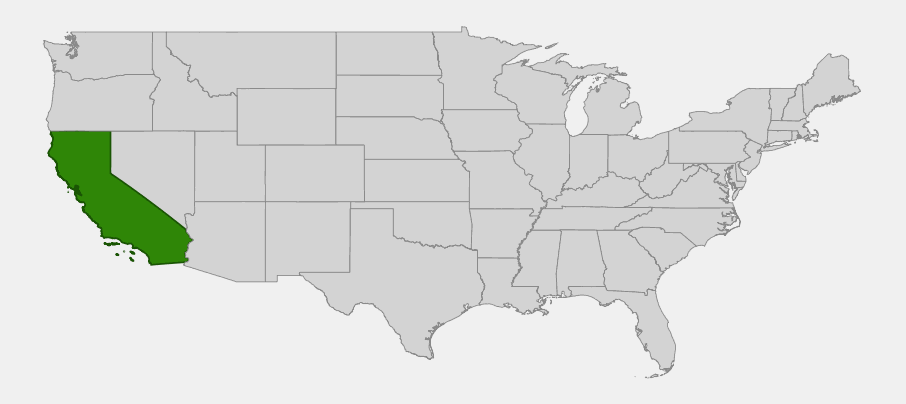
False rosinweed is native to southwestern California and northern Baja California. USDA PLANTS lists it only in California in the United States, with county records from Los Angeles, Orange, Riverside, San Bernardino and San Diego Counties.
It is most often found in San Diego and Orange Counties, from the coastal mesas and canyons around San Diego, Torrey Pines and Mission Trails inland to the foothills of the Peninsular Ranges, and in the San Joaquin Hills and Santa Ana Mountains. It is less common in western Riverside, San Bernardino and Los Angeles Counties, and its range continues south into the coastal hills of northern Baja California.
It grows in open coastal sage scrub, chaparral clearings and grasslands, on dry slopes and mesas, often on clay or rocky soils, mostly from near sea level to about 3,000 feet.
📋 Regional plant lists featuring False Rosinweed: California & Nevada
Growing & Care Guide
False rosinweed is a charming, small annual for native wildflower plantings in southern California, but it is rarely sold. When available, it is grown from seed collected or produced by native seed specialists. It is most at home in a sunny, dry meadow or scrub garden where it can reseed itself year after year.
Light
Give it full sun. It will not flower well in shade.
Soil & Water
It grows in clay, loam or rocky soil with good surface drainage. Rely on winter and spring rains; in a dry winter, water occasionally until plants begin to flower. No summer water is needed, since the plants die after setting seed.
Planting Tips
Sow seed directly in fall or early winter, before the rains, on bare, weed-free ground, lightly raking it in. Mix it with other low annuals, native bunchgrasses and spring bulbs such as bluedicks for a natural, layered display. Keep vigorous non-native grasses and weeds under control, since they easily crowd out small annuals.
Pruning & Maintenance
No pruning is needed. Leave the plants in place until the seed has dropped in summer, then clear dry stems if you wish. Avoid thick mulch where you want it to reseed.
Propagation
It is grown only from seed. Collect seed from plants you have grown, or buy it from native seed suppliers; collect from wild populations only in small amounts and only where permitted.
Landscape Uses
- Native wildflower meadows: small white flowers among bunchgrasses in late spring
- Coastal sage scrub gardens: fills open spaces between shrubs
- Habitat restoration: a native annual for coastal sage scrub and grassland restoration in southern California
- Pollinator gardens: late-spring flowers for small native bees and flies
- Rock gardens: a delicate annual for dry, sunny pockets
Wildlife & Ecological Value
False rosinweed is a small part of the rich annual flora of coastal southern California, adding late-spring flowers after many other annuals have finished.
For Pollinators
Its small flowers are visited by small native bees, flies, beetles and other insects. Because it blooms later in spring than many annuals, it helps extend the nectar season in coastal sage scrub.
For Birds
Seed-eating birds such as sparrows, finches and quail forage for the small seeds of tarweeds and other annuals on open ground.
For Mammals
Its sticky, aromatic foliage is seldom eaten, but rodents and other small mammals gather seeds of annual wildflowers in the open spaces where it grows.
Ecosystem Role
As an annual of open ground, it fills gaps between shrubs and bunchgrasses and helps hold soil in spring. Like many small native annuals of coastal southern California, it has lost much habitat to development and to invasive annual grasses and mustards.
Cultural & Historical Uses
Thomas Nuttall described Osmadenia tenella in 1841 from plants collected in southern California. He gave it its own genus, and although it has sometimes been merged into Calycadenia, many botanists keep it in Osmadenia, where it is the only species.
It belongs to the tarweed subtribe (Madiinae) of the sunflower family, a group that is especially diverse in California and the Hawaiian Islands. Remarkably, the Hawaiian silverswords evolved from California tarweed ancestors that reached Hawaii millions of years ago, making false rosinweed a distant cousin of those famous plants.
Small annuals like false rosinweed are easy to overlook, but they make up much of the diversity of southern California’s native flora. Protecting open patches of coastal sage scrub and grassland, and controlling invasive grasses, helps keep them part of the landscape.
Frequently Asked Questions
What is false rosinweed?
It is a small native annual wildflower of the sunflower family, with white, three-lobed rays, that grows in coastal sage scrub, chaparral openings and grasslands of southwestern California and Baja California.
Why is it called false rosinweed?
It has been placed in the genus Calycadenia, whose species are called rosinweeds, and it resembles them, but it is usually kept in its own genus, Osmadenia.
When does false rosinweed bloom?
It blooms in late spring, from about April to June.
Where does false rosinweed grow?
It grows in Los Angeles, Orange, Riverside, San Bernardino and San Diego Counties in California, and south into northern Baja California.
Can I grow false rosinweed?
Yes, from seed sown in fall on open, sunny ground with good drainage, though seed is not widely available. It reseeds itself where conditions suit it.

Looking for a nursery that carries False Rosinweed?
Browse our native plant nursery directory: California

