
ʻIlihia (Cyrtandra platyphylla)
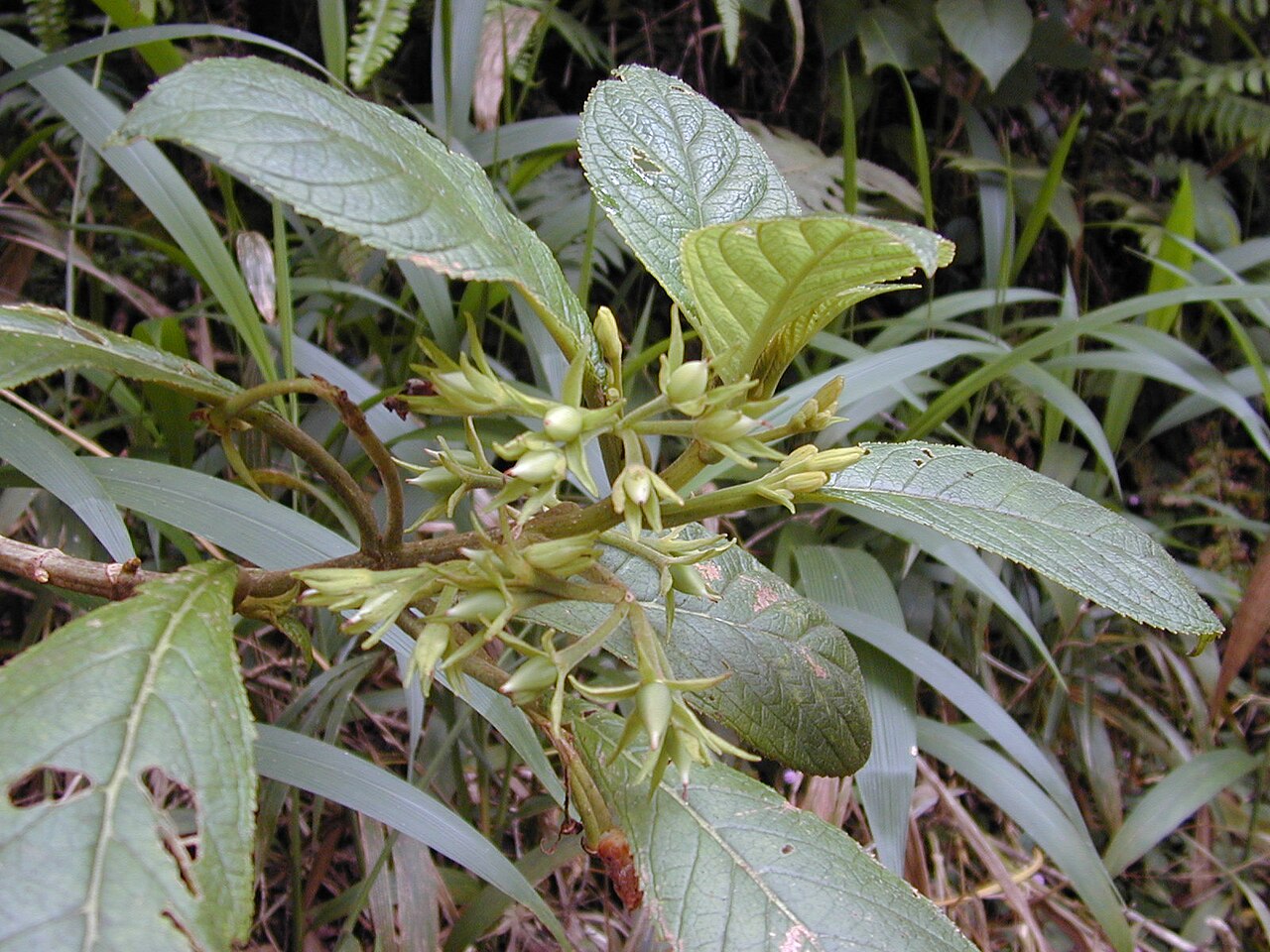
Cyrtandra platyphylla, known in Hawaiian as ʻilihia and also as haʻiwale or kanawao keʻokeʻo, is a soft-wooded shrub of the African violet family (Gesneriaceae) found only on Maui and Hawaiʻi Island. It grows 2 to 10 feet tall, with large, broad, fuzzy leaves held in opposite pairs, clusters of small white tubular flowers, and fleshy white berries. In English it is sometimes called the broadleaf cyrtandra, after the meaning of platyphylla.
ʻIlihia belongs to one of the most remarkable plant groups in Hawaiʻi. About 60 species of Cyrtandra grow only in the Hawaiian Islands, most of them shade-loving shrubs of wet forest gulches, and over half are rare, endangered or extinct. ʻIlihia is one of the more common and widespread ones; it is endemic to Hawaiʻi and is not federally listed.
It lives in moist, shaded sites in wet and sometimes mesic forest, from about 1,200 to 5,000 feet. It can be grown, but only in cool, humid, shaded conditions much like its forest home, and it is rarely sold. Buy only nursery-propagated plants from a Hawaiʻi native plant nursery, and never collect plants or cuttings from the wild. This guide covers identification, range, growing tips and its ecology.
Identification
ʻIlihia is a soft, leafy understory shrub that looks a little like a giant, upright African violet. Its broad, hairy, paired leaves and small white flowers clustered in the leaf axils are the best field marks.
Growth Habit
A sparingly branched, soft-wooded shrub, usually 2 to 10 feet tall, with stout, often hairy stems. It typically grows as an upright, open plant in shaded forest understory.
Leaves
Leaves are opposite, large and broad, ovate to broadly elliptic and often several inches long, with toothed margins and prominent veins. Like many Hawaiian Cyrtandra, they are covered in fine hairs and feel soft or slightly rough. The leaves of a pair are often unequal in size. The species varies a great deal, which is why it has gathered many synonyms.
Flowers
Flowers are small, white, tubular and two-lipped, borne in short clusters in the leaf axils, each with a hairy green calyx. In the genus, the stamen filaments are curved, which gives Cyrtandra its name. Flowering has been recorded mainly from June to December.
Fruit & Look-alikes
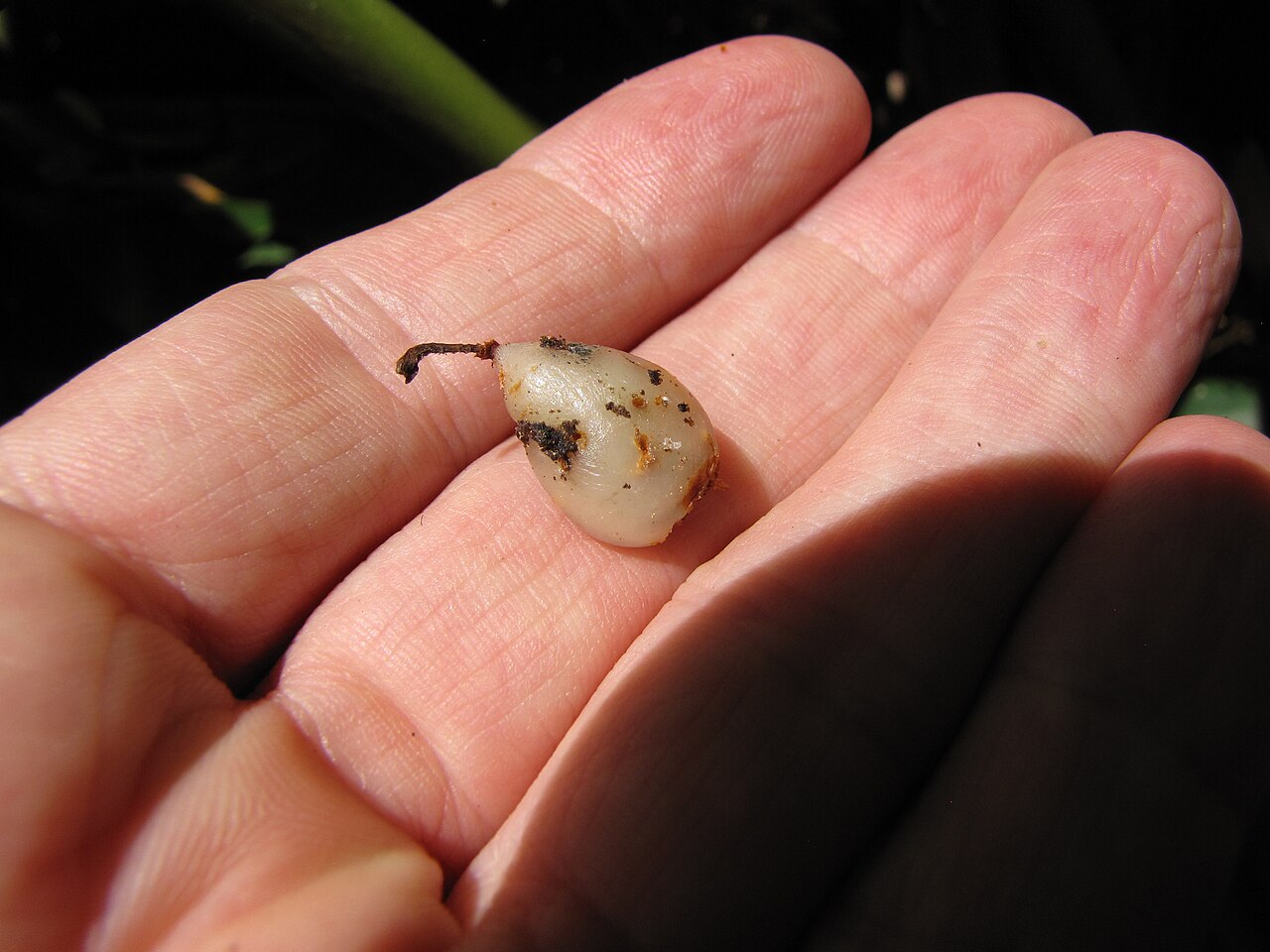
The fruit is a fleshy, white, egg-shaped berry about ½ inch long, packed with tiny seeds. Many other Cyrtandra grow on Maui and Hawaiʻi Island and can be hard to tell apart; they differ in leaf size and hairiness, flower cluster structure and calyx shape. Māmaki also has broad, toothed leaves in wet forest, but its leaves are alternate and it bears tiny, greenish flowers and white fruits on the stems.
Quick Facts
| Scientific Name | Cyrtandra platyphylla A. Gray |
| Family | Gesneriaceae (African violet family) |
| Plant Type | Evergreen shrub; Hawaiian endemic |
| Mature Height | 2–10 ft |
| Mature Spread | 2–5 ft |
| Growth Rate | Moderate |
| Sun Exposure | Partial shade to full shade |
| Water Needs | High; constantly moist but well-drained soil |
| Soil Type | Organic, moist, well-drained soils; cinder mixes |
| Soil pH | Acidic |
| Bloom Time | Mainly June–December |
| Flower Color | White |
| Fall Color | None; evergreen |
| Fruit | Fleshy white berry about ½ in long |
| Deer Resistant | No; damaged by pigs and browsing animals |
| USDA Hardiness Zones | 10–11 (cool, humid upland sites in Hawaiʻi) |
Native Range
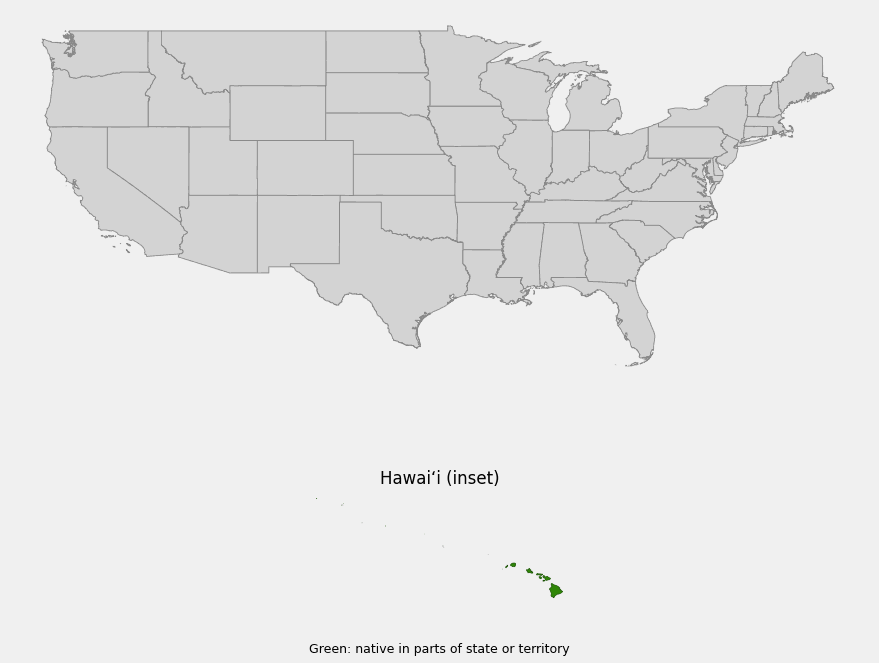
ʻIlihia is endemic to the Hawaiian Islands. USDA PLANTS lists it as native only in Hawaiʻi, and the Smithsonian’s Flora of the Hawaiian Islands records it from Maui and Hawaiʻi Island.
It grows in moist, shaded sites in wet and sometimes mesic forest: on Maui from about 3,000 to 5,000 feet, and on Hawaiʻi Island from about 1,200 to 4,000 feet, in places that receive more than 50 inches of rain a year. It is common along shaded trails and stream banks in forests such as Waikamoi and Makawao on Haleakalā and the rainforests above Hilo.
The Smithsonian rates it apparently secure and it has no federal status. Like other Cyrtandra, though, it depends on intact, shaded native forest, and it suffers where feral pigs root up the understory and where invasive plants such as strawberry guava, kāhili ginger and Clidemia crowd it out.
📋 Regional plant lists featuring ʻIlihia: Hawaii
Growing & Care Guide
ʻIlihia is not a typical garden shrub. It needs the cool, humid, shady conditions of a wet forest understory, and it does best in upland, rainy districts of Hawaiʻi such as Volcano, upper Hilo or upcountry Maui, roughly USDA zones 10–11. Native plant growers have cultivated it with some success, and Cyrtandra may adapt to lower elevations better than once thought, but it is rarely available. Buy only nursery-propagated plants from a Hawaiʻi native plant nursery, and never collect plants, seeds or cuttings from the wild. Hawaiʻi restricts bringing plants in from other states, so look for local growers.
Light
Partial to full shade. Direct midday sun scorches the soft leaves. Bright, filtered light under trees or tree ferns is ideal.
Soil & Water
Rich, organic, well-drained soil that stays constantly moist; a mix of compost, cinder and leaf litter works well. Never let it dry out, but avoid waterlogged soil. High humidity is important, so a sheltered spot out of drying wind is best.
Planting Tips
Plant it in a shady, protected corner of an upland garden, among ferns, or in a large container in a shade house. Small, frequent feedings help: growers suggest a little 8-8-8 fertilizer and a monthly dilute foliar feed.
Pruning & Maintenance
Little pruning is needed beyond removing damaged leaves. Pests are the main challenge: slugs and snails relish the foliage, red spider mites can infest the leaf undersides, and root mealybugs damage the roots. Check plants often, and use slug barriers or baits safe for pets and wildlife.
Propagation
Grown from the tiny seeds in ripe berries, sown on the surface of a moist, sterile mix in high humidity, or from stem cuttings. Home gardeners should propagate only from their own nursery-bought plants.
Landscape Uses
- Shade and fern gardens: a bold-leaved native for cool, humid upland gardens
- Wet forest restoration: an understory shrub for shaded restoration sites
- Shade houses and collections: for growers of Hawaiian Cyrtandra and gesneriads
- Education: an accessible example of one of Hawaiʻi’s great plant radiations
Wildlife & Ecological Value
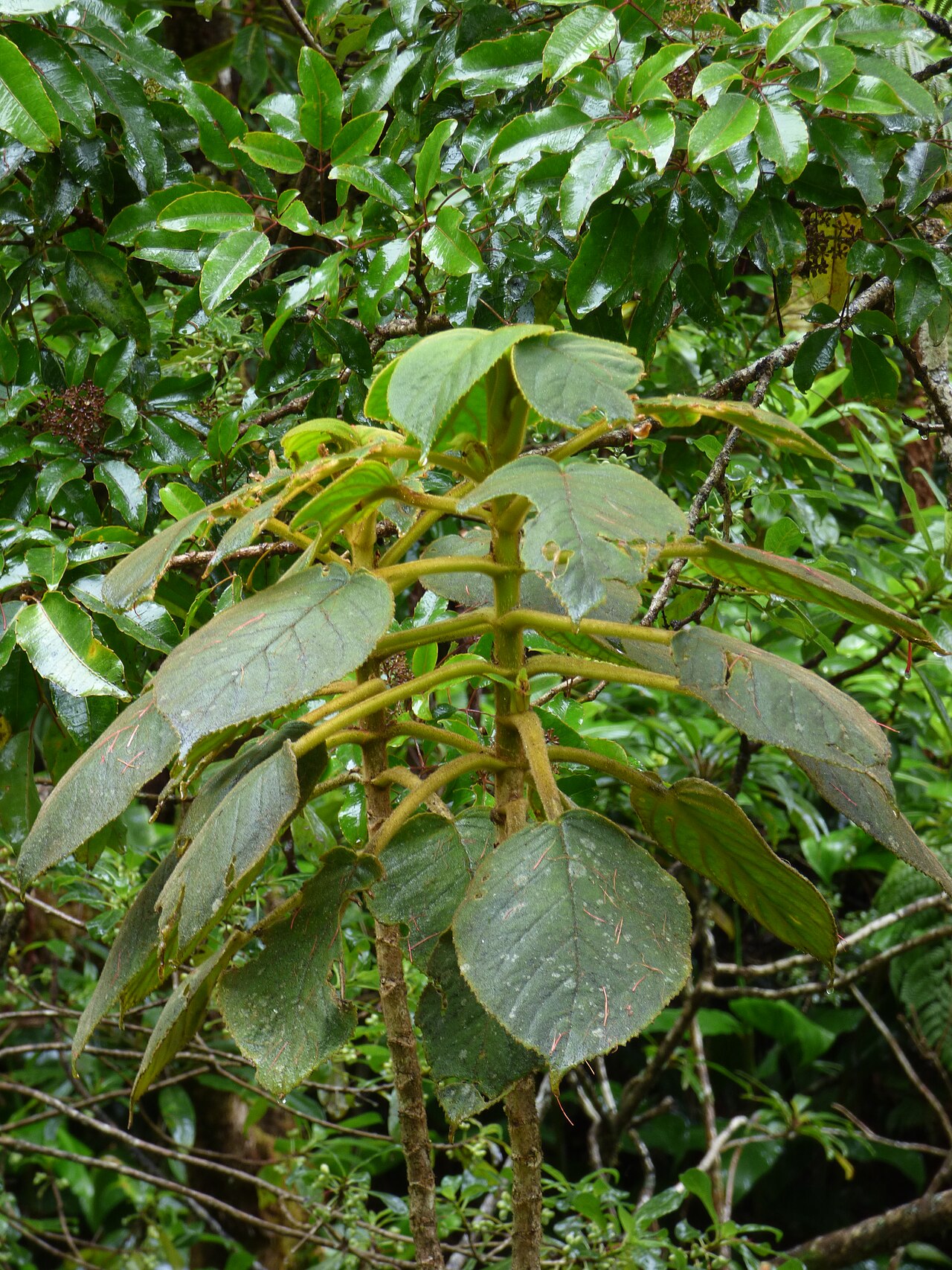
ʻIlihia is a characteristic shrub of the wet forest understory on Maui and Hawaiʻi Island.
For Pollinators
The small white tubular flowers are visited by small insects. The pollinators of Hawaiian Cyrtandra are poorly known.
For Birds
The fleshy white berries are thought to be eaten and dispersed by birds; bird dispersal is how Cyrtandra is believed to have reached and spread across the Pacific islands.
For Mammals
Hawaiʻi’s only native land mammal, the Hawaiian hoary bat, forages over these forests. Feral pigs damage ʻilihia by rooting and trampling the understory.
Ecosystem Role
As a leafy understory shrub, ʻilihia helps shade and hold the soil on steep, wet slopes and stream banks, and it is part of the layered structure of healthy native rainforest.
Cultural & Historical Uses
Hawaiian Cyrtandra are generally called haʻiwale, and some species have their own names, such as ʻilihia and kanawao keʻokeʻo for this one. No traditional use is currently known for ʻilihia, but the names show that Hawaiians distinguished these plants carefully.
The genus name Cyrtandra comes from the Greek kyrtos, “curved,” and andros, “male,” after the curved stamens, and platyphylla means “broad-leaved.” The species was named by the American botanist Asa Gray in the 19th century.
Cyrtandra has about 600 species across Southeast Asia and the Pacific, and Hawaiʻi’s roughly 60 species are thought to come from a small number of colonizations followed by rapid diversification. It is the second-largest plant genus in Hawaiʻi after Cyanea. ʻIlihia’s great variability, reflected in its long list of synonyms, is part of that ongoing story.
Frequently Asked Questions
Is ʻilihia endangered?
No. Cyrtandra platyphylla is not federally listed and is considered apparently secure, although many other Hawaiian Cyrtandra are rare or endangered.
Where does ʻilihia grow?
Only on Maui and Hawaiʻi Island, in moist, shaded wet and mesic forest from about 1,200 to 5,000 feet.
Can I grow ʻilihia in my garden?
Only in cool, humid, shaded conditions, such as an upland garden or shade house in Hawaiʻi. It is not suited to hot, sunny or dry gardens, and it is seldom sold.
Are the berries edible?
They are not a known food. The white berries are eaten by birds, which spread the seeds.
Is it related to African violets?
Yes. Cyrtandra is in the Gesneriaceae, the same family as African violets and gloxinias.

Looking for a nursery that carries ʻIlihia?
Browse our native plant nursery directory: Hawaii

