
Berry That Looks Like Raspberry: Types and Characteristics
Last updated: September 18, 2026
Berries are a popular fruit that come in many different shapes and sizes. One berry that is often mistaken for a raspberry is the black raspberry. While it may look similar to a raspberry, the black raspberry has a unique flavor and texture that sets it apart.
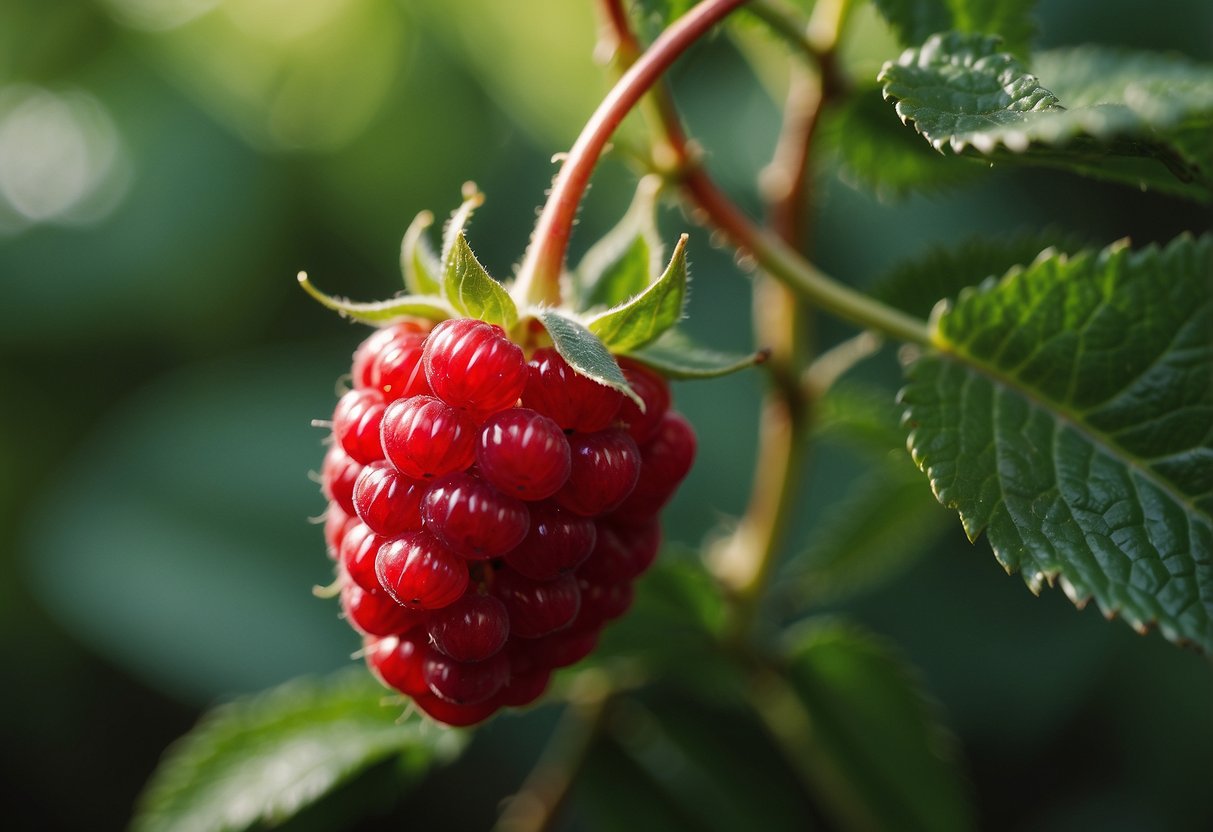
Black raspberries grow on bushes and are typically smaller than red raspberries. They have a deep purple-black color and a slightly sweeter flavor than their red counterpart. Black raspberries are also rich in antioxidants and vitamins, making them a healthy addition to any diet.
In addition to black raspberries, there are many other types of berries that resemble raspberries in appearance. These include thimbleberries, salmonberries, and cloudberries, among others. Each of these berries has its own unique flavor and nutritional benefits, making them a great addition to any diet. Whether you are looking for a tasty snack or a healthy addition to your meals, berries are a great choice.
Identification and Classification

Physical Characteristics
Berries that look like raspberries can be identified by their physical characteristics. These berries typically have a similar size, shape, and color to raspberries. They are usually small, round, and red, with a rough surface. Some berries that look like raspberries also have a similar taste to raspberries. However, it is important to note that some of these berries can be toxic or inedible, so it is important to properly identify them before consuming.
The leaves, stems, and canes of plants that produce berries that look like raspberries can also provide clues to their identification. These plants typically have compound leaves with serrated margins and thorny stems. The canes of these plants are usually green and thorny, and they produce fruit in the second year of growth. Some plants that produce berries that look like raspberries can grow as shrubs or bushes, forming thickets that can be difficult to navigate.
Species and Varieties
There are many species and varieties of plants that produce berries that look like raspberries. Some of the most common include blackberries, strawberries, blueberries, cranberries, dewberries, elderberries, and gooseberries. Other plants that produce berries that look like raspberries include mulberries, loganberries, cloudberries, thimbleberries, salmonberries, currants, salmonberries, boysenberries, black raspberries, and red mulberries.
Blackberries are similar to raspberries in size, shape, and color, but they have a different taste and texture. Strawberries are also similar in appearance, but they are usually larger and have a different shape. Blueberries and cranberries are smaller than raspberries and have a different color and taste. Dewberries are similar in appearance, but they grow on a vine rather than a cane. Elderberries and gooseberries are similar in size, shape, and color, but they have a different taste and texture.
Mulberries are similar in appearance to raspberries, but they grow on trees rather than canes. Loganberries and cloudberries are similar in appearance, but they have a different taste and texture. Thimbleberries and salmonberries are similar in appearance, but they grow on bushes rather than canes. Currants are similar in appearance, but they come in a variety of colors, including red, black, and white. Boysenberries are similar in appearance, but they are a hybrid of blackberries, raspberries, and loganberries. Black raspberries are similar in appearance, but they have a different taste and texture. Red mulberries are similar in appearance, but they have a different taste and grow on trees.
In conclusion, there are many species and varieties of plants that produce berries that look like raspberries. These berries can be identified by their physical characteristics, such as size, shape, and color, as well as the characteristics of the leaves, stems, and canes of the plants that produce them. It is important to properly identify these berries before consuming to avoid any potential health risks.
Cultivation and Uses
Growing and Harvesting
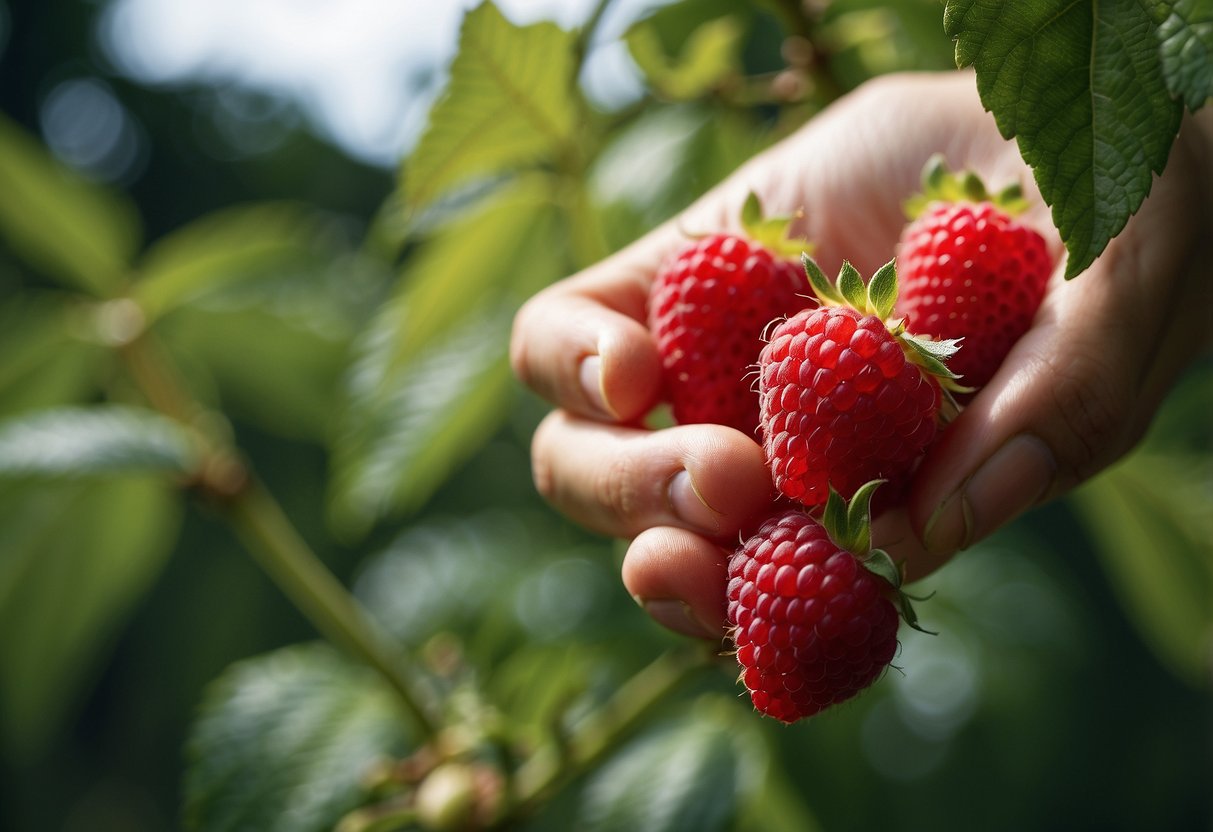
The berry that looks like raspberry is a versatile and easy-to-grow fruit that can be cultivated in a variety of settings. These berries grow on both shrubs and trees, and are typically ready for harvest in late summer or early fall. When planting, it is important to choose a location that receives full sun and has well-draining soil.
One popular variety of this berry is the mulberry tree, which produces sweet, juicy fruit that can be eaten fresh or used in a variety of recipes. Another variety is the black raspberry, which is a deciduous cane shrub that produces dark purple-black berries with a sweet and tangy flavor.
To harvest these berries, it is best to wait until they are fully ripe and easily detach from the stem. Berries that are not fully ripe will not be as sweet and may have a slightly bitter taste. Once harvested, these berries can be used in a variety of culinary applications.
Culinary Applications
These berries are a popular ingredient in a variety of dishes, including pies, jams, jellies, sauces, and baked goods such as muffins and cakes. They can also be used to make wine and other alcoholic beverages.
One of the most popular uses for these berries is in jams and jellies. Because they are high in pectin, they can easily be made into a thick, spreadable jam or jelly without the need for added pectin. They are also a rich source of vitamin C, making them a healthy addition to any diet.
In addition to their culinary uses, these berries are also a popular choice for foraging and can be found in the wild in many parts of the world. They are a favorite of birds and other wildlife, and can often be found growing alongside other fruits such as grapes and tomatoes.
Overall, the berry that looks like raspberry is a delicious and versatile fruit that can be used in a variety of culinary applications. Whether eaten fresh or used in a recipe, these berries are sure to add a sweet and tangy flavor to any dish.
Nice one.
Thank you for the kind words! Wishing you a great growing season. -Plant Native Team
Not bad. I’d add that soil prep matters way more than most people think.
Thanks for the constructive input! We’ll look into updating with more detail. -Plant Native Team