

North Georgia gardens within USDA hardiness zones 7 and 8 have no problem growing plums. Several varieties of Japanese plums seem to grow best, including
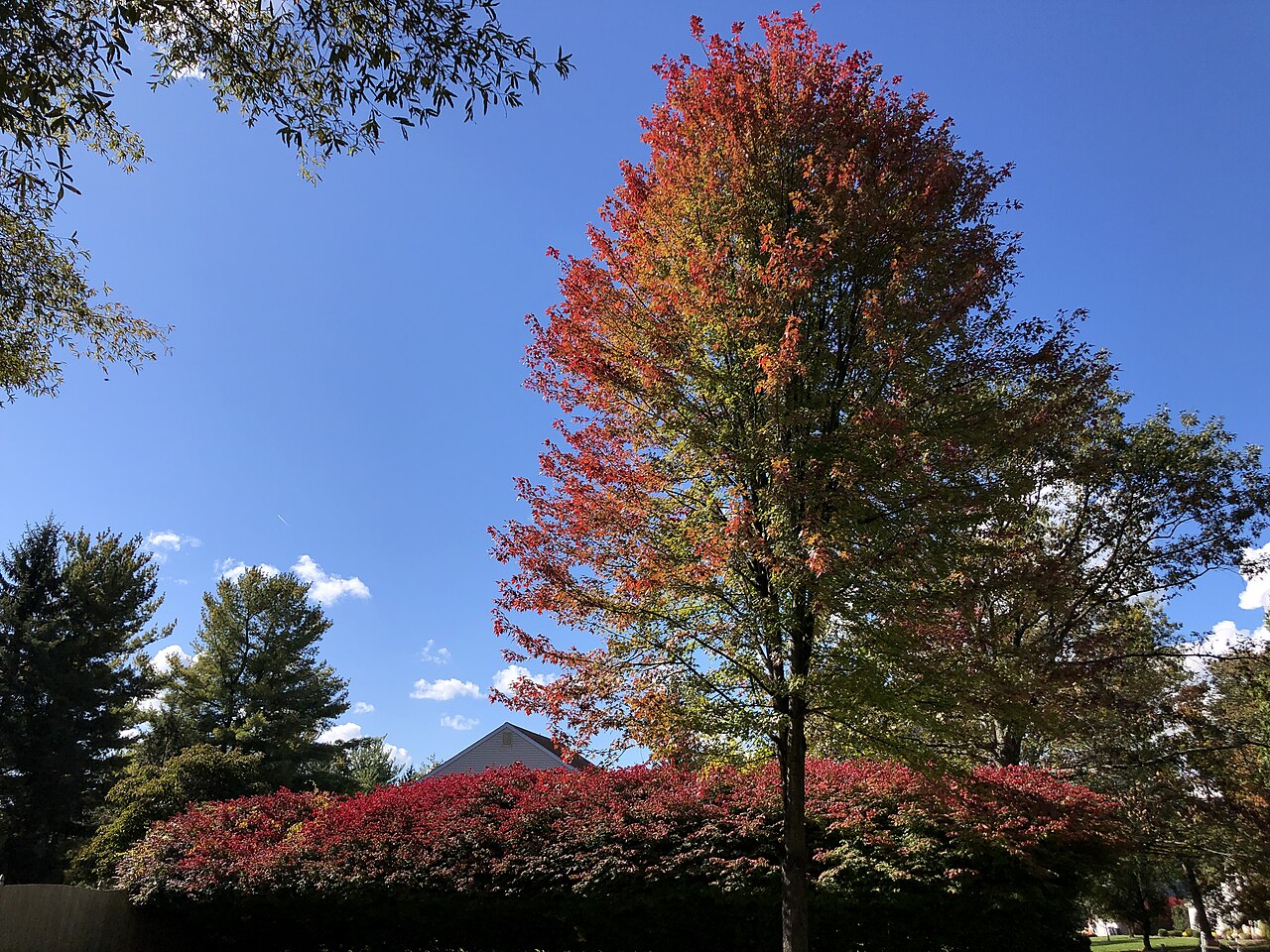
A burning bush hedge turning red in a New Jersey neighborhood. Its fall color is the trait most people want to replace. Photo: Famartin, Wikimedia
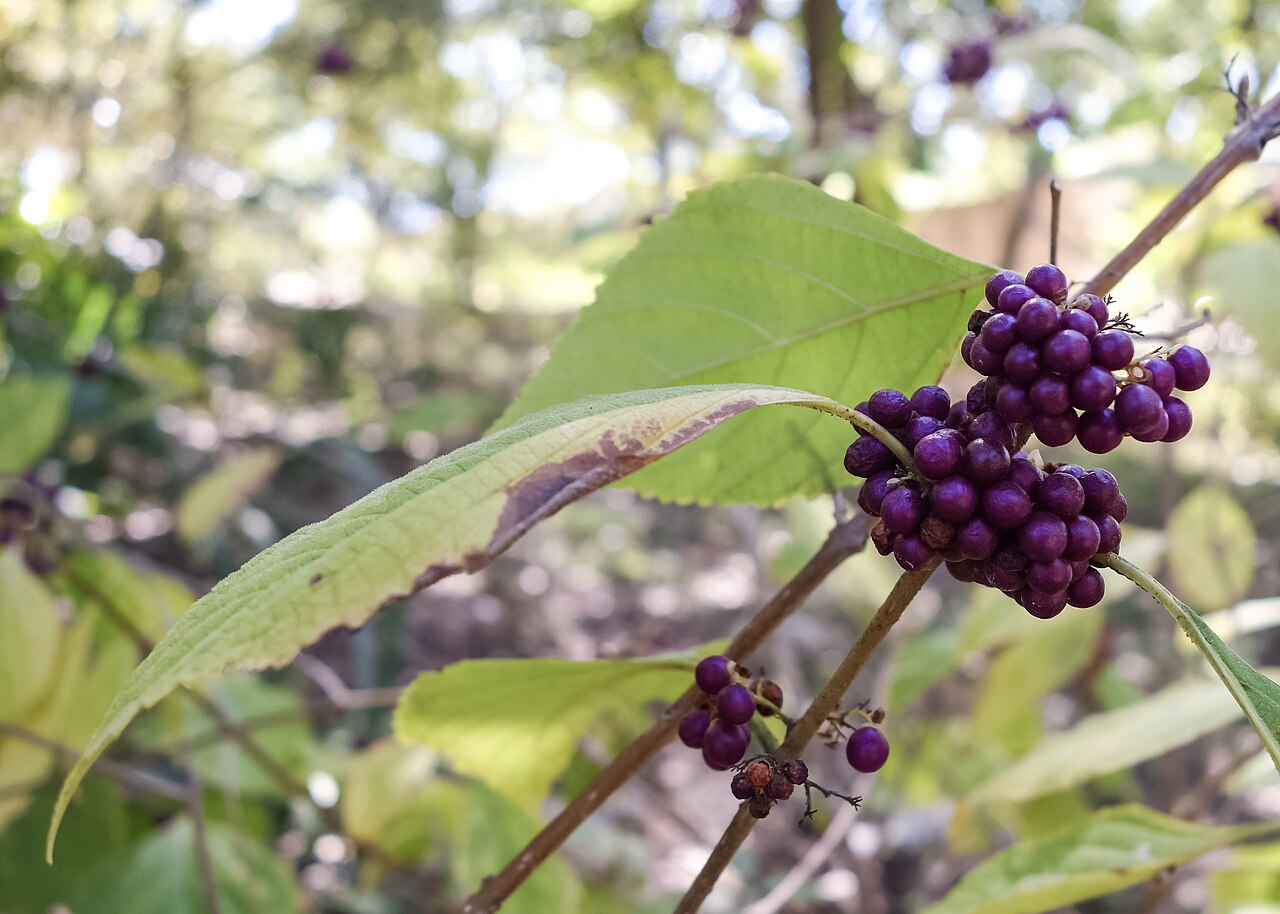
American beautyberry in fall. It’s a favorite for good reason, and it’s the worked example in this worksheet. Photo: smallcurio from Austin, TX, Wikimedia Commons
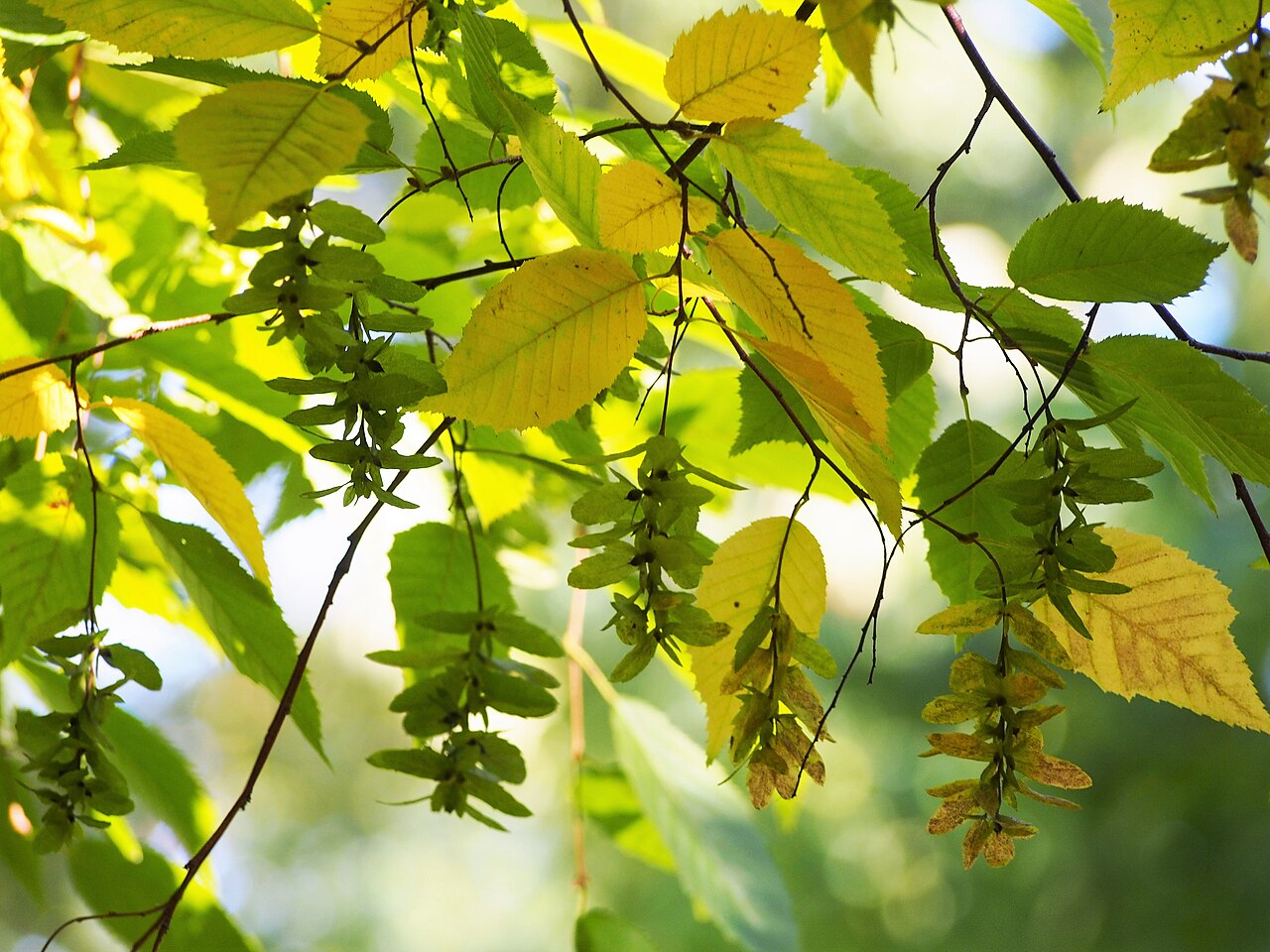
American hornbeam in early fall. NC State lists it at 20 to 30 feet tall and up to 35 feet wide, so one tree changes
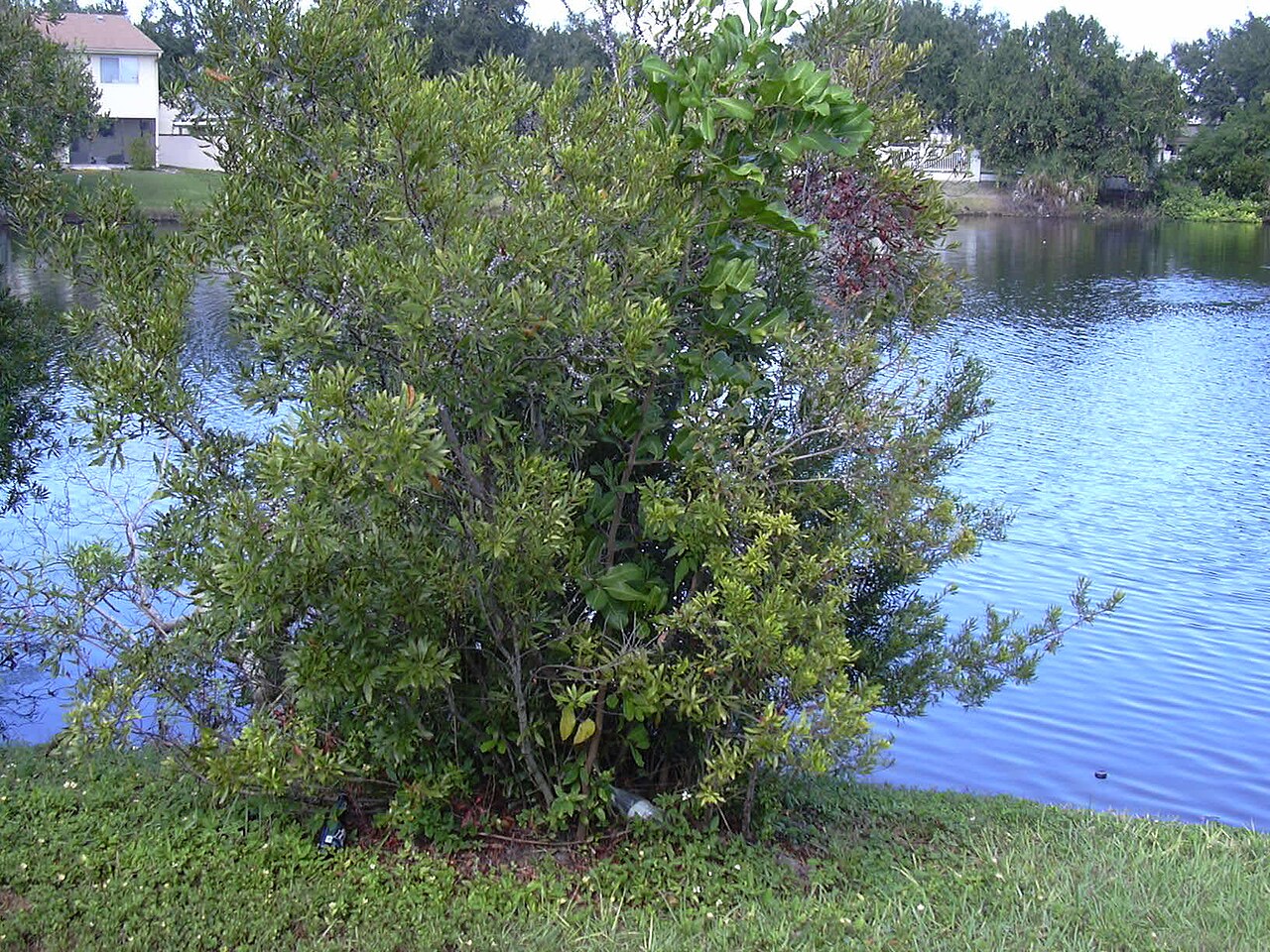
Wax myrtle is one of the most useful native evergreen screens in the Southeast, but it can grow 10 to 15 feet wide. Measure before
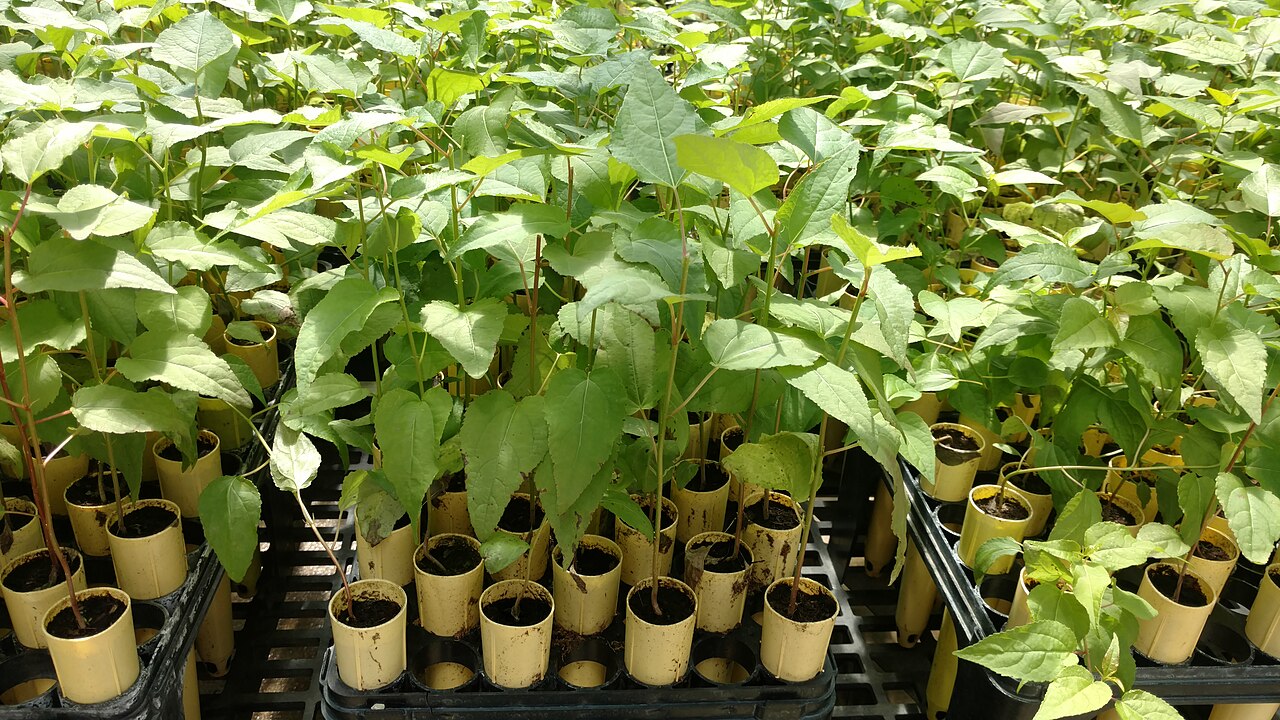
Aspen seedlings growing in tube containers at the U.S. Forest Service’s Coeur d’Alene Nursery. A good native plant listing tells you how a plant was
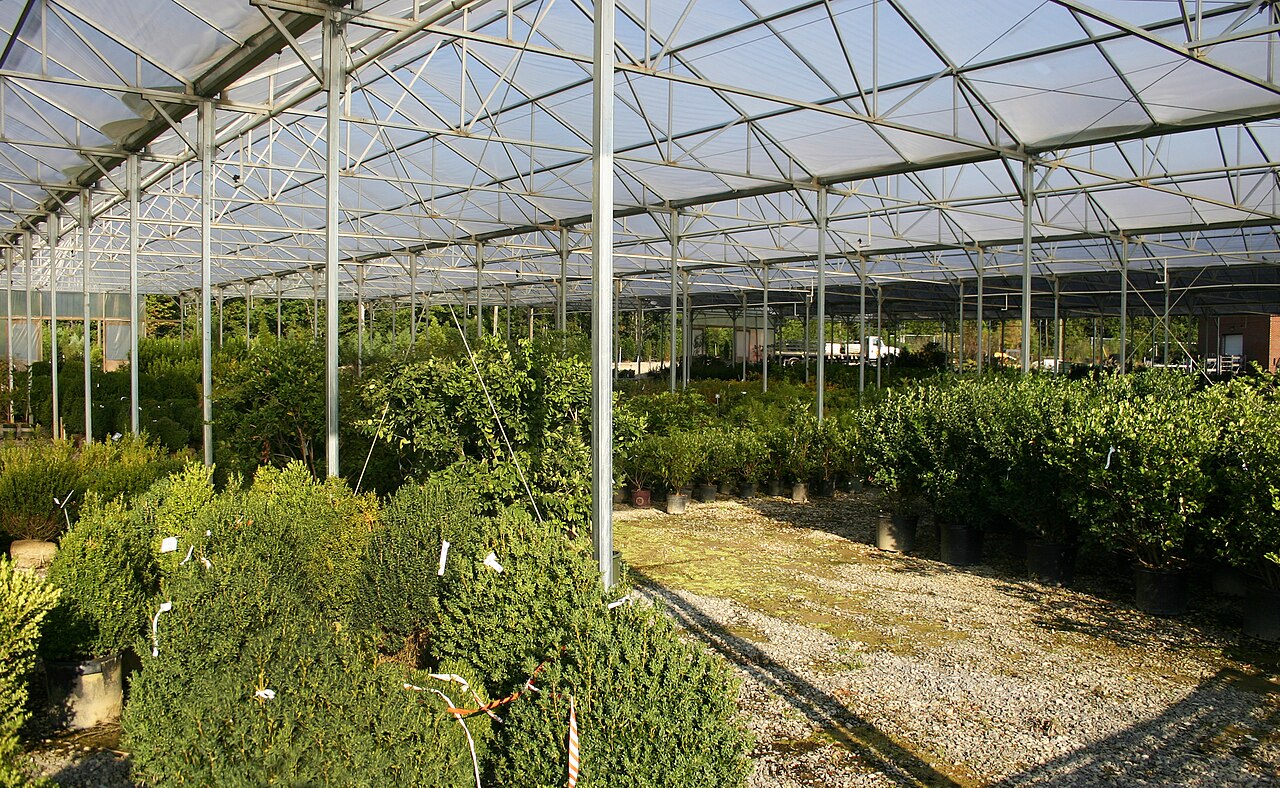
Young container shrubs at a nursery. A pot’s size tells you how long the plant has been growing, not how wide it will become. Photo:
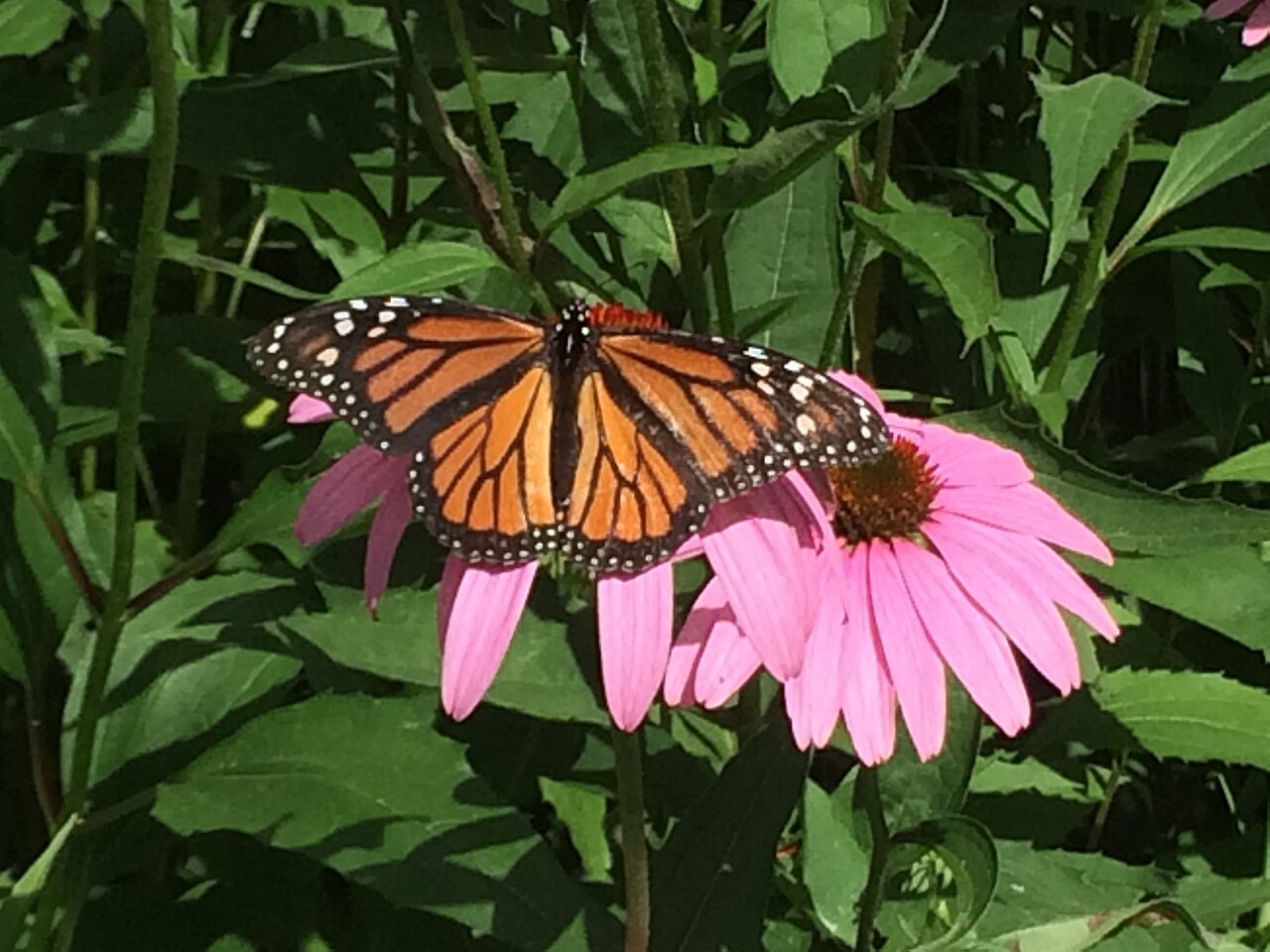
A monarch feeding on a single-flowered purple coneflower. Open cones like this offer the nectar and pollen that some double-flowered cultivars lose. Photo: HLWolfe, Wikimedia
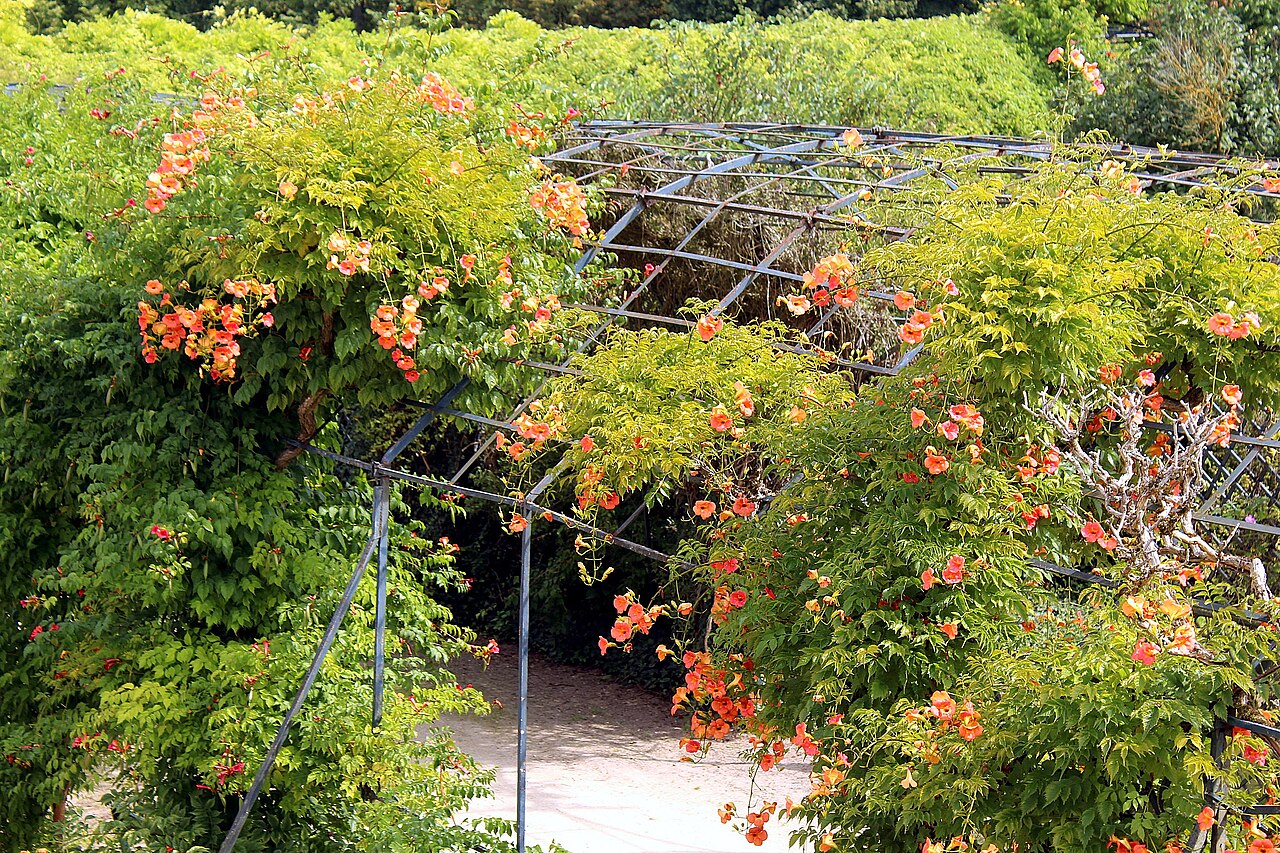
Trumpet creeper covering a steel pergola. Clemson Extension lists it at 30 feet or more and says to grow it on a sturdy support, which
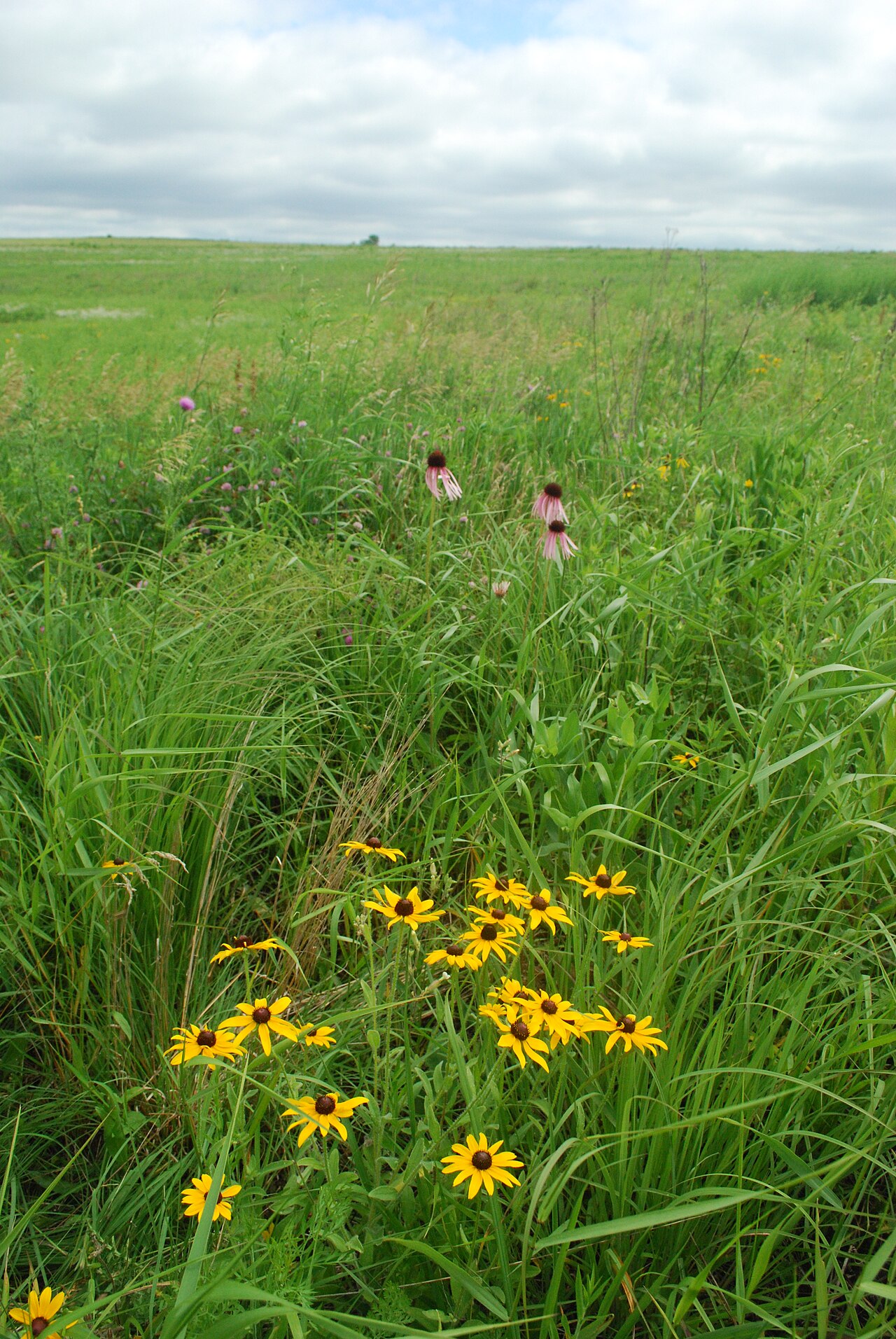
Pale purple coneflower and black-eyed Susan in a Wisconsin remnant prairie. A plant’s native range is defined by where it grew wild, not by where
View More