Straight Species or Native Cultivar? Questions to Ask Before Designing a Bed
Last updated: November 7, 2026
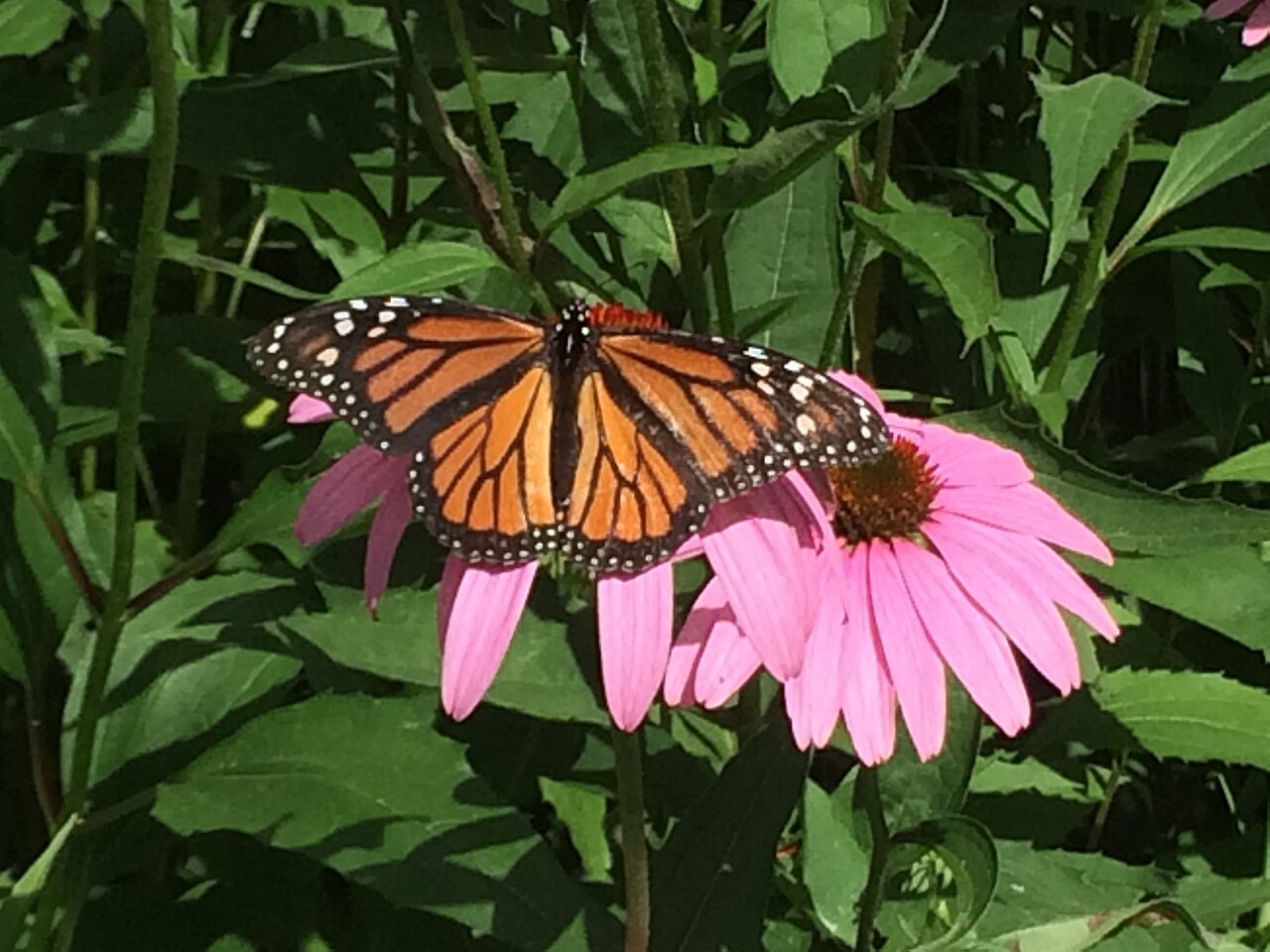
Walk into most garden centers and the “native” bench is full of named varieties: compact sweetspires, purple-leaved ninebarks, coneflowers in orange, lime and double pink. The wild form of the same plant, called the straight species, can be hard to find.
Neither choice is automatically right. What matters is what you want the bed to do and what the breeder changed.
This guide turns that debate into a set of design questions you can answer before you draw a plan or buy a single pot. It uses research summaries from extension programs and trial gardens rather than slogans.
Plan at a Glance
| Best for | Planning a new perennial or shrub bed that includes native plants |
| Example bed | An 8-by-12-foot sunny-to-part-sun border with shrubs at the back |
| Sun | Full sun to part shade, depending on species |
| Soil | Average to moist garden soil; match each species to your site |
| Maintenance | Low to moderate; similar for species and most cultivars |
| Best regions | The example palette suits much of the eastern and central U.S.; swap in your own region’s species elsewhere |
| Key decision | Straight species for habitat value; selected cultivars only where a specific trait solves a real design problem |
What “Straight Species” and “Cultivar” Actually Mean
Master Gardeners with Virginia Cooperative Extension define straight species as the forms found naturally in the wild. Cultivars are selections of naturally occurring variations or plants bred for particular ornamental traits.
On a tag, a species has a two-part Latin name, such as Echinacea purpurea. A cultivar adds a name in single quotes, such as Echinacea purpurea ‘White Swan’. Hybrids between species are usually marked with an “×” in the name.
One more difference matters for the bed. According to the same Master Gardener article, most cultivars and hybrids are propagated by cuttings, so every plant is genetically identical, while seed-grown species keep the genetic variation that helps populations adapt.
Before you compare forms, confirm the species itself belongs in your area. Our guide on checking whether a plant is native to your area walks through that range check.
Question 1: What Is This Bed For?
Start with the job, not the plant list. A bed meant to feed caterpillars, bees and birds asks different things of each plant than a bed meant to frame a front door.
If habitat is the main goal, lean on straight species. They evolved with local insects and wildlife, and the Master Gardener article notes they will be recognized as nectar, pollen and host plants.
If the bed is mostly ornamental and sits in a tight space, a well-chosen cultivar may solve a real problem. Write the goal at the top of your plan so every plant choice can be checked against it.
Question 2: How Close Is the Bed to Natural Areas?
University of Maryland Extension raises a point many gardeners miss. Pollen and seed move from yards into wild populations through pollinators, wind, birds and storm drains, and a yard does not need to border a natural area to share genes with it.
UMD’s concern is that clonal cultivars carry little genetic diversity. When they cross with wild plants, they can shift the traits of nearby wild populations, as UMD shows with swamp rose mallow flowers that picked up red cultivar colors near a subdivision.
The same page notes that sterile cultivars cannot cross with wild relatives. If your bed sits next to a woodland, stream or meadow, choose straight species or sterile forms for the plants most likely to cross.
Question 3: What Did the Breeder Change?
This is the most useful question at the nursery. Different traits have very different effects, and the research so far does not support a blanket rule.
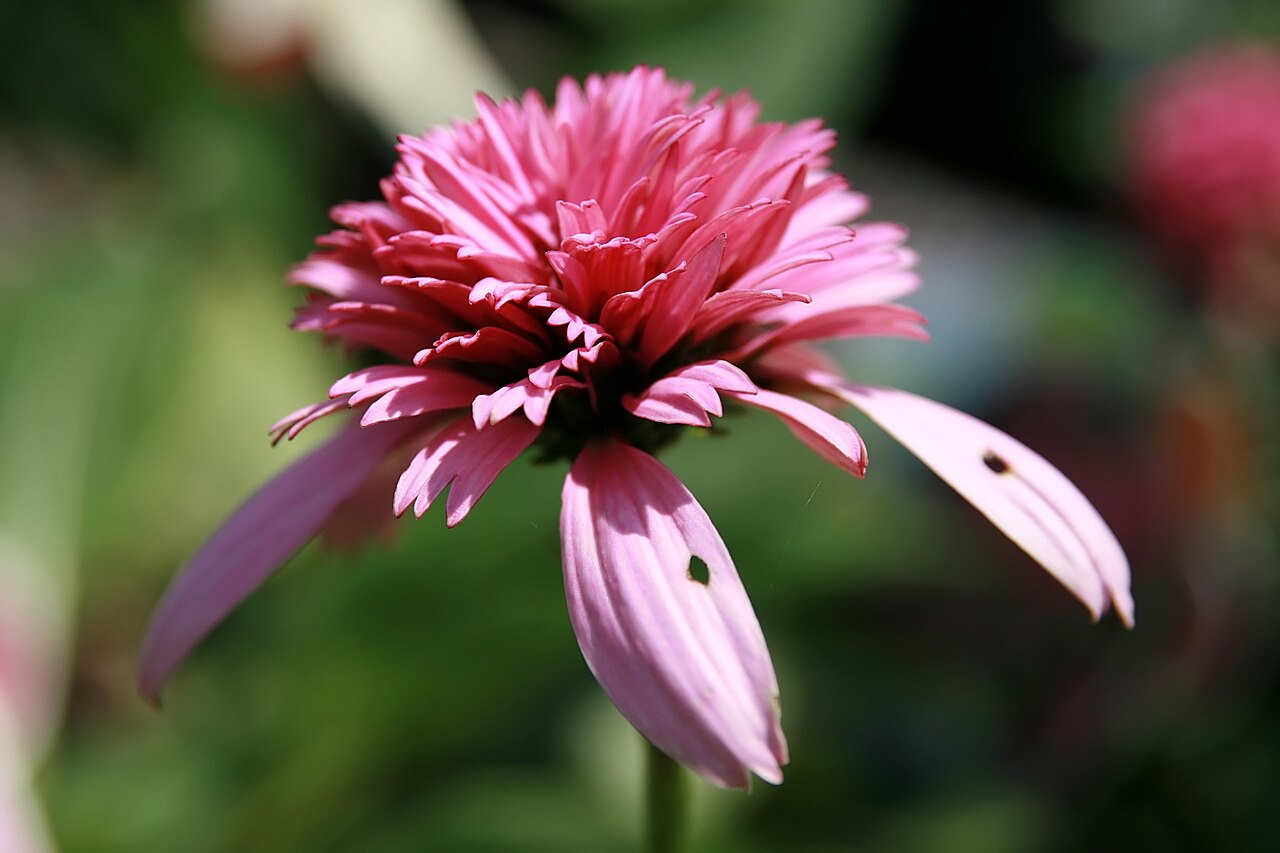
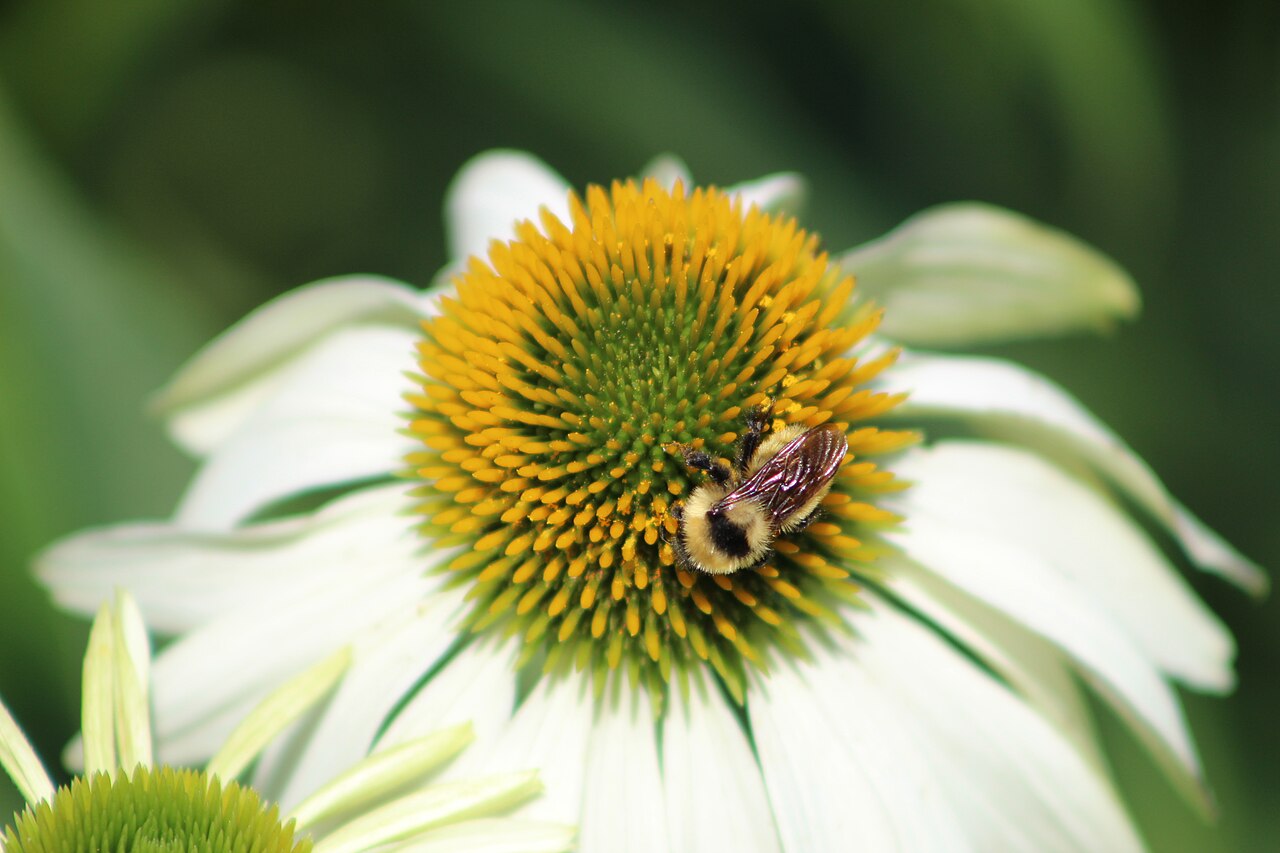
Flower form. Double flowers are the clearest problem. In Annie White’s University of Vermont research, summarized by Virginia Master Gardeners, the double-flowered coneflower ‘Pink Double Delight’ was sterile and offered no nectar or pollen.
Leaf color. Research by Emily Baisden and Doug Tallamy at Mt. Cuba Center found that cultivars with purple foliage were less palatable to caterpillars. National Wildlife Federation reported the same pattern in their early results with purple-leaved shrubs.
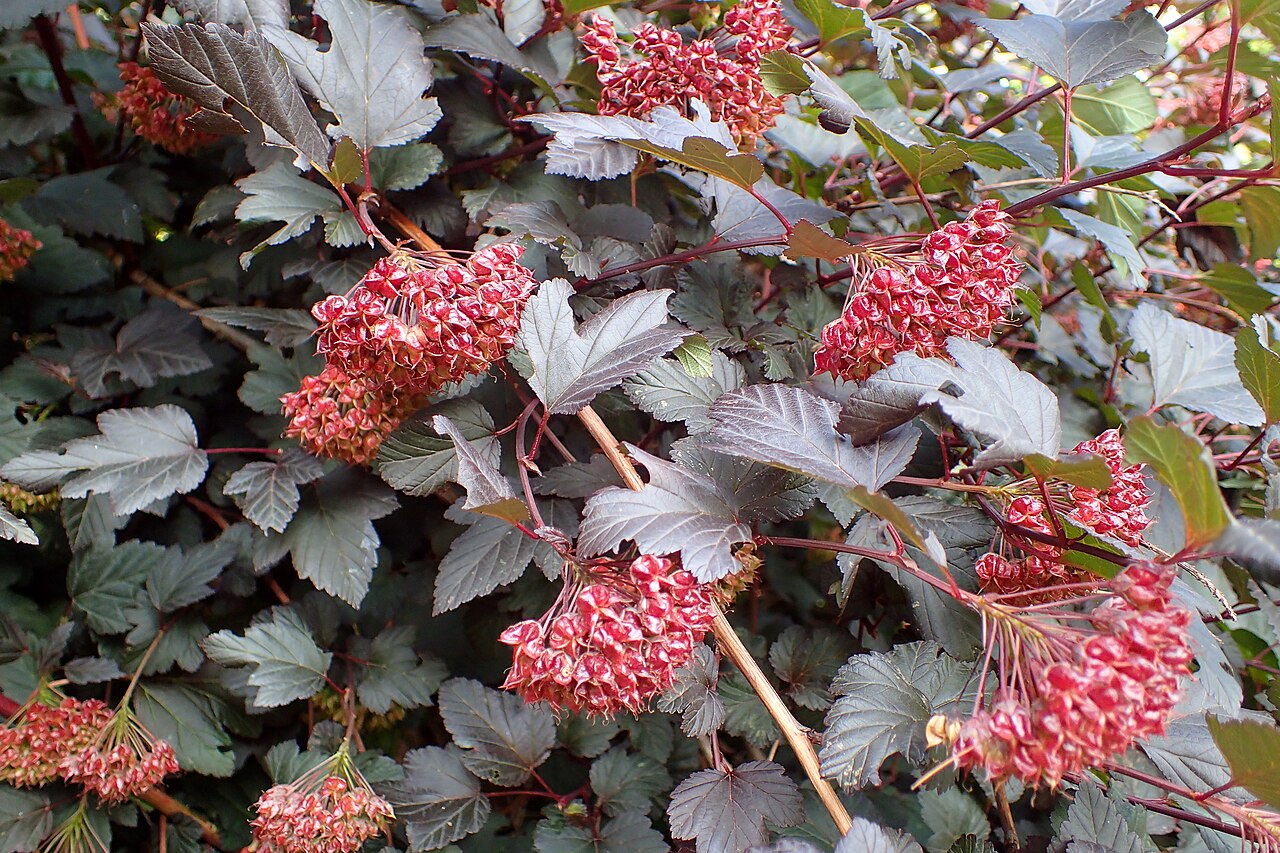
Plant size. The same research found that a smaller woody plant did not reduce its ability to support insects. That makes compact shrub cultivars one of the more defensible choices for a small bed.
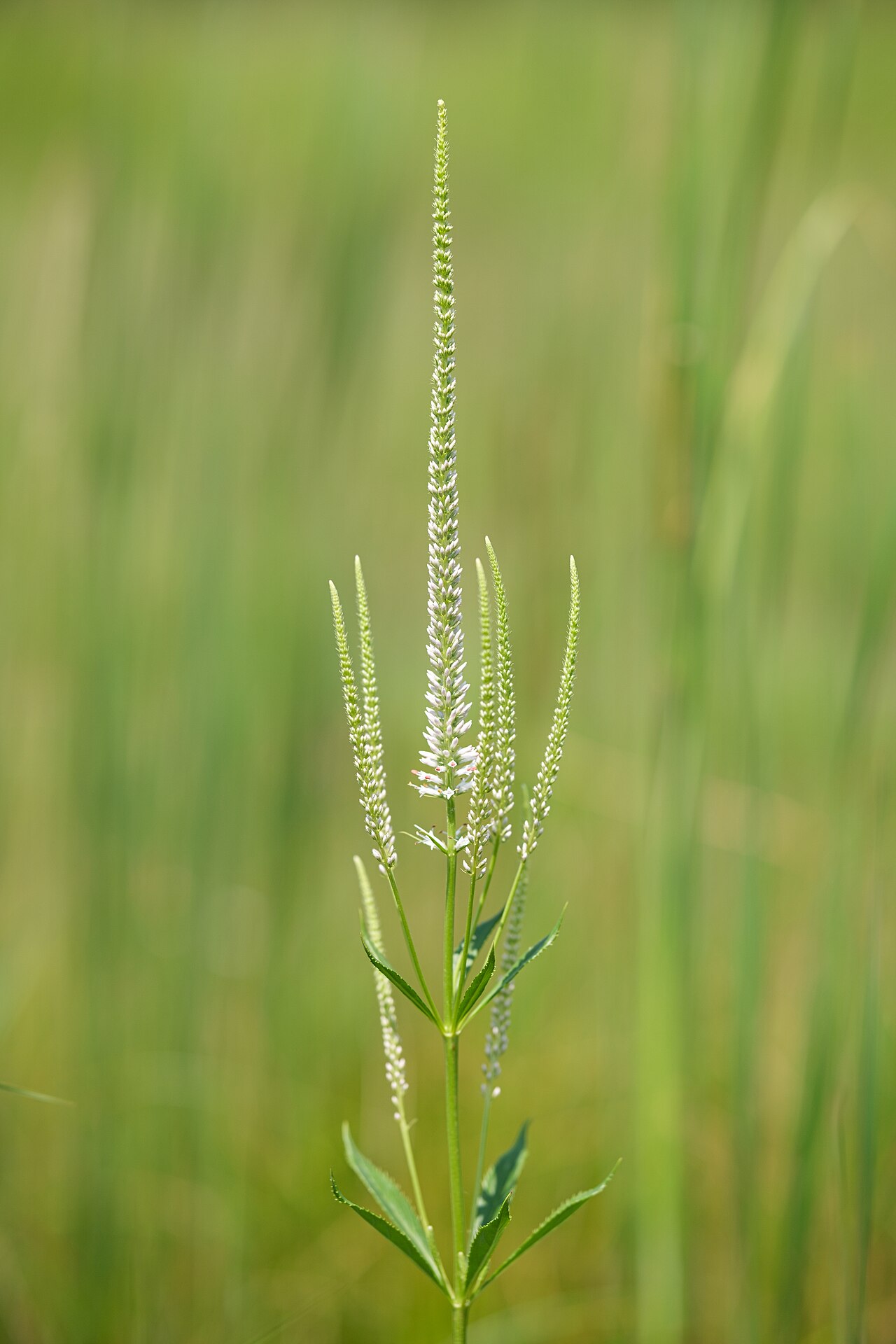
Flower color. Results vary. In White’s Vermont trials, pollinators preferred the species in eight of 11 pairings, but the lavender culver’s root cultivar ‘Lavendelturm’ drew more than twice as many insect visits as the white straight species.
Question 4: Is It a Wild Selection, a Seed Strain or a Clone?
Not all cultivars are bred in a lab. Some were found growing wild or in gardens and then propagated.
The Virginia Master Gardener summary points to the smooth aster ‘Bluebird’, a naturally occurring form that outperformed the species in Penn State Extension’s pollinator trial. In that trial, species were preferred by pollinators in only half of 14 comparisons.
It also notes that some cultivars, such as coneflower ‘White Swan’, are grown from seed and keep genetic variation between plants. If you want a particular look, a seed strain is closer to the species than a clone.
Question 5: Will the Straight Species Fit the Space?
Size is the most common reason designers reach for a cultivar. If a straight species will outgrow the bed, the answer may be a compact selection or a different species altogether.
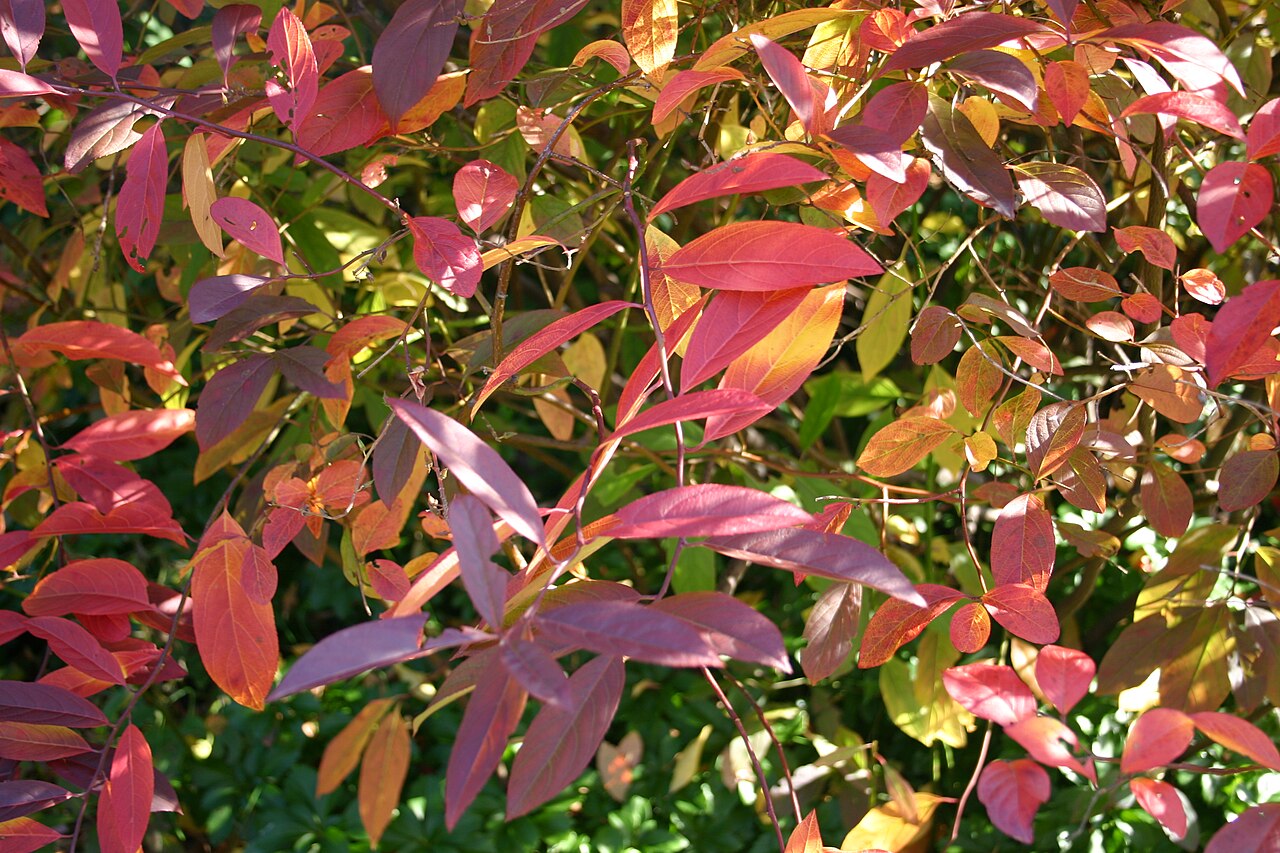
Virginia sweetspire is a good example. Virginia Master Gardeners give 6 to 10 feet for the species, versus 4 to 5 feet for ‘Henry’s Garnet’ and 2 to 4 feet for ‘Little Henry’.
Before you buy the smaller form, check whether the bed can be redrawn. Our 6-by-10-foot front-yard bed plan shows how to choose plants by mature size first.
Example Plant Palette
A sunny-to-part-sun border for much of the eastern and central U.S. Native ranges are from the Lady Bird Johnson Wildflower Center; confirm your county before buying.
| Plant | Role in the bed | Height (species) | Sun / moisture | Native range |
|---|---|---|---|---|
| Purple coneflower | Midsummer flower; choose single-flowered species or seed strain | Up to about 4 ft | Sun to part shade; dry to average | GA to NE TX, north to NC, OH, IL, IA |
| Smooth aster | Fall nectar; ‘Bluebird’ is a tested selection | 2–4 ft | Sun; dry to average | Most of the U.S. and southern Canada |
| Culver’s root | Vertical accent at the back | Up to about 6 ft | Sun to part shade; moist | VT to Ontario, south to GA, LA, OK |
| Virginia sweetspire | Shrub layer; compact forms for small beds | Usually 3–6 ft, up to 10 ft | Part shade; moist | Southern NJ to KY, MO, OK, south to FL, TX |
| Common ninebark | Back-of-bed shrub; choose green-leaved forms for host value | Up to about 10 ft | Sun to shade; dry to wet | NY to MN, SD, south to FL, AR, KS |
| Wild hydrangea | Shady end; sterile cultivars are an option near natural areas | Up to about 10 ft, often shorter | Part shade; moist | Southern NY to SE MO, south to FL, LA, OK |
Outside this range, keep the same roles and swap species. A western bed might use a local ninebark, aster and penstemon in the same positions.
Cultivar Trait Check
- Smaller size (shrubs): generally fine for wildlife value; useful in tight beds.
- Purple, red or gold leaves: expect lower value to leaf-eating caterpillars; prefer green-leaved species where host value matters.
- Double or pompom flowers: often reduce or remove nectar and pollen; avoid in a pollinator bed.
- New flower color: evaluate case by case; some performed as well as or better than the species.
- Found in the wild or a garden: often closer to the species; look for trial results.
- Seed-grown strain: keeps genetic variation; a better compromise than a clone.
- Sterile: cannot cross with wild plants; may offer less pollen, nectar or seed.
Installation: Laying Out a Mixed Species-and-Cultivar Bed
- Write the bed’s main goal and its distance from the nearest natural area at the top of the plan.
- List the roles you need: shrubs, tall accents, midsummer flowers, fall flowers and edging.
- Fill each role with a straight species first, sized to mature width.
- Allow a cultivar only where it fixes a specific problem, such as a shrub that would block a window.
- Reject any plant with double flowers or altered leaf color in roles meant to feed pollinators or caterpillars.
- Group plants in repeated drifts of three to five so the bed reads as designed. Our spacing and quantity guide helps with the counts.
- Buy from nurseries that label species and cultivars clearly; our native nursery directory is a starting point.
- Keep the tags. Record which plants are species, seed strains or clones on your plan.
The First Three Years
- Year one, spring: Plant, water through dry spells and mulch lightly. Note any cultivar that sulks compared with the species next to it.
- Year one, summer: Watch which flowers get visits. Single-flowered coneflowers and asters should be busy.
- Year two: Let species reseed in place where you have room. Clonal cultivars won’t come true from seed, so pull seedlings near natural areas.
- Year three: Replace weak or low-value cultivars with straight species. By now you’ll know which plants are earning their space.
Mistakes to Avoid
- Assuming every “nativar” is bad. Some performed as well as the species in trials.
- Assuming every cultivar is equal to the species. Double flowers and purple leaves stand out as trade-offs.
- Buying a compact cultivar instead of redrawing the bed. Sometimes a different species is the better fix.
- Planting clonal cultivars beside a wild area. UMD Extension warns their genes can move into wild populations.
- Ignoring the tag. If the botanical name has quotes, it is a cultivar; if it has an ×, it is a hybrid.
- Copying a plan from another region. Keep the roles, but swap in species from your own area. For layered sequences of bloom, see our pollinator border with overlapping bloom times.
📋 Several palette plants appear on our regional lists, including Kentucky and Tennessee native plants and Illinois, Iowa & Missouri native plants. Confirm each species for your county.
FAQs
What is a straight species plant?
It is the wild form of a plant species, without a cultivar name. On a tag it has only the two-part botanical name, such as Echinacea purpurea, with no name in quotes.
Are native cultivars bad for pollinators?
Not always. Trials summarized by Virginia Master Gardeners found mixed results: double flowers lost their nectar and pollen, but some cultivars, such as smooth aster ‘Bluebird’, did as well as or better than the species.
Is a compact cultivar of a native shrub worth buying?
Often, yes. Research by Baisden and Tallamy found smaller woody plants still supported insects. Compact forms are most useful when the straight species would outgrow the space.
Should I avoid purple-leaved native shrubs?
If the bed is meant to feed caterpillars and birds, choose green-leaved forms. Purple-leaved cultivars were less palatable to caterpillars in the Mt. Cuba research.
What is the safest cultivar choice near a natural area?
University of Maryland Extension notes that sterile cultivars cannot cross with wild relatives. Straight species from local seed are the other safe choice.
Sources
- University of Maryland Extension: Cultivars of Native Plants
- Master Gardeners of Northern Virginia (Virginia Cooperative Extension): Making Wise Plant Choices, Part 3: Cultivars and Hybrids
- National Wildlife Federation: Native, or Not So Much?
- Lady Bird Johnson Wildflower Center: Echinacea purpurea, Veronicastrum virginicum, Itea virginica, Physocarpus opulifolius, Hydrangea arborescens, Symphyotrichum laeve