
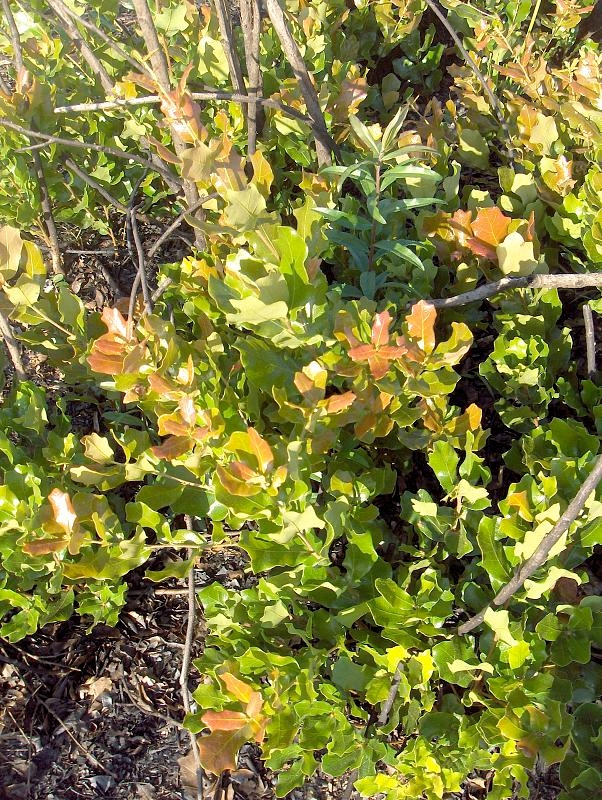
Chapman oak’s typical thicket-forming growth habit in Florida scrub. Photo: homeredwardprice, Wikimedia Commons (CC BY 2.0) Quercus chapmanii, the Chapman Oak, is a small, scrubby,
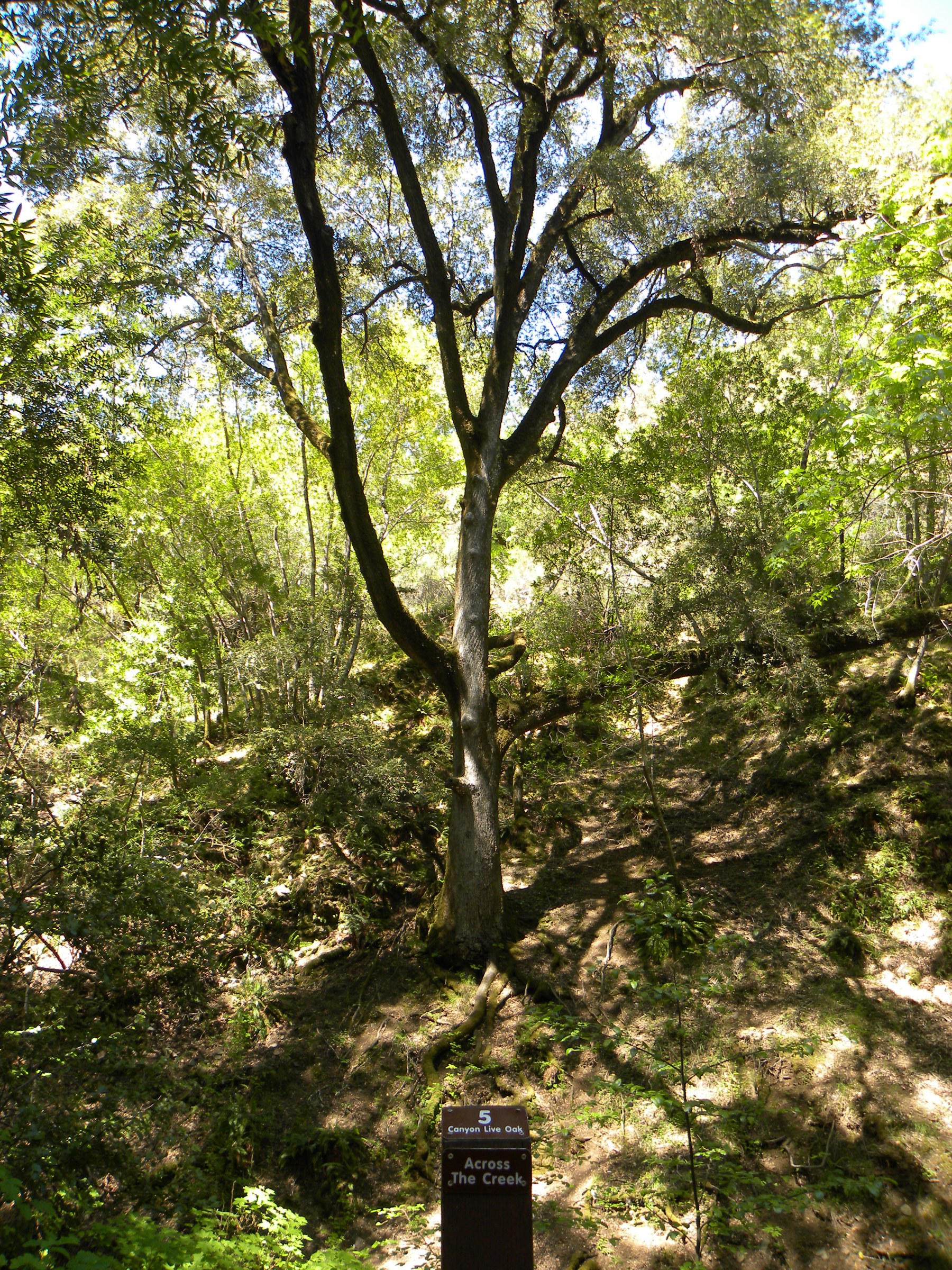
A canyon live oak growing along a creek in Uvas Canyon County Park, California. Photo: Wikimedia Commons (CC BY-SA 4.0) Quercus chrysolepis, the Canyon Live
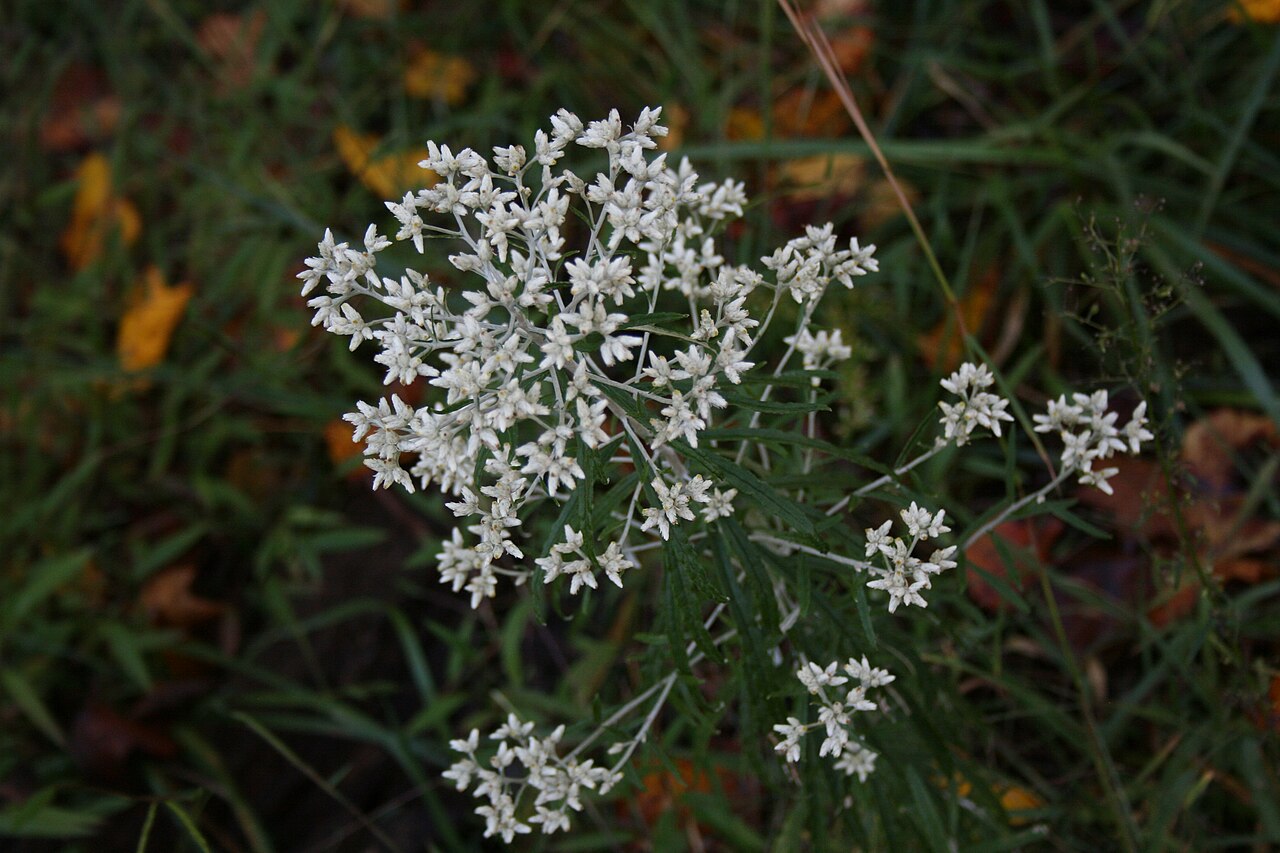
Rabbit tobacco in fall bloom, its cluster of papery cream-colored flower heads held above gray-green foliage. Photo: Virginia State Parks staff, Wikimedia Commons (CC BY
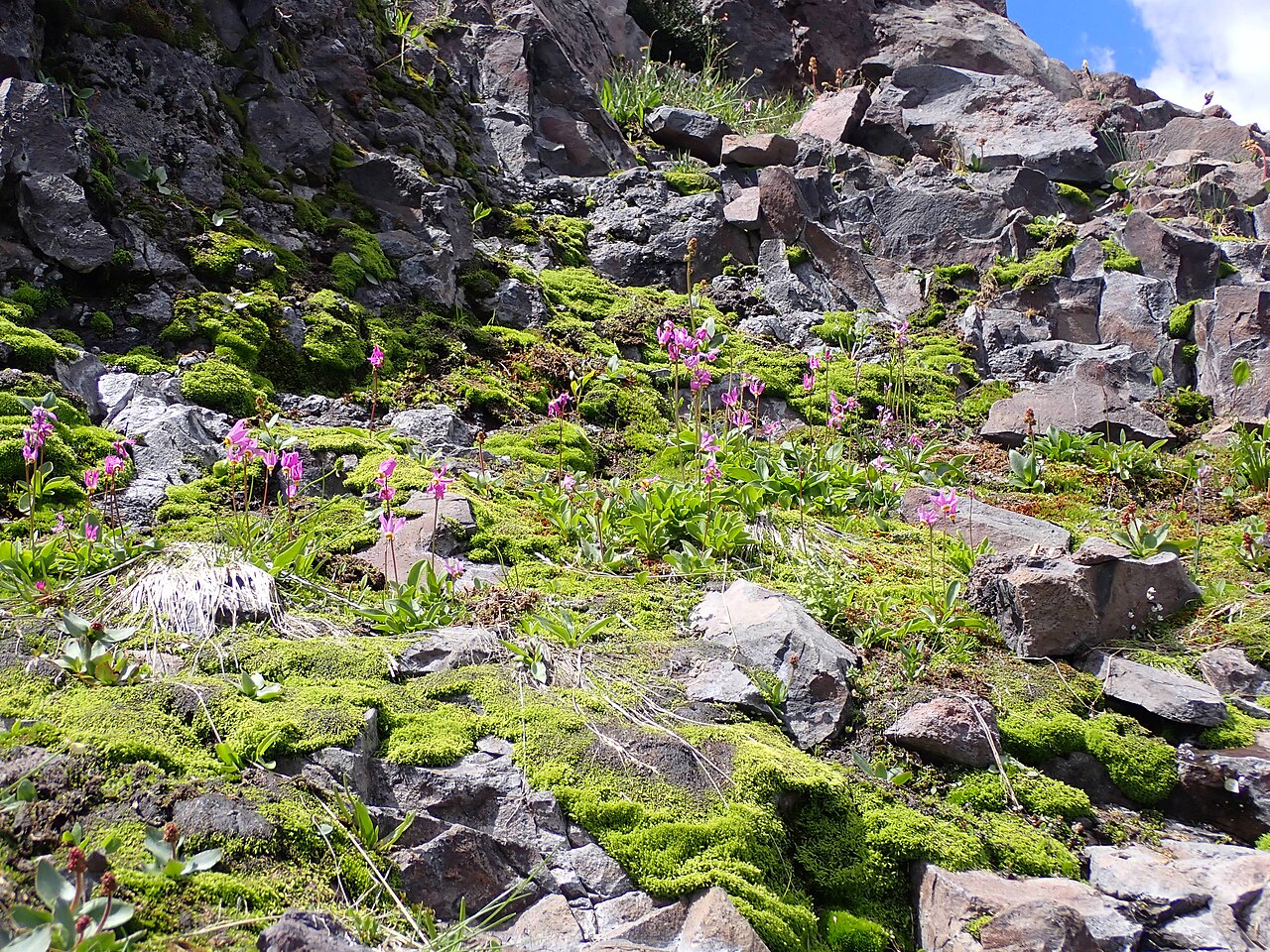
Few-flowered shooting star blooming in a moist alpine cirque at the base of Hyalite Peak, Gallatin Range, Montana. Photo: Matt Lavin, Wikimedia Commons (CC BY-SA
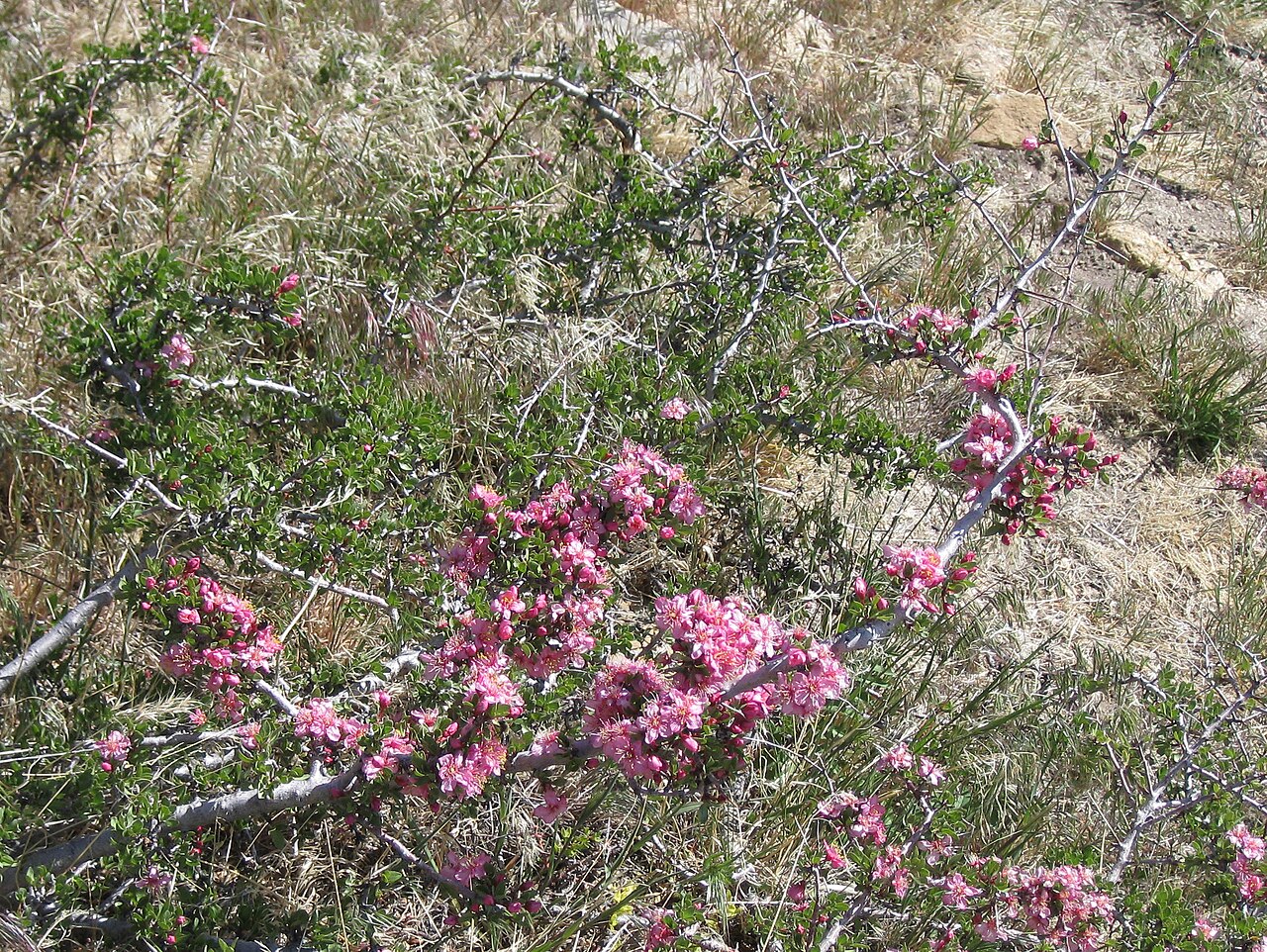
Desert peach in full bloom on a dry eastern Sierra Nevada slope, Mono County, California. Photo: Dcrjsr, Wikimedia Commons (CC BY 3.0) Prunus andersonii, commonly
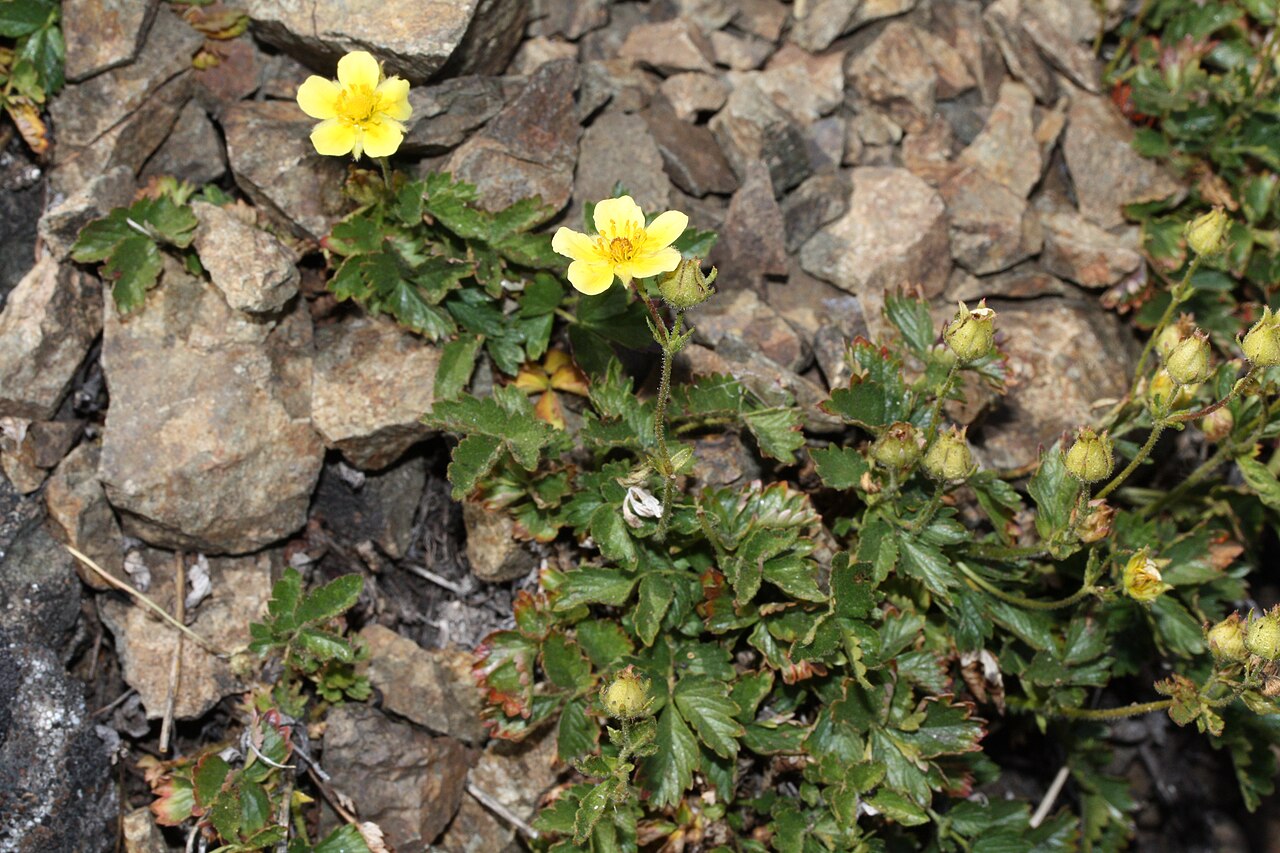
Sticky Cinquefoil growing through rocky mountain talus. Photo: Walter Siegmund / Wikimedia Commons (CC BY-SA 3.0) Potentilla glandulosa — often listed as Drymocallis glandulosa in
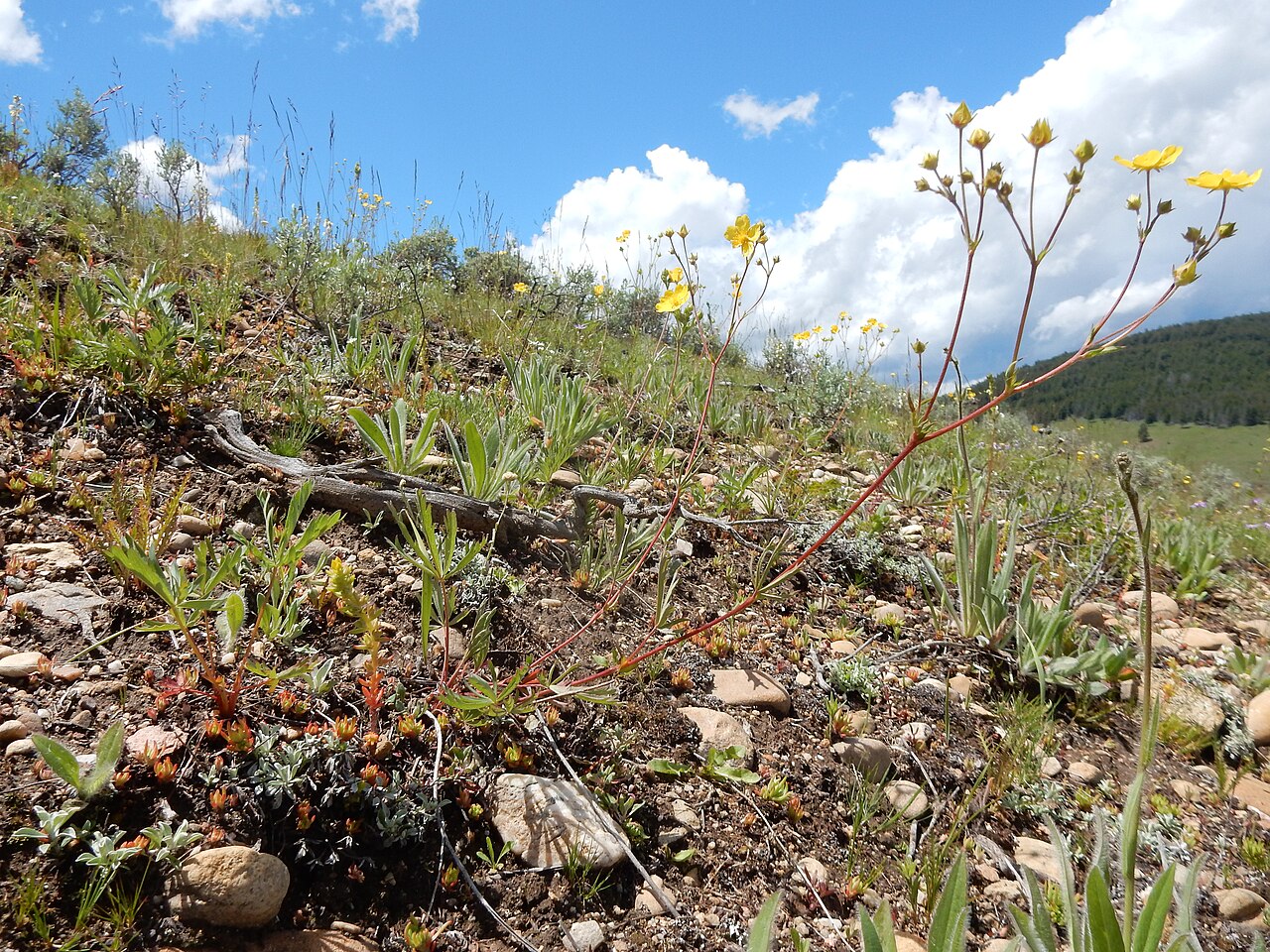
Graceful Cinquefoil growing on a rocky mountain slope in sagebrush steppe. Photo: Matt Lavin / Wikimedia Commons (CC BY-SA 2.0) Potentilla gracilis, known as Graceful
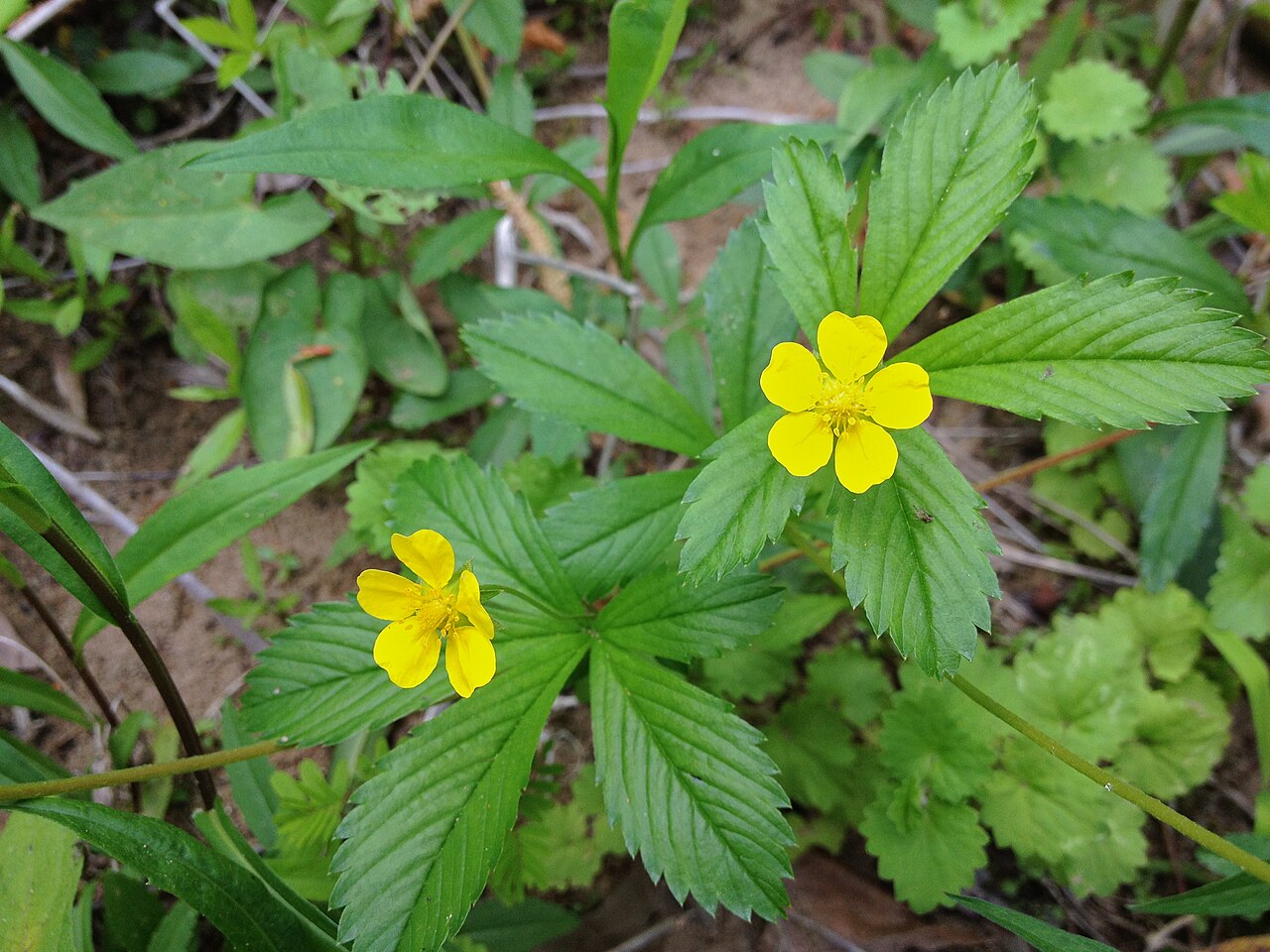
Common Cinquefoil’s trailing stems, toothed leaflets, and bright yellow flowers. Photo: Wikimedia Commons (CC BY-SA 2.0) Potentilla simplex, widely known as Common Cinquefoil or Old-field
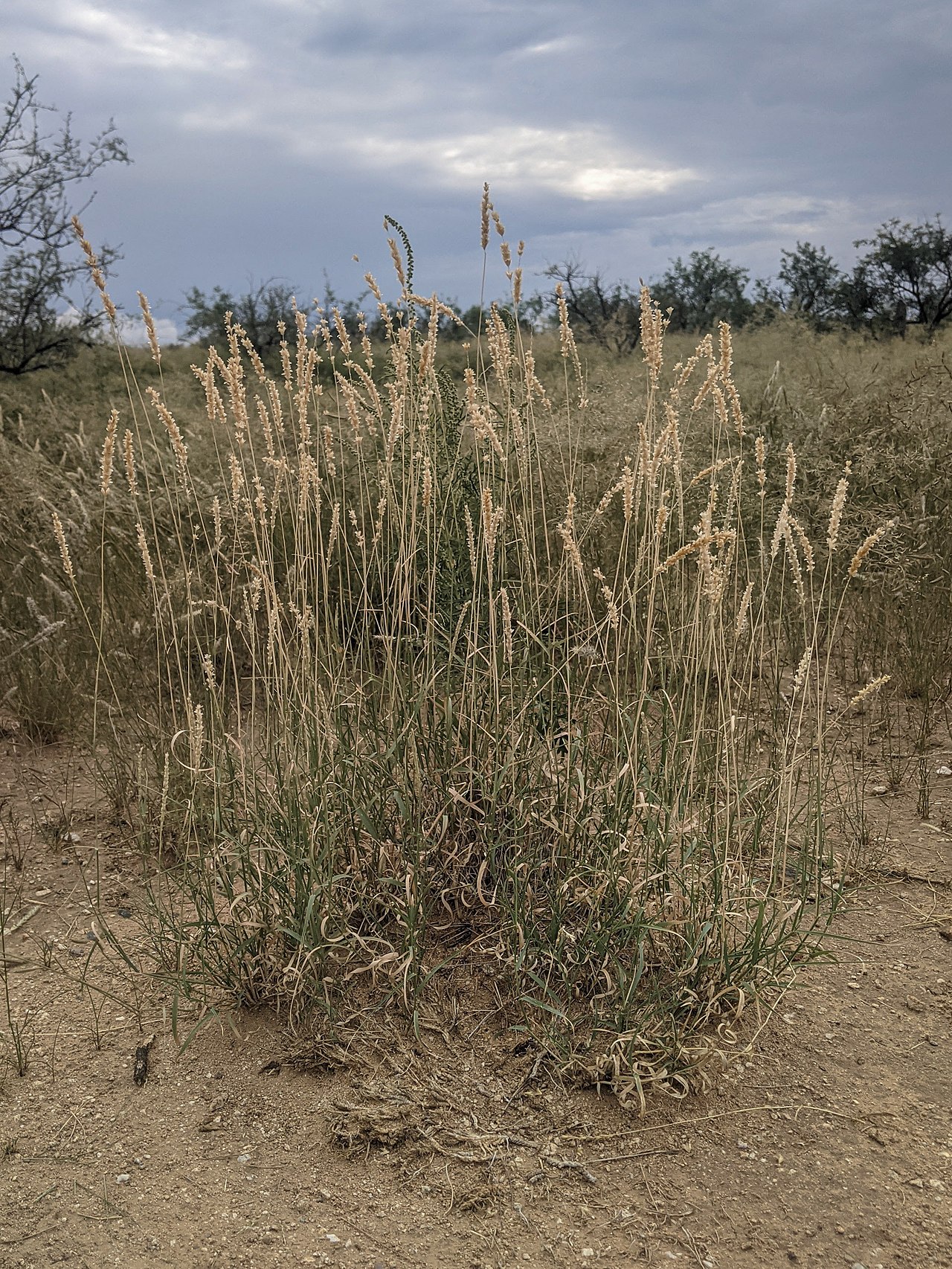
A mature tobosa clump in late-season bloom, southeastern Arizona. Photo: Sue Carnahan, Wikimedia Commons (CC BY-SA 4.0) Pleuraphis mutica (also published as Hilaria mutica, and
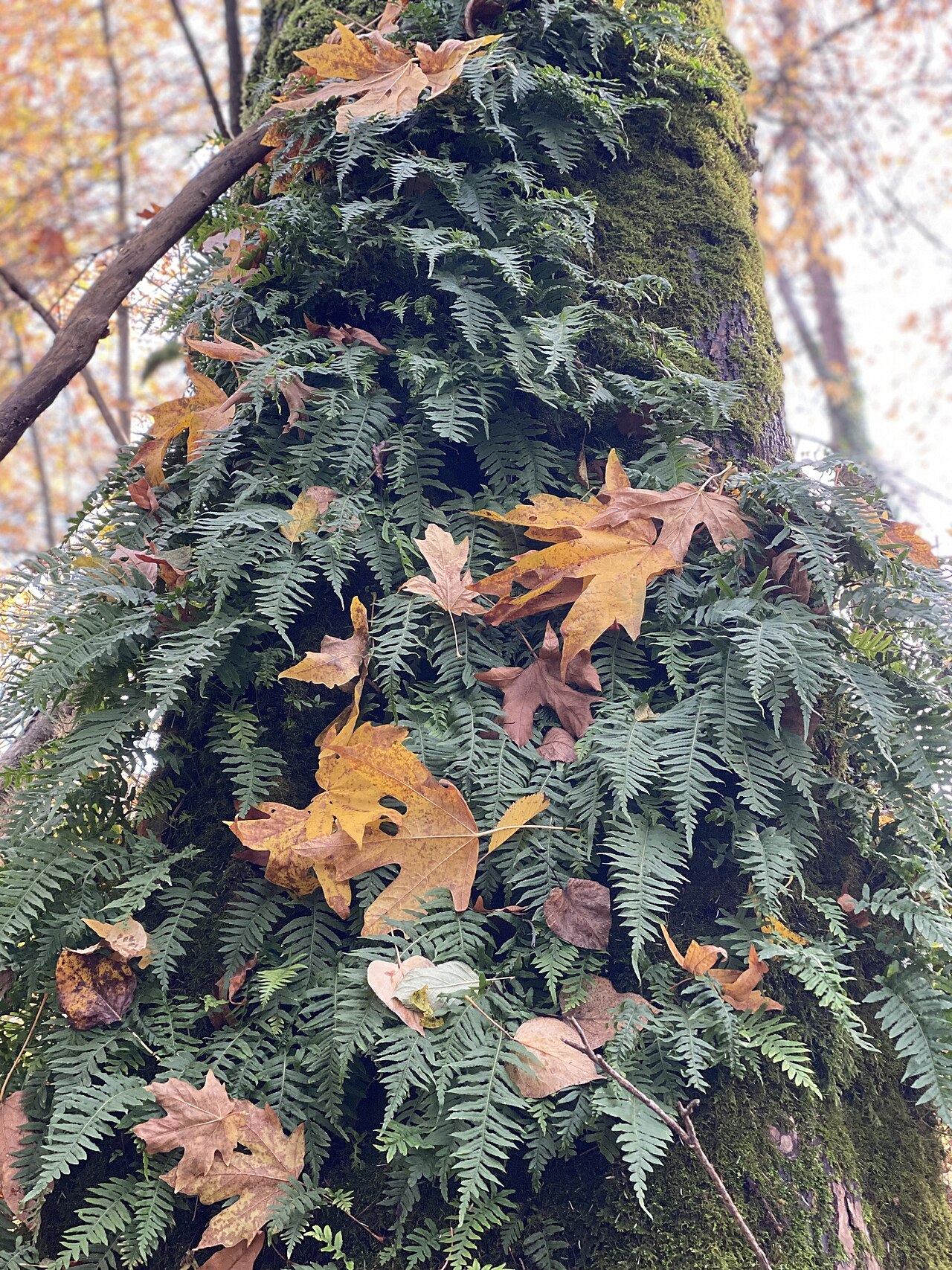
Licorice fern carpeting a moss-covered bigleaf maple trunk in autumn, its favorite perch. Photo: Totalirus, Wikimedia Commons (CC BY 4.0) Polypodium glycyrrhiza, commonly known as
View More