American Basketflower (Centaurea americana)
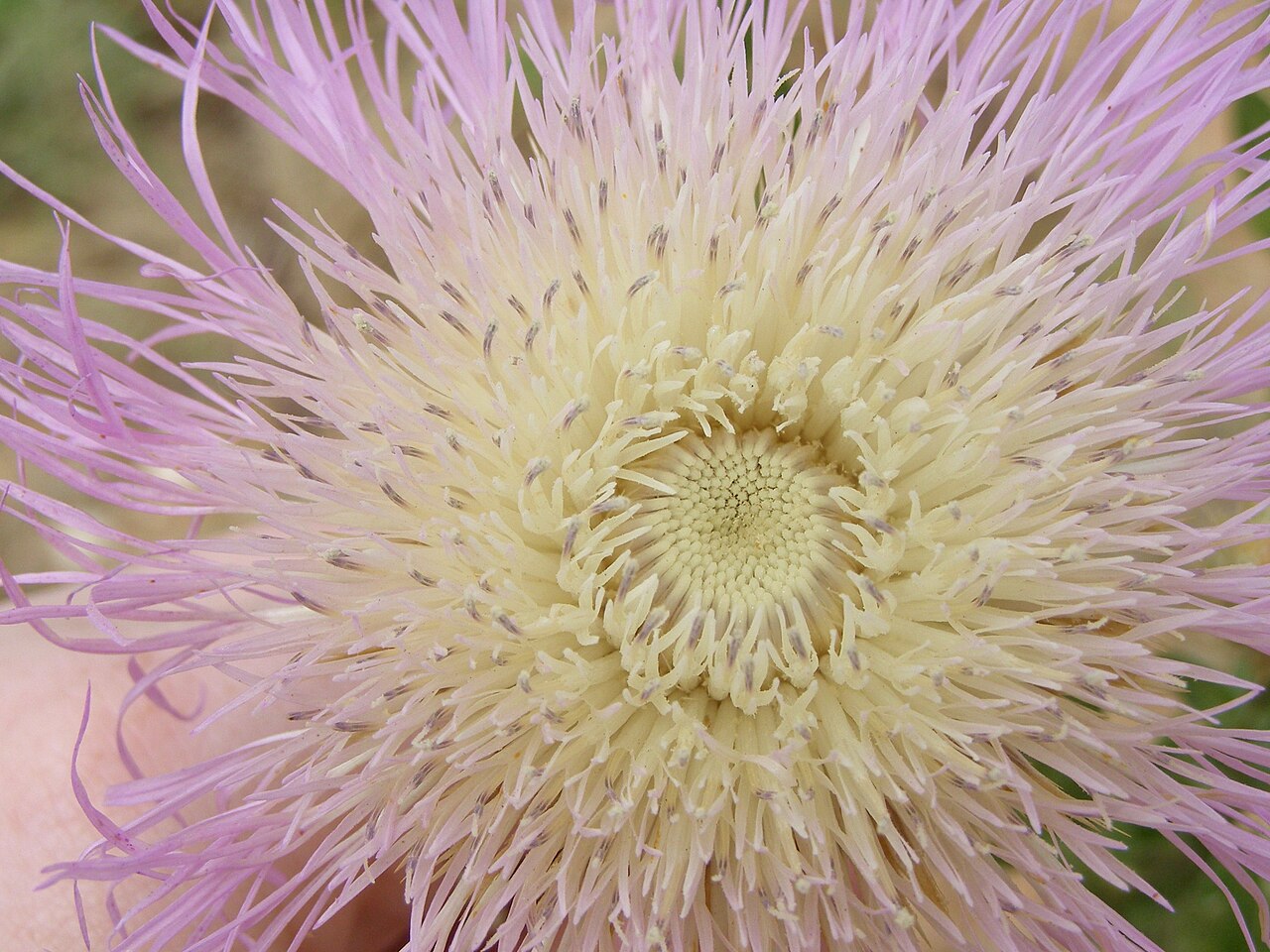
Centaurea americana (also classified as Plectocephalus americanus), commonly called American Basketflower, is a tall, native annual wildflower of the prairies and open fields of the south-central United States and northeastern Mexico. It is the only Centaurea native to North America — most of its relatives in the genus, such as spotted knapweed, are aggressive Eurasian invaders, which makes this showy, well-behaved native an easy and welcome substitute for gardeners who love the thistle-like look without the weedy baggage.
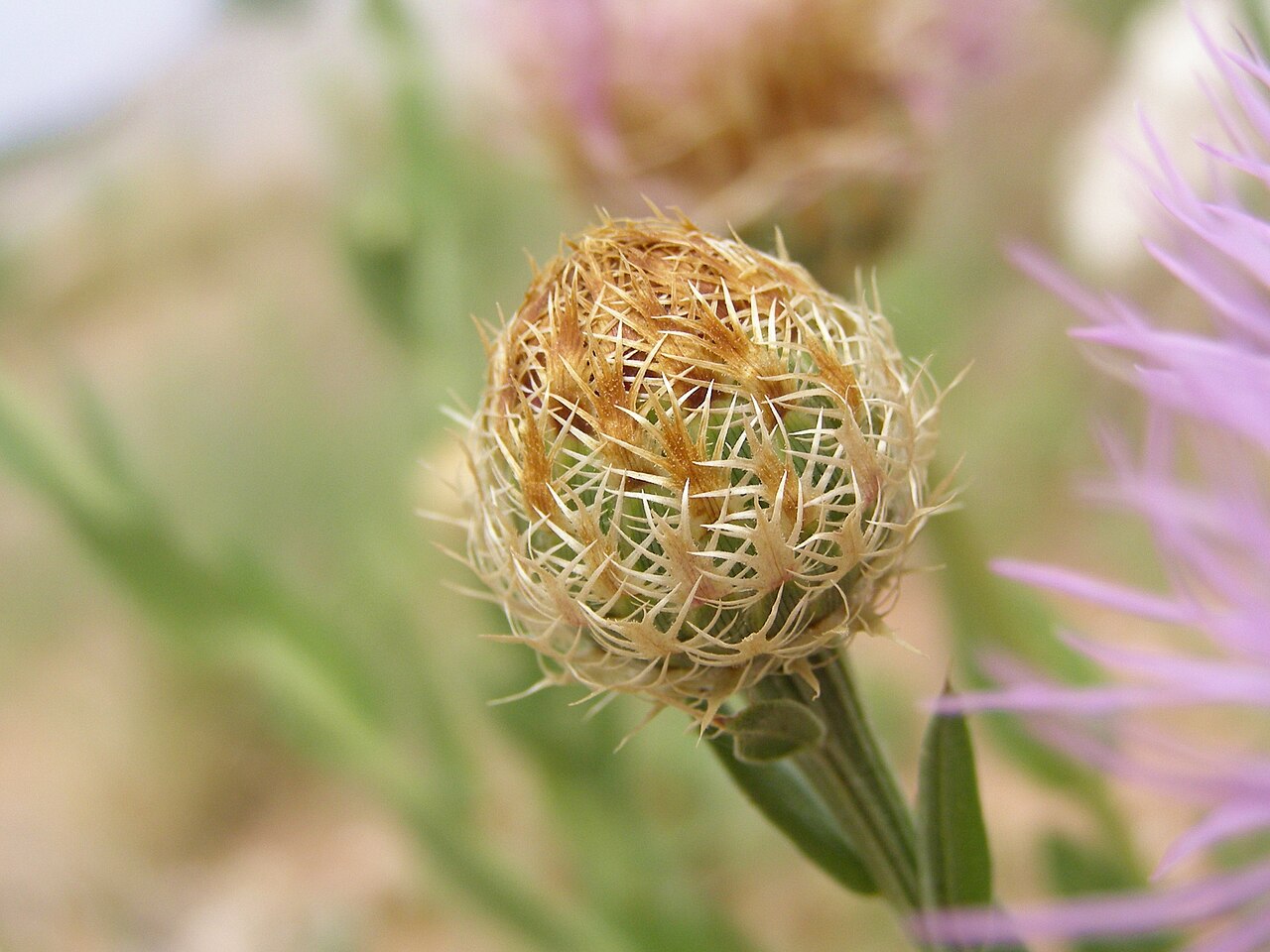
The plant produces some of the largest flower heads of any North American native wildflower, up to 4 or 5 inches across, in soft shades of lavender-pink to white with a pale cream to white center. The common name comes from the papery, basket-woven texture of the straw-colored bracts beneath the bud, which look remarkably like a tiny woven basket before the flower opens — a detail dried-flower crafters have long appreciated.
American Basketflower grows quickly from seed each year, often reaching 3 to 4 feet tall, and blooms heavily through the heat of summer when many other wildflowers have faded, making it a mainstay of Texas roadside wildflower plantings and a valuable late-season nectar source for bees and butterflies.
Identification
American Basketflower is an upright, branching annual, typically 2 to 4 feet tall, occasionally taller in rich soil, with a single main stem that branches toward the top to carry multiple flower heads.
Stems & Leaves
Stems are stiff, ridged, and grayish-green, often with a cobwebby covering of fine hairs, especially when young. The leaves are alternate, narrow, and lance-shaped, 3 to 6 inches long, gray-green, with smooth to slightly toothed margins; lower leaves may be deeply lobed, while upper leaves are usually simple and smaller.
Flowers
The flower heads are the plant’s signature feature: large thistle-like composite heads, 3 to 5 inches across, made up of many narrow, fringed, lavender-pink to pale pink or white ray-like florets surrounding a creamy white to pale yellow center. Beneath each bud, overlapping straw-colored bracts form a distinctive woven, basket-like pattern that gives the plant its common name. Flowers have a light, pleasant honey fragrance and open from early summer through fall, with individual plants often blooming for many weeks.
Fruit & Seeds
After flowering, the basket-like bracts dry and persist, eventually releasing small, tufted seeds (achenes) similar to those of other composite-family plants, dispersed by wind. The dried seed heads retain their basketwork texture and are popular in dried flower arrangements.
Quick Facts
| Scientific Name | Centaurea americana (syn. Plectocephalus americanus) |
| Family | Asteraceae (Aster/Sunflower) |
| Plant Type | Annual forb/wildflower |
| Mature Height | 2–4 ft |
| Mature Spread | 1–2 ft |
| Growth Rate | Fast (annual) |
| Sun Exposure | Full Sun |
| Water Needs | Low to moderate; drought tolerant once established |
| Soil Type | Adaptable; prairie loam, clay, or sandy soils |
| Soil pH | Neutral to alkaline |
| Bloom Time | Early summer – fall |
| Flower Color | Lavender-pink to white with a cream center |
| Fall Color | None; plant dies back as an annual after frost |
| Fruit | Tufted achenes in dried, basket-like seed heads |
| Deer Resistant | Moderately (coarse, bristly foliage generally avoided) |
| USDA Hardiness Zones | Grown as a warm-season annual in zones 3–10 |
Native Range
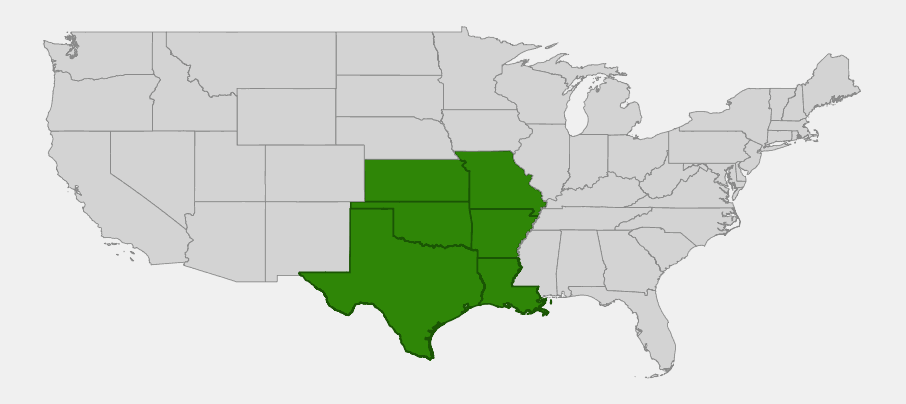
American Basketflower is native to the south-central United States, with its core range running from Kansas and Missouri south through Oklahoma, Arkansas, Louisiana, and across Texas, extending into adjacent northeastern Mexico. It grows naturally in open prairies, fields, pastures, and along roadsides on a wide range of soils.
Within its native range, American Basketflower is especially common and showy across the Texas prairies and Blackland Prairie region, where it is a familiar sight in large colorful colonies alongside other late-spring and summer prairie wildflowers. It tolerates both heavy clay and sandy soils, which helps explain its wide native distribution across such varied prairie habitats.
Because of its striking flowers and easy growth from seed, American Basketflower has been widely included in wildflower seed mixes and planted well outside its native core range, in states from the Great Lakes to the East Coast. Gardeners outside the south-central plains should recognize it as a naturalized wildflower-mix annual in those areas rather than a true local native.
📋 Regional plant lists featuring American Basketflower: South and West Texas
Growing & Care Guide
American Basketflower is one of the easiest native wildflowers to grow from seed, rewarding minimal effort with months of large, fragrant blooms through the hottest part of summer.
Light
Full sun is essential for strong, upright growth and heavy flowering. In shadier sites, plants become leggy and floppy with fewer blooms.
Soil & Water
This adaptable annual tolerates a wide range of soils, from heavy clay to sandy loam, as long as drainage is reasonable. It is drought tolerant once established, though regular moisture during the seedling stage improves germination and early growth. Avoid constantly soggy soil, which can encourage root and stem rot.
Planting Tips
Sow seed directly in fall or early spring, as the seeds benefit from a period of cool, moist stratification and germinate readily with spring rains. Lightly rake seed into prepared soil and keep it consistently moist until germination. Thin or space seedlings 12 to 18 inches apart for sturdier plants with better air circulation. Established colonies will often self-sow for years if some seed heads are left to mature and drop.
Pruning & Maintenance
No pruning is needed, though deadheading spent flower heads can extend the bloom period and tidy the plant’s appearance. Leave some seed heads on the plant toward the end of the season to allow it to reseed for next year, or collect dried seed heads for arrangements before the seed disperses. As an annual, the entire plant dies after frost and can be cleared from the garden at that time.
Landscape Uses
American Basketflower suits a wide range of sunny plantings:
- Wildflower meadows and prairie restoration seed mixes
- Cutting gardens — long stems and fragrant blooms work well in fresh arrangements
- Dried flower crafts — the basket-woven bracts hold their shape when dried
- Pollinator gardens as a reliable summer nectar source
- Cottage and informal borders for height and texture among shorter perennials
Wildlife & Ecological Value
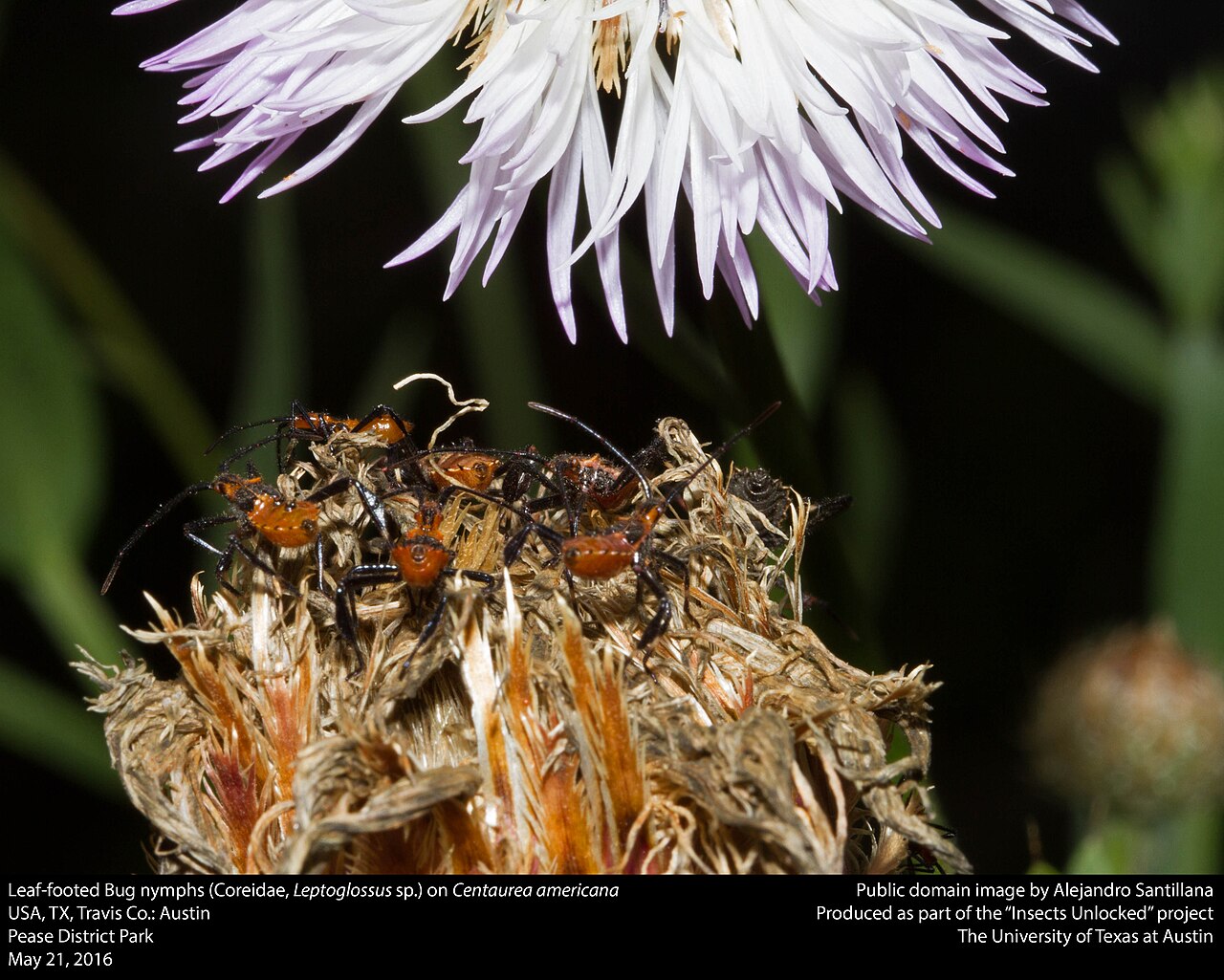
American Basketflower’s long summer bloom period and large nectar-rich flower heads make it one of the more valuable native annuals for supporting pollinators and other insects through the hottest months.
For Pollinators
The large, fragrant flower heads attract a wide range of bees, including native bumblebees and honeybees, as well as numerous butterfly species drawn to the abundant nectar. Because it blooms through the heat of summer, when many spring wildflowers have finished, it fills an important seasonal gap in nectar availability on the prairie.
For Birds
Seed-eating birds, including goldfinches, feed on the ripe seeds in the dried flower heads toward the end of the season, making it worthwhile to leave some spent blooms standing into fall.
Ecosystem Role
As a fast-growing native annual, American Basketflower plays an important early-succession role in prairie ecosystems, quickly colonizing open or disturbed ground and providing floral resources while slower-growing perennial prairie plants establish. Its abundant seed production and self-sowing habit help it persist and spread naturally within suitable prairie habitat.
Cultural & Historical Uses
American Basketflower has no major documented history of traditional or food use by Indigenous peoples of the region, though its striking appearance made it a recognized and likely appreciated feature of the Texas and south-central prairies long before European settlement.
Its modern cultural significance is mainly horticultural: the plant has become a beloved staple of Texas wildflower seed mixes and roadside beautification plantings, prized for its large, long-lasting blooms and reliable self-seeding habit. Crafters have also long used the dried, basket-woven seed heads in dried flower arrangements, taking advantage of the sturdy bracts that give the plant its common name.
Frequently Asked Questions
Is American Basketflower invasive like other Centaurea species?
No. Unlike most Centaurea species, such as spotted knapweed, which are aggressive Eurasian invaders, American Basketflower is the only Centaurea native to North America and is not considered invasive or noxious.
Is American Basketflower an annual or perennial?
It is an annual, completing its life cycle in one growing season and dying back after frost. It readily self-sows, however, so established plantings often return reliably year after year from dropped seed.
Why is it called “basketflower”?
The name comes from the straw-colored, overlapping bracts beneath each flower bud, which form a tight, woven pattern resembling a small basket before the flower opens.
How tall does American Basketflower grow?
Typically 2 to 4 feet tall, with a single branching stem that can carry multiple large flower heads at once.
When should I plant American Basketflower seed?
Sow seed in fall or early spring. Fall sowing allows the seed to experience natural cold stratification over winter, which often improves germination the following spring.

Looking for a nursery that carries American Basketflower?
Browse our native plant nursery directory: Texas · Oklahoma · Kansas · Missouri & Louisiana · Arkansas