Black Sagebrush (Artemisia nova)
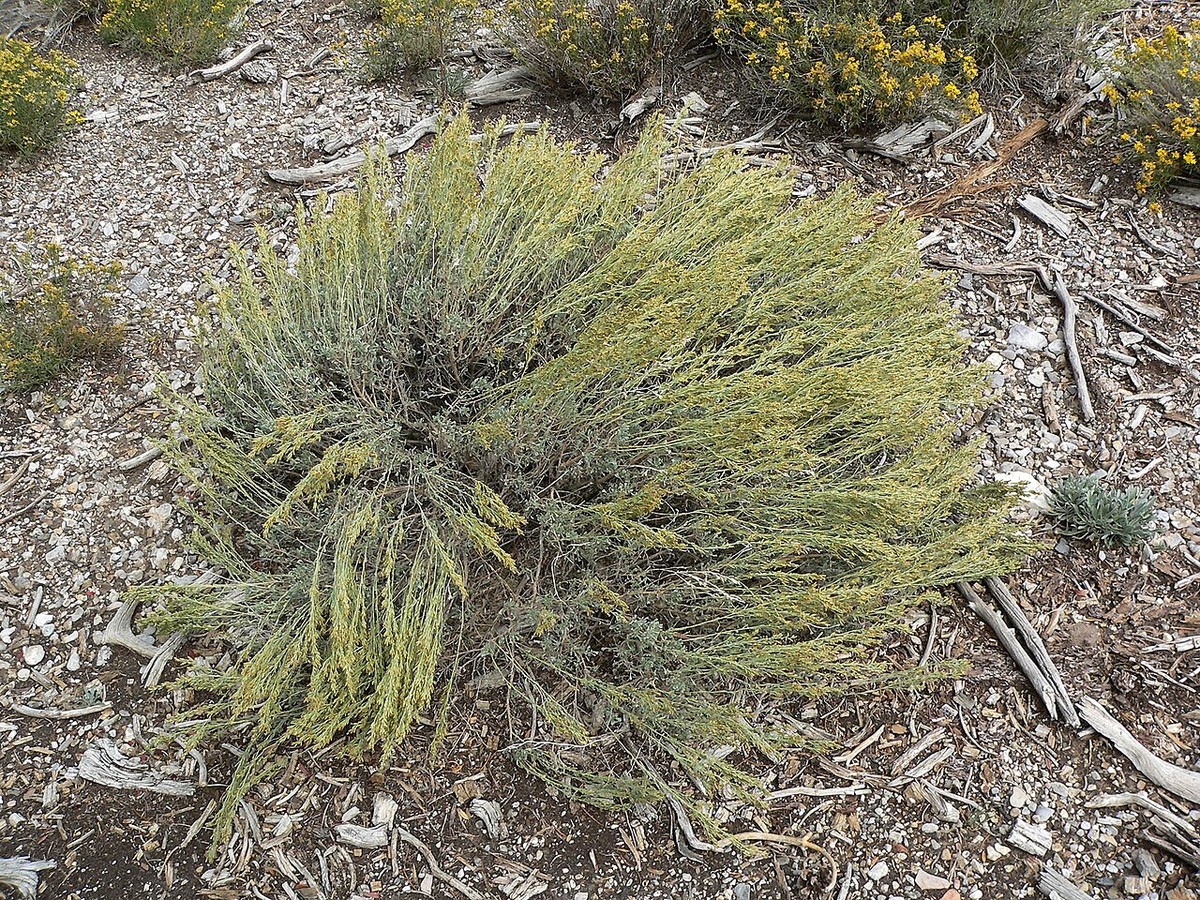
Artemisia nova, commonly known as Black Sagebrush, is a low, dense, intensely aromatic shrub of the cold deserts and high plateaus of the interior West. A member of the Asteraceae (sunflower family) and part of the great sagebrush group that defines so much of the Great Basin landscape, black sagebrush is the smallest and most drought-hardy of the common sagebrushes, typically forming tight, rounded mounds less than knee-high on the shallowest, rockiest, and least hospitable soils its larger relatives avoid.
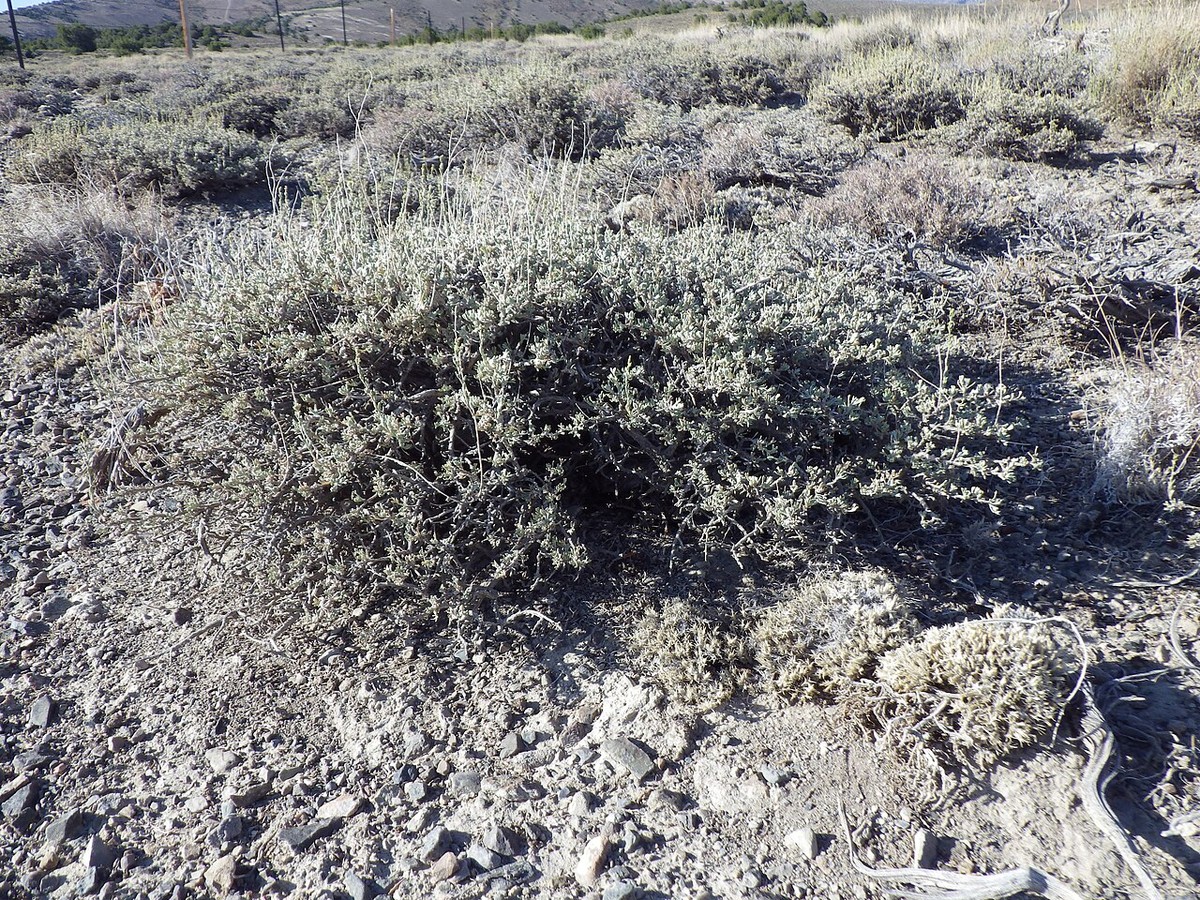
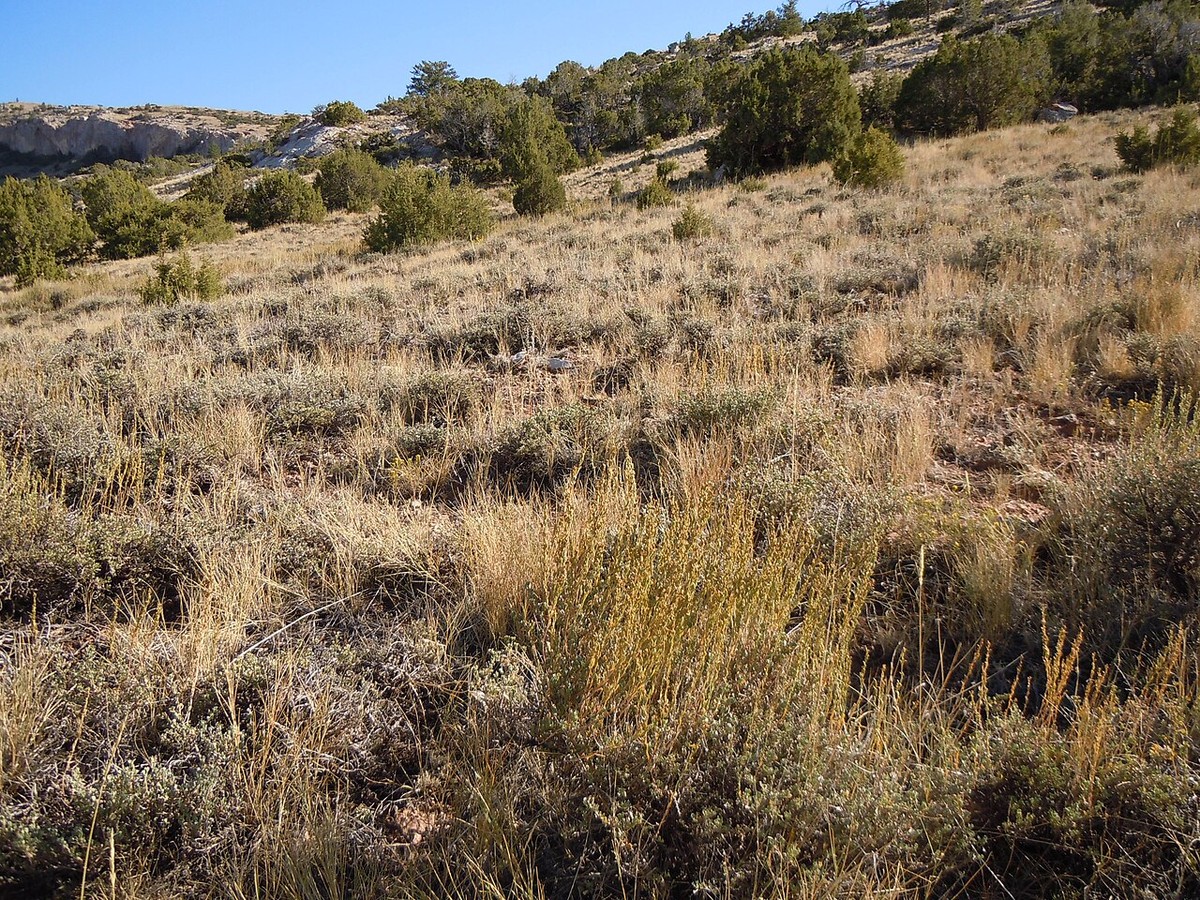
The common name comes from its distinctively dark, dull green-gray foliage, which looks noticeably darker than the silvery big sagebrush (Artemisia tridentata) it often grows alongside — and from a distance, slopes dominated by black sagebrush can appear almost blackish compared to the paler big sagebrush flats nearby. Up close, the small, wedge-shaped, three-toothed leaves and the sharp, pungent sage smell confirm the identification. Black sagebrush typically occupies shallow, rocky or calcareous soils on ridgetops, benches, and plateaus across Nevada, Utah, and the surrounding Great Basin and Colorado Plateau states.
For native plant gardeners in the high desert and intermountain West, black sagebrush is a tough, low-growing, evergreen shrub suited to the driest, rockiest, most exposed parts of a xeriscape planting. It asks for almost nothing beyond sun, sharp drainage, and patience with its slow growth, and it rewards that patience with year-round structure, winter wildlife forage, and the unmistakable high-desert fragrance after rain.
Identification
Black sagebrush is a low-growing, much-branched shrub typically 4 to 16 inches tall, occasionally reaching 20 inches, forming a dense, rounded or spreading mound considerably wider than it is tall. The stems are slender and woody, with shredding gray-brown bark at the base, and the overall silhouette is compact and tightly twiggy rather than open.
Leaves
The leaves are small, typically under ½ inch long, wedge-shaped (spatulate), and usually divided into three short teeth or lobes at the tip, though some leaves are unlobed. They are covered in fine hairs that give them a dull gray-green to olive-green color — distinctly darker and less silvery-white than the foliage of big sagebrush or low sagebrush. The leaves are evergreen and persist through winter, and crushing one releases the sharp, camphor-like sage scent typical of the genus.
Flowers & Fruit
Black sagebrush blooms in late summer to fall, producing small, inconspicuous flower heads in narrow, relatively compact spike-like clusters at the branch tips — noticeably less showy and more condensed than the branched inflorescences of big sagebrush. The flowers are wind-pollinated and yellowish, lacking showy petals, and give way to small, dry, single-seeded fruits (achenes) that persist on the plant well into winter, a trait sometimes used to help distinguish black sagebrush from similar low-growing sagebrushes.
Quick Facts
| Scientific Name | Artemisia nova |
| Family | Asteraceae (Sunflower) |
| Plant Type | Evergreen low shrub |
| Mature Height | 4–16 in (occasionally to 20 in) |
| Mature Spread | 1–3 ft, forming a rounded mound |
| Growth Rate | Slow |
| Sun Exposure | Full Sun |
| Water Needs | Very low; highly drought tolerant |
| Soil Type | Shallow, rocky or gravelly soils; often calcareous |
| Soil pH | Neutral to alkaline |
| Bloom Time | August – October |
| Flower Color | Yellowish, inconspicuous |
| Fall Color | None (evergreen, dull gray-green year-round) |
| Fruit | Tiny dry achenes in persistent winter spikes |
| Deer Resistant | No (important winter browse for deer, elk and pronghorn) |
| USDA Hardiness Zones | 4–8 |
Native Range
Black sagebrush is native across much of the cold desert and intermountain West, centered on the Great Basin of Nevada and Utah and extending into eastern California, southeastern Oregon, southern Idaho, western Wyoming, western Colorado, northern Arizona, and northern New Mexico. It also occurs more locally in southwestern Montana. Within this broad region it is most abundant on the high plateaus and basin-and-range country of Nevada and Utah.
Black sagebrush is a specialist of shallow, rocky, often calcareous soils on ridges, benches, mesa tops, and rolling uplands, typically between about 4,000 and 10,000 feet in elevation. These are frequently sites too thin and dry even for big sagebrush, which favors deeper soils in the same landscape — the two species often meet at a visible boundary where soil depth changes, with black sagebrush taking the shallow, stony ground and big sagebrush the deeper draws and flats.
Because it occupies some of the least productive, most erosion-prone ground in the sagebrush biome, intact black sagebrush stands are valuable indicators of healthy high-desert rangeland, and the species is slow to recover once lost to severe fire, overgrazing, or conversion to cropland.
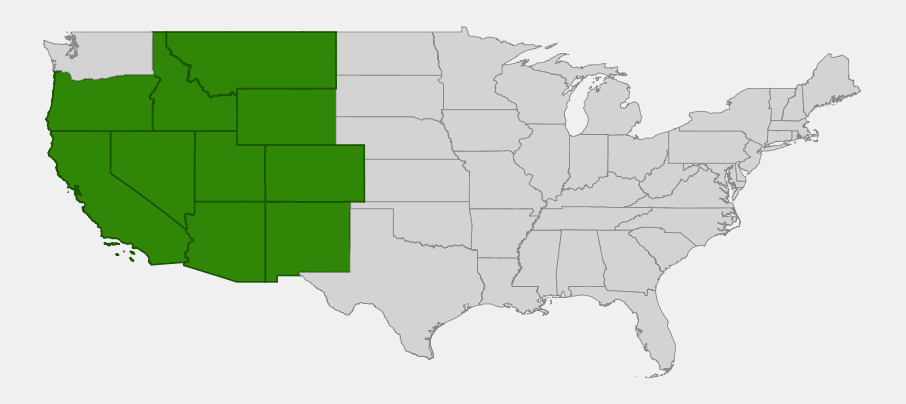
📋 Regional plant lists featuring Black Sagebrush: California & Nevada · Idaho, Eastern Oregon & Eastern Washington · Utah & Western Colorado · Montana & Wyoming · Arizona & New Mexico
Growing & Care Guide
Black sagebrush rewards a hands-off approach modeled on its harsh native habitat. It is not a plant for rich garden beds or regular watering, but it is a superb, nearly maintenance-free choice for rock gardens, high-desert xeriscapes, and restoration plantings on thin or disturbed soils.
Light
Plant black sagebrush in full sun. It naturally grows on exposed ridges and open plateaus with no shade, and it needs that same intensity of light to stay compact and dense; in any shade it becomes sparse and leggy.
Soil & Water
Sharp drainage is essential. Black sagebrush is adapted to shallow, rocky or gravelly soils, often over caliche or bedrock, and it struggles in deep, rich, or poorly drained garden soil. Once established it needs no supplemental irrigation and is seriously harmed by summer watering, which promotes root rot. Water young plants sparingly through their first one or two seasons only.
Planting Tips
Set out container-grown plants in fall or early spring. Choose the thinnest, rockiest, most exposed spot in the landscape — a berm, slope, or gravel bed — rather than a typical border. Avoid amending the soil with organic matter or compost, which holds moisture black sagebrush does not want. Because the species grows slowly, give young plants time; a newly planted black sagebrush may take several years to form its characteristic tight mound.
Pruning & Maintenance
Little to no pruning is needed or recommended. Black sagebrush naturally holds a dense, rounded form, and old plants can be very long-lived if left undisturbed. The species does not resprout reliably after being top-killed by fire, so avoid burning or heavy cutting back; light removal of dead twigs is the extent of maintenance most plants need.
Landscape Uses
- Rock gardens and gravel gardens where its small scale and dense form fit naturally
- High-desert xeriscaping on the driest, rockiest part of the property
- Restoration and revegetation of disturbed shallow or calcareous soils
- Winter wildlife habitat plantings for deer, elk and upland game birds
- Low border or edging plant in intermountain native gardens
- Erosion control on thin-soiled slopes and road cuts
Wildlife & Ecological Value
Despite its small stature, black sagebrush is one of the most important winter forage plants in the Great Basin and intermountain shrub-steppe, supporting wildlife through the harshest months of the year.
For Pollinators
Like other sagebrushes, black sagebrush is wind-pollinated and offers little floral reward for insects, but its evergreen cover and persistent winter flower spikes provide shelter for overwintering insects in an otherwise sparse landscape.
For Birds
Sagebrush-obligate birds, including sage-grouse, sage thrashers, and Brewer’s sparrows, use black sagebrush stands for cover, nesting, and foraging, particularly where it forms a low, dense structural layer on ridges and benches within a larger sagebrush landscape. Sage-grouse in particular rely on the leaves of black and other sagebrushes as a critical winter food source when little else is available.
For Mammals
Black sagebrush is considered one of the most palatable and nutritious of the sagebrushes for browsing wildlife, and it is a key winter food for mule deer, elk, and pronghorn across much of its range, as well as for domestic sheep on winter range. Its persistence above snow on wind-scoured ridges makes it especially valuable during deep-snow winters when other forage is buried.
Ecosystem Role
Black sagebrush occupies and stabilizes some of the shallowest, most erosion-prone soils in the sagebrush biome, holding ground that would otherwise be bare or subject to severe wind and water erosion. Because it grows so slowly and recovers poorly after fire, intact black sagebrush communities are considered a sensitive and ecologically significant component of healthy high-desert rangeland, and their loss is difficult to reverse.
Cultural & Historical Uses
Black sagebrush shares the broader cultural history of the sagebrush group across the Great Basin and Colorado Plateau, where Indigenous peoples including the Shoshone, Paiute, Ute, and Navajo made use of various sagebrush species for firewood, as a smudge or purification herb, and in traditional medicine for respiratory and digestive complaints. Because black sagebrush grows smaller and in less accessible, rockier terrain than big sagebrush, historical records tend to discuss sagebrush uses at the genus level rather than singling out this particular species.
For ranchers across Nevada, Utah, and the surrounding states, black sagebrush has long been recognized as valuable winter sheep and cattle range, and its presence is still used by range managers today as an indicator of site potential and soil depth when assessing rangeland condition.
In recent decades, black sagebrush communities have drawn growing conservation attention as part of the broader effort to protect sagebrush-steppe habitat for greater sage-grouse and other at-risk sagebrush-obligate wildlife, making this modest, slow-growing shrub an unexpectedly important piece of Western land management.
Frequently Asked Questions
How is black sagebrush different from big sagebrush?
Black sagebrush is much smaller, usually under 16 inches tall versus several feet for big sagebrush, and its foliage is darker, duller green rather than silvery. It also occupies shallower, rockier soils than big sagebrush, which prefers deeper ground, so the two species often form a visible boundary on the same hillside.
Does black sagebrush smell like other sagebrush?
Yes. Crushing the leaves releases the same sharp, pungent, camphor-like fragrance typical of the Artemisia genus, though some people notice a slightly different, muskier note in black sagebrush compared to big sagebrush.
Can black sagebrush be grown outside the Great Basin?
It can succeed in other regions with similarly sharp drainage, full sun, and low humidity, such as rock gardens in cold, dry climates, but it generally struggles in humid regions or heavy, poorly drained soils regardless of climate zone.
Is black sagebrush good for a low-water garden?
Very good, as long as the site is sunny and well drained. It needs essentially no irrigation once established and provides year-round structure, but gardeners should resist the urge to water it in summer, since that is the most common cause of failure in cultivation.
Why do some slopes look darker with black sagebrush than others with big sagebrush?
The darker color comes from black sagebrush’s less hairy, darker green leaves compared to the dense silvery hairs on big sagebrush foliage. From a distance, this color difference is often the easiest way to tell which species dominates a given slope before getting close enough to check the leaves.

Looking for a nursery that carries Black Sagebrush?
Browse our native plant nursery directory: California · Nevada & New Mexico · Oregon · Idaho · Utah · Arizona · Colorado · Wyoming · Montana