
Coastal Plain Staggerbush (Lyonia fruticosa)
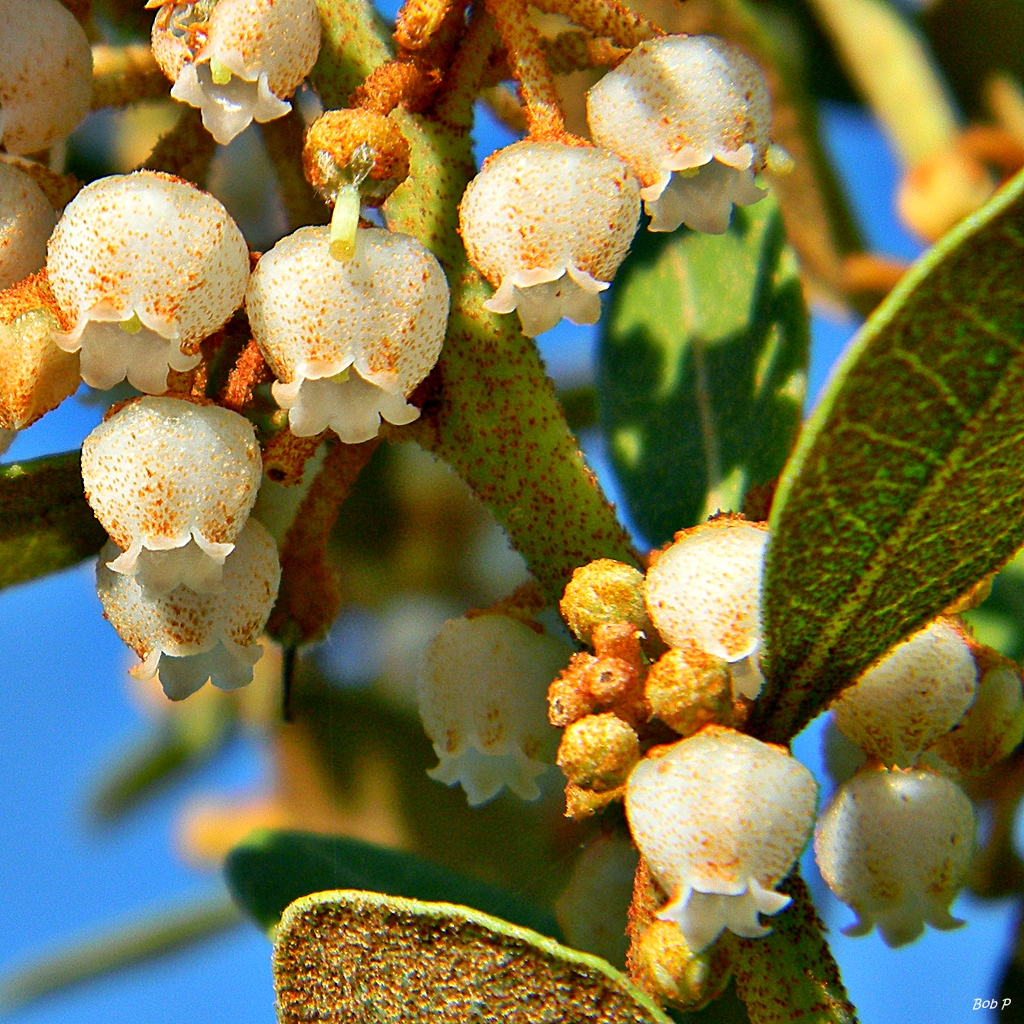
Lyonia fruticosa, known as Coastal Plain Staggerbush, is an evergreen shrub of Florida and southeastern Georgia. It is a member of the heath family (Ericaceae), related to blueberries and fetterbush, and like them it bears small, white, urn-shaped flowers in spring. Its leaves, twigs and buds are covered with tiny, rust-colored scales that give the whole shrub a brownish-green cast. Most plants are 3 to 6 feet tall, though the Lady Bird Johnson Wildflower Center notes that it can reach about 10 feet.
It is a common, characteristic shrub of Florida scrub, scrubby flatwoods and pine flatwoods, where it grows with saw palmetto, scrub oaks, rusty lyonia and wax myrtle. USDA PLANTS lists Xolisma fruticosa as a synonym, a name used in some older floras. Its closest relative is rusty lyonia (Lyonia ferruginea), and the two can be hard to tell apart.
For gardeners in Florida and coastal Georgia, coastal plain staggerbush is a tough, low-maintenance evergreen for natural landscapes, sandy yards and wildlife plantings. This guide covers how to identify it, where it grows, how to grow it, and its role in fire-adapted plant communities.
Identification
Coastal plain staggerbush is a medium-sized, many-stemmed evergreen shrub. The rusty scales on new growth and the undersides of the leaves, together with clusters of white bell-shaped flowers, mark it as a Lyonia. Separating it from rusty lyonia takes a closer look at the habit, leaves and flower clusters.
Stems & Habit
Plants grow from a woody base and underground stems, often forming loose clumps of several stems. Most are 3 to 6 feet tall, occasionally taller, with stiff, upright branches. Young twigs are densely covered with rusty scales, and older stems have gray to reddish-brown bark that may shred in thin strips.
Leaves
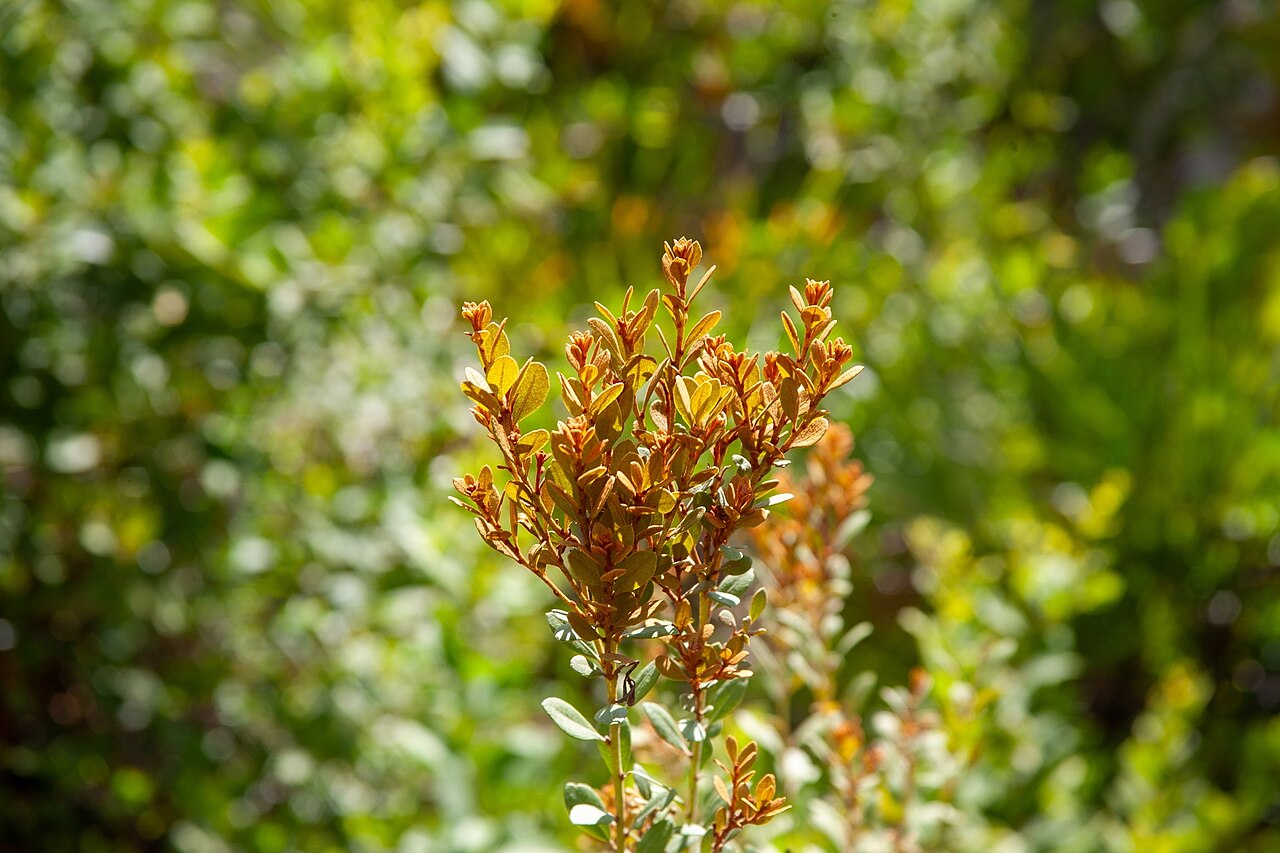
The leaves are alternate, evergreen and leathery, elliptic to obovate and about 1 to 2½ inches long. They are dull green above and paler and rust-flecked below, where tiny round scales cover the surface. The leaf edges are flat or only slightly rolled under. New leaves in spring are often bronze or rusty because of their dense coat of scales.
Flowers
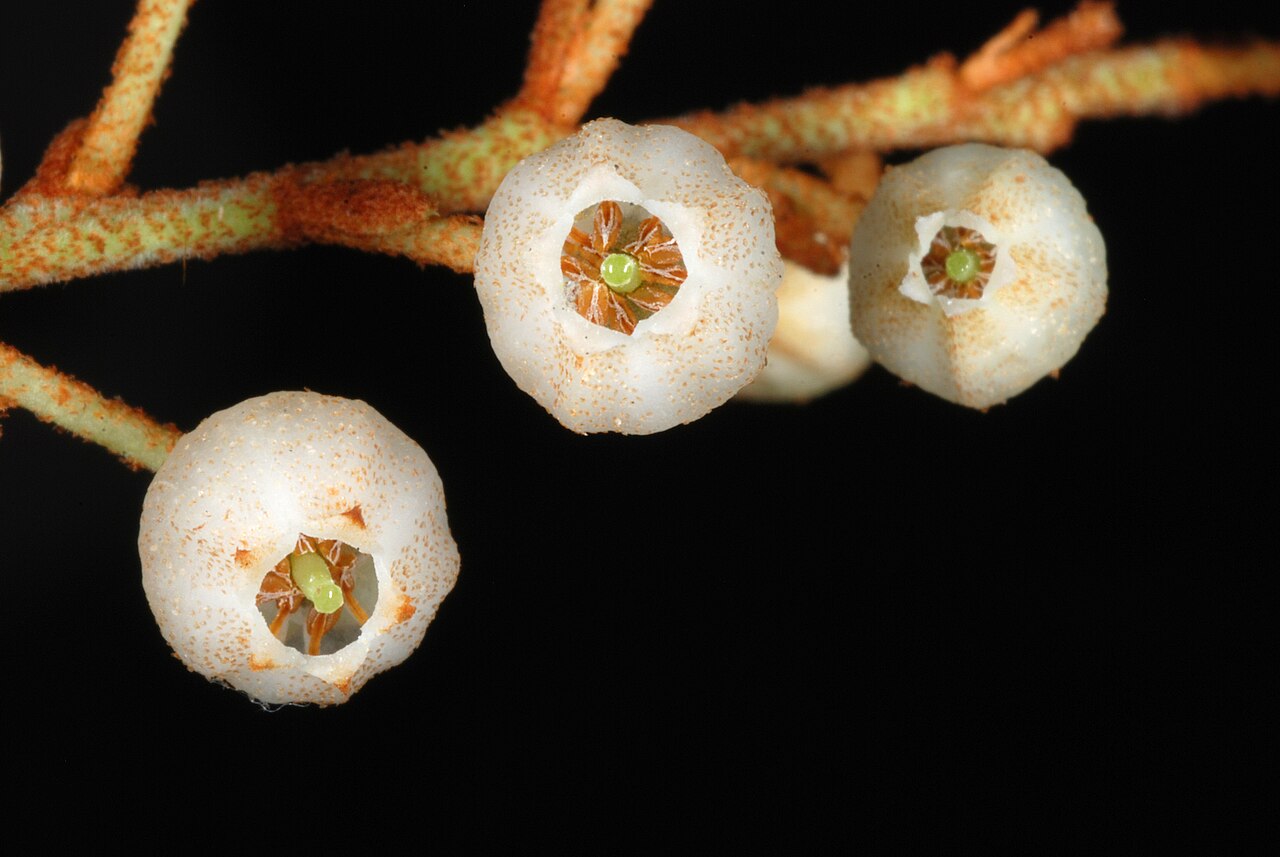
The flowers are small (about 1/4 inch long), white or occasionally pinkish, and urn-shaped, with five tiny lobes at the narrow mouth. They hang in short clusters along the branches and at the ends of the shoots. Bloom is mainly in spring, and the Lady Bird Johnson Wildflower Center records flowers from March into August.
Fruit & Seeds
The fruit is a small, dry, five-parted capsule, roughly 1/8 to 1/4 inch long. Like other Lyonia capsules, its seams are marked by pale, thickened ridges. Capsules ripen in late summer and fall and release many tiny seeds. They often remain on the shrub through winter.
Similar Species
Rusty Lyonia (L. ferruginea) is the most similar. It often grows taller, sometimes as a small tree, and its leaves usually have edges more strongly rolled under. Some botanists have treated the two as forms of one species. Fetterbush (L. lucida) has glossy, smooth leaves with a vein running just inside the margin and pink flowers. Staggerbush (L. mariana) is deciduous or half-evergreen with larger white flowers. Blueberries have similar flowers but juicy berries rather than dry capsules.
Quick Facts
| Scientific Name | Lyonia fruticosa (Michx.) G.S. Torr. (syn. Xolisma fruticosa) |
| Family | Ericaceae (heath family) |
| Plant Type | Evergreen shrub |
| Mature Height | 3–6 ft (occasionally to about 10 ft) |
| Mature Spread | 3–5 ft; slowly forms clumps |
| Growth Rate | Slow to moderate |
| Sun Exposure | Full sun to part shade |
| Water Needs | Low to moderate; tolerates both dry sand and seasonally wet flatwoods |
| Soil Type | Acidic sand; dry scrub sands to moist flatwoods soils |
| Soil pH | Acidic, about 4.0–6.0 |
| Bloom Time | Mainly spring (March–May); occasional flowers into summer |
| Flower Color | White, occasionally tinged pink |
| Fall Color | None; evergreen |
| Fruit | Small, dry, five-parted capsule |
| Deer Resistant | Generally yes; foliage is toxic and seldom browsed |
| USDA Hardiness Zones | 8b–10 |
Native Range
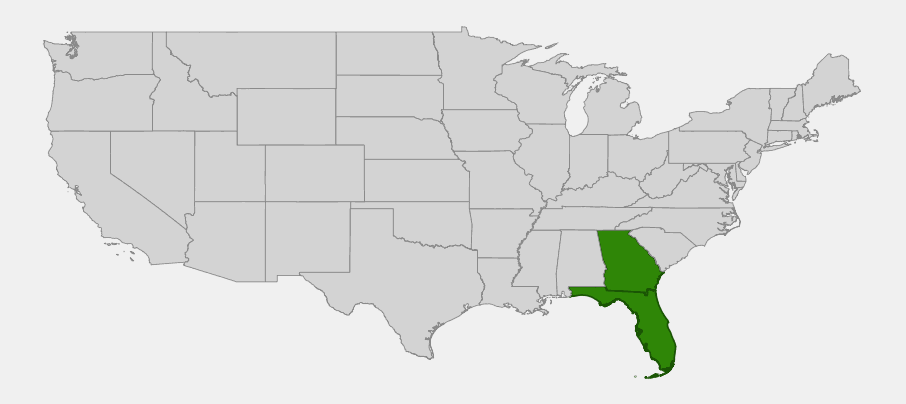
Coastal plain staggerbush has a small range for a common shrub. USDA PLANTS and the Lady Bird Johnson Wildflower Center record it only from Florida and Georgia. In Georgia it is confined to the southeastern Coastal Plain, and the bulk of its range is in the Florida peninsula.
The Atlas of Florida Plants lists it as native, and it is widespread in north and central Florida and through much of the peninsula. It is one of the typical shrubs of Florida scrub and scrubby flatwoods, where it grows on deep, white or yellow sands with sand pine, scrub oaks, Florida rosemary and saw palmetto. It is also common in mesic and wet pine flatwoods and on the edges of bayheads and cypress domes, which explains its FACW (facultative wetland) rating in the national wetland plant list.
Like most scrub and flatwoods shrubs, it is adapted to fire. Fires burn off the tops, and plants resprout vigorously from underground stems, so a stand of staggerbush can look the same a few years after a burn as it did before. Long fire suppression lets it grow taller and denser, while frequent fire keeps it low and open.
📋 Regional plant lists featuring Coastal Plain Staggerbush: North & South Florida · Alabama, Georgia & Mississippi
Growing & Care Guide
Coastal plain staggerbush is a forgiving native shrub for sandy, acidic soils in Florida and southeastern Georgia. It is grown mostly in natural and wildlife landscapes rather than formal plantings. Look for nursery-grown plants from native plant nurseries, which establish far better than shrubs dug from the wild.
Light
Full sun to part shade. Plants in sun are denser and bloom more heavily. In deeper shade under oaks or pines they become open and leggy but still survive.
Soil & Water
It needs acidic, sandy soil and does poorly in alkaline, limestone-based or heavily amended soils. It tolerates a wide moisture range, from dry scrub sand to flatwoods soils that are wet for part of the year. Water new plants regularly through their first growing season. Once established, they rarely need irrigation. Do not fertilize.
Planting Tips
Plant from containers in late fall through early spring, when temperatures are cooler and rain is more reliable. Space plants 3 to 4 feet apart for a loose informal hedge or massed planting. A mulch of pine straw or leaf litter helps keep soil moist while roots establish.
Pruning & Maintenance
Little pruning is needed. If plants become leggy, cut a few of the oldest stems near the ground, either in late winter before new growth begins or right after spring flowering. Like fire, this encourages vigorous new shoots from the base. Avoid shearing into tight shapes, which spoils its natural form.
Propagation
Fresh seed can be surface-sown on moist, acidic peat and sand, much like blueberries, but seedlings grow slowly. Semi-hardwood cuttings taken in summer and treated with rooting hormone root slowly but reliably. Clumps can also be divided by separating rooted suckers in winter.
Landscape Uses
- Scrub and flatwoods landscapes: a natural partner for saw palmetto, scrub oaks, inkberry and rusty lyonia
- Informal hedges and screens: an evergreen, low-maintenance shrub for sandy yards
- Wildlife plantings: cover for birds and small animals and spring flowers for bees
- Habitat restoration: in fire-managed scrub and flatwoods within its native range
- Low-water landscapes: thrives on rainfall alone once established on acidic sand
Wildlife & Ecological Value
Coastal plain staggerbush is one of the shrubs that give Florida scrub and flatwoods their structure, and many animals use it for food and shelter.
For Pollinators
The small urn-shaped flowers are visited by bumblebees and other native bees, which often vibrate the flowers to shake loose pollen, as they do on blueberries. The flowers also produce nectar.
For Birds
Its dense, evergreen growth gives nesting and roosting cover to birds of scrub and flatwoods. In Florida scrub it grows alongside the scrub oaks used by the Florida scrub-jay, and it is part of the low, open shrub layer that those birds need.
For Mammals
Its foliage is generally avoided by deer. Like other Lyonias it contains grayanotoxins, the compounds behind the genus common name, which refers to livestock that staggered after eating staggerbush. Small mammals use stands of the shrub as cover.
Ecosystem Role
It is a dominant or co-dominant shrub in many scrub and flatwoods stands. It resprouts quickly after fire, holds sandy soils, and provides cover between fires. Its leaf litter is part of the fine fuel that carries fire through these communities.
Cultural & Historical Uses
The plant was first named by the French botanist André Michaux, who collected widely in the Southeast in the late 1700s, and it was later transferred to Lyonia (the “G.S. Torr.” in its full name). Some botanists placed it in the segregate genus Xolisma, which is why that synonym appears in older references. The genus honors John Lyon, a Scottish gardener and plant collector who explored the southeastern United States in the early 1800s.
The name “staggerbush” comes from reports that livestock which browsed on Lyonia foliage became unsteady on their feet. Plants in the heath family, including Lyonias, mountain laurel and rhododendrons, contain grayanotoxins, which can be harmful if eaten. Do not eat any part of the plant, and keep it away from grazing animals.
Today coastal plain staggerbush is valued mainly in ecological restoration and in native landscapes that aim to reproduce the look of Florida scrub and flatwoods. It is a quiet, durable shrub that brings fine texture and a rusty-green color to sandy gardens year-round.
Frequently Asked Questions
How do I tell coastal plain staggerbush from rusty lyonia?
Rusty lyonia often grows taller, sometimes as a small tree, and its leaves are usually more strongly rolled under at the edges. Coastal plain staggerbush is usually a shrub under about 6 feet with flatter leaves. The two are closely related, and intermediate plants occur.
Is coastal plain staggerbush poisonous?
Like other Lyonias and many heaths, it contains grayanotoxins and should be considered toxic if eaten by people, pets or livestock. Handling the plant is not a problem.
Does it need wet or dry soil?
It tolerates both. It grows on dry scrub sands and in flatwoods that are wet for part of the year. The key requirement is acidic, sandy soil.
Is it evergreen?
Yes. It keeps its leathery leaves year-round, and new spring growth is often bronze or rusty because of the dense scales.
Where can I grow it?
It is native to Florida and southeastern Georgia and grows best in USDA zones 8b to 10 on acidic, sandy soils. Buy nursery-grown plants from a native plant nursery rather than digging them from the wild.

Looking for a nursery that carries Coastal Plain Staggerbush?
Browse our native plant nursery directory: Florida & Georgia