Dahlberg Daisy (Thymophylla tenuiloba)
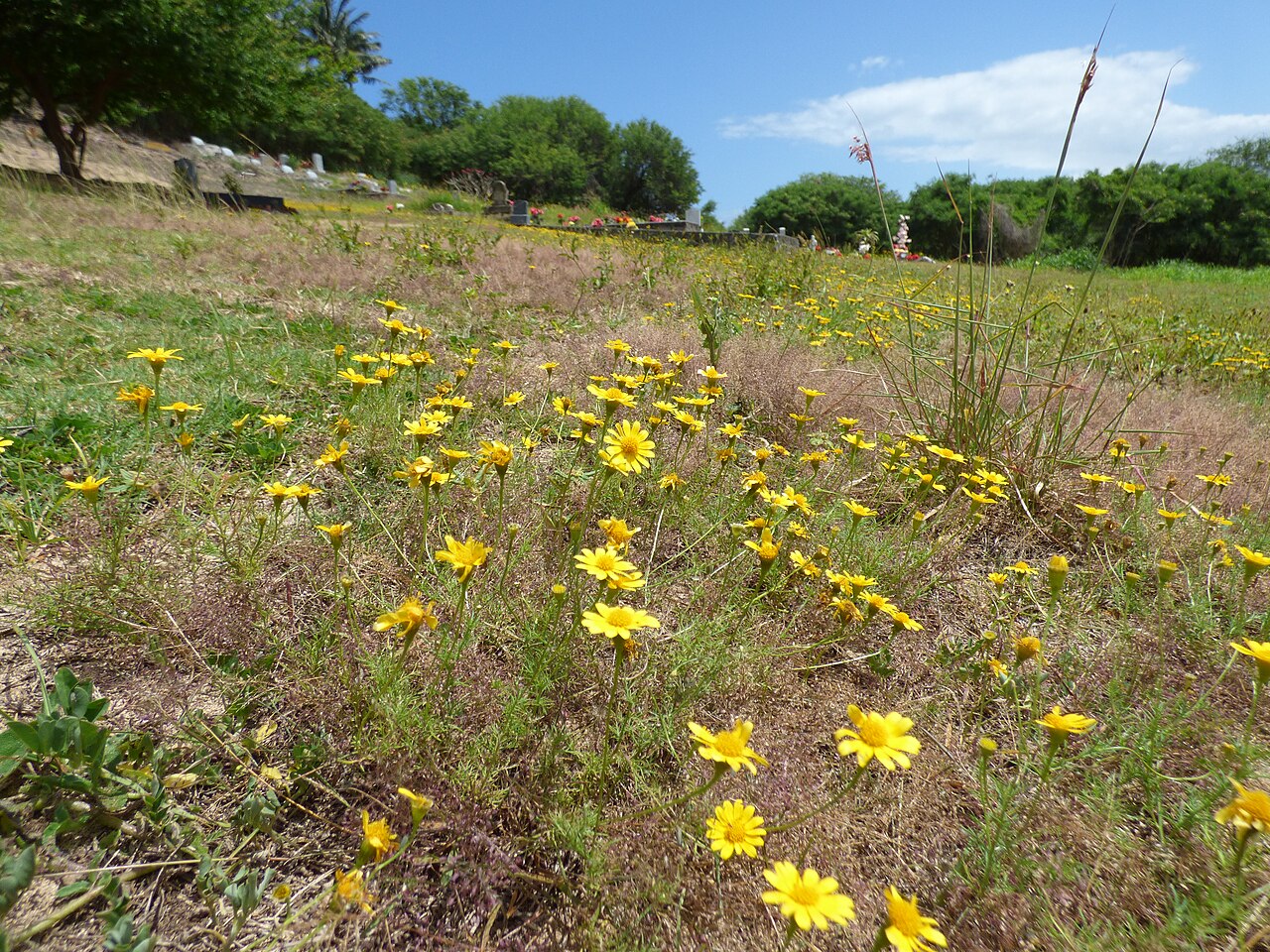
Thymophylla tenuiloba, best known as Dahlberg Daisy and also called golden-fleece or bristleleaf pricklyleaf, is a low, mounding little annual wildflower native to south-central Texas and adjacent northern Mexico. It is an Asteraceae family member that punches well above its size: fine, thread-like aromatic foliage forms a soft green cushion only 6 to 12 inches tall, which from spring through fall disappears under a blanket of small, bright golden-yellow daisy flowers.
Dahlberg Daisy has become one of the most widely planted bedding annuals in American gardens, sold at nurseries far beyond Texas as a dependable edging and container plant. That popularity has led it to escape cultivation and naturalize in scattered spots across the Gulf Coast states, Hawaii, and well beyond the continental U.S. — but its true native range is much smaller: south-central Texas (notably the Hill Country and South Texas Plains around San Antonio) and nearby northern Mexico. This page covers it as a native Texas wildflower; where you see it elsewhere, it is a garden escapee, not a native plant.
In its home range, Dahlberg Daisy is a classic plant of dry, rocky, sun-baked ground — exactly the conditions many xeriscape and rock garden plantings try to recreate. Its fine, aromatic foliage and nonstop bloom make it a favorite for edging walkways, filling gaps in rock gardens, and spilling over the edges of containers.
Identification
Dahlberg Daisy is a low, bushy, multi-branched annual (occasionally short-lived perennial in frost-free conditions), typically forming mounds 6 to 12 inches tall and somewhat wider, with a loose, trailing to mounding habit.
Foliage
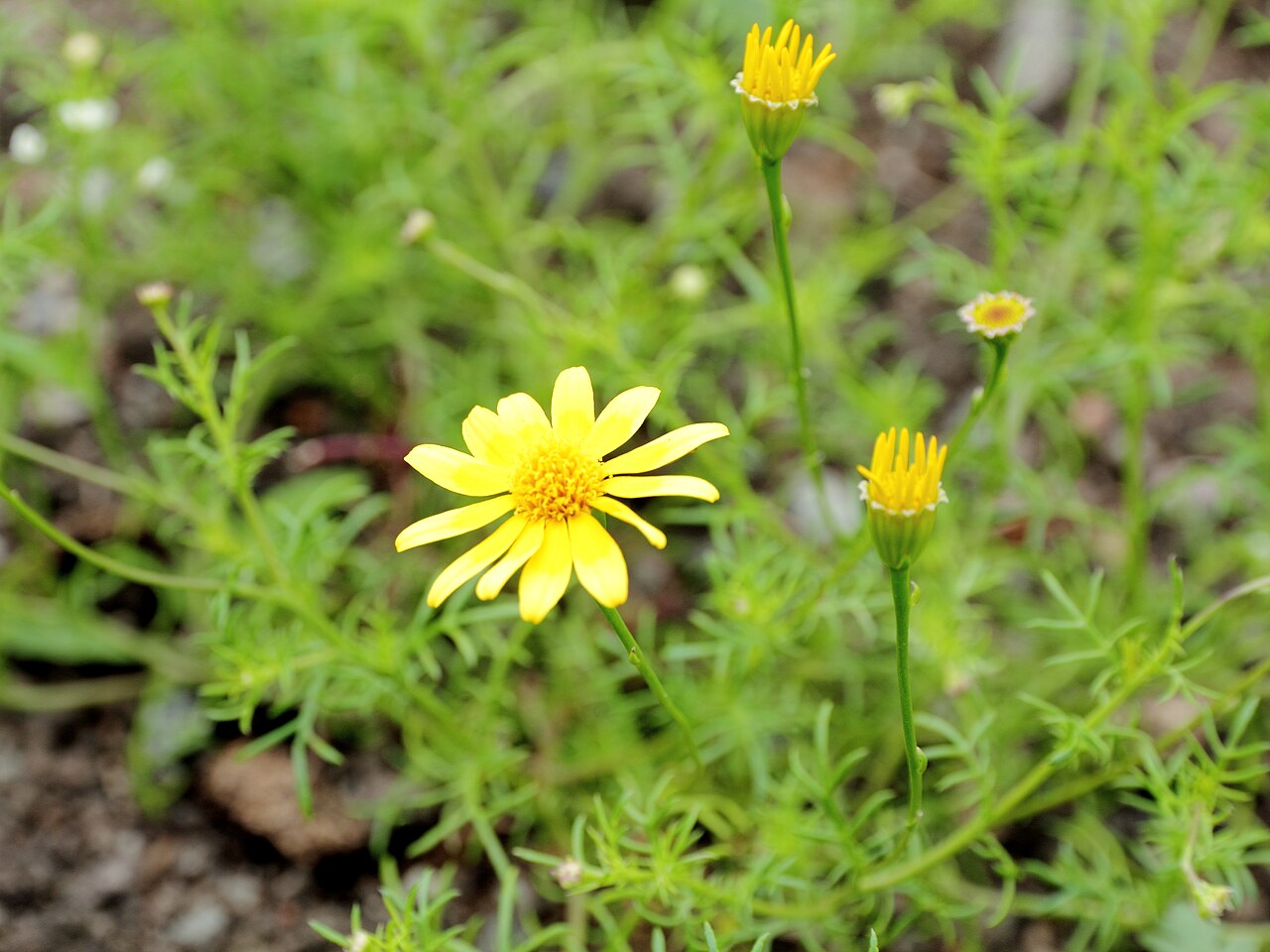
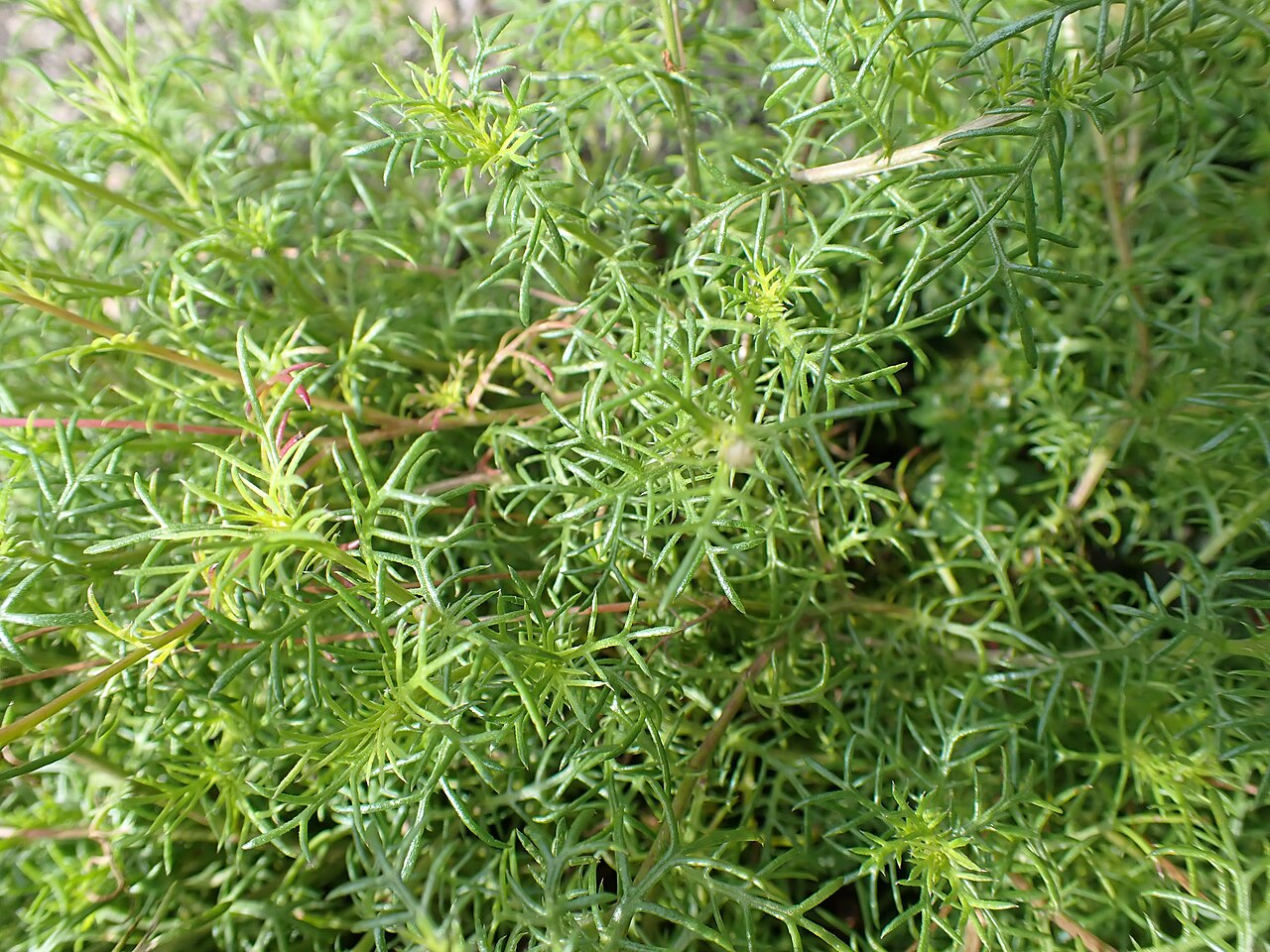
The leaves are finely divided into thread-like, bristle-tipped segments, giving the plant a feathery, almost fern-like texture reminiscent of dill or carrot foliage. The foliage is aromatic when crushed and dotted with tiny translucent oil glands, a identification feature shared with other members of the Dyssodia/Thymophylla group.
Flowers
Flowers are small, daisy-like heads about ½ to ¾ inch across, with bright golden-yellow ray florets surrounding a slightly darker yellow-orange disc. Individual flowers are borne on slender stalks held just above the foliage, and a well-grown plant produces flowers almost continuously from spring through fall, stopping only with hard frost.
Fruit & Seeds
Like other asters, the fruit is a small dry cypsela (often loosely called an achene), tipped with a tiny pappus. Dahlberg Daisy self-sows readily under good conditions, and established plantings often persist year to year from volunteer seedlings even though individual plants are annual.
Quick Facts
| Scientific Name | Thymophylla tenuiloba (syn. Dyssodia tenuiloba) |
| Family | Asteraceae (Aster/Daisy) |
| Plant Type | Annual Wildflower (short-lived perennial in frost-free areas) |
| Mature Height | 6–12 in |
| Mature Spread | 8–15 in |
| Growth Rate | Fast |
| Sun Exposure | Full Sun |
| Water Needs | Low; drought tolerant once established |
| Soil Type | Dry, well-drained; rocky, caliche, or sandy soils preferred |
| Soil pH | Neutral to alkaline |
| Bloom Time | Spring through fall (nearly continuous in favorable conditions) |
| Flower Color | Golden yellow |
| Fall Color | None; plant declines with frost |
| Fruit | Small dry cypsela (achene-like), self-sows readily |
| Deer Resistant | Yes (aromatic foliage generally avoided) |
| USDA Hardiness Zones | Grown as annual everywhere; perennial in zones 9–11 |
Native Range
Dahlberg Daisy is native to south-central Texas, centered on the Texas Hill Country and South Texas Plains around and south of San Antonio, extending into adjacent northern Mexico. This is a far narrower native range than its garden popularity would suggest.
Because it is sold nationwide as an inexpensive, fast-blooming bedding annual, Dahlberg Daisy has escaped cultivation and turns up as a naturalized or casual volunteer in scattered locations well outside Texas, including other Gulf Coast states, the Hawaiian Islands, and parts of Asia. Those populations are garden escapes, not part of the species’ native range, and this site lists Texas as the only native U.S. state.
Within its native range, Dahlberg Daisy favors open, sunny, dry ground: limestone outcrops, caliche soils, rocky hillsides, and disturbed open areas in the Hill Country and South Texas brush country. It is well adapted to the thin, alkaline, fast-draining soils typical of these landscapes and to the region’s hot, dry summers.
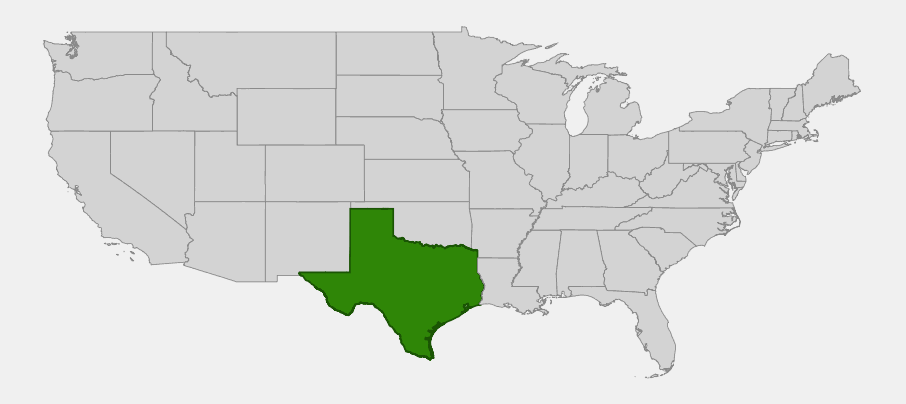
📋 Dahlberg Daisy is not yet listed on one of this site’s regional plant lists; browse the full native plant directory for other Texas Hill Country wildflowers.
Growing & Care Guide
Dahlberg Daisy is about as easy and reliable as flowering annuals get, provided it has what it craves most: heat, sun, and sharp drainage.
Light
Give it full sun. Dahlberg Daisy flowers most heavily with at least six to eight hours of direct sun a day and tends to get leggy and bloom poorly in shade.
Soil & Water
Well-drained, even poor or rocky soil is ideal; this plant actually performs worse in rich, moisture-retentive garden soil, where it can become leggy or succumb to root rot. Water sparingly once established — it is quite drought tolerant and more likely to suffer from overwatering than underwatering. Good drainage is the single most important factor for success.
Planting Tips
Sow seed or set out transplants in spring after the last frost, spacing plants about 8 to 12 inches apart to allow for their spreading habit. Dahlberg Daisy works beautifully tucked into gaps between pavers, along the edges of rock gardens, or cascading over the rim of a container. In its native Hill Country range it reseeds freely, often returning year after year from volunteer seedlings in a bed left undisturbed.
Pruning & Maintenance
Deadheading is not required — spent flowers are small and largely self-cleaning — but shearing plants back lightly in mid-summer can refresh a leggy planting and encourage a fresh flush of bloom. Remove frost-killed plants at season’s end, or simply let them stand to drop seed for next year’s volunteers.
Propagation
Dahlberg Daisy is grown almost exclusively from seed, which germinates readily in warm soil. Because it self-sows so freely in favorable conditions, many gardeners simply let a planting reseed itself rather than resowing each year.
Landscape Uses
Dahlberg Daisy’s compact size, nonstop bloom, and drought tolerance make it a versatile choice for dry, sunny spots:
- Rock gardens and gravel gardens where its fine texture and bright flowers shine
- Edging and border fronts for walkways and beds
- Container and hanging basket plantings, where it spills attractively over the rim
- Gaps between pavers or flagstones in a dry, sunny patio
- Xeriscape and low-water gardens throughout its native Hill Country range
Wildlife & Ecological Value
Within its native Hill Country and South Texas range, Dahlberg Daisy contributes a small but steady nectar and pollen source through a long bloom season.
For Pollinators
The abundant small flower heads attract a variety of short-tongued bees, small butterflies, and other beneficial insects throughout its long bloom period, which is especially valuable in the hot, dry months when fewer wildflowers are in bloom.
For Birds
Small seed-eating birds may take the tiny cypselae after flowering, though Dahlberg Daisy is not considered a major food source compared with larger-seeded native wildflowers.
For Mammals
The aromatic, finely divided foliage is generally left alone by deer and rabbits, making it a useful low border plant in areas with heavy browse pressure.
Ecosystem Role
As a fast-growing, early-flowering annual of thin, rocky Hill Country soils, Dahlberg Daisy helps fill the gaps between longer-lived perennials and shrubs in its native plant communities, providing quick cover and a nectar source on sites too dry and shallow-soiled for many other wildflowers.
Cultural & Historical Uses
Dahlberg Daisy does not carry a well-documented history of Indigenous or traditional use compared with many other Texas wildflowers; most of what is written about the species concerns its relatively recent rise as a garden plant.
The species was introduced into general cultivation in the twentieth century and quickly became popular for its reliable, nonstop bloom and tolerance of hot, dry conditions — qualities that suited it perfectly to bedding and container use across much of the warmer United States. Its spread well beyond its small native Texas range is almost entirely a product of this horticultural popularity rather than any historical or ceremonial use.
Today, Dahlberg Daisy’s significance is primarily horticultural and, within its native Hill Country range, ecological — a cheerful, low-maintenance native wildflower that happens to have become a garden favorite far beyond the borders of the Texas landscape it calls home.
Frequently Asked Questions
Is Dahlberg Daisy native to my state if I bought it at a local nursery?
Probably not, unless you garden in south-central Texas. Dahlberg Daisy is sold as a bedding annual nationwide, but its native range is limited to the Texas Hill Country, South Texas Plains, and adjacent northern Mexico. Elsewhere it is a popular introduced annual, and in some areas it has escaped cultivation and naturalized.
Is Dahlberg Daisy an annual or a perennial?
It behaves as an annual through most of its range, completing its life cycle in one growing season and dying with hard frost. In frost-free areas (roughly USDA zones 9–11) it can persist and behave as a short-lived perennial, and it reseeds readily wherever conditions suit it.
Why isn’t my Dahlberg Daisy blooming well?
The most common causes are too little sun or soil that is too rich and moist. This plant wants full sun and lean, fast-draining soil; in shade or heavy, fertile, wet soil it tends to grow leggy with fewer flowers.
Does Dahlberg Daisy need a lot of water?
No. It is quite drought tolerant once established and is more often harmed by overwatering than by dry conditions. Water sparingly, especially in soils with poor drainage.
Will Dahlberg Daisy spread aggressively in my garden?
Within its native Texas range it self-sows readily and can form sizeable naturalized colonies, but it is not considered an aggressive garden thug — it is easy to pull or thin where it is not wanted, and as an annual it does not persist from an invasive root system.

Looking for a nursery that carries Dahlberg Daisy?
Browse our native plant nursery directory: Texas