
Giant Whitetop Sedge (Rhynchospora latifolia)
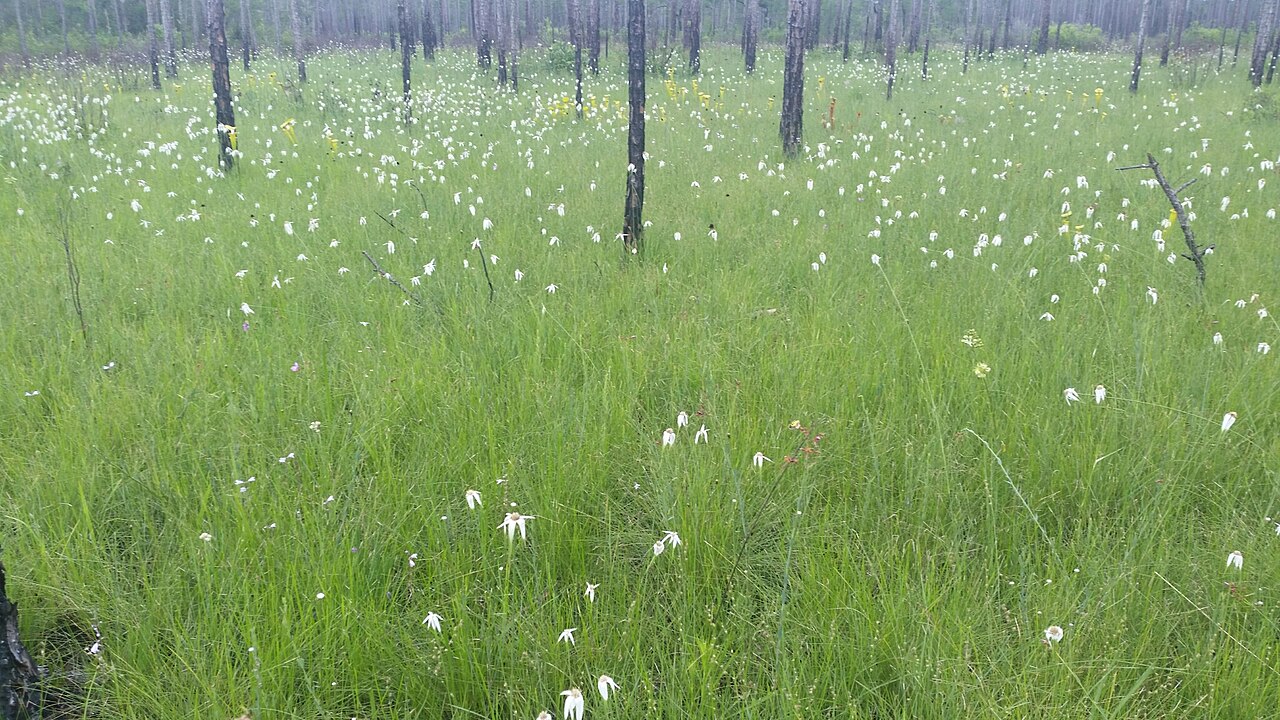
Rhynchospora latifolia, known as Giant Whitetop Sedge (also sandswamp whitetop, the USDA PLANTS name, and tall or giant star rush), is one of the most eye-catching plants of wet pine savannas and flatwoods in the southeastern Coastal Plain. From late spring through summer it holds up white, star-shaped heads on slender stems, and in a good year a burned savanna can be dotted with thousands of them.
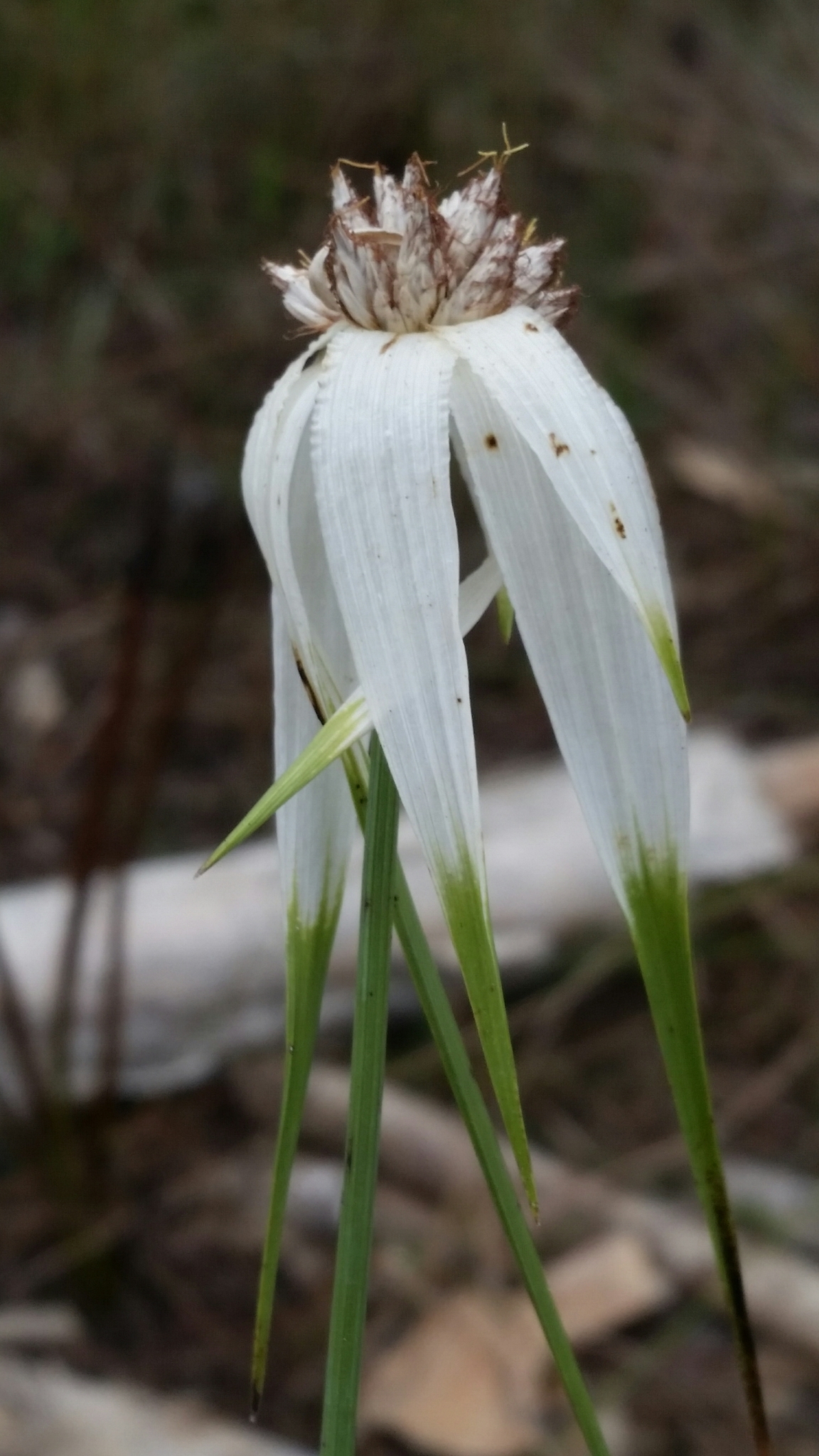
What looks like a flower is really a ring of long, narrow, white bracts (modified leaves) with green tips, spreading or drooping below a small knot of true flowers. This is unusual in the sedge family, where most species are wind-pollinated and drab. Whitetop sedges attract insects to their bracts and are among the few sedges pollinated mainly by insects. Giant whitetop is the larger of the two common whitetops in the Southeast, with more and longer bracts than starrush whitetop (Rhynchospora colorata).
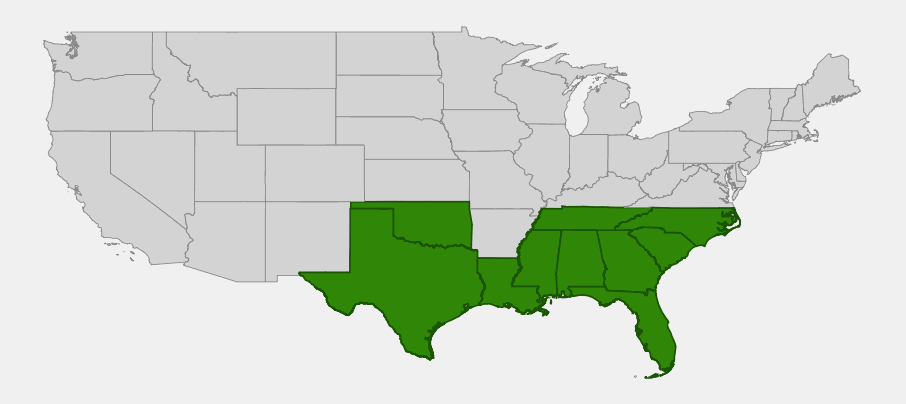
Giant whitetop sedge is a rhizomatous perennial of moist to wet, sunny, acidic sites. It is native along the Coastal Plain from North Carolina to Florida and west to eastern Texas. It is easy to grow in a rain garden, bog garden, pond margin or any sunny spot that stays damp, where it slowly spreads into patches. Older references list it as Dichromena latifolia.
Identification
In bloom, giant whitetop sedge is easy to spot. The best field marks are the number and length of the white bracts. Starrush whitetop (Rhynchospora colorata), which often grows nearby, is smaller, with usually 3 to 7 shorter bracts. Giant whitetop has about 7 to 10 bracts, and the longest are often 4 to 8 inches long, giving the head a shaggy, drooping look.
Stems & Habit
Plants grow from slender creeping rhizomes and form loose colonies of grass-like shoots. The flowering stems are upright, three-angled in cross-section like most sedges, and 1 to 3 feet tall. Without flowers the plant is easy to overlook among the grasses of a savanna.
Leaves
The leaves are narrow and grass-like, mostly at the base of the plant, usually shorter than the flowering stems. Despite the name latifolia (“broad-leaved”), the leaves are only a few millimeters wide. The name refers to the broad white bracts, which are wider than those of its relatives.
Flower Heads
Each stem ends in a single dense head of small, pale spikelets about half an inch to an inch across. Below it spread the bracts: usually 7 to 10, white for most of their length and green at the tips. The bracts are held outward at first and later droop. The true flowers are tiny and have no petals; insects visit the head for its pollen, guided by the white bracts.
Bloom begins in late spring and continues through summer. The Lady Bird Johnson Wildflower Center gives April to September. Flowering is heaviest after fire.
Fruit & Seeds
After flowering, the head turns brown and produces small, hard, flattened nutlets (achenes) with a beak-like tip, as in all beaksedges (Rhynchospora). The bracts slowly fade to tan but often stay on the stem into fall.
Quick Facts
| Scientific Name | Rhynchospora latifolia (USDA symbol RHLA7) |
| Family | Cyperaceae (sedge family) |
| Plant Type | Rhizomatous perennial sedge |
| Mature Height | 1–3 ft |
| Mature Spread | Spreads slowly by rhizomes into patches |
| Growth Rate | Moderate |
| Sun Exposure | Full sun to part shade |
| Water Needs | High; moist to wet soil |
| Soil Type | Wet sand, peat or sandy loam |
| Soil pH | Acidic (about 4.5–6.5) |
| Bloom Time | April–September |
| Flower Color | White bracts with green tips around pale spikelets |
| Fall Color | Bracts and foliage fade to tan |
| Fruit | Small beaked nutlet (achene) |
| Deer Resistant | Moderately; seldom browsed |
| USDA Hardiness Zones | 7–10 |
Native Range
Giant whitetop sedge is a plant of the southeastern Coastal Plain. The Lady Bird Johnson Wildflower Center, using USDA data, describes its native distribution as the Coastal Plain from North Carolina to southeastern Texas, and records it from Alabama, Florida, Georgia, Louisiana, Mississippi, North Carolina, Oklahoma, South Carolina, Tennessee and Texas. The Oklahoma and Tennessee records lie at the edge of its range; it is most common in Florida, south Georgia and the Gulf Coast.
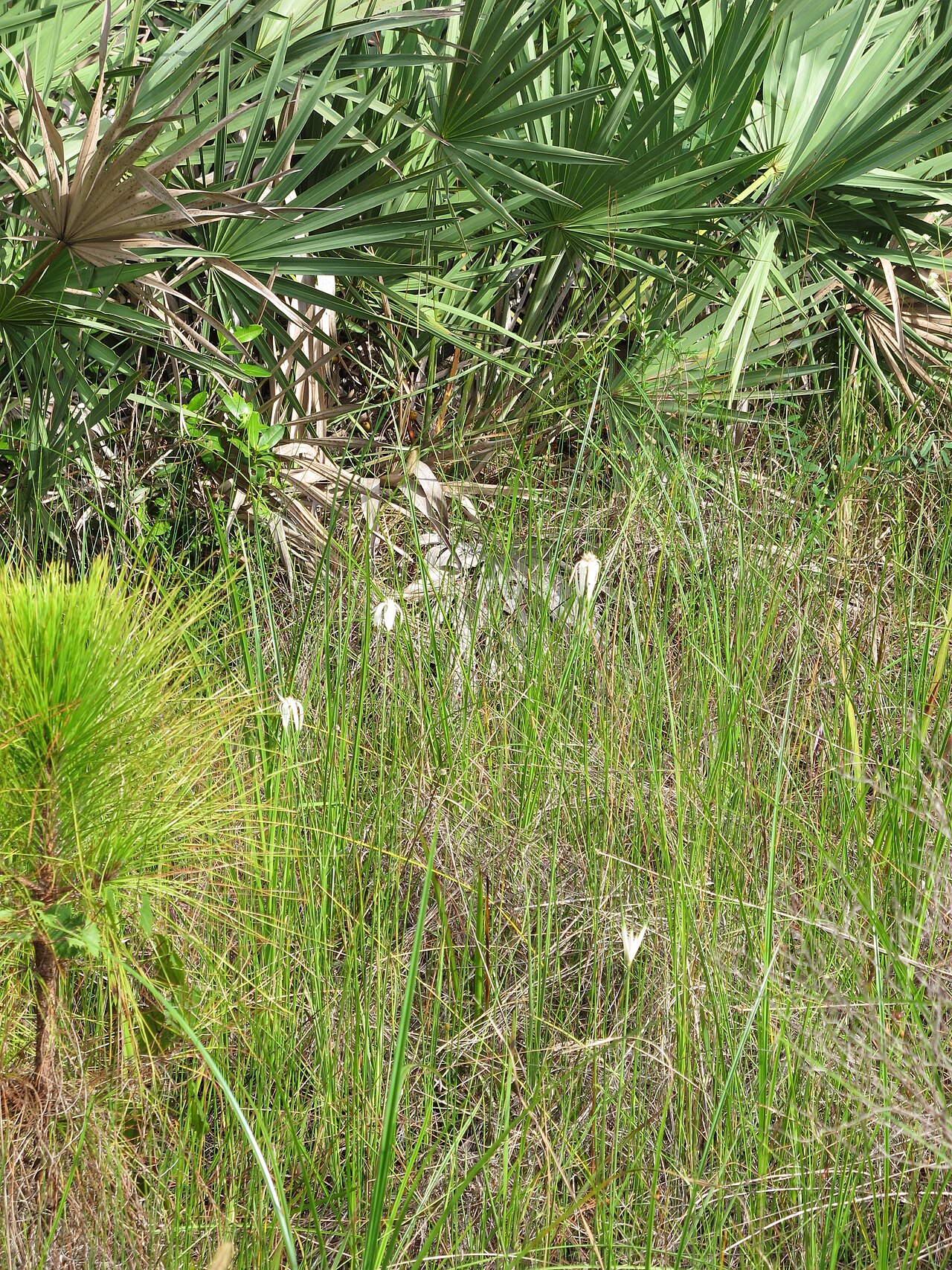
In Florida it grows throughout the state, from the Panhandle to the southern peninsula. Its home is open, sunny, wet ground with acidic soil: wet longleaf and slash pine savannas and flatwoods, wet prairies, seepage slopes, pitcher plant bogs, the edges of cypress domes, and damp roadside ditches. It is a facultative to obligate wetland plant in the National Wetland Plant List.
Like many savanna plants it depends on frequent fire. Burning clears away shrubs and leaf litter, and whitetop sedges often bloom heavily in the first summer after a fire.
📋 Regional plant lists featuring Giant Whitetop Sedge: North & South Florida · Alabama, Georgia & Mississippi · North & South Carolina · Arkansas, Louisiana, Eastern Oklahoma & Eastern Texas · Kentucky & Tennessee
Growing & Care Guide
Giant whitetop sedge is an easy, long-lived plant for wet, sunny places in its native range. It is sold by Florida native plant nurseries and is a good choice where lawn grass fails because the ground stays soggy.
Light
Full sun gives the most flowers. It tolerates part shade (the Lady Bird Johnson Wildflower Center lists part shade), but in deep shade it flowers poorly.
Soil & Water
Plant it in moist to wet, acidic soil: sand, peat or sandy loam. It is happy in standing water a few inches deep for part of the year and can handle short dry spells once established, but it should not be planted in dry upland sand. No fertilizer is needed.
Planting Tips
Set container plants 12 to 18 inches apart in spring or early summer. They spread by rhizomes and will fill in the gaps in a season or two. Good spots are rain gardens, bog gardens, the margins of ponds and swales, and low corners that collect water. It also grows in containers kept in a saucer of water.
Pruning & Maintenance
Cut back the old stems and leaves in late winter, before new growth starts. In larger natural areas, prescribed fire does the same job and stimulates flowering. Divide crowded clumps every few years if you want to slow its spread or share plants.
Propagation
The easiest method is division of the rhizomes in spring. It can also be grown from seed sown fresh on the surface of moist, acidic potting mix kept wet; germination is irregular.
Landscape Uses
- Rain gardens and swales: tolerates both flooding and short dry periods
- Bog gardens and pond edges: with pitcher plants, grass pink and other wetland natives
- Wet pine savanna restoration: within its native range
- Container water gardens: the white star heads are showy in a tub kept wet
- Cut flowers: fresh or dried heads in arrangements
Wildlife & Ecological Value
Giant whitetop sedge is a characteristic plant of fire-maintained wet savannas, one of the most species-rich habitats in North America.
For Pollinators
Unlike most sedges, whitetop sedges are pollinated mainly by insects. The white bracts act like petals, and small bees, flies and beetles visit the heads to collect pollen.
For Birds
Seed-eating birds and ground-feeding birds of pine savannas, such as sparrows and quail, eat sedge seeds, including the small nutlets of beaksedges. The patches also provide cover for birds that nest on the ground.
For Mammals
Small mammals use sedge patches for cover and eat some of the seeds. Deer seldom browse it heavily.
Ecosystem Role
Its rhizomes help bind wet, sandy soils and it forms part of the dense, grassy ground layer that carries fire through savannas and flatwoods. It is one of many species that indicate a healthy, regularly burned wet savanna.
Cultural & Historical Uses
The species was first described by Stephen Elliott in his early-1800s flora of South Carolina and Georgia from material collected by William Baldwin. It was long placed in the genus Dichromena, a group of whitetop sedges now included in Rhynchospora. The genus name comes from Greek words meaning “beak seed”, for the beaked fruits.
The whitetop sedges are favorites of nature photographers in Florida and along the Gulf Coast, and they are often mistaken for wildflowers in the daisy family. Their insect pollination has been studied by botanists as an example of how a wind-pollinated plant family has evolved showy displays.
Florida native plant nurseries grow whitetop sedges for rain gardens and wetland plantings. They are a practical way to add white “flowers” to a soggy spot where little else blooms.
Frequently Asked Questions
What is the difference between giant whitetop sedge and starrush whitetop?
Both have white bracts around the flower head. Giant whitetop sedge (Rhynchospora latifolia) is larger and has about 7 to 10 long, drooping bracts, while starrush whitetop (R. colorata) usually has 3 to 7 shorter, spreading bracts.
Are the white parts petals?
No. They are bracts, modified leaves below the head of small flowers. They do the job of petals, attracting the insects that pollinate the plant.
Can giant whitetop sedge grow in standing water?
Yes. It tolerates a few inches of standing water for part of the year and is well suited to pond edges, rain gardens and bog gardens.
Is giant whitetop sedge invasive?
No. It is a native plant that spreads slowly by rhizomes. In a small garden you may need to divide it every few years to keep it in bounds.
When does giant whitetop sedge bloom?
From late spring through summer, roughly April to September, with the heaviest bloom after fire or in sunny, wet sites.

Looking for a nursery that carries Giant Whitetop Sedge?
Browse our native plant nursery directory: Alabama · Florida & Georgia · Louisiana & Mississippi · North Carolina & Oklahoma · South Carolina, Tennessee & Texas