
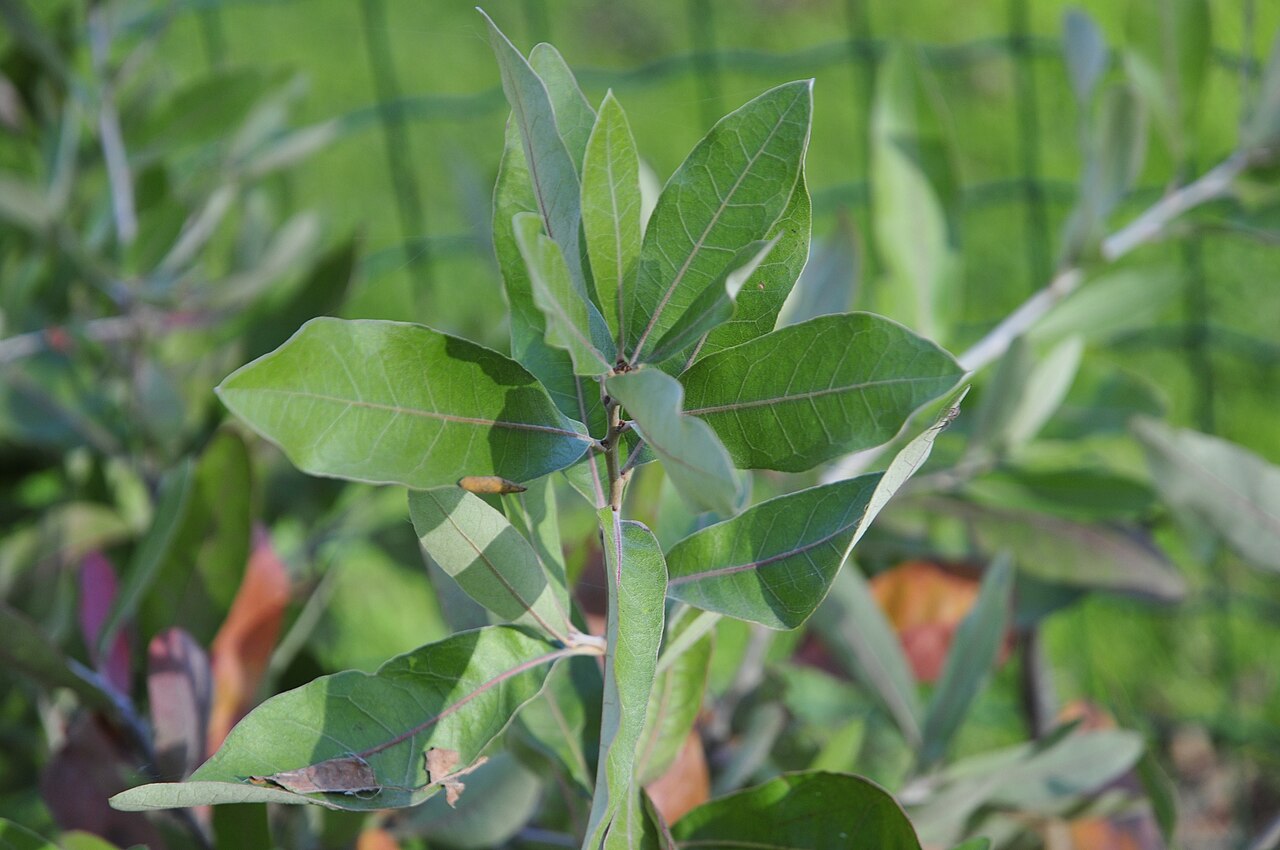
Bluejack Oak branch tip with glossy, narrow leaves. Photo: Homoarborea, Meise Botanic Garden, Wikimedia Commons (CC0) Quercus incana, known as Bluejack Oak and sometimes as
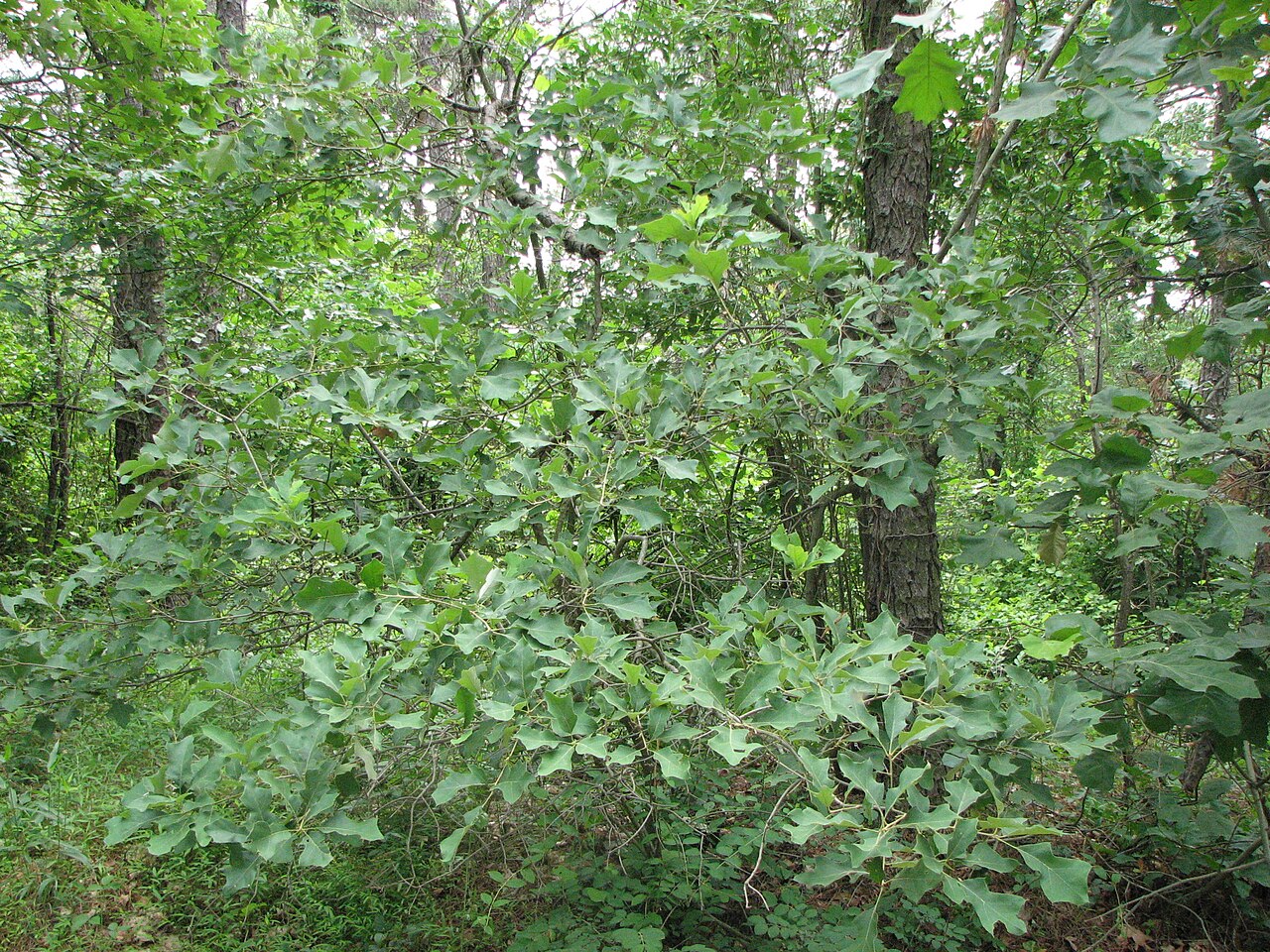
Bear Oak’s gangly, thicket-forming shrub habit on a Pennsylvania serpentine barren. Photo: Choess, Wikimedia Commons (CC BY-SA 3.0) Quercus ilicifolia, commonly called Bear Oak or
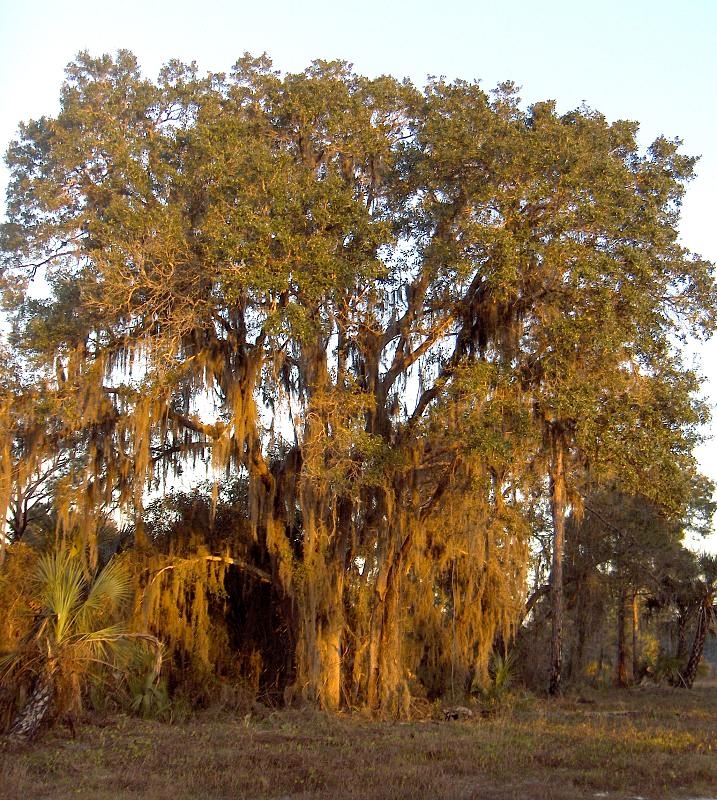
A Sand Live Oak at sunrise, its canopy heavy with Spanish moss over Florida scrub habitat. Photo: homeredwardprice / Wikimedia Commons (CC BY 2.0) Quercus
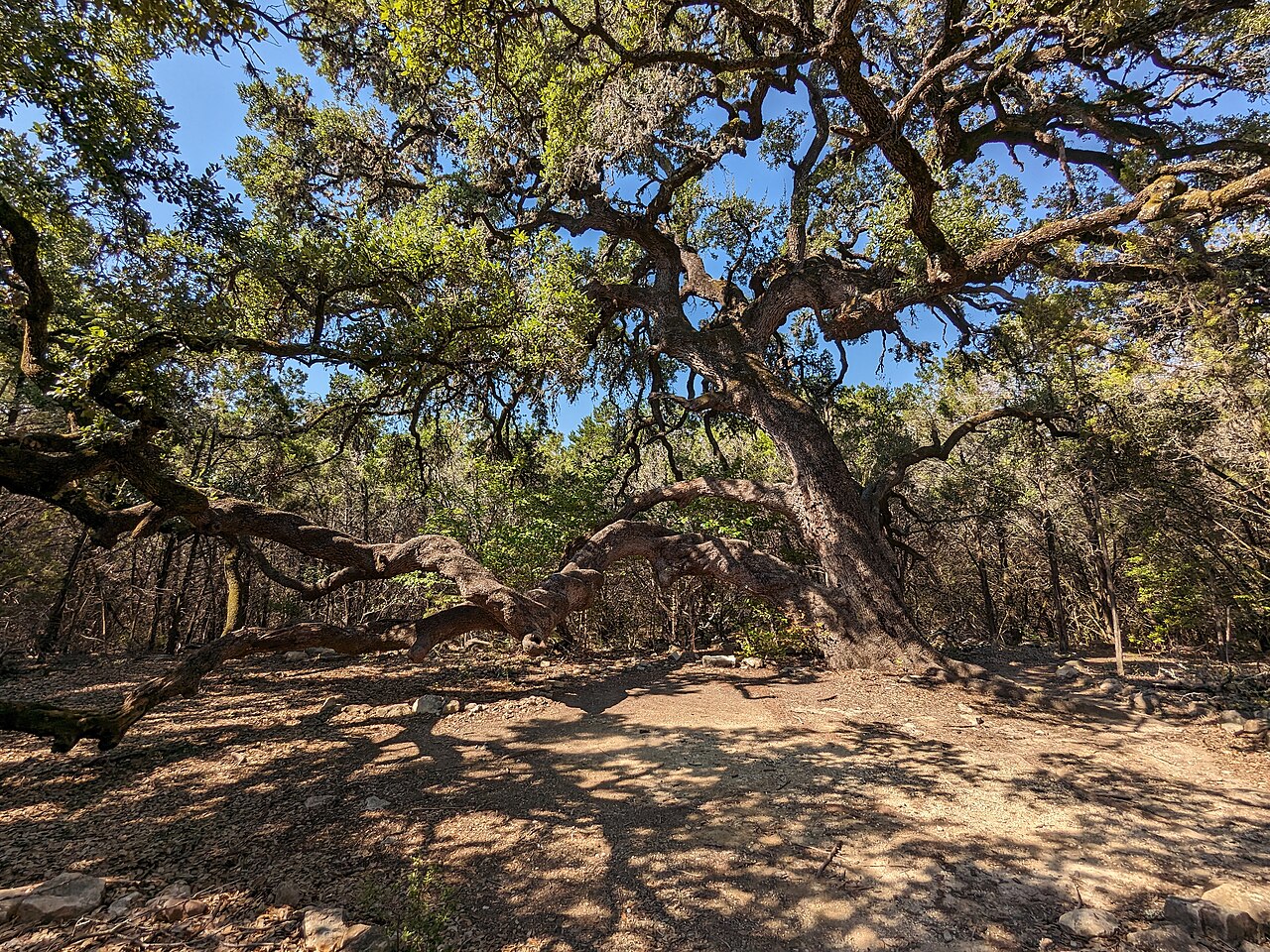
An old Plateau Live Oak with the characteristic low, sprawling limbs of a mature Hill Country tree. Photo: Citrula / Wikimedia Commons (CC BY-SA 4.0)
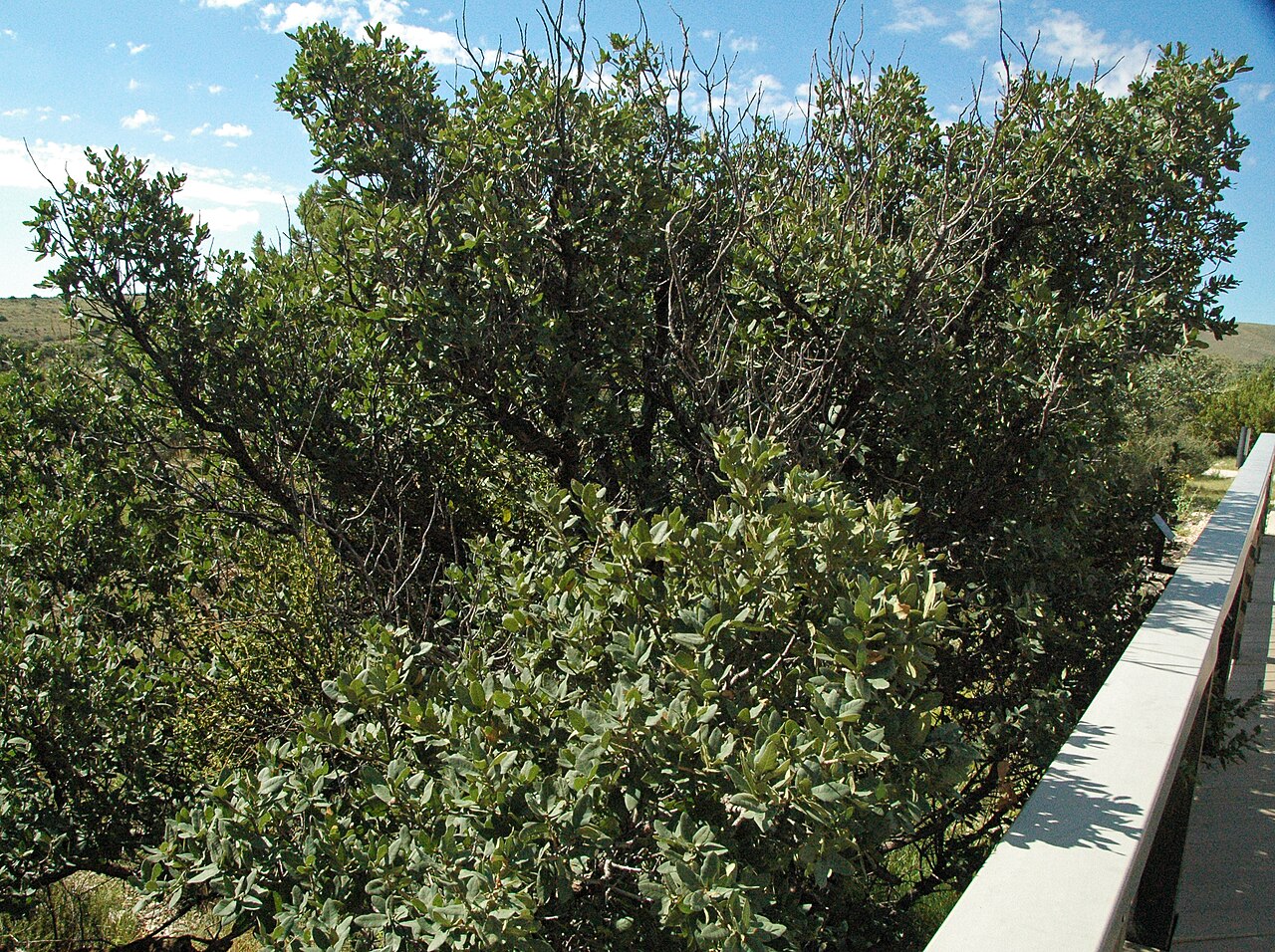
Gray Oak typically grows as a dense, rounded shrub or small multi-stemmed tree on rocky mountain slopes. Photo: James St. John / Wikimedia Commons (CC
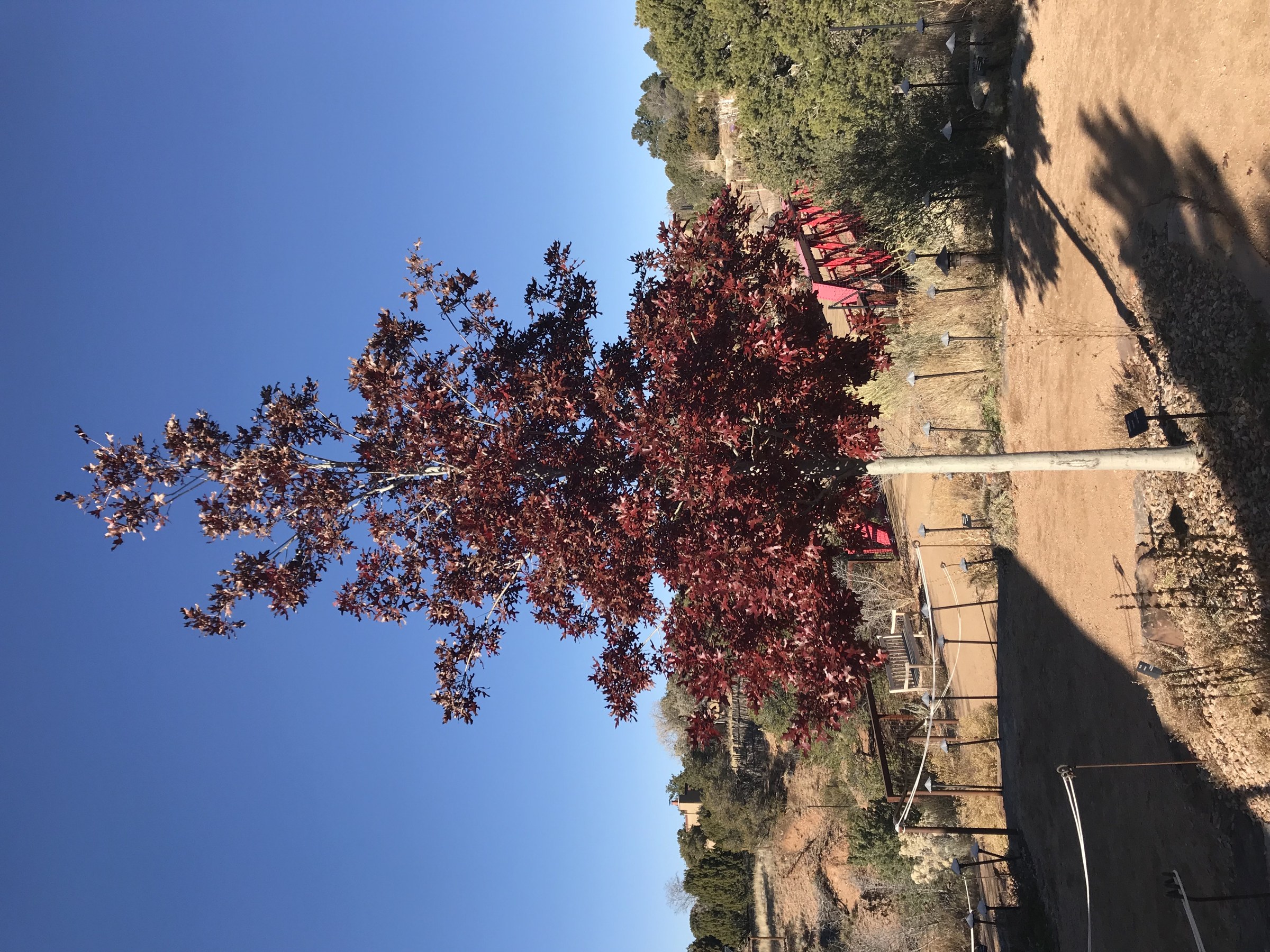
A mature Texas red oak in its November color. Photo: Katherine Wagner-Reiss, Wikimedia Commons (CC BY-SA 4.0) Quercus buckleyi, the Texas Red Oak (also called
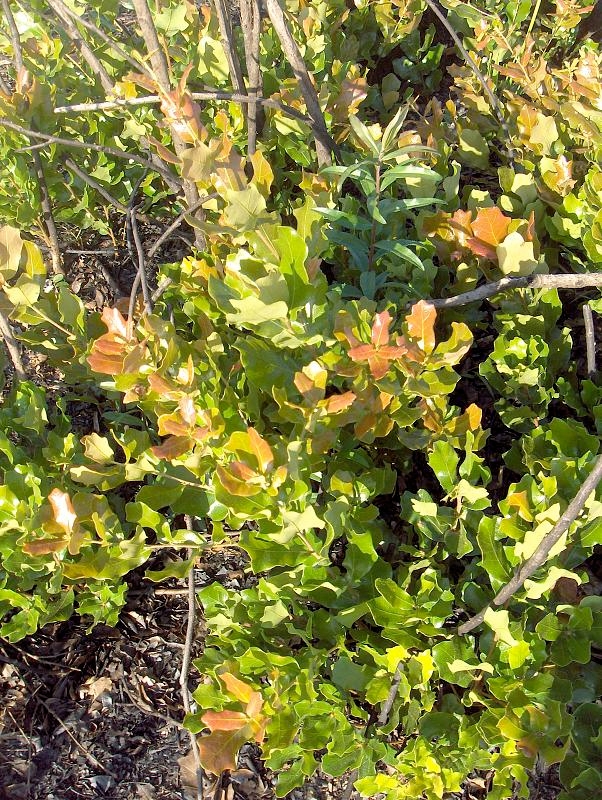
Chapman oak’s typical thicket-forming growth habit in Florida scrub. Photo: homeredwardprice, Wikimedia Commons (CC BY 2.0) Quercus chapmanii, the Chapman Oak, is a small, scrubby,
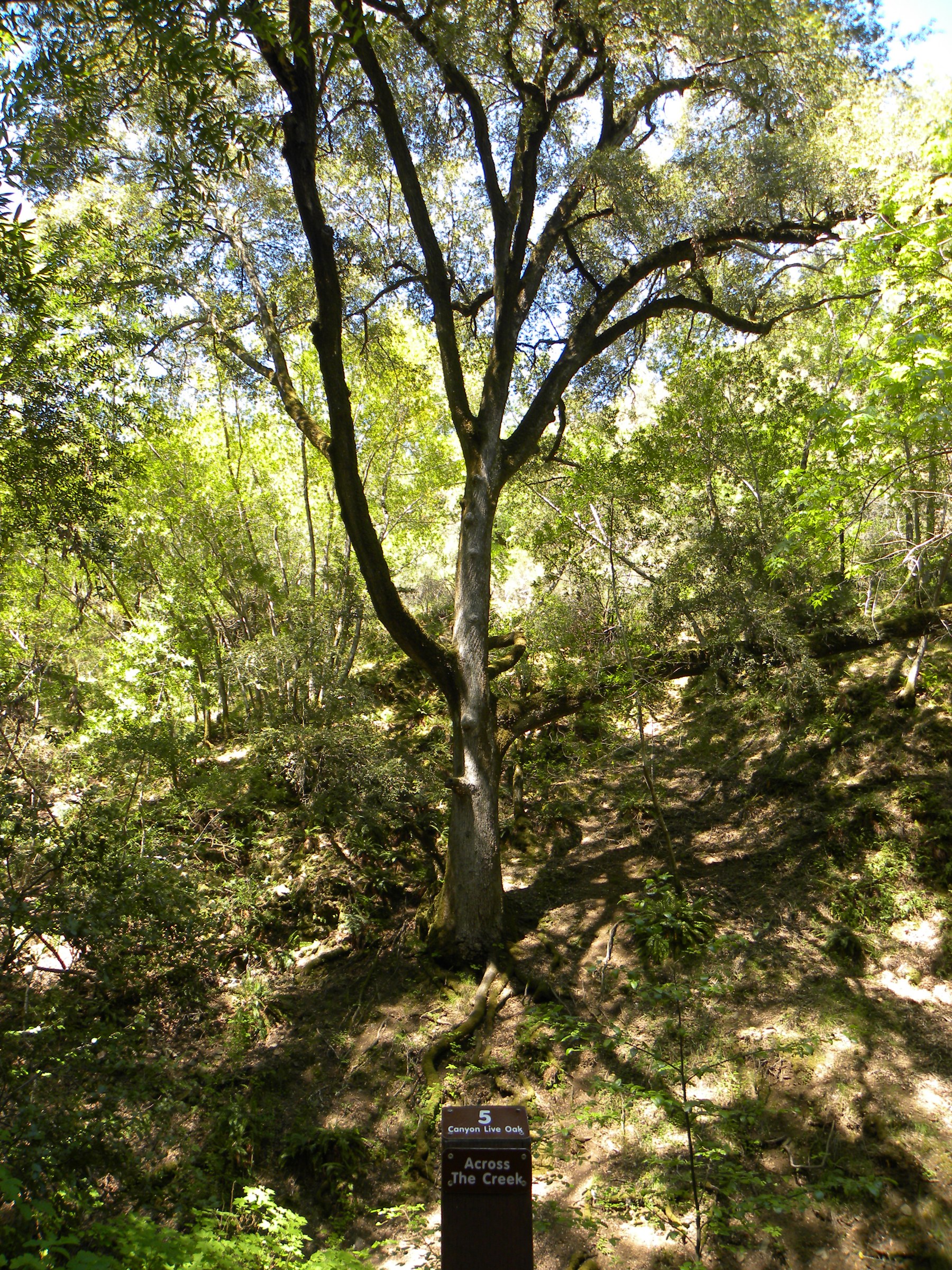
A canyon live oak growing along a creek in Uvas Canyon County Park, California. Photo: Wikimedia Commons (CC BY-SA 4.0) Quercus chrysolepis, the Canyon Live
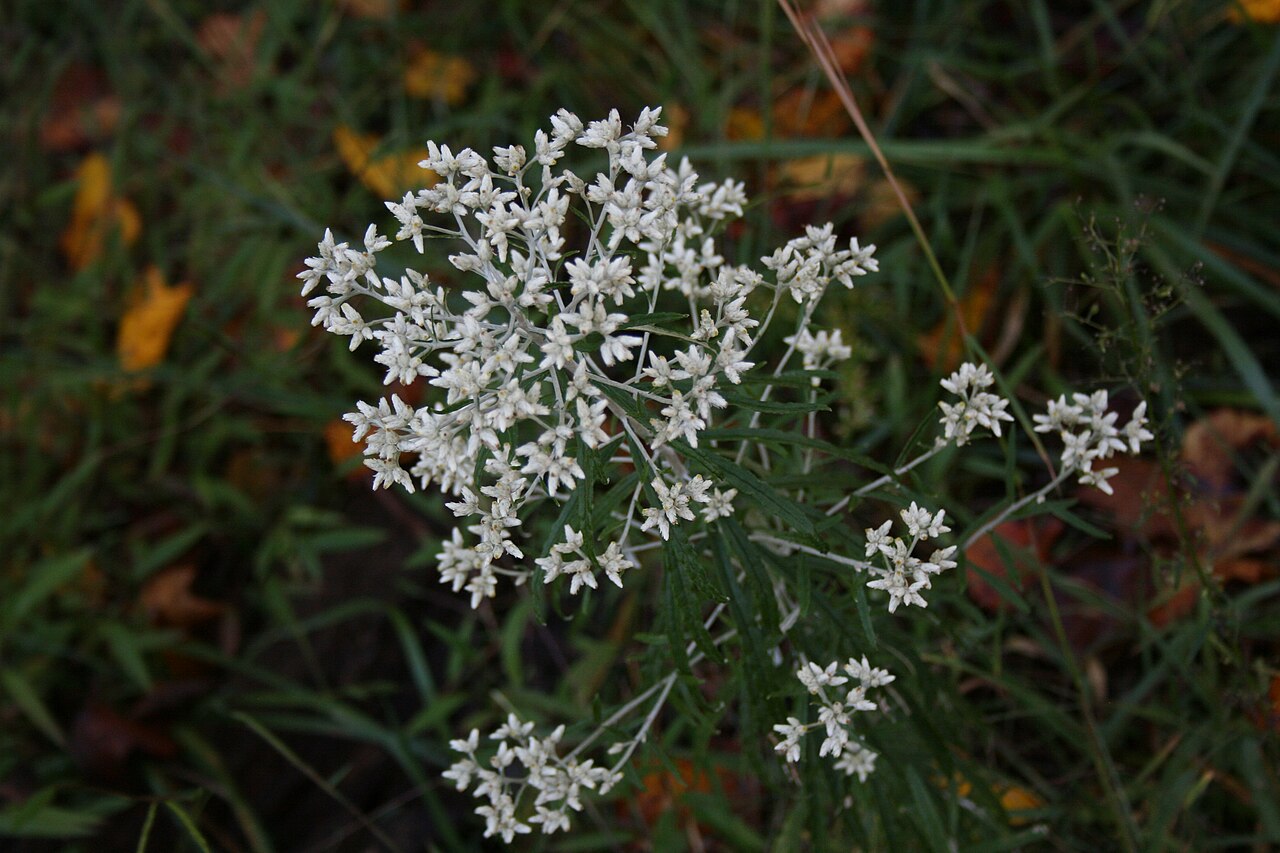
Rabbit tobacco in fall bloom, its cluster of papery cream-colored flower heads held above gray-green foliage. Photo: Virginia State Parks staff, Wikimedia Commons (CC BY
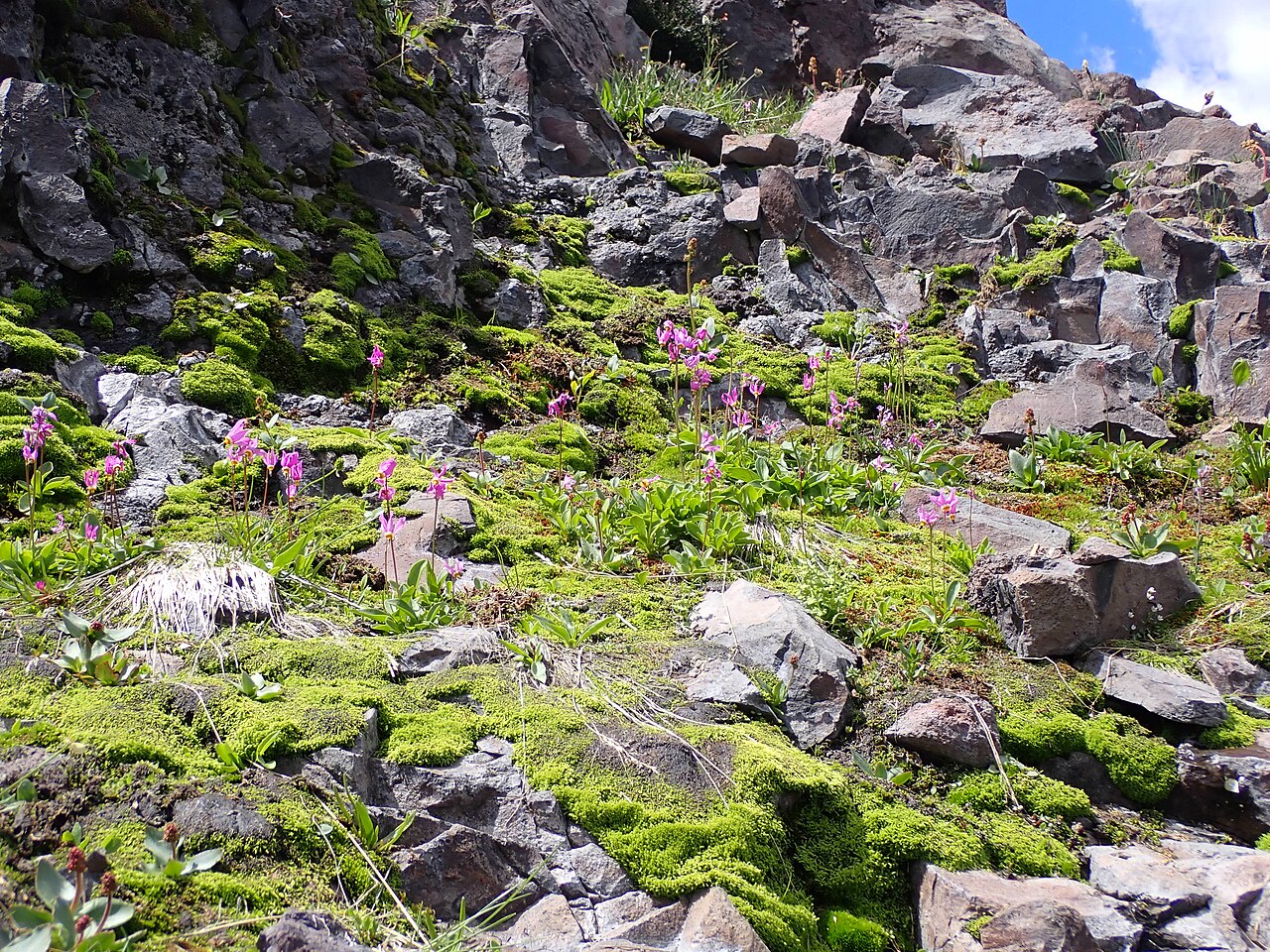
Few-flowered shooting star blooming in a moist alpine cirque at the base of Hyalite Peak, Gallatin Range, Montana. Photo: Matt Lavin, Wikimedia Commons (CC BY-SA
View More