
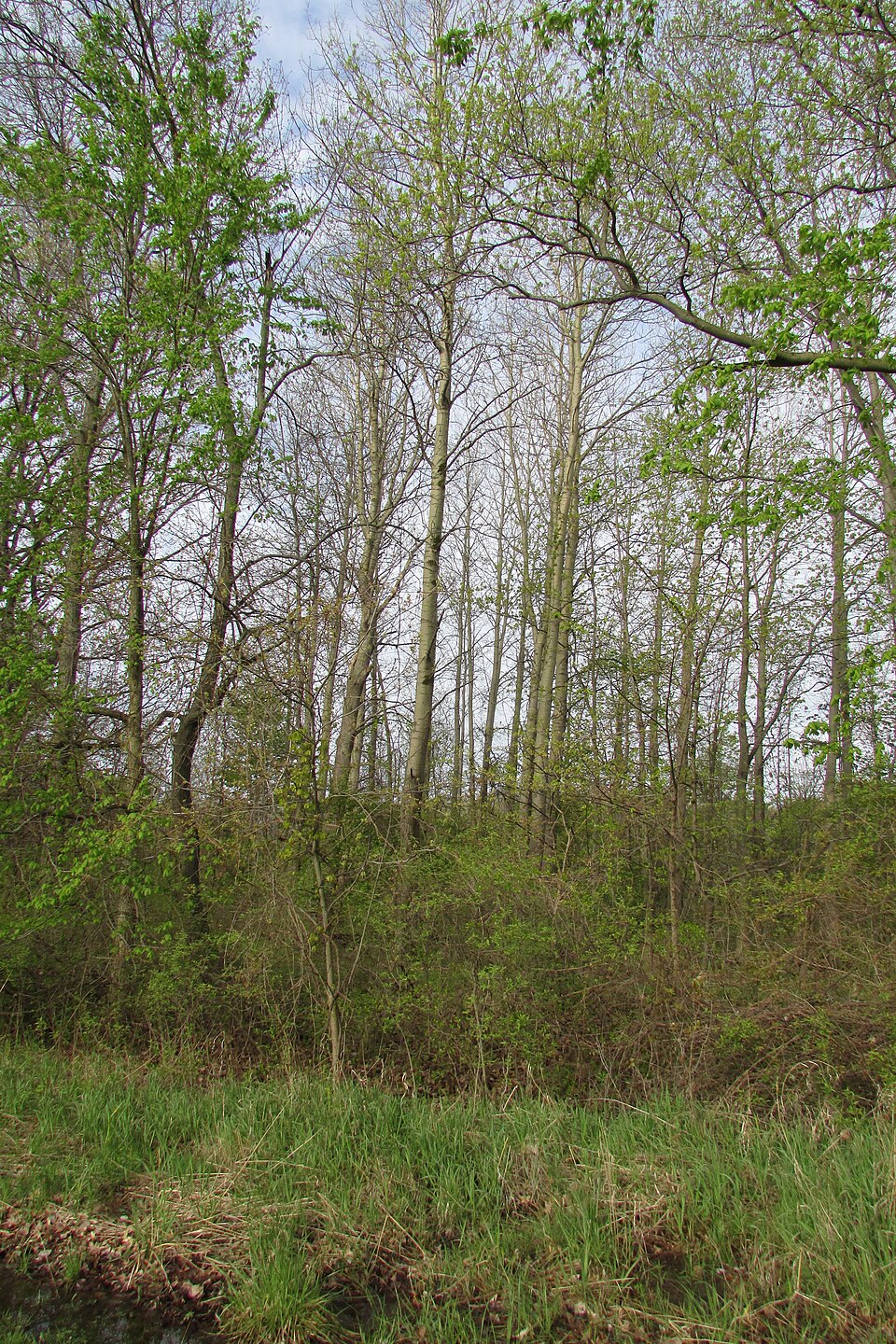
Large-tooth Aspen in brilliant fall gold — one of the most vibrant fall color trees of northeastern North America. Photo: Wikimedia Commons (CC BY-SA 4.0)
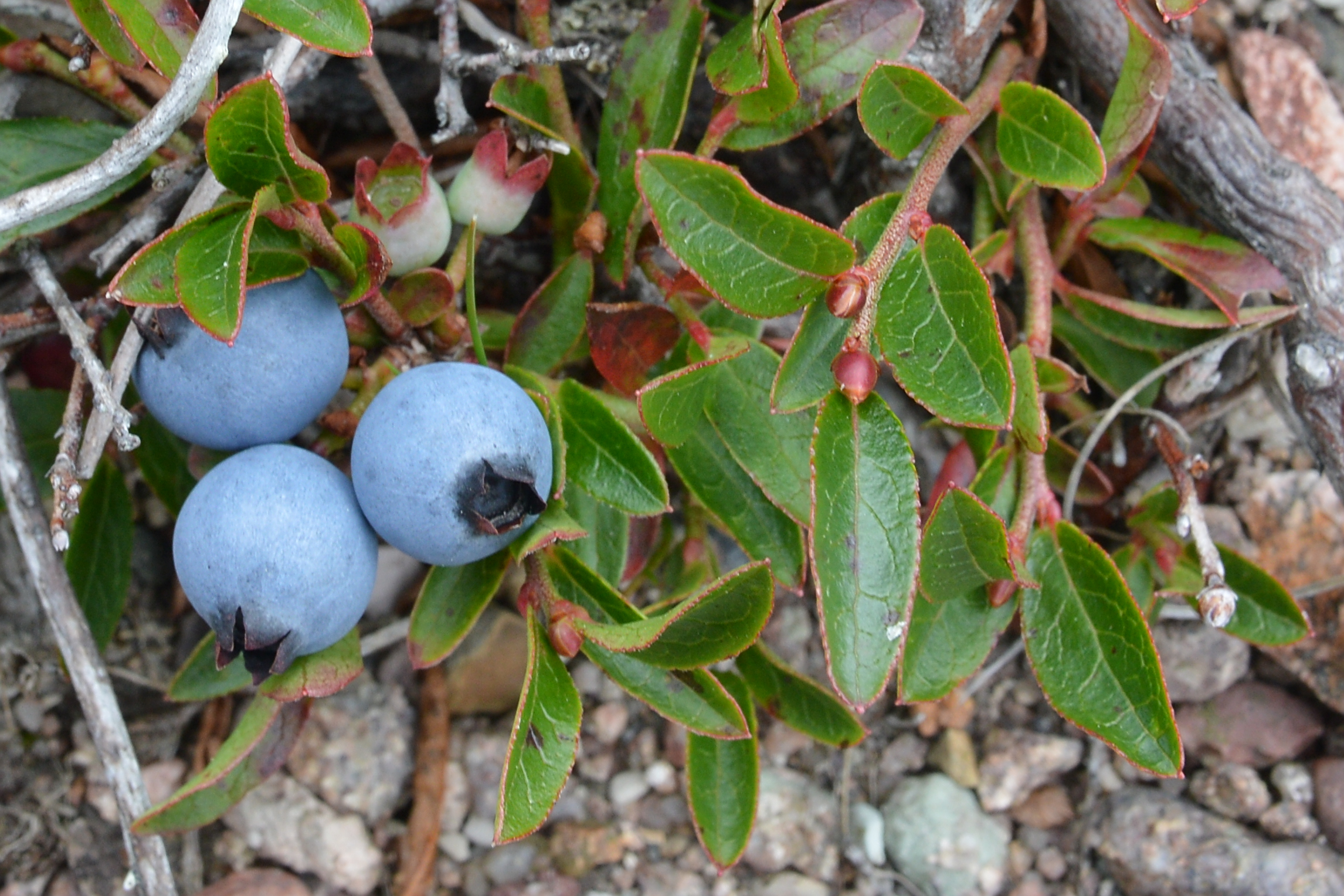
Lowbush Blueberry showing ripe fruit in late summer. Photo: Wikimedia Commons (CC BY-SA 4.0) Vaccinium angustifolium, the Lowbush Blueberry, is one of North America’s most
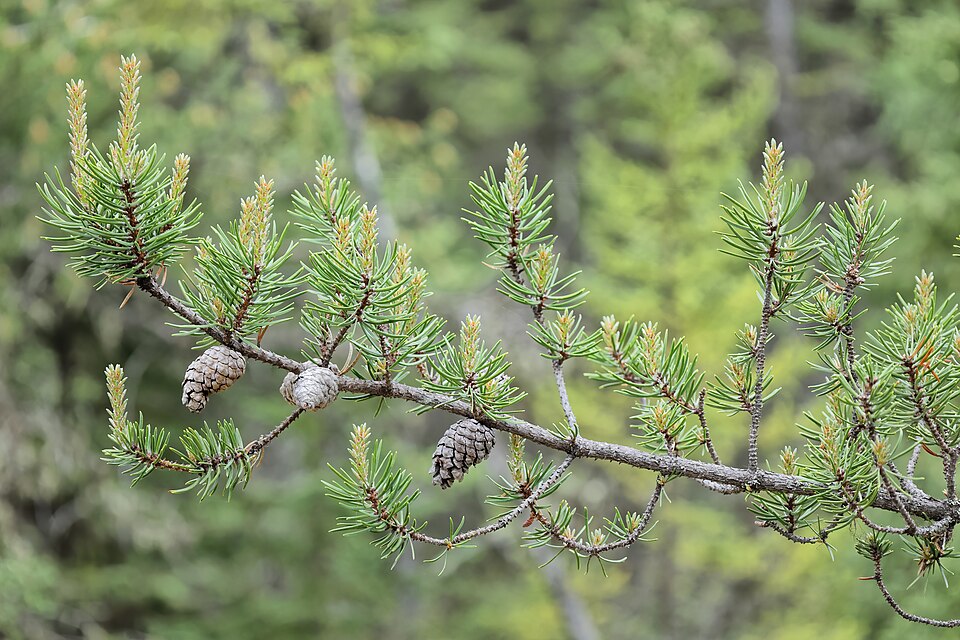
Jack Pine’s characteristic gnarled, wind-sculpted form in its natural sandy barrens habitat. Photo: Wikimedia Commons (CC BY-SA 4.0) Pinus banksiana, commonly known as Jack Pine,
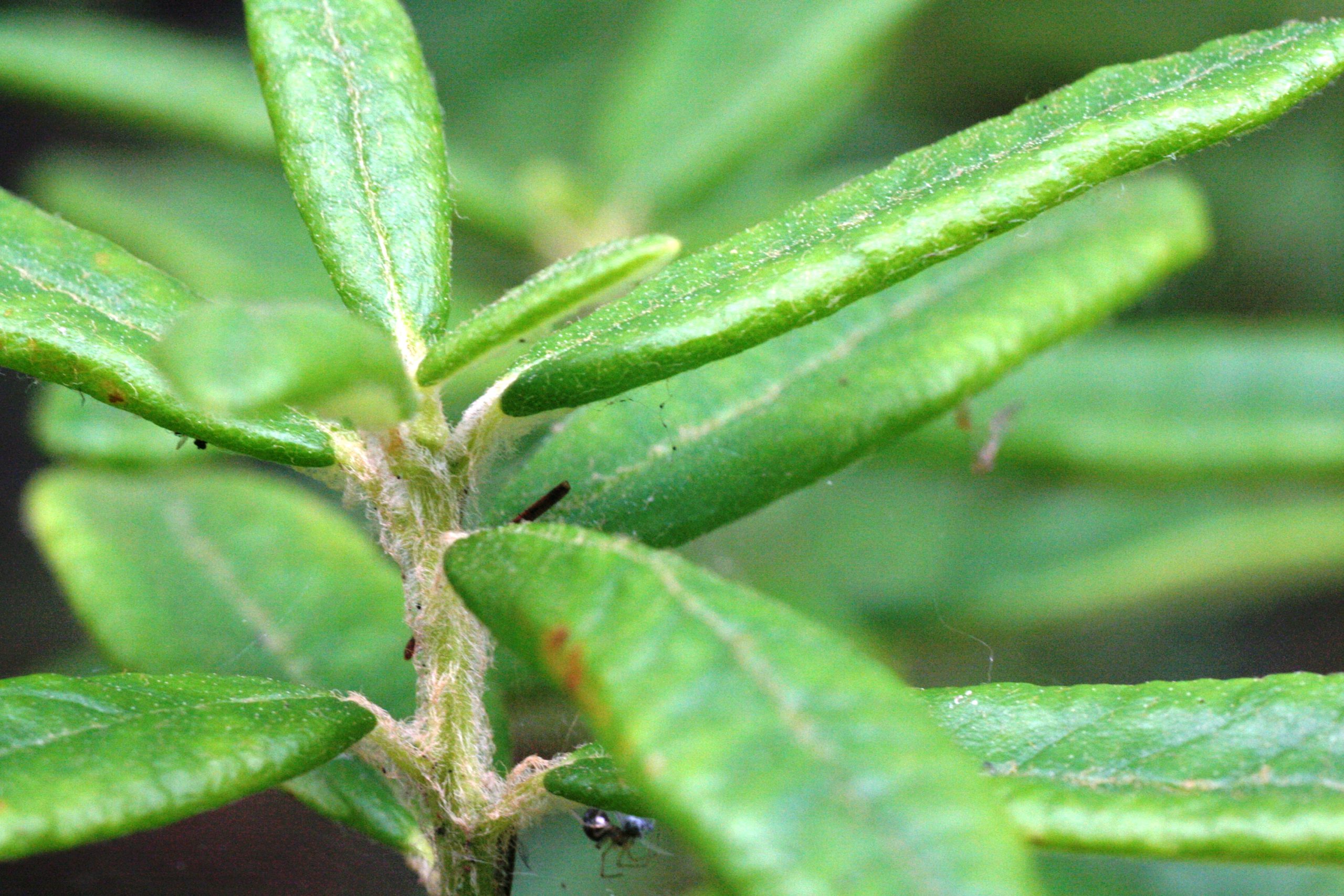
Labrador Tea in bloom, showing the characteristic clusters of small white flowers and leathery aromatic leaves. Photo: Wikimedia Commons (CC BY-SA 3.0) Ledum groenlandicum (also
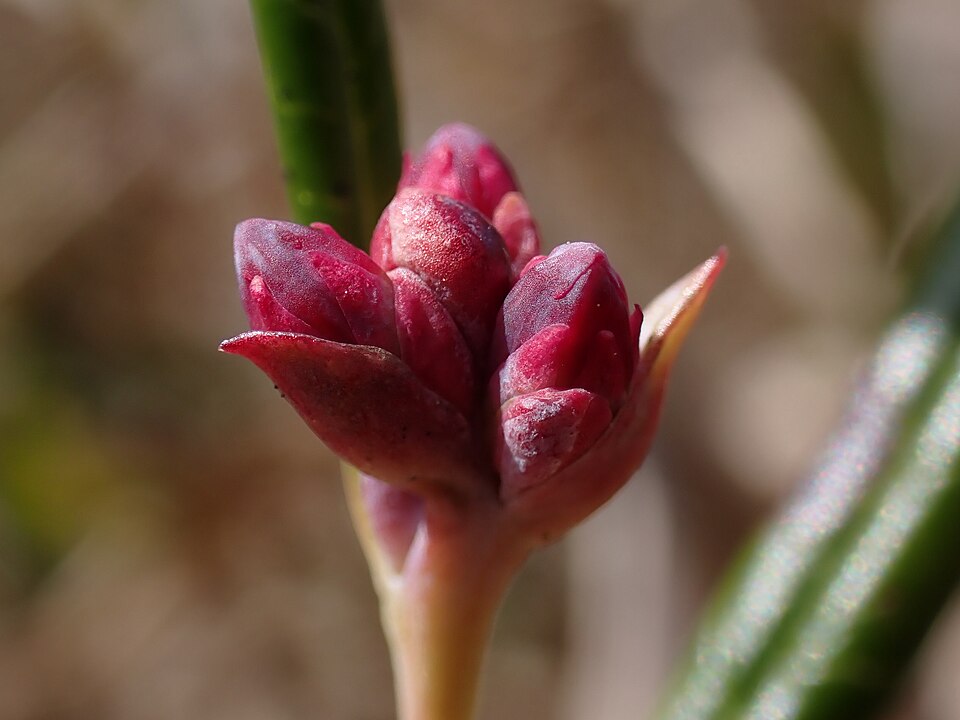
Bog Rosemary’s delicate pink urn-shaped flowers — among the most charming of all bog wildflowers. Photo: Wikimedia Commons (CC BY-SA 4.0) Andromeda polifolia, commonly known
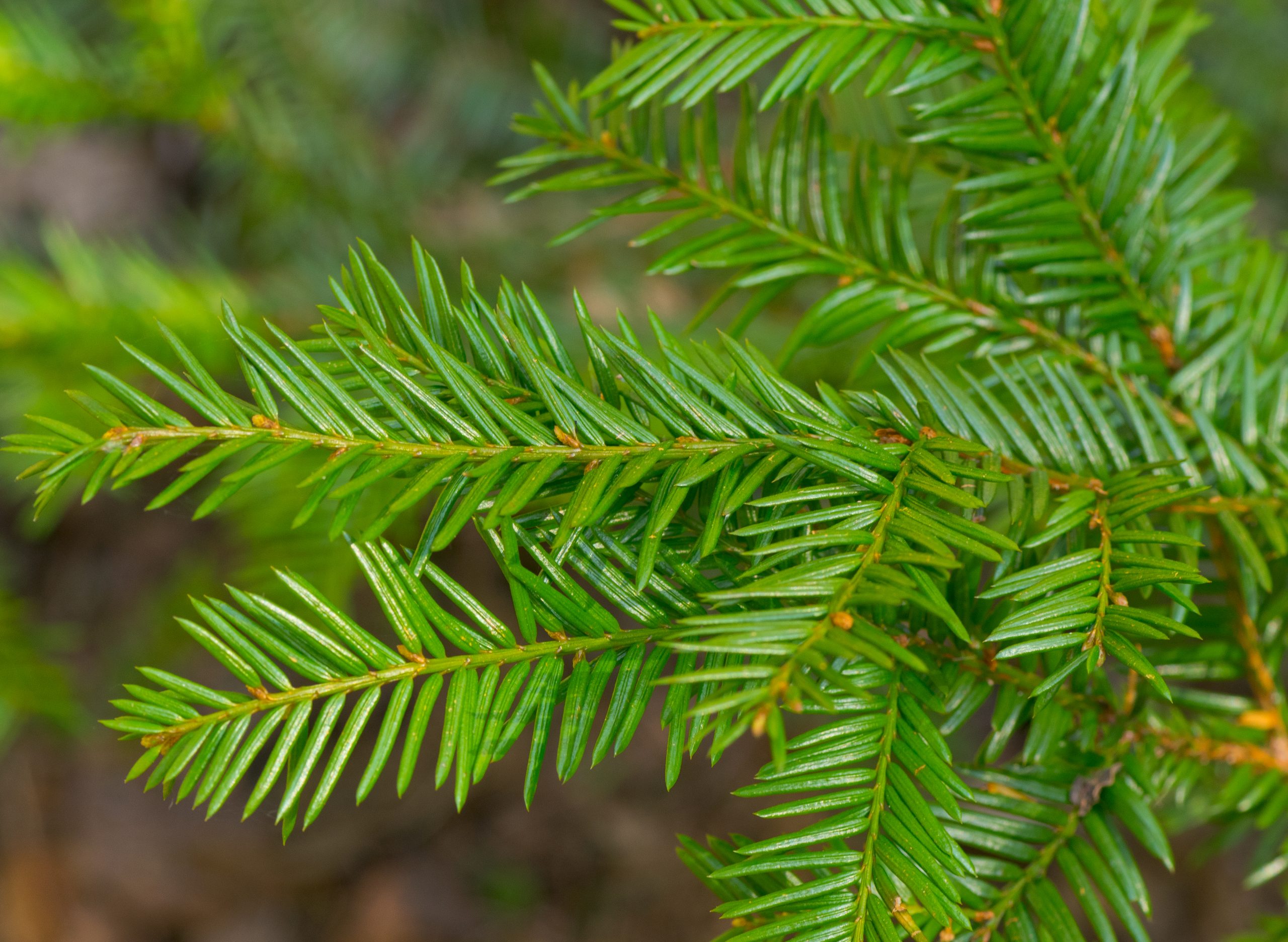
Canadian Yew spreading in the shaded understory of Chequamegon-Nicolet National Forest, Wisconsin. Photo: Wikimedia Commons (CC BY-SA 2.0) Taxus canadensis, commonly known as Canadian Yew
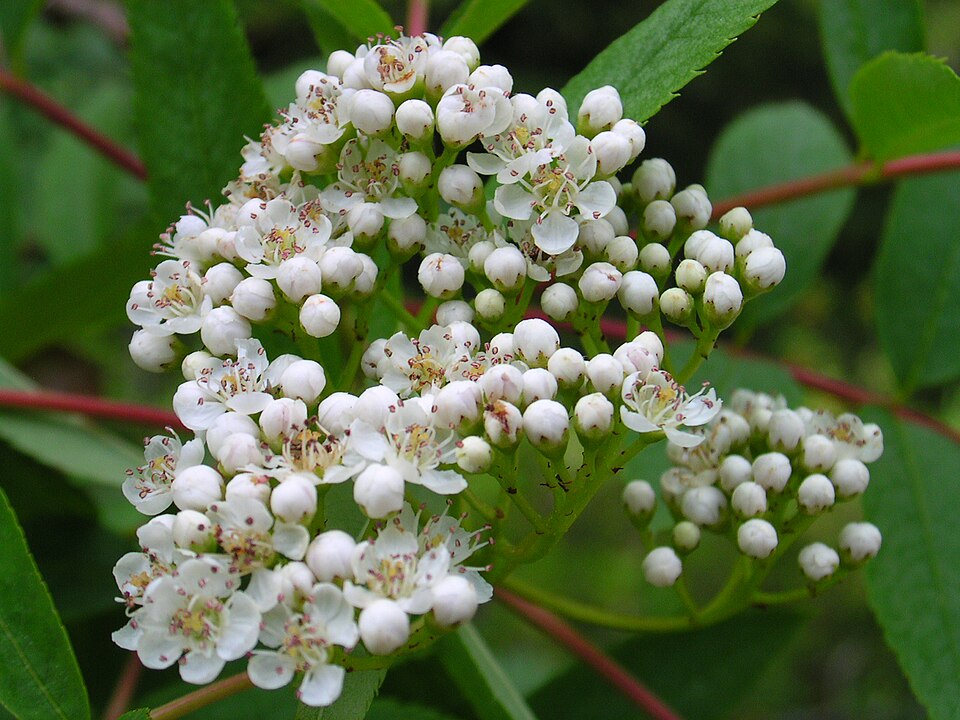
American Mountainash laden with brilliant orange-red fruit clusters in late summer. Photo: Wikimedia Commons (CC BY 2.0) Sorbus americana, commonly known as American Mountainash or
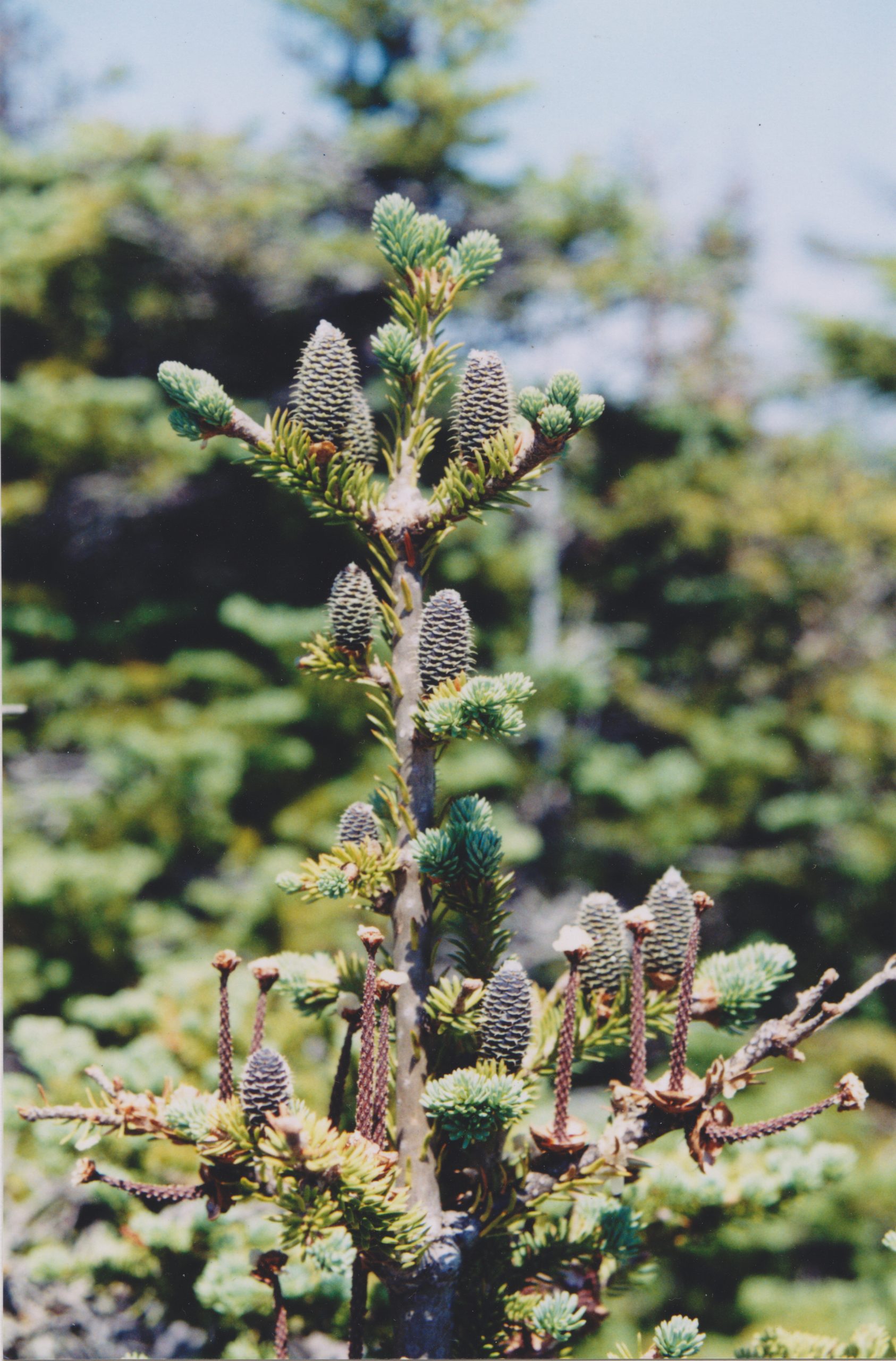
Balsam Fir herbarium specimen showing characteristic needle arrangement and cone features. Photo: Wikimedia Commons (CC BY 4.0) Abies balsamea, commonly known as Balsam Fir, is
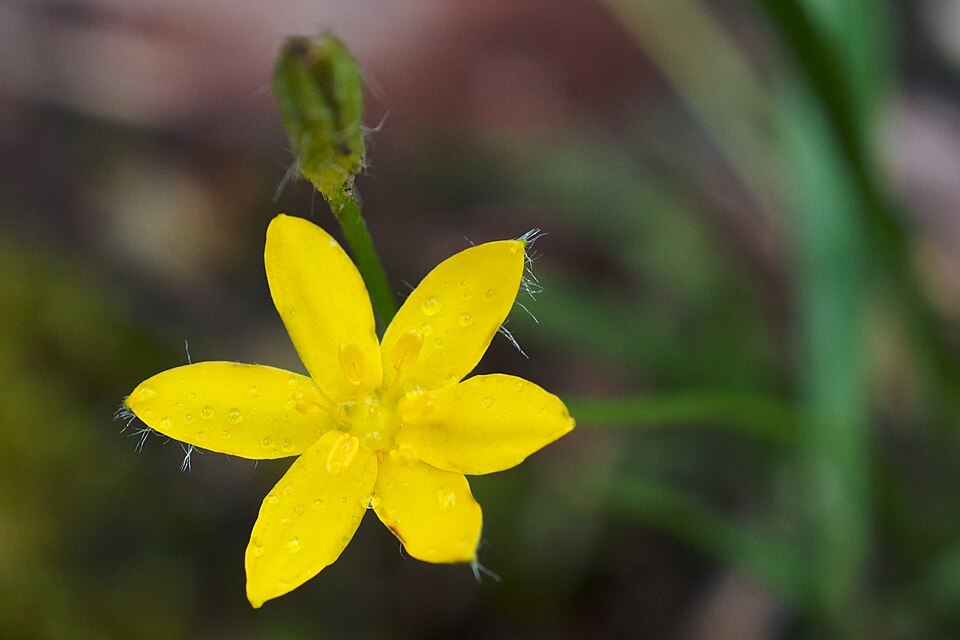
Photo: Wikimedia Commons Hypoxis hirsuta, commonly known as Yellow Stargrass or Common Goldstar, is one of North America’s most charming and overlooked native wildflowers. Standing
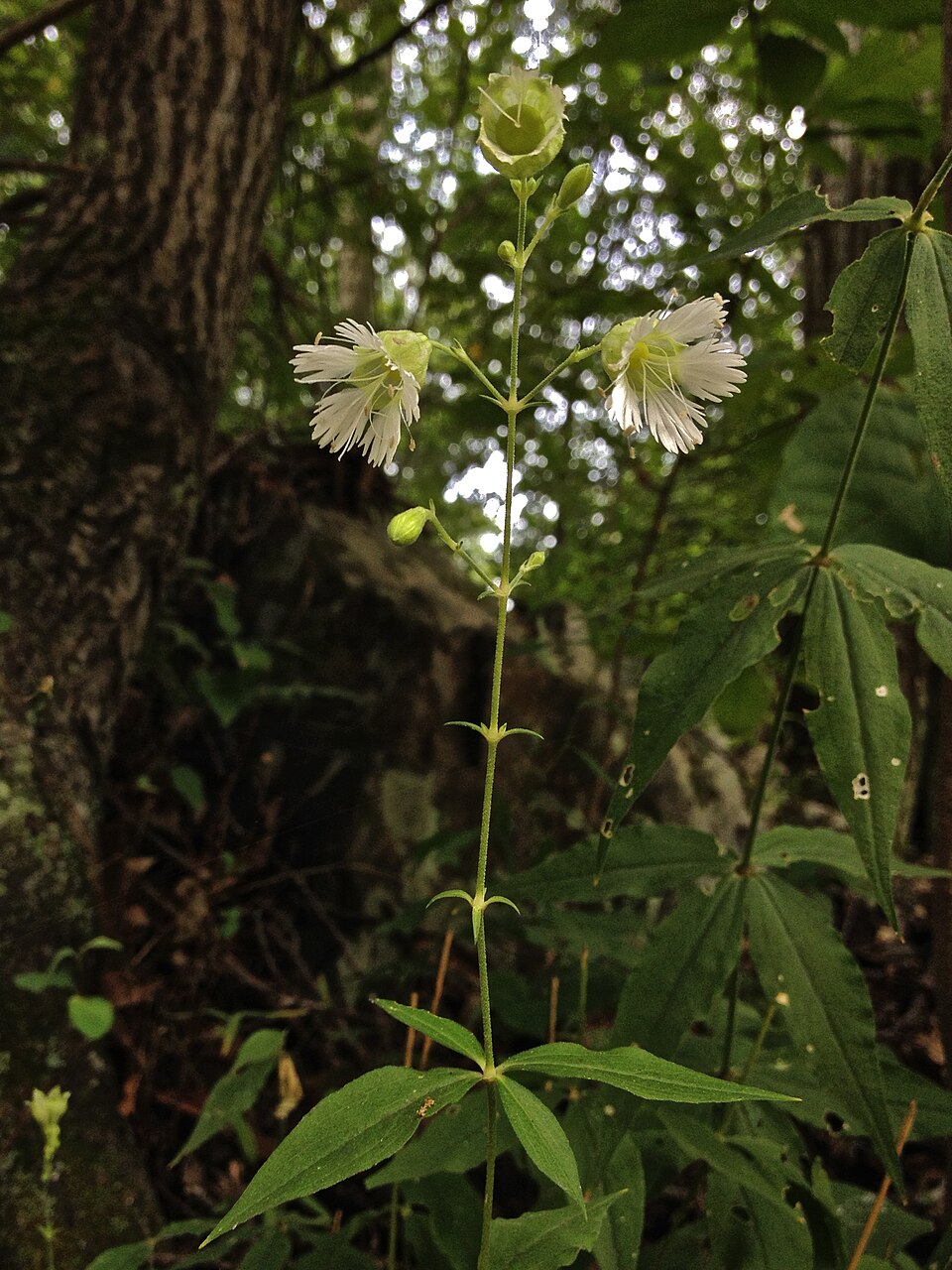
Photo: Wikimedia Commons Silene stellata, commonly known as Starry Campion or Widowsfrill, is a tall, elegant wildflower of eastern woodlands and forest edges that earns
View More