
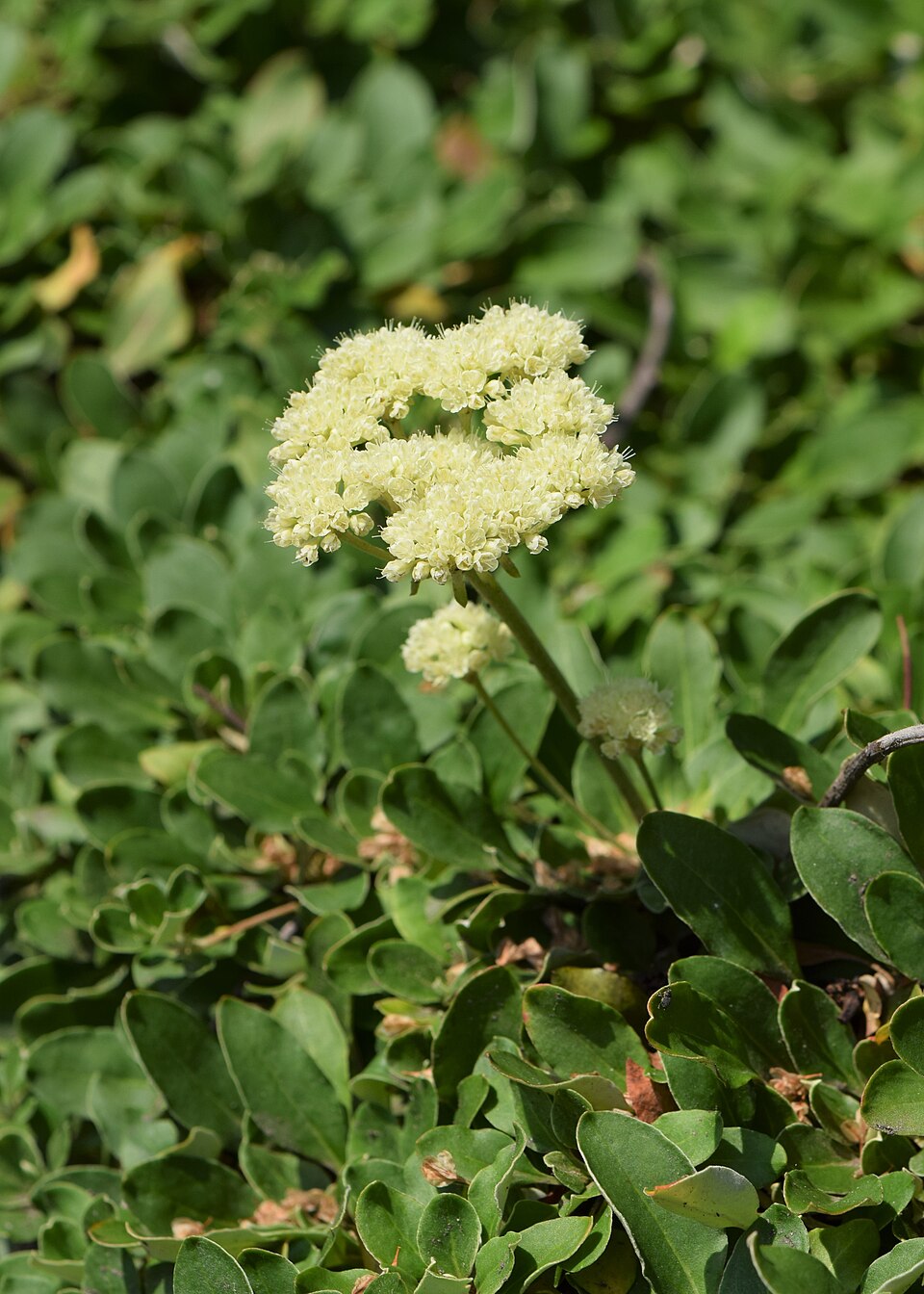
Sulfur Buckwheat in full bloom, displaying its characteristic bright yellow (sulfur) flower clusters on upright stems above a mat of gray-green foliage. Photo: Wikimedia Commons
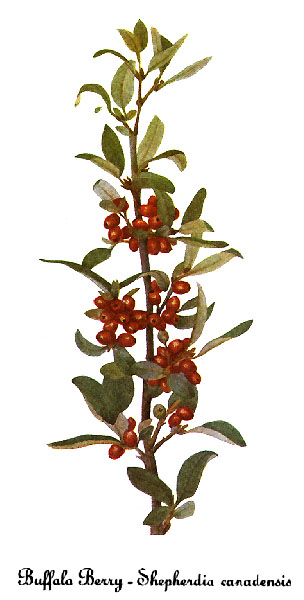
Russet Buffaloberry botanical illustration showing distinctive leaves with rusty dots and clusters of berries. Photo: Wikimedia Commons (Public Domain) Shepherdia canadensis, commonly known as Russet
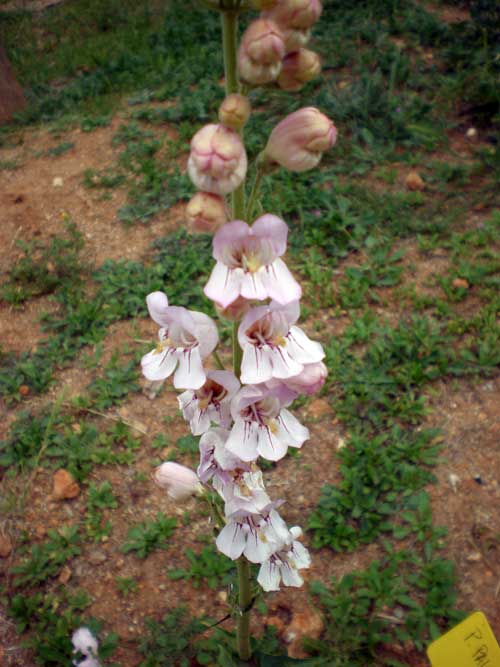
Palmer Penstemon with its showy, fragrant pink and white flowers — a favorite of hummingbirds and native bees. Photo: Wikimedia Commons (CC BY-SA 4.0) Penstemon
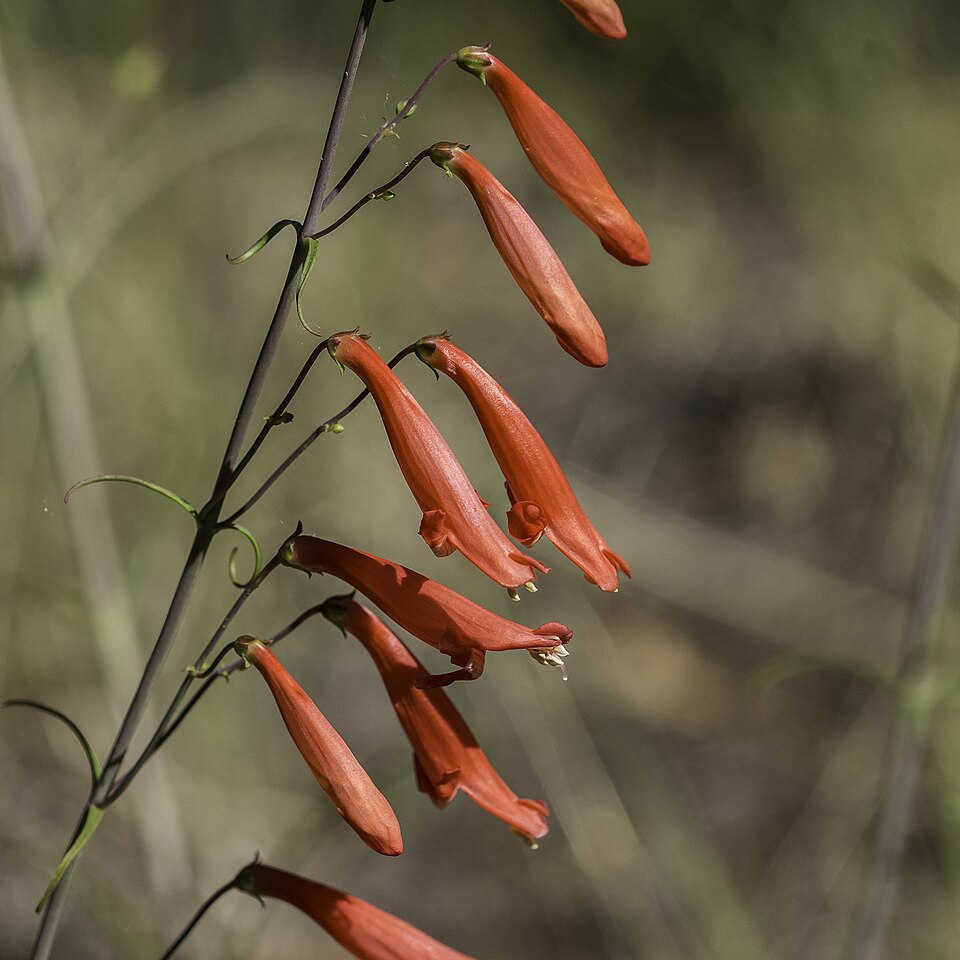
Scarlet Bugler displaying its distinctive bright scarlet-red tubular flowers, among the most vivid of all native Rocky Mountain wildflowers. Photo: Wikimedia Commons (CC0) Penstemon barbatus,
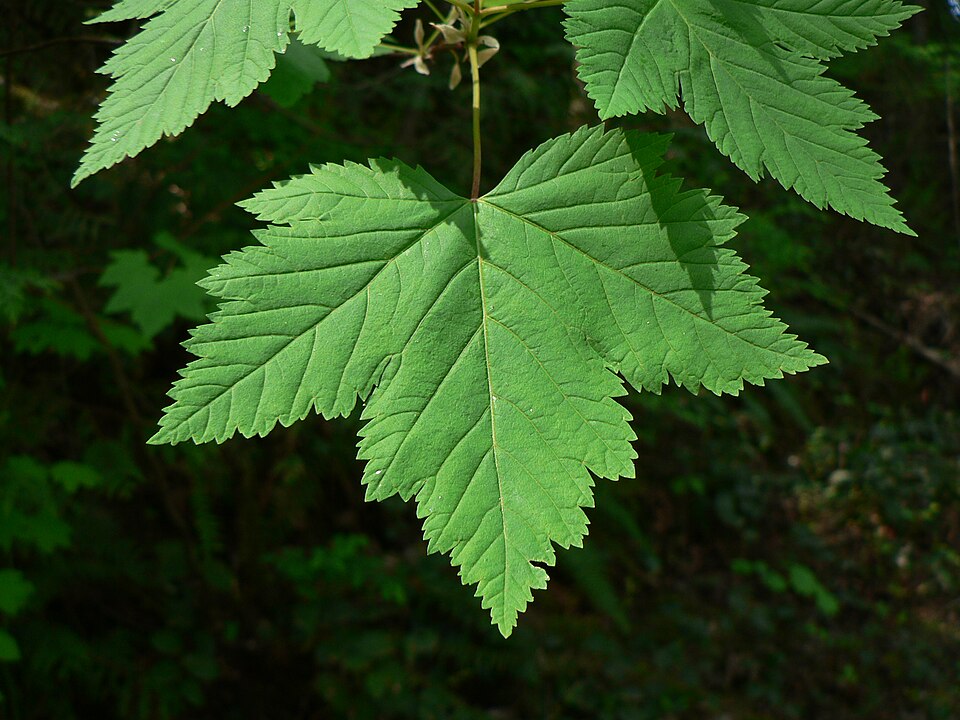
Rocky Mountain Maple foliage, showing the distinctive three-to-five-lobed leaves of this adaptable native maple. Photo: Wikimedia Commons (CC BY 2.5) Acer glabrum, commonly known as
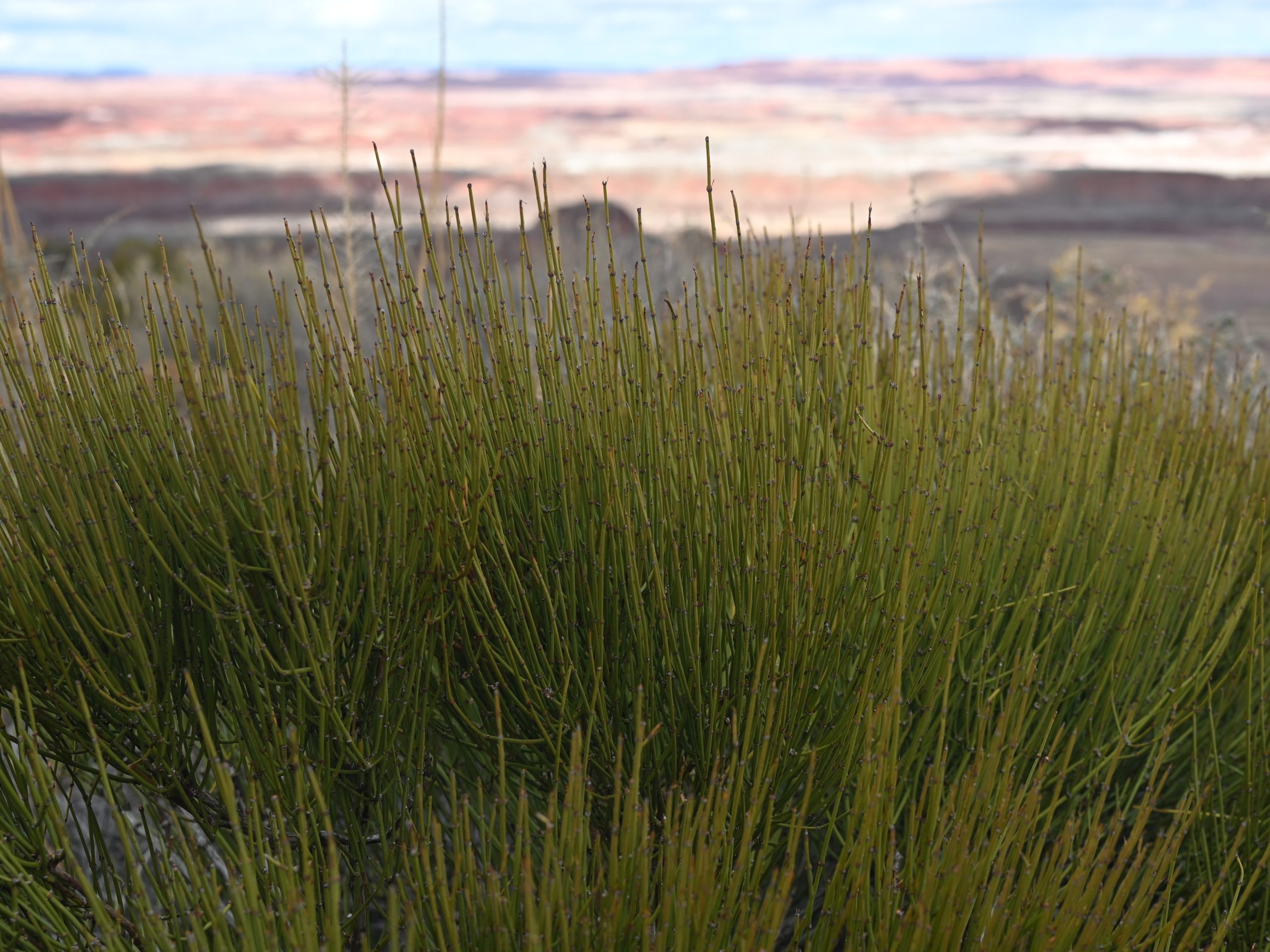
Mormon Tea’s distinctive bright green jointed stems — a remarkable desert plant that photosynthesizes through its stems rather than leaves. Photo: Wikimedia Commons (CC BY-SA
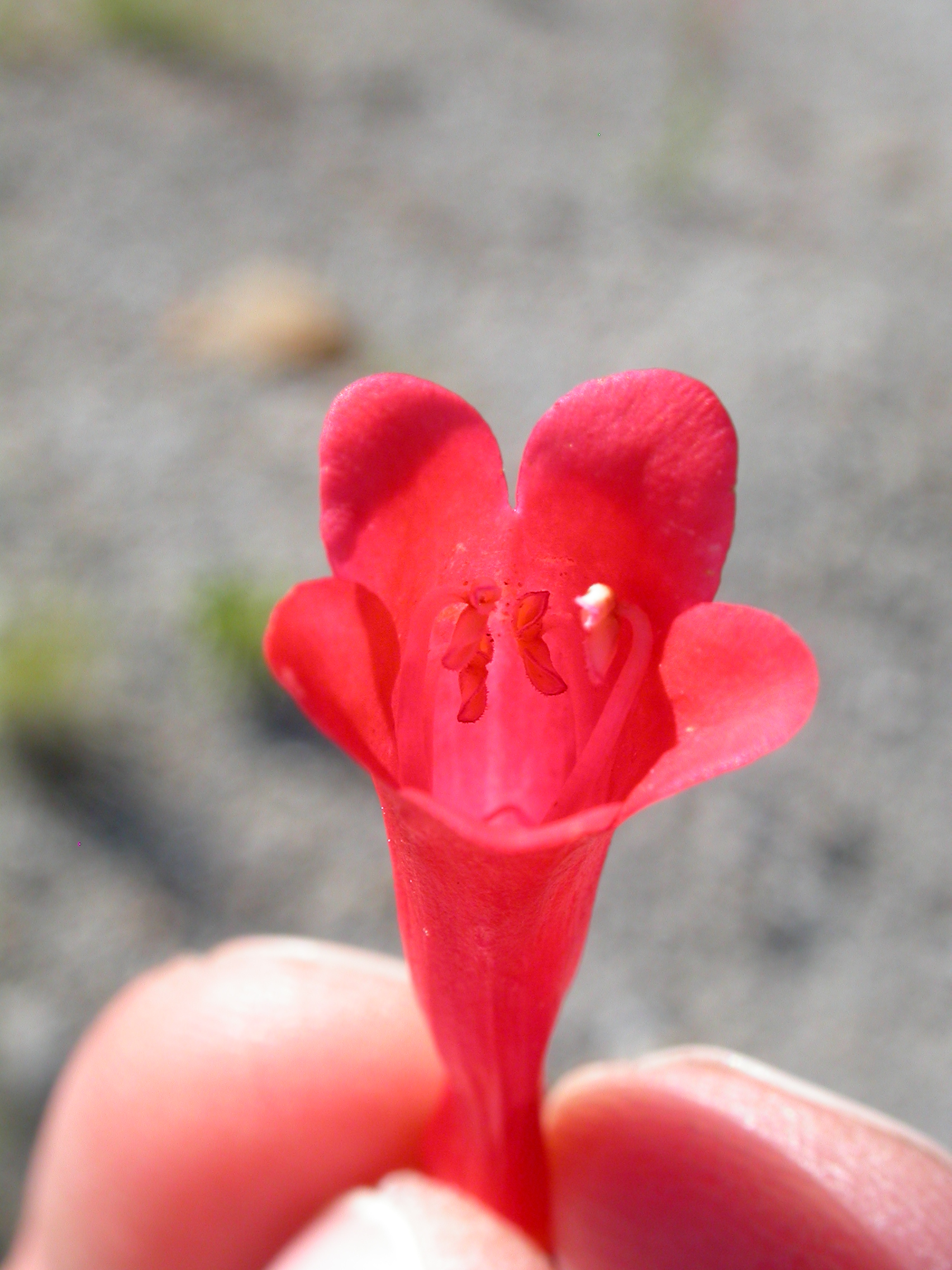
Firecracker Penstemon with its signature scarlet-red tubular flowers, perfectly designed to attract hummingbirds. Photo: Wikimedia Commons (CC BY-SA 2.0) Penstemon eatonii, commonly known as Firecracker
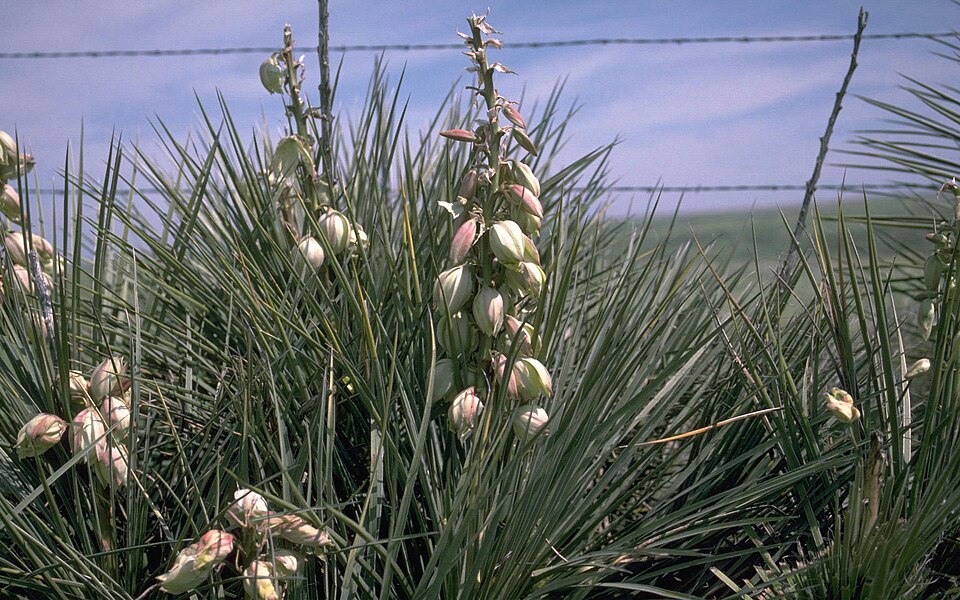
Narrowleaf Yucca growing in its native Great Plains grassland habitat, with a tall spike of creamy white flowers in July. Photo: Wikimedia Commons (CC BY
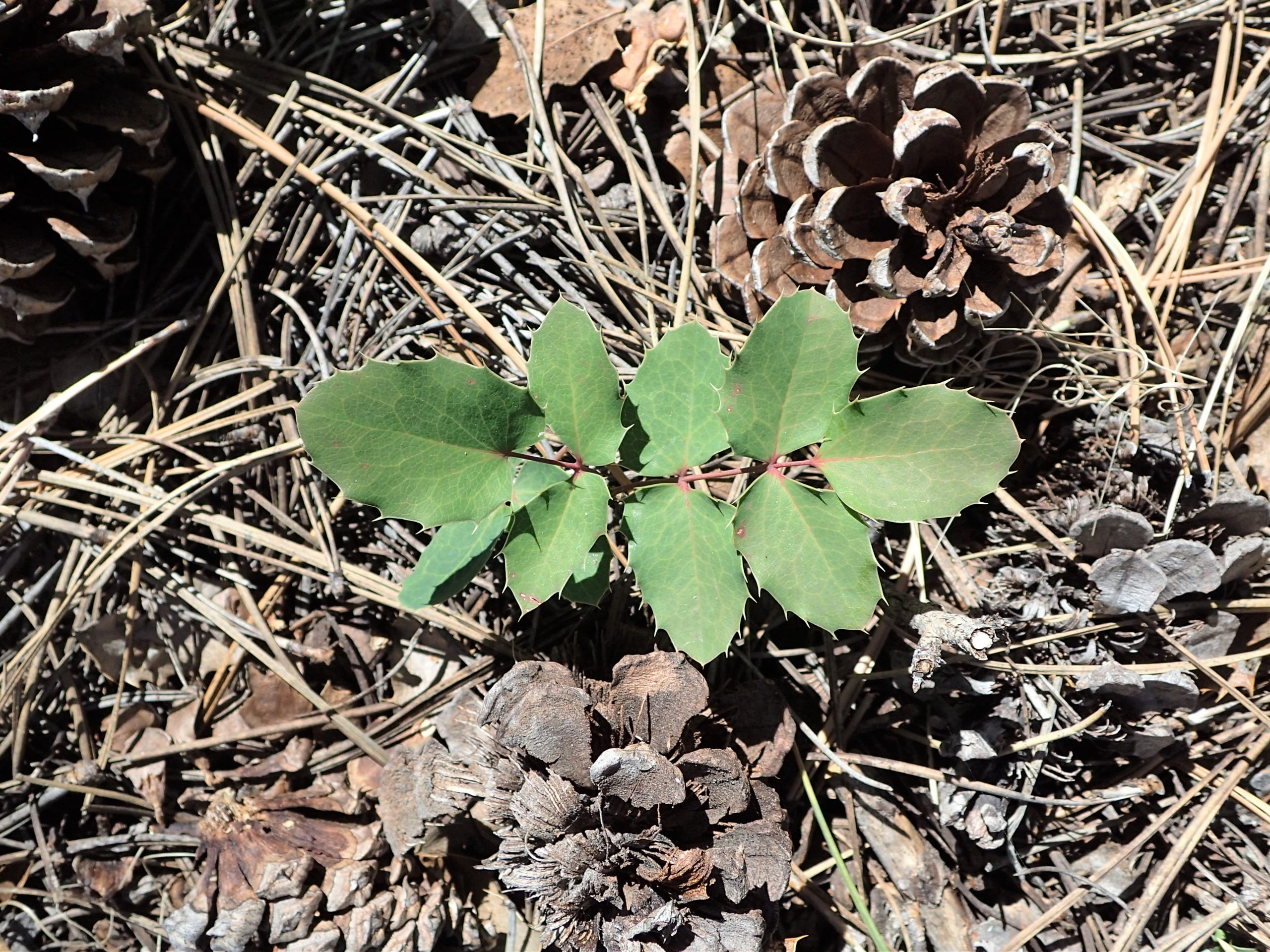
Creeping Oregon Grape with its distinctive holly-like leaves and bright yellow spring flowers. Photo: Wikimedia Commons (CC BY-SA 4.0) Mahonia repens (syn. Berberis repens), commonly
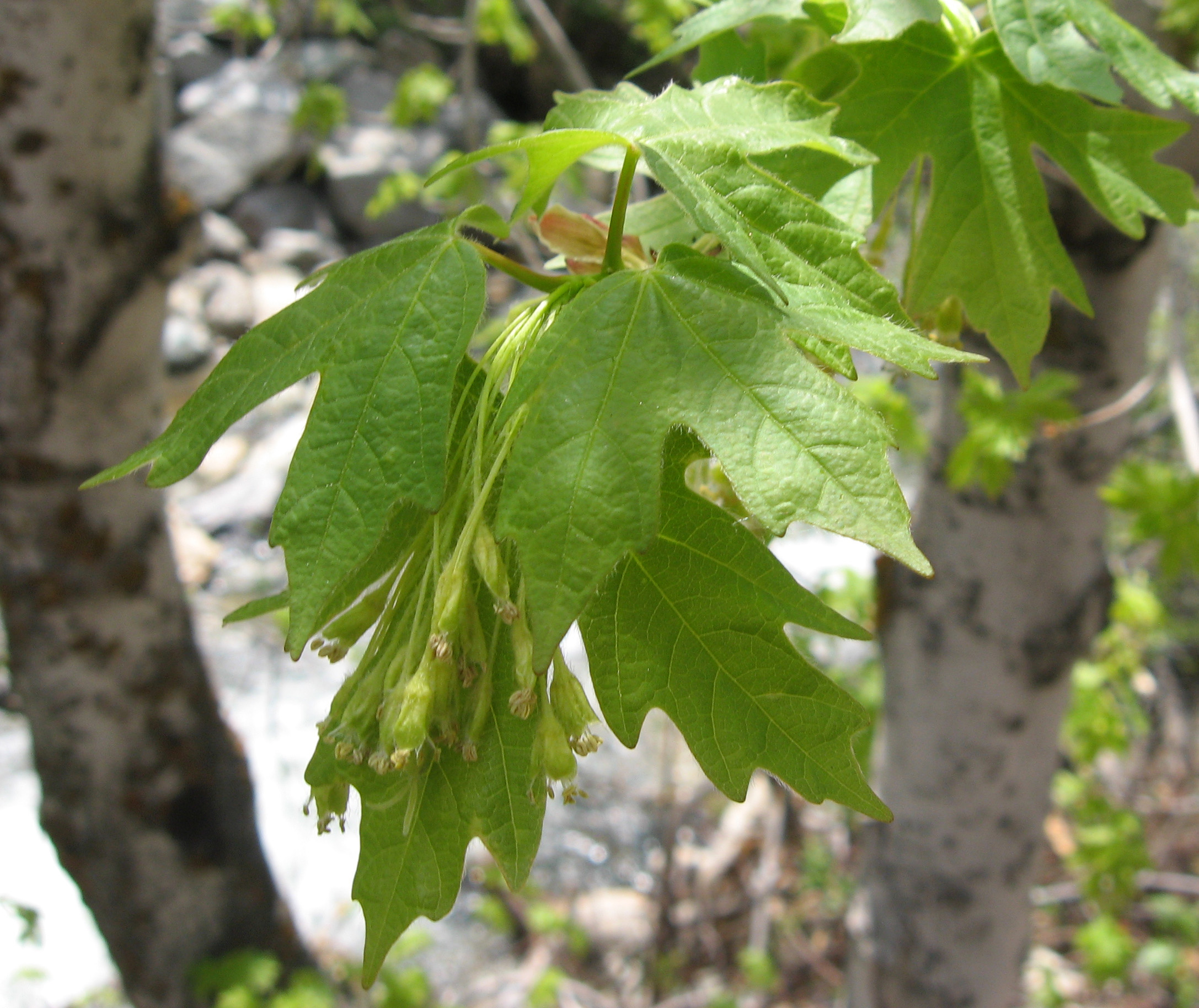
Big Tooth Maple displaying its spectacular crimson and orange autumn foliage in its natural canyon habitat. Photo: Wikimedia Commons (Public Domain) Acer grandidentatum, commonly known
View More