
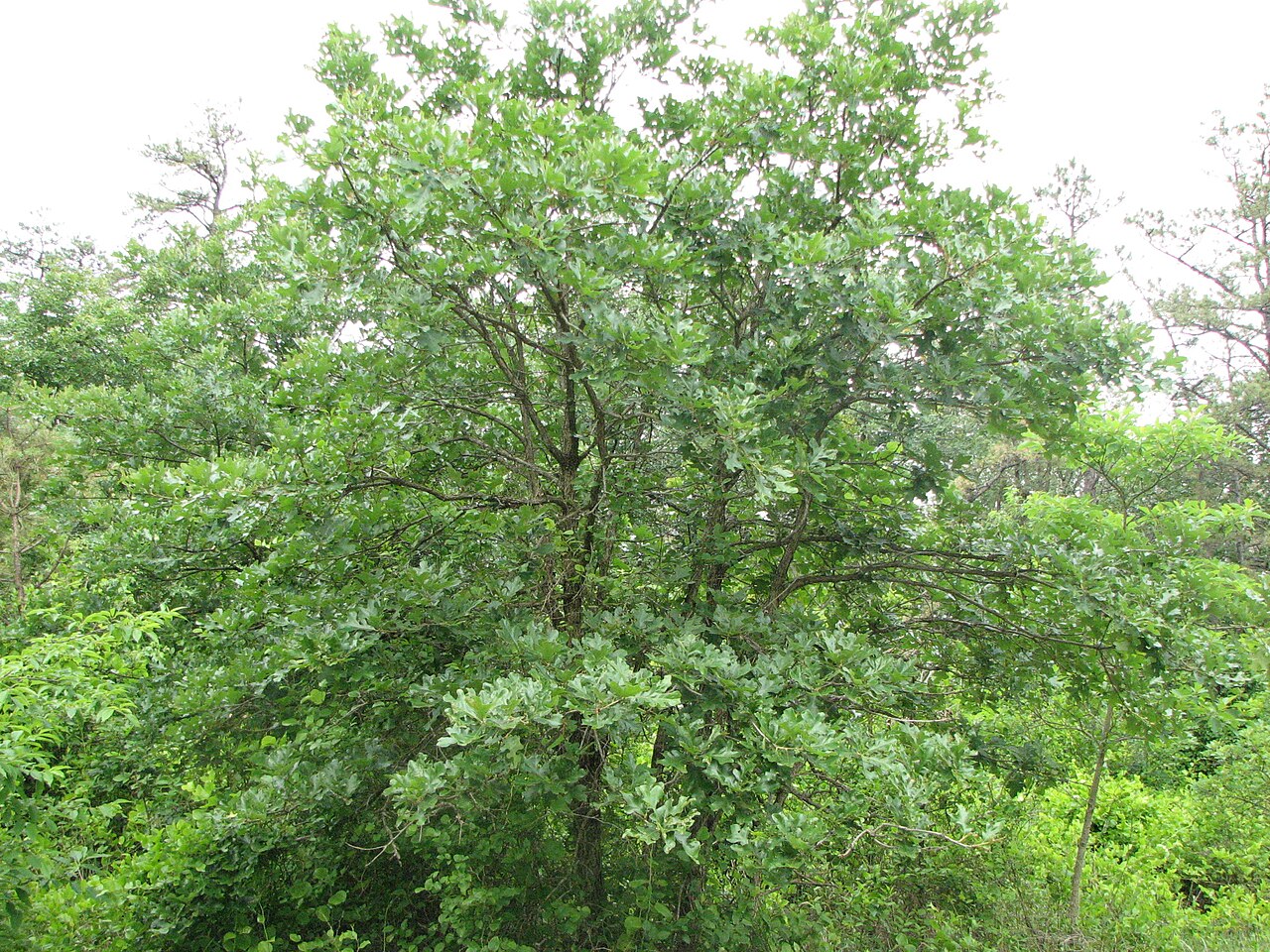
Mature Post Oak tree in its natural habitat, showing the distinctive branching pattern and drought tolerance. Photo: Wikimedia Commons (CC BY-SA 3.0) Quercus stellata, commonly
Smooth, fluted trunk and branches of American hornbeam (Carpinus caroliniana). Photo: Richard Webb, Bugwood.org, USA / Wikimedia Commons — CC BY 3.0 us. Resized for
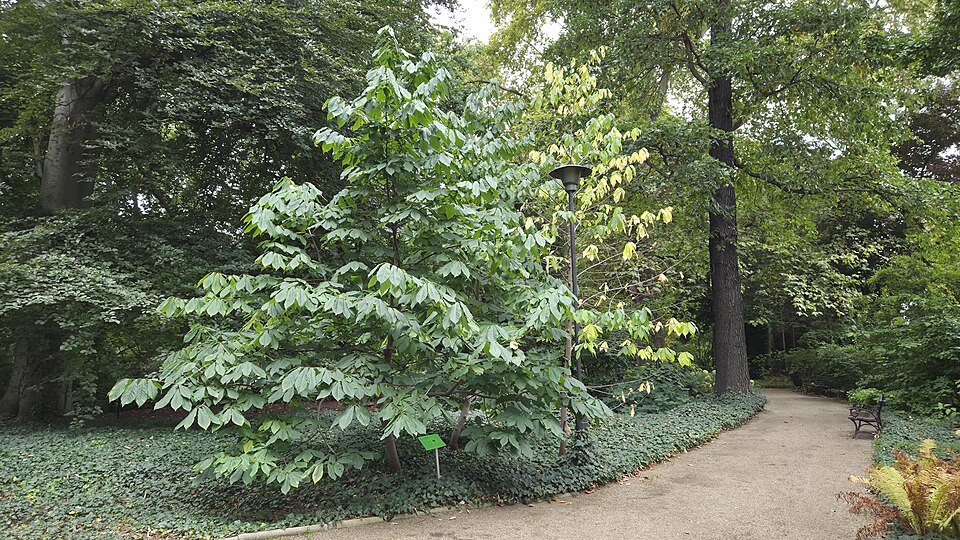
Paw Paw tree with its distinctive large, tropical-looking leaves. Photo: Wikimedia Commons (CC BY 4.0) Asimina triloba, commonly known as the Paw Paw, American Pawpaw,
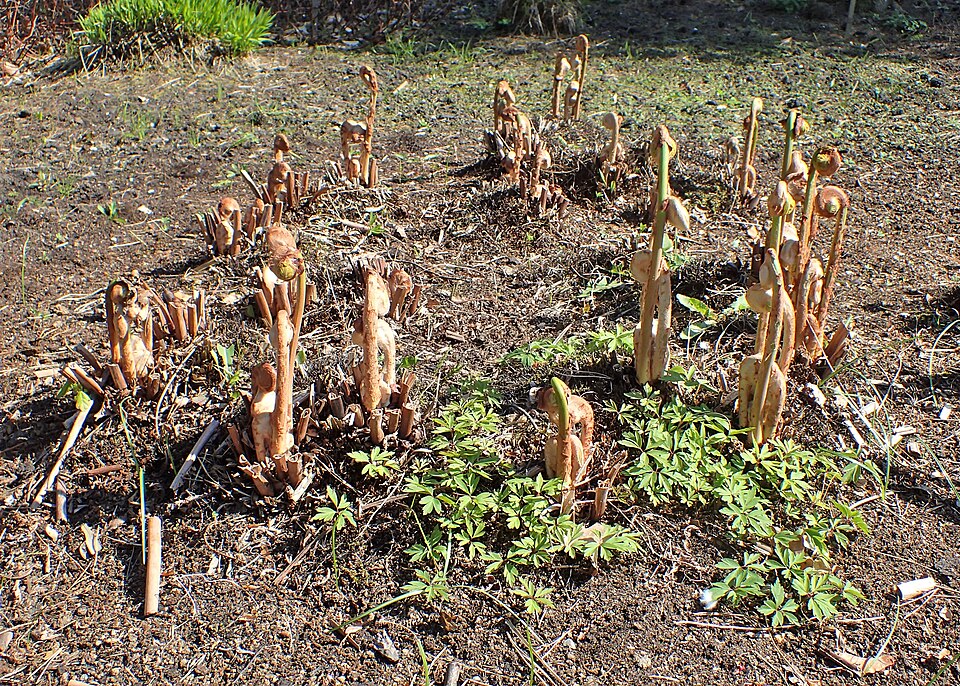
Royal Fern showing its distinctive large, bi-pinnate fronds that resemble locust tree leaves. Photo: Wikimedia Commons (CC BY-SA 4.0) Osmunda regalis, commonly known as Royal
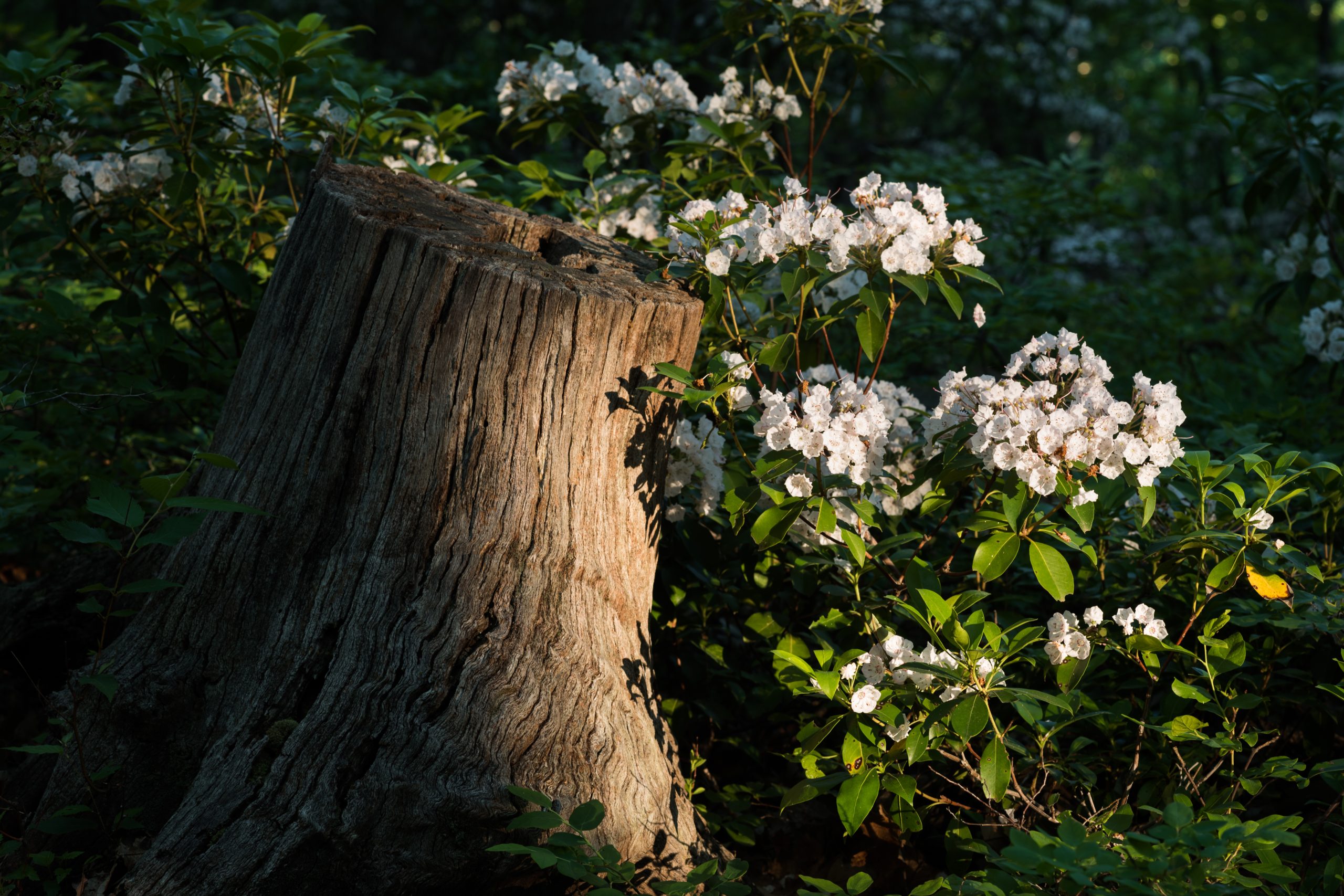
Mountain Laurel blooming in its natural forest understory habitat with dappled sunlight. Photo: Wikimedia Commons (CC BY-SA 4.0) Kalmia latifolia, commonly known as Mountain Laurel,
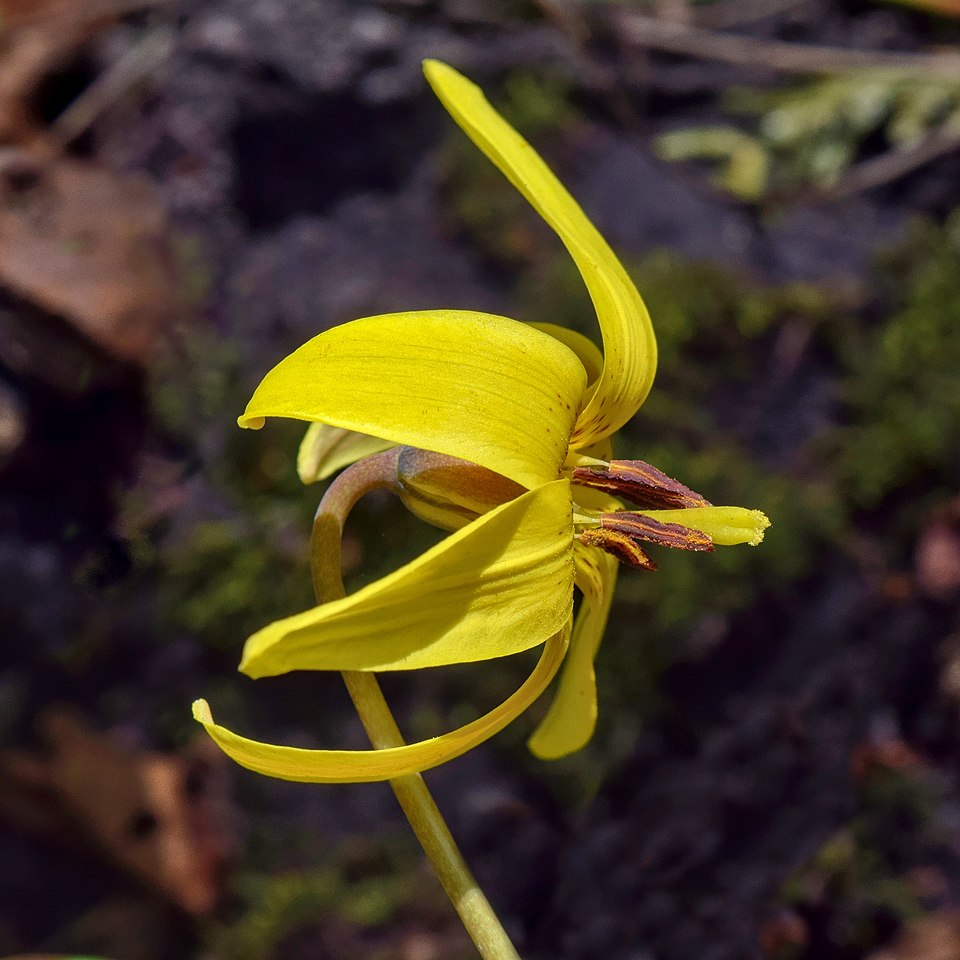
Trout Lily’s distinctive bright yellow flower with strongly reflexed petals. Photo: Wikimedia Commons (CC BY-SA 2.5 Canada) Erythronium americanum, commonly known as Trout Lily, Dogtooth
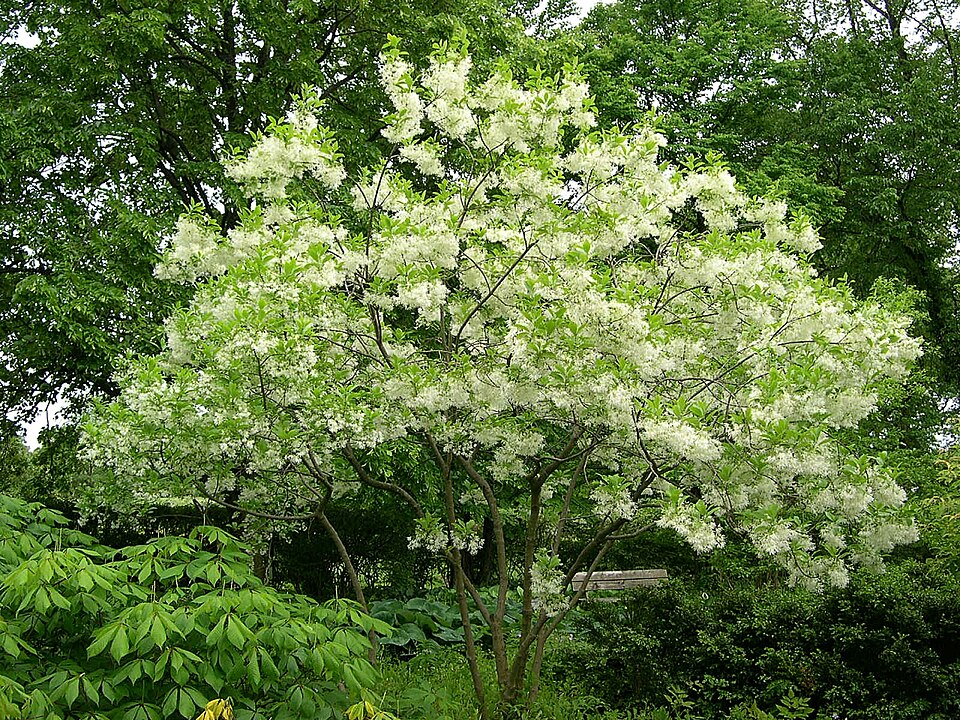
Fringetree in magnificent spring bloom, displaying the cloud-like masses of fringe-like white flowers that give this native tree its common name. Photo: Wikimedia Commons (CC
Golden Aster (Pityopsis graminifolia). Photo: Wikimedia Commons (CC BY-SA 3.0) Pityopsis graminifolia, commonly known as Golden Aster, Narrowleaf Silkgrass, or Grassleaf Golden Aster, is a
Aquilegia canadensis, commonly known as Columbine, Wild Columbine, or Eastern Red Columbine, is one of North America’s most beloved native wildflowers, renowned for its distinctive
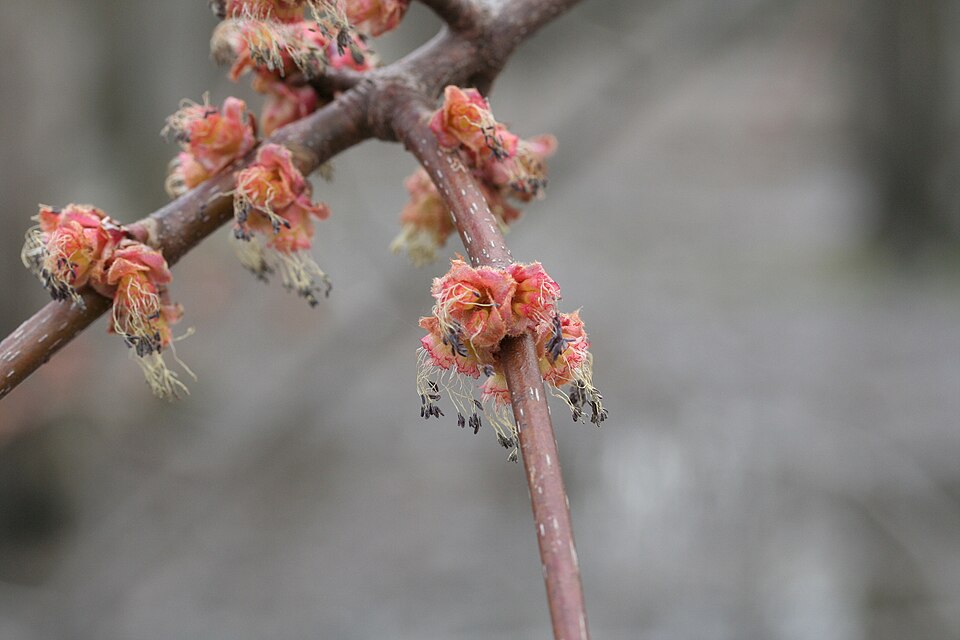
Red Maple showing its distinctive three-to-five lobed leaves and graceful form. Photo: Wikimedia Commons (CC BY-SA 3.0) Acer rubrum, commonly known as Red Maple, Swamp
View More