
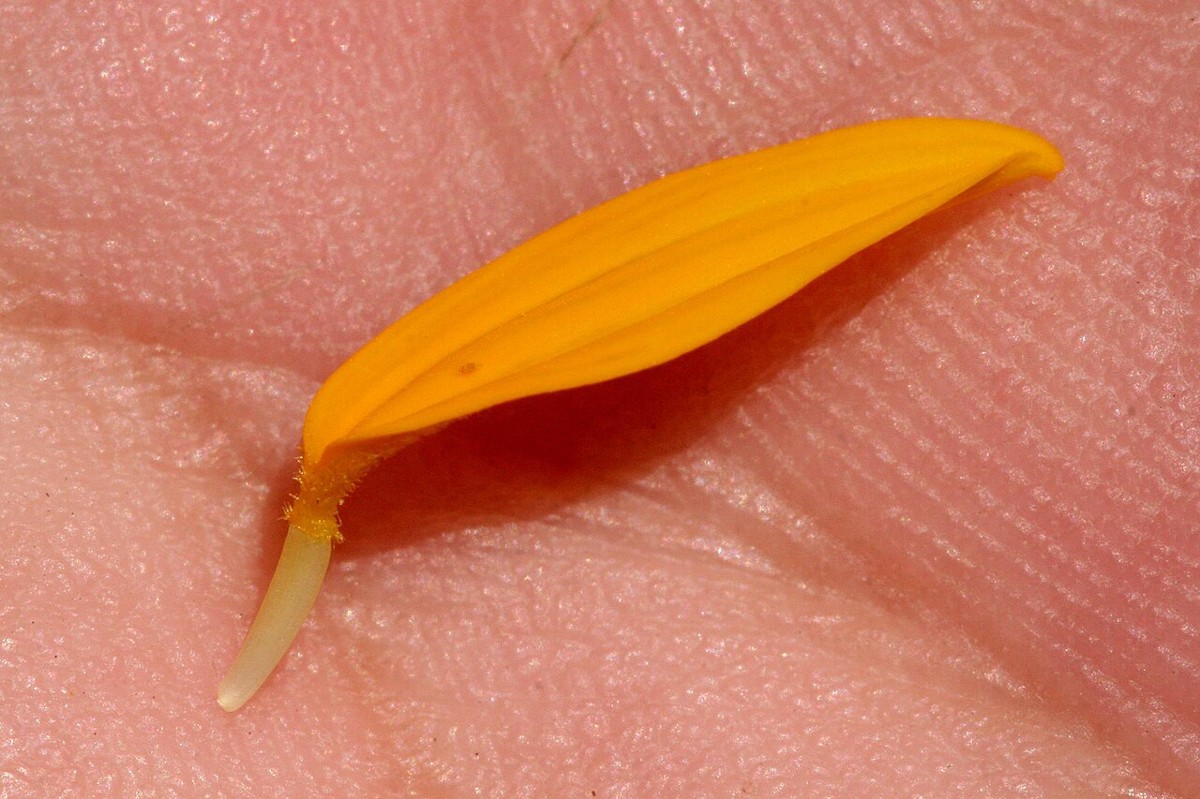
Skeletonleaf Goldeneye’s cheerful yellow daisy flowers rising above its finely dissected, “skeleton” foliage. Photo: homeredwardprice, Wikimedia Commons (CC BY 2.0) Viguiera stenoloba, known as Skeletonleaf
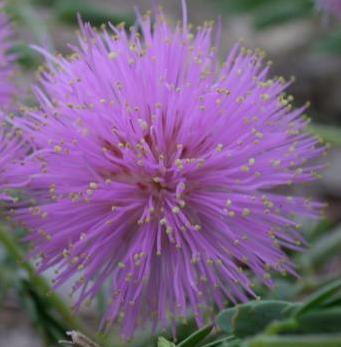
Fragrant Mimosa’s distinctive pink pom-pom flower cluster. Photo: Dave Whitinger, Wikimedia Commons (CC BY-SA 3.0) Mimosa borealis, commonly called Fragrant Mimosa or Pink Mimosa, is
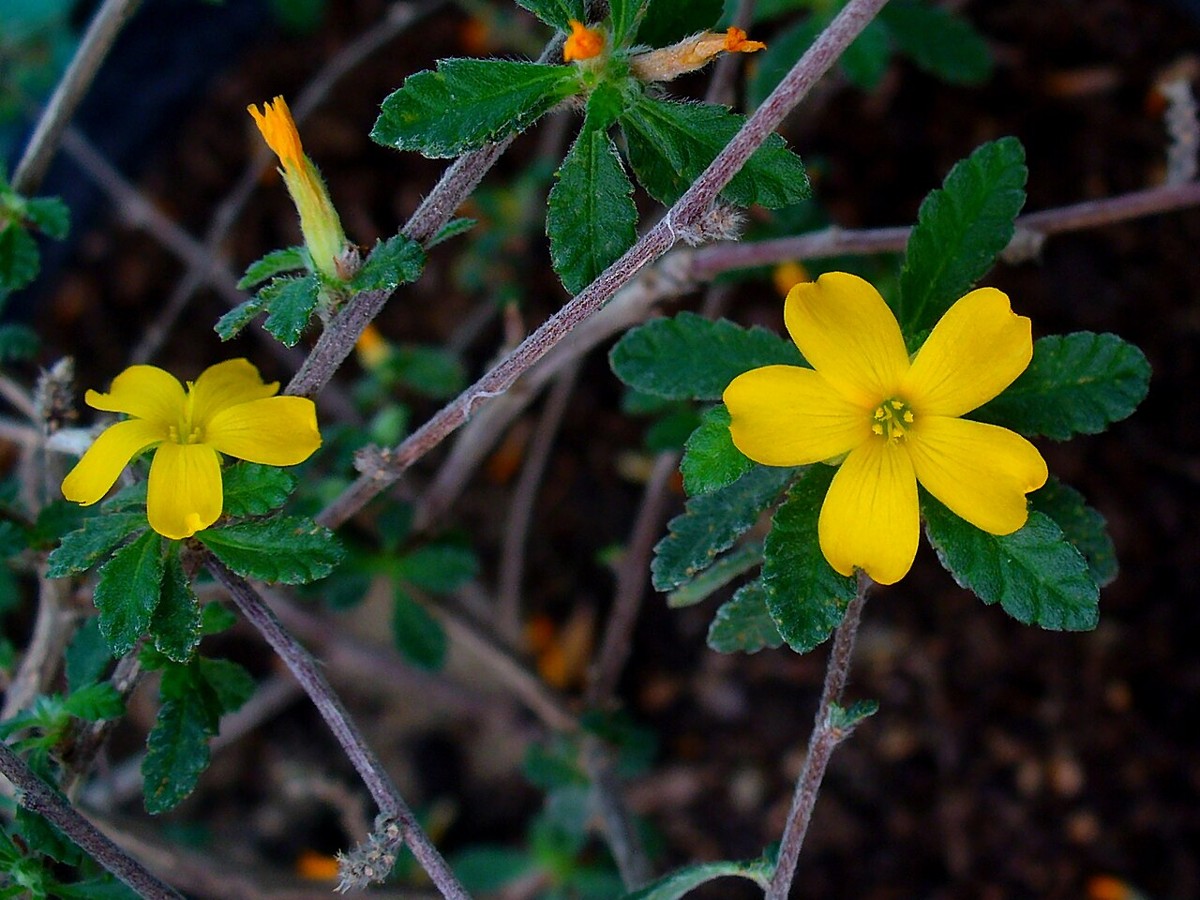
Damiana’s small, bright yellow, five-petaled flowers among aromatic, toothed foliage. Photo: H. Zell, Wikimedia Commons (CC BY-SA 3.0) Turnera diffusa, known as Damiana, is a
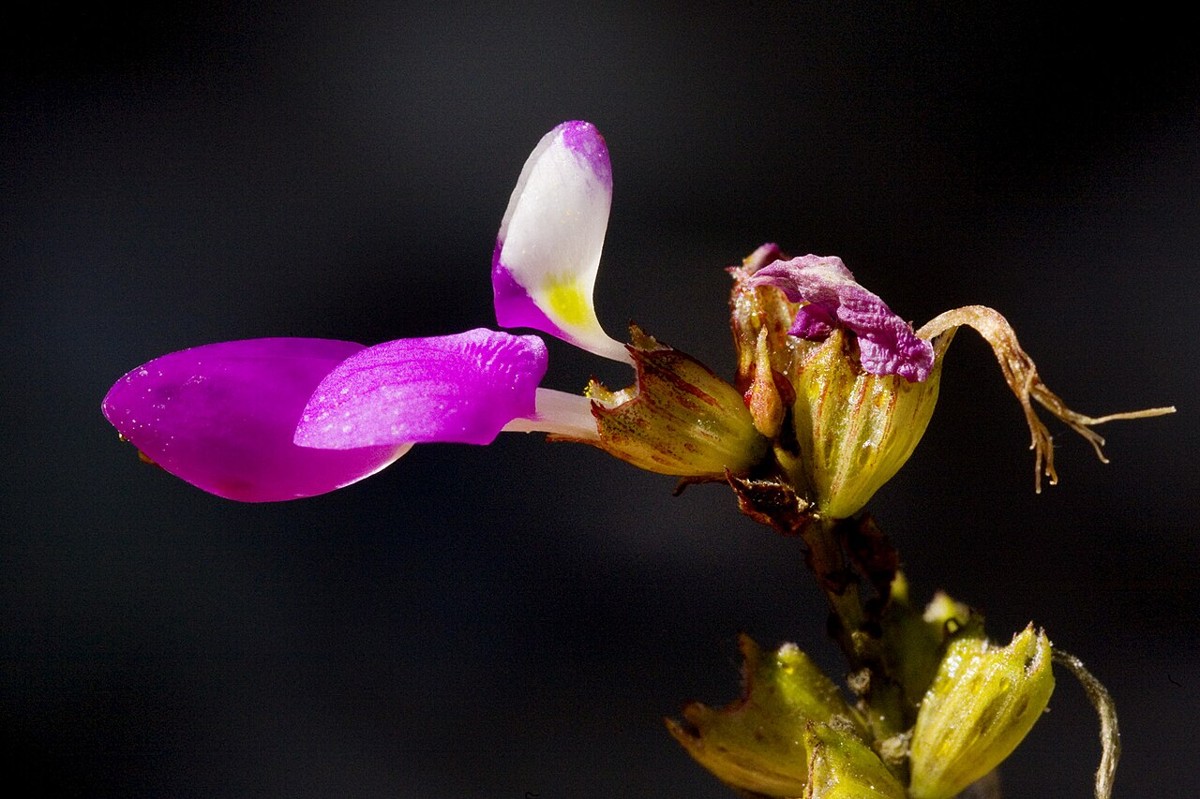
Black Dalea’s vivid magenta, pea-shaped flower, photographed along the McKittrick Canyon Trail, Guadalupe Mountains National Park, Texas. Photo: Patrick Alexander, Wikimedia Commons (CC0) Dalea frutescens,
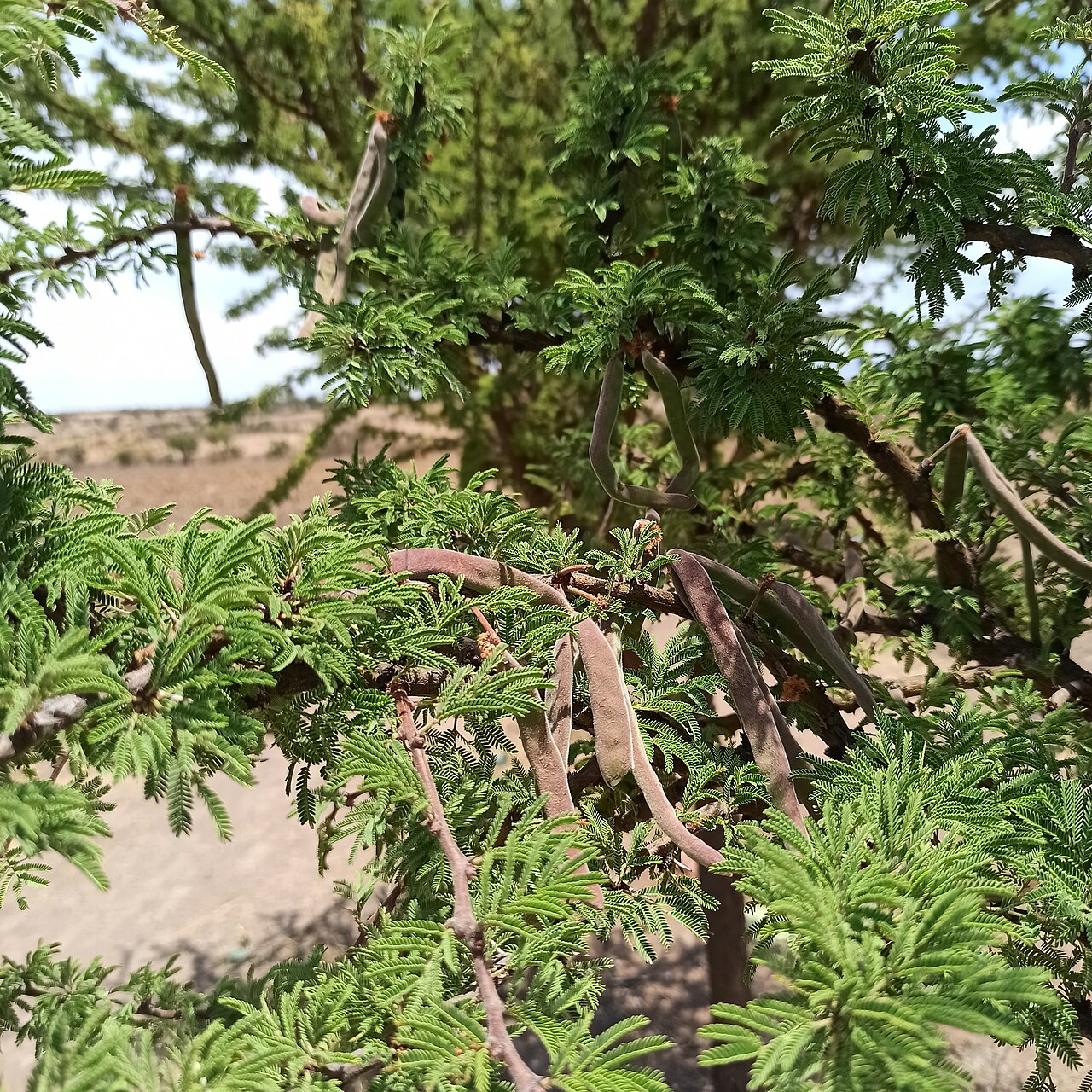
Twisted Acacia in full spring bloom, with the coiled, twisted old seed pods that give the tree its common name still clinging to the branches.
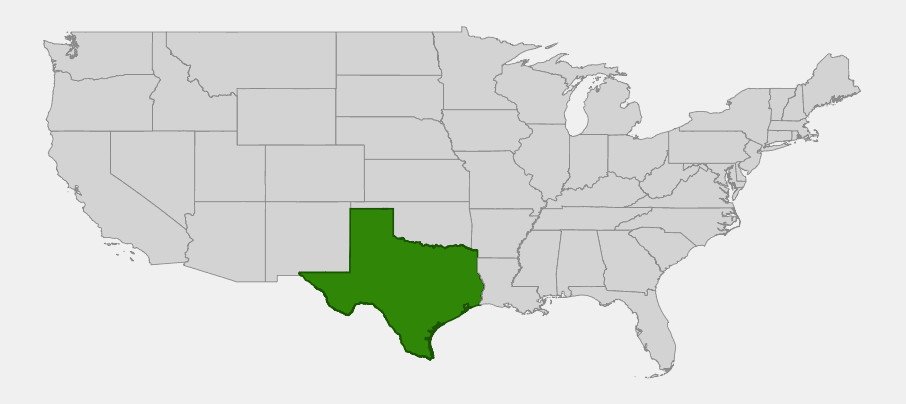
Havardia pallens (formerly classified as Pithecellobium pallens), commonly called Tenaza, Ape’s Earring, or huajillo, is an upright, fine-textured evergreen tree or large shrub of the
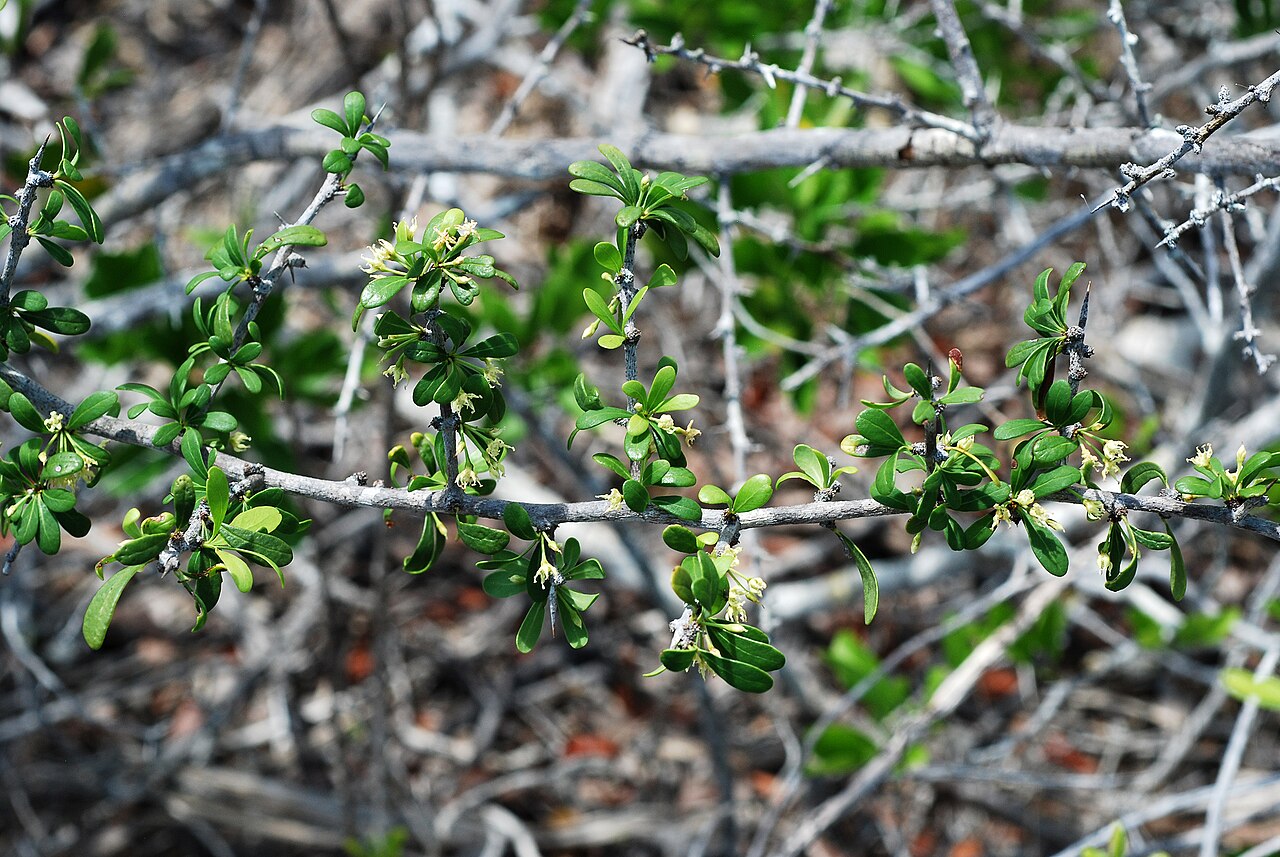
Saffron Plum’s dense, zig-zag thorny branching with small clustered leaves. Photo: Wikimedia Commons (CC BY-SA 4.0) Sideroxylon celastrinum (long known as Bumelia celastrina), commonly called
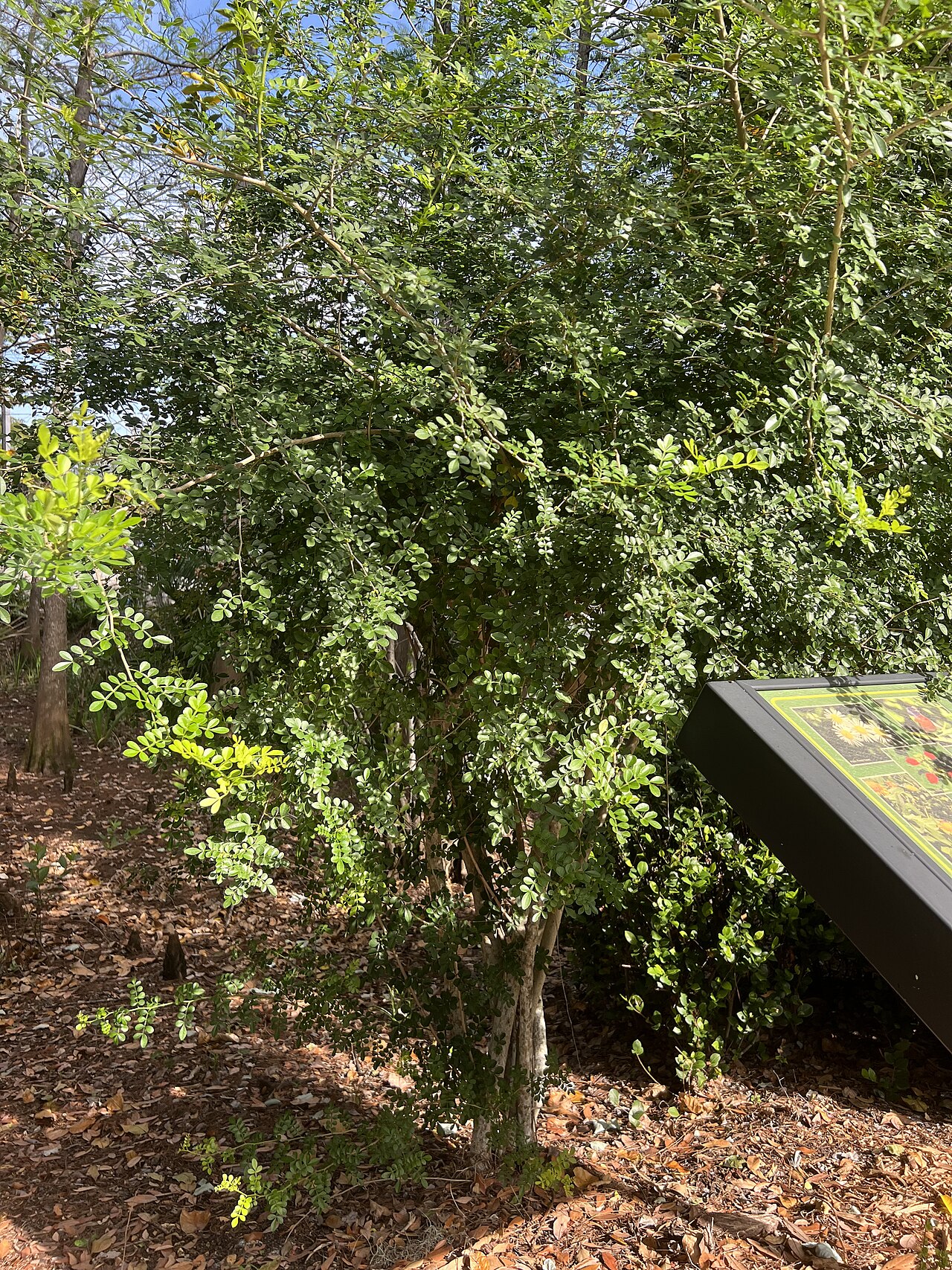
Lime Pricklyash growing as a dense, arching shrub. Photo: Katherine Wagner-Reiss, Wikimedia Commons (CC BY-SA 4.0) Zanthoxylum fagara, commonly called Lime Pricklyash or Wild Lime
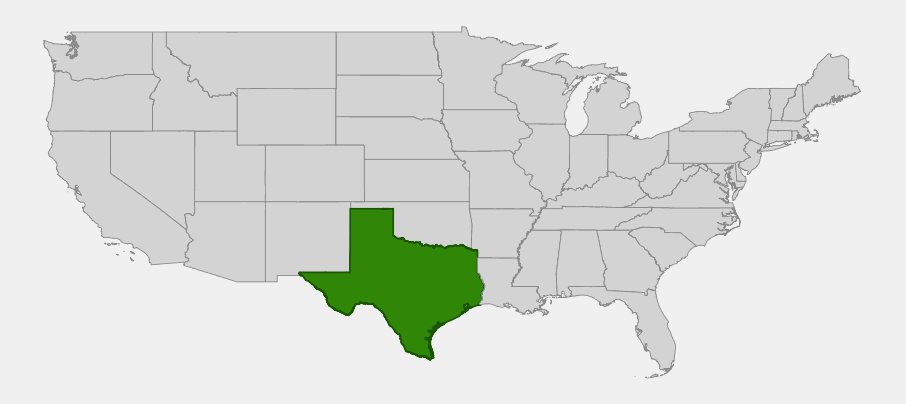
Leucaena pulverulenta, commonly called Great Leadtree, Mexican Leadtree, or tepeguaje, is the largest and fastest-growing native legume tree of the Rio Grande Valley. Where many
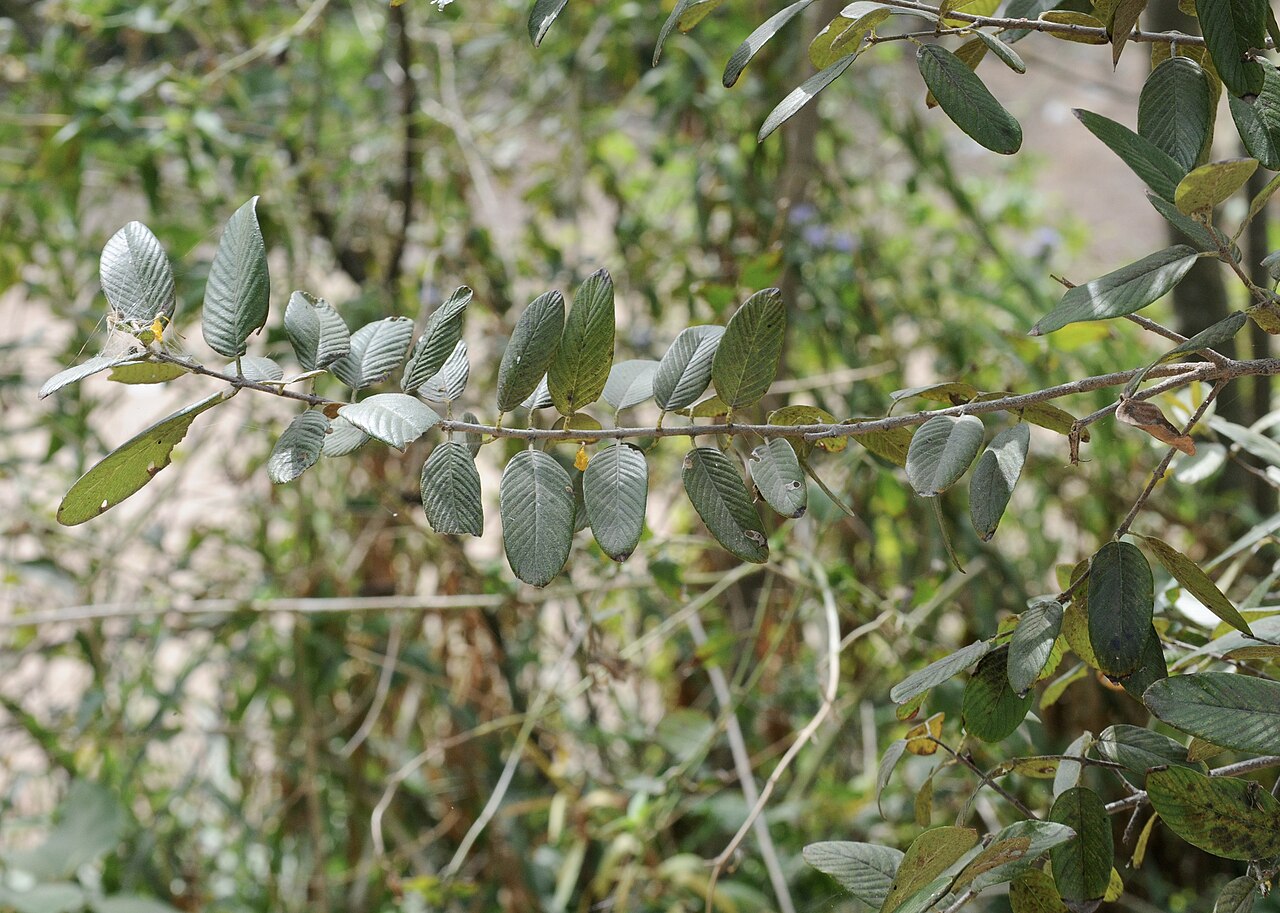
Coyotillo’s opposite leaves with closely spaced parallel veins, photographed at Edinburg Scenic Wetlands, Hidalgo County, Texas. Photo: sonnia hill, Wikimedia Commons (CC BY 2.0) Karwinskia
View More