
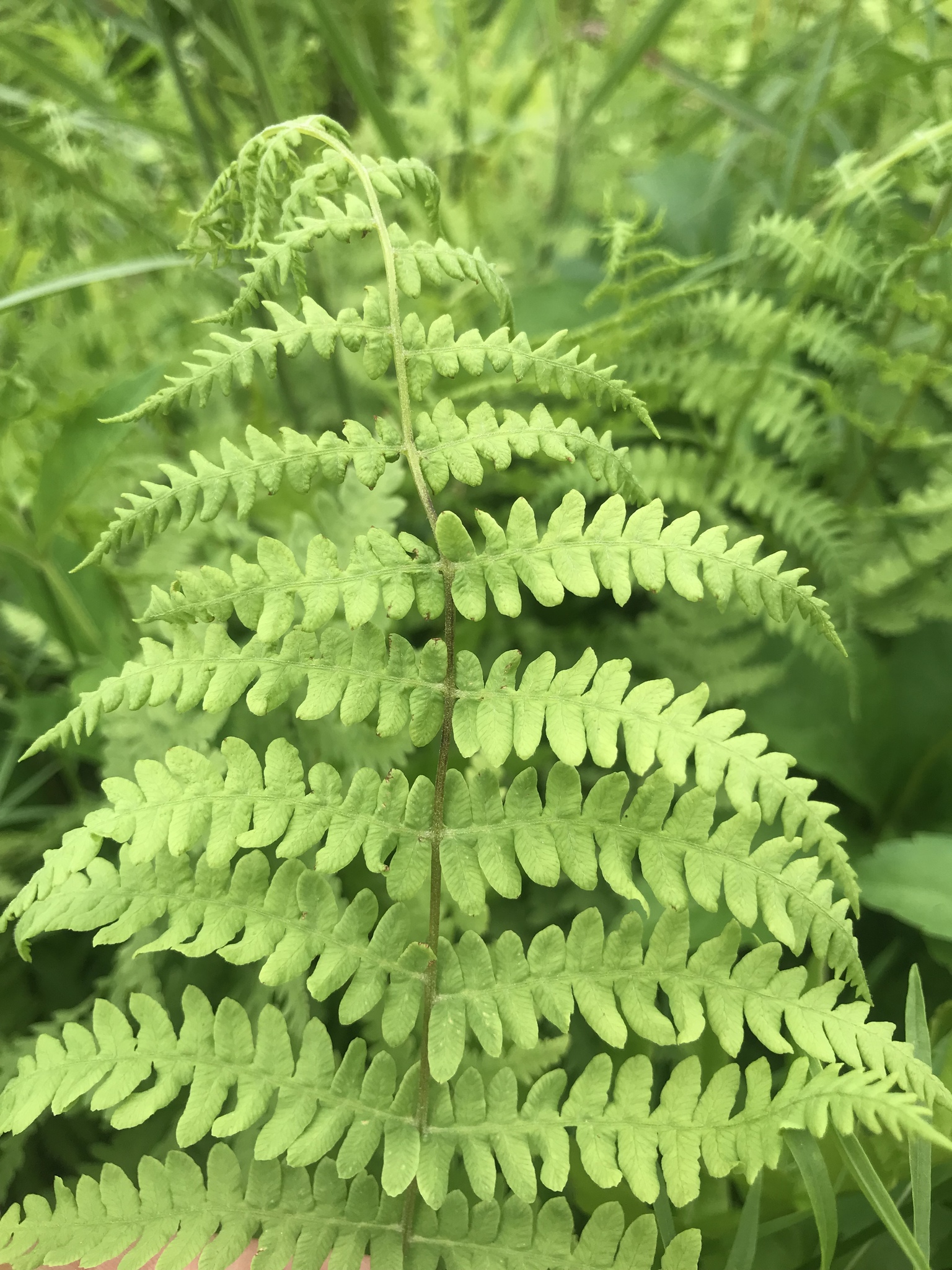
Marsh fern fronds in a wet-meadow colony, Double Trouble State Park, New Jersey. Photo: Michael Ellis / Wikimedia Commons (CC BY 4.0) Thelypteris palustris, commonly
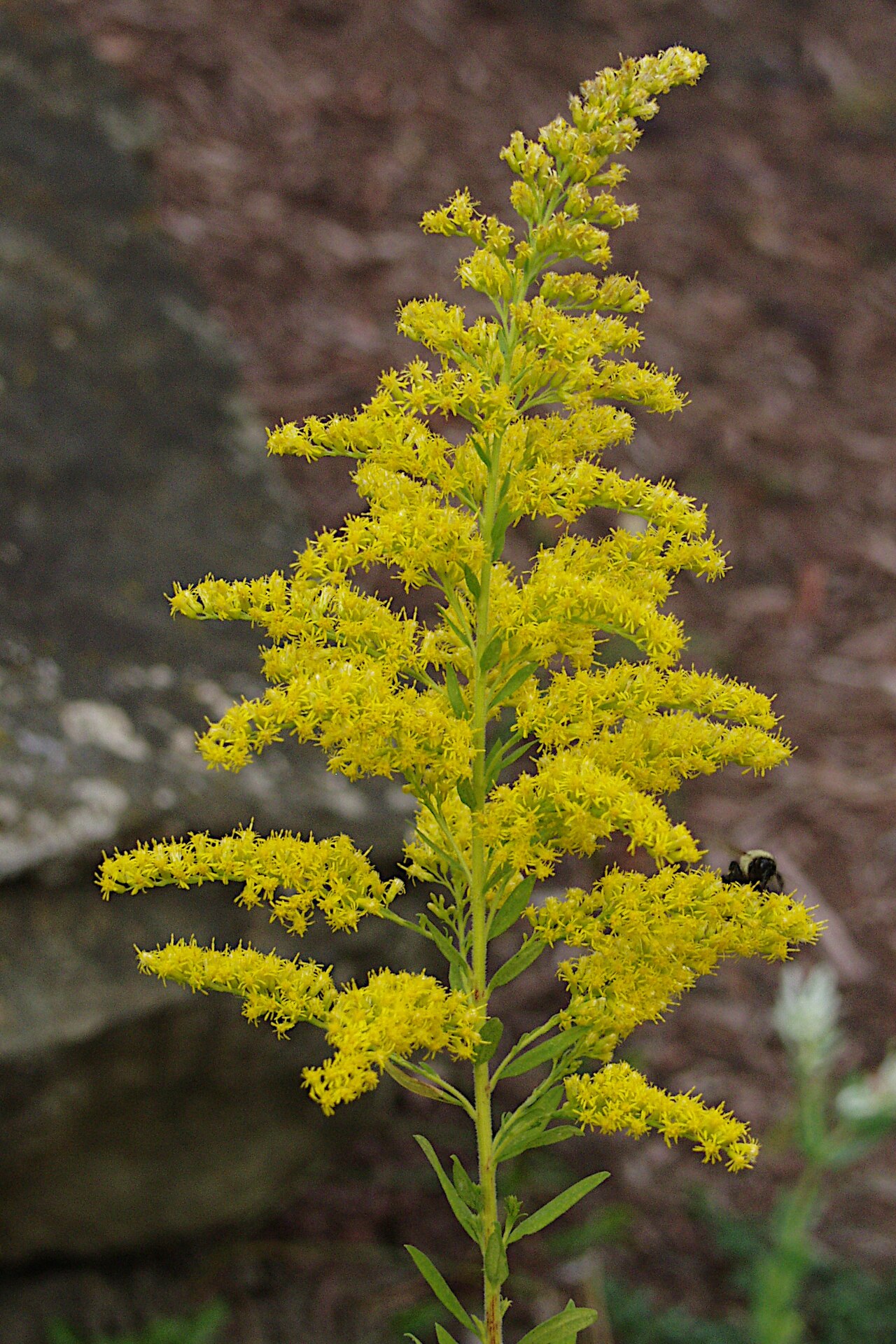
Tall goldenrod blooming in an old field in the Beechview neighborhood of Pittsburgh, Pennsylvania. Photo: Cbaile19 / Wikimedia Commons (CC0) Solidago altissima, commonly known as
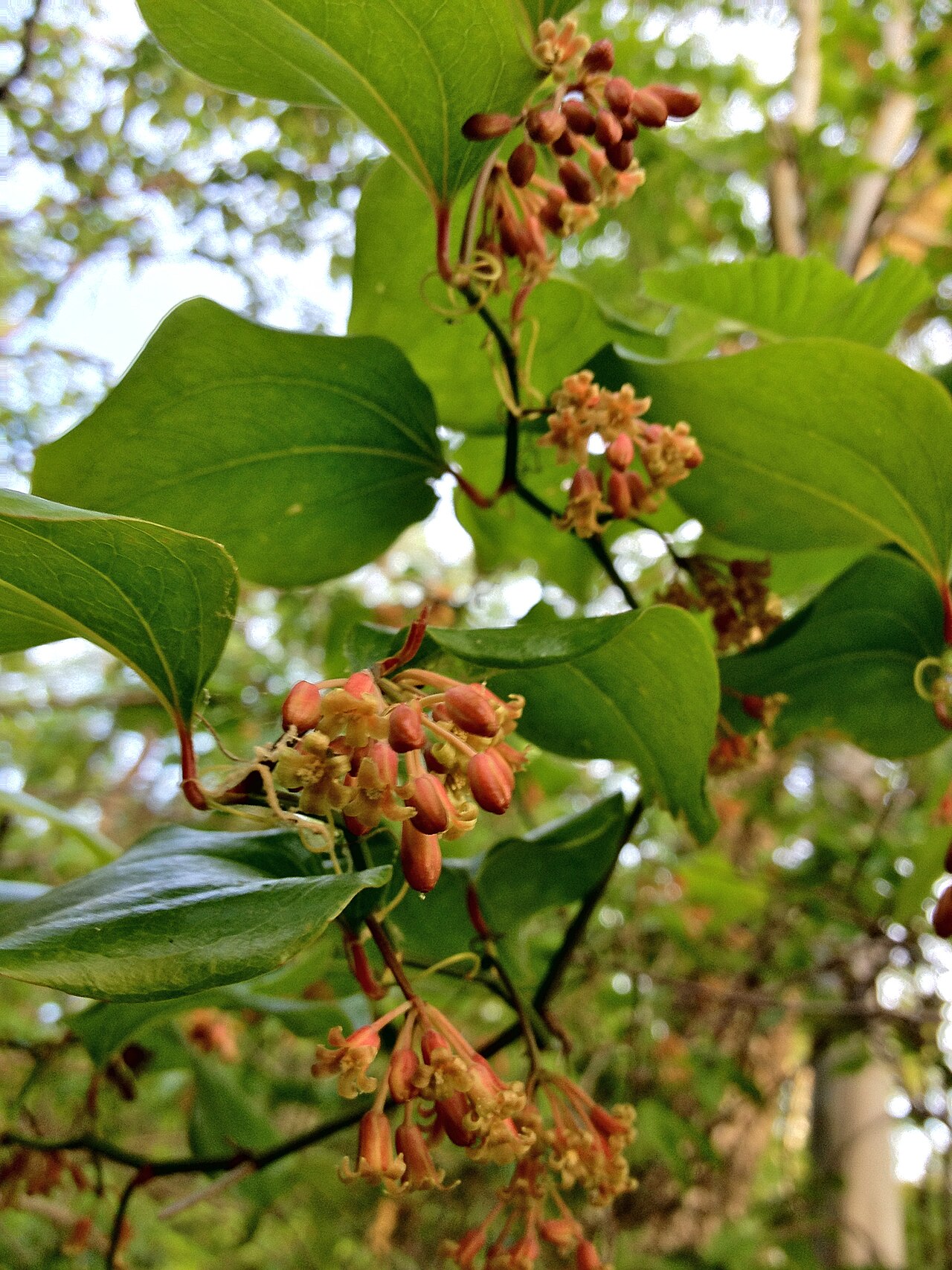
Roundleaf greenbrier in flower, growing wild along the C&O Canal, Montgomery County, Maryland. Photo: Fritzflohrreynolds / Wikimedia Commons (CC BY-SA 3.0) Smilax rotundifolia, commonly called
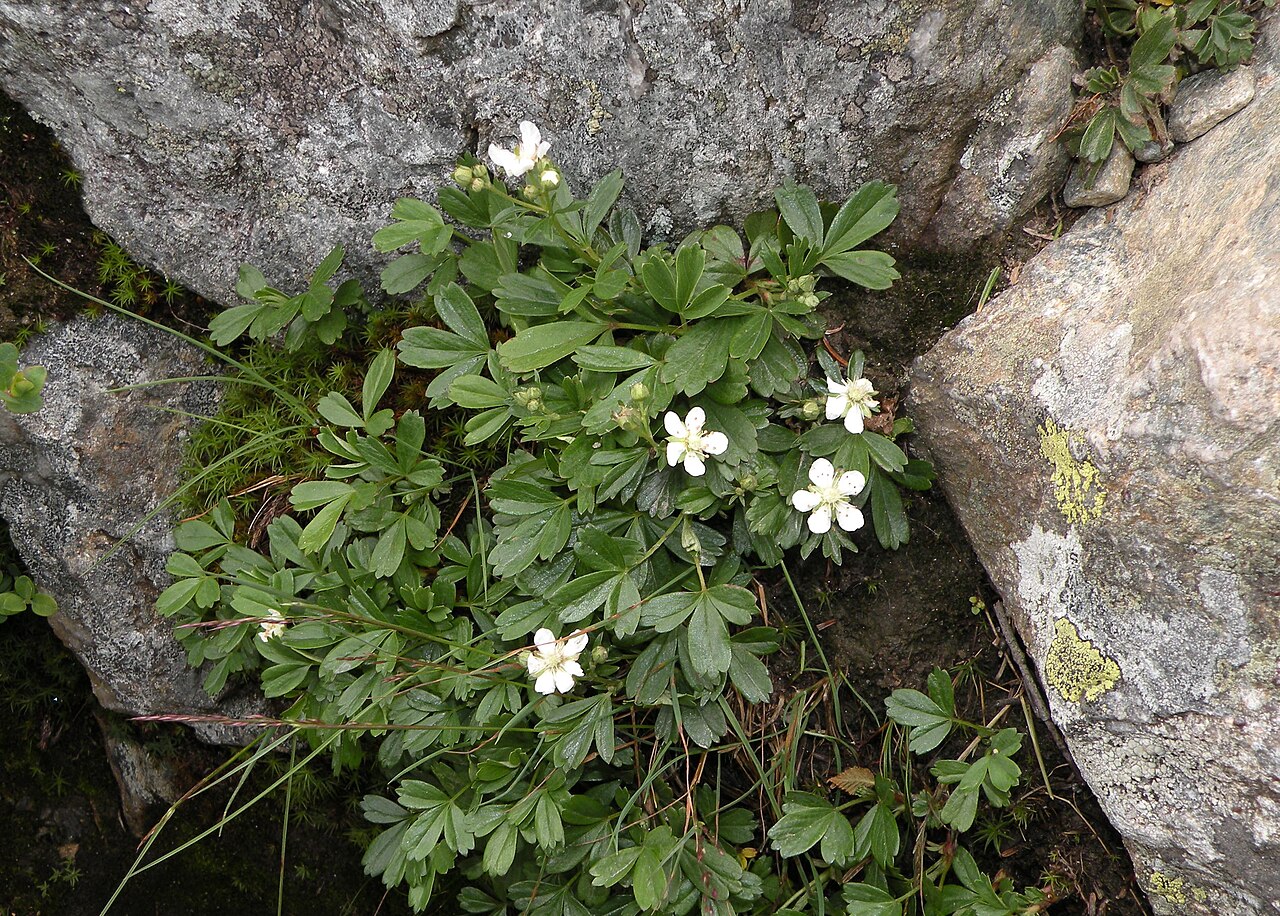
A flowering mat of three-toothed cinquefoil rooted in a rock crevice on Mount Mansfield, Vermont — classic habitat for this tough little plant. Photo: Doug
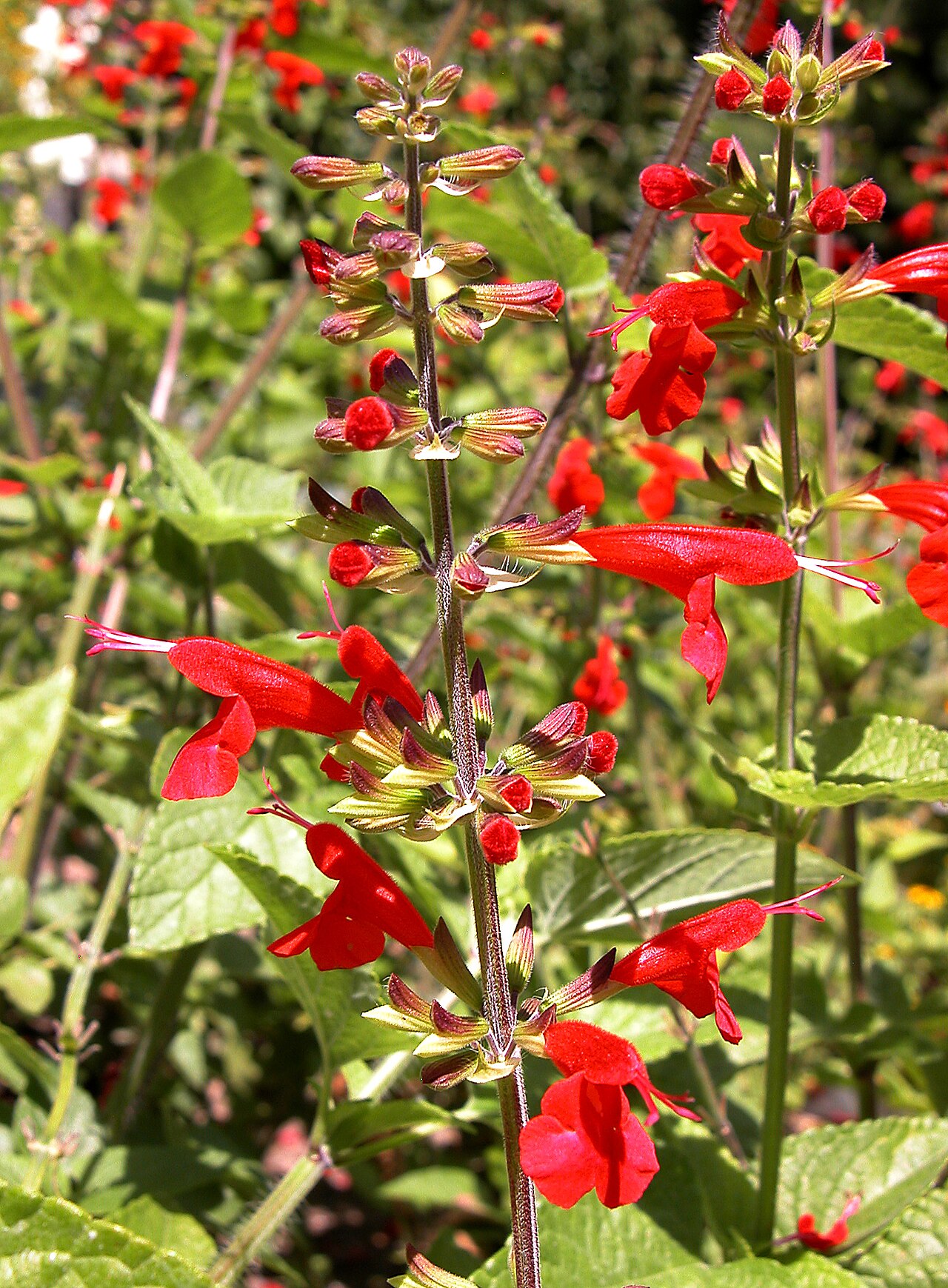
Scarlet sage in bloom, its loose, interrupted spikes of red flowers held above soft, triangular leaves. Photo: Carl E. Lewis (Flickr) via Wikimedia Commons (CC
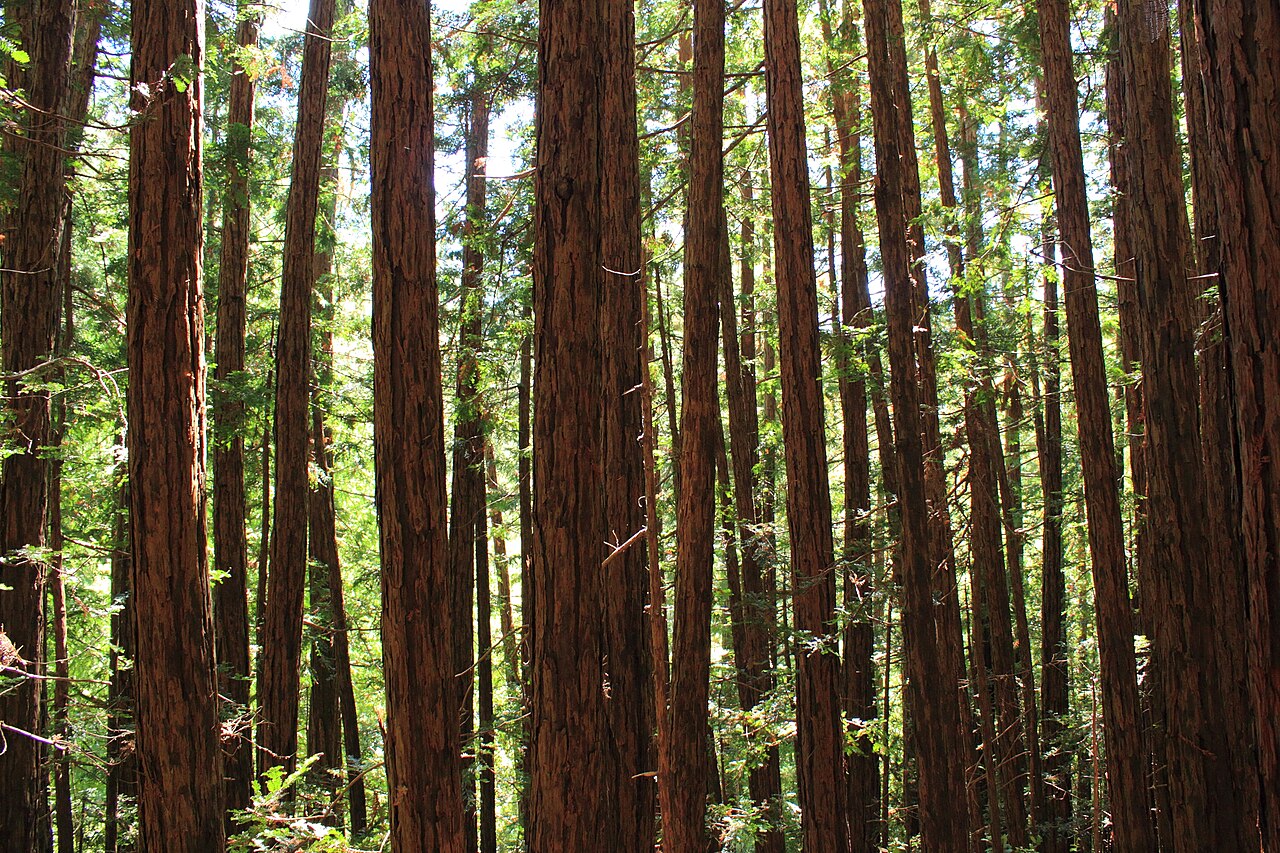
A coast redwood grove at Muir Woods National Monument, Marin County, California — straight, fire-scarred trunks rising into a dense fog-belt canopy. Photo: Andromeda2064, Wikimedia
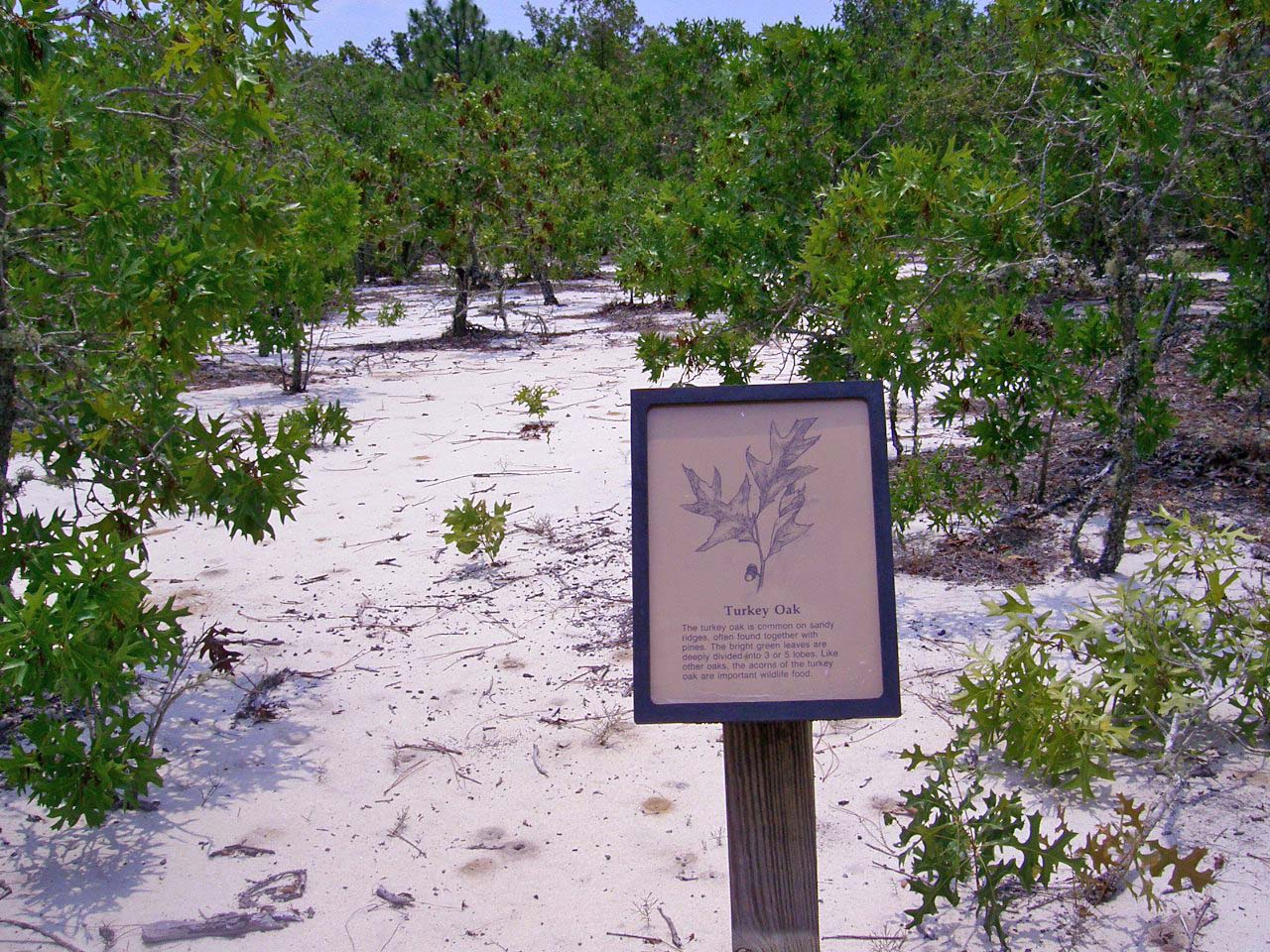
A natural stand of Turkey Oak on a deep sand ridge in Georgia — classic habitat for this drought-adapted species. Photo: Geogre, Wikimedia Commons (Public
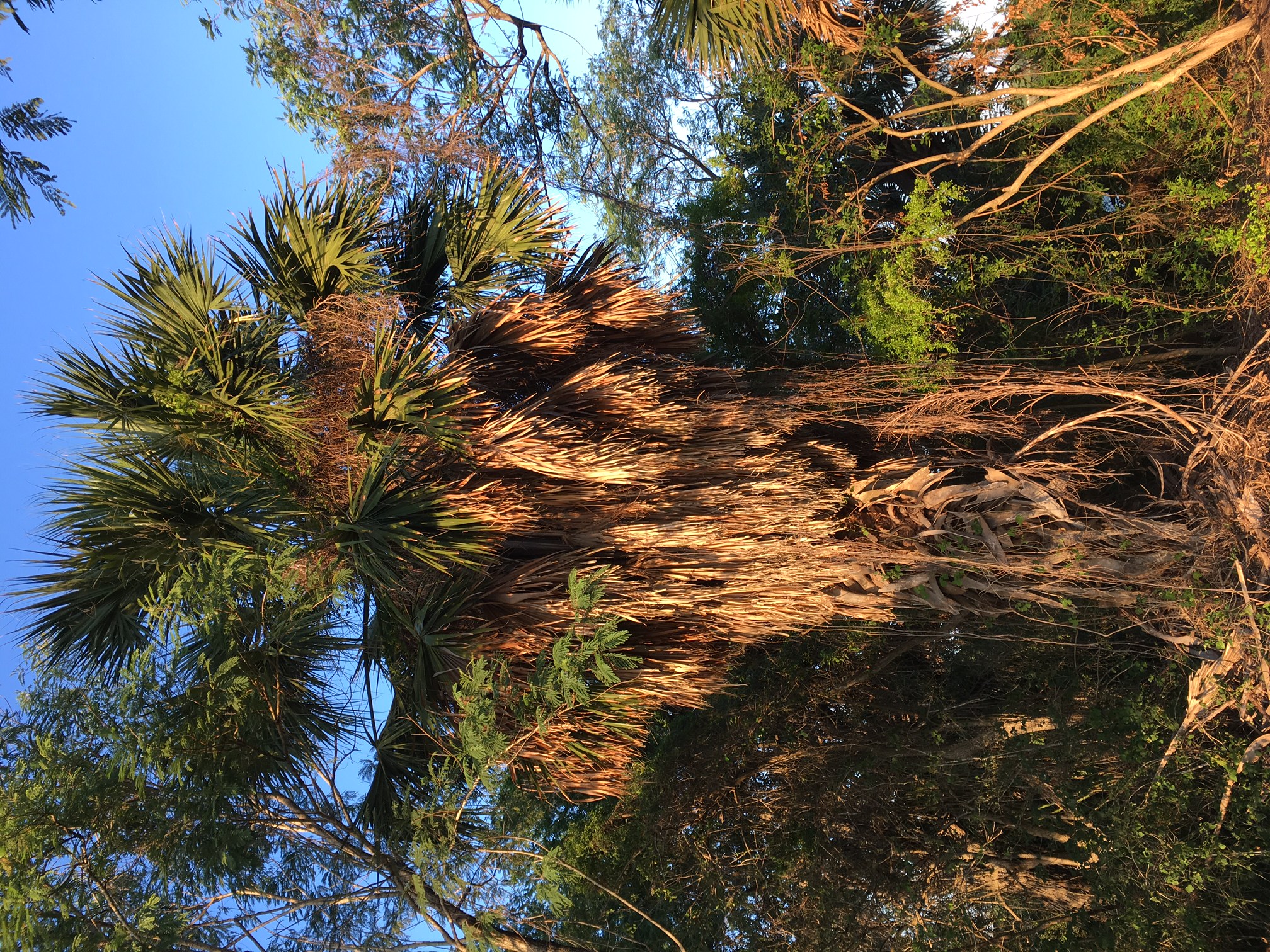
A mature, unmaintained Texas Palmetto showing its natural shaggy “skirt” of old fronds. Photo: Fythrion, Wikimedia Commons (CC0) Sabal mexicana, commonly called the Texas Palmetto
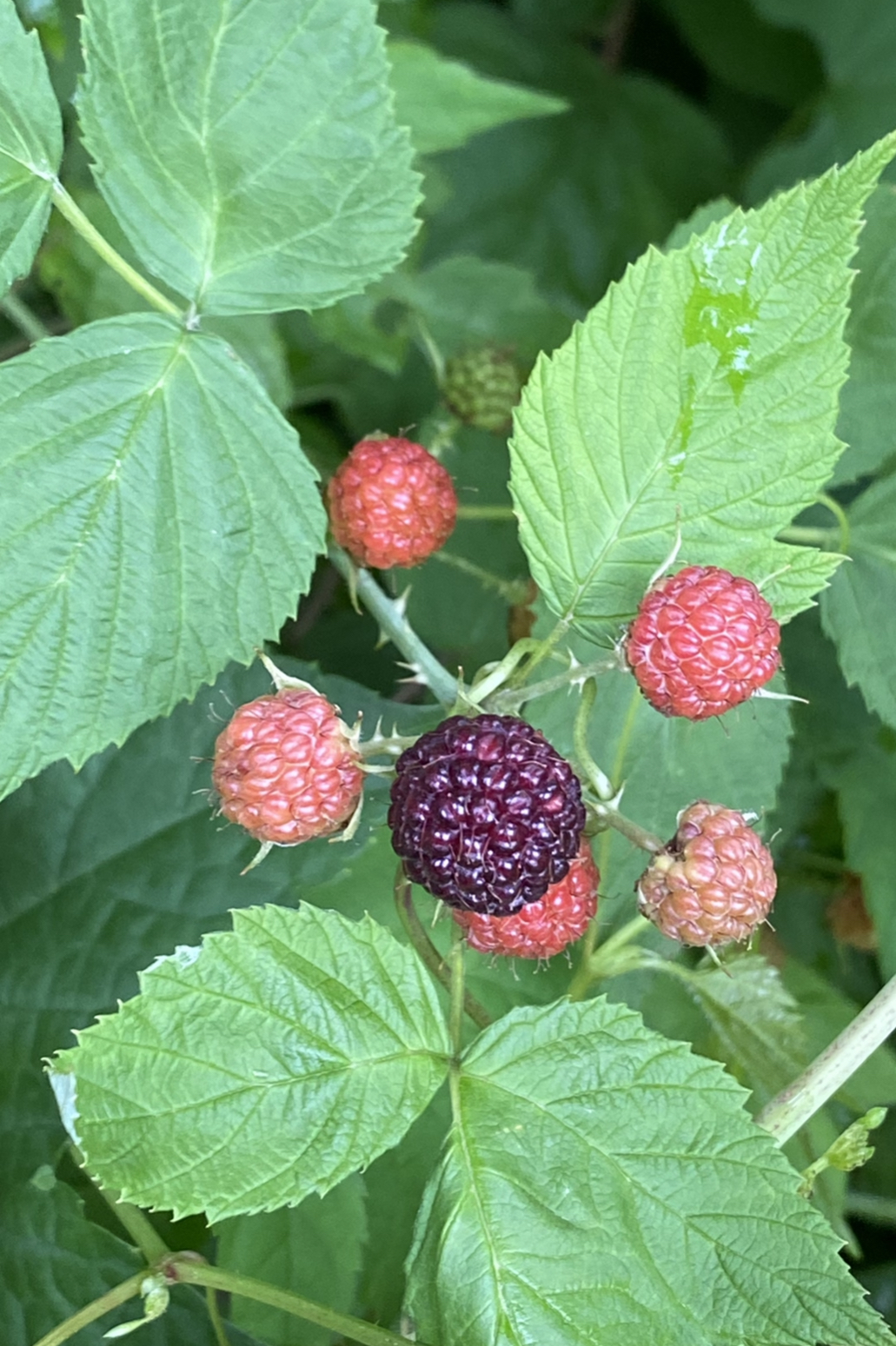
Black Raspberry fruit ripens in stages from green to red to glossy purple-black. Photo: OlgaK, Wikimedia Commons (CC BY-SA 4.0) Rubus occidentalis, commonly known as
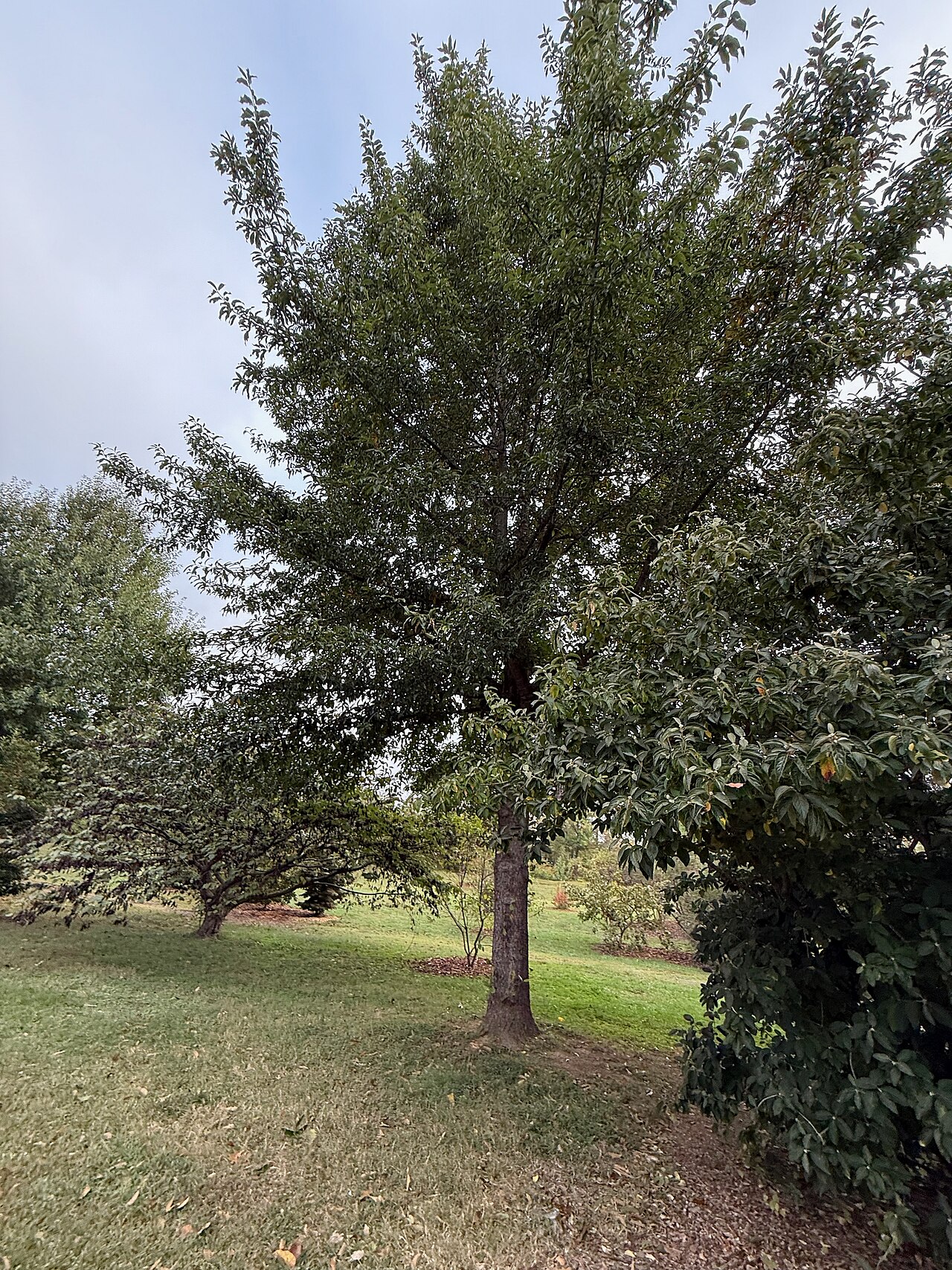
A shingle oak showing its characteristically broad, pyramidal habit in autumn. Photo: Cossey25, via Wikimedia Commons (CC BY-SA 4.0) Quercus imbricaria, commonly called Shingle Oak,
View More