
Oblongleaf Twinflower (Dyschoriste oblongifolia)
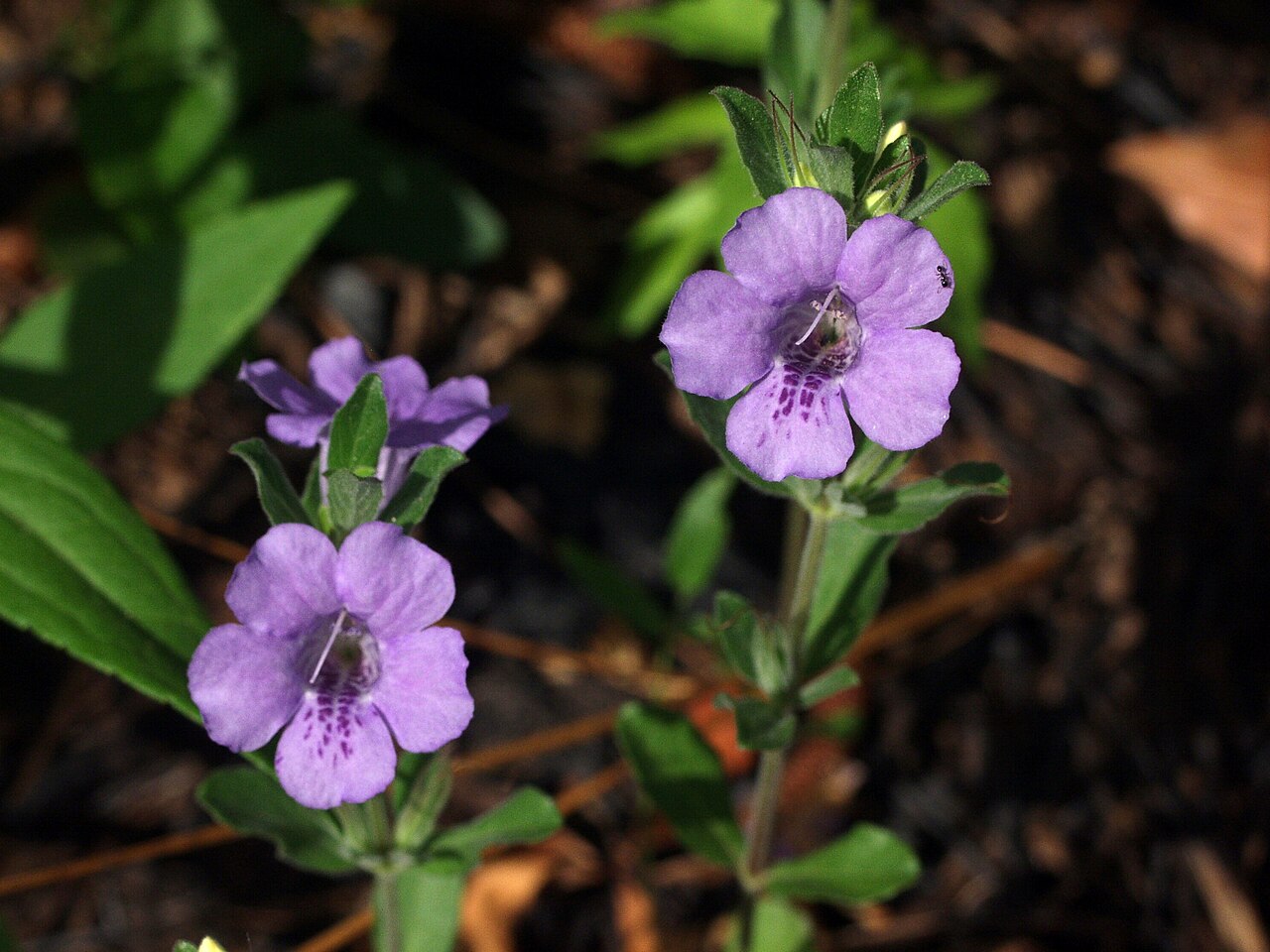
Dyschoriste oblongifolia, known as Oblongleaf Twinflower or simply twinflower, is a low, spreading wildflower of sunny pine flatwoods, sandhills and savannas in the southeastern Coastal Plain. USDA PLANTS lists it as oblongleaf snakeherb. In spring and early summer it carries lavender-blue, two-lipped flowers, usually in pairs in the upper leaf axils, on short stems about 6 to 12 inches tall.
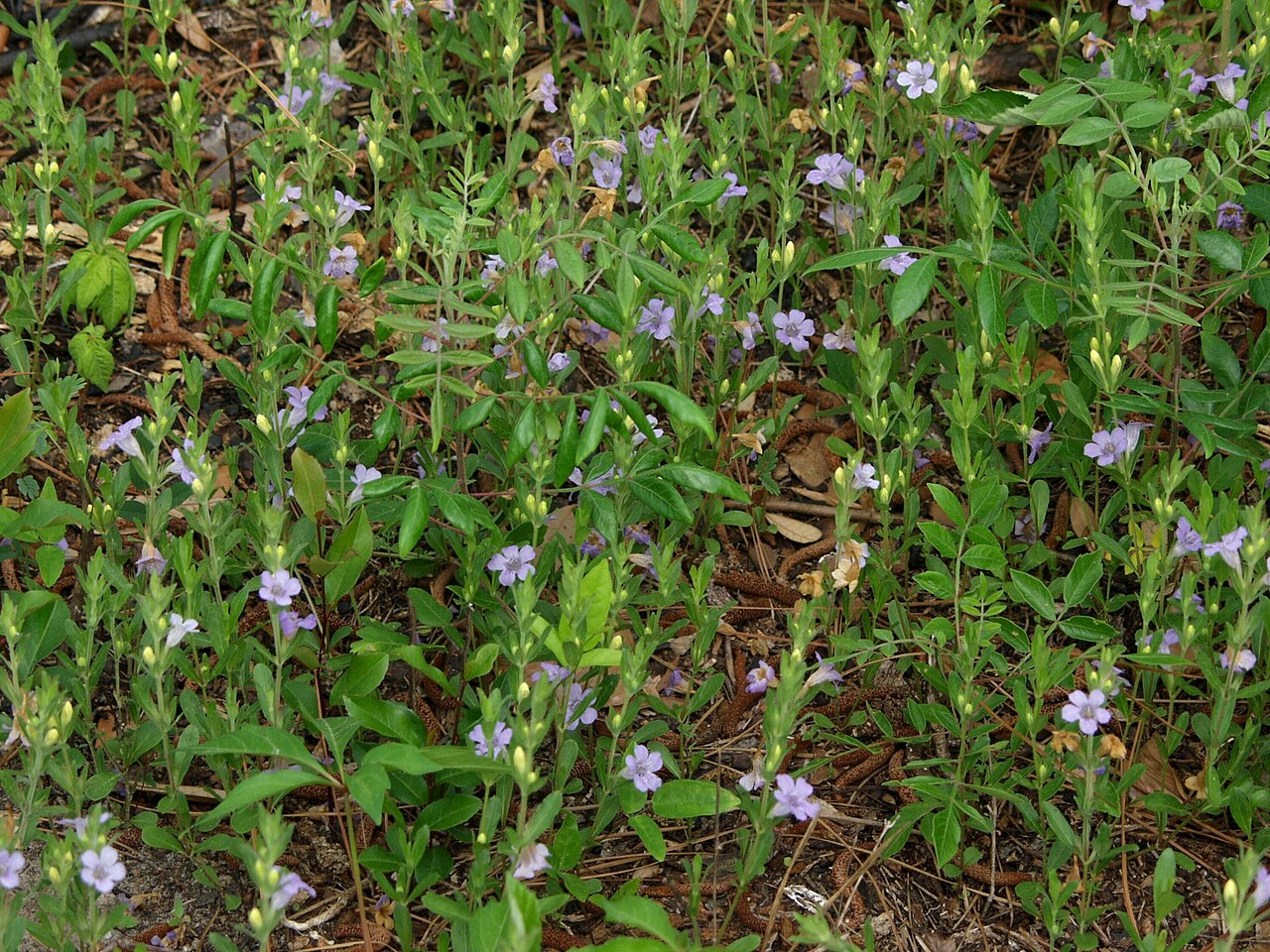
It belongs to the acanthus family (Acanthaceae), together with the wild petunias such as Carolina Wild Petunia, which it closely resembles. It spreads slowly by underground runners to form loose patches, making it one of the most popular native groundcovers for sunny, sandy gardens in Florida. It is also a larval host plant for the common buckeye butterfly.
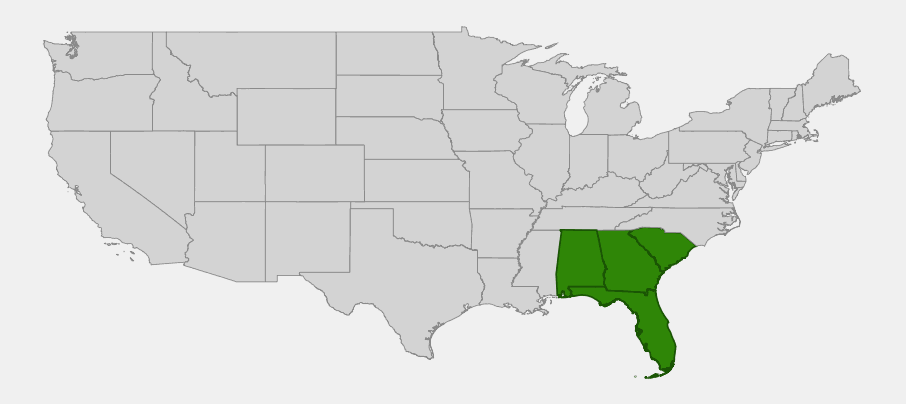
Oblongleaf twinflower is native from South Carolina through Georgia to Florida and southeastern Alabama. Its close relative Swamp Twinflower (Dyschoriste humistrata) grows in moist, shady woods; oblongleaf twinflower is the one for dry, open ground. This guide covers identification, range, care and wildlife value.
Identification
Oblongleaf twinflower is a small plant with opposite, hairy leaves and lavender flowers that look like a small wild petunia. Its paired flowers and low, patch-forming habit help identify it.
Stems
The stems are upright or leaning, usually 6 to 12 inches tall and occasionally up to about 18 inches, and finely hairy. They rise from slender underground rhizomes, so a single plant gradually forms a loose colony of stems. The stems die back partly in cold winters in north Florida but stay green in mild areas.
Leaves
The leaves are opposite, simple and nearly stalkless, about 1 to 2 inches long and oblong to narrowly oval, as the name oblongifolia suggests. They are softly hairy, gray-green to medium green, and have smooth margins. They are smaller, narrower and hairier than the leaves of swamp twinflower.
Flowers
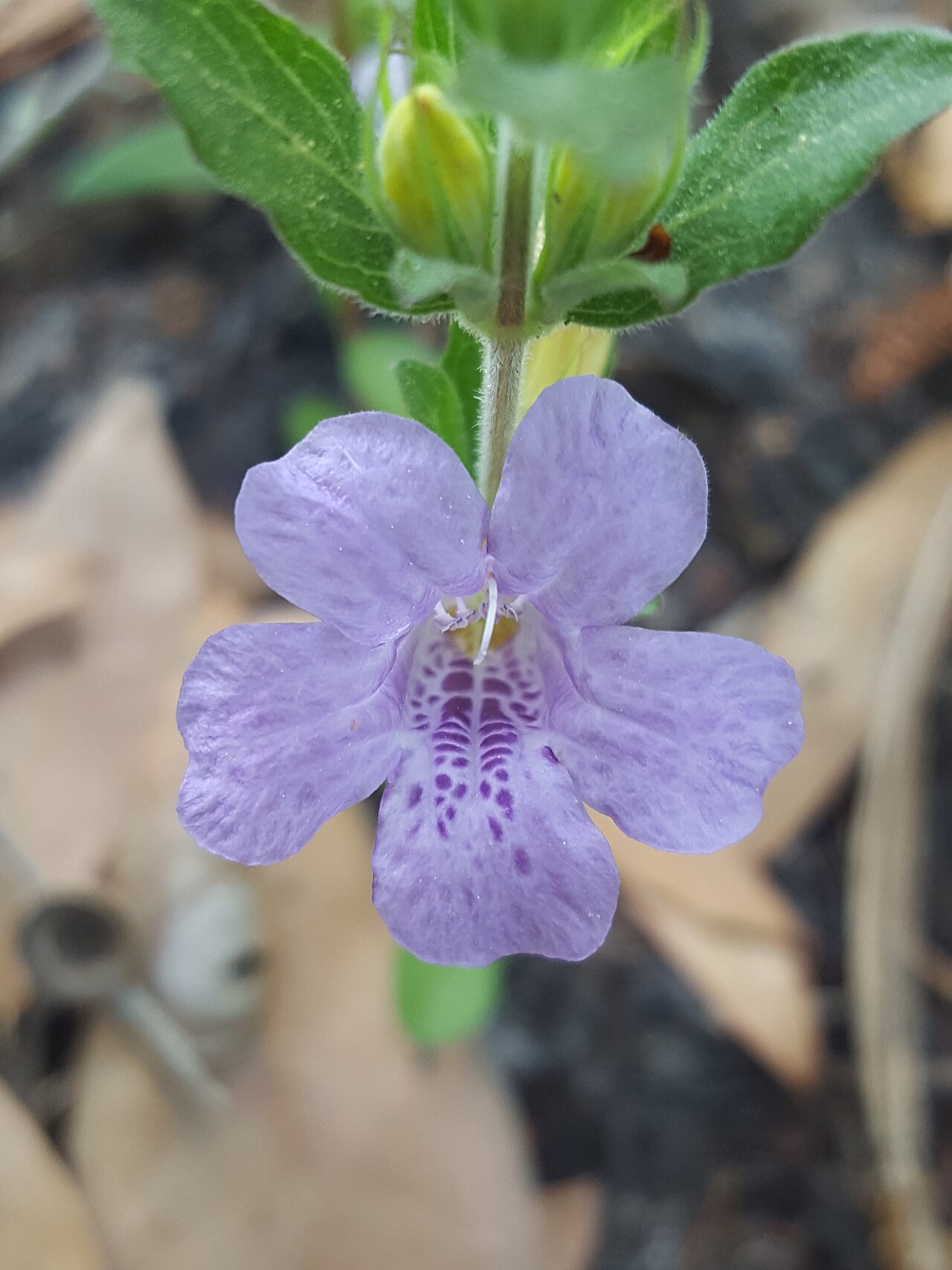
The flowers grow singly or in small clusters, often in pairs, in the upper leaf axils. Each is a funnel-shaped tube about ¾ to 1 inch long that opens into five rounded lobes forming two lips. The color is lavender-blue to light purple, and the lower lip has dark purple spots and lines. Flowering peaks in spring and early summer, roughly April to June, with scattered flowers later in the year.
Fruit & Seeds
After flowering, each fertile flower produces a small, narrow capsule enclosed in the hairy calyx. When dry it splits open and throws out a few flattened seeds, as is typical of the acanthus family.
Quick Facts
| Scientific Name | Dyschoriste oblongifolia (Michx.) Kuntze |
| Family | Acanthaceae (acanthus family) |
| Plant Type | Herbaceous perennial; low groundcover spreading by rhizomes |
| Mature Height | 6–12 in |
| Mature Spread | 1–2 ft per plant; slowly forms loose patches |
| Growth Rate | Moderate |
| Sun Exposure | Full sun to part shade |
| Water Needs | Low to medium; dry to moderately moist, well-drained soil |
| Soil Type | Sandy, well-drained soil |
| Soil pH | Acidic to slightly acidic, about 4.5–6.5 |
| Bloom Time | Spring–early summer (peak April–June); scattered later |
| Flower Color | Lavender-blue to light purple, with dark purple spots |
| Fall Color | None; semi-evergreen in mild winters |
| Fruit | Small narrow capsule with flattened seeds |
| Deer Resistant | Moderate |
| USDA Hardiness Zones | 8–10 |
Native Range
Oblongleaf twinflower is a plant of the southeastern Coastal Plain. Weakley’s Flora of the Southeastern United States gives its range as South Carolina to south Florida, west to southeastern Alabama and the eastern Florida Panhandle. The Lady Bird Johnson Wildflower Center’s USDA-based state list also includes Virginia, but that record lies far outside the main range and is not mapped here.
In Florida, the Atlas of Florida Plants records it across much of the peninsula and the eastern Panhandle. It is one of the more common wildflowers of Florida pinelands, from the north-central counties south into southwest Florida.
Typical habitats are pine flatwoods, longleaf pine sandhills, pine savannas and dry, open sandy woods. Like many pineland plants it depends on frequent fire, which removes competing shrubs and stimulates flowering, and it also turns up on sunny roadsides and in old fields with sandy soil.
📋 Regional plant lists featuring Oblongleaf Twinflower: North & South Florida · Alabama, Georgia & Mississippi · North & South Carolina
Growing & Care Guide
Oblongleaf twinflower is widely available from Florida native plant nurseries, usually sold as twinflower in small pots or plugs. It is easy to grow in sunny, sandy sites and is a good native alternative to turf in small, low-traffic areas.
Light
Plant it in full sun to light shade. It flowers most heavily in sun. In more shade the stems stretch and flowering drops off; for shady, moist sites, choose swamp twinflower instead.
Soil & Water
It needs well-drained, sandy soil and tolerates poor, acidic soil. Water new plants regularly for the first few weeks. Once established it is drought tolerant and needs little or no irrigation in most of Florida. Avoid soggy soil and heavy fertilizer, which cause weak, sprawling growth.
Planting Tips
Space plants about 12 inches apart for a groundcover. They fill in over one or two seasons as the rhizomes spread. It is a good choice for the front of a sunny border, along paths, in pineland-style gardens and between stepping stones. It takes light foot traffic but not regular walking. Combine it with other low natives such as golden aster and Carolina wild petunia.
Pruning & Maintenance
Little care is needed. Mow or cut it back to a few inches in late winter to remove old stems and encourage dense regrowth and a strong spring bloom. Pull weeds while the planting is filling in. Expect caterpillars of the common buckeye to eat some leaves in summer; plants recover quickly, so avoid insecticides.
Propagation
The easiest way is to divide established patches in spring or early summer and replant rooted pieces. Stem cuttings also root readily in moist, sandy mix. Seed can be collected from dry capsules but is small and seldom used.
Landscape Uses
- Sunny groundcover: a low, flowering mat for dry, sandy soil
- Butterfly gardens: larval host for the common buckeye
- Lawn alternative: for small, sunny, low-traffic areas
- Pineland and sandhill gardens: with grasses and other pineland wildflowers
- Habitat restoration: in pine flatwoods and sandhill groundcover restoration within its native range
Wildlife & Ecological Value
Oblongleaf twinflower is a small plant with real value for butterflies and native bees in southeastern pinelands.
For Pollinators
The flowers are pollinated mainly by native bees. Studies in north Florida recorded visits by sweat bees (Augochlorella, Augochloropsis, Agapostemon, Halictus, Lasioglossum), small carpenter bees (Ceratina), leafcutter bees (Megachile) and long-horned bees (Melissodes). Small butterflies and skippers also visit for nectar.
For Birds
It has little direct food value for birds, but the insects it supports, especially buckeye caterpillars, are food for insect-eating birds.
For Mammals
Deer and rabbits browse it occasionally. It is of minor importance to mammals otherwise.
Ecosystem Role
Twinflower is a well-known larval host for the common buckeye butterfly (Junonia coenia), whose caterpillars eat the leaves. It is a typical part of the diverse, fire-maintained groundcover of southeastern pinelands, where its rhizomes allow it to resprout quickly after fire.
Cultural & Historical Uses
The French botanist André Michaux described this plant as Ruellia oblongifolia in his Flora Boreali-Americana (1803), and the German botanist Otto Kuntze later transferred it to Dyschoriste. Its resemblance to the wild petunias (Ruellia) is why it was first placed in that genus.
The name twinflower refers to the flowers that often appear in pairs. It is unrelated to the northern twinflower (Linnaea borealis) of cool forests. The USDA name snakeherb is an old folk name used for several Dyschoriste species.
Florida native plant societies and nurseries have made oblongleaf twinflower a standard native groundcover, often recommended as a replacement for non-native groundcovers and as a host plant in butterfly gardens.
Frequently Asked Questions
What is the difference between oblongleaf twinflower and swamp twinflower?
Oblongleaf twinflower grows in dry, sunny pinelands and has small, narrow, hairy leaves and deeper lavender-blue flowers. Swamp Twinflower grows in moist, shady woods and has larger, thinner, smoother leaves and paler flowers.
Is twinflower the same as wild petunia?
No, but they are related and look similar. Wild petunias (Ruellia) have larger flowers and usually grow taller. Twinflower is smaller, with flowers often in pairs and hairy calyx lobes.
Can twinflower replace a lawn?
It works well in small, sunny areas with light foot traffic and dry, sandy soil. It does not tolerate heavy traffic, so use stepping stones through larger plantings.
Which butterflies use twinflower?
It is a larval host for the common buckeye, and its flowers are visited by small butterflies, skippers and many native bees.
Does twinflower spread?
Yes, slowly, by underground rhizomes. It forms loose patches but is not aggressive and is easy to pull back where it is not wanted.

Looking for a nursery that carries Oblongleaf Twinflower?
Browse our native plant nursery directory: Alabama · Florida & Georgia · South Carolina