Prairie Sand Verbena (Abronia fragrans)
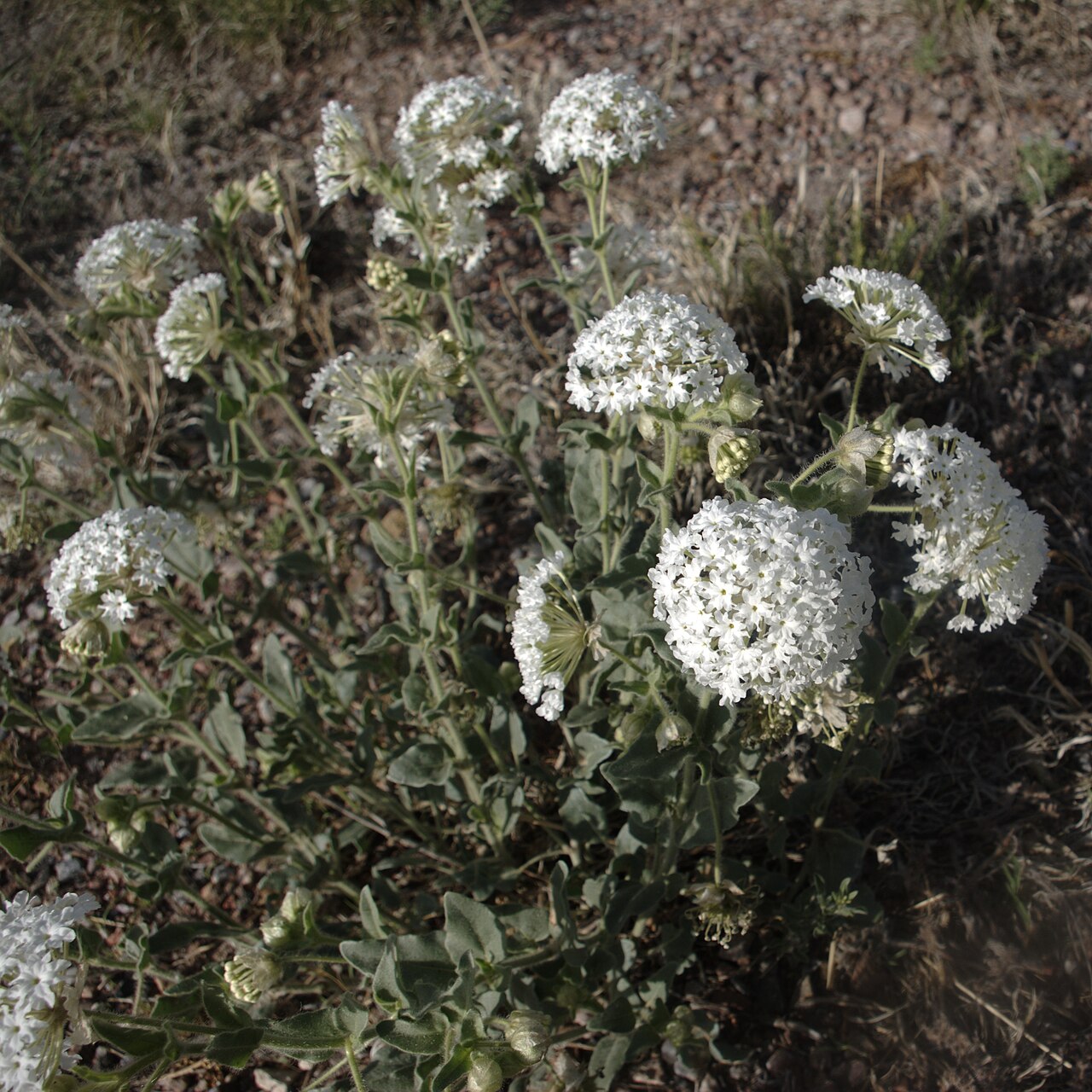
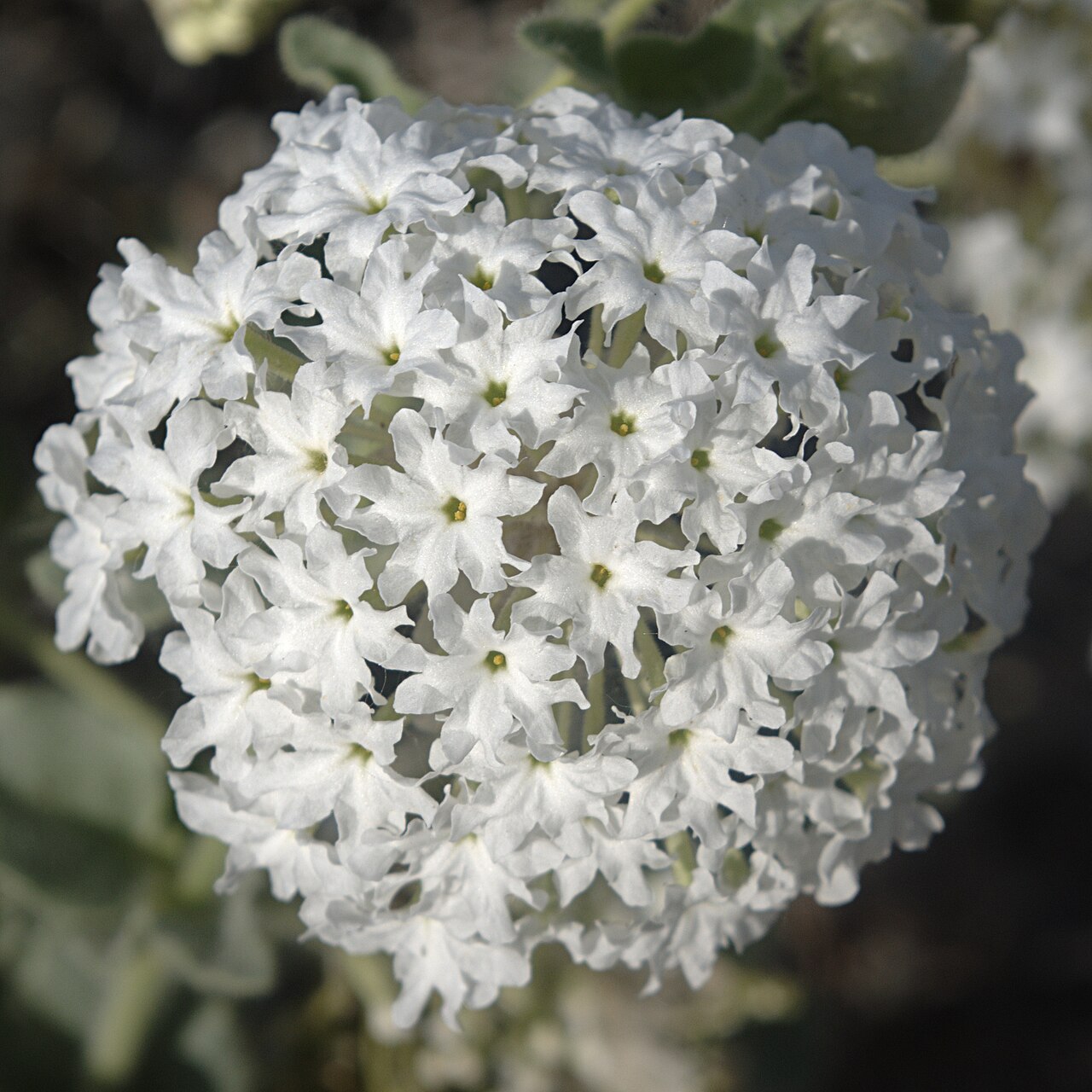
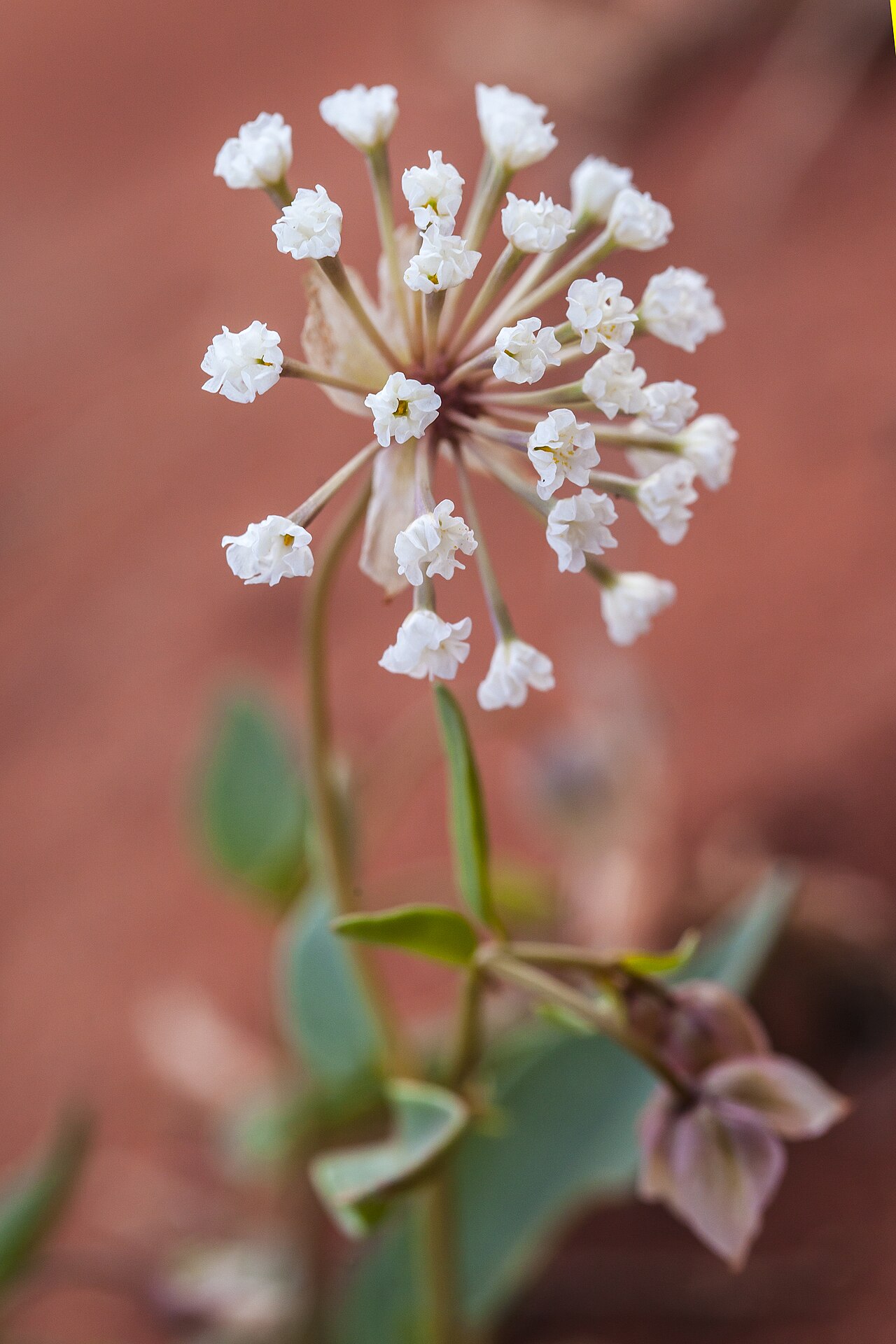
Abronia fragrans, commonly called prairie sand verbena, sweet sand-verbena or snowball sand-verbena, is a sprawling perennial wildflower of the central and southwestern Great Plains and Rocky Mountain foothills. From a deep taproot it sends out sticky, hairy stems topped with dense, perfectly round clusters of small white, tubular flowers that can hold 25 to 80 blooms at once, giving each flower head the look of a soft snowball resting on the sand or gravel.
True to its name, prairie sand verbena is genuinely fragrant, especially in the evening, when its flowers open fully and release a sweet scent to attract night-flying moths. Like other members of the four o’clock family, the blossoms close again by morning, so the best time to appreciate both the look and the perfume of this plant is at dusk or after dark.
For gardeners in the central and southwestern states, prairie sand verbena is a tough, deep-rooted perennial for the driest, sandiest parts of the yard, places where few other wildflowers will thrive. Once its taproot is established it needs almost no care, returns reliably for years, and rewards an evening stroll past the garden with real fragrance rather than just color.
Identification
Prairie sand verbena grows as an upright to sprawling perennial, 8 to 40 inches tall, with stems radiating out from a stout, woody taproot that can run several feet deep into sandy or gravelly soil.
Stems & Leaves
Stems are sticky and covered in fine hairs, often glistening slightly in sunlight from the glandular secretions that help the plant shed excess heat and discourage some insect damage. Leaves are opposite, simple, and elliptical to linear, up to about 3.5 inches long, with a slightly thickened, grayish-green, sticky-to-the-touch texture typical of plants adapted to loose, sandy ground.
Flowers
Flower clusters form tight, rounded heads 1.5 to 2.5 inches across at the ends of the stems, each made up of 25 to 80 small, tubular, five-lobed flowers. Blossoms are usually pure white, sometimes with a faint blush of pink or lavender toward the southern part of the range. True to the four o’clock family, the flowers open in late afternoon and evening and close again by midmorning, timed to the moths that pollinate them. Bloom season runs irregularly from late spring through summer, often flushing again after rain.
Fruit & Seeds
After flowering, each flower develops into a small, shiny black or brown, egg-shaped achene enclosed in a papery, top-shaped calyx base that may be ribbed or winged. These light, papery coverings help the seed tumble and scatter across open sandy ground on the wind.
Quick Facts
| Scientific Name | Abronia fragrans |
| Family | Nyctaginaceae (Four O’Clock) |
| Plant Type | Taprooted perennial wildflower |
| Mature Height | 8–40 in |
| Mature Spread | 12–24 in |
| Growth Rate | Moderate |
| Sun Exposure | Full Sun |
| Water Needs | Low; very drought tolerant once established |
| Soil Type | Sandy or gravelly, deep, well-drained soil |
| Soil pH | Neutral to slightly alkaline |
| Bloom Time | June – September, irregular flushes after rain |
| Flower Color | White, occasionally blushed pink or lavender |
| Fall Color | None notable |
| Fruit | Small winged or ribbed achenes in a papery calyx |
| Deer Resistant | Yes (sticky, aromatic foliage) |
| USDA Hardiness Zones | 4–9 |
Native Range
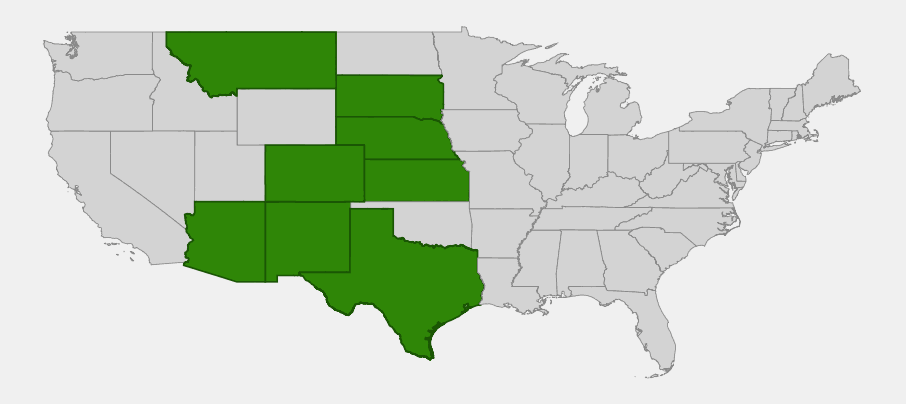
Prairie sand verbena is native across a broad swath of the central and southwestern United States, from Montana and South Dakota south through Nebraska, Kansas, Colorado, New Mexico, Arizona and Texas. It favors the drier western portions of the Great Plains and the sandy basins and foothills of the Rocky Mountain region rather than the moister eastern tallgrass prairie.
Typical habitat is open, loose, sandy or gravelly ground: sand hills, dry prairie, desert grassland, roadsides and disturbed sandy soils, generally in full sun from the low plains up into pinyon-juniper foothill country. Its long taproot allows it to reach moisture well below the surface, letting it thrive in exactly the loose, fast-draining soils where shallow-rooted plants struggle.
Prairie sand verbena is considered globally secure (NatureServe rank G5) and remains widespread and locally common across its range, particularly on undisturbed sandy prairie and rangeland, though, like many sand-adapted specialists, it can disappear quickly from ground that is paved, heavily tilled, or converted to dense irrigated turf.
📋 Regional plant lists featuring Prairie Sand Verbena: South and West Texas · Arizona & New Mexico · Nebraska, Kansas & Eastern Colorado · Utah & Western Colorado · North Dakota, South Dakota & Western Minnesota · Montana & Wyoming
Growing & Care Guide
Prairie sand verbena is an easy-going, long-lived perennial once it is established, but its deep taproot means it does best when planted young and left undisturbed rather than transplanted as a mature specimen.
Light
Give it full sun. This is an open, sun-exposed plant of sandy prairie and desert grassland, and it needs strong direct light through the day to grow and flower well; shaded plants become leggy and bloom sparsely.
Soil & Water
Plant it in loose, sandy or gravelly, deep, well-drained soil; this species is built for ground that drains quickly and dries out fast at the surface while its taproot taps moisture held deeper down. It needs regular water only during its first growing season while the taproot establishes; after that it is genuinely drought tolerant and often does better on rainfall alone than with regular irrigation, which can encourage rot in heavier soils.
Planting Tips
Start prairie sand verbena from seed or small transplants set directly into their permanent sandy bed, since the long taproot resents disturbance once it has gone deep. Avoid amending planting holes with rich organic matter or compost, which holds more moisture than this species wants; straight sand, decomposed granite or native sandy soil works better. Space plants 12 to 18 inches apart to leave room for the sprawling stems.
Pruning & Maintenance
Very little maintenance is needed. Deadheading spent flower heads can tidy the plant and may encourage additional flushes of bloom after rain, but is not required. The plant has few pest or disease problems in well-drained soil and does not need fertilizer, which tends to produce soft, floppy growth rather than the compact, resilient habit it has on lean sandy ground.
Propagation
Prairie sand verbena is propagated by seed, sown in fall or early spring directly into sandy soil and lightly covered, since the papery-winged achenes benefit from good soil contact but not deep burial. Seedlings should be set into their final sunny, sandy location as young as practical, given how poorly the mature taproot tolerates transplanting.
Landscape Uses
- Sandy or gravelly xeriscape beds where deep-rooted toughness is an asset
- Evening gardens planted for fragrance and dusk-to-dawn bloom
- Prairie and sand-hill restorations across its Great Plains range
- Moth and night-pollinator gardens alongside other evening-blooming natives
- Roadside and slope stabilization on loose sandy soils
Wildlife & Ecological Value
Prairie sand verbena is especially valuable for the pollinators that are active when most daytime flowers have closed for the night.
For Pollinators
The evening-opening, fragrant white flowers are specialized for pollination by hawkmoths and other night-flying moths, which find the blossoms by scent and feed on their nectar with long proboscises reaching deep into the narrow floral tubes. Daytime visitors, including bees, sometimes work the flowers that remain open into the morning as well.
For Birds
Seed-eating birds forage for the small achenes once the flower heads dry, and the sprawling stems offer some ground-level cover for birds moving through otherwise open sandy habitat.
For Mammals
The sticky, aromatic foliage is not a preferred forage for deer and rabbits, helping the plant persist on grazed rangeland, while small mammals may take advantage of the taproot’s stabilizing effect on loose sand for burrow cover nearby.
Ecosystem Role
As a deep-taprooted perennial of loose sandy ground, prairie sand verbena helps anchor sand hills and dunes against erosion, and its reliable evening nectar supply supports moth populations that in turn serve as food for bats and nighthawks across the Great Plains and southwestern grasslands.
Cultural & Historical Uses
Several Indigenous peoples of the Great Plains and Southwest have historically used the roots of Abronia species, including prairie sand verbena, in traditional contexts, and the plant’s pleasant evening fragrance has long made it a notable feature of sandy prairie and desert landscapes to travelers and naturalists alike. Documented, species-specific historical uses are limited, and modern gardeners should treat any traditional plant use as part of a documented cultural history rather than as guidance for present-day foraging.
Today, prairie sand verbena’s significance is mainly horticultural and ecological: a distinctive, fragrant native for sandy gardens across its Great Plains and southwestern range, and a dependable nectar source for the night-flying moths that many other garden plants overlook entirely.
Frequently Asked Questions
Why do prairie sand verbena flowers close during the day?
The flowers are adapted for pollination by night-flying moths and open in the evening, releasing fragrance to attract them, then close again by midmorning. This is typical of the four o’clock family, to which this species belongs.
Can prairie sand verbena grow in clay soil?
Not well. It is adapted to loose, sandy or gravelly, fast-draining soil and tends to struggle or rot in heavy clay. Amending with coarse sand or planting in a raised sandy bed gives much better results.
Is prairie sand verbena native to my state?
It is native across much of the central and southwestern Great Plains, including Montana, South Dakota, Nebraska, Kansas, Colorado, New Mexico, Arizona and Texas. Check county-level distribution data for your specific area within these states.
Why did my newly transplanted prairie sand verbena die?
This species has a long taproot that resents disturbance. Plants are best started from seed or very young transplants set directly into their permanent sandy location rather than moved once established.
Is prairie sand verbena fragrant?
Yes, genuinely so, especially in the evening when the flowers open fully; the sweet scent is part of what attracts its moth pollinators and is a distinguishing feature among sand verbenas.

Looking for a nursery that carries Prairie Sand Verbena?
Browse our native plant nursery directory: Texas & South Dakota · New Mexico & Nebraska · Arizona · Colorado · Kansas · Montana