
Slender Wintergreen (Gaultheria ovatifolia)
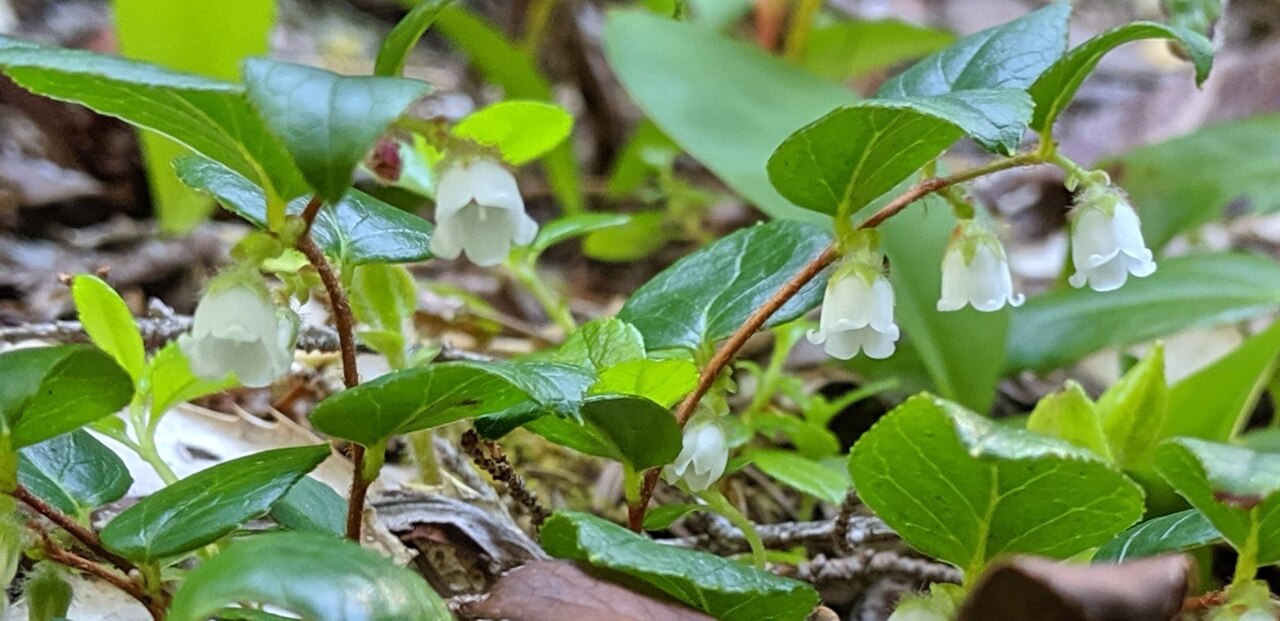
Gaultheria ovatifolia, the Slender Wintergreen (also called western teaberry or Oregon spicy wintergreen), is a low, creeping evergreen shrublet of mountain forests in western North America. It grows from southern British Columbia south through Washington, Oregon and northern California, and east to the mountains of Idaho and western Montana.
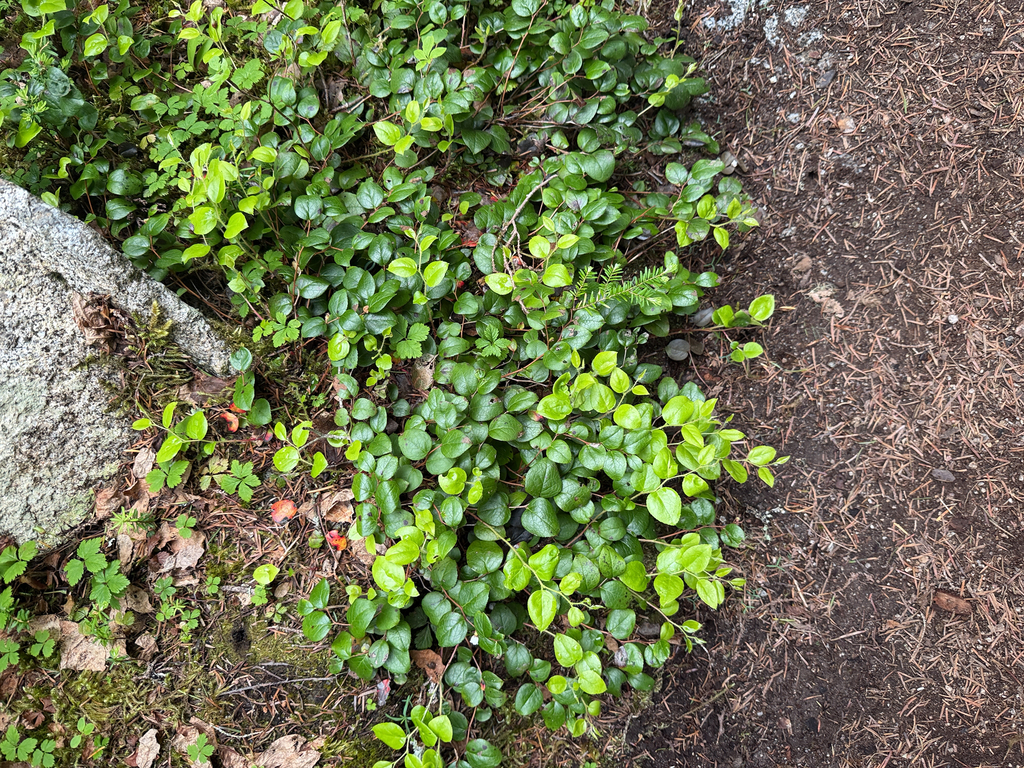
It forms loose mats only a few inches tall, with glossy, oval, finely toothed leaves on slender, trailing stems. In early summer it bears small, nodding, white to pale pink bell-shaped flowers, followed in late summer by bright red, edible berries with a mild wintergreen flavor. It is the western counterpart of the eastern Checkerberry (teaberry).
Slender wintergreen is a charming groundcover of moist, shady conifer forests and a pleasant find along mountain trails. This guide covers how to identify it, where it grows, how to grow it in a shady woodland garden and its value to wildlife.
Identification
Slender wintergreen is a prostrate evergreen with oval, glossy, finely toothed leaves, solitary white to pinkish bell-shaped flowers and red berries.
Stems & Leaves
The slender stems trail along the ground or rise a few inches, usually 2 to 8 inches tall and up to about 14 inches long, often with fine reddish or brownish hairs. The leaves are alternate, broadly oval to heart-shaped, about ¾ to 1½ inches long, leathery and shiny green, with finely toothed edges and a pointed tip. Crushed leaves have a faint wintergreen scent.
Flowers
From about June to August, single flowers hang from the leaf axils on short stalks. Each is a small, bell-shaped flower about ¼ inch long, white to pale pink, with a hairy, often reddish calyx and two small bracts below it.
Fruit
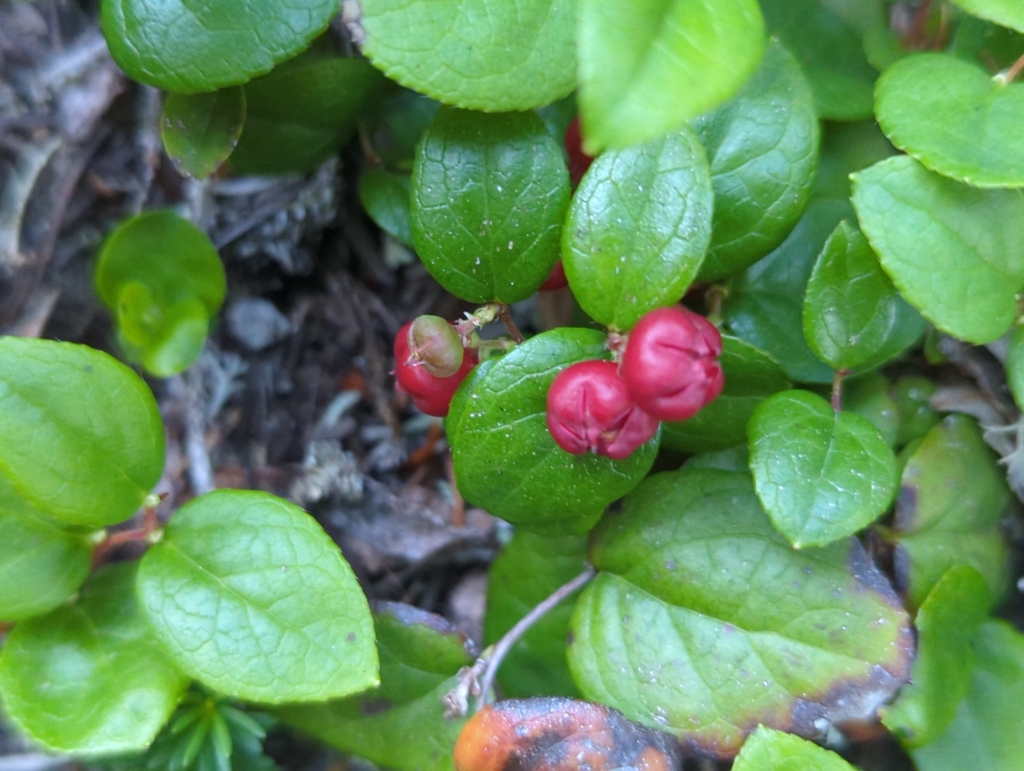
The fruit is a round, bright red, berry-like capsule about ⅓ inch across, surrounded by the fleshy calyx, ripening in late summer and fall. It is edible, with a mild wintergreen taste.
Look-alikes
Alpine Wintergreen (G. humifusa) is smaller, with leaves under ¾ inch long, and grows at higher, more open sites. Creeping Snowberry has tiny leaves and white berries. Salal is a much larger shrub. Twinflower also forms mats in the same forests but has paired pink flowers on upright stalks and no red berries.
Quick Facts
| Scientific Name | Gaultheria ovatifolia A. Gray |
| Family | Ericaceae (heath family) |
| Plant Type | Evergreen creeping subshrub |
| Mature Height | 2–8 in |
| Mature Spread | 1–3 ft; trailing mats |
| Growth Rate | Slow |
| Sun Exposure | Partial to full shade |
| Water Needs | Moist; does not tolerate drought |
| Soil Type | Acidic, humus-rich, well-drained |
| Soil pH | About 4.5–6.0 |
| Bloom Time | June–August |
| Flower Color | White to pale pink |
| Fall Color | Evergreen; some leaves turn bronze |
| Fruit | Red, edible berry-like capsule |
| Deer Resistant | Moderate |
| USDA Hardiness Zones | 5–8 |
Native Range
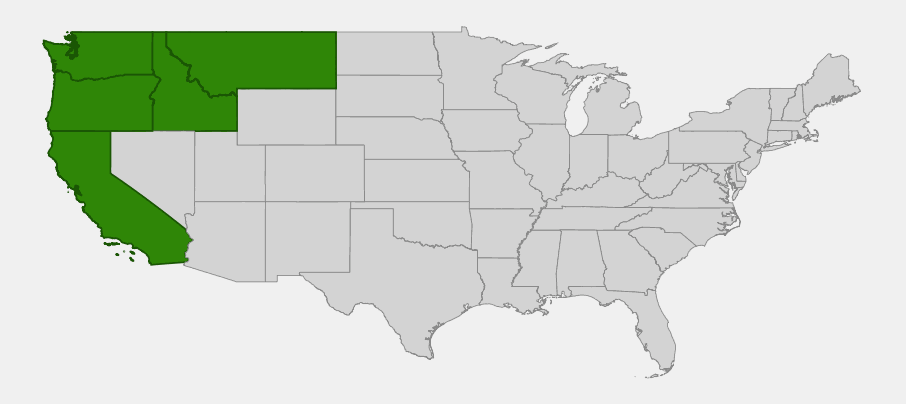
Slender wintergreen is native to western North America. USDA PLANTS lists it in Washington, Oregon, California, Idaho and Montana, and it also grows in southern British Columbia. In California it is found in the northern mountains, including the Klamath Ranges, the southern Cascades and the northern Sierra Nevada.
In Washington and Oregon it grows throughout the Cascade Range and the Olympic Mountains and in the coastal mountains, and it extends east into the mountains of northern Idaho and northwestern Montana, where the climate is influenced by Pacific moisture.
It grows in moist to fairly dry, shady montane and subalpine coniferous forests, often in the mossy understory of mountain hemlock, Pacific silver fir, subalpine fir and Douglas-fir, as well as on rotting logs, forest openings and bog edges, generally from middle elevations up to the subalpine zone.
📋 Regional plant lists featuring Slender Wintergreen: California & Nevada · Western Oregon & Western Washington · Idaho, Eastern Oregon & Eastern Washington · Montana & Wyoming
Growing & Care Guide
Slender wintergreen is occasionally available from native nurseries in the Pacific Northwest. It is a slow but rewarding evergreen groundcover for cool, moist, shady woodland gardens with acidic soil, especially in the Northwest and at higher elevations. It does not tolerate hot, dry summers.
Light
Partial to full shade, such as under conifers or on the north side of a building. Morning sun is fine in cool climates.
Soil & Water
Plant in acidic, humus-rich, moist but well-drained soil, ideally with decaying wood or conifer needles worked in. Keep the soil evenly moist; mulch with needles or bark.
Planting Tips
Set plants 12 to 18 inches apart in spring or fall. It is ideal among ferns, huckleberries and other woodland plants, and on mossy logs or slopes in a shade garden.
Pruning & Maintenance
No pruning is needed. Keep a natural mulch of leaves and needles and avoid disturbing the shallow roots.
Propagation
Take cuttings of the trailing stems in late summer, or divide rooted sections in spring. Seed cleaned from ripe berries needs cold stratification and is slow to establish. Do not dig plants from the wild.
Landscape Uses
- Shade and woodland gardens: evergreen groundcover with red berries
- Northwest native gardens: pairs with ferns, huckleberries and twinflower
- Edible landscaping: small, mild wintergreen berries
- Rock and log gardens: creeps over mossy logs and stones
Wildlife & Ecological Value
Slender wintergreen provides fruit and cover in the understory of mountain forests.
For Pollinators
The bell-shaped flowers are pollinated mainly by bumble bees, which can buzz the pollen out of the flowers.
For Birds
Grouse, thrushes and other ground-foraging birds eat the red berries, which often persist into fall and winter.
For Mammals
Chipmunks, squirrels, bears and deer eat the berries, and deer and elk browse the evergreen leaves in winter.
Ecosystem Role
As an evergreen groundcover in conifer forests, it helps protect soil and forms part of the mycorrhizal network typical of the heath family, which helps it thrive in nutrient-poor, acidic soils.
Cultural & Historical Uses
Asa Gray, the leading American botanist of the 19th century, described Gaultheria ovatifolia. The genus honors Jean-François Gaultier, an 18th-century physician and naturalist in New France (Quebec).
The berries were eaten by Indigenous peoples of the Pacific Northwest, including the Hoh and Quileute of the Olympic Peninsula.
Plants in the genus contain methyl salicylate, the compound responsible for the “wintergreen” flavor. Eat the berries in moderation and avoid concentrated wintergreen oil, which is toxic in large doses.
Frequently Asked Questions
Are slender wintergreen berries edible?
Yes. The bright red berries are edible and have a mild wintergreen flavor. Eat them in moderation and be sure of the identification.
Where does slender wintergreen grow?
In moist, shady mountain conifer forests from British Columbia through Washington and Oregon to northern California, and east to Idaho and Montana.
How is it different from eastern teaberry?
Eastern teaberry (G. procumbens) grows in eastern North America and has larger, more upright leaf clusters. Slender wintergreen is its western counterpart with trailing stems and oval, toothed leaves.
Can I grow slender wintergreen in my garden?
Yes, in a cool, shady woodland garden with moist, acidic, humus-rich soil. It does poorly in hot, dry climates.
When does slender wintergreen bloom?
From about June to August, with berries ripening in late summer and fall.

Looking for a nursery that carries Slender Wintergreen?
Browse our native plant nursery directory: California · Idaho · Montana · Oregon · Washington

