Wasatch Penstemon (Penstemon cyananthus)
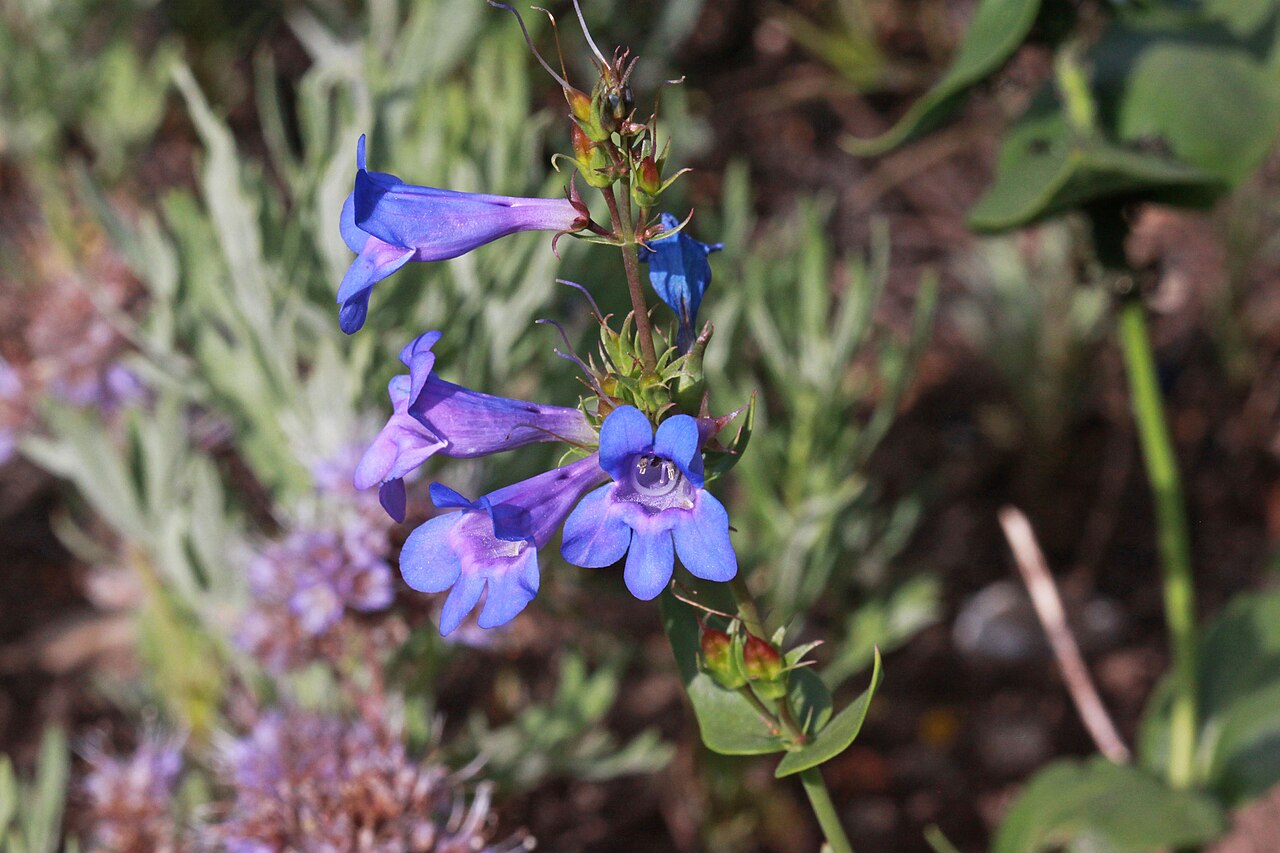
Wasatch penstemon is one of the striking blue wildflowers of Utah's mountains and foothills. Upright flowering stems rise from green foliage, carrying clusters of tubular blossoms that can range from clear blue to blue-violet. A group in flower is conspicuous without the size or heavy leaf mass of a shrub, making it a useful perennial accent in a sunny, well-drained native planting.
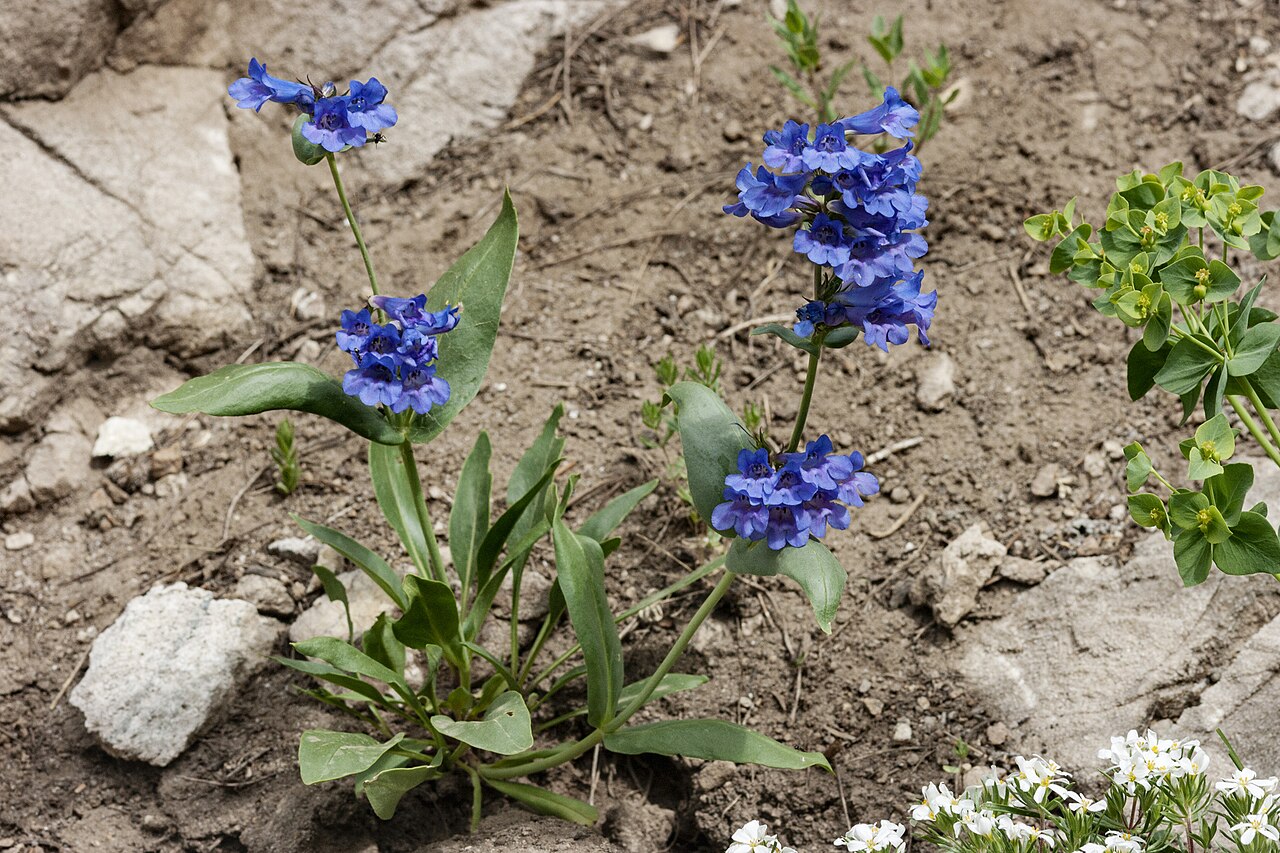
Penstemon cyananthus is the species treated here. It includes several accepted varieties, so not every wild population has exactly the same stature or leaf details. It is not interchangeable with every blue penstemon sold in a nursery, and photographs labeled as hybrids or merely similar to cyananthus are not evidence of the species. The images on this page are identified wild plants photographed in Utah.
For gardeners on the Wasatch Front, this plant offers a regional connection as well as color. The practical challenge is usually not persuading it to tolerate rich feeding, but giving the crown light, drainage and enough space to remain healthy. Select propagated stock matched to your climate, establish it carefully, and resist turning a dryland perennial into a permanently wet bedding plant.
Identification
Habit and stems
This herbaceous perennial produces upright flowering shoots above a lower leafy portion. Published descriptions differ in the exact height emphasized: compact garden plants may be around a foot to a foot and a half, while the regional list allows 18–36 inches. Treat those as source- and site-dependent expressions rather than a contradiction requiring one universal size. Flowering-stem height is also different from the height of the basal foliage.
Leaves
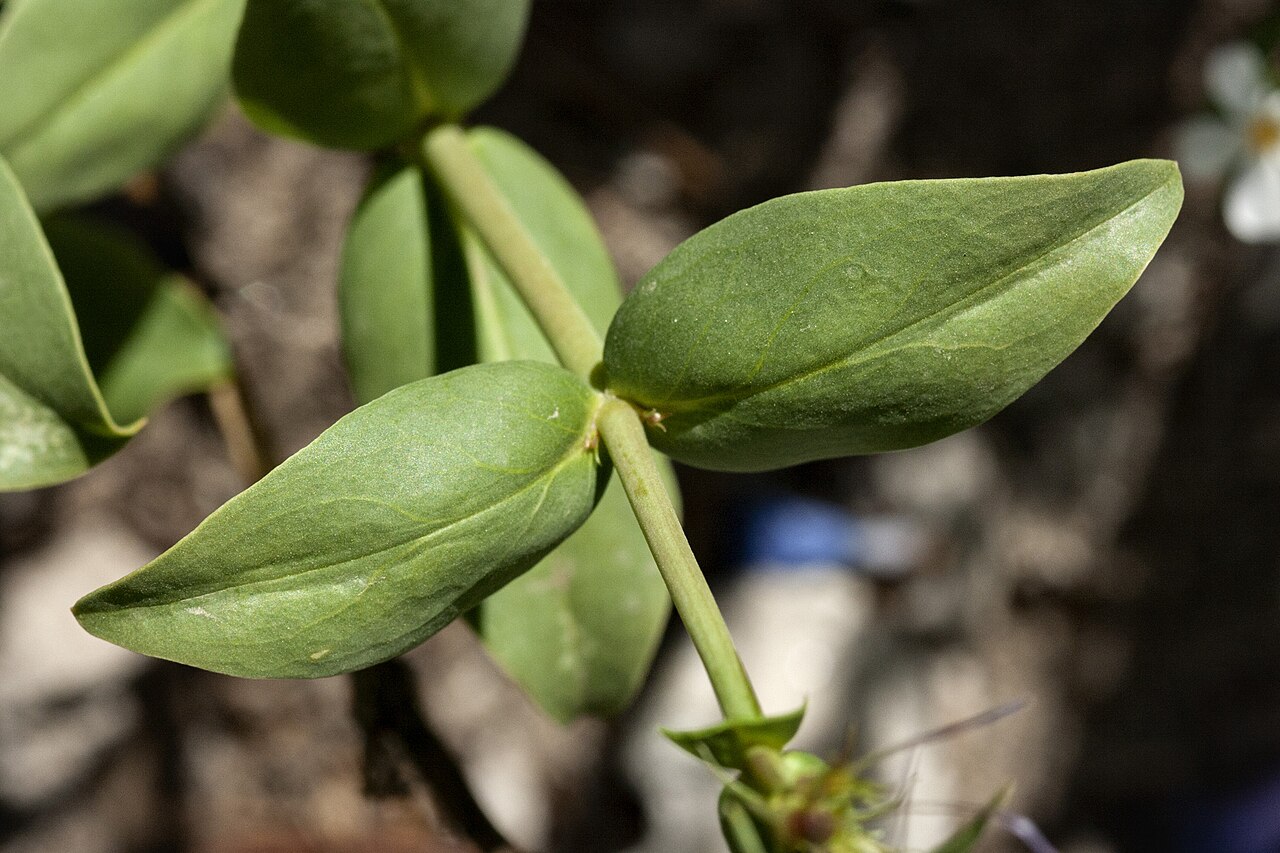
Leaves are opposite on the stems, with additional leaves concentrated near the base. They range from lance-shaped toward broader oval forms. Leaf-edge details and proportions vary within the species complex and should be checked against a local key. Do not identify a blue penstemon solely from leaf color or from a distant photograph; the flowers and particularly their reproductive structures are important in separating related species.
Flowers
The flowers form a two-lipped tube rather than a radially symmetrical bell. Several flowers are grouped at successive levels of the upper stem. The sterile fifth stamen is the feature behind the general common name beardtongue, although the precise appearance of the staminode differs among penstemons. To document an identification, photograph the open face, the side of the tube, the calyx and the leaves without damaging the plant.
Fruit and similar species
After flowering, dry capsules develop and eventually release small seeds. A plant that has finished flowering can still be contributing to the next generation. Related blue penstemons, including taxa historically treated near Penstemon glaber, require care in identification. The accepted species name on a seed lot should be accompanied by provenance; a vague blue penstemon label is not enough for a native-range planting.
Quick Facts
| Scientific Name | Penstemon cyananthus |
| Family | Plantaginaceae; older works may use Scrophulariaceae |
| Plant Type | Herbaceous perennial |
| Mature Height | Often 12–36 inches in horticultural descriptions; varies with population and site |
| Mature Spread | Usually a modest clump, approximately 12–18 inches |
| Growth Rate | Seasonal perennial growth |
| Sun Exposure | Full sun; avoid dense shade |
| Water Needs | Deep, infrequent watering after establishment; avoid persistently wet crowns |
| Soil Type | Well-drained sandy, gravelly or rocky soil |
| Soil pH | Use locally suitable mineral soil; no narrow universal target asserted |
| Bloom Time | Late spring to summer; later at higher elevations |
| Flower Color | Blue to blue-violet |
| Fall Color | Not primarily grown for fall color |
| Fruit | Dry seed capsules |
| Deer Resistant | Not guaranteed; browse pressure varies |
| USDA Hardiness Zones | Cold-adapted regional perennial; choose provenance for the site |
Native Range
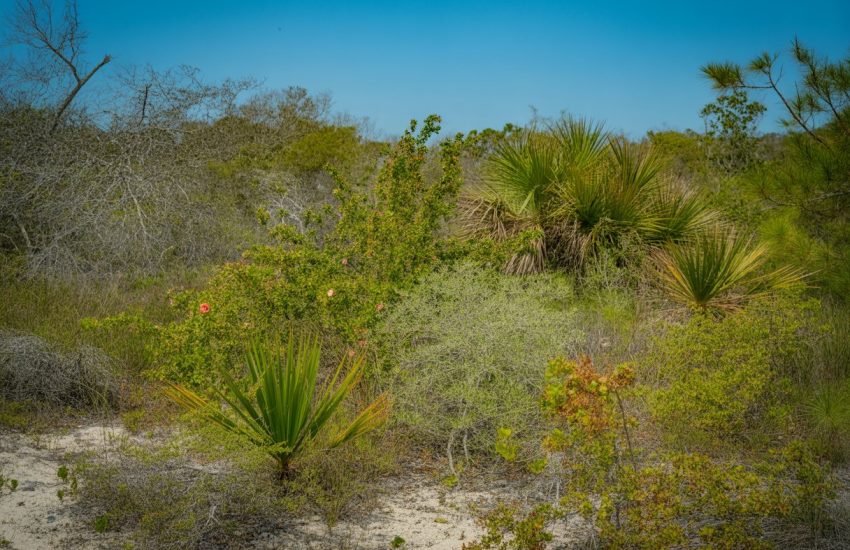
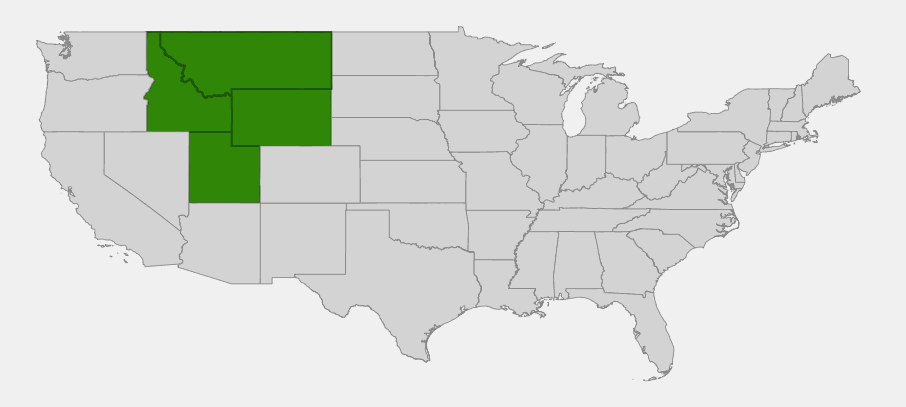
Kew lists Idaho, Montana, Utah and Wyoming as the native states. Colorado is not included in that treatment. Its appearance on the combined Utah and western Colorado regional page therefore should not be read as evidence that this species is native throughout Colorado. The map shows the species-wide state range, while individual varieties occupy smaller portions of it.
The typical variety is associated with the Wasatch region and neighboring mountain settings. The Ohio State University Wolfe Lab describes populations from sagebrush foothills and canyon bottoms into mountain vegetation, including open places among oak, maple, aspen and conifers. Such a range of settings explains why a single elevation or one photograph cannot describe every growing situation.
Use local material where possible. A seed source from a cool, high-elevation site may respond differently in a warm valley garden, while a valley source should not automatically be selected for a mountain restoration. The regional map is a starting point for asking good questions, not a substitute for the nursery's provenance information or the botanical records for a specific property.
📋 Regional plant list: Utah and Western Colorado
Growing & Care Guide
Light
Choose a position with abundant direct sun and space around the leafy crown. A plant pressed against a dense groundcover may receive sun on its flowers while its base remains shaded and damp. Think at the scale of the whole plant. A small group near an open edge is easier to inspect and manage than scattered individuals hidden under larger perennials.
Soil and water
Drainage is central. A rocky-looking surface over compacted, water-holding subsoil is not necessarily a well-drained site. Check how the soil behaves after irrigation before planting. During establishment, water the root ball and surrounding soil sufficiently, then let excess moisture drain away. Once established, lengthen intervals and water according to weather and soil condition rather than automatically following a lawn schedule.
Planting tips
Use a healthy nursery plant or a carefully grown seedling, and set the crown at its previous depth. Avoid burying the base beneath compost or bark. Keep neighboring plants far enough away that air and light reach the basal leaves as the bed matures. In a cold climate, planting time should allow roots to establish before the most stressful part of the season. A small trial is sensible when the seed source is unfamiliar.
Pruning and maintenance
Remove spent stalks selectively if a tidier appearance is needed, but retain some capsules when seed is desired. Do not cut into healthy basal growth simply because the flowers are finished. Remove weeds while their roots are small. If a crown deteriorates, investigate drainage and irrigation before adding fertilizer. A plant adapted to open mineral soils is not improved automatically by richer conditions.
Propagation from seed
Utah sources recommend a cold-moist period, with reported durations varying from roughly one to several months. That variation is a reason to follow the seed supplier's protocol and keep a small untreated comparison, not to promise a single exact number. Sow shallowly, label the lot, and monitor during chilling because some seed can begin germinating then. Handle young roots gently when potting up.
Growing seedlings onward
Use containers deep enough to accommodate developing roots without keeping seedlings confined indefinitely. Give young plants good light and gradually acclimate them before planting outside. Record the source, sowing date, treatment and flowering behavior. Seed-grown plants may vary; retain labels rather than assuming a more purple individual must be a different species or that every blue-flowered plant is true to the original label.
Landscape Uses
- Blue accents in a sunny regional native perennial bed.
- Small groups among compatible dryland grasses and lower wildflowers.
- Rocky slopes with genuine drainage rather than merely decorative stones.
- A spring-to-summer pollinator display combined with later-blooming species.
- Botanical teaching about opposite leaves, tubular flowers and dry capsules.
Wildlife & Ecological Value
For pollinators
The flowers provide a structured tube that shapes how visiting insects approach them. Watch the visitors at your own site instead of assuming all pollinators use the flowers in the same way. Avoid spraying open blossoms, and place the penstemon among plants with other flower forms so the planting offers more than one feeding opportunity.
Butterfly relationships
The Utah propagation workbook lists the species as a larval host for Anicia checkerspot. A host record does not mean a particular garden will support that butterfly; local distribution and the rest of its habitat matter. Some leaf feeding can be compatible with the reason for planting a native species. Observe before treating minor damage as a problem.
Birds and mammals
The main garden value described here is not a guaranteed seed crop for birds or immunity from browsing. Low foliage can be damaged by trampling and herbivory, especially while newly planted. If protection is needed, use a temporary physical barrier that allows light and air. A diverse native garden offers structure and resources through many plants rather than requiring one penstemon to serve every wildlife function.
Community role
A flowering penstemon is part of a seasonal sequence. In a mixed planting, combine it with locally appropriate earlier and later species so insects have resources beyond its bloom period. Avoid replacing all open soil with dense mulch if ground-nesting insects are an important goal, while still controlling invasive weeds. The useful balance is site-specific rather than a universal decorative formula.
Cultural & Historical Uses
The name cyananthus refers to blue flowers, while Wasatch ties the common name to the mountain landscape where the plant is familiar. Older literature may place penstemons in Scrophulariaceae; current classifications place this species in Plantaginaceae. Both details help explain why a plant search can return different family headings without referring to a different organism.
Regional horticultural groups have helped translate observation of native penstemons into propagation and garden practice. Their reports also show that plant size and bloom dates depend on place: a Salt Lake City garden and a mountain trail do not operate on the same calendar. Keep those settings attached to advice rather than stripping every description into one supposedly universal growing chart.
No specific medicinal or edible use is asserted for this species here. Its documented value as a native ornamental and ecological plant is enough. A responsible plant profile should not borrow traditional uses from another Penstemon species simply to fill a historical section. Growing propagated material and retaining its identity are worthwhile contributions without an invented ethnobotanical story.
Frequently Asked Questions
Is Wasatch penstemon native to Colorado?
Kew's species treatment lists Idaho, Montana, Utah and Wyoming. The combined regional page includes it for Utah; that does not establish Colorado nativity.
Why is mine shorter than three feet?
Published garden descriptions include compact plants around 12–18 inches as well as taller flowering stems. Population, age and growing conditions affect stature. The regional upper range is not a guaranteed minimum.
Does it need rich soil?
Not generally. Prioritize drainage, light and an appropriate watering regime. Rich amendments do not compensate for a waterlogged crown.
Must I chill the seed?
Cold-moist treatment is recommended in Utah propagation references, but the duration varies. Follow lot-specific instructions, monitor for germination during treatment, and keep records.
Can I use a nursery blue penstemon hybrid instead?
It may be a fine ornamental, but it is not automatically Penstemon cyananthus. For a species-level native planting, buy correctly identified material and retain the full label.
Sources & Further Reading
- Kew POWO: Penstemon cyananthus accepted taxonomy and range
- Ohio State University Wolfe Lab: typical variety
- Utah Native Plant Society: Wasatch penstemon fact sheet
- Utah native plant propagation workshop workbook
- USDA PLANTS: PECY2
Find Native Plants
Ask growers about nursery propagation and regional provenance. Browse our Utah native plant nurseries, Colorado native plant nurseries directory for suppliers.