
Wild Canterbury Bells (Phacelia minor)
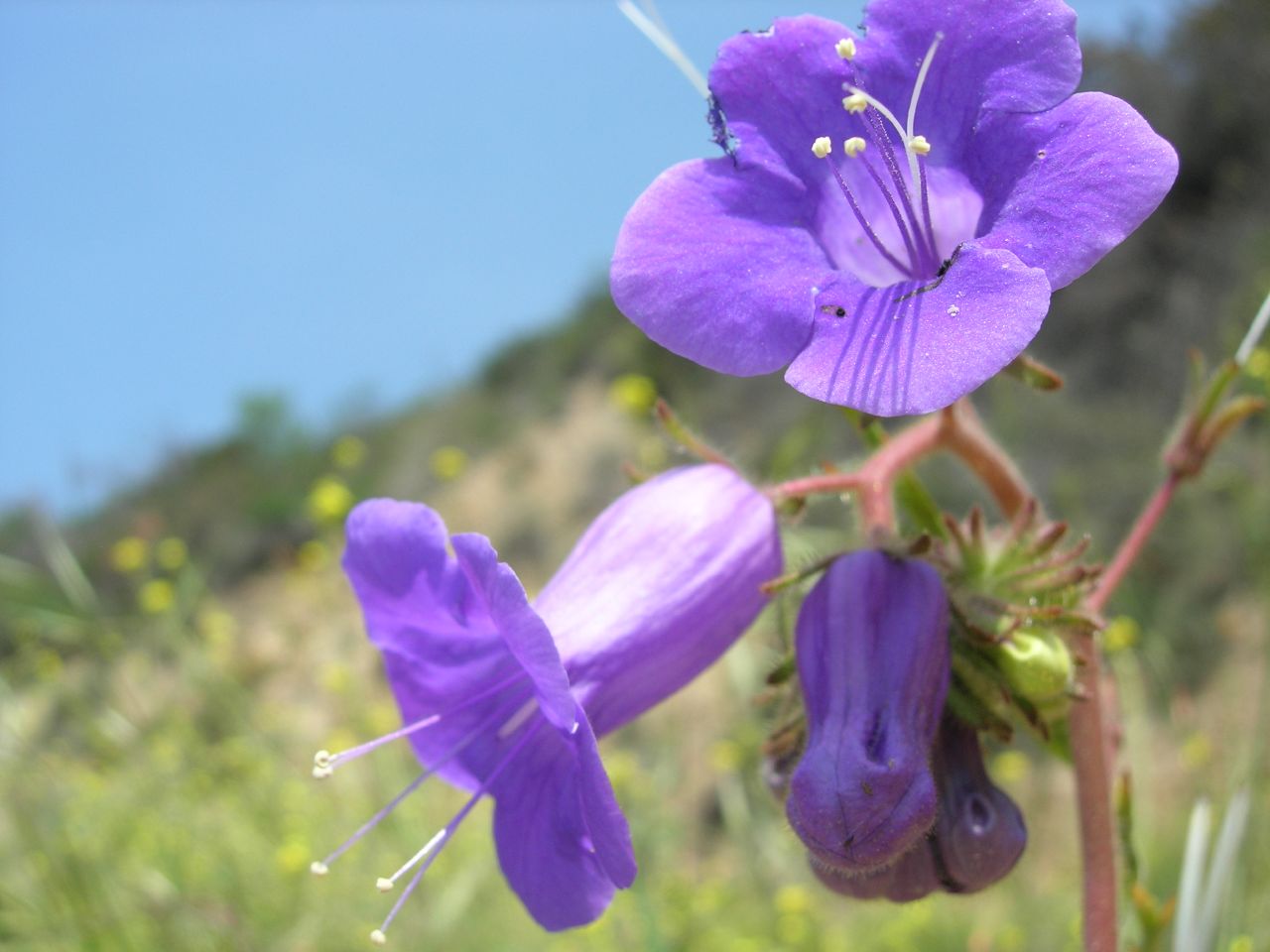
Phacelia minor, known as Wild Canterbury Bells or whitlavia, is a showy native annual wildflower of southern California and northern Baja California, in the borage family (Boraginaceae; formerly the waterleaf family, Hydrophyllaceae). In spring it carries large, bell-shaped flowers of deep violet-blue to purple, up to about 1½ inches long, on erect, sticky-hairy stems 8 to 24 inches tall.
Its common name comes from the resemblance of its flowers to the garden Canterbury bells (Campanula medium) of Europe, though the two are unrelated. It is one of the largest-flowered phacelias, and it is one of the classic “fire-follower” wildflowers of southern California: it can be scarce for years and then bloom in great numbers on chaparral slopes in the first springs after a wildfire.
This guide covers identification, where to see it, how to grow it from seed, its value to native bees, and an important note: like several phacelias, its glandular hairs can cause a skin rash in sensitive people.
Identification
Wild Canterbury bells is easy to recognize when in flower: few other southern California wildflowers have such large, deep purple, bell-shaped blooms.
Growth Form
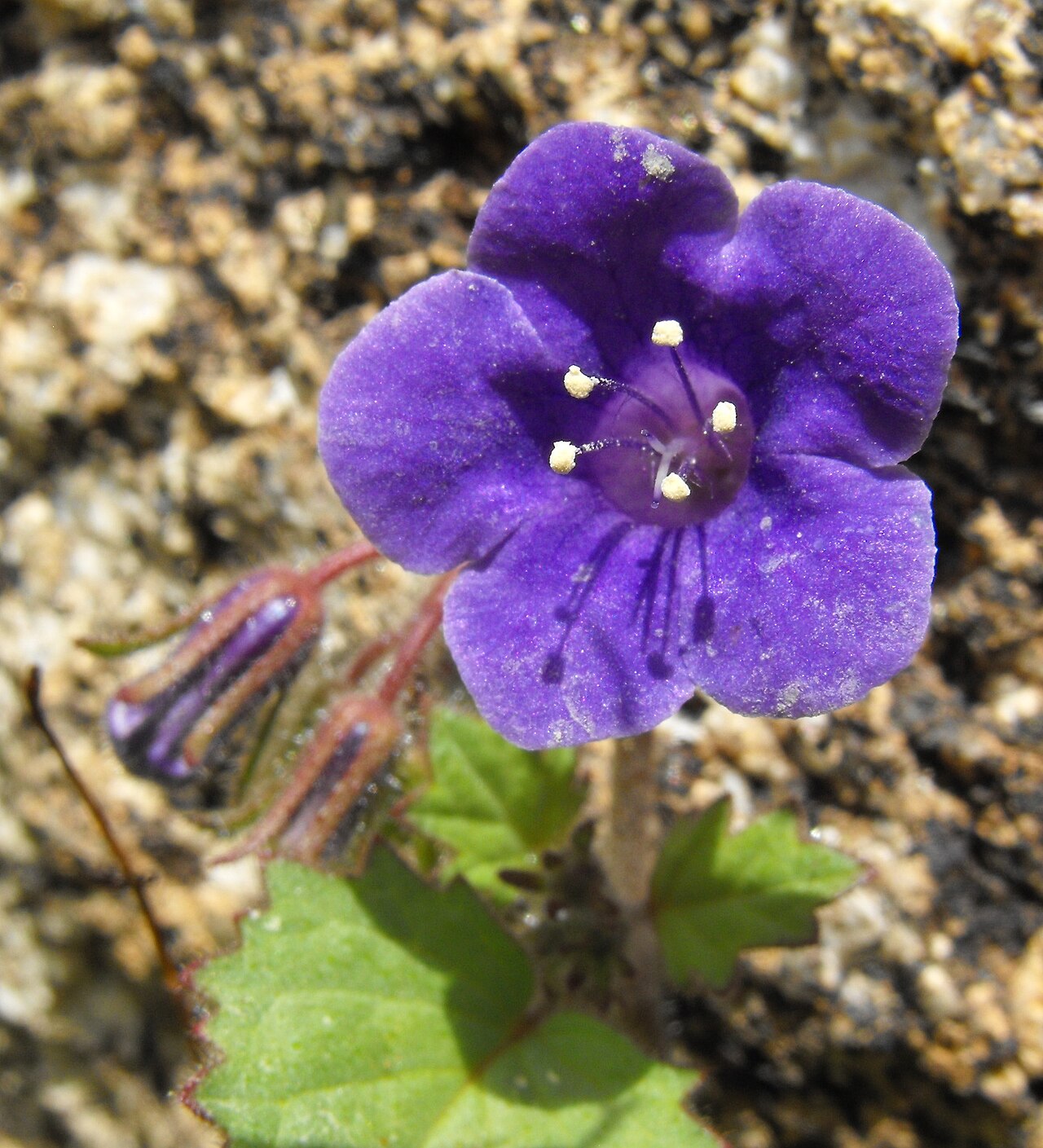
An erect annual, usually with a single unbranched or few-branched stem 8 to 24 inches tall. The whole plant is glandular and covered with stiff hairs, so it feels sticky and slightly rough.
Leaves
The leaves are oval to nearly round, up to about 4 inches long, with toothed, often crinkled edges, and are borne on long stalks. They are bright to dark green.
Flowers
The flowers are borne in coiled, one-sided clusters (cymes) that unroll like a fiddlehead as the buds open. Each flower is a broad bell or tube about ¾ to 1½ inches long, violet-blue to deep purple, often paler inside. The stamens carry white anthers, which show prominently against the dark flower. Bloom time is mainly March to June, earlier at low elevations.
Fruit & Seeds
Each flower forms a small capsule containing many tiny seeds. Seeds can stay dormant in the soil for years and germinate in large numbers after fire or soil disturbance.
Similar Species
California bluebells (Phacelia campanularia) of the deserts has similar bell-shaped flowers but they are bright gentian blue and somewhat smaller. Other phacelias in the region, such as lacy phacelia, have small, open flowers in dense coils and divided leaves. Garden Canterbury bells is a cultivated Campanula with upright, cup-shaped flowers and no coiled clusters.
Quick Facts
| Scientific Name | Phacelia minor |
| Family | Boraginaceae (borage family; formerly Hydrophyllaceae) |
| Plant Type | Annual herb (wildflower) |
| Mature Height | 8–24 in |
| Mature Spread | 6–12 in |
| Growth Rate | Fast; completes its life cycle in spring |
| Sun Exposure | Full sun to light shade |
| Water Needs | Low; winter rain only |
| Soil Type | Well-drained sandy, gravelly or rocky soil; disturbed ground |
| Soil pH | About 6.0–8.0 |
| Bloom Time | March–June |
| Flower Color | Violet-blue to deep purple |
| Fall Color | None; dies back by summer |
| Fruit | Small capsules with many tiny seeds |
| Deer Resistant | Moderately; sticky, bristly foliage |
| USDA Hardiness Zones | Annual; grows in zones 8–10 |
Native Range
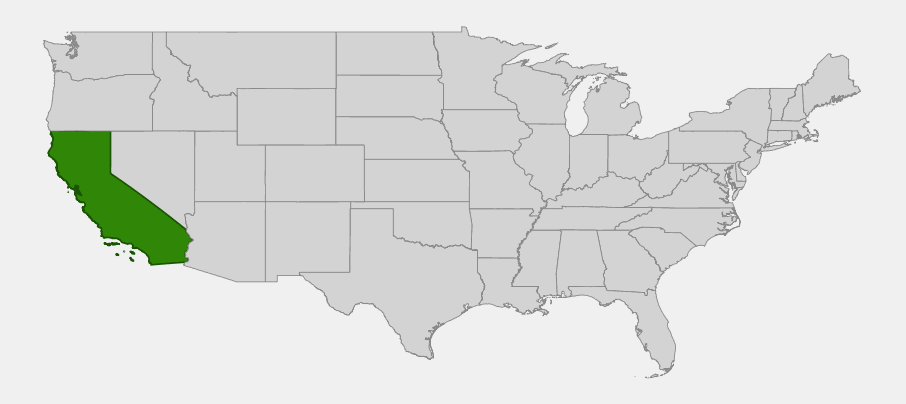
Wild Canterbury bells is native to southern California and northern Baja California, Mexico. Within the United States, USDA PLANTS records it in California and Massachusetts, but the Massachusetts record represents a garden escape; the plant’s native range is in southern California only, so this page and its map show California alone.
In California it grows from the Santa Monica Mountains and the Transverse Ranges south through the Peninsular Ranges, in the coastal and inland hills, valleys and mountains of Los Angeles, Ventura, San Bernardino, Riverside, Orange and San Diego counties, and east to the western edge of the Colorado Desert, as in Anza-Borrego Desert State Park.
Its habitats are dry, open places: chaparral and coastal sage scrub, especially in the years after fire, rocky slopes, washes and disturbed ground. It grows below about 5,000 feet.
📋 Regional plant lists featuring Wild Canterbury Bells: California & Nevada
Growing & Care Guide
Wild Canterbury bells is an easy and rewarding annual for southern California gardens, grown from seed sown in fall. Wear gloves when handling it: like several phacelias, its glandular hairs can cause an itchy rash similar to poison oak in sensitive people, so plant it away from paths where people brush against it.
Light
Grow it in full sun or light shade. It flowers best in sun.
Soil & Water
Sow it in well-drained soil; it does well in sandy, gravelly or rocky ground and tolerates poor soil. Winter rain is usually all it needs. If rains are sparse, water occasionally until it flowers. No summer water is needed; it dies after setting seed.
Planting Tips
Sow seed in late summer or fall on the soil surface, since light helps germination. Press it in lightly but do not bury it. Scatter it on open ground with other annuals such as California poppy, arroyo lupine and baby blue eyes.
Pruning & Maintenance
No pruning is needed. Wear gloves and long sleeves when weeding around it or removing the dead plants after they have dropped their seed.
Propagation
Grow it from seed, sown in place. Collect seed from dry capsules in early summer and store it dry. Wild seed often germinates best after fire or soil disturbance, and some gardeners treat seed with smoke products to imitate post-fire conditions.
Landscape Uses
- Wildflower gardens and meadows: large purple bells in spring
- Pollinator gardens: valuable to native bees
- Chaparral and dry gardens: an annual for open spaces between shrubs
- Post-fire and slope restoration: within its southern California range
- Containers: an eye-catching spring annual, placed out of reach of passersby
Wildlife & Ecological Value
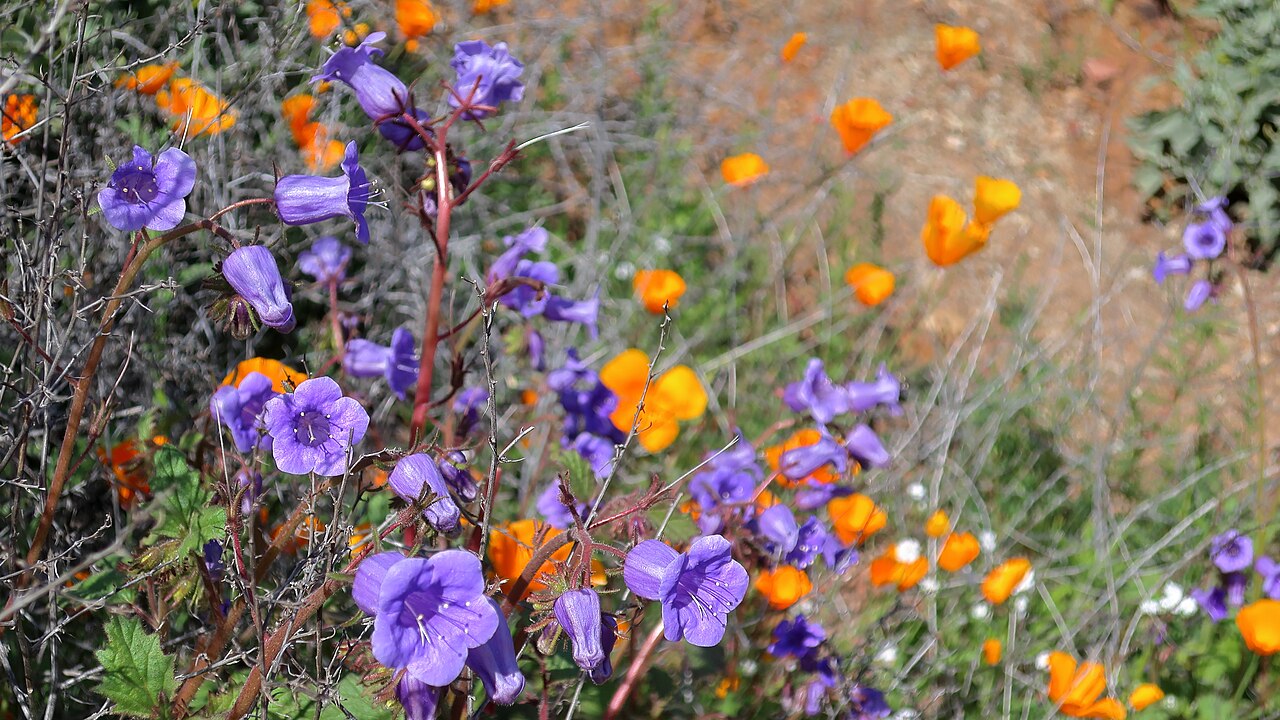
Wild Canterbury bells is one of many annual wildflowers that make southern California chaparral bloom so spectacularly after fire, and it is a strong draw for bees.
For Pollinators
The Xerces Society lists wild Canterbury bells as having special value to native bees. Bumblebees, carpenter bees and many solitary bees crawl into the bell-shaped flowers for nectar and pollen. Phacelias in general are among the most important native bee plants in California.
For Birds
Seed-eating birds such as sparrows and finches may eat the small seeds from the dry capsules in early summer.
For Mammals
Its sticky, bristly foliage discourages most browsing animals, though rodents gather fallen seed.
Ecosystem Role
As a fire-follower, it germinates from long-lived seeds in the soil after wildfire, covering burned slopes with flowers and feeding pollinators while the chaparral shrubs regrow. Its seed bank lets it persist through the long intervals between fires.
Cultural & Historical Uses
The genus name Phacelia comes from the Greek phakelos, “bundle,” for the clustered flowers. The species was first described as Whitlavia minor, and a large-flowered form was named Whitlavia grandiflora. “Whitlavia” is still used as a common name.
In the nineteenth century whitlavia was introduced into European gardens as an ornamental annual, and it appears in European garden floras of the time, such as an illustrated Dutch flora of 1868. Today it is mostly grown by native plant gardeners in California.
Like several phacelias, its glandular hairs can cause contact dermatitis in some people. Handle it with gloves and avoid touching your face after brushing against it.
Frequently Asked Questions
Is wild Canterbury bells related to garden Canterbury bells?
No. Garden Canterbury bells (Campanula medium) is a European bellflower. Wild Canterbury bells is a native California phacelia that got its name from its similar bell-shaped flowers.
Can wild Canterbury bells cause a rash?
Yes, in some people. Its sticky glandular hairs can cause an itchy rash similar to poison oak. Wear gloves when handling it and plant it away from paths and play areas.
Where can I see wild Canterbury bells?
In the hills and mountains of southern California, from the Santa Monica Mountains to the Peninsular Ranges and the edge of the Colorado Desert, especially in chaparral during the first few springs after a fire.
How do I grow wild Canterbury bells from seed?
Sow seed on the soil surface in late summer or fall in a sunny, well-drained spot, and let winter rains water it. It blooms in spring and dies after setting seed.
Is wild Canterbury bells good for bees?
Yes. It is listed by the Xerces Society as having special value to native bees, and bumblebees and solitary bees visit it heavily.

Looking for a nursery that carries Wild Canterbury Bells?
Browse our native plant nursery directory: California