A Pacific Northwest Dry-Summer Garden: Separate Summer-Dry and Moist Planting Zones
Last updated: November 7, 2026
West of the Cascades, gardens swing between two extremes. Winter and spring are long and wet, then July through September can pass with almost no rain.
Oregon State University Extension describes this as a near-Mediterranean climate and notes that many Pacific Northwest natives are naturally adapted to the summer dry period. The catch is that others, such as bleeding heart and lady fern, come from damp woods and wilt or go dormant without summer moisture.
The fix is not one compromise watering schedule. It is two separate planting zones, one that gets no summer water once established and one that stays moist, with a clear line between them.
Plan at a Glance
| Site | A yard with at least one sunny, well-drained area and one shady, low or downspout-fed area |
| Size | Any size; the example uses about 300 sq ft split into a dry zone and a moist zone |
| Sun | Dry zone: full sun to light shade. Moist zone: part shade to shade |
| Soil | Dry zone: well-drained, even poor soil. Moist zone: humus-rich soil that stays damp |
| Maintenance | Low once established; the main job is keeping irrigation in the moist zone only |
| Best regions | Western Oregon, western Washington and southwest British Columbia, west of the Cascade crest |
Why Mixing the Zones Fails
Most garden trouble in this climate comes from a sprinkler that waters everything the same way. The moist-woodland plants want more than they get, and the dry-site plants get more than they can handle.
OSU Extension gives two clear examples. Oregon white oak is subject to root rot if irrigated, and camas needs summer dry periods to keep its bulbs from rotting. The same publication notes that kinnikinnick can get fungal disease with too much moisture and shade.
Grouping plants by water need, which OSU calls “zoning,” lets each zone get what it needs. It also keeps your water bill down, since only part of the garden gets summer water.
Map Your Yard Into Wet, Dry and Seasonal Ground
Do this in two passes. In late winter, after several days of rain, note where water pools or the soil stays soggy. In August, note where the soil is dust-dry and where it stays cool and damp.
You will usually find three kinds of ground. South- and west-facing slopes, banks and gravelly spots are the natural dry zone. North sides of buildings, the base of downspouts and low corners under trees are the moist zone.
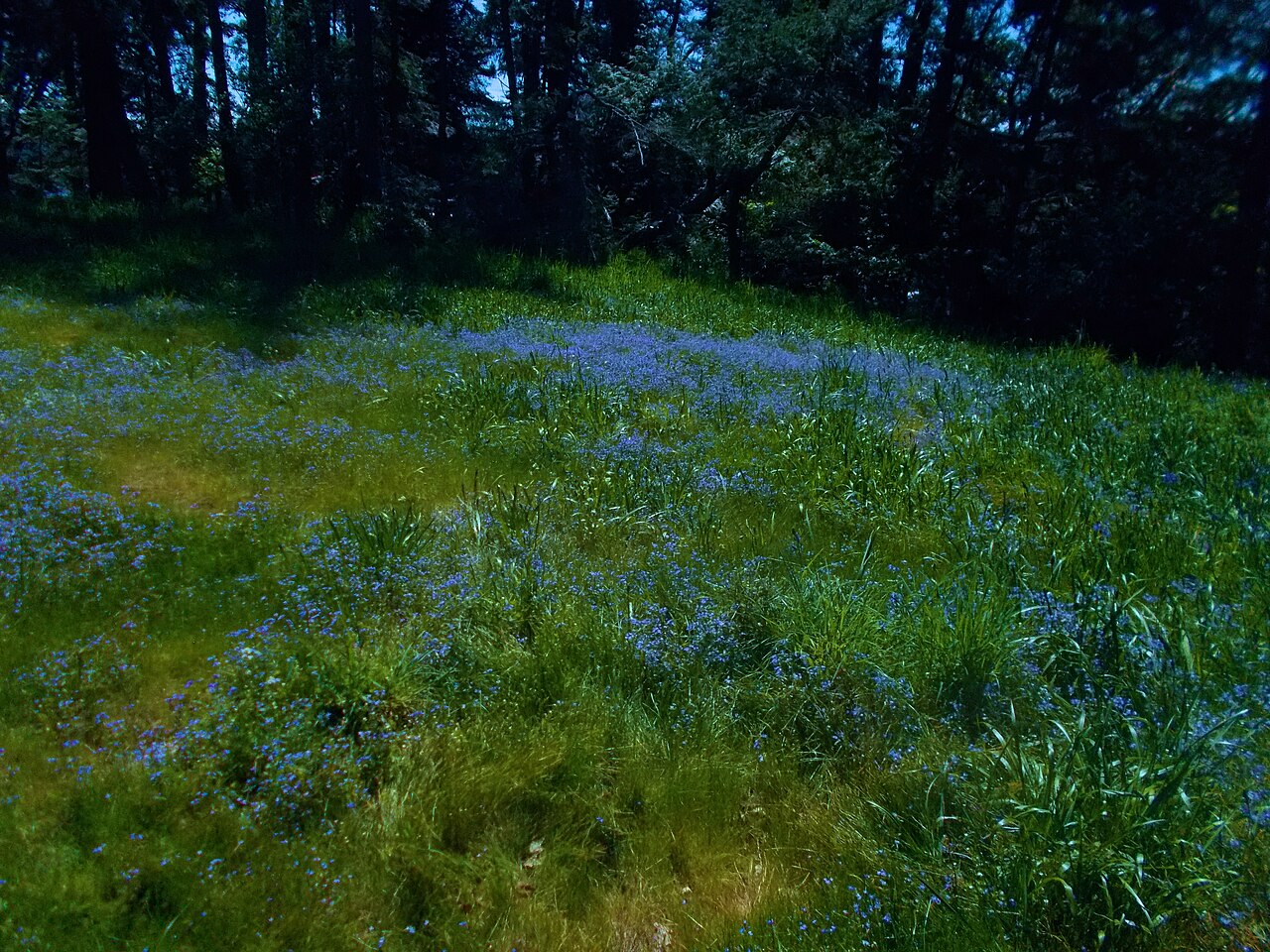
Between them, some yards have a third kind: ground that is soggy in spring but dries hard by July. That is not a problem spot. It is exactly the habitat camas grows in. Our guide to native plants for a seasonally wet yard covers this kind of ground in more detail, and our Mid-Atlantic rain garden plan shows the same wet-to-dry zoning applied to a built basin.
Zone 1: The Summer-Dry Garden
This zone gets watered during establishment and then only rarely, if at all. Place it in the sunniest, best-drained part of the yard, well away from lawn sprinklers.
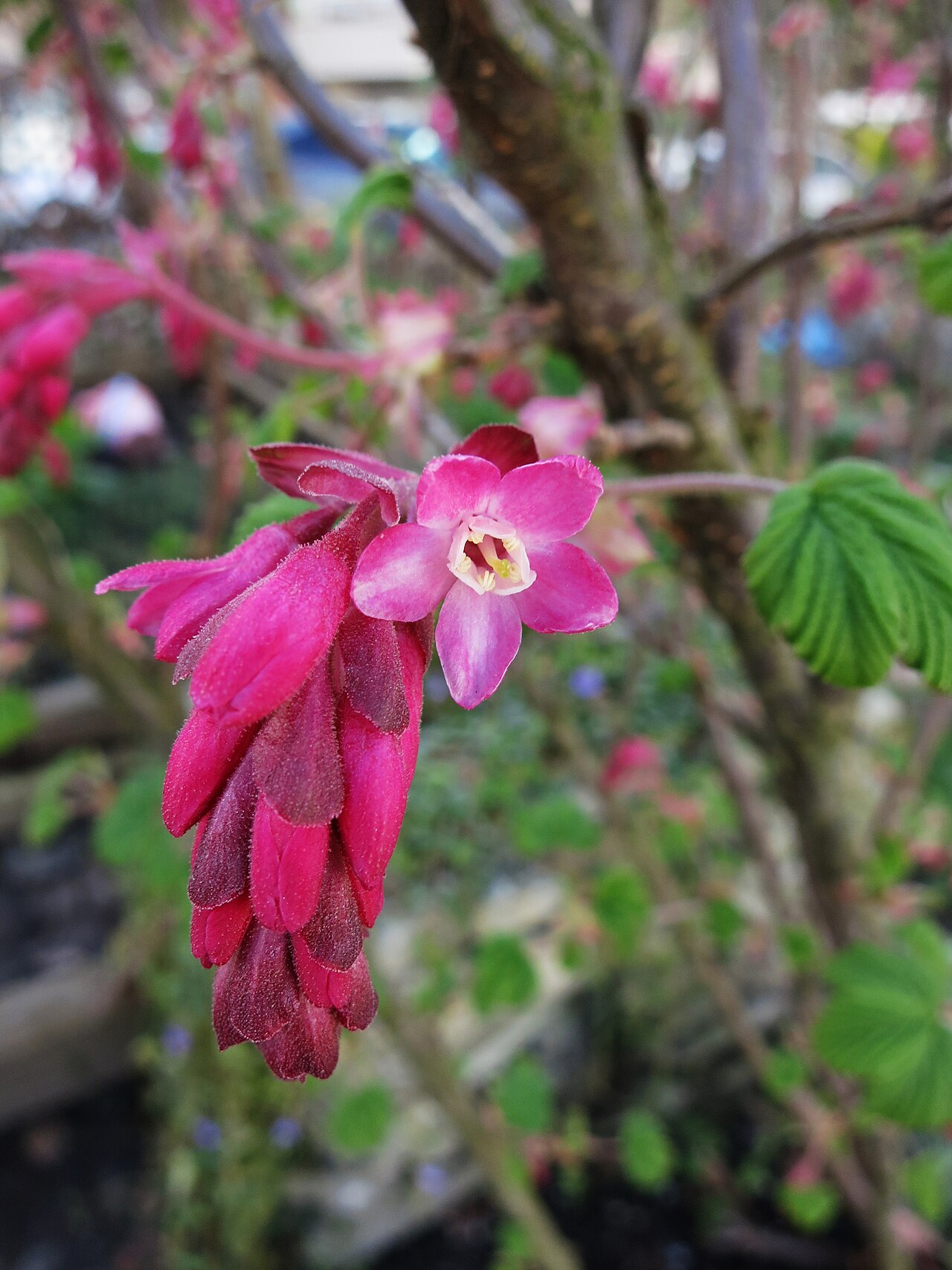
Red-flowering currant is the anchor shrub. OSU lists it as a rapid-growing shrub of 8 to 10 feet or more, with red flower clusters in late winter before the leaves emerge. The Wildflower Center records it in sun, part shade or shade, in dry to moist soil.
Tall Oregon grape adds evergreen structure. The Wildflower Center lists its natural habitat as conifer forests and open, rocky woods, rates its drought tolerance as high and gives a height of up to 15 feet, often shorter. OSU notes dwarf forms are sold if you need something smaller.
Oceanspray is the third shrub, for the back of the zone. OSU gives a size of 4 to 15 feet, notes it requires well-drained soil and can be slow to establish, and lists it among the water-wise natives.
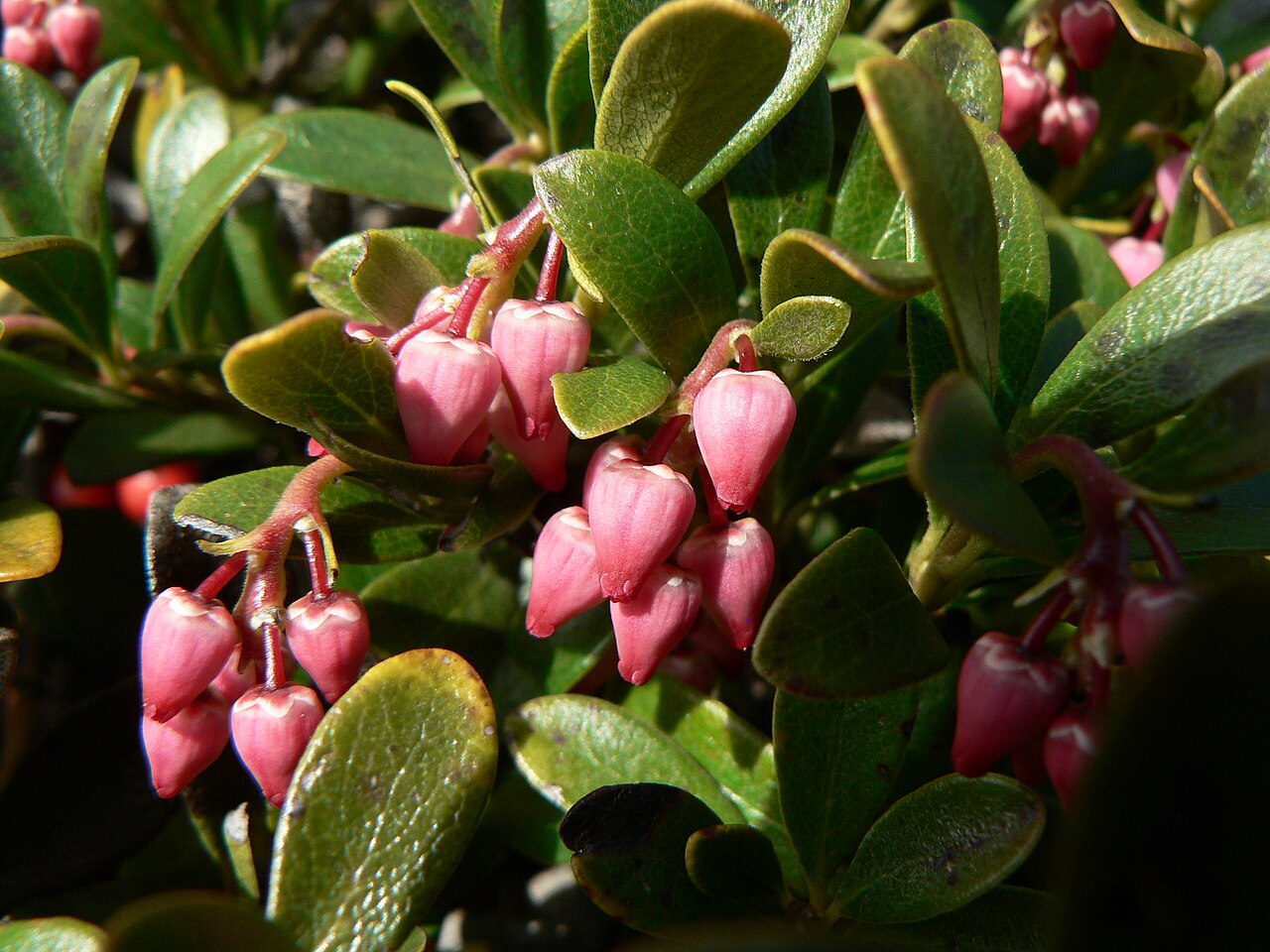
Kinnikinnick covers the ground at the front. OSU describes it as a prostrate evergreen 6 to 8 inches tall that forms creeping mats in full sun and is best in well-drained soil.
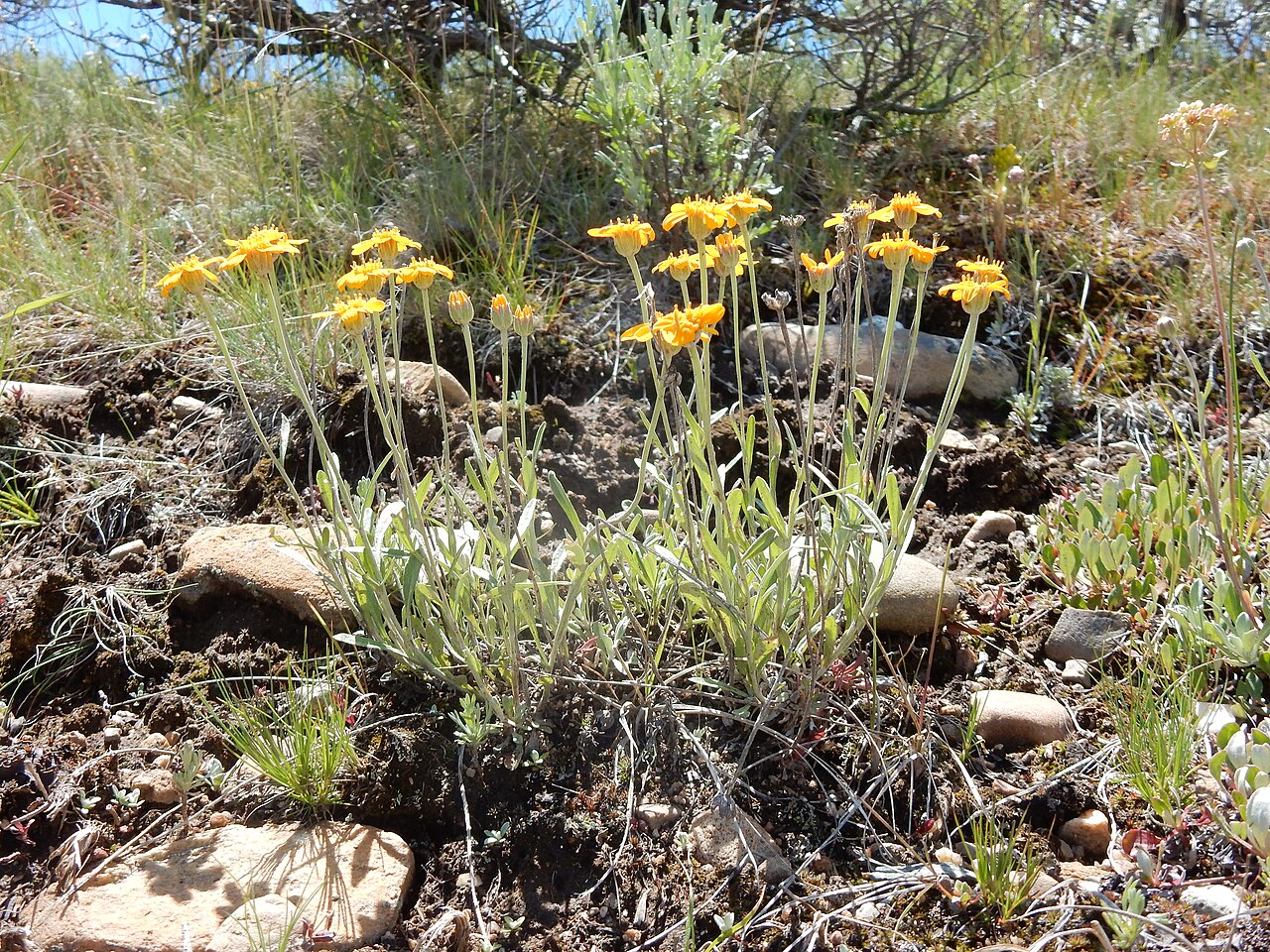
Oregon sunshine supplies bright yellow flowers in spring and summer. OSU lists it at up to 2 feet and says it needs good drainage. It notes lowland forms are taller and greener than mountain or Columbia Gorge forms, so buy from a westside nursery if you can.
Oregon iris finishes the dry zone. OSU says it requires dry summer soil with only moderate water. Check your location first: the Wildflower Center gives its range as southwest Washington to southwest Oregon, so it is not native around Puget Sound or in British Columbia. There, use common yarrow, which OSU lists as good for dry areas.
Zone 2: The Spring-Wet, Summer-Dry Swale
If you have a low spot that floods in winter but dries by summer, plant it with camas and leave it unirrigated. OSU says camas needs a site with spring moisture and summer dryness, does well in heavy soils, goes dormant by the end of summer and self-seeds.
The Wildflower Center describes camas habitat the same way: moist areas, often where they dry by late spring. Plant bulbs in fall in drifts rather than rows, and mark the area so no one adds a sprinkler head later.
OSU also warns that camas is often wild-collected, so buy from a nursery that grows its own bulbs.
Zone 3: The Moist Garden
Put this zone where water already collects: the north side of the house, the bottom of a downspout or a low corner under trees. It is the only part of the garden that gets regular summer water.
Pacific ninebark is the main shrub. OSU calls it a multistemmed shrub to 8 feet or more that is best used in moist locations, and the Wildflower Center lists its habitat as moist banks and north slopes.
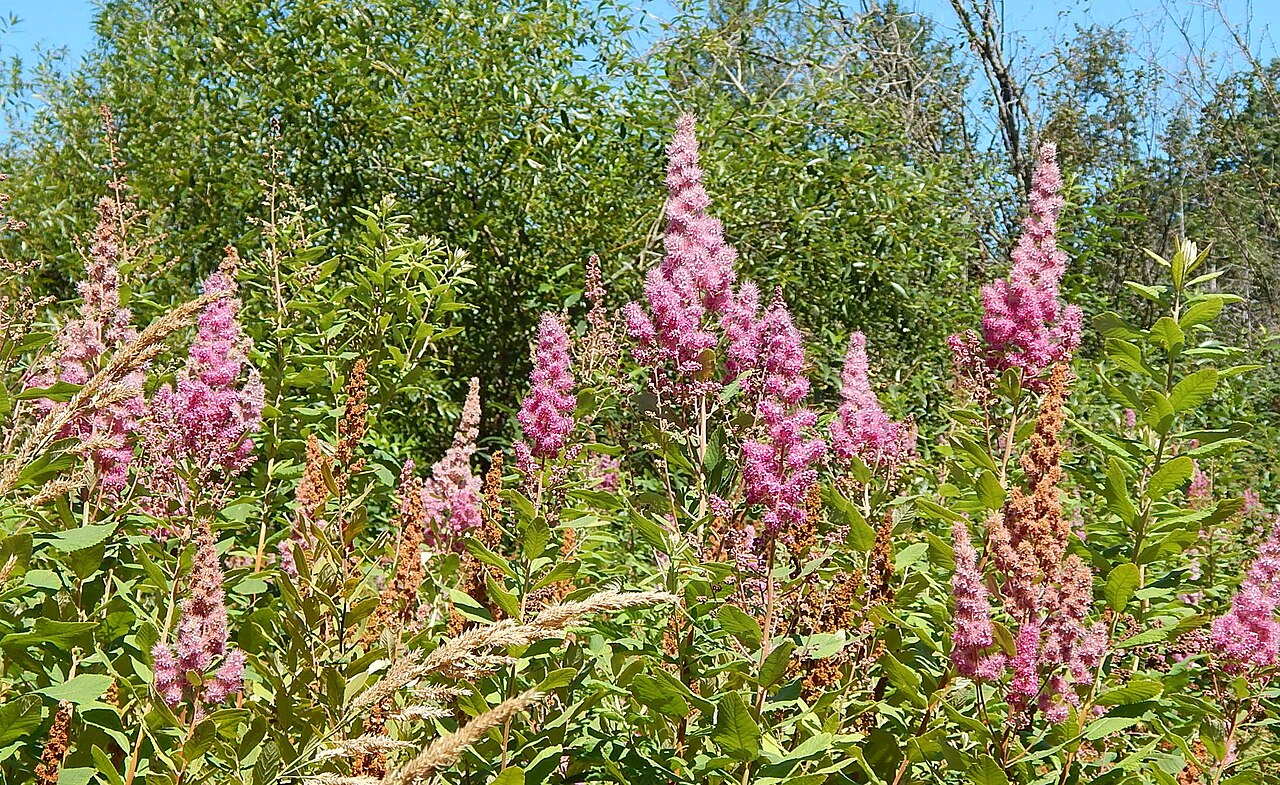
Douglas spirea brings pink flower spikes in summer. OSU says that although it survives in dry areas, it does best in moist soil, and it is a vigorous spreader, so plant it where a thicket is welcome.
Slough sedge fills the wettest ground. The Wildflower Center lists high water use, part shade and a height up to about 4 feet, and records it only in California, Oregon, Washington and British Columbia.
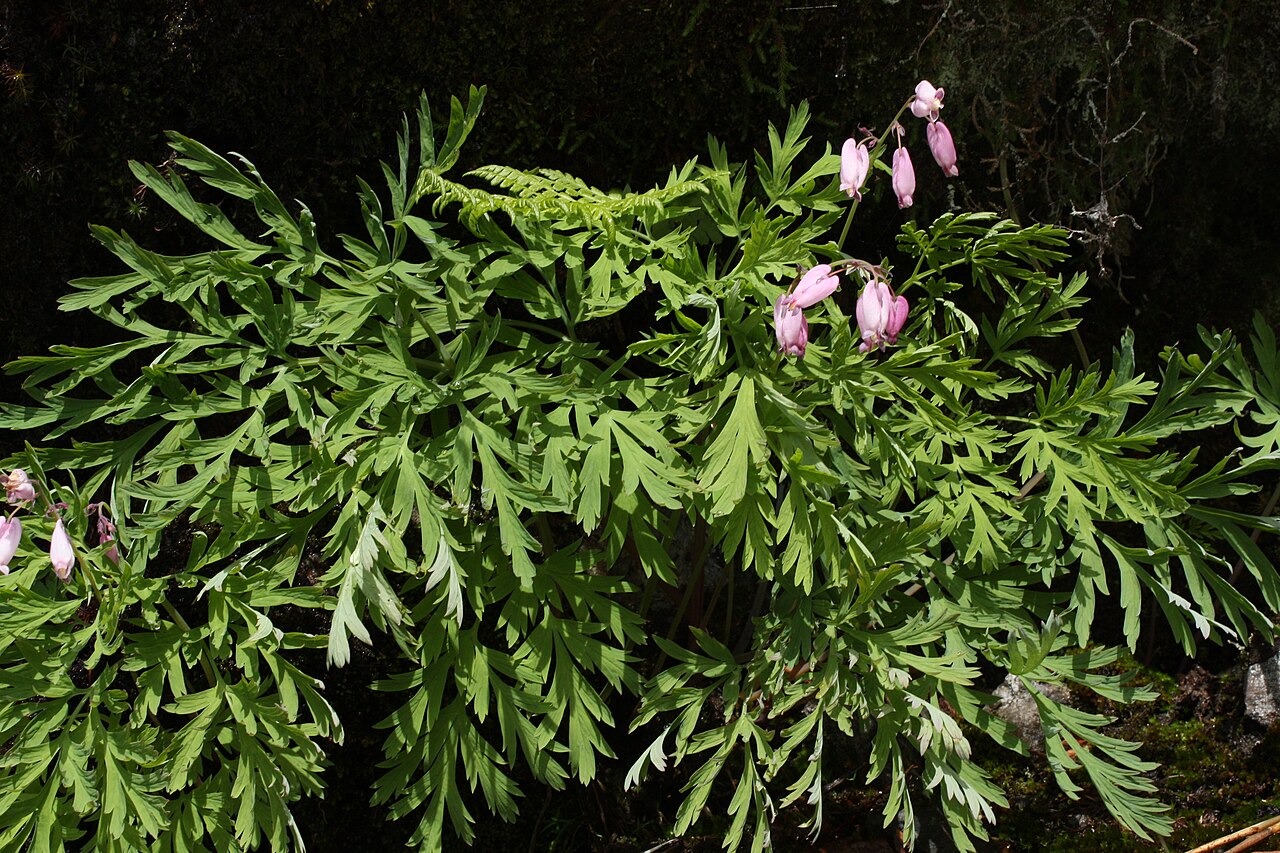
Pacific bleeding heart is the moist zone’s ground layer. OSU says it is best in moist shade, can spread aggressively in a garden and dies back during dry summer months.
Use Sword Fern to Bridge the Two Zones
A hard line between a lush moist bed and a dry bed can look abrupt. Western sword fern softens it.
OSU describes it as a 3- to 5-foot evergreen fern that tolerates dry shade and lists it among the water-wise natives. The Wildflower Center notes it grows naturally in damp conifer woods. That range lets it sit on the edge of the moist zone, where it gets occasional overspray, or in the shade of the dry-zone shrubs.
Plant Palette
| Plant | Role | Height | Sun / water | Native range |
|---|---|---|---|---|
| Red-flowering currant | Dry zone: anchor shrub | 8–10 ft+ | Sun to shade; dry to moist | CA Coast Ranges to BC and n. ID |
| Tall Oregon grape | Dry zone: evergreen shrub | to 15 ft, often less | Part shade to shade; dry | BC to ID and NW MT, south to n. CA |
| Oceanspray | Dry zone: back shrub | 4–15 ft | Sun to part shade; well-drained | CA Coast Ranges to BC and w. MT |
| Kinnikinnick | Dry zone: groundcover | 6–8 in | Full sun; well-drained | Circumboreal; includes OR, WA, BC |
| Oregon sunshine | Dry zone: flowers | to 2 ft | Full sun; good drainage | BC to s. CA, east to the Rockies |
| Oregon iris | Dry zone: flowers (south only) | 10–14 in | Part shade; dry summer | SW WA to SW OR |
| Camas | Seasonal swale: bulbs | 1–3 ft | Sun; wet spring, dry summer | BC to CA, east to AB, MT, WY, UT |
| Pacific ninebark | Moist zone: main shrub | to 8 ft+ | Sun to part shade; moist to wet | AK to CA and ID |
| Douglas spirea | Moist zone: spreading shrub | to 11 ft | Part shade; moist | BC to NW MT, south to n. CA |
| Slough sedge | Moist zone: wettest ground | to 4 ft | Part shade; wet | CA, OR, WA, BC |
| Pacific bleeding heart | Moist zone: ground layer | to 2 ft | Shade; moist | C. CA to w. BC |
| Western sword fern | Bridge between zones | 3–5 ft | Part shade to shade; moist or dry shade | CA coast north to AK and NW MT |
Heights from OSU Extension EC 1577 or the Wildflower Center; ranges from the Lady Bird Johnson Wildflower Center.
Watering by Zone
| All zones, first year | Water through the first dry season; OSU says perennials can take a year and shrubs two or more to establish |
| Dry zone after establishment | Taper off gradually; OSU suggests watching for wilting, curling or dull leaves while you cut back |
| Seasonal swale | No summer water at all once camas is established |
| Moist zone | Regular summer water on its own drip line or hose; keep the spray off the dry zone |
| Established natives in general | OSU’s general guidance is perhaps once or twice a month; the dry zone can often get by with less |
Installation Steps
- Plant in the wet season. OSU recommends fall to late winter or early spring, so roots establish before the dry season.
- Separate the irrigation first. Run drip or a soaker hose to the moist zone only. Cap or move sprinkler heads that throw water into the dry zone.
- Don’t amend the dry zone. Kinnikinnick tolerates poor soil, and rich, moisture-holding soil defeats the purpose. Add leaf compost to the moist zone instead.
- Set the edge. A path, a line of stones or a strip of sword ferns marks where the watering stops.
- Mulch to match. Use gravel or a thin layer of bark in the dry zone and shredded leaves in the moist zone.
The First Three Years
Year one: Water both zones through the first summer. OSU stresses that even native plants require water to become established.
Year two: Begin cutting back water to the dry zone, a little at a time. Keep the moist zone on its regular schedule. Let camas foliage yellow and die back on its own.
Year three: The dry zone should get by on rain alone or a rare deep soak in a heat wave. Edit Douglas spirea and bleeding heart where they spread, and trim old sword fern fronds in spring if you want a tidier look, as OSU suggests.
Mistakes to Avoid
- One sprinkler for the whole yard. It overwaters the dry zone and underwaters the moist zone.
- Watering camas in summer. OSU warns the bulbs can rot.
- Kinnikinnick in damp shade. Too much moisture and shade can cause fungal disease.
- Ignoring plant origin. OSU notes growth form varies with where a plant came from; buy westside, lowland stock when you can.
- Douglas spirea in a small bed. It spreads vigorously and will take over.
- Quitting water too early. Shrubs can take two or more years to establish.
Regional notes: In the Puget Sound lowlands and southwest British Columbia, replace Oregon iris with yarrow. East of the Cascades, this plan doesn’t apply; check our Idaho, Eastern Oregon & Eastern Washington list for plants suited to that climate.
📋 Find these plants in your region: most of this palette, including red-flowering currant, tall Oregon grape, oceanspray, kinnikinnick, Oregon iris, Pacific ninebark, Douglas spirea and slough sedge, appears in our Western Oregon & Western Washington native plant list.
Frequently Asked Questions
Do Pacific Northwest native plants need summer water?
Some don’t once established, and some do. OSU notes many natives tolerate the dry summer, while bleeding heart and lady fern die back without moisture. Group plants by water need.
How long should I water a new native garden in western Oregon or Washington?
Through at least the first dry season. OSU says perennials may take a year and shrubs and trees two or more years to establish.
Why did my camas bulbs rot?
Most likely summer irrigation. OSU says camas needs spring moisture and summer dryness, so keep sprinklers off it after the foliage dies back.
When is the best time to plant natives west of the Cascades?
During the wet season, from fall to late winter or early spring, according to OSU. Roots establish before the summer drought.
Is Oregon iris native around Seattle?
The Wildflower Center gives its range as southwest Washington to southwest Oregon. Around Puget Sound, choose yarrow or another dry-zone perennial native to your area.
Sources
- Oregon State University Extension, EM 9697: Incorporating Pacific Northwest native plants into your water-wise landscapes: near-Mediterranean climate, zoning, establishment and tapering water, oak and camas rot, summer dieback, water-wise plant list.
- Oregon State University Extension, EC 1577: Gardening with Oregon Native Plants West of the Cascades: plant sizes and needs, planting season, establishment times, watering frequency, spreading habits.
- Lady Bird Johnson Wildflower Center plant database: Ribes sanguineum, Mahonia aquifolium, Holodiscus discolor, Arctostaphylos uva-ursi, Eriophyllum lanatum, Iris tenax, Camassia quamash, Physocarpus capitatus, Spiraea douglasii, Carex obnupta, Dicentra formosa, Polystichum munitum: native ranges, habitats, light and moisture, sizes.