Low Maintenance Native Plants Washington for Sustainable, Easy-Care Gardens
Last updated: September 19, 2026
Gardening in Washington doesn’t have to be complicated. If you go with low maintenance native plants, you’re already making things simpler and more eco-friendly.
These plants know the local climate and soil. They just need less water, less fertilizer, and less fuss than non-natives. Low maintenance native plants like Oregon grape, red-flowering currant, and bunchgrass all do well in Washington with almost no upkeep.
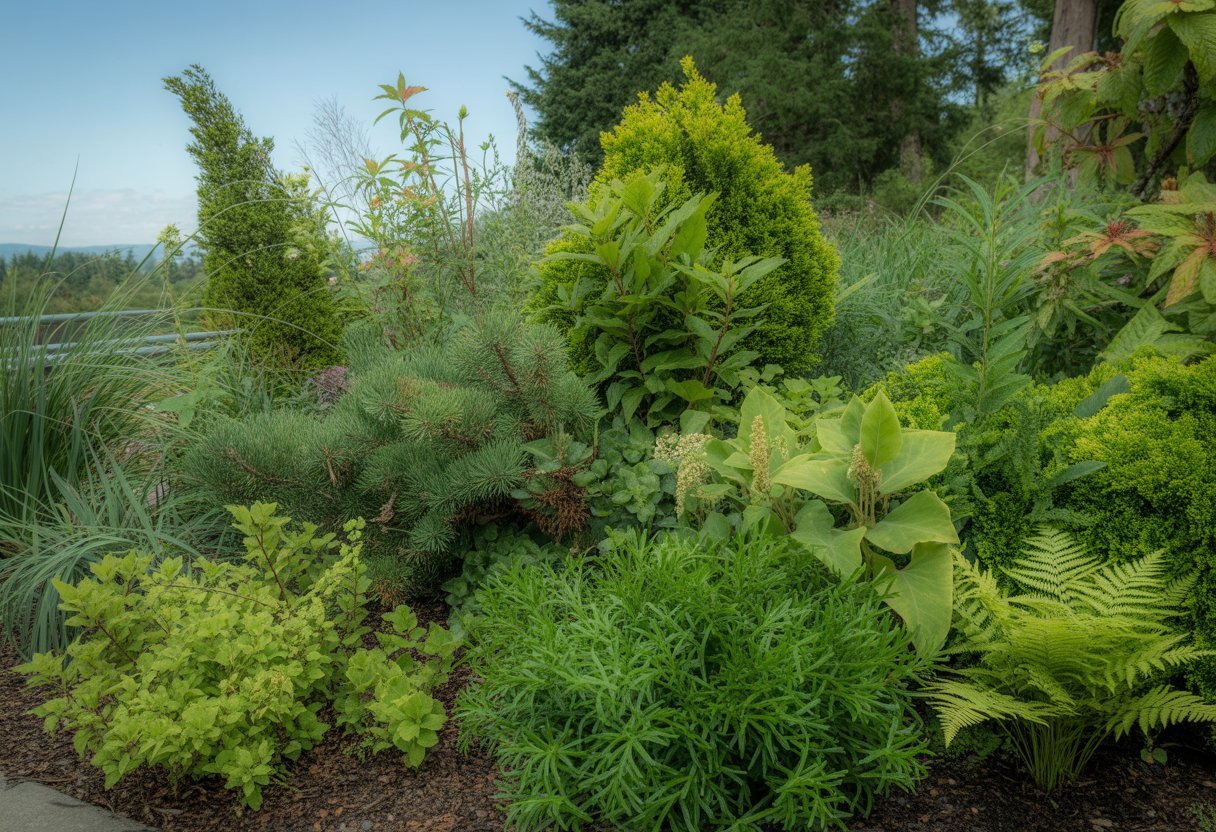
Native plants help local wildlife and keep the region’s biodiversity humming along. You get natural beauty all year, and there’s less trouble with pests and diseases.
If you want a sustainable garden in Washington, it pays to know which native plants don’t need a lot of care. Let’s look at some of the best picks for easy, low-maintenance gardening in the state.
Essential Benefits of Low Maintenance Native Plants in Washington
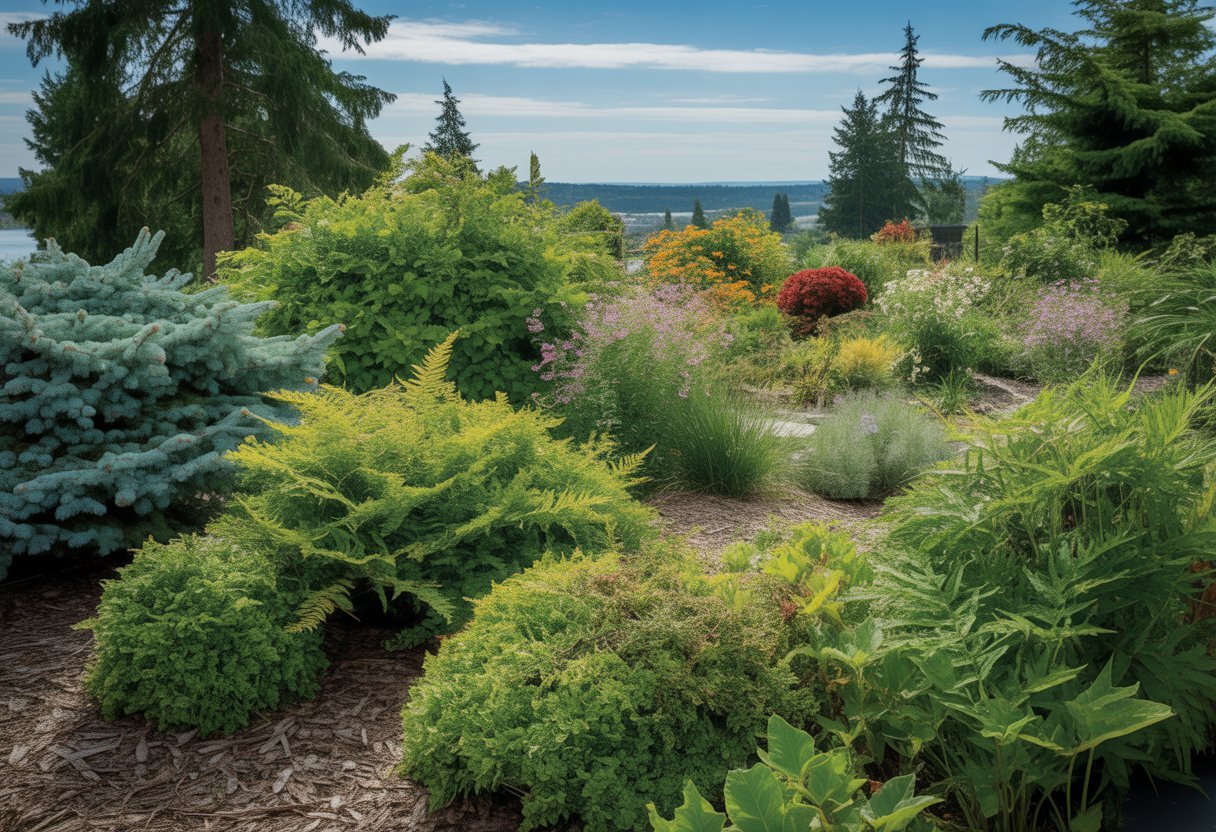
Low maintenance native plants offer real perks for sustainable gardening and the local ecosystem. They cut down on resource use and create tough, adaptable landscapes that fit the Pacific Northwest vibe.
Why Choose Native Plants
Native plants get Washington’s soil, weather, and seasons. Because of that, they don’t need as much watering or fertilizer as the imports.
They’re a haven for local wildlife. Birds, insects, and pollinators depend on them for food and shelter, which keeps the ecosystem ticking.
When you stick with native varieties, you help stop invasive species from spreading. They keep things balanced and mean you won’t have to reach for chemical controls as often.
Advantages for Low Maintenance Gardening
Once they settle in, native plants mostly take care of themselves. They’re naturally tough—less pruning, hardly any replanting, and they shrug off most local pests and diseases.
They’re made for the region’s rainfall and can handle drought way better than many exotics. That means less time hauling hoses around.
You’ll save money and effort. Forget about fancy soil fixes or elaborate irrigation—native plants just don’t need them.
Top Low Maintenance Native Plants for Washington Gardens
Some native plants just do their thing in Washington with barely any help. They look good, keep pests at bay, and give wildlife a boost.
They fit the local soil and light, so you don’t have to second-guess your choices.
Evergreen Huckleberry (Vaccinium ovatum)
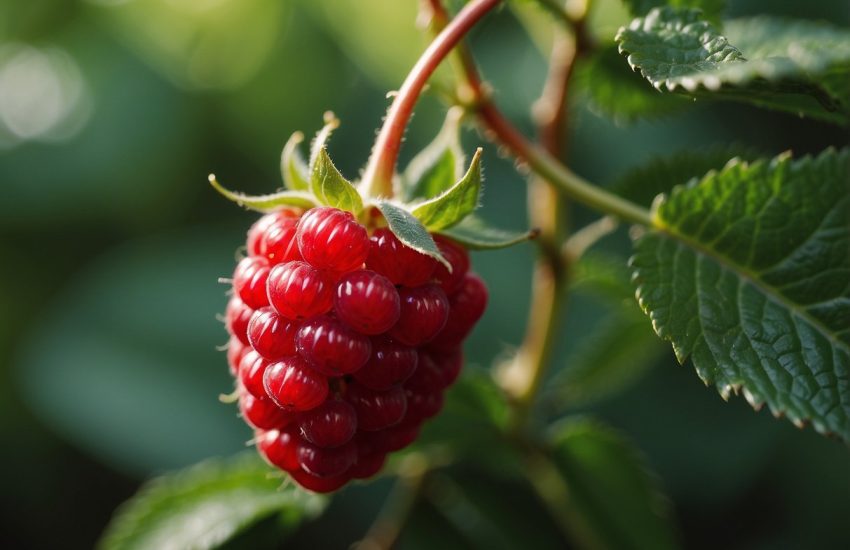
Evergreen Huckleberry is a hardy shrub with shiny dark green leaves and berries you can eat. It likes partial shade but also handles full sun, and it’s happy in the acidic, well-drained soils you’ll find all over Washington.
It can get up to 6 or even 10 feet tall, so it’s great for borders or under taller trees. Birds love the berries, and the evergreen foliage brings color even in the grayest winter.
Once it’s established, you can pretty much forget about watering. Pests leave it alone. Prune it if you want to shape it, but it’s not a must. It looks fantastic with sword ferns in shady spots.
Low Oregon Grape (Mahonia nervosa)
Low Oregon Grape is a compact evergreen groundcover that’s perfect for shady corners and acidic soils. It usually grows about 1 to 3 feet high, with tough leaves that look a bit like holly.
Spring brings bright yellow flowers, and summer means blue-black berries. Pollinators love it, and it keeps things interesting through the seasons.
It barely needs water and shrugs off dry shade. Its roots help hold soil together, so it fights erosion too. You might need to pull off old leaves now and then, but that’s about it. It pairs nicely with salal and other native perennials.
Salal (Gaultheria shallon)
Salal is a flexible evergreen shrub with thick leaves and edible berries. It grows anywhere from 3 to 6 feet tall and doesn’t mind shade or a bit of sun.
It’s right at home in moist, acidic soils—just like the forests here. Salal covers the ground well and acts as a living mulch, keeping weeds down.
After it gets going, it barely needs water and doesn’t attract many pests. The leaves provide shelter for critters, and birds snack on the berries. Salal and sword ferns together just look right in a Northwest garden.
Designing and Planting a Low Maintenance Native Landscape
If you want a low-maintenance native landscape, you’ve got to match your plants to the site. Think about light, soil type, and how much water the spot gets.
Mixing up plant shapes and heights makes the garden look better and means less work later.
Site Selection: Sun, Shade, and Soil
Start by picking the right place for each plant. Full sun? Try Ceanothus—it loves bright, dry spots.
If you have part shade, Arbutus menziesii can handle filtered light or a bit of morning sun. Soil matters too. Well-draining spots are best for drought-tolerant natives, while heavier soils suit plants that like more moisture.
Check your soil’s pH and feel. That’ll help you pick what works. When you match the plant to the site, you won’t have to water or fertilize as much.
Grouping by Water and Light Needs
Put plants with similar needs together. If you group drought-tolerant ones in dry, sunny patches, you won’t accidentally overwater them.
Save the moist spots for plants that actually want it. This makes care easier and saves water.
It also lets you mulch more efficiently. Try not to mix thirsty plants with those that prefer it dry.
Choosing Groundcovers and Foliage
Groundcovers are your friends for weed control and keeping moisture in the soil. Native choices like kinnikinnick or wild ginger work well in part shade and don’t need much from you.
They fill in quickly and cover bare ground. Foliage plants add texture and color but don’t ask for a lot of attention.
If you pick a mix of evergreen and deciduous natives, you’ll get something interesting every season. Skip the invasives and focus on what fits your soil and light.
Incorporating Trees and Shrubs
Trees like Arbutus menziesii give structure and some shade, which helps the plants underneath. Shrubs such as Ceanothus actually improve the soil by fixing nitrogen.
Both attract wildlife and make the garden feel established. Give them space so you don’t have to prune all the time.
Stick with slow-growing native trees and shrubs so you’re not constantly trimming. Think about their full size and how much sun they’ll get before planting.
Practical Care Tips for Washington’s Native Plant Gardens
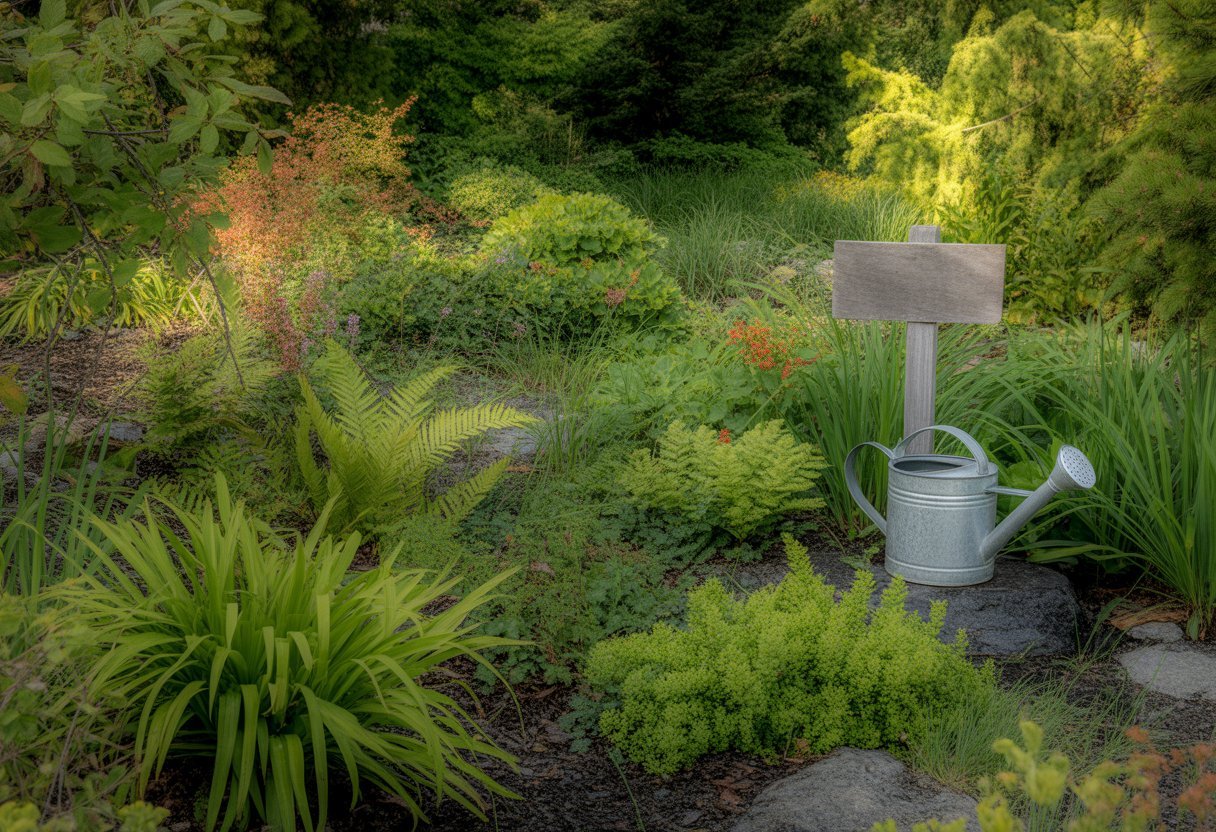
Keeping native plants happy in Washington isn’t rocket science. Focus on soil, water, and a little pruning when needed.
Working with what you’ve got—rather than fighting it—makes for tougher, easier plants.
Mulch and Compost for Healthy Soil
Mulch is a must for holding moisture and keeping weeds down, especially around plants like tall Oregon grape (Mahonia aquifolium) and huckleberries. Organic mulch—think bark or leaf litter—evens out soil temps and boosts the soil over time.
Compost feeds the soil and brings in good microbes. Try to get compost from local sources, since it’s more likely to match Puget Sound soils.
Spread compost around wildflowers and lavender to help roots grow strong. A mulch layer of 2-3 inches around roses or grevilleas can keep roots safe through soggy winters, but don’t pile it up against stems—nobody wants rot.
Watering Strategies for Low Maintenance
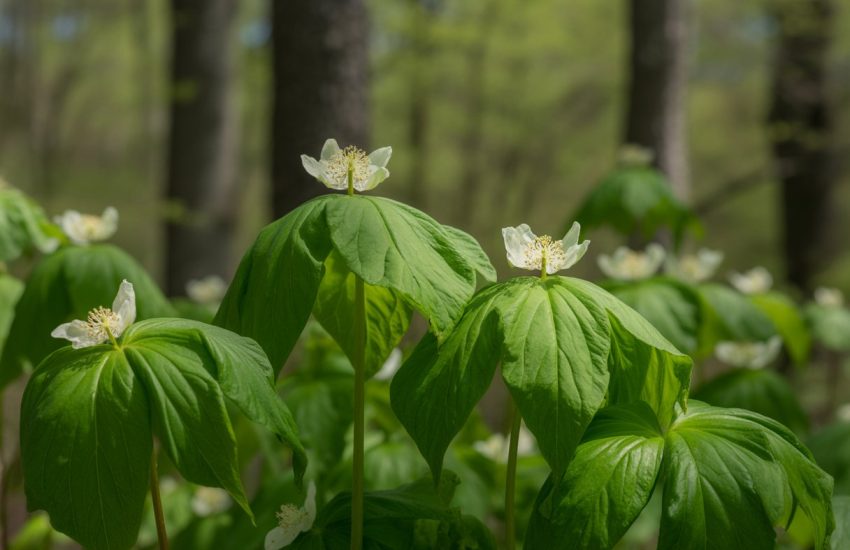
Most native plants in Washington don’t want a ton of water once they’re settled. Early on, water deeply but not too often—this encourages deep roots, which helps species like trillium that like moist but not soggy soil.
When it’s dry, water about once a week. That’s closer to how the rain falls here and keeps plants healthy.
Drip irrigation works well and wastes less water than sprinklers. It also helps prevent leaf diseases.
New plantings do need more regular water for the first couple of years. After that, the usual Puget Sound rain does most of the work, so you can spend less time with the hose.
Seasonal Clean-Up and Pruning
Regular seasonal clean-up helps plants look better and stay healthy. I always try to get rid of dead foliage and fallen leaves around perennial wildflowers and tall Oregon grape. It keeps fungal diseases at bay, or at least that’s the idea.
Prune native roses and grevilleas in late winter or early spring, right before new growth shows up. That way, you encourage more blooms and keep them from getting too wild, without putting too much strain on the plants.
After lavender finishes flowering, cut it back to encourage bushier growth. Huckleberries and mahonia barely need any pruning—just snip off dead or damaged branches to help them keep their natural shape and breathe a little easier.