
Smooth Blackhaw (Viburnum prunifolium)
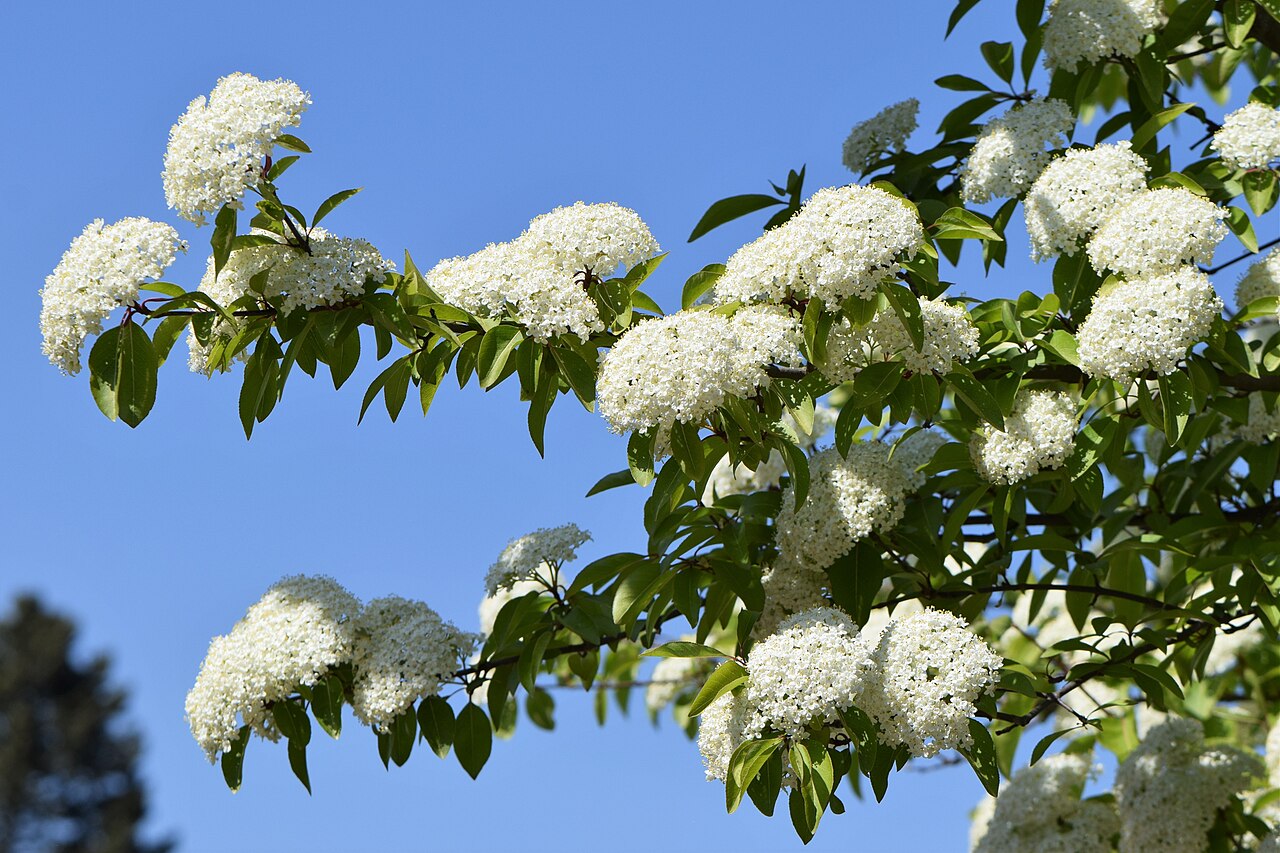
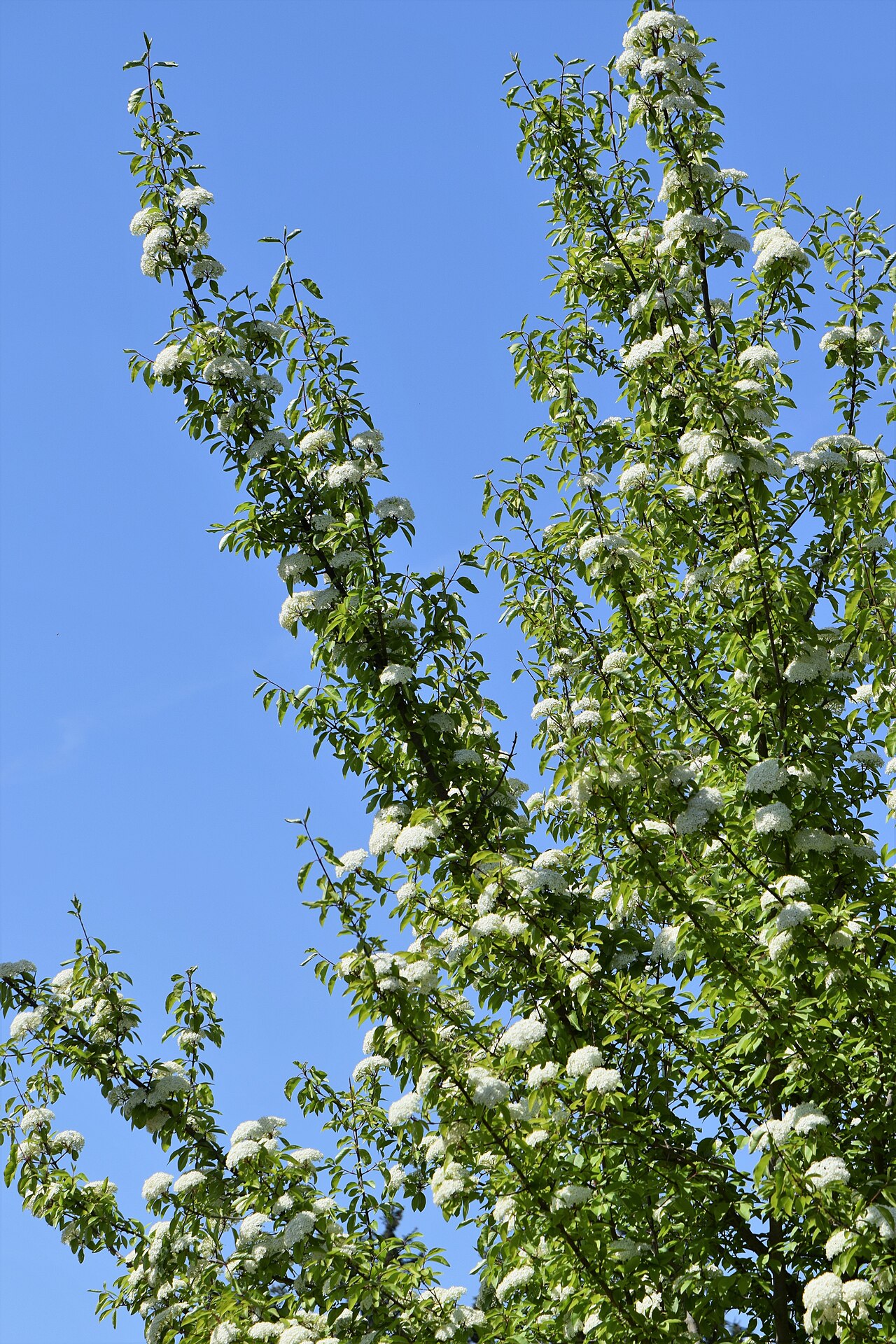
Smooth blackhaw is a substantial native shrub that earns its place through several seasons rather than a single brief flower show. Viburnum prunifolium carries white spring flower clusters, dark fruits later in the season, and red-purple autumn foliage. It can remain a broad multi-stemmed shrub or be trained gradually into a small tree where its branching structure can be appreciated.
The Delaware–New Jersey–New York list calls it Smooth Blackhaw, while the Maryland–Virginia–West Virginia list uses Black-haw Viburnum. Both rows refer to the same species and describe 12–15 feet of height, full to partial sun, and average soil moisture. That mature size is the key design fact: it is not a small foundation shrub to squeeze beneath a window or beside a narrow entrance.
Give it enough space and it can form part of a native hedge, a woodland edge, or a mixed wildlife planting. The flowers and fruit are useful, but the woody framework matters too, providing a larger-scale structure than herbaceous plants can offer. A carefully placed blackhaw can anchor a planting for years without being forced into the shape of a clipped box.
Identification
Bark & Stems
Young bark is relatively smooth, becoming rougher and more plated with age. The stems branch into a rounded or sometimes irregular framework, and a shrub can develop more than one trunk. Blackhaw is a viburnum, despite the hawthorn-like common name; do not identify it as Crataegus simply from the name or its small-tree habit. Examine leaves, buds, flowers, and fruit together.
Leaves
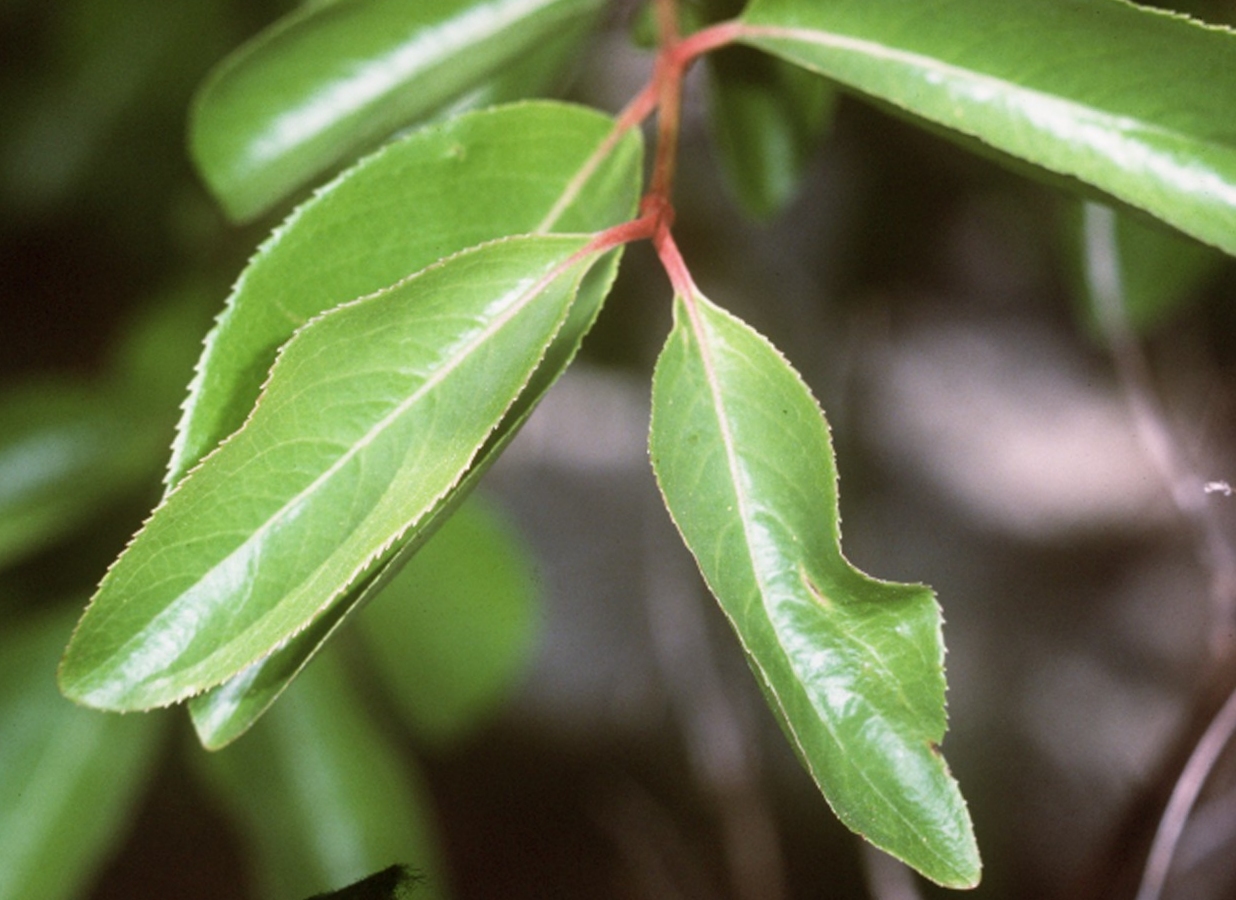
The leaves are simple and opposite, with an oval to egg-shaped outline and fine teeth. Their glossy surface and comparatively modest size can recall cherry foliage, reflected in the species name prunifolium. Opposite leaf arrangement is a useful distinction when comparing it with superficially similar alternate-leaved trees. Fall color may include red and purple, although intensity depends on the plant and conditions.
Flowers
Numerous small pale flowers form broad clusters in spring. The cluster as a whole is the display rather than a few oversized sterile flowers. Its position on the branch tips makes pruning timing important: repeated shaping at the wrong time can remove the next season’s floral growth. Observe a plant through bloom before deciding where the permanent structure should be thinned.
Fruit & Seeds
The fruits are drupes, each with a hard stone inside. They change color while ripening and become blue-black when mature. A cluster can therefore show several colors at once without indicating disease. Fruit display varies with pollination and wildlife use. The species should be identified confidently before anyone treats a dark-fruited shrub as food; this profile’s main emphasis is landscape and wildlife value.
Quick Facts
| Scientific Name | Viburnum prunifolium |
| Family | Viburnaceae (viburnum family) |
| Plant Type | Deciduous large shrub or small tree |
| Mature Height | 12–15 feet in the regional lists |
| Mature Spread | About 6–15 feet |
| Growth Rate | Slow |
| Sun Exposure | Full sun to partial shade |
| Water Needs | Average; tolerates some dry periods after establishment |
| Soil Type | Well-drained loam, clay, sand, or rocky soil |
| Soil pH | Adaptable across acidic, neutral, and alkaline conditions |
| Bloom Time | Spring; local timing varies |
| Flower Color | White to creamy white |
| Fall Color | Red, burgundy, and purple tones |
| Fruit | Blue-black drupes ripening in fall |
| Deer Resistant | Often resistant, but young plants may need protection |
| USDA Hardiness Zones | 3–9 as listed by NC State; use locally adapted stock |
Native Range
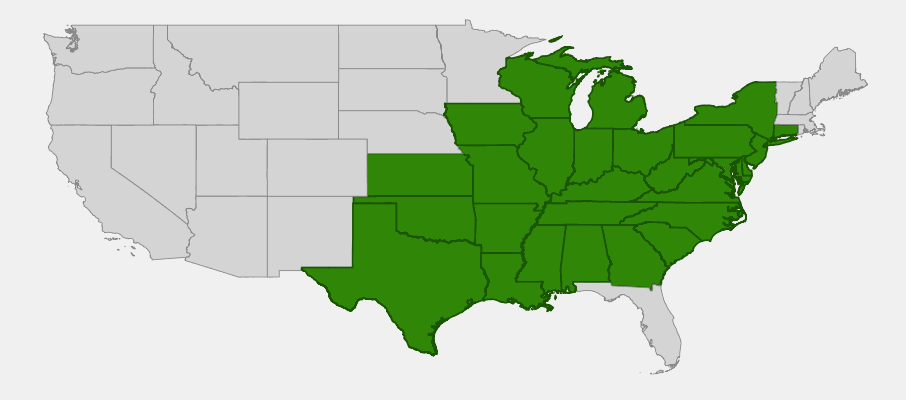
Kew’s native distribution includes a broad area of the central and eastern United States, including Delaware, New Jersey, New York, Maryland, Virginia, and West Virginia. The state list and map here follow that botanical source. District of Columbia is listed separately in the range box because this is a state-shaded map rather than a detailed local occurrence map.
Woodland edges and thickets are useful models for garden use. A blackhaw can tolerate several soil types, but an adaptable shrub still performs best when its roots have space and drainage. A compacted construction trench or a permanently flooded hollow should not be treated as equivalent to a well-drained woodland margin merely because all three contain soil.
Within the two regional lists, local provenance can help refine the choice. A nursery plant adapted to a similar winter climate and rainfall pattern is a more useful starting point than a bare statement that the species is native somewhere in the eastern United States. For habitat restoration, consult local records; for a garden, combine those records with actual light, drainage, and available mature space.
📋 Regional plant list: Delaware, New Jersey & New York
Growing & Care Guide
Light
Use full sun or partial shade. More open exposure supports a fuller flowering display, while a woodland-edge position can suit its natural form. Deep shade may keep a plant alive without providing the flowering and fruiting performance the gardener expects. Consider the future canopy as well as today’s: a young tree behind the blackhaw can eventually change the light available to the whole shrub.
Soil & Water
Average moisture and good drainage are a sensible starting point. The species is adaptable to different soil textures and pH conditions, and established plants can tolerate dry periods, but new transplants still need establishment water. Wet the root ball and surrounding soil, then check conditions before watering again. Do not keep a broad basin continuously saturated. Mulch the root zone without piling material against trunks or burying the root flare.
Planting Tips
Plan around a mature shrub roughly 12–15 feet tall and potentially nearly as wide. Keep it far enough from paths, walls, and overhead obstructions that pruning will not become a permanent effort to undo the original planting decision. Examine the root system before installation and address circling container roots appropriately. Set the root flare at the correct level and water thoroughly. Where a hedge is intended, allow for mature spread rather than lining up large plants at unnaturally tight spacing.
Pruning & Maintenance
Prune after flowering when shaping is needed, because the next flower buds develop on existing growth. Selective branch removal preserves a natural outline more effectively than repeatedly clipping the outer surface. For a small-tree form, work gradually and retain enough foliage to support the plant rather than removing every lower branch at once. Remove dead or damaged wood as appropriate, and reassess rubbing branches before they become a larger structural problem.
Propagation
NC State lists seed and stem cuttings as propagation methods. For a home garden, accurately labeled nursery-propagated plants offer a practical route to a known species and usable size. Seed-grown plants may vary, while named cultivars represent selected material; those distinctions matter when the goal is genetic diversity or a very particular ornamental form. Ask the grower how the plants were propagated and whether multiple pots are the same clone.
Encouraging Fruit
Viburnums often set fruit better when another compatible, genetically distinct plant flowers nearby. Two pots carrying the same cultivar name may be clones, not the diversity the gardener intended. Discuss pollination with the nursery when fruit is a major goal. Also observe the sequence in the garden: plenty of flowers, poor initial fruit set, and rapid removal of ripe fruit by birds are three different situations, not a single problem called no berries.
Long-Term Placement
A slow-growing shrub can tempt a gardener to fill every gap around it with permanent plants. Leave enough space for blackhaw’s eventual framework, using smaller companions that can coexist without constant root disturbance. In a mixed hedge, vary species thoughtfully but keep the plants’ watering needs compatible. Annual observation of light, branch spacing, and growth is more valuable than a fixed rule to prune every shrub hard each year.
Landscape Uses
- A large native shrub in Delaware, New Jersey, and New York mixed borders.
- A wildlife hedge or woodland edge in Maryland, Virginia, and West Virginia.
- A small specimen tree where gradual training can reveal its branching structure.
- A spring-flowering anchor with autumn fruit and foliage interest.
- A transition between taller native trees and a lower perennial or shrub layer.
Wildlife & Ecological Value
For Pollinators
The spring flower clusters provide resources for visiting insects. NC State also identifies blackhaw as a host for spring and summer azure butterflies. Retain some leaf damage as part of the plant’s habitat role and avoid routine insecticide treatments simply to maintain perfect foliage. Pair it with plants flowering in other seasons so the entire planting does not depend on a short spring window.
For Birds
The ripening drupes are an important wildlife feature and may be taken by birds before the gardener sees a prolonged dark-fruit display. Its branching framework also adds cover to a mixed planting. Use it with other native woody species to diversify fruiting times and structure, while allowing enough separation for each plant to develop naturally.
For Mammals
Squirrels and chipmunks are among the mammals associated with fruit use in NC State’s account. Young plants may still need protection from browsing or physical damage. A deer-resistance rating describes a tendency, not a guarantee, especially when food is scarce. Inspect the actual pattern of damage before assuming a whole shrub has a disease or nutrient problem.
Ecosystem Role
A long-lived native woody layer gives a garden continuity beyond the seasonal rise and fall of perennials. Fallen leaves can contribute to a naturalistic bed where they do not obstruct paths or smother smaller plants. Avoid repeatedly disturbing the root zone to keep it visually bare. A layered planting can be orderly and accessible without removing every sign of seasonal change.
Cultural & Historical Uses
The common name blackhaw reflects a resemblance to hawthorns, while the botanical name keeps it within Viburnum. This distinction is important in regional plant lists, where common names can otherwise send readers to an unrelated species. Smooth Blackhaw and Black-haw Viburnum are two labels for the same plant here.
Blackhaw has been discussed in historical accounts of medicinal plants, including the ethnobotanical note in NC State’s profile. Historical mention is not a recommendation to prepare remedies from bark or other plant parts. In a garden, harvesting bark would also damage the woody structure that makes the plant valuable as a long-lived shrub.
Its modern landscape role is straightforward: a regional native offering flowers, fruit, fall color, and habitat structure at a manageable small-tree scale. Nursery propagation and accurate labeling make that role available without removing wild shrubs. Choosing the right location at planting time is the most consequential maintenance decision a gardener can make.
Frequently Asked Questions
Is smooth blackhaw a hawthorn?
No. It is Viburnum prunifolium, a viburnum. The common name reflects a resemblance, not membership in the genus Crataegus.
How large does it become?
The regional lists give 12–15 feet in height. Allow substantial width as well, often 6–15 feet, rather than placing it where it must be continually cut back to remain a small foundation shrub.
When should it be pruned?
When shaping is necessary, prune after flowering. Selective cuts preserve its natural structure and reduce the risk of repeatedly removing the next season’s flower buds.
Why does my plant flower but carry few fruits?
Pollination, genetic diversity, weather, and wildlife removal can all affect the visible crop. Ask about compatible distinct plants and observe initial fruit set before assuming the problem is a lack of fertilizer.
Can it grow in partial shade?
Yes. Full sun to partial shade is appropriate. Deep shade can reduce flowering, so match the light level to the display and fruiting performance you want.
Sources & Further Reading
- NC State Extension: blackhaw
- Kew Plants of the World Online: Viburnum prunifolium
- USDA PLANTS: Viburnum prunifolium
Find Native Plants
Ask growers about nursery propagation and regional provenance. Browse our Delaware native plant nurseries, New Jersey native plant nurseries directory for suppliers.