Milkweed Not Returning in Spring: How to Check Before Replanting
Last updated: November 6, 2026
The rest of the garden is green, and the spot where your milkweed grew last summer is still bare. It’s tempting to assume the plant died over winter and order replacements.
Wait before you do. Several of the most popular milkweeds are among the last perennials to wake up in spring, and digging around a dormant crown is one of the easiest ways to actually kill it.
This guide shows you how to check what’s going on underground, in a way that won’t harm a late plant, and how to tell when it really is time to replant.
The Short Answer
A milkweed that hasn’t appeared yet is usually one of these:
- Just late. Butterfly weed and swamp milkweed often emerge well after other perennials, especially after a cool spring.
- Coming up somewhere else. Common milkweed spreads by underground roots and can surface a few feet from where it started.
- An annual in your climate. Tropical milkweed is a tender perennial that usually dies in cold winters.
- Lost to crown rot, often in soggy winter soil, especially with butterfly weed.
- Removed or damaged by accident during spring cleanup, or a short-lived plant that reached the end of its life.
How Milkweeds Get Through Winter
Native milkweeds are herbaceous perennials. The stems die back in fall, and the plant waits out winter as a crown and root system below ground.
Each species does this a little differently, which affects both when it reappears and where you should look.
What to Expect by Species
| Common milkweed | Grows from spreading underground roots. Shoots may appear in a slightly different place each year. |
| Butterfly weed | Deep taproot and a single crown. Often late to emerge, and prone to crown rot in poorly drained soil. |
| Swamp milkweed | Thick, fleshy roots in a clump. Emerges in late spring, after most other plants. Often lives only a few years in gardens. |
| Tropical milkweed | A tropical species. A tender perennial that stays evergreen only in mild areas and is usually grown as an annual elsewhere. |
Horticulturist Melinda Myers notes that late-emerging perennials like butterfly weed and swamp milkweed wait for the soil to warm, an adaptation that helps them avoid late frosts. A cold, lingering spring delays them even more.
Check 1: Give It More Time
The most common reason a milkweed “didn’t come back” is that you looked too early.
Use your own garden as a calendar. If other late-starting perennials in the same bed haven’t appeared either, your milkweed is probably on schedule. Myers lists Joe-Pye weed, Culver’s root, asters, liatris, and goldenrods among the natives that can also be slow.
Hold off on any digging until late spring has brought steady warm weather. If you’re anxious, put a stake or a stone at the spot so nobody plants on top of it in the meantime.
Check 2: Confirm Which Milkweed You Planted
Find the plant tag or order receipt. The species name changes what you should expect.
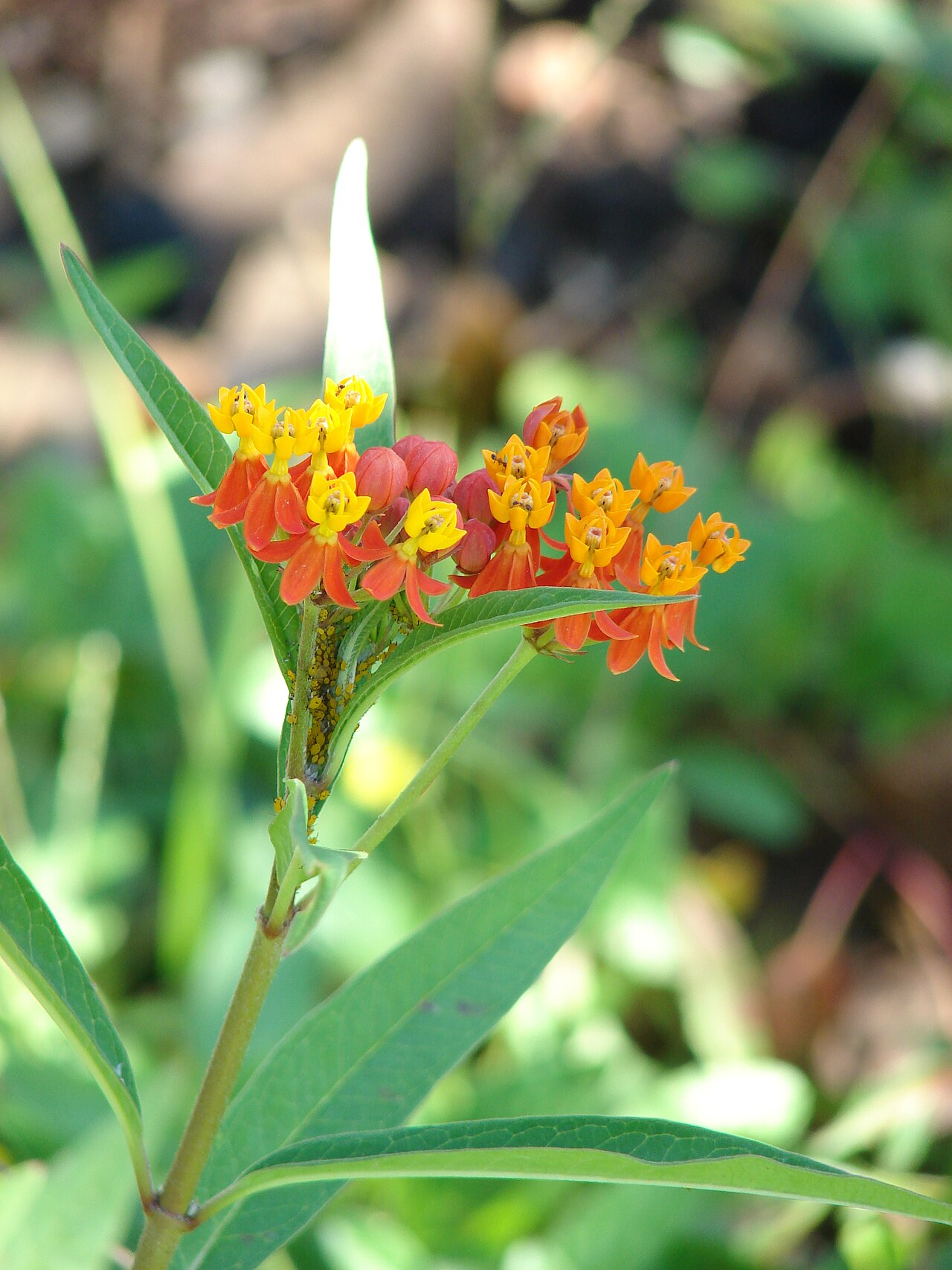
- Asclepias curassavica (tropical, scarlet, or bloodflower milkweed): NC State Extension describes it as a tender perennial often grown as an annual, evergreen only to about Zone 9b. In colder areas, it probably isn’t coming back.
- Asclepias tuberosa (butterfly weed): slow and late. Keep waiting.
- Asclepias incarnata (swamp milkweed): late, and naturally short-lived in gardens.
- Asclepias syriaca (common milkweed): very persistent. Look around before you look down.
NC State recommends planting a native milkweed instead of tropical milkweed, because it can bloom out of step with monarch migration. If tropical milkweed was your “perennial,” this spring is a good moment to switch.
Check 3: Search the Surrounding Area
Walk a circle a few feet out from the original spot and look closely at ground level.
Common milkweed is a clonal perennial that spreads from underground roots. A patch can quietly shift sideways, so this year’s shoots may come up along a path edge or in a neighboring bed instead of exactly where you planted. If it’s wandering farther than you’d like, see our boundary maintenance guide for common milkweed.
Also look for seedlings if last year’s pods split open nearby. Young milkweed seedlings are easy to mistake for weeds.
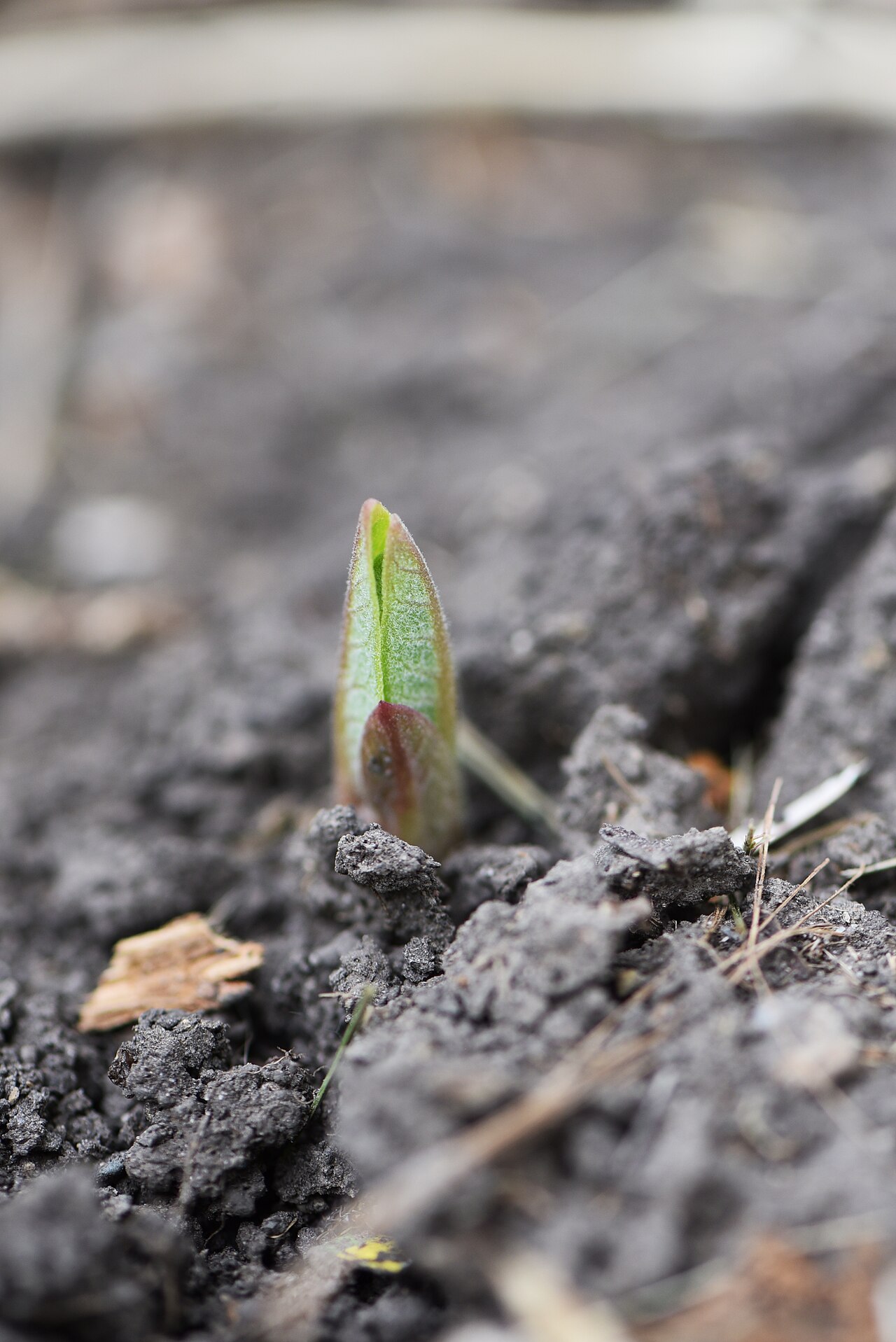
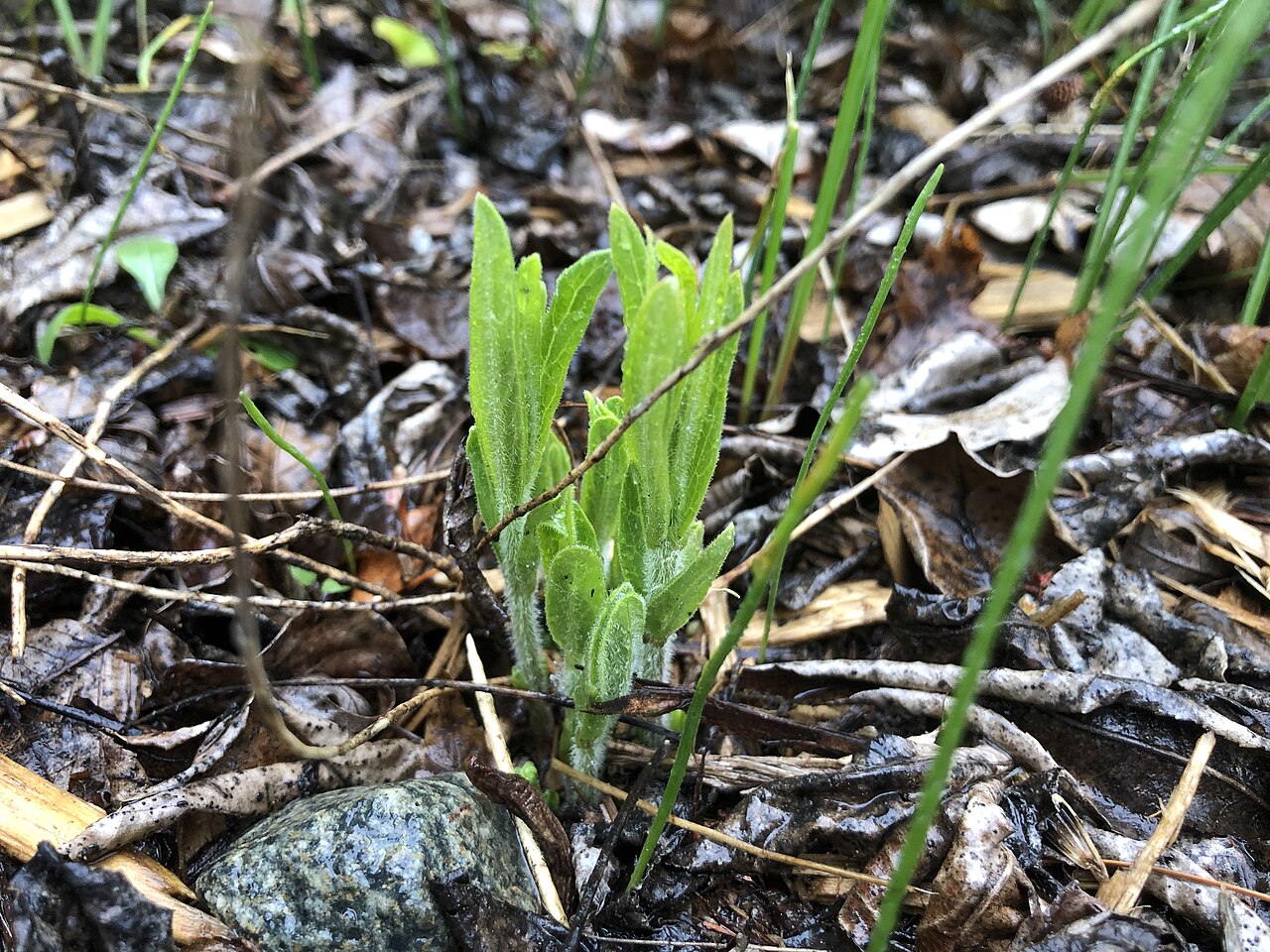
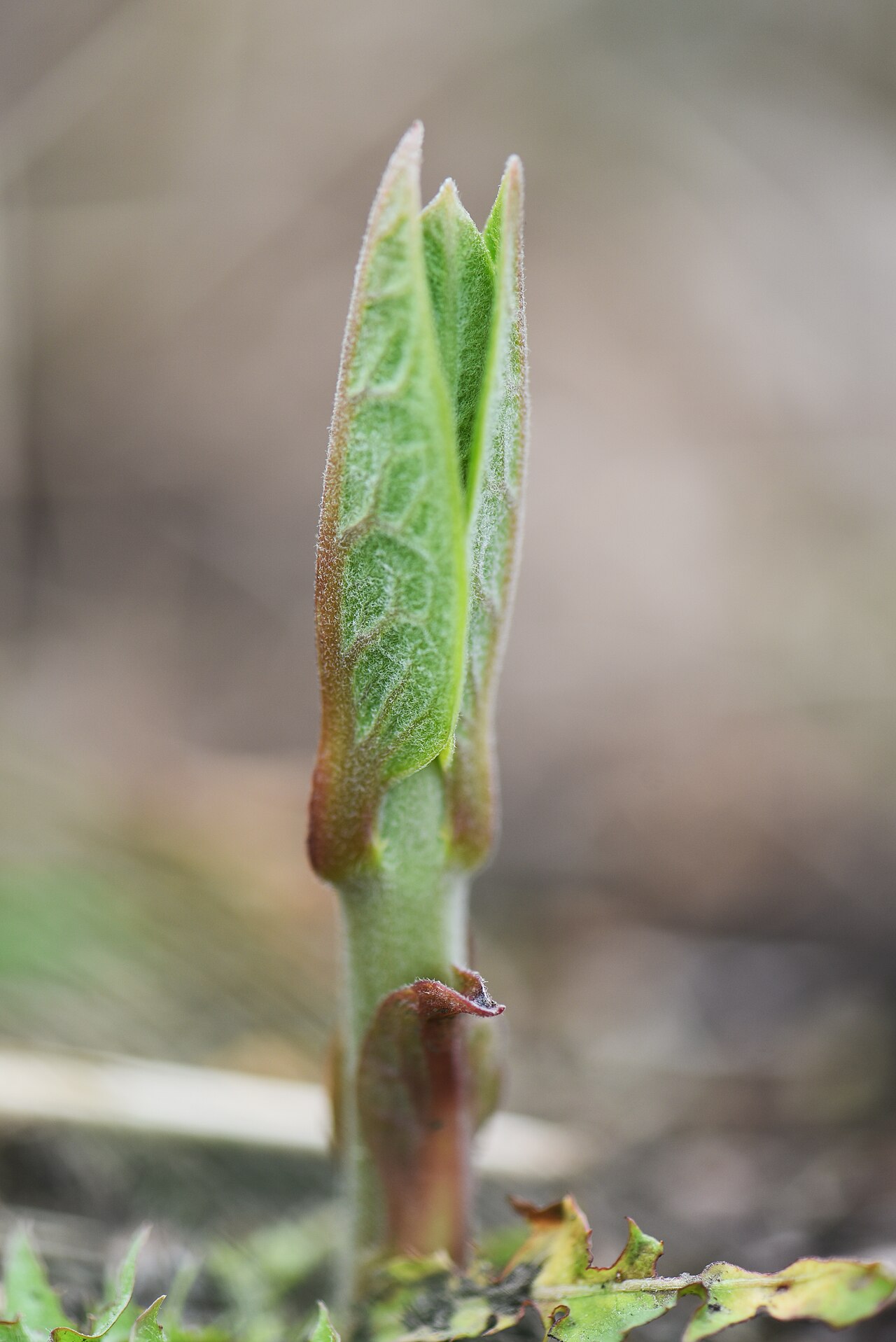
Know what you’re looking for. New butterfly weed shoots are fuzzy, with narrow leaves spiraling around the stem. Common milkweed comes up as stout single shoots with broad, soft leaves in pairs. Swamp milkweed sends up several smooth stems with narrow, paired leaves.
Check 4: Gently Inspect the Crown
Once late spring is well along and there’s still nothing, take a careful look. The goal is to see the crown without wrecking it.
- Pull back mulch and leaf litter by hand from the exact spot.
- Scrape away the top inch or so of soil with your fingers or a plant label. Look for pale or pinkish buds at the top of the crown.
- If there are no buds, dig a small hole beside the crown, not on top of it, and expose a little root.
Firm, plump roots or crown tissue mean the plant is alive and probably just slow. Cover it back up and wait.
Soft, brown, mushy tissue that falls apart, or a hollow space where the crown used to be, means the plant is gone. Now you can plan a replacement with a clear conscience.
Be especially gentle with butterfly weed. NC State notes that it doesn’t transplant well because of its deep taproot and is best left undisturbed once established.
Check 5: Think Back on Winter Drainage
Butterfly weed is a plant of dry, well-drained ground. It’s susceptible to crown rot when planted where soil stays wet or poorly drained, and a soggy winter is a common way to lose it.
Look at the site after the next heavy rain. If water stands where the crown was, that’s your likely cause, and the replacement should go somewhere drier.
Swamp milkweed is the opposite case. It tolerates wet soil but can suffer in a spot that bakes dry. For more on reading wet sites, see our guide to swamp milkweed wilting in damp soil.
Check 6: Consider Cleanup Damage and Age
Spring cleanup removes a surprising number of late perennials. Raking, edging, hoeing, or “weeding” a bare-looking spot can slice off emerging shoots or scrape out a shallow crown.
Ask anyone who helps in the garden whether they worked that bed. Myers points out how easy it is to weed out late-emerging plants by mistake.
Then consider age. Monarch Watch notes that most swamp milkweed plants live only two to five years in gardens. A clump that has been declining for a season or two may simply have run its course. Heavy caterpillar feeding the summer before is a less likely cause for established plants. Our guide to what’s eating milkweed leaves explains who the usual visitors are.
Finally, young plants grown from seed are small and slow. NC State notes butterfly weed can take two to three years to establish and flower, so a first-year seedling may come back as a tiny shoot that’s easy to miss.
Troubleshooting at a Glance
| Early spring, other late perennials still bare | Normal timing. Mark the spot and wait. |
| Tag says Asclepias curassavica | Tropical milkweed, likely killed by cold. Replace with a native species. |
| Shoots appear a few feet away | Common milkweed spreading by roots. Nothing to fix. |
| Firm crown, no shoots yet | Alive and slow. Cover it back up. |
| Mushy crown in a wet spot | Crown rot. Replant in better-drained soil, or choose a moisture-loving species. |
| Bed was raked or weeded early | Possible cleanup damage. Check for broken shoots and wait a few weeks. |
| Swamp milkweed declining over several years | Natural short lifespan. Keep young plants coming. |
When to Replant, and How
If you found a firm crown: don’t replant. Cover it, mark it, and check again in a couple of weeks.
If the crown is clearly dead: replant, but put the new plant beside the old spot rather than right on it. If you misjudged and the original wakes up late, both survive.
If drainage killed it: match the species to the site. Butterfly weed wants well-drained, sunny ground. A spot that stays moist suits swamp milkweed better. Where there’s room for a spreading patch, common milkweed is the most persistent of the three.
If you’re starting from seed: many milkweed seeds need a cold, moist period before they germinate. Our guide on how to plant milkweed seeds covers stratification and timing, and our overview of propagating milkweed explains seed collection and division. If indoor-started seedlings turn tall and floppy, see milkweed seedlings stretching indoors.
If you’re buying plants: late spring and fall are both workable. Our fall planting guide for perennials explains why autumn planting gives roots a head start.
A Season-by-Season Plan
- Fall: leave a few stems standing, or add a stake or stone at each milkweed. Let some pods ripen so seedlings can fill gaps.
- Early spring: clean up around marked plants by hand, not with a rake or hoe. Don’t dig in bare milkweed spots.
- Mid-spring: look for shoots, and scan a few feet around common milkweed patches.
- Late spring: if there’s still nothing, do the gentle crown check. Decide whether to wait or replant.
- Summer: note wet and dry spots so next year’s plants go where they’ll last.
📋 More on these plants: read our profiles of Butterfly Weed (Asclepias tuberosa), swamp milkweed, and common milkweed, or see native milkweeds in our plant lists for North & South Carolina, Michigan, Wisconsin & Eastern Minnesota, and New Hampshire, Maine & Vermont.
Frequently Asked Questions
When does milkweed come back in spring?
It varies by species and weather. Butterfly weed and swamp milkweed are known as late emergers and often appear after most other perennials, especially following a cool spring.
Does milkweed come back every year?
Native milkweeds are perennials and return from their roots. Tropical milkweed is a tender perennial that usually dies in cold winters, and swamp milkweed individuals often live only a few years in gardens.
Why did my milkweed come up in a different spot?
Common milkweed spreads by underground roots, so new shoots can surface a few feet from the original plant. Seedlings from last year’s pods can also appear nearby.
How can I tell if my butterfly weed is dead?
Wait until late spring, then gently uncover the crown. Firm tissue or pale buds mean it’s alive. A soft, mushy, or hollow crown means it has rotted.
Should I cut milkweed stems back in fall?
Leaving some stems until spring helps you find the plant and avoid damaging it during cleanup. It also lets remaining pods finish releasing seed.
Sources
- Melinda Myers, Mark the location of late-emerging perennials: late emergence of butterfly weed and swamp milkweed, and marking methods.
- North Carolina Extension Gardener Plant Toolbox, Asclepias tuberosa: taproot, establishment time, and site needs.
- North Carolina Extension Gardener Plant Toolbox, Asclepias curassavica: tender perennial status and monarch concerns.
- Wikipedia, Asclepias tuberosa: crown rot in poorly drained sites.
- Wikipedia, Asclepias syriaca: clonal growth from spreading roots.
- Wikipedia, Asclepias incarnata: late-spring emergence and root system.
- Monarch Watch, Asclepias incarnata profile: typical garden lifespan.