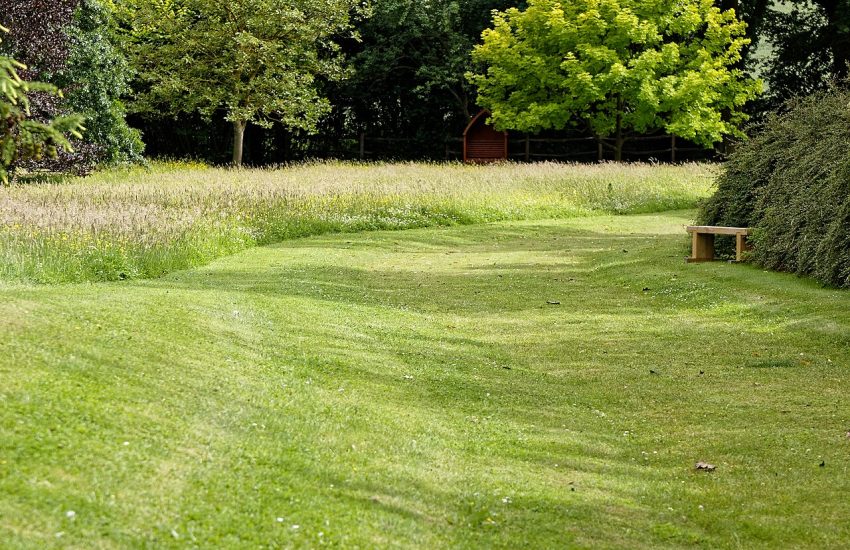
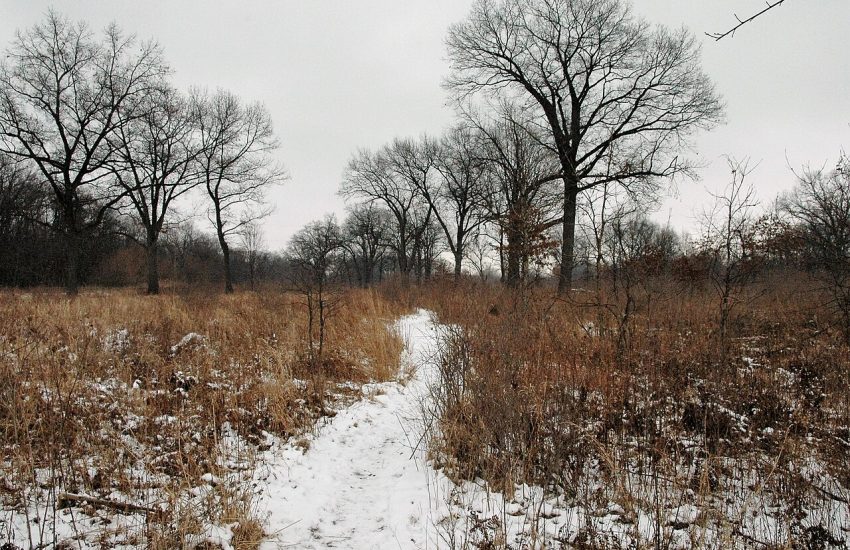
Bottle Gentian in a Moist Border: Building a Late-Season Planting
Last updated: November 6, 2026
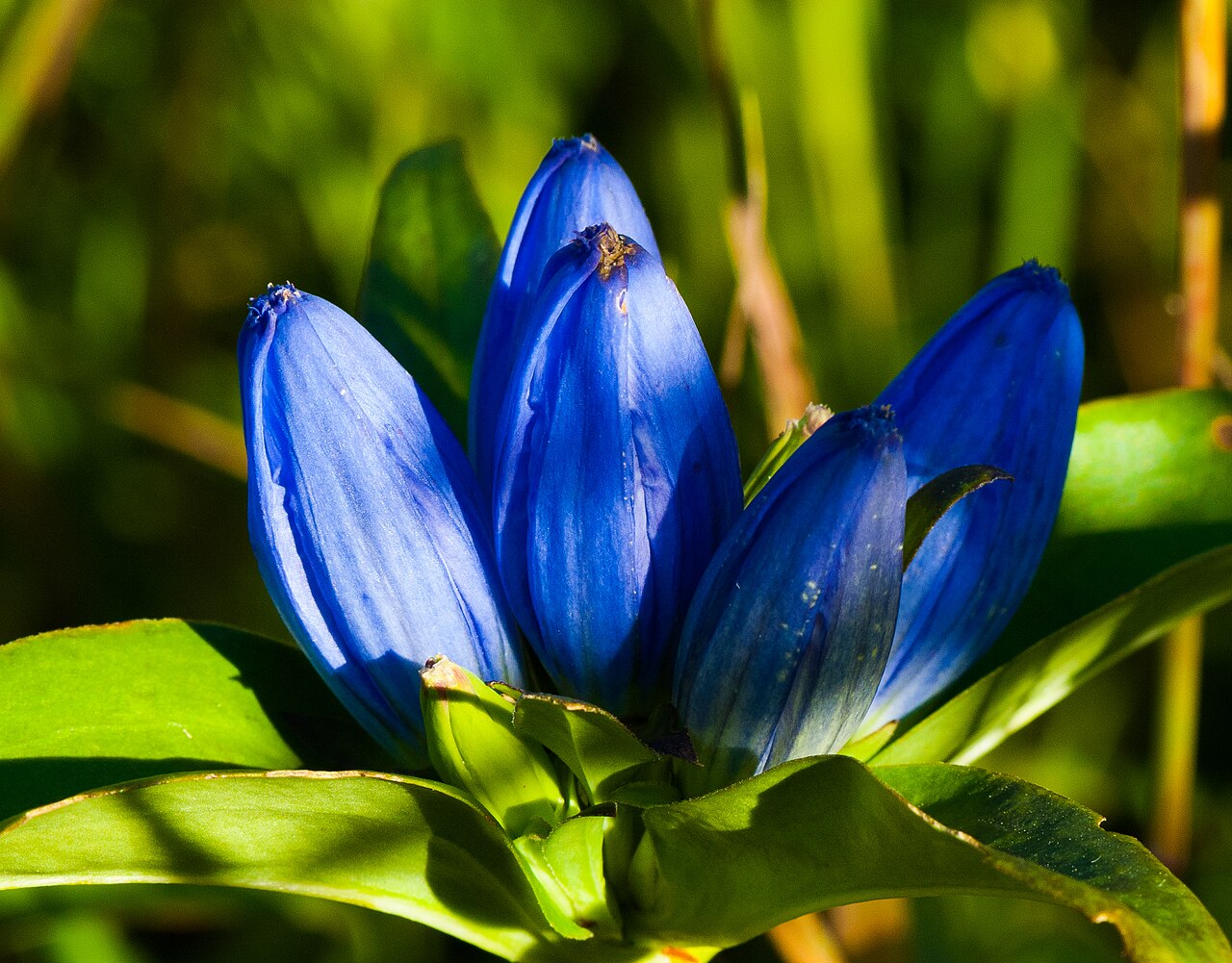
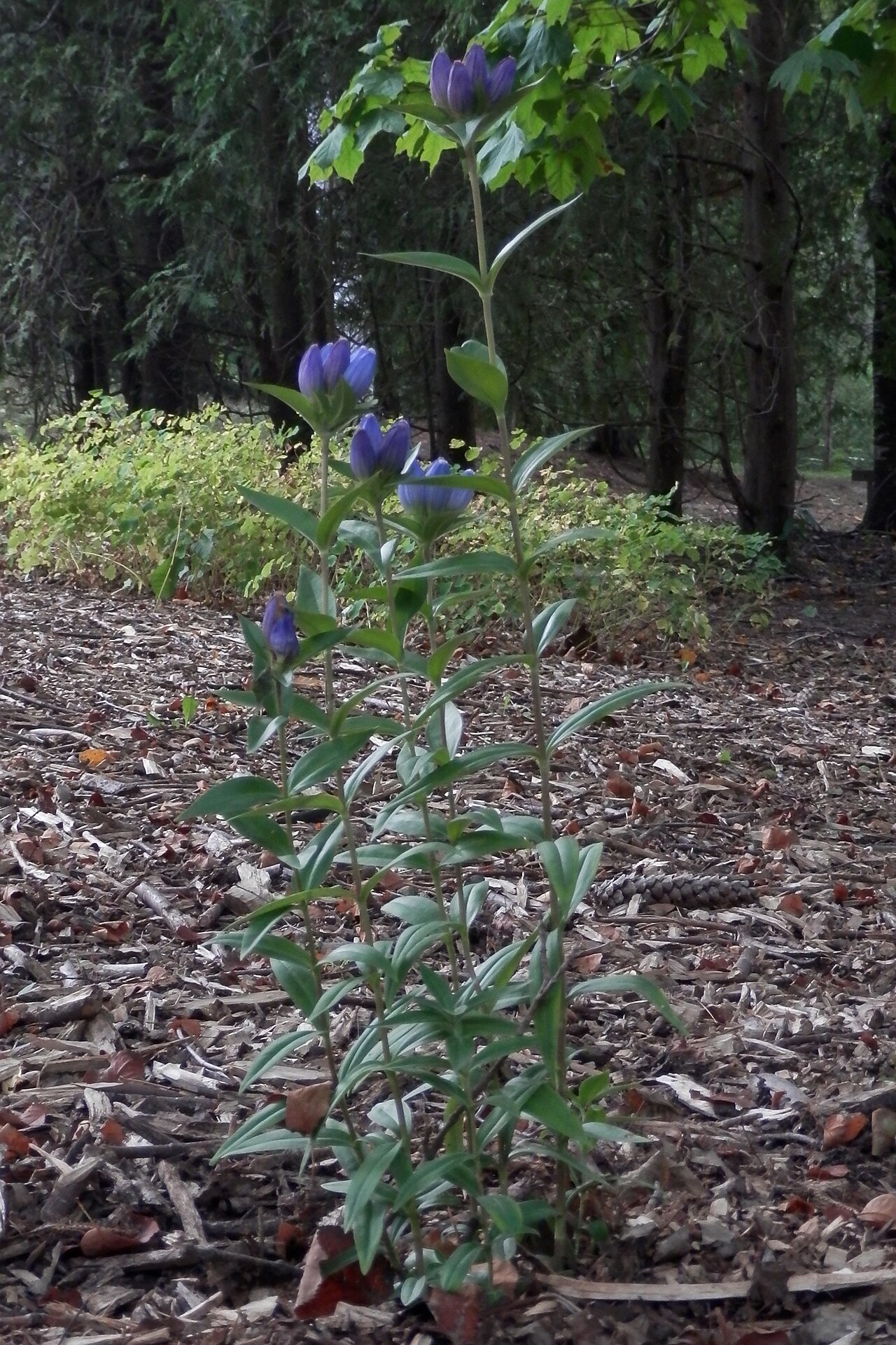
Bottle gentian blooms when most of the garden is winding down. In late summer and fall, its clusters of deep blue, closed flowers sit at the tops of short, leafy stems.
It is a small plant with a big effect, but it is easy to lose. Bottle gentian is low, tends to lean, and disappears if taller neighbors crowd it.
This plan builds a moist border around it: where to place it, which late-season companions share its conditions without smothering it, and how to keep a slow, long-lived plant thriving through its first three years.
Plan at a Glance
| Site | Moist border, low spot, pond or stream margin, or the damp edge of a rain garden |
| Size | Any border at least 4 feet deep; the sample plan is 5 × 12 feet |
| Sun | Full sun to part shade; afternoon shade helps in warmer areas |
| Soil | Consistently moist, rich soil; drought is the main threat |
| Maintenance | Low: spring cutback, keeping taller neighbors in check, summer watering in dry spells |
| Best regions | Northeast, Great Lakes, Upper Midwest and nearby areas where bottle gentian is native |
Assess Moisture and Light First
Bottle gentian needs steady moisture. Illinois Wildflowers lists its habitats as moist black-soil prairies, openings in floodplain forests, thickets, fens and swampy areas near water, and notes that drought is the worst threat to mature plants.
Look for a spot that stays damp through late summer. The low edge of a border, the margin of a rain garden or the side of a pond all work. A site that dries hard in August will not support it.
Light is more flexible. Illinois Wildflowers gives full or partial sun, Minnesota Wildflowers lists part shade to sun, and the Lady Bird Johnson Wildflower Center leans toward part shade. Morning sun with some afternoon shade is a safe middle ground.
Check soil, too. Illinois Wildflowers notes the plant often grows in calcareous soil, while Lurie Garden recommends moist, rich, slightly acidic soil but calls the species adaptable to most organic-rich garden soils. A soil test helps, but steady moisture matters more than pH.
How Bottle Gentian Grows
Illinois Wildflowers and Minnesota Wildflowers both describe it as 1 to 2 feet tall; the Wildflower Center allows up to 4 feet. Lurie Garden notes a spread of 1½ to 2 feet with a sprawling habit.
That sprawl is normal. Minnesota Wildflowers notes that the stems tend to lean as if weighed down by the flowers, while the flower clusters stay upright. Plan for it rather than trying to stake every stem.
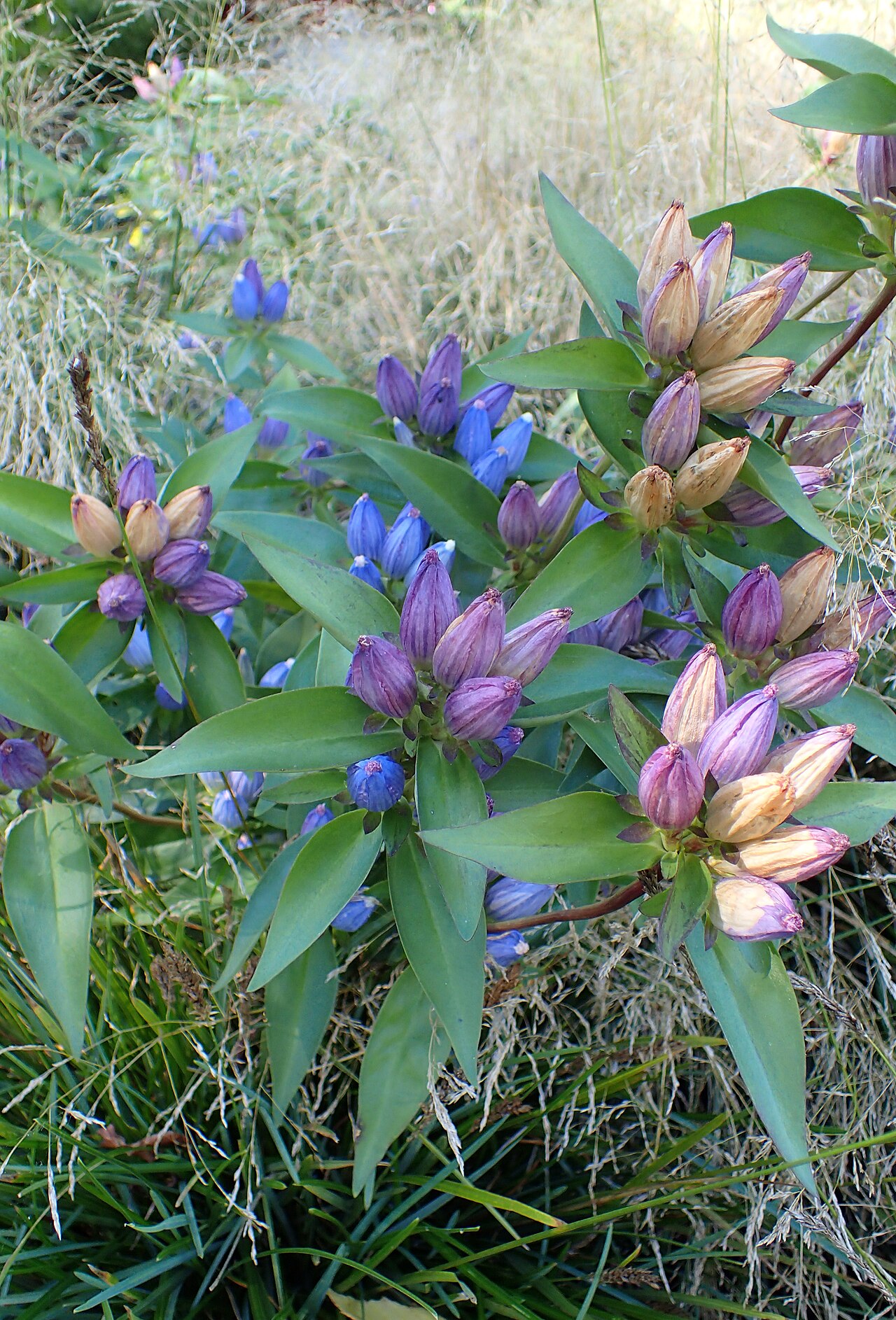
Underneath, it grows from a stout taproot, and Illinois Wildflowers notes that it does not normally spread vegetatively. It will not run or form colonies. Seeds can travel short distances by water or wind, so occasional seedlings may appear nearby.
The taproot means you should choose the spot carefully. Bottle gentian is not a plant to move around every few years or divide when it gets bigger.
The flowers stay closed. Illinois Wildflowers and Minnesota Wildflowers note that bumblebees are the main pollinators because they are among the few insects strong enough to push into the flowers. Bloom runs from August into September or October, depending on the source and location.
Design: Keep It at the Front and Give It Space
In a border, bottle gentian belongs in the front third. At 1 to 2 feet, it is lower than most late-season wildflowers, and its blue is best seen up close.
The same front-of-border logic applies to any planting with tall fall asters; our guide to what to plant in front of tall fall asters covers other low companions.
Place it where you walk by in September and October: along a path, beside a bench, or near a door. A plant you see every day is worth more than one hidden at the back.
The biggest design risk is crowding. New England aster, Joe-Pye weed and other tall fall plants fill out late in the season, just when the gentian is blooming. If they lean or spread over it, the gentian gets shaded and hidden.
Leave a buffer of about 2 feet between bottle gentian and any tall, wide perennial. If you already grow asters that spread, our guide to managing New England aster crowding explains how to divide and space them.
Plant gentians in groups of three to five, about 12 to 18 inches apart as the PlantNative profile suggests. A cluster of blue reads clearly from a distance in a way that a single plant does not.
Layering a Late-Season Moist Border
Build the border in three layers that peak at different times. That way, the bed looks full before the gentian blooms and does not crowd it when it does.
- Back layer (4 to 6 feet): Culver’s root and spotted Joe-Pye weed for summer height. Place them at least 3 feet behind the gentian.
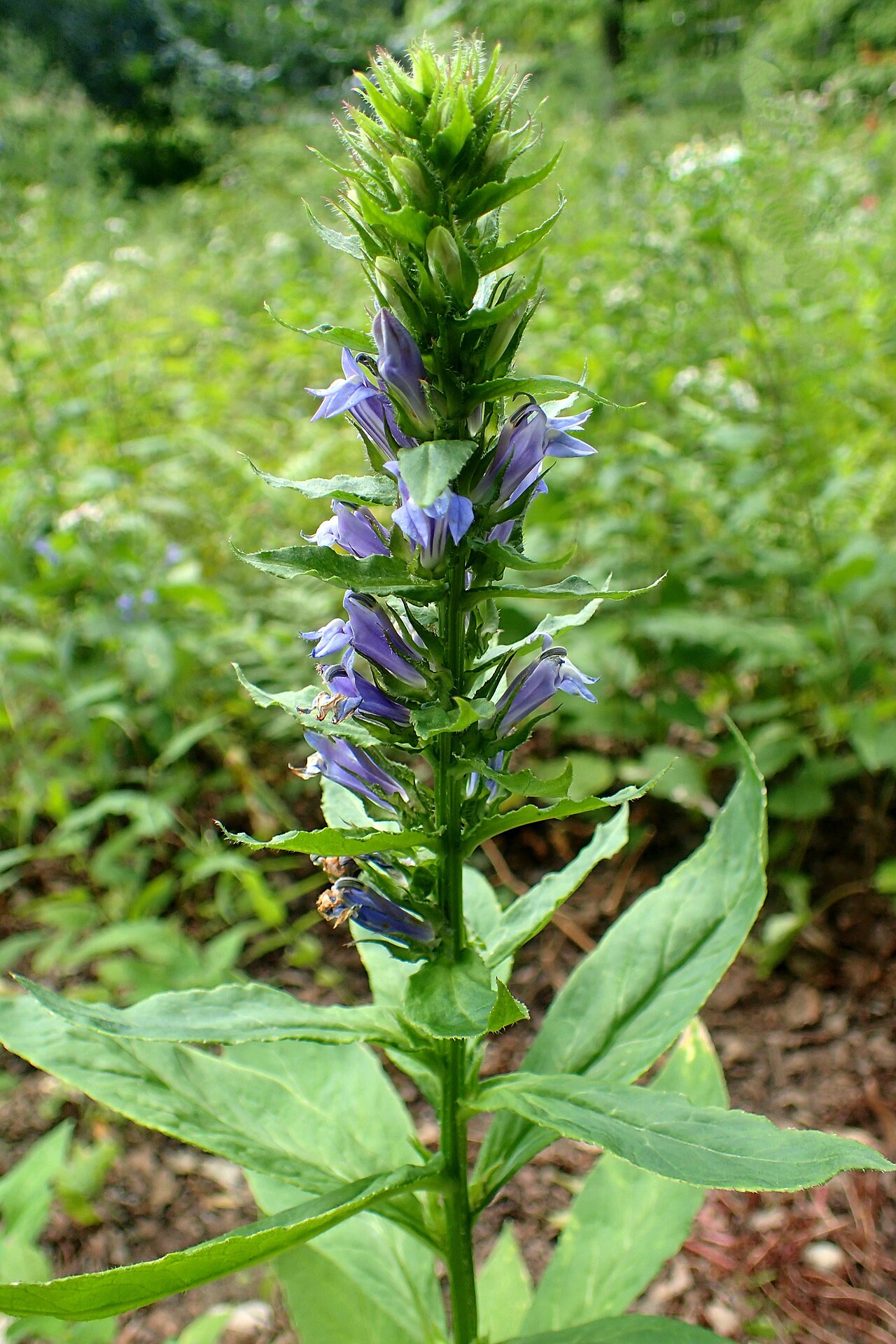
- Middle layer (2 to 4 feet): white turtlehead and great blue lobelia, which bloom from midsummer into fall and like the same damp soil.
- Front layer (1 to 2 feet): bottle gentian, with golden alexanders for spring color and early foliage.
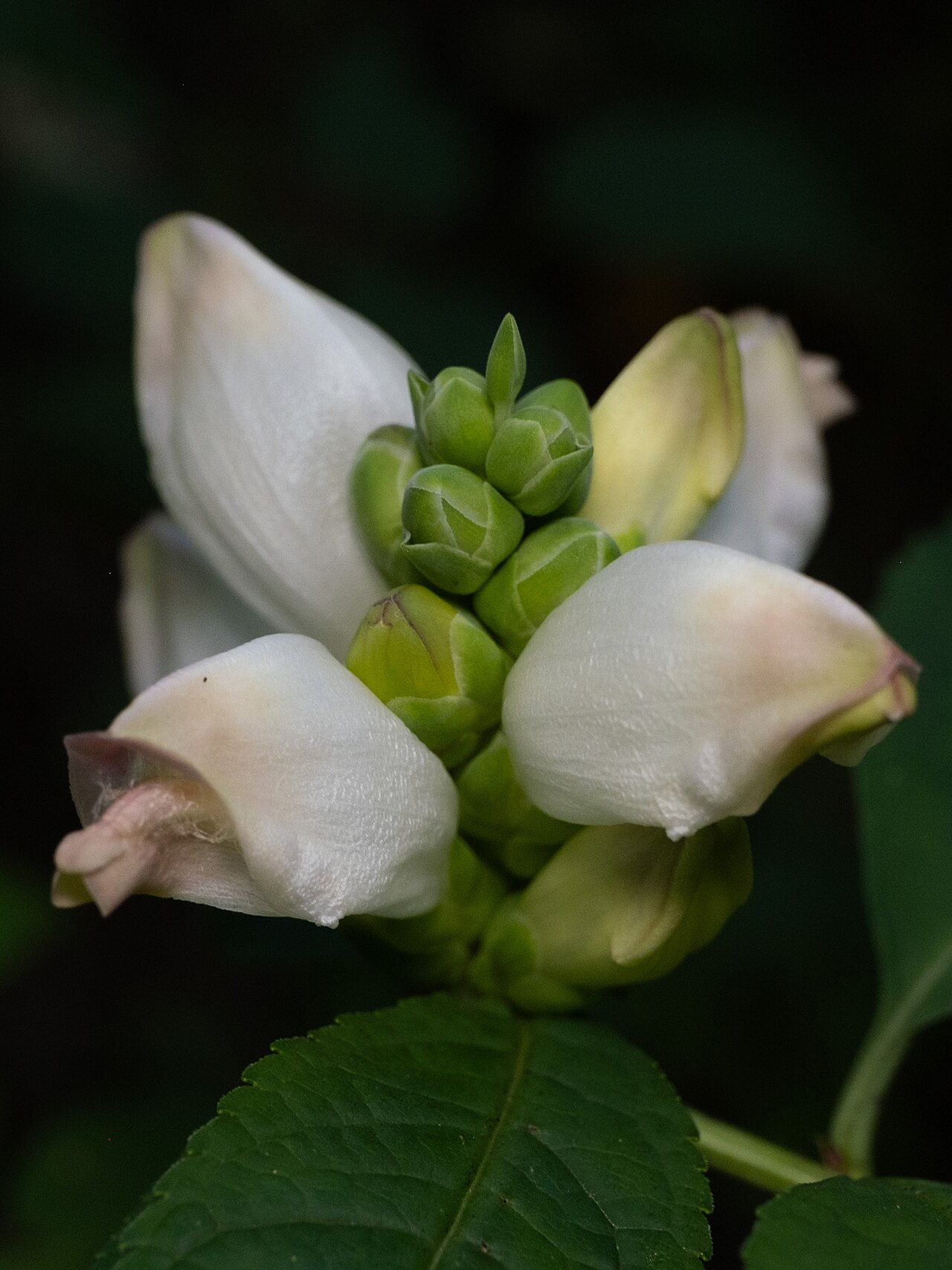
White turtlehead and bottle gentian make a good late pair. The Wildflower Center lists turtlehead in brushy marshes, stream banks and low meadows, blooming from July to September.
Great blue lobelia blooms from July into October and handles sun to shade. Its taller blue spikes echo the gentian’s color at a different height.
Culver’s root grows in moist prairies and along stream banks and peaks in midsummer. Its white candelabra spikes give the back of the border structure before the fall plants open.
Golden alexanders blooms in spring and early summer with flat yellow umbels. It fills the front of the border early, before the gentian has much to show.
For fall color in the back, New England aster is a classic partner, but plant it well back and plan to divide it. For a border built around asters and another fall-blue native, see our plan for blue mistflower and fall asters.
Plant Palette
Heights and ranges are from the Lady Bird Johnson Wildflower Center unless noted. Confirm each plant appears on your state’s native list.
| Plant | Role | Height | Sun / moisture | Native range |
|---|---|---|---|---|
| Bottle gentian (Gentiana andrewsii) | Fall focal point, front layer | 1–2 ft (Illinois and Minnesota Wildflowers) | Sun to part shade / moist | W. Que. to Man., south to NJ, OH, KY, n. AR and n.c. CO |
| White turtlehead (Chelone glabra) | Late-summer middle layer | Up to about 6 ft, often much shorter | Sun to shade / moist to wet | Nf. to MN, south to GA and n.e. AR |
| Great blue lobelia (Lobelia siphilitica) | Blue echo, middle layer | Up to about 5 ft | Sun to shade / moist to wet | CT to ND and WY, south to GA, TX and CO |
| Culver’s root (Veronicastrum virginicum) | Summer height, back layer | Up to about 6 ft | Sun to part shade / moist | VT to Ont., south to GA, LA and OK |
| Golden alexanders (Zizia aurea) | Spring color, front layer | Up to about 3 ft | Sun to part shade / moist | Que. to Sask. and MT, south to FL and TX |
| New England aster (Symphyotrichum novae-angliae) | Fall color, back layer | Up to about 6 ft | Part shade to sun / moist | Que. and ME to SC, west to the e. Great Plains |
Regional Alternates
Bottle gentian’s range centers on the Northeast, Great Lakes and Upper Midwest. Outside that range, use a gentian native to your area.
- Southeast and South-Central: soapwort gentian ranges from southern New York and Wisconsin south to Florida and Louisiana. The Wildflower Center lists it for moist depressions and the margins of woodland creeks and ponds, blooming August to October.
- Pacific Northwest and northern Rockies: explorer’s gentian (Gentiana calycosa) grows in moist alpine and subalpine meadows from British Columbia to northern California and east to Montana and Wyoming. It suits cool mountain gardens, not lowland heat.
- Companions: in the Southeast, swap Culver’s root and turtlehead for species confirmed on your state list; in the Plains, check moisture tolerance carefully, since many prairie plants prefer drier soil than gentian.
Sample Plan: 5 × 12 Foot Moist Border
Quantities
| Bottle gentian | 10 plants in two groups of five along the front, 12–18 inches apart |
| Golden alexanders | 5 plants between and behind the gentian groups |
| White turtlehead | 5 plants mid-border |
| Great blue lobelia | 5 plants mid-border, interplanted with turtlehead |
| Culver’s root | 3 plants at the back |
| New England aster | 2 plants at the back corners, at least 3 feet from the gentian |
If your border is wetter and sunnier, a taller planting may suit it better. Our plan for blue vervain in a wet-meadow planting uses many of the same companions in a looser, meadow style.
Installation Steps
Step 1: Start with potted plants. Illinois Wildflowers notes that potted plants are easier than seed because germination is erratic and seedling losses can be high.
Step 2: Prepare the soil. Remove turf and weeds. Work in compost if the soil is lean or sandy, since bottle gentian prefers moist, rich soil.
Step 3: Plant at the right depth. Set each plant at the same level it grew in the pot. The PlantNative profile recommends not burying the crown.
Step 4: Mulch and water. Use a thin layer of shredded leaves or fine bark to hold moisture. Water deeply after planting and during every dry spell in the first season.
Step 5: Mark the gentians. They emerge later than many perennials in spring. A small marker keeps you from planting over them or weeding them out.
The First Three Years
- Year one: water through dry spells. Expect small plants and possibly a few flowers. Keep weeds pulled.
- Year two: plants should bulk up. In early spring, cut old stems down before new growth. Watch that taller neighbors are not leaning over the gentian.
- Year three: the border should be full. Divide or reposition any aster or Joe-Pye weed that crowds the front. Leave gentian in place; its taproot makes it a poor candidate for division.
- Every fall: enjoy the bloom and watch for bumblebees pushing into the closed flowers. Leave stems standing through winter.
Mistakes to Avoid
- Planting in dry soil. Drought is the main threat. Choose a spot that stays moist into late summer.
- Burying it behind tall plants. Bottle gentian is short and late. Keep it in the front third with open space around it.
- Moving or dividing it. The taproot makes it a poor choice for frequent disturbance.
- Waiting for the flowers to open. They stay closed. That is how the plant works, not a problem.
- Starting from seed in a border. Use potted plants for reliable establishment.
📋 Find plants for your region: see the full Bottle Gentian (Gentiana andrewsii) profile or our native plant lists for Michigan, Wisconsin & Eastern Minnesota and the Dakotas & Western Minnesota.
Frequently Asked Questions
Why don’t bottle gentian flowers open?
They are built to stay closed. Bumblebees push their way in to reach nectar and pollen, and that is how the plant is pollinated.
How tall does bottle gentian get?
Usually 1 to 2 feet, per Illinois and Minnesota Wildflowers. The stems often lean, giving the plant a sprawling look about 1½ to 2 feet wide.
Can bottle gentian grow in full sun?
Yes, if the soil stays moist. Illinois Wildflowers lists full or partial sun. In full sun, consistent water matters even more.
Does bottle gentian spread?
Not by roots. Illinois Wildflowers notes it grows from a taproot and does not normally reproduce vegetatively. It may self-seed lightly in good conditions.
What should I plant with bottle gentian?
Moisture-loving plants that bloom at different times and won’t smother it: white turtlehead, great blue lobelia, Culver’s root and golden alexanders. Keep tall asters and Joe-Pye weed toward the back.
Sources
- Illinois Wildflowers, Bottle Gentian: height, taproot and lack of vegetative spread, cultivation from potted plants, drought as main threat, habitats, calcareous soils, bumblebee pollination.
- Minnesota Wildflowers, Bottle Gentian: height, light, habitats, bloom season and leaning stems.
- Lurie Garden, Bottle gentian: spread, sprawling habit and soil preference.
- Lady Bird Johnson Wildflower Center, Gentiana andrewsii: size range, bloom time, distribution. Companion and alternate data from Wildflower Center pages for white turtlehead, great blue lobelia, Culver’s root, golden alexanders, New England aster, soapwort gentian and explorer’s gentian.