Crape Myrtle Bark Peeling or Damaged? What to Inspect
Last updated: November 6, 2026
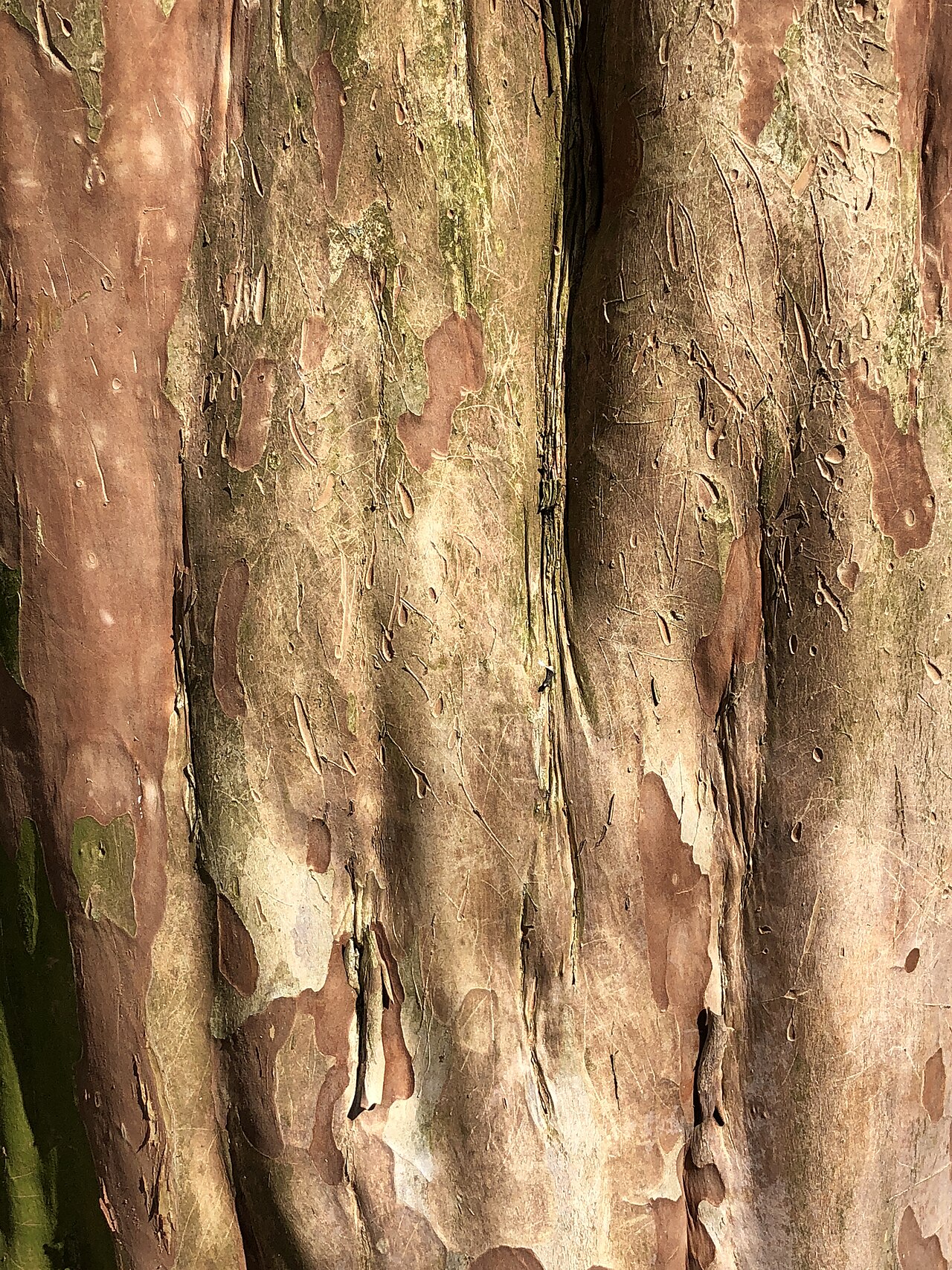
You walk past your crape myrtle and notice long strips of bark hanging off the trunk. Underneath, the wood looks raw and oddly colored. Some pieces are lying on the mulch.
In most cases, nothing is wrong. Crape myrtles shed their bark on purpose, and the patchwork it leaves behind is one of the reasons people plant them.
Sometimes peeling or damaged bark does point to a real problem, though. Mower injury, cold damage, and an invasive insect called crapemyrtle bark scale can all show up on the trunk first. This guide walks through what to inspect so you can tell the difference.
The Short Answer
Thin, papery bark peeling off in strips or plates, with smooth, firm, colored bark underneath, is normal for crape myrtle. Look closer if you see:
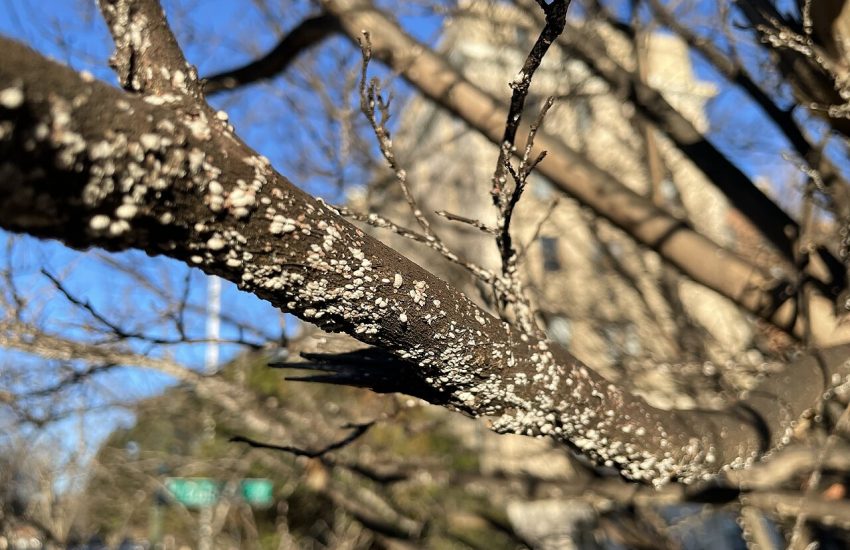
- White or gray felt-like crusts on the trunk or in branch forks, often with black sooty mold. That’s likely crapemyrtle bark scale.
- Torn bark low on the trunk, at mower or string-trimmer height.
- Bark lifting off dry, brown, or brittle wood, especially after a hard winter.
- Soft, dark, or sunken wood around old cuts, which can signal decay.
- Gray-green crusty patches. These are usually lichens and are harmless.
Why Crape Myrtle Bark Peels
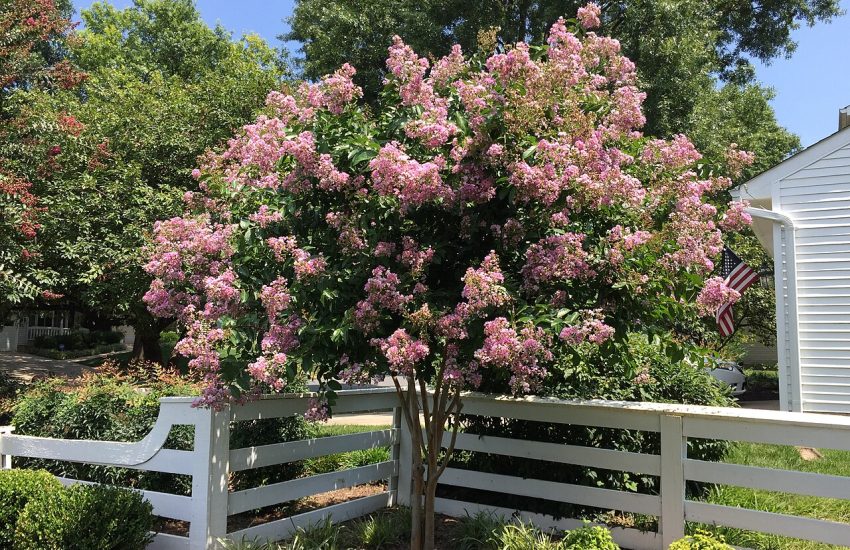
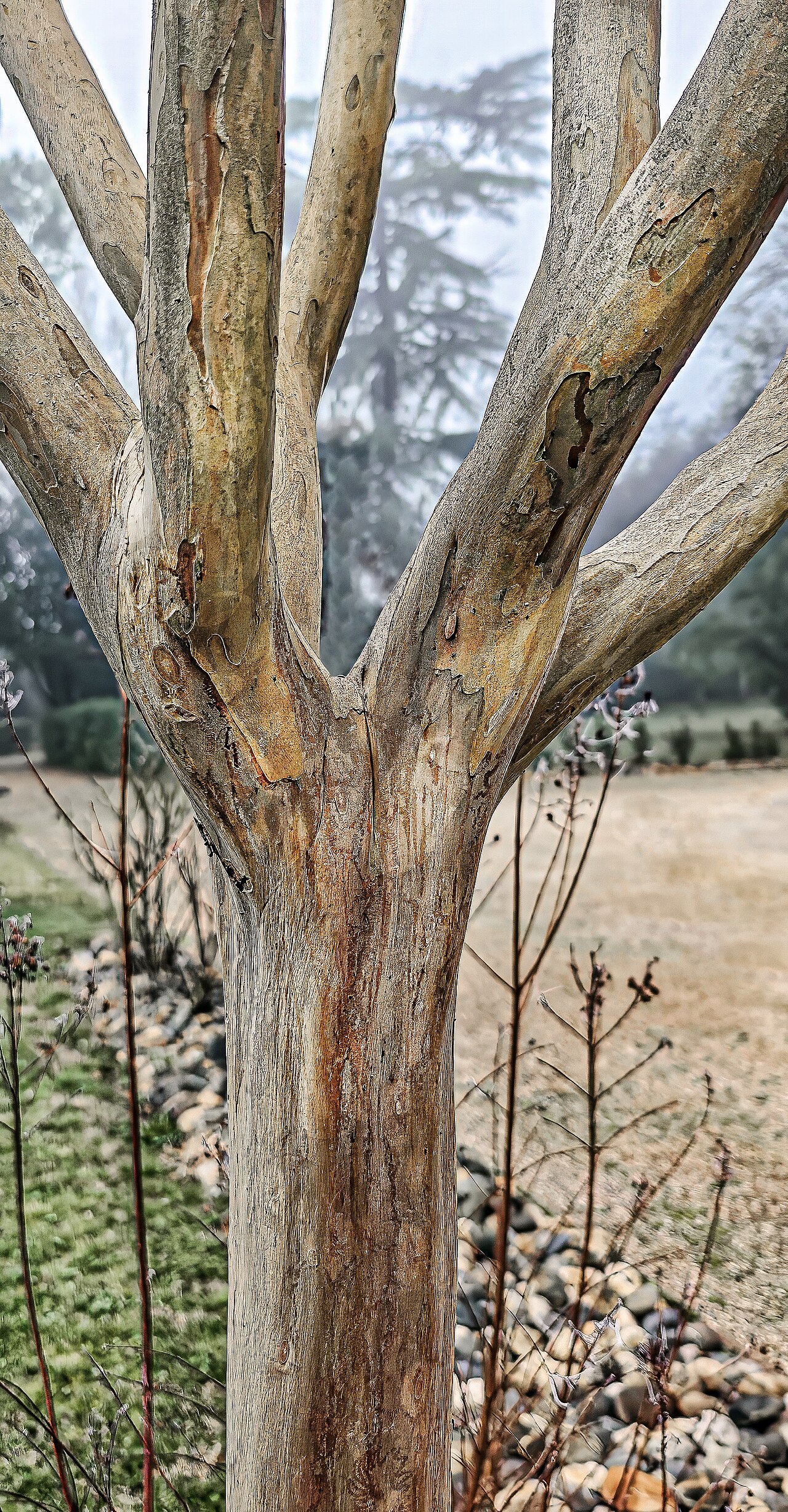
Crape myrtle bark is unusually thin. Wikipedia’s account of Lagerstroemia indica puts it at about 2 mm (1/16 inch), smooth and mottled, and notes that it sheds every year.
LSU AgCenter describes cultivars whose bark peels in long strands, exposing different colors. The result is a mottled pattern of light and dark that many gardeners value as much as the flowers.
Clemson’s Home & Garden Information Center notes that the peeling bark reveals trunks in shades of brown to gray, and that it’s most noticeable in winter after the leaves drop. Some selections were bred partly for this feature. Clemson calls the bark on ‘Natchez’ exceptional.
So a tree that sheds a lot isn’t sick. It’s doing what the species does, often more dramatically on older trunks and on cultivars bred for bark.
Normal Peeling vs. Damage
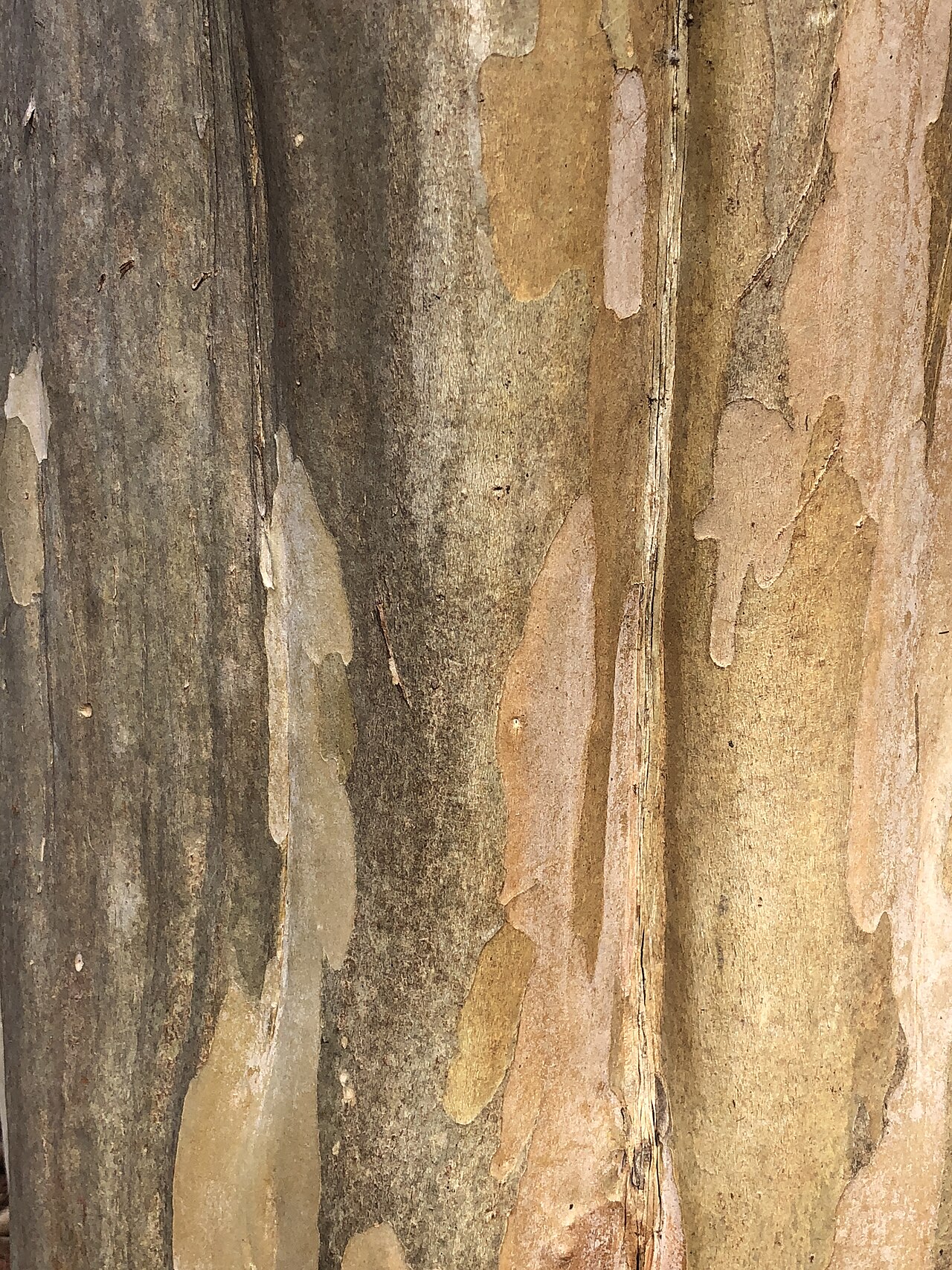
| Normal shedding | Thin, papery strips or plates. Smooth, firm, colored bark underneath. Spread over the trunk and larger limbs. |
| Mechanical injury | Ragged tears or scrapes, often low on one side. Exposed wood is pale at first, then darkens. |
| Cold damage | Bark lifting off dry, brown tissue. Brittle twigs. No leaves on affected stems by late spring. |
| Bark scale | White or gray waxy crusts in forks and on trunks, black sooty mold, sticky honeydew. |
| Lichen | Flat or leafy gray-green patches stuck to the bark surface. Harmless. |
Check 1: Look at What’s Under the Peeling Bark
Gently lift a loose strip with your fingers. Don’t pry or cut.
Healthy bark underneath is smooth and firm. Depending on the cultivar and season, it may be cinnamon, tan, cream, gray, or pinkish. Fresh layers often look brighter and then weather to a duller shade.
If the surface underneath is dry, cracked, brown, or hollow-sounding, keep going to the checks below.
Check 2: Do a Scratch Test on Doubtful Stems
Ask Extension describes a simple test. Because crape myrtle bark is thin, you can scrape a small spot with a fingernail. Green tissue just under the surface means the stem is alive.
Brown, dry tissue means that section is dead. Ask Extension adds that brittle branches that snap easily are likely dead too.
Test from the tip toward the trunk. You’re looking for the point where brown turns to green, which tells you how far any dieback reaches.
Check 3: Inspect the Base for Mower and Trimmer Damage
Look at the lowest foot or two of every trunk, all the way around. Clemson notes that crape myrtle bark is thin and easily damaged by mechanical injury, and recommends mulch to prevent it.
String trimmers and mower decks cause most of this damage. Signs include horizontal scrapes, torn edges, and wounds facing the lawn side. Repeated injuries can girdle young trunks.
What to do:
- Trim loose, ragged bark edges back to firm, attached bark with a sharp knife. Don’t cut into healthy tissue.
- Leave the wound open. Virginia Cooperative Extension advises against applying pruning paint or other materials to cuts on crape myrtle.
- Replace turf around the trunks with a ring of mulch so the mower doesn’t need to come close. Keep the mulch a few inches off the bark. Our mulch guide covers depth and materials.
Check 4: Rule Out Cold Damage
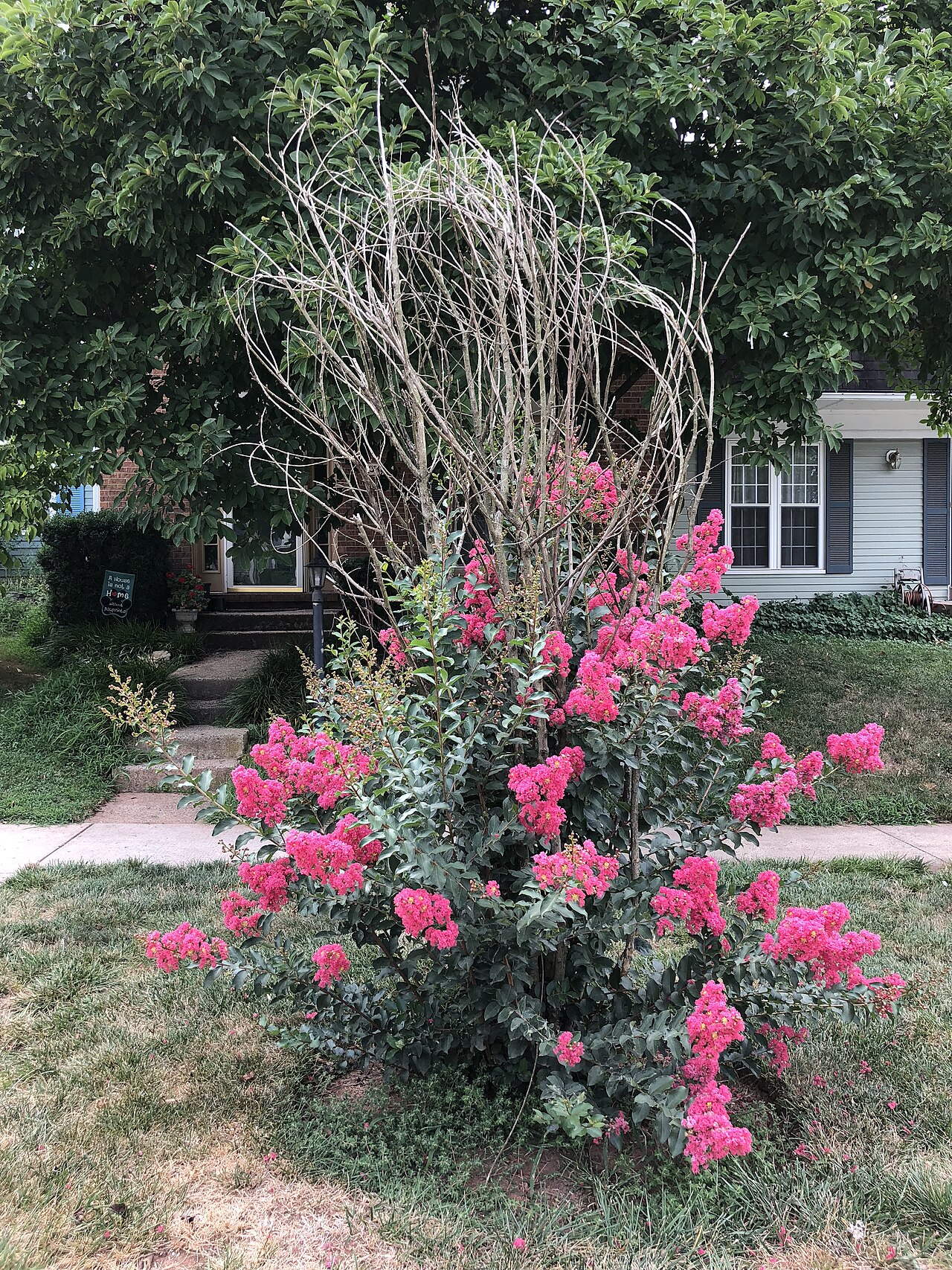
NC State Extension notes that crape myrtle is susceptible to winter injury in zones 5 and 6, especially in the top growth. A severe cold spell can damage trees in milder areas too.
Cold-damaged bark often splits, loosens, or flakes off dead wood rather than off living bark. In spring, those stems stay bare while the rest of the tree leafs out.
Don’t rush to cut. Wait until new growth clearly shows which stems are alive. Then use the scratch test to find live wood and prune dead stems back to it or to the ground.
Ask Extension notes that crape myrtles killed back in cold winters may resprout from the roots if the roots are still alive. If that happens, choose a few strong shoots to become the new trunks. Our guide to crape myrtle suckers covers which shoots to keep and remove.
Check 5: Look for White Crusts From Bark Scale
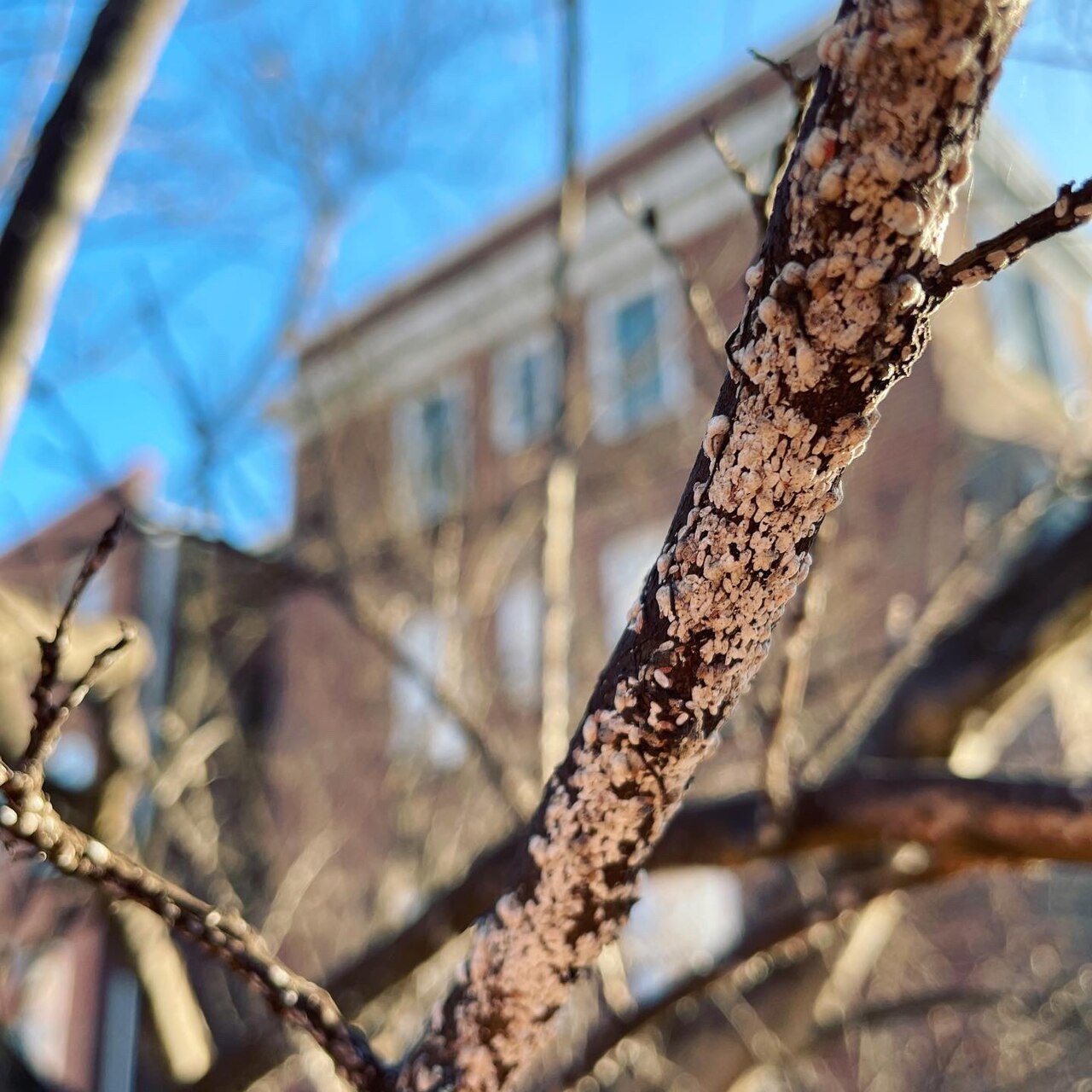
This is the check that matters most in the South. Crapemyrtle bark scale (Acanthococcus lagerstroemiae) is an introduced insect from Asia. Clemson reports it was first found on crape myrtles in Texas in 2004 and has since spread across much of the Southeast.
Clemson describes infestations as white or gray, waxy crusts on stems, twigs, branch crotches, pruning sites, and trunks. The scale often feeds beneath loose, peeling bark, which helps it hide from predators and sprays.
Clemson lists several signs:
- White adults and white egg sacs, sometimes holding pink eggs.
- Sticky honeydew and black sooty mold on bark, leaves, and anything below.
- Late leaf-out, reduced flowering, and smaller flower clusters.
- Premature bark peeling.
To confirm, crush a suspect crust. Clemson notes that live scales release a reddish fluid. Check the shady undersides of branches and the forks first, where females tend to concentrate.
Bark scale usually causes cosmetic damage rather than killing the tree, but heavy infestations weaken it. For a side-by-side with lichens, powdery mildew and sooty mold, see our guide to white material on crape myrtle branches.
Check 6: Look at Old Pruning Cuts
Large old cuts are where decay often starts. Virginia Cooperative Extension cites research showing that topping cuts on crape myrtle significantly increase stem decay and dead branches in the canopy.
Press on the wood around old stubs and knobs. Firm wood is fine. Soft, crumbly, or dark, wet wood suggests rot.
A small decayed stub can be cut back to healthy wood in late winter. A cavity in a main trunk, or a trunk that cracks, leans, or sways, is a job for a certified arborist. Our guide to repairing past crape myrtle topping explains when to call one.
Check 7: Don’t Worry About Lichens or Bark Lice
Two common trunk visitors look alarming but don’t harm the tree.
Lichens are flat, crusty, or leafy patches in gray, green, or pale yellow. Clemson calls them harmless organisms that often grow on older or declining crape myrtle bark. Ask Extension advises against scraping them off, since crape myrtle bark is thin and easily damaged. Heavy lichen growth can be a hint that the tree has a thin canopy and is low on vigor, so check light and growth too.
Bark lice are small insects that gather in groups on trunks. Mississippi State University Extension says they feed on fungi, lichens, and debris on the bark and don’t damage trees. A related Gulf Coast species spins a fine white silk over trunks that’s also harmless.
Troubleshooting at a Glance
| Papery strips, smooth bark beneath | Normal exfoliation. No action needed. |
| Scrapes at mower height | Mechanical injury. Trim ragged edges, leave unsealed, add a mulch ring. |
| Bare stems after winter, brown under bark | Cold dieback. Wait for leaf-out, then prune to live wood. |
| White felt crusts, black film | Crapemyrtle bark scale. Confirm and plan treatment. |
| Soft wood around old knobs | Decay from past cuts. Prune small stubs; call an arborist for trunks. |
| Gray-green crusty patches | Lichens. Harmless. Leave them. |
What to Do Next
If it’s normal shedding: enjoy it. You can rake fallen strips from the mulch, but don’t peel bark off the trunk.
If it’s bark scale: start with the gentlest options. LSU AgCenter lists washing infested trunks and limbs with a soft brush and a mild dish-soap solution, and removing scale and sooty mold with water pressure. Clemson’s factsheet covers systemic and crawler-timed insecticide options. If you go that route, follow the label exactly and avoid treatments while the tree is in bloom, since some products can harm pollinators.
If it’s cold damage: be patient until leaf-out, then remove dead wood. A tree that regrows from the base can be trained back into shape over a few seasons.
If it’s wounding or decay: protect the trunk from further injury and let it callus. Major trunk damage near a house, walkway, or play area warrants a professional look.
A Season-by-Season Bark Care Plan
- Winter: inspect trunks and forks for white crusts and old wounds while the tree is bare. Do any pruning of dead or damaged wood in late winter, following our guide on how to prune trees and shrubs.
- Spring: wait for leaf-out before judging cold damage. Refresh the mulch ring, keeping it off the bark.
- Late spring to summer: watch for sticky leaves and black sooty mold. Check branch forks for scale again.
- Summer: water during long dry spells. A vigorous tree sheds cleanly and resists pests better.
- Fall: skip pruning. Note any new wounds so you can deal with them in late winter.
For general planting and care, see our crape myrtle growing guide. If your tree is also skipping its summer show, our crape myrtle not blooming checklist covers light, pruning, and growth. If you love the peeling-bark look and want a native tree, river birch has distinctive exfoliating bark. For a shrub, common ninebark shows peeling layers on older stems.
Frequently Asked Questions
Is it normal for crape myrtle bark to peel?
Yes. Crape myrtle naturally sheds its thin outer bark, exposing smooth, mottled bark underneath. As long as the bark beneath is firm and the tree leafs out normally, peeling is healthy.
Should I peel the loose bark off my crape myrtle?
No. Let it fall on its own. Pulling bark that’s still attached can tear into the living layer, and crape myrtle bark is thin.
What does crapemyrtle bark scale look like?
White or gray, felt-like crusts on trunks, branches, forks, and old pruning cuts, often with black sooty mold nearby. Clemson notes that live scales release a reddish fluid when crushed.
Should I seal a wound on my crape myrtle trunk?
No. Virginia Cooperative Extension advises against applying pruning paint or other materials to crape myrtle cuts. Clean up ragged edges and let the tree close the wound on its own.
Can a crape myrtle recover from freeze damage to the bark?
Often, yes. Use the scratch test to find live wood after leaf-out and prune dead stems back to it. Ask Extension notes that trees killed back in winter may resprout from living roots.
Sources
- Wikipedia, Lagerstroemia indica: bark thickness and annual shedding.
- LSU AgCenter, Pub. 1466 Crape Myrtles and Pub. 3440 Crape Myrtle Bark Scale: exfoliating bark, washing and pressure-water control for scale.
- Clemson Cooperative Extension HGIC, Crape Myrtle, Crapemyrtle Bark Scale in South Carolina and Crape Myrtle Diseases & Insect Pests: bark color, mechanical injury, scale identification and spread, lichens.
- Virginia Cooperative Extension, Pruning Crapemyrtles: decay after topping cuts, no wound dressings.
- North Carolina Extension Gardener Plant Toolbox, Lagerstroemia indica: winter injury in zones 5–6, exfoliating bark.
- Ask Extension, Dying crape myrtle and Diagnose fungus growing on crape myrtle: scratch test, resprouting, leaving lichens alone.
- Mississippi State University Extension, Bark Lice: harmless bark lice on crape myrtle trunks.