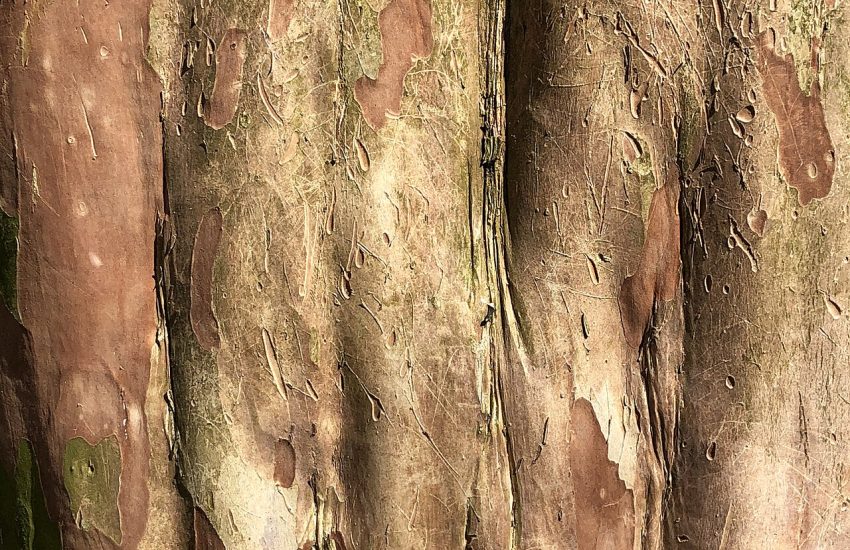
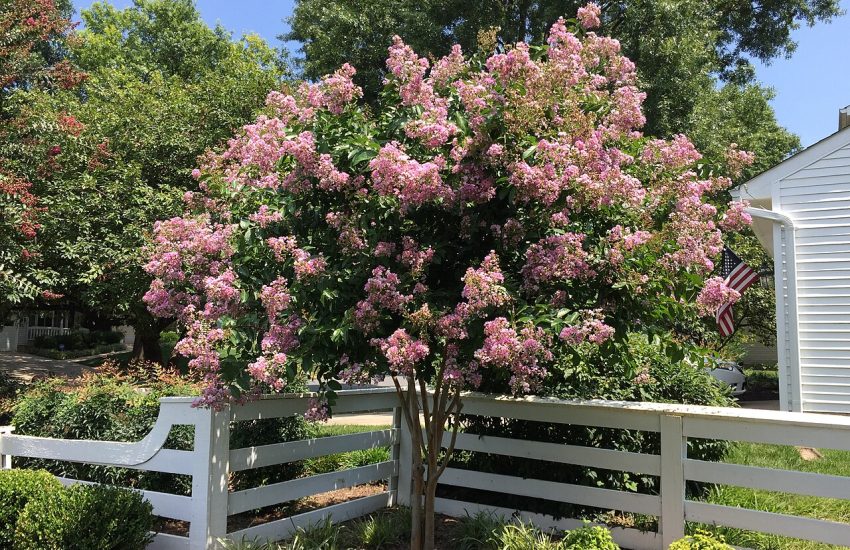
White Material on Crape Myrtle Branches: Scale, Fungi, or Something Else?
Last updated: November 6, 2026
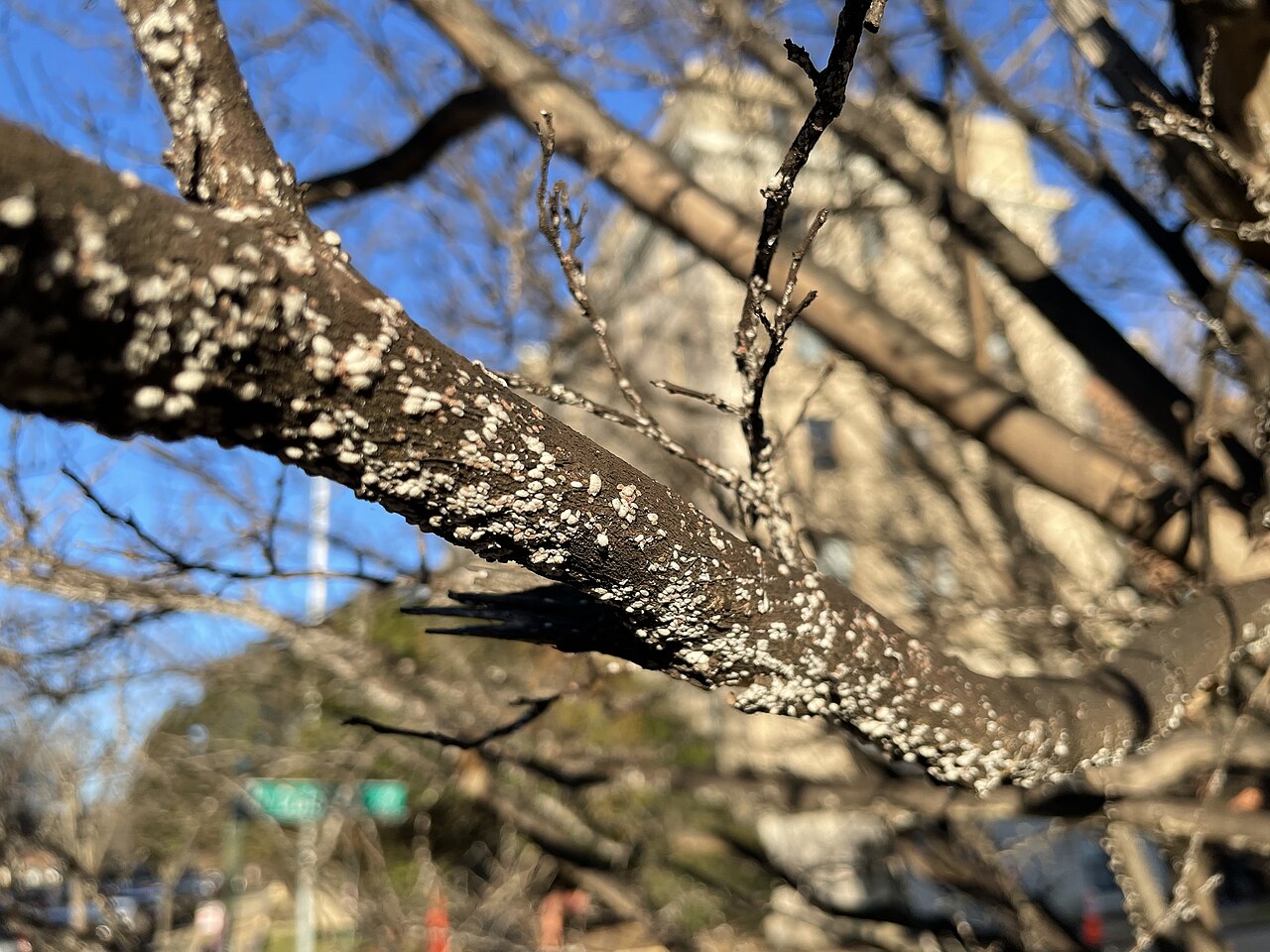
You notice white spots on your crape myrtle’s branches. Some look like bits of cotton, some like dried paint, and some look gray-green and crusty. There may be black, sooty patches nearby too.
White material on a crape myrtle can be a few different things. One of them, crapemyrtle bark scale, is an invasive insect that’s worth dealing with promptly. Others are harmless and best left alone.
This guide walks you through where to look, what each possibility looks like up close, and a simple test that tells you which one you have.
The Short Answer
- White or gray felt-like crusts on the trunk, branches, and forks, often with black sooty mold: most likely crapemyrtle bark scale. Crush one. Live scales release a reddish fluid.
- White powder on leaves, buds, and new shoots: powdery mildew, a fungal disease of leaves and young growth.
- Flat, crusty, gray-green or pale patches stuck to the bark: lichens. Harmless.
- Black film with sticky leaves but no white crusts: sooty mold from aphid honeydew.
- Fine white silk over the trunk, mostly near the Gulf Coast: webbing bark lice. Harmless.
Start With Where the White Material Is
The location on the tree narrows things down fast.
- On woody bark, in branch forks, around old pruning cuts, or under loose bark: think bark scale or lichens.
- On leaves, flower buds, and soft green shoots: think powdery mildew.
- Black coating on leaves and bark, often sticky: sooty mold. Look for the insect producing the honeydew, either aphids on the leaves or scale on the bark.
Clemson’s Home & Garden Information Center draws the same line between the two main honeydew producers. Aphids feed on tender new growth at branch tips, while crapemyrtle bark scale concentrates on stems, branches, and trunks.
Side-by-Side Comparison
| Bark scale | White to gray felted crusts on bark, forks, cuts. Pink eggs or crawlers. Bleeds red when crushed. Sooty mold common. |
| Powdery mildew | White to grayish powder on leaves, buds, new shoots. Distorted growth. Worst in spring and fall. |
| Lichen | Flat or leafy crusts in gray, green, or pale yellow. Dry, firm, no liquid. |
| Sooty mold | Black film that can be rubbed or washed off. A sign of honeydew-producing insects. |
| Bark lice webbing | Thin white silk sheeting over bark. Small insects underneath. Harmless. |
Check 1: Is It Crapemyrtle Bark Scale?
Crapemyrtle bark scale (Acanthococcus lagerstroemiae) is an introduced pest from Asia. Clemson reports that it first infested crape myrtles in Texas in 2004 and spread through Oklahoma, Arkansas, Louisiana, Mississippi, Georgia, North Carolina, Virginia, and South Carolina.
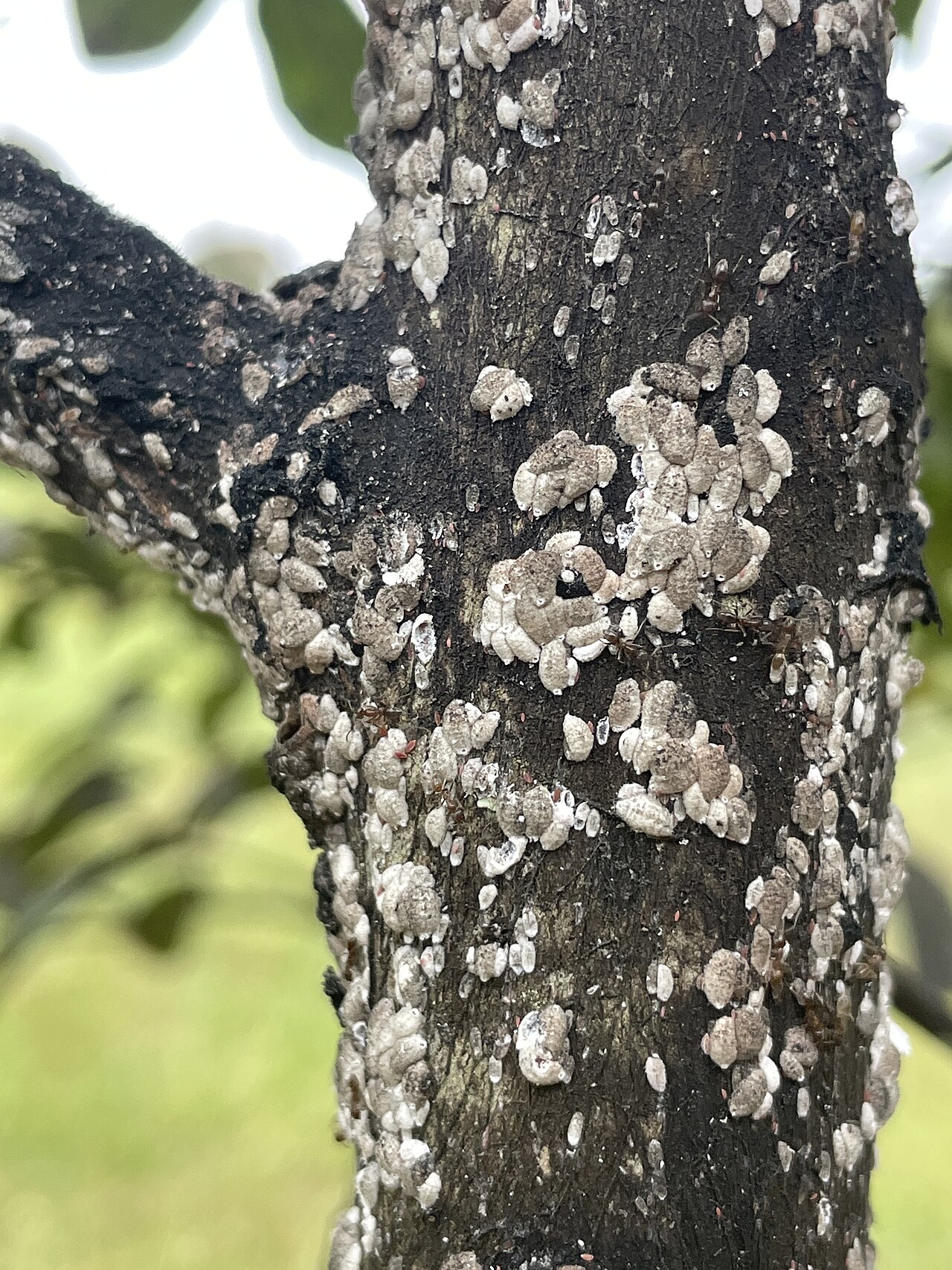
Clemson describes it as a bark or felt scale that resembles a mealybug. Infestations look like white or gray waxy crusts on stems, large twigs, branch crotches, pruning sites, and trunks. The scale rarely occurs on leaves.
Look closely, ideally with a hand lens:
- Tiny white felt sacs, often packed together in clusters.
- Pink eggs or pink crawlers. LSU AgCenter describes the eggs and young nymphs as pink.
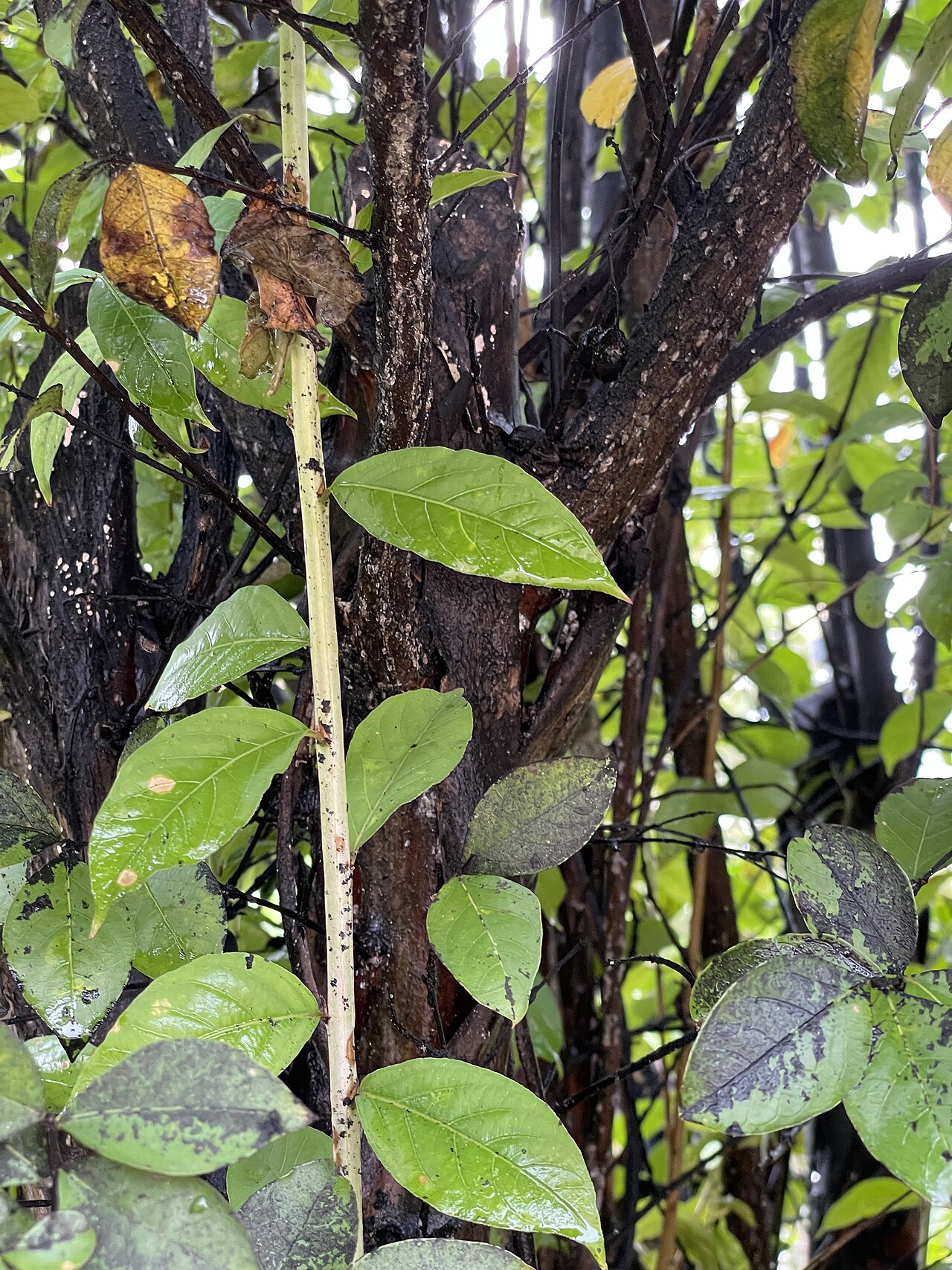
- Black sooty mold on the bark and on leaves below. Clemson notes the scale produces large amounts of honeydew.
- Ants walking up and down the trunk, drawn to the honeydew.
The crush test: press a white sac with a fingernail or a twig. Clemson notes that a live scale releases a reddish body fluid. Dead scales don’t “bleed.”
Check the shady undersides of branches, the forks, and the loose bark. Clemson says adult females concentrate on lower, shadier sides of branches, and the scale often feeds beneath peeling bark. For other bark symptoms, see our guide to crape myrtle bark peeling or damage.
Why It Matters
Clemson says bark scale usually causes cosmetic damage and may not kill the plant. Heavy infestations can still reduce vigor, flower production, and flower-cluster size, and can delay leaf-out and cause premature bark peeling.
LSU AgCenter adds that heavy sooty mold can interfere with photosynthesis and lead to branch dieback and fewer flowers. If your tree has also stopped blooming well, our crape myrtle not blooming checklist covers the other causes.
It also spreads. Clemson lists other hosts, including pomegranate, persimmon, fig, boxwood, privet, and the native American beautyberry. Check nearby plants too.
Check 2: Is It Powdery Mildew?
If the white material is on leaves rather than bark, powdery mildew is the likely answer. Clemson describes it as patches of white to grayish powdery growth on leaves, flowers, and new shoots. Infected parts may become distorted and stunted, and heavily infected flower buds may not open.
Clemson says the disease is worst in shady, damp, crowded spots with poor air circulation. It’s favored by humid nights and mild, dry days, which is why it often shows up in spring and fall.
Powdery mildew is a different problem from bark scale, and the fixes are different. Clemson recommends:
- Planting in full sun.
- Removing sprouts at the base, which are susceptible and can spread the fungus upward. Our guide to crape myrtle suckers covers removal.
- Choosing resistant cultivars. Clemson notes that the Lagerstroemia indica × fauriei hybrids from the U.S. National Arboretum are resistant.
Check 3: Is It Lichen?
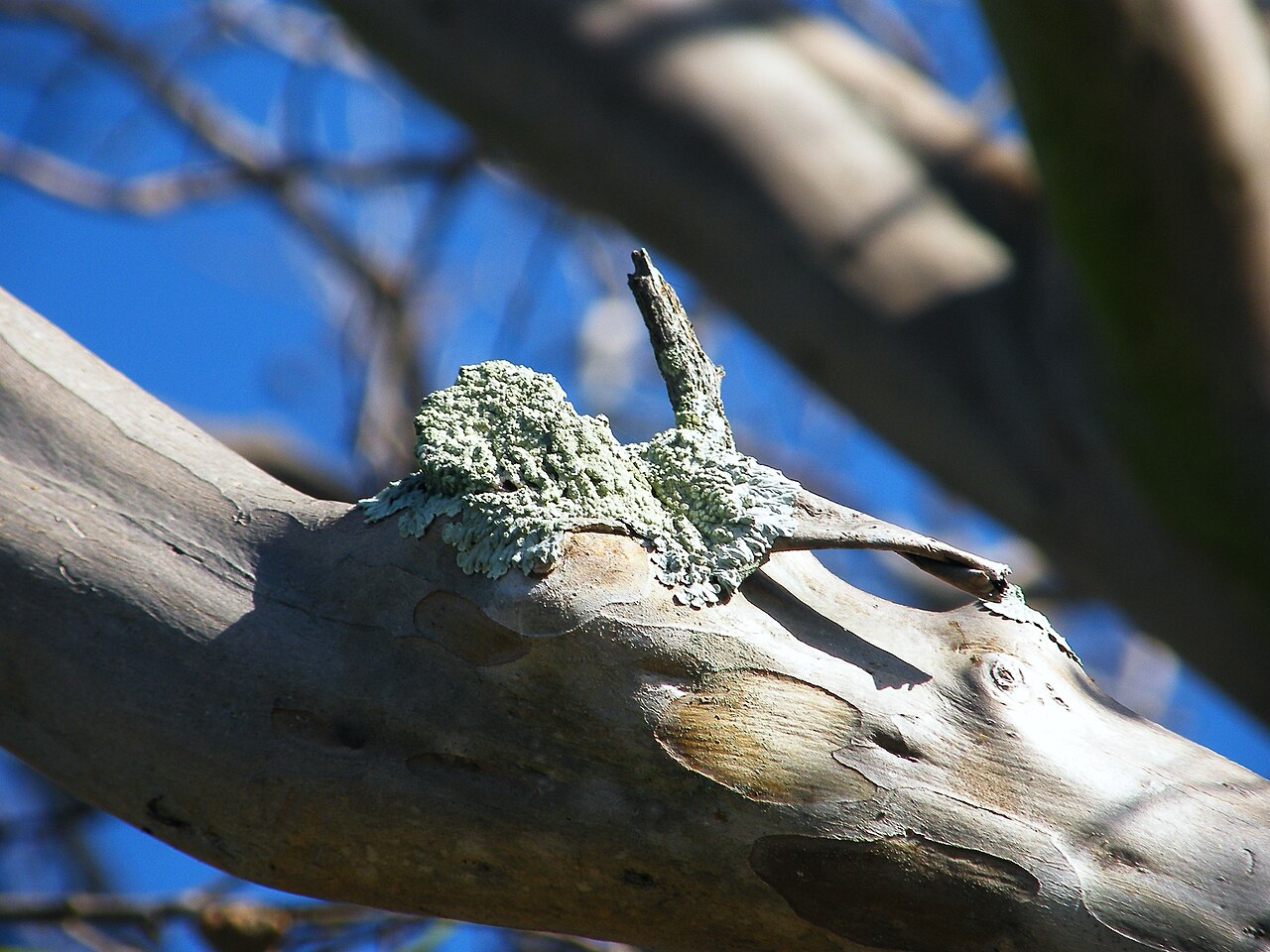
Lichens are flat, crusty, or leafy growths in gray, green, gray-green, or pale yellow. They’re firm and dry, and they don’t release fluid when pressed.
Clemson calls lichens harmless organisms that commonly grow on older or declining crape myrtle bark. Ask Extension says lichens don’t take moisture or nutrients from the tree and don’t need to be removed. It warns that scraping them off can damage crape myrtle’s thin bark.
Lichens can be a clue, though. LSU AgCenter notes that heavy lichen growth often shows up on plants in decline, because a thin canopy lets more light reach the branches. If your tree is covered, check its overall vigor.
Check 4: Is It Sooty Mold From Aphids?
Sooty mold isn’t white, but it often appears alongside white material and causes confusion. Clemson says sooty molds grow on honeydew from sap-sucking insects. They’re unsightly but don’t attack the plant directly.
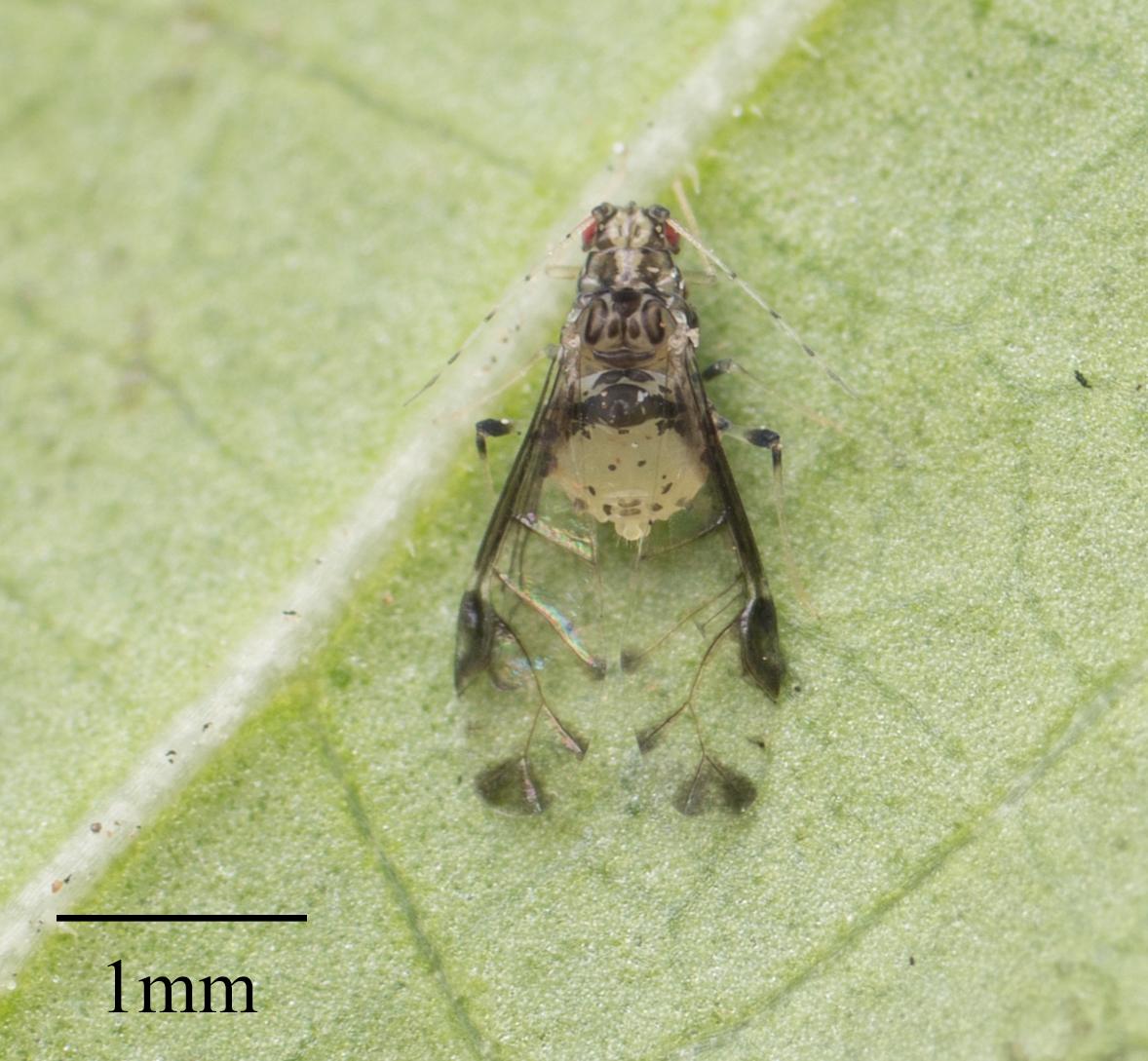
The most common source on crape myrtle is the crape myrtle aphid (Sarucallis kahawaluokalani). Clemson describes it as pale yellowish-green with black spots, 1/16 to 1/8 inch long, feeding on tender new leaves and found only on crape myrtle.
If you see sticky leaves and black film but no white crusts on the bark, turn over some leaves near the branch tips. Clusters of small, pale insects point to aphids, not scale.
Clemson notes that natural predators often reduce aphid numbers and that a strong stream of water can knock many off. Controlling the insects reduces the sooty mold over time.
Check 5: Other Harmless Possibilities
Webbing bark lice. Mississippi State University Extension notes that a Gulf Coast species of bark louse spins fine white silk that can encase tree trunks. It’s harmless. Other bark lice gather in groups on crape myrtle trunks, feeding on fungi, lichens, and debris, and they don’t harm the tree either.
Leftover wax. After scale dies, from treatment or from lady beetles, LSU AgCenter notes the residual wax can remain on the bark. Use the crush test. Dry, empty sacs mean the infestation may already be over.
Troubleshooting at a Glance
| White crusts that bleed red | Live bark scale. Start control now. |
| White crusts, dry and empty | Dead scale wax. Wash off; keep monitoring. |
| Powder on leaves and buds | Powdery mildew. More sun and airflow, remove base sprouts. |
| Gray-green crusts, no liquid | Lichens. Leave them alone. |
| Sticky leaves, black film, insects under leaves | Aphids. Hose off; let predators work. |
| Fine white silk sheeting | Webbing bark lice. Harmless. |
What to Do About Bark Scale
Start with the least toxic steps. They’re often enough on small trees and light infestations.
Wash it off. LSU AgCenter describes washing infested trunks and limbs with a soft brush and a mild dishwashing-soap solution, and removing scale and sooty mold with pressurized water. NC State Extension also mentions scrub brushes for removing scales. Be gentle with thin bark.
Use dormant oil. LSU AgCenter lists a well-timed horticultural oil spray to the bark right before bud break. Clemson advises applying oil only between 45°F and 90°F with no rain forecast for 24 hours. Follow the label.
Protect the predators. Clemson and LSU both note that lady beetles feed on bark scale. Avoid broad-spectrum sprays that kill them.
Keep the tree vigorous. Clemson says plants in sunnier sites often have smaller infestations, while shaded plants usually have more crawlers. Mulch, water during drought, and fertilize only according to a soil test.
Systemic insecticides are covered in Clemson’s factsheet for heavy infestations. These are soil drenches applied in spring as new growth begins. They’re neonicotinoids, and Clemson recommends steps to protect pollinators. If you choose this route, read and follow the product label exactly, and consider asking your county extension office or a certified arborist for help.
Severe cases. For a heavily infested plant where you don’t want to use insecticides, Clemson describes cutting it flush with the ground and letting it resprout. Clemson says to burn the removed wood or bag it for trash pickup rather than leaving it at the curb for brush collection. See our article on repairing a topped crape myrtle for how to train the new shoots.
A Season-by-Season Monitoring Plan
- Winter: inspect bare branches, forks, and pruning cuts for white crusts. Do the crush test. If you prune, bag infested wood. Our guide on how to prune trees and shrubs covers proper cuts.
- Late winter to bud break: wash infested bark and consider a dormant oil spray.
- Spring: watch for crawlers. Clemson says they hatch from mid- to late April through May in South Carolina. Wrapping double-sided tape around a small branch helps you spot them.
- Summer: check leaves for aphids and powdery mildew. Look for a second wave of scale crawlers in late summer.
- Fall: watch for powdery mildew on late growth. Note any black sooty patches to recheck in winter.
For overall care, see our crape myrtle growing guide. If leaves are also yellowing, our article on why crepe myrtle leaves turn yellow covers pests and disease that affect foliage.
Frequently Asked Questions
What is the white stuff on my crape myrtle branches?
On bark, white felted crusts are most often crapemyrtle bark scale, especially if black sooty mold is nearby. White powder on leaves is powdery mildew. Gray-green crusts are usually harmless lichens.
How do I know if crapemyrtle bark scale is alive?
Crush a white sac. Clemson notes that live scales release a reddish fluid. Dry sacs that don’t bleed are likely dead.
Will crapemyrtle bark scale kill my tree?
Usually not. Clemson describes the damage as mainly cosmetic, though heavy infestations reduce vigor and flowering. Treat it anyway, since it spreads to nearby crape myrtles and some other shrubs.
Can I just wash bark scale off?
Washing with a soft brush and mild soapy water, as LSU AgCenter describes, removes many scales and much of the sooty mold. It works best on small trees and light infestations, and you’ll likely need to repeat it.
Should I remove lichen from my crape myrtle?
No. Lichens are harmless, and Ask Extension warns that scraping them can damage crape myrtle’s thin bark. Heavy lichen growth can signal low vigor, so check the tree’s overall health.
Sources
- Clemson Cooperative Extension HGIC, Crapemyrtle Bark Scale in South Carolina: origin and spread, identification, crush test, hosts, monitoring, cultural, biological and chemical control, pollinator protection.
- Clemson Cooperative Extension HGIC, Crape Myrtle Diseases & Insect Pests: powdery mildew, crape myrtle aphid, sooty mold, lichens.
- LSU AgCenter, Pub. 3440 Crape Myrtle Bark Scale: pink eggs and nymphs, sooty mold effects, lady beetle predators, residual wax, washing and oil.
- LSU AgCenter, Fungus on Crape Myrtles: lichens and plant vigor.
- Ask Extension, Diagnose fungus growing on crape myrtle: lichens are harmless; don’t scrape thin bark.
- Mississippi State University Extension, Bark Lice: harmless bark lice and webbing bark lice.
- North Carolina Extension Gardener Plant Toolbox, Lagerstroemia indica: aphids, scales, scrub brushes for scale.