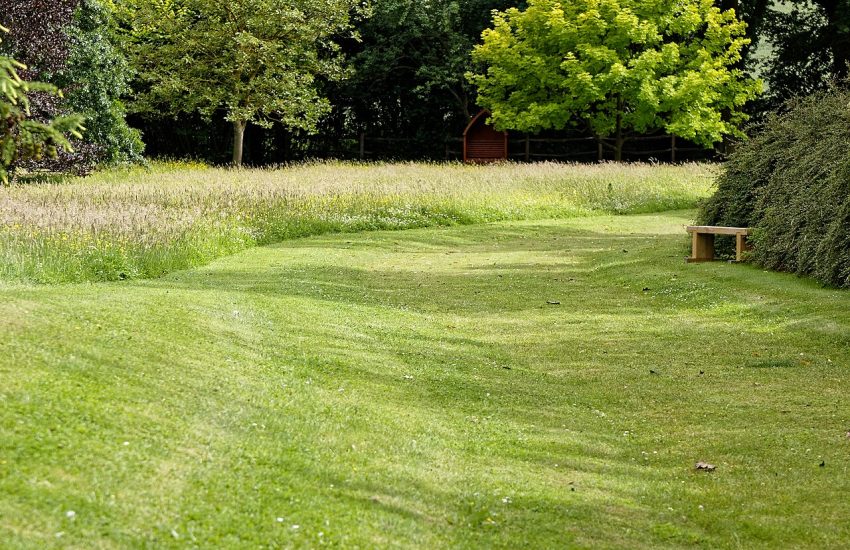
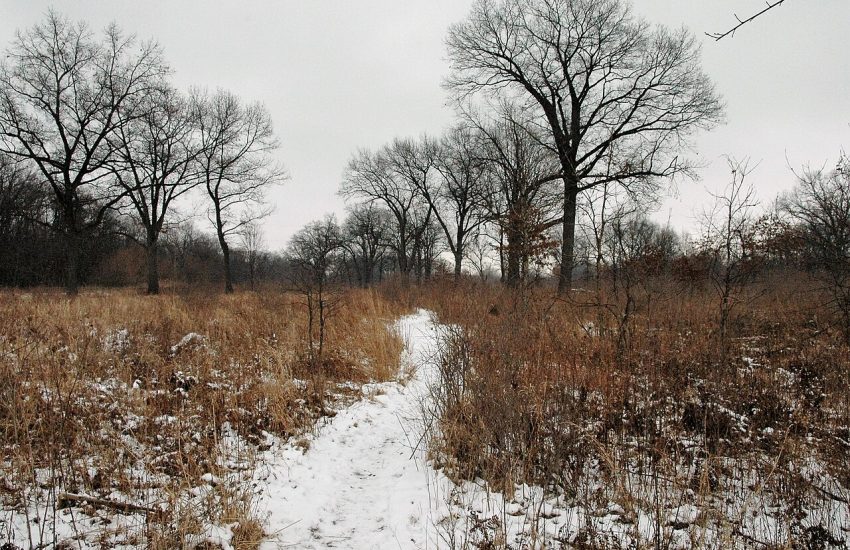
Planning a Spicebush Group: Space for Pollination, Berries, and Mature Shrubs
Last updated: November 6, 2026
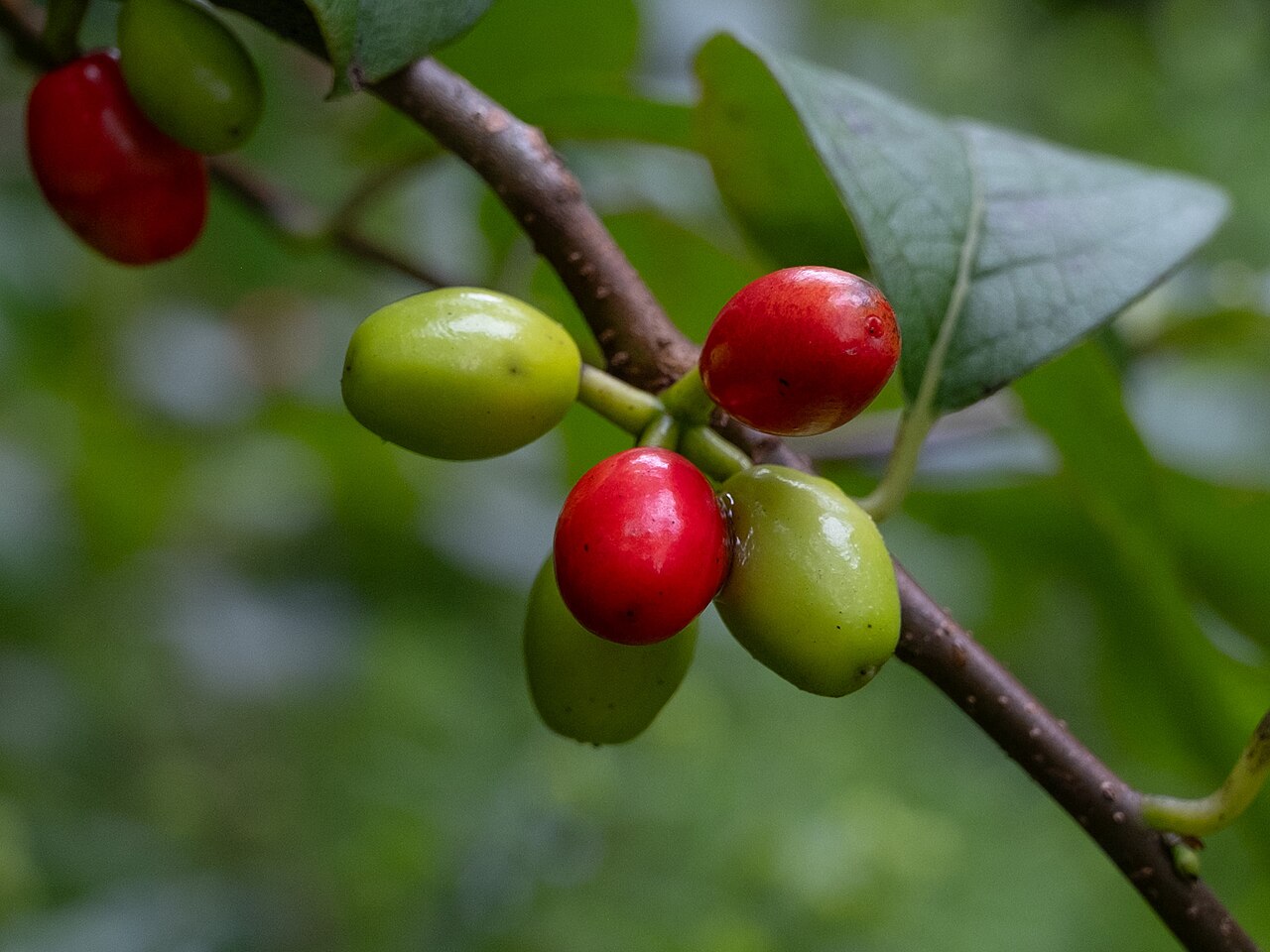
One spicebush gives you early yellow flowers and gold fall leaves. It may never give you berries, though.
Spicebush plants are either male or female. Only females fruit, and only when a male blooms nearby. Most nursery plants are sold before anyone knows which they are.
The fix is to plan a group from the start. This guide covers how many plants to buy, how to space them for pollination and full size, and what to do once you learn which ones are which.
Plan at a Glance
| Site | Woodland edge, shady border, or damp corner of the yard |
| Size | About 20 × 15 feet for a group of 3; 30 × 20 feet for a group of 5 |
| Sun | Part shade; more sun gives denser plants and more fruit |
| Soil | Moist, well-drained, rich in organic matter |
| Maintenance | Low. Note each plant’s sex at first bloom, then adjust. |
| Best regions | Eastern North America, from southwestern Maine, Michigan, and southeastern Kansas south to Florida and eastern Texas |
How Spicebush Pollination Works
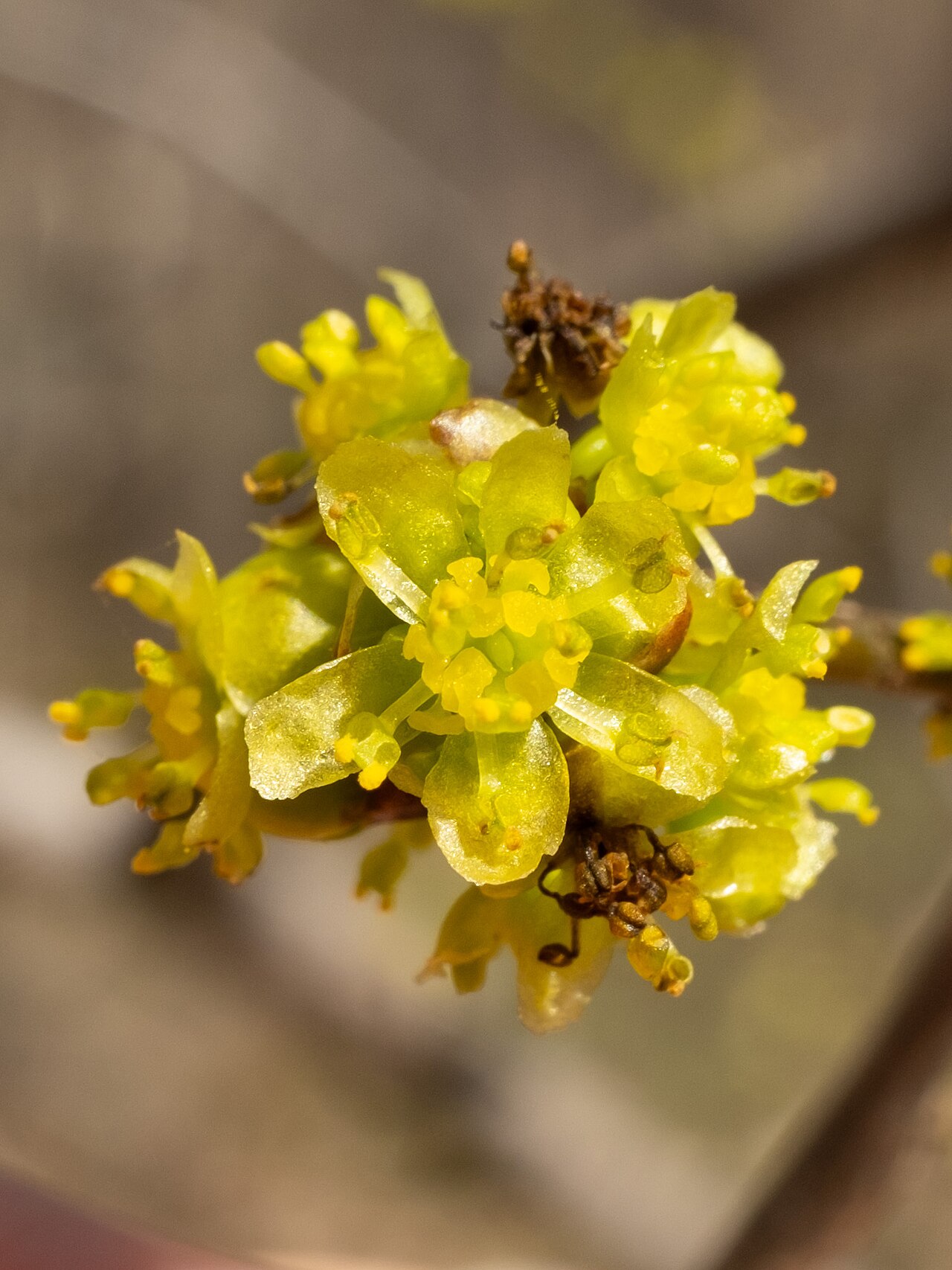
The USDA plant guide describes two kinds of spicebush flowers on separate plants. Male flowers carry nine pollen-producing stamens. Female flowers have a fertile ovary and only nonfunctional stamens.
Both bloom in early spring, before the leaves open. The USDA guide gives March to April. Illinois Wildflowers says the bloom lasts about two weeks and that small bees and flies do most of the pollinating.
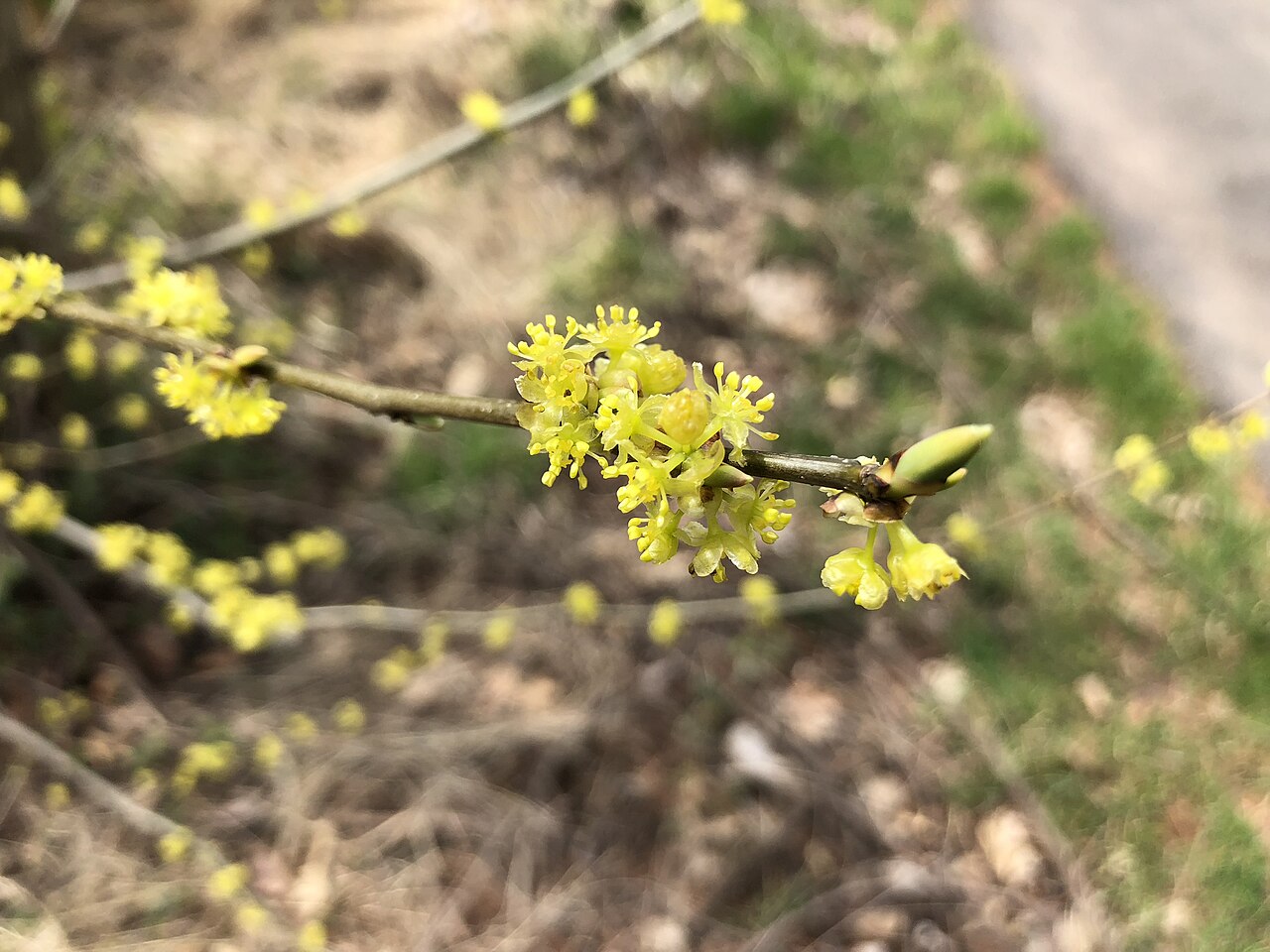
For fruit, those small insects have to carry pollen from a male flower to a female flower within that short window. Plant males and females in the same group, not at opposite ends of the property, so pollinators can easily move between them.
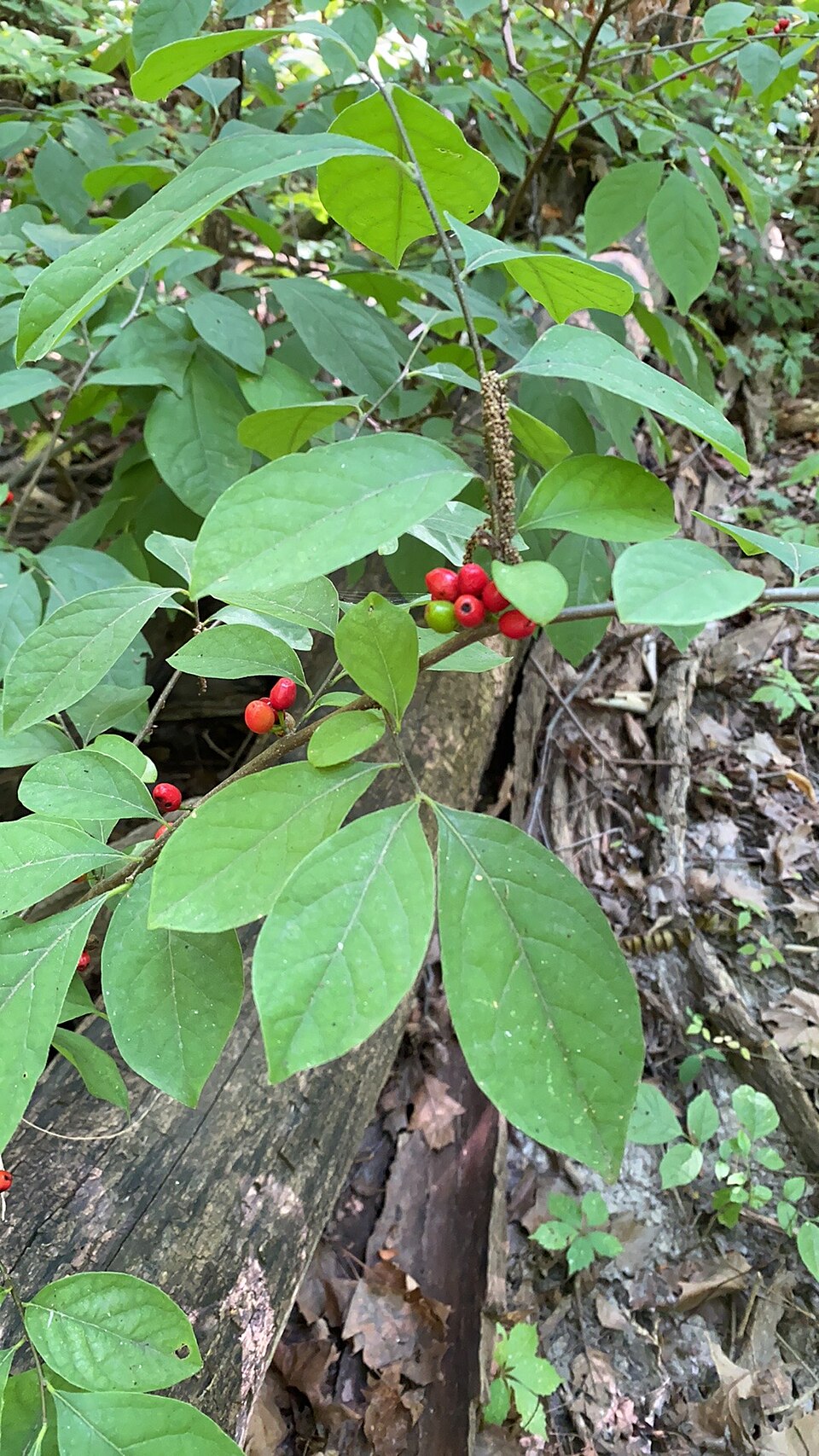
Pollinated female flowers become shiny red fruits that ripen from August into October, per the USDA guide. Male plants never fruit, but they bloom each spring along with the females.
How Many Spicebush to Plant
Unless you buy a named cultivar, you won’t know a young plant’s sex until it blooms. NC State Extension lists ‘Rubra’ as a non-fruiting male and ‘Xanthocarpa’ as a female with orange fruit. Wikipedia notes that cultivars like these are rarely available.
So most gardeners are working with odds. If each unsexed plant has roughly an even chance of being male or female, here’s how a group shakes out:
Group Size and Odds of Getting Both Sexes
| Plants | Chance of at least one male and one female | Best use |
|---|---|---|
| 1 | 0% on its own | Fine if a wild spicebush grows nearby, or if fruit isn’t the goal |
| 2 | About 50% | A coin flip; plan room to add a third |
| 3 | About 75% | Small yards and woodland corners |
| 5 | About 94% | Woodland edges and wildlife plantings |
| 7 | About 98% | Hedgerows and larger naturalized areas |
Simple probability, assuming even odds per plant. Wikipedia reports that wild populations tend to have more males than females, so real results may vary.
For most home gardens, three to five plants is the sweet spot. Five gives you strong odds of both sexes and a group large enough to look intentional.
If a wild spicebush already grows along your woods or a nearby stream, you may already have a partner. Check it in late summer. If it carries fruit, it’s a female, and a male must already be blooming within reach of pollinators. Your new females may benefit from that male too.
Spacing for Mature Shrubs
Spacing has to account for full size, not the pot you buy. NC State gives an average size of 6 to 12 feet tall and wide. The Lady Bird Johnson Wildflower Center says plants usually reach up to 15 feet.
Choose a spacing based on the look you want:
- A merged thicket: about 6 to 8 feet apart, center to center. The shrubs will grow together into one mass, much like wild spicebush. The USDA guide notes that many wild patches are clonal thickets spread by root sprouting.
- A loose group of distinct shrubs: about 10 to 12 feet apart. Each plant keeps its rounded shape, and you can walk between them.
- Near paths and buildings: set the center of each shrub at least half its mature width, plus a foot or two, from the edge. That’s roughly 4 to 7 feet.
Arrange the group as a triangle for three plants or a loose zigzag for five or more. Avoid a straight line. A cluster keeps every female close to at least one other plant.
Leave a gap on one side for a future addition. If your first bloom shows all males or all females, you’ll have room to plant the missing partner without moving anything. That matters because the USDA guide calls spicebush difficult to transplant.
Plan for Berries and Wildlife
The fruit is worth the effort. The USDA guide reports more than 20 bird species eating spicebush fruit and calls it a special favorite of wood thrushes. The Wildflower Center lists spicebush as a host plant for spicebush and eastern tiger swallowtail caterpillars.
Light affects fruiting too. Wikipedia notes that spicebush grown in sun is denser, with more flowers and berries, than plants in shade. Put the group where it gets some direct sun, such as the sunny side of a tree line, rather than deep under the canopy.
Plant Palette
| Plant | Role | Height | Sun / moisture | Native range |
|---|---|---|---|---|
| Spicebush (group of 3–7) | Main shrub; spring flowers, fall fruit | 6–12 ft (to 15) | Part shade; moist, drained | SW ME, MI, SE KS south to FL and SE TX |
| Sassafras | Canopy partner; also a spicebush swallowtail host | 30–60 ft | Sun to part shade; drained | SW ME to c. MI and SE KS, south to FL and e. TX |
| Wild geranium | Spring flowers between shrubs | 1–1½ ft | Sun to part shade; moist, drained | ME to GA, west to SE SD, e. KS, AR |
| Golden ragwort | Groundcover for damp spots | ½–2½ ft | Sun to part shade; moist to wet | Eastern Canada and eastern US to TX |
| Christmas fern | Evergreen fill under the group | 1–3 ft | Part to deep shade; moist, drained | Nova Scotia to MN, south to FL and e. TX |
Heights and light from NC State Extension and the Lady Bird Johnson Wildflower Center; ranges from the Wildflower Center and NC State. Confirm each plant is native to your county.
Two notes on the palette. The USDA spicebush guide notes that spicebush swallowtails also lay eggs on sassafras. NC State says sassafras has separate male and female trees and tends to sucker into thickets, so give it room at the back. NC State also lists golden ragwort as poisonous, so keep it out of areas where children or pets might chew on plants.
Installation Steps
- Buy small plants. Young container plants settle in more easily than large ones, which matters for a shrub the USDA guide calls hard to transplant.
- Stake out the group at your chosen spacing, including the empty spot reserved for an addition.
- Plant in early spring or fall. Dig twice as wide as the root ball and set plants at the depth they grew in the pot.
- Label each plant with a numbered tag so you can record its sex at first bloom.
- Mulch and water. Spread 2 to 3 inches of shredded leaves over the whole group and water deeply whenever the top few inches of soil dry out in the first summer.
The First Three Years
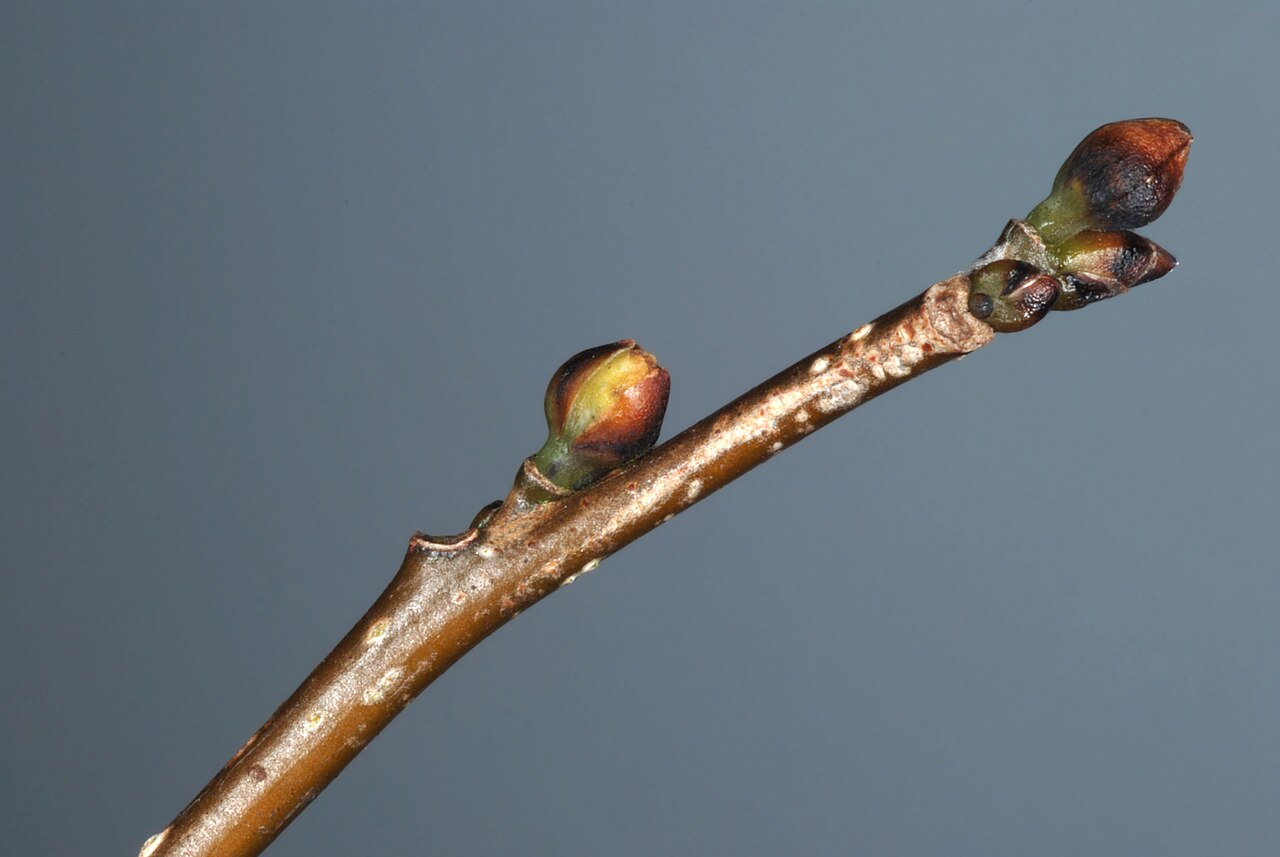
- Year 1: water through dry spells and keep the mulch topped up. Young plants may not bloom yet.
- Each early spring: check every plant during bloom. Use a hand lens to look for a spray of pollen-tipped stamens (male) or a small green ovary in the center (female). Write it on the tag.
- Each late summer: confirm females by their fruit. Any plant that fruits is female.
- Year 2 or 3: if the group turns out to be all one sex, plant a partner in the reserved gap. If fruit stays scarce even with both sexes, our guide to spicebush that flowers without berries covers the next checks.
- Ongoing: cut stray root sprouts at the edges if the group spreads farther than you want. Leave fallen leaves in place as mulch.
Mistakes to Avoid
- Planting one shrub and waiting for berries. Without a partner, even a female won’t fruit.
- Spacing for the pot size. Plants set 3 feet apart will crowd each other within a few years.
- Splitting males and females. Keep the whole group together so small pollinators move between plants.
- Moving plants to fix the mix. Add a new plant instead. If you must move one, our guide to transplanting a young spicebush explains how to limit the damage.
- Deep shade. A group buried under a dense canopy flowers and fruits less.
Regional Notes
Spicebush is native across most of the eastern United States, so this plan works from New England to the Gulf Coast within its range. West of eastern Kansas and Oklahoma it isn’t native. Use your state’s native plant list to find a local fruiting shrub there.
For layout ideas beyond the group itself, see our guide to spicebush in a woodland-edge garden.
📋 Find it in your region: spicebush appears in our native plant lists for New York, Pennsylvania & Northern New Jersey, Delaware, Southern New Jersey & Long Island, Maryland, Virginia & West Virginia, North & South Carolina, Ohio & Indiana, Illinois, Iowa & Missouri, Michigan, Wisconsin & Eastern Minnesota, and Arkansas, Louisiana, Eastern Oklahoma & Eastern Texas.
Frequently Asked Questions
How many spicebush do I need for berries?
At least one male and one female. Since young plants are usually sold unsexed, plant three to five to give yourself good odds.
How far apart should male and female spicebush be?
Keep them in the same group. Small bees and flies do most of the pollinating, so plants a few shrub-widths apart work better than plants at opposite ends of a yard.
Can I tell a spicebush’s sex before it blooms?
Not reliably in a young plant. Named cultivars are the exception. ‘Rubra’ is male and ‘Xanthocarpa’ is female, but both are hard to find.
How long until a new spicebush flowers?
It varies with plant size and growing conditions. Small plants may need a few seasons before they bloom. Plants with some direct sun tend to flower more.
Will a spicebush group turn into a thicket?
It can over time. The USDA guide notes that spicebush spreads by root sprouting. Plant 6 to 8 feet apart if you want a thicket, or 10 to 12 feet apart and trim sprouts if you want separate shrubs.
Sources
- USDA NRCS Plant Guide, Spicebush, Lindera benzoin: male and female flower structure, bloom and fruit timing, clonal root sprouting, transplant difficulty, wildlife use.
- North Carolina Extension Gardener Plant Toolbox, Lindera benzoin: size, light, male plant needed for fruit, ‘Rubra’ and ‘Xanthocarpa’.
- Illinois Wildflowers, Spicebush: two-week bloom period, pollination by small bees and flies.
- Lady Bird Johnson Wildflower Center, Lindera benzoin: native distribution, size, larval hosts. Distribution records for sassafras, wild geranium and Christmas fern.
- Wikipedia, Lindera benzoin: male-biased wild populations, sun vs. shade fruiting, cultivar availability.
- NC Extension Gardener Plant Toolbox: Sassafras albidum, Geranium maculatum and Packera aurea: sizes, light, habit and toxicity.