What to Plant in Front of Tall Fall Asters: A Layered Border Plan
Last updated: November 6, 2026
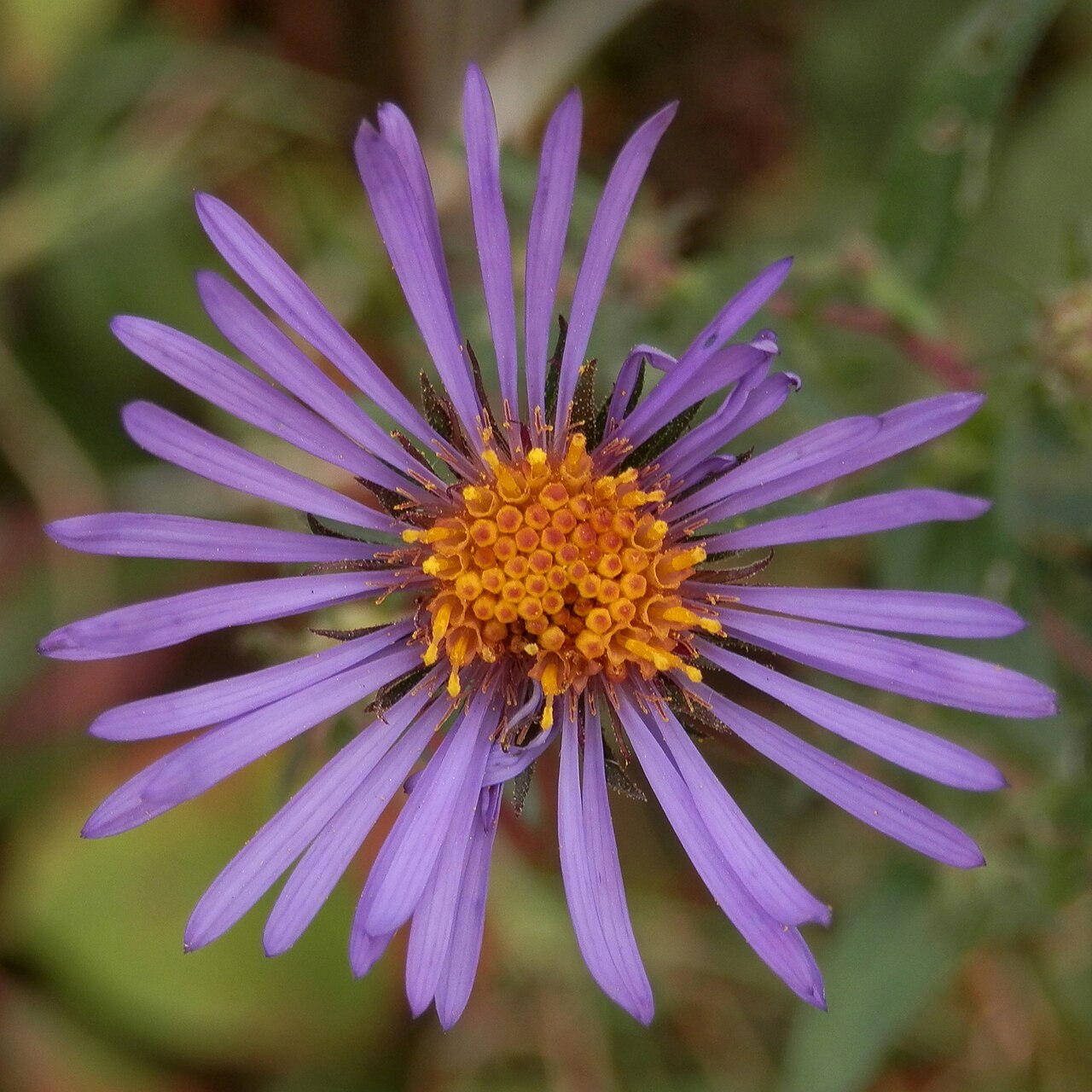
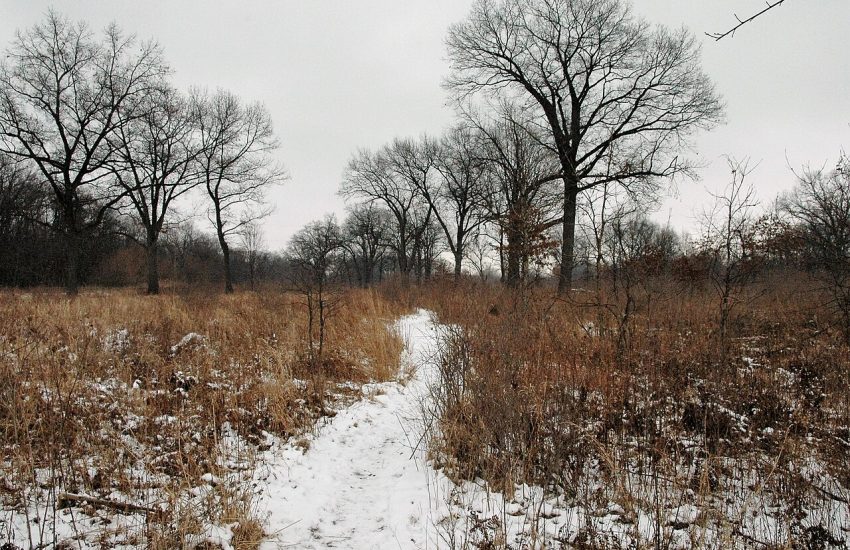
Tall fall asters put on their show at the top of the plant. By the time the flowers open, the lower stems are often bare, brown or leaning, and they’re right at eye level from the path.
The fix is a front layer: lower plants that cover those stems, help hold them up, and give the border something to look at in spring and summer before the asters bloom.
This plan focuses on New England aster, the tallest common native fall aster. The same approach works for other tall asters, as long as the front plants suit your soil and region.
Plan at a Glance
| Site | The sunny front strip of an existing or planned aster border, between the asters and a path or lawn. |
| Size | A front strip about 2 to 3 feet deep along the length of the border. |
| Sun | Full sun. Most front-layer plants here are sun lovers. |
| Soil | Average, well-drained soil. Avoid front plants that need constant moisture or very dry sand. |
| Maintenance | Low: patience while slow plants establish, spring cleanup and an occasional edge trim. |
| Best regions | Eastern and central North America within New England aster’s native range. Check each front plant for your area. |
Why Tall Asters Need a Front Layer
Illinois Wildflowers describes two habits that make New England aster awkward at the front of a border. Hot, dry weather can make it drop its lower leaves, and its stems often flop over when nothing nearby supports them.
NC State lists the plant at 3 to 6 feet tall. A plant that size with bare lower stems looks untidy from a path, even when the top is covered in flowers.
A front layer solves both problems at once. Low, bushy neighbors hide the lower stems and give leaning stems something to rest on. If your asters already lose leaves early, our guide to New England aster leaves drying from the bottom helps you check water and site first.
Assess the Front Strip
The front of a border is usually its sunniest and driest part. It’s also where people walk, mow and step. Before choosing plants, check:
- Depth. Measure from the aster crowns to the path or lawn. Less than 2 feet leaves room for only one row of small plants.
- Drainage. Asters like moist to average soil. Front plants should handle the same soil without staying soggy.
- Sun. If the border faces north, tall asters shade the front strip by late summer. Choose shade-tolerant front plants there or reverse the layout.
- Edge pressure. Lawn grass creeping in, mower damage and foot traffic all hit the front row first. A defined edge helps.
Four Jobs for Front-of-Border Plants
Good front plants for tall asters do four things:
- Cover the lower aster stems by late summer, so they need real foliage, not just a flower stalk.
- Stay low and upright, so they don’t flop onto the path themselves.
- Bloom at a different time, so the border has color in spring and summer.
- Share the asters’ soil and sun, so you aren’t watering one row and drying another.
Plants that do all four are usually clump-formers about one-third to one-half the height of the aster behind them. Aggressive spreaders and short spring ephemerals miss the mark.
Step the Heights Down
Think of the border as a staircase. With New England aster at 3 to 6 feet in the back, the front layer should top out around 1 to 3 feet.
- Directly in front of the asters: 2- to 3-foot plants such as aromatic aster, heath aster or prairie dropseed. These cover the bare stems.
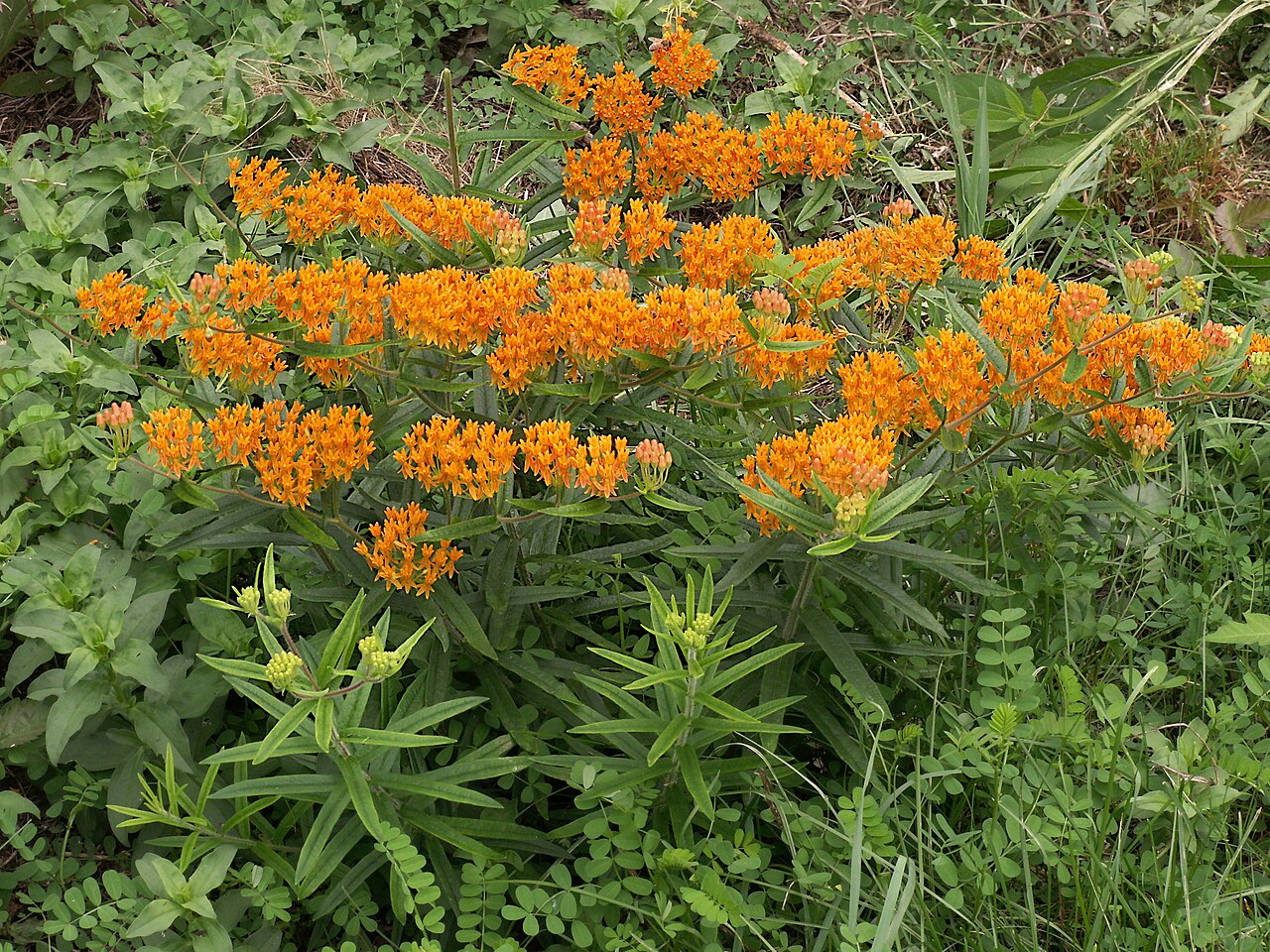
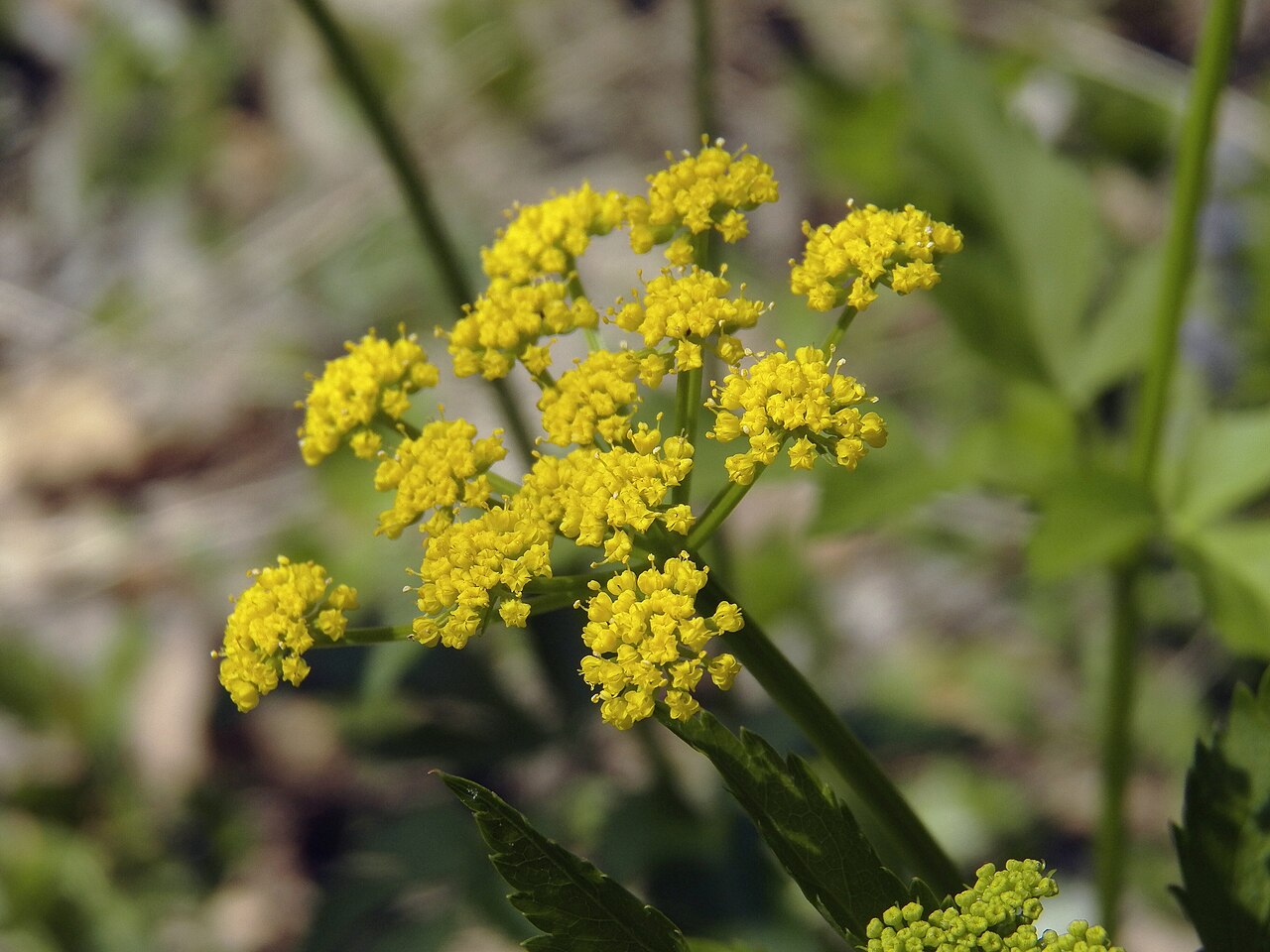
- At the very edge: 1- to 2-foot plants such as butterfly weed and golden alexanders.
If your border is deep enough, an intermediate row of mid-height summer bloomers can sit between the asters and this front layer. Our New England aster border plan covers that middle row and mature spacing.
Plan the Seasons, Not Just the Heights
Fall asters own September and October. The front layer should carry the rest of the year.
- Spring: golden alexanders. The Wildflower Center lists bloom from April into summer.
- Summer: butterfly weed and prairie dropseed’s airy flower heads. The Wildflower Center lists butterfly weed from May to September.
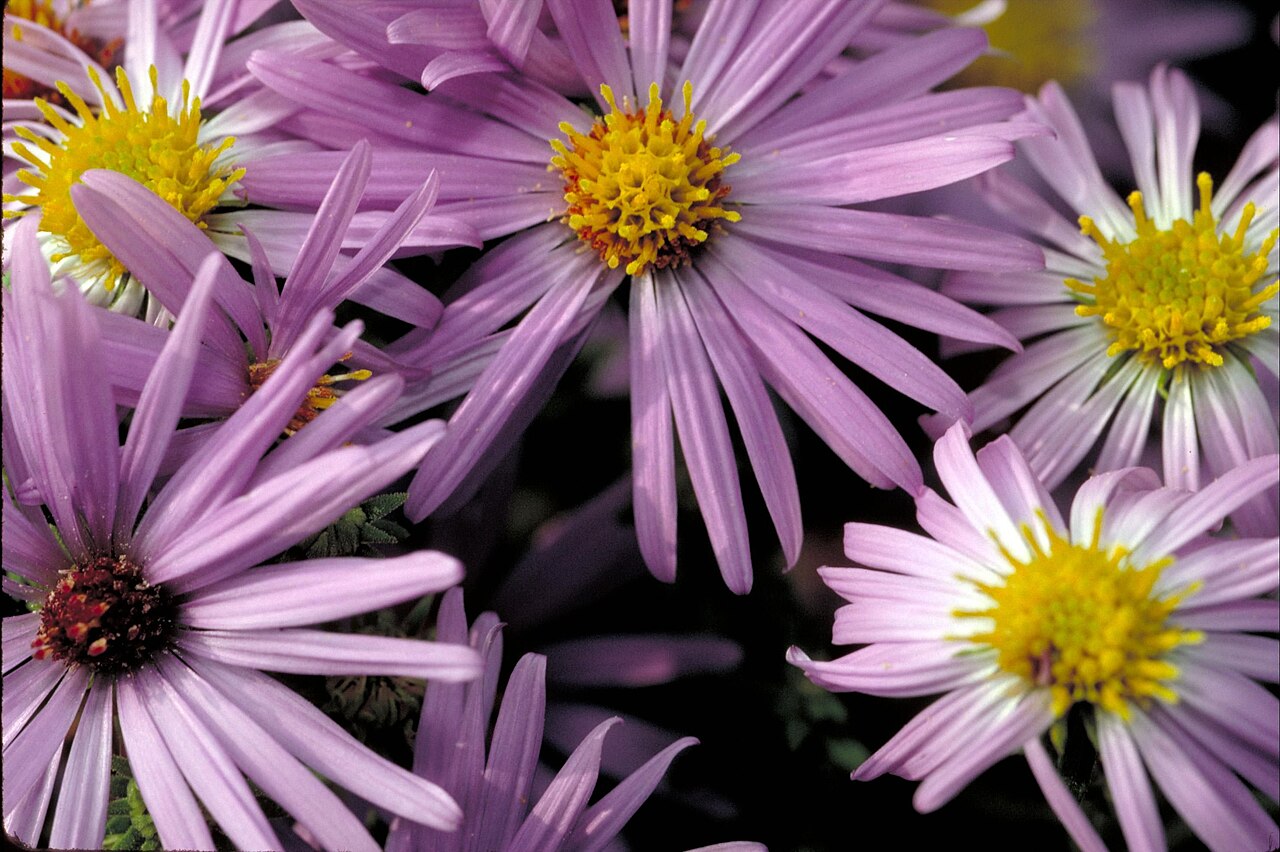
- Late fall: aromatic aster, listed by the Wildflower Center as blooming September through November, keeps color going after many tall asters fade.
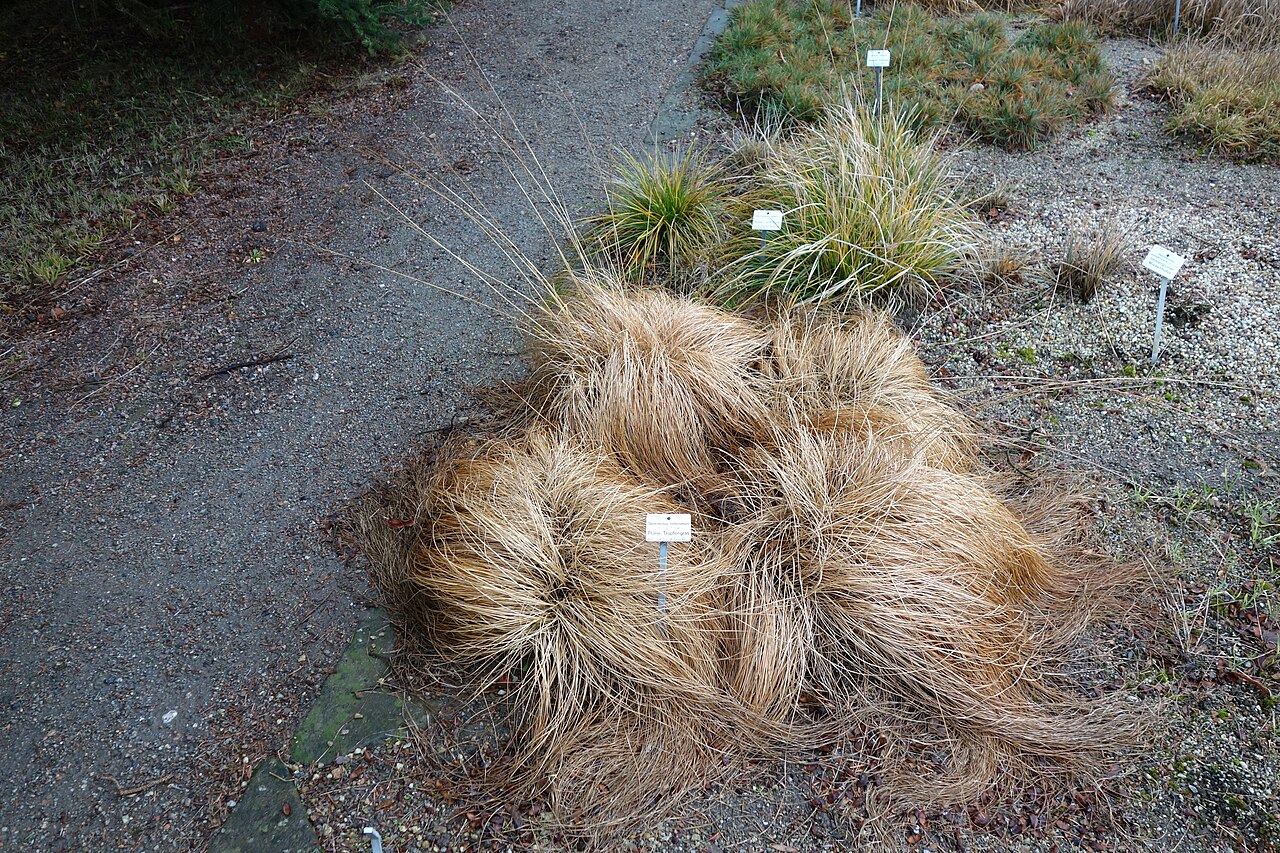
- Winter: prairie dropseed’s fine tan foliage holds its shape along the path.
Plant Palette
| Plant | Role | Height | Sun / moisture | Native range |
|---|---|---|---|---|
| New England aster (Symphyotrichum novae-angliae) | Tall fall back layer | 3–6 ft | Full sun; moist, well-drained | Quebec and ME to SC, west to the e. Great Plains |
| Aromatic aster (Symphyotrichum oblongifolium) | Low late mound, stem cover | 1–3 ft | Full sun; well-drained | PA to NC, west to ne. WY and TX |
| Heath aster (Symphyotrichum ericoides) | Fine-textured white fall bloom | 1.5–3 ft | Full sun; dry, well-drained | Much of the U.S. and Canada; absent from most of the Southeast |
| Prairie dropseed (Sporobolus heterolepis) | Fine grass edge, winter form | 2–3 ft | Full sun; dry to medium, well-drained | Quebec to Saskatchewan, locally south to NC, KY, e. TX and CO |
| Butterfly weed (Asclepias tuberosa) | Summer orange, edge | 1–2 ft | Full sun; dry to medium, well-drained | New England to FL, west to TX, north through CO to MN; also s. Canada |
| Golden alexanders (Zizia aurea) | Spring yellow, edge | 1–2 ft | Sun to part shade; moist to average | Quebec to Saskatchewan and MT, south to New England, FL and TX |
Heights from the NC State Extension Plant Toolbox; ranges from the Lady Bird Johnson Wildflower Center. Confirm each species is native to your county before buying.
Front Strip Spacing: Every 10 Feet of Border
- Row 1 (against the asters): 2 aromatic asters or heath asters and 1 prairie dropseed, spaced about 2.5 to 3 feet apart.
- Row 2 (at the edge): 2 butterfly weed and 2 golden alexanders, alternating, about 1.5 feet apart.
- Repeat the same sequence for each 10-foot section, so the edge has a steady rhythm.
NC State lists prairie dropseed at 2 to 3 feet wide and aromatic aster at 1 to 3 feet wide, so they need more room than the narrow edge plants.
Installation Steps
Step 1: Define the edge. Cut a clean line between lawn and bed, or lay a path. It protects the front row from mowers and foot traffic.
Step 2: Plant in spring. Set the row nearest the asters first, then the edge row.
Step 3: Mark the slow starters. NC State notes that butterfly weed can take two to three years to establish and flower from seed, and that prairie dropseed is slow to establish. Label both so they aren’t weeded out or overplanted.
Step 4: Water the first season. Even drought-tolerant front plants need regular water until roots establish.
Step 5: Leave butterfly weed where you put it. NC State says it does not transplant well because of its deep taproot, so choose its spot carefully the first time.
The First Three Years
Three-Year Maintenance Calendar
| Year 1 | Water during dry spells. Pull weeds by hand around the labeled slow starters. |
| Year 1–2, spring | Don’t panic if butterfly weed hasn’t appeared. Check the label and wait before replanting. |
| Year 2, late summer | Check whether the front row now hides the lower aster stems. Note gaps for next spring. |
| Year 2, fall | Remove butterfly weed seed pods before they split if you don’t want seedlings. NC State notes mature plants may self-seed freely. |
| Year 3, spring | Fill remaining gaps. If the tall asters have spread into the front row, divide them back to their own line. |
If butterfly weed is slow to show up in spring, our guide to milkweed not returning in spring explains how to check before replanting.
For the tall asters themselves, pinching in spring gives a bushier plant, according to NC State. Our guide to New England asters flopping covers pinching and staking.
Mistakes to Avoid
- Front plants that are too tall. Anything as tall as the asters hides them instead of framing them.
- Spreading groundcovers. The Wildflower Center notes that Pennsylvania sedge spreads relentlessly by rhizomes, and NC State says it does not want full sun. It is a poor fit for a sunny aster border.
- Single plants. One butterfly weed every 6 feet looks scattered. Group or repeat in a steady rhythm.
- Mismatched moisture. A plant that needs wet soil won’t thrive beside drought-tolerant prairie dropseed, and the reverse is also true.
- Replanting too soon. Slow starters like butterfly weed and prairie dropseed often look like failures in year one.
Regional Alternates
The front layer should come from your region’s native flora, not just this list.
- Southeast: heath aster is largely absent from the southeastern states in the Wildflower Center’s distribution list, and prairie dropseed is only local in the South. Lean on butterfly weed, golden alexanders and aromatic aster.
- Northeast and New England: aromatic aster’s listed range starts at Pennsylvania. Use heath aster, golden alexanders and butterfly weed instead.
- Partly shaded fronts: golden alexanders tolerates part shade, per the Wildflower Center. Most of the other plants here prefer full sun.
📋 More on this plant: read the full New England Aster (Symphyotrichum novae-angliae) profile, or see it in our native plant lists for New Hampshire, Maine & Vermont, Maryland, Virginia & West Virginia, Illinois, Iowa & Missouri, and Nebraska, Kansas & Eastern Colorado.
Frequently Asked Questions
What can I plant in front of New England asters to hide the bare stems?
Low, bushy plants about 1 to 3 feet tall work best. Aromatic aster, heath aster and prairie dropseed cover the lower stems; butterfly weed and golden alexanders make a lower edge in front of them.
Why do my New England asters have bare lower stems?
Illinois Wildflowers notes that hot, dry weather can make the plant drop its lower leaves. Mulch and water in dry spells help, and a front layer hides what remains.
How tall should front-of-border plants be?
About one-third to one-half the height of the plants behind them. With asters at 3 to 6 feet, aim for front plants of roughly 1 to 3 feet.
Can I plant a groundcover in front of asters?
A clumping plant is usually better. Running groundcovers tend to invade the aster crowns, and some, like Pennsylvania sedge, prefer shade rather than the full sun asters need.
When is the best time to add a front layer to an existing border?
Spring is best, so new plants have a full season to establish. Cut the asters back to the ground first so you can see the crowns and plant around them.
Sources
- Illinois Wildflowers, New England Aster: lower leaf drop in hot, dry weather and flopping without supportive vegetation.
- North Carolina Extension Gardener Plant Toolbox: Symphyotrichum novae-angliae, S. oblongifolium, S. ericoides, Sporobolus heterolepis, Asclepias tuberosa, Zizia aurea and Carex pensylvanica: heights, widths, light, soil, establishment time, taproot, self-seeding.
- Lady Bird Johnson Wildflower Center: S. novae-angliae, S. oblongifolium, S. ericoides, S. heterolepis, A. tuberosa, Z. aurea and C. pensylvanica: native distribution, bloom months, slow establishment and spreading habit.