Repairing Past Crape Myrtle Topping: When to Prune and When to Call an Arborist
Last updated: November 6, 2026
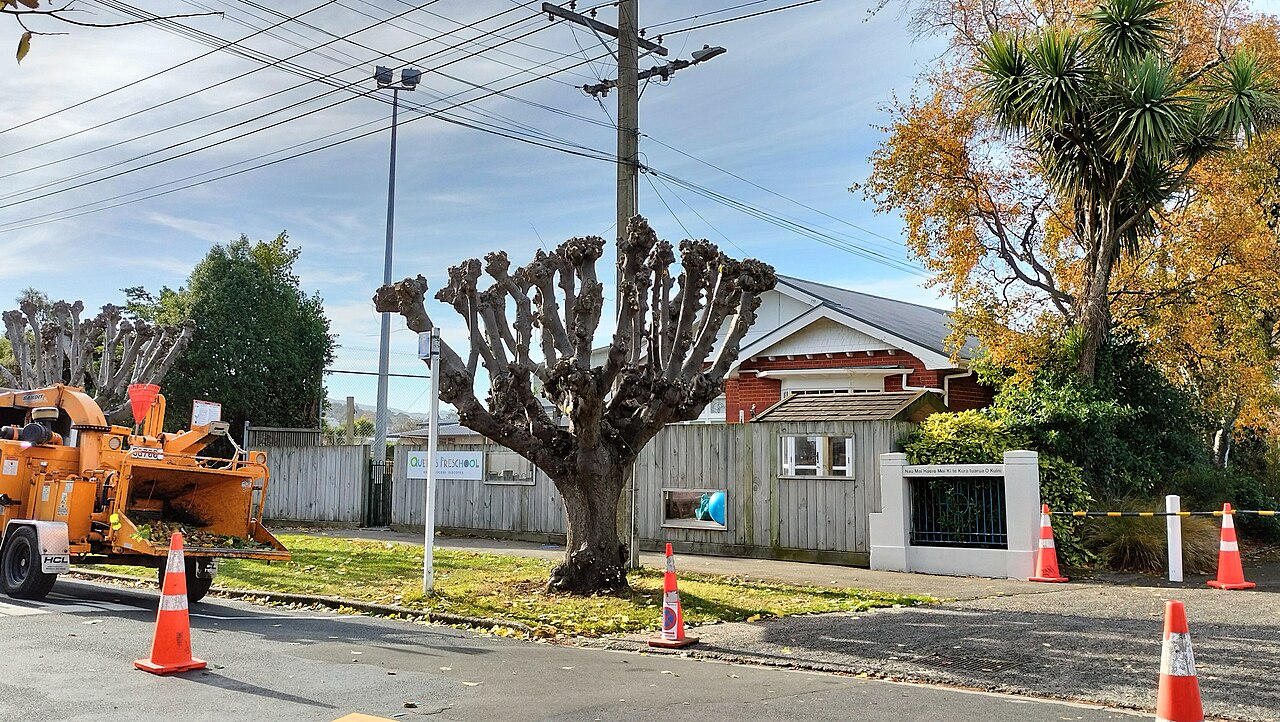
Maybe you bought a house with crape myrtles that someone cut back to the same stubs every winter. Or maybe a landscape crew did it once and you’ve regretted it since. Either way, you now have thick knobs at the ends of the limbs and a bundle of whippy shoots growing from each one.
The good news is that topped crape myrtles can be improved. The process takes a few seasons, and the tree may never look exactly as it would have untouched. Each year of careful pruning gets it closer.
This guide covers how to judge the damage, the two main repair methods, the right timing, and the point where the work belongs to a certified arborist instead of you.
The Short Answer
- When: late winter or early spring, before new growth starts.
- Gradual repair: on each knuckle, keep the two or three strongest, best-placed shoots and remove the rest. Repeat for a few seasons.
- Drastic repair: on a shrub-sized plant, cut everything to just above the ground while dormant, then keep only three to five strong new shoots.
- Never cut back to the same knobs again, and skip wound paint.
- Call a certified arborist if the work needs a chainsaw or tall ladder, if the tree is near power lines, or if trunks show decay, cracks, or lean.
Why Topping Is Hard on Crape Myrtles
Virginia Cooperative Extension defines topping as cutting stems back at an arbitrary height rather than to a bud, side branch, or main stem. Many people do it because they think crape myrtles need it to flower. They don’t.
Topping causes a chain of problems. Virginia Tech describes them in detail:
- Many fast-growing shoots sprout from each cut. They’re poorly attached and can break under heavy flower clusters, especially in wind.
- Stem decay increases. Virginia Tech cites research showing that topping cuts significantly increase decay and dead branches in the canopy.
- The tender shoots attract aphids, and topped plants often throw up lots of basal suckers.
- Bloom days drop, because the tree carries a few big clusters instead of many smaller ones that open over a longer season.
UF/IFAS adds that repeated topping creates large knobs where the tree is cut each year, and that topping may shorten the tree’s life.
Assess Your Tree Before You Cut
Go out in winter, when the branches are bare, and look at each trunk and knuckle. You’re trying to answer three questions.
How many times was it topped? A tree cut once has clean stubs with a cluster of shoots below each cut. A tree cut every year has swollen knobs, and many shoots grow straight out of the knob itself.
Is the wood sound? Press around old cuts. Firm wood is good news. Soft, dark, crumbly, or hollow wood signals decay. Cracks running down from a knob or a trunk that leans are warning signs.
How big is the job? A shrub-sized crape myrtle you can reach from the ground is a DIY project. A 20-foot tree with knuckles overhead is a different job.
Option 1: The Gradual Repair (Most Trees)
This is the method Virginia Tech and UF/IFAS both describe. It works on trees of any size and keeps the existing trunks.
Step 1: Thin Each Knuckle
At each knob, choose two or three of the strongest shoots. Favor ones that point outward and away from the center of the tree, and that are well spaced around the knob. Remove all the others with clean cuts at their base.
Virginia Tech calls this “untopping” and recommends selecting two or three of the stronger shoots per topping knuckle. UF/IFAS gives the same advice: keep the strongest two or three sprouts from each stub and remove the rest.
Step 2: Shape the Shoots You Kept
Virginia Tech then recommends heading back the selected shoots just above outward-facing buds. This starts a new branch pattern that grows out and up instead of straight up in a broom.
Make each heading cut just above a bud, not in the middle of bare stem. If you’re removing a whole branch, Clemson advises cutting just outside the branch collar, the slightly swollen ring where it joins the larger stem.
Step 3: Keep Up for a Few Seasons
New shoots will keep sprouting from the knobs and cuts. Remove them while they’re small. UF/IFAS says that following this procedure for a couple of seasons will greatly improve the tree’s health and appearance.
Virginia Tech is candid about the limits: the tree will never again have its true natural form, but it can be improved.
Should You Cut Off the Knobs?
On a small branch, you can remove an old knob by cutting back to a healthy side branch or to the trunk. That cut follows the branch-collar rule, and the new shoots then come from a better spot.
Don’t just cut each knob off a few inches lower. That’s another topping cut, and it starts the cycle over. On large limbs, removing knobs means big wounds, which is a good reason to involve an arborist.
Option 2: Cut to the Ground (Shrub-Sized Plants)
UF/IFAS describes a more drastic option. While the tree is dormant, cut it back to within one to two inches of the ground. After two to three weeks of new growth, choose three to five of the most vigorous shoots and remove all the others. Keep removing any new shoots that appear.
According to UF/IFAS, this can give you a natural-looking crape myrtle again within three to five years. It works best on multi-stemmed plants that are still shrub-sized, and on trees so badly disfigured that the gradual method won’t help.
Think twice before doing this on a large, old tree. It sets a mature tree back to a shrub, and cutting large trunks at ground level is chainsaw work.
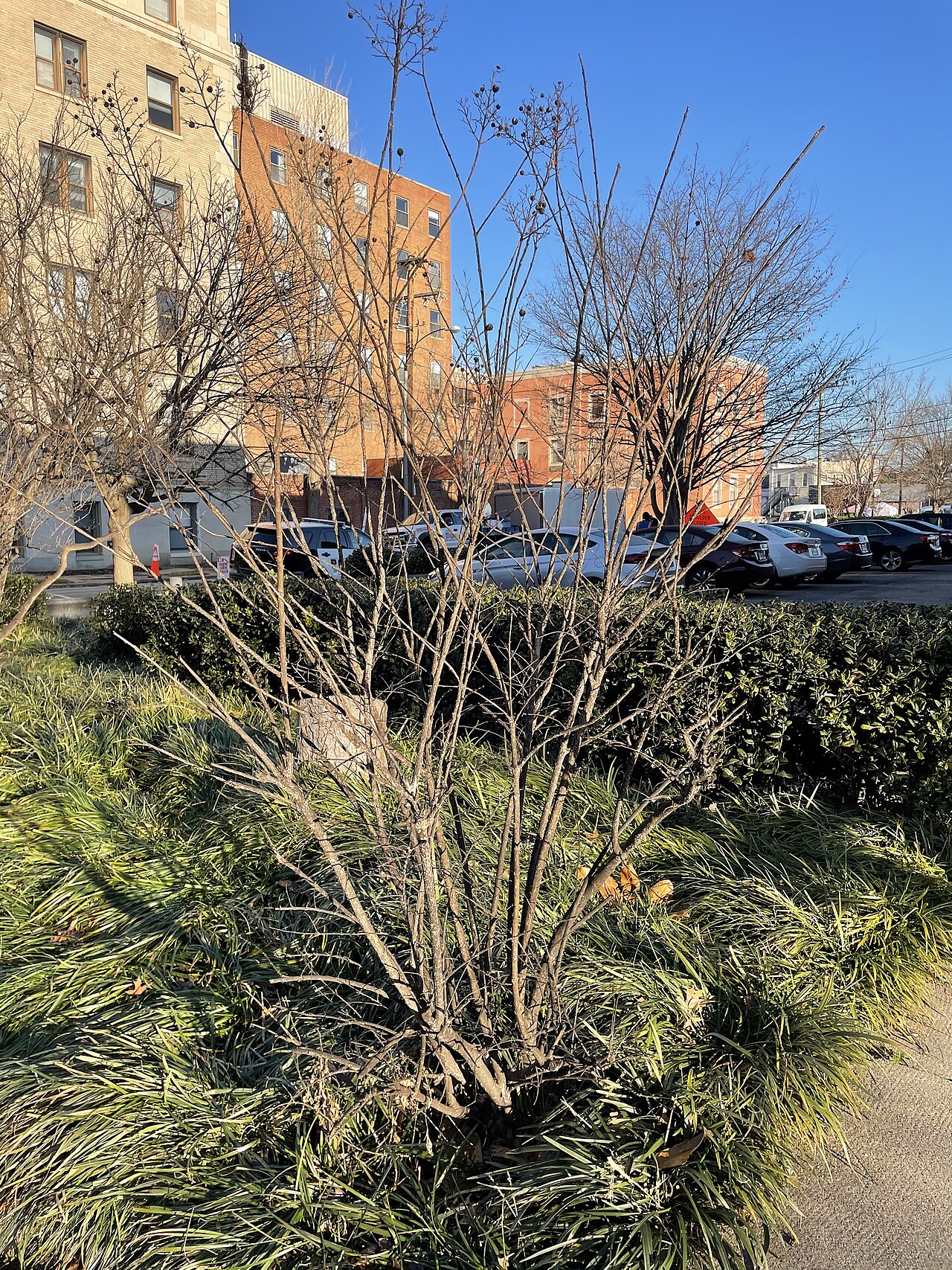
For the follow-up, treat the shoots you didn’t keep as suckers. Our guide to removing crape myrtle suckers covers how to keep them in check.
Which Repair Fits Your Tree?
| Topped once, sound wood | Gradual repair. Two or three shoots per stub. |
| Topped for years, small plant | Cut to the ground while dormant, or gradual repair if you want to keep the trunks. |
| Topped for years, large tree | Gradual repair. Hire help for work above head height. |
| Decay, cracks, or lean | Arborist assessment before any pruning. |
| Near overhead lines | Don’t attempt it. Call the utility or a qualified arborist. |
When to Prune
Do repair pruning in late winter or early spring, before new growth begins. Virginia Tech, UF/IFAS, and NC State Extension all point to this window. Crape myrtle flowers on new growth, so pruning then doesn’t cost you this summer’s bloom the way a spring or summer cut does.
The one exception is removing small new shoots from the knobs. Rub or cut those off during the growing season while they’re still soft.
Avoid pruning in late summer and early fall. Virginia Tech warns that the new shoots that follow may not harden off before freezing weather.
Leave the cuts open. Virginia Tech advises against applying pruning paint or any other material to crape myrtle cuts.
When to Call an Arborist
Repairing a topped crape myrtle is mostly hand-pruner and pole-saw work. Some situations call for a professional.
Power lines nearby. Purdue Extension warns that homeowners are injured and killed trimming trees near overhead wires, and that tree limbs can conduct electricity. Its advice is to skip any tree work if lines are within 10 feet of the tree. Call your utility or a line-clearance-qualified arborist.
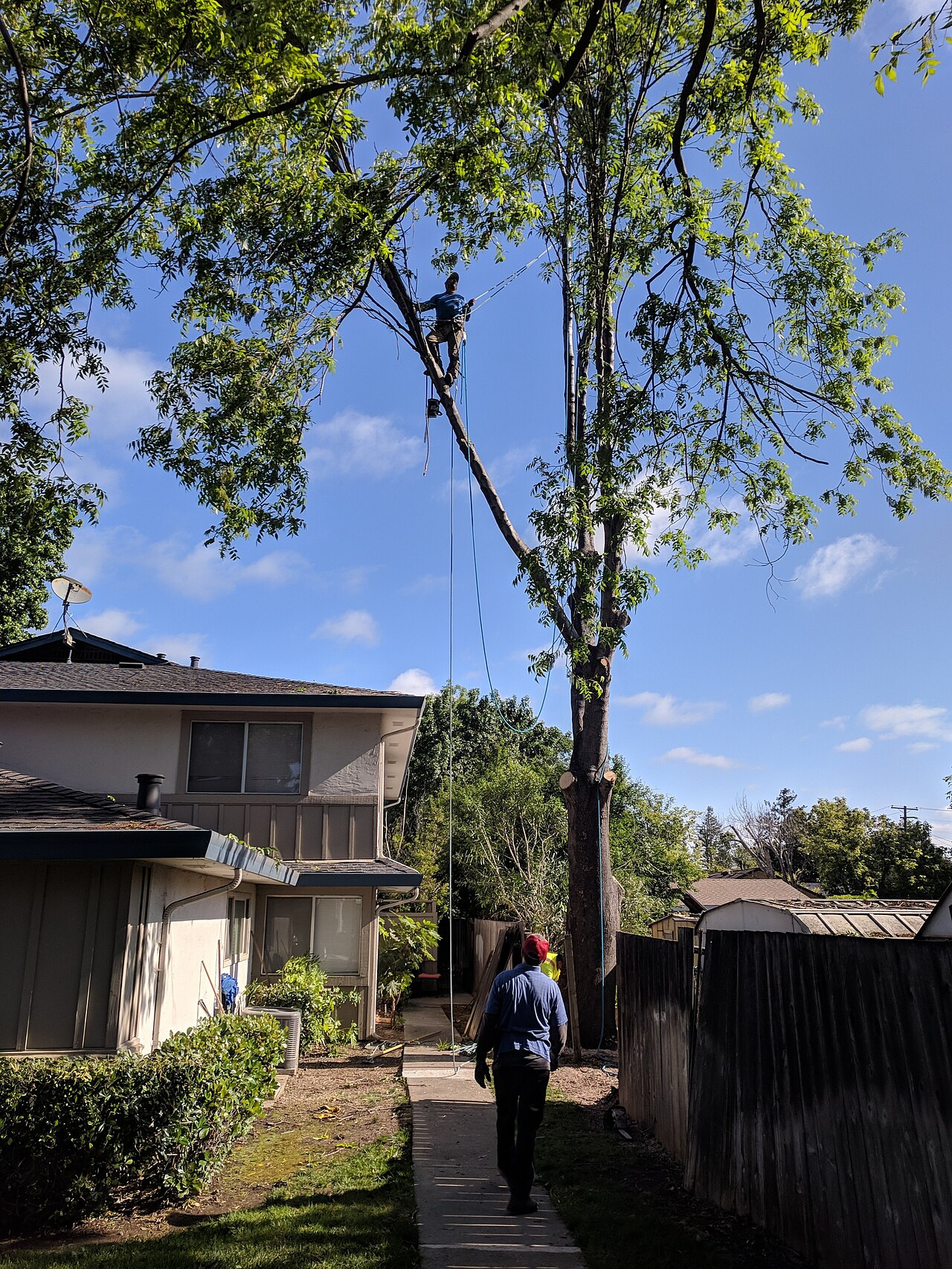
Chainsaws, ladders, and height. Virginia Cooperative Extension’s guide to hiring an arborist suggests that homeowners limit themselves to clearance and deadwood pruning on small trees under about 20 feet, using hand tools and small ladders, and notes that chainsaws aren’t advisable. Crown reduction on larger trees, or any work requiring climbing or a chainsaw, belongs to a professional.
Structural concerns. Decay around knobs, cracks, cavities, leaning trunks, or large limbs over a roof, driveway, or play area all need a trained eye before you cut.
The repair itself is large. If you have a row of tall topped trees, a professional can do the first major thinning safely, and you can maintain the shape after that. We cover a similar decision for another tree in pruning sassafras near a house.
How to Hire the Right Arborist
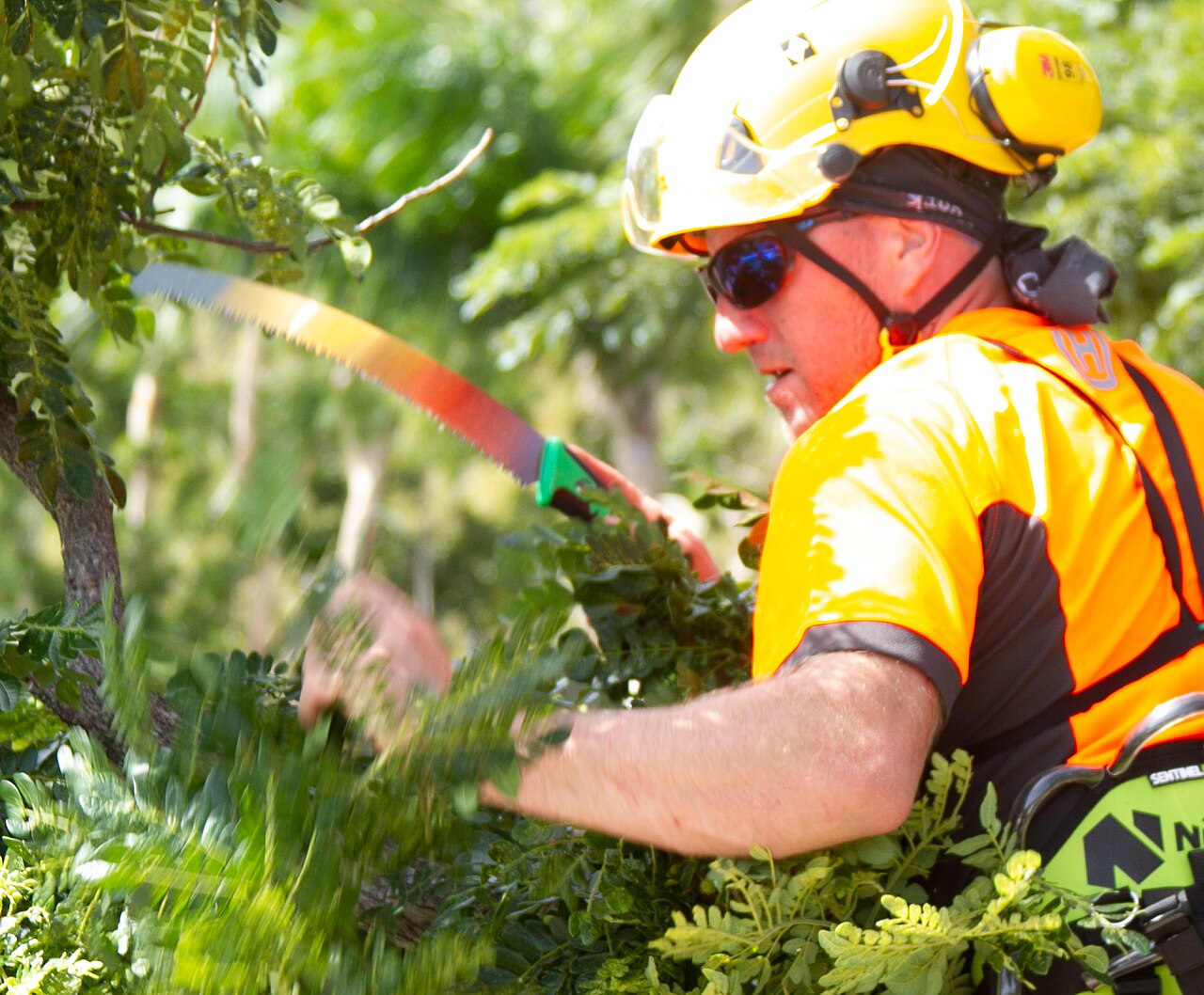
Not every tree service follows good pruning practice. Virginia Tech’s hiring guide gives a short checklist:
- Look for ISA certification. The International Society of Arboriculture awards the Certified Arborist credential, and you can verify credentials through its online search.
- Ask about topping. Virginia Tech notes that if an arborist says they top trees or use climbing spikes for pruning, you may be dealing with an unqualified person.
- Be wary of door-to-door offers, especially offers to top trees.
- Ask for proof of insurance, including workers’ compensation and general liability.
- Get a written contract that spells out the work, cost, property protection, and timing.
- Compare about three quotes with the same scope of work, and be cautious about one far lower than the rest.
Be specific when you describe the job: “Thin each knuckle to two or three outward shoots, no heading cuts on large limbs, no topping.” A good arborist will understand right away.
A Multi-Year Repair Plan
- Year 1, late winter: assess the tree. Thin each knuckle to two or three shoots, or cut a small plant to the ground. Call an arborist for anything high, heavy, or near lines.
- Year 1, growing season: rub off new sprouts at the knobs and base every few weeks. Don’t fertilize unless a soil test calls for it. Topped trees attract aphids, so check for sticky leaves and for white material on the branches, which may be bark scale.
- Year 2, late winter: head back the kept shoots above outward-facing buds. Remove any that cross or crowd. If you cut to the ground, confirm your three to five new trunks.
- Year 3 and after: light thinning only. Remove crossing, dead, and inward-growing branches. Limb up lower branches gradually to show off the bark.
- Every year: no topping. If the tree is still too big for its spot, consider replacing it with a smaller cultivar.
Our article on rejuvenating an old lilac walks through the same idea for a shrub: spread major work over several seasons instead of cutting everything at once.
Prevent It From Happening Again
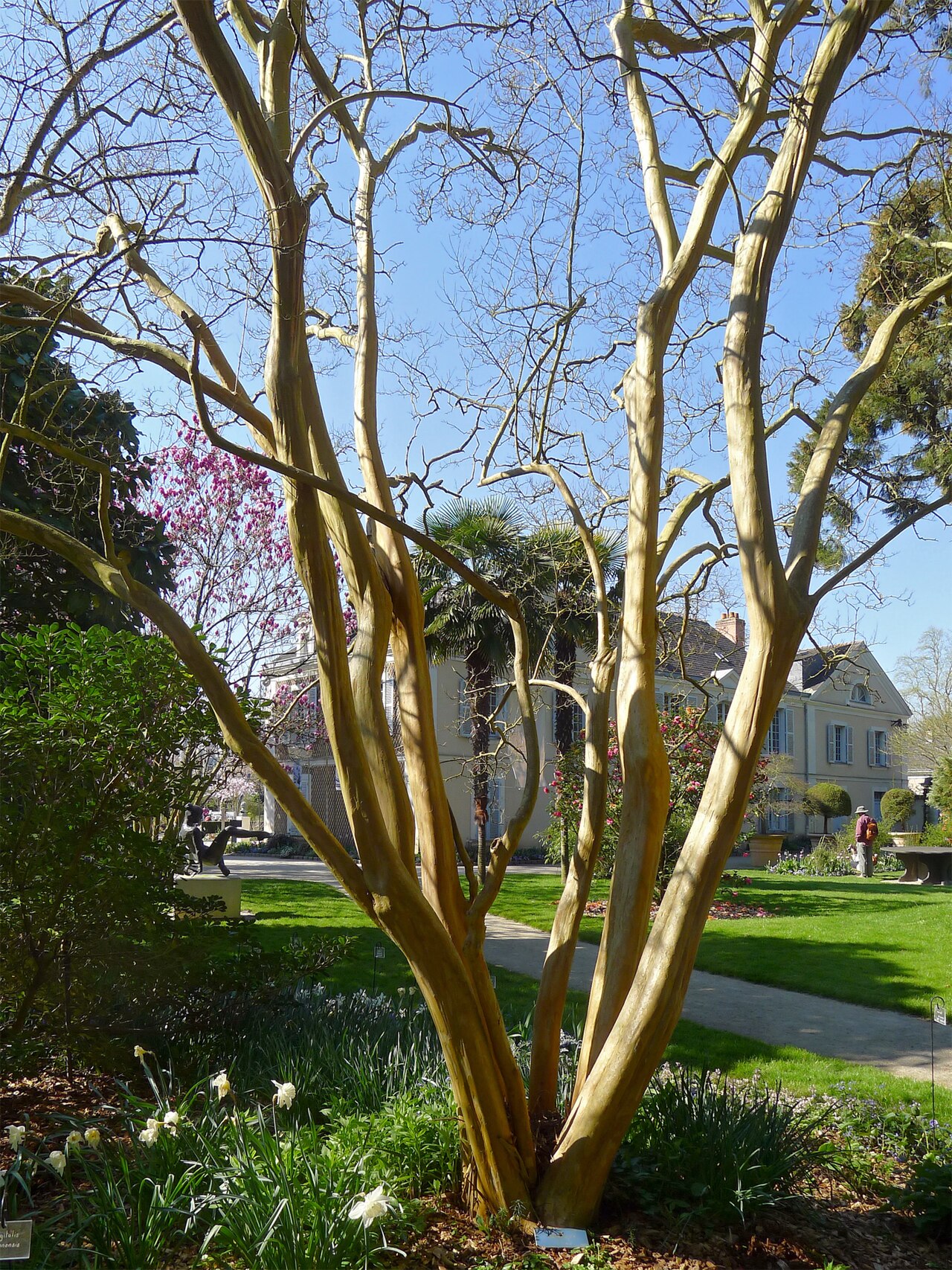
The best defense against topping is a tree that fits its space. UF/IFAS says a crape myrtle that needs routine pruning to fit, such as one under a roof eave, should be replaced with a smaller-growing cultivar.
Clemson suggests alternatives for an overgrown tree before topping: limb up low branches for clearance, remove one whole trunk if the tree crowds a building, or cut twiggy growth back to lower side branches. Clemson calls topping a last resort.
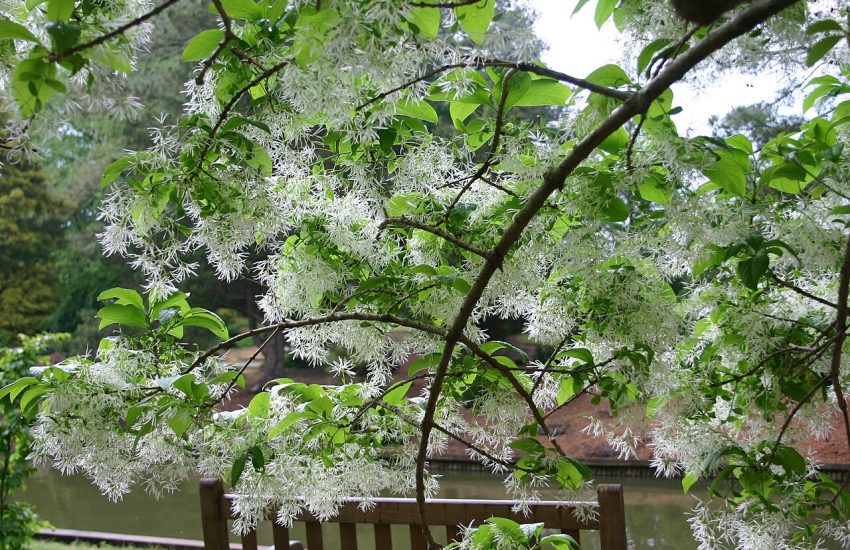
If you’re replacing a crape myrtle that’s simply too big, consider a native small tree. Fringetree is a native flowering small tree for many eastern yards. Check its range against your region first.
For basic cut types, see our guide on how to prune trees and shrubs. If your repaired tree isn’t flowering yet, our crape myrtle not blooming checklist covers light and timing. And if you spot decay or peeling around old cuts, see what to look for in crape myrtle bark peeling or damage. For general care, start with our crape myrtle growing guide.
Frequently Asked Questions
Can a topped crape myrtle be fixed?
It can be improved. Virginia Tech says a topped crape myrtle can be “untopped” to an extent by thinning each knuckle to two or three strong shoots, though it won’t regain its exact natural form. UF/IFAS notes that cutting a small plant to the ground can restore a natural look in three to five years.
How long does it take to repair crape murder?
Expect a few seasons. UF/IFAS says the gradual method improves the tree noticeably after a couple of seasons, and the cut-to-ground method takes three to five years to look natural.
Will my crape myrtle still bloom while I’m repairing it?
Usually yes with the gradual method, since flowers form on new growth. The cut-to-ground method sets the plant back further, so expect a smaller show while the new trunks develop.
Should I cut off the knuckles on my crape myrtle?
Only by cutting back to a healthy side branch or the trunk, just outside the branch collar. Cutting a few inches below the knob is just another topping cut. Large knobs on big limbs are best left to an arborist.
Do arborists top crape myrtles?
Qualified ones generally don’t. Virginia Tech notes that an arborist who says they top trees may be unqualified, and the ISA Certified Arborist credential is a good starting point when you hire.
Sources
- Virginia Cooperative Extension, Pruning Crapemyrtles: definition and effects of topping, “untopping” knuckles, heading to outward buds, timing, no wound dressings.
- UF/IFAS Extension, Crape Myrtle Pruning: consequences of topping and the two rehabilitation methods.
- Clemson Cooperative Extension HGIC, Crape Myrtle Pruning: branch collar cuts and alternatives to topping.
- Virginia Cooperative Extension, Hiring an Arborist to Care for Your Landscape Trees: ISA certification, questions to ask, DIY versus professional work.
- Purdue Extension, Don’t Touch Those Wires!: tree work near overhead power lines.
- North Carolina Extension Gardener Plant Toolbox, Lagerstroemia indica: severe pruning not needed for size control; late-winter timing.