Spicebush in a Woodland-Edge Garden: Layers, Paths, and Companion Plants
Last updated: November 6, 2026
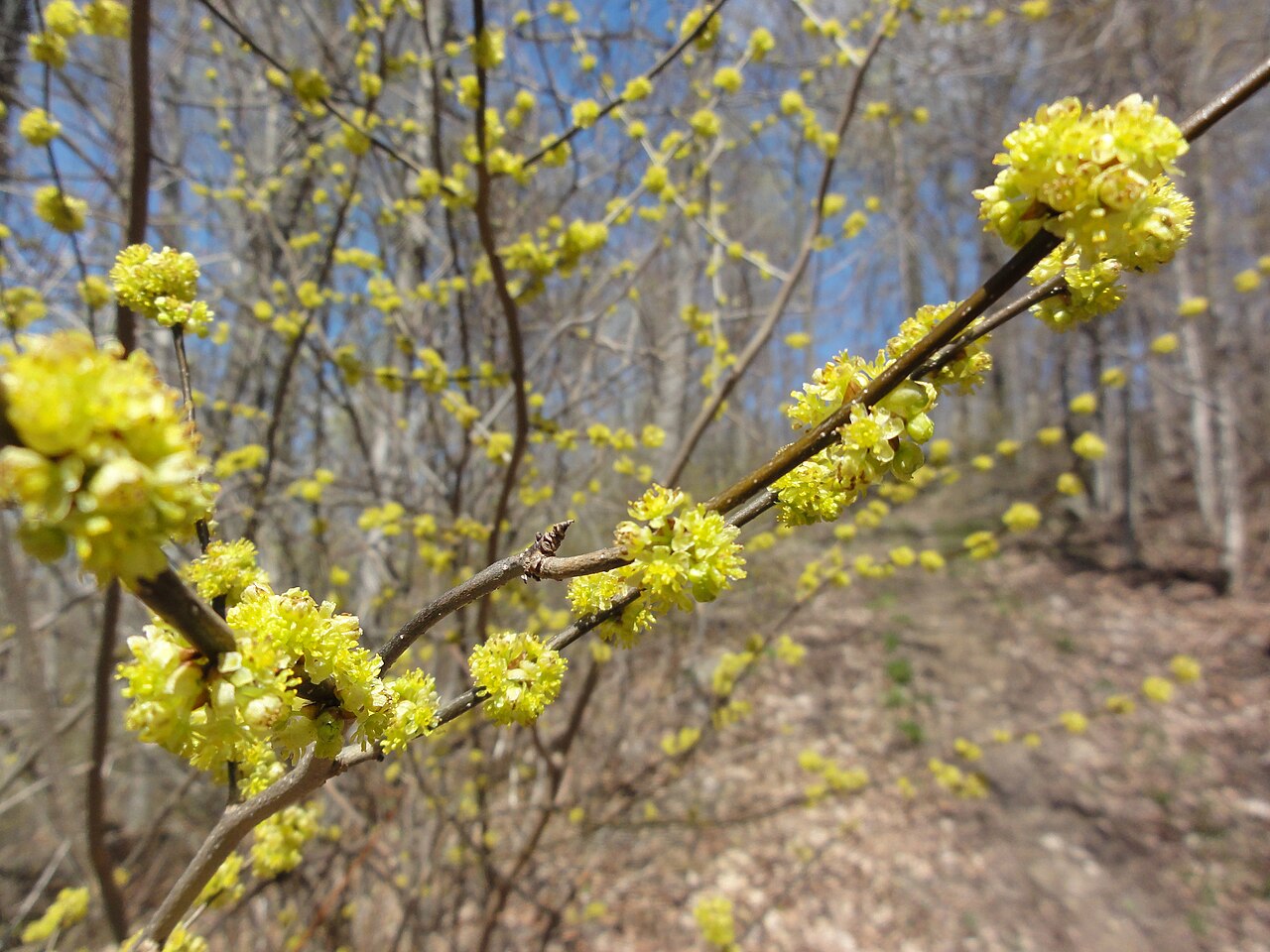
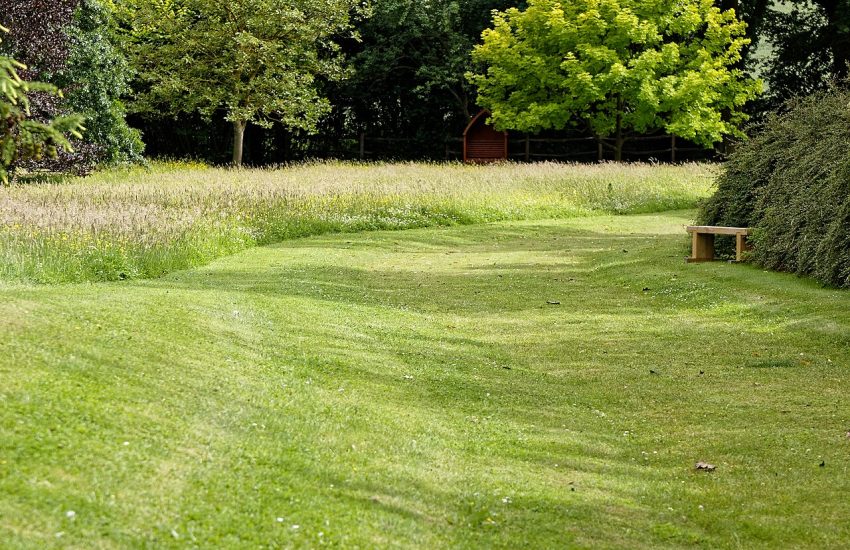
Spicebush is a natural fit for the strip of yard where lawn meets trees. In the wild it grows in the understory of moist, rich woods, under taller trees and above the wildflowers.
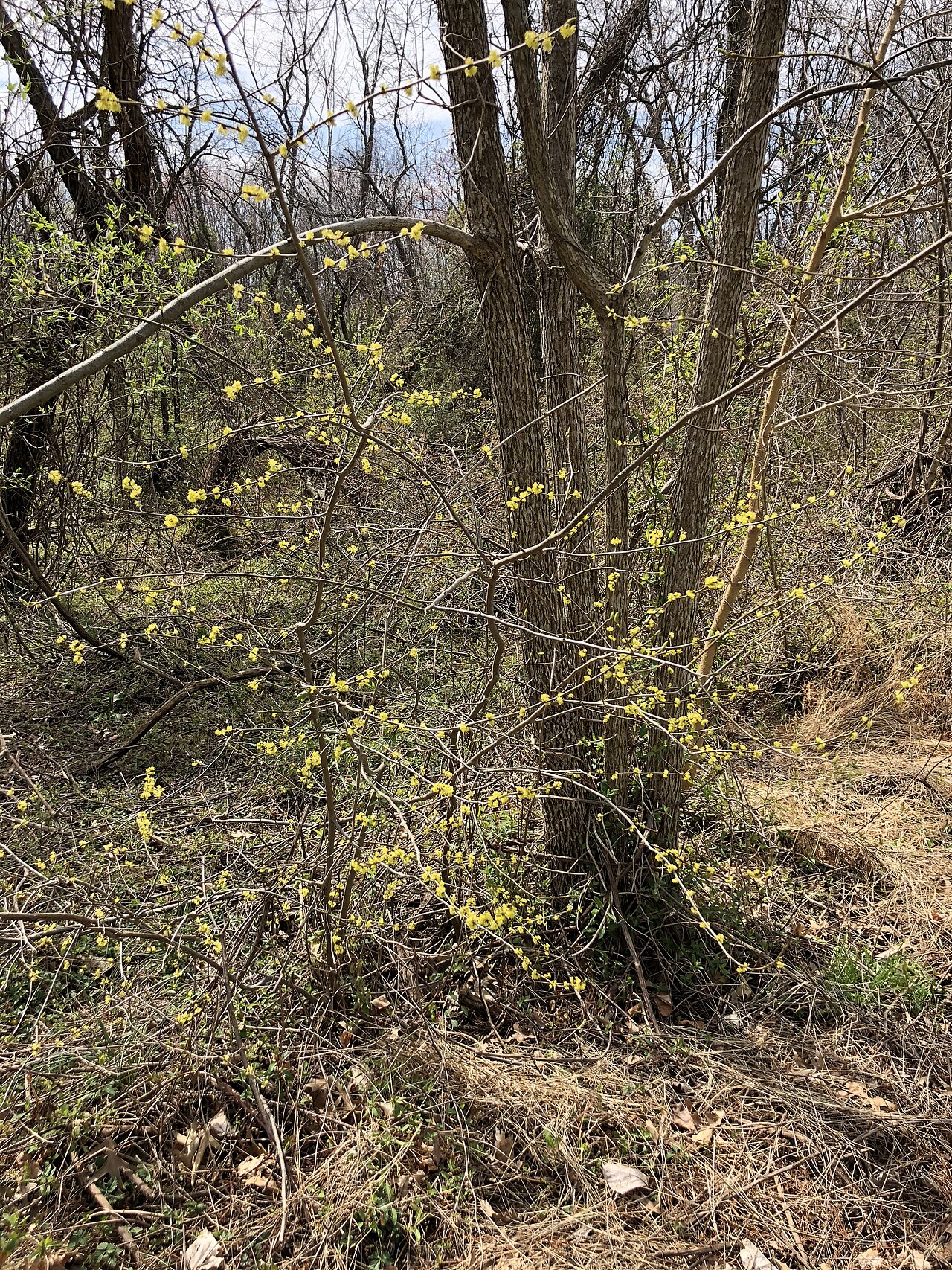
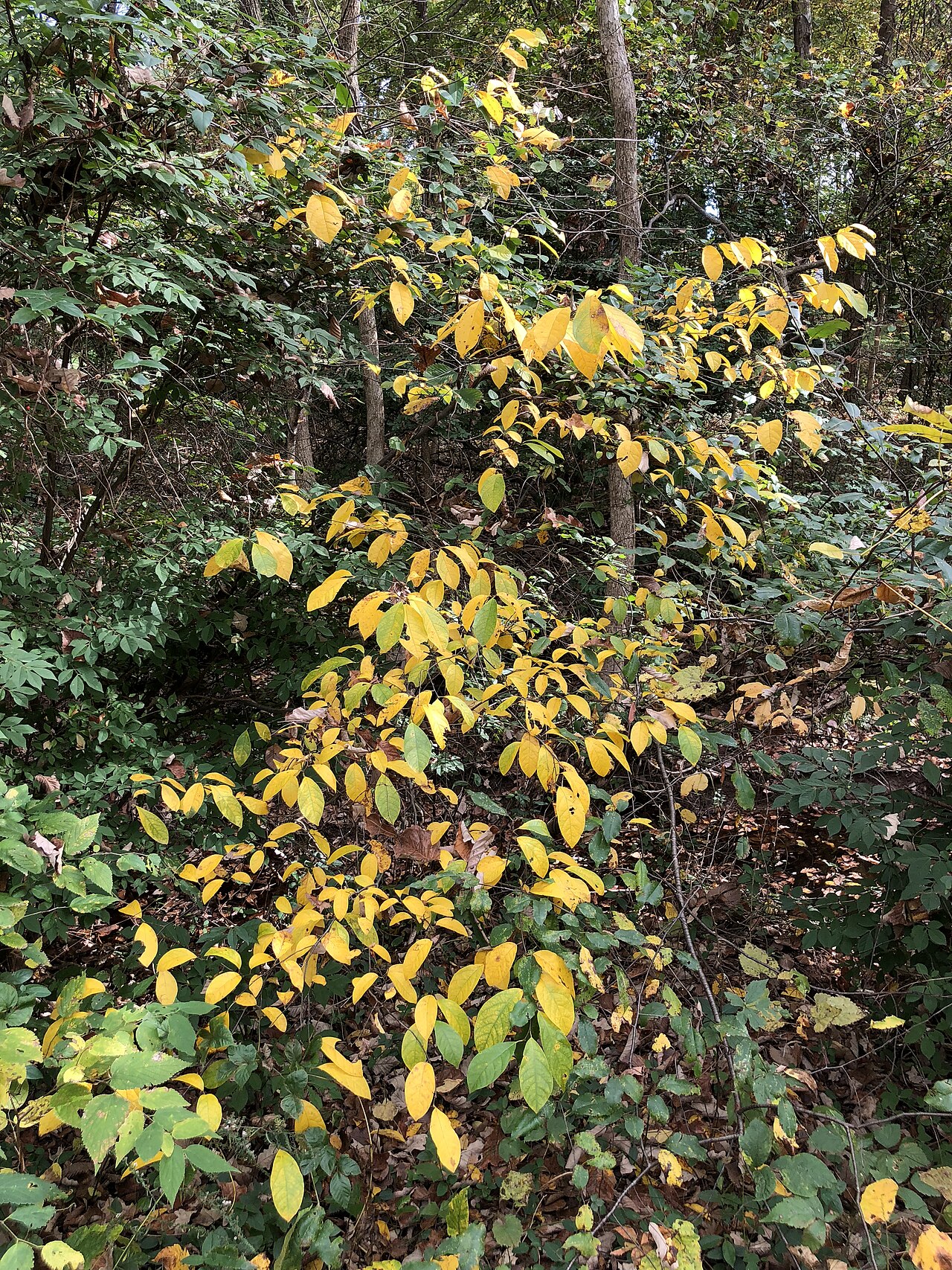
That makes it a strong anchor for a woodland-edge garden. It blooms yellow before most shrubs leaf out, turns gold in fall, and hosts the spicebush swallowtail butterfly.
This guide shows how to build a layered planting around it, where to run a path, and which native companions share its conditions.
Plan at a Glance
| Site | The transition between lawn or open garden and existing trees |
| Size | A strip at least 12 to 15 feet deep, any length |
| Sun | Part shade to dappled light. More sun means denser shrubs and more fruit. |
| Soil | Moist, well-drained, rich in leaf litter |
| Maintenance | Low. Path upkeep and a light annual edit. |
| Best regions | Eastern North America, from southwestern Maine, Michigan, and southeastern Kansas south to Florida and eastern Texas |
Assess the Edge
Start by walking the boundary between your open yard and the trees. Note where the canopy is high and open, and where it’s low and dense. Spicebush does best where light filters through.
NC State Extension says spicebush prefers part shade and moist, well-drained soil. It also notes that the shrub grows less dense and spreads more in heavy shade. The USDA plant guide adds that it can grow under a closed canopy, but openings speed its growth.
Look at the soil next. The Lady Bird Johnson Wildflower Center lists its native habitat as low deciduous woods, stream banks, and swamps. A low, damp spot at the woods’ edge, or a slope that collects runoff, is ideal. Dry, sandy edges under pines are a poorer match.
Finally, measure. NC State gives an average size of 6 to 12 feet tall and wide, and the Wildflower Center says plants usually reach up to 15 feet. Plan on a planting strip deep enough to hold a full-grown shrub plus a path and a front border.
Design in Layers
A woodland edge works like a staircase. Tall trees step down to small trees, then shrubs, then wildflowers and ferns at ground level. Each layer adds food and shelter for wildlife, and the whole planting reads as one natural edge.
Canopy. Use the trees you already have. Oaks, maples, and tulip trees all make fine backdrops. Keep new digging outside the densest root zone close to their trunks.
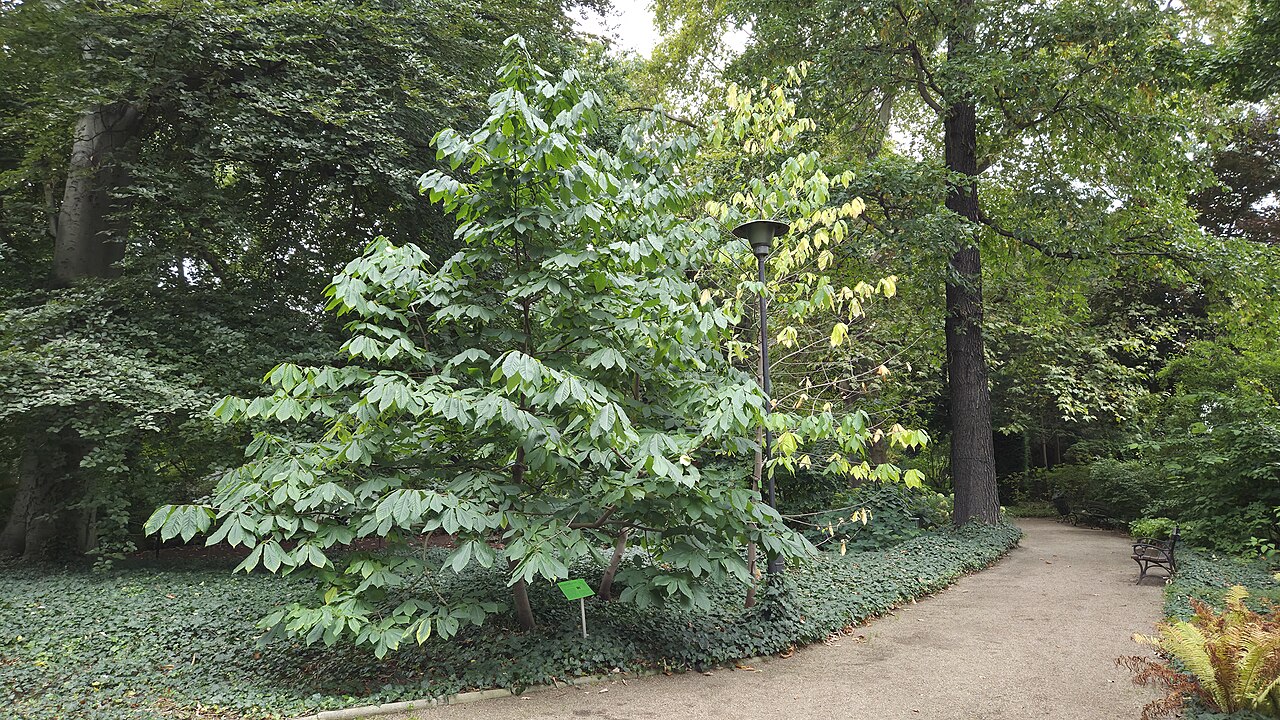
Understory trees, 15 to 30 feet. Pawpaw is a classic spicebush partner. NC State describes it as a tree of moist, nutrient-rich forests, the same habitat spicebush favors. NC State lists pawpaw at 15 to 30 feet and notes it can send up root suckers. Eastern redbud is another option. NC State lists it at 20 to 30 feet in sun to part shade.
Shrub layer, 4 to 12 feet. Spicebush goes here, in loose groups rather than a single row. Mix in maple-leaf viburnum toward the shadiest spots. NC State calls it more shade tolerant than most viburnums, at 4 to 6 feet, with red, pink, or purple fall color.
Ground layer, under 2 feet. This layer covers the soil and fills the space under and in front of the shrubs. Spring ephemerals, ferns, and sedges work well together because they peak at different times.
Plan the Path
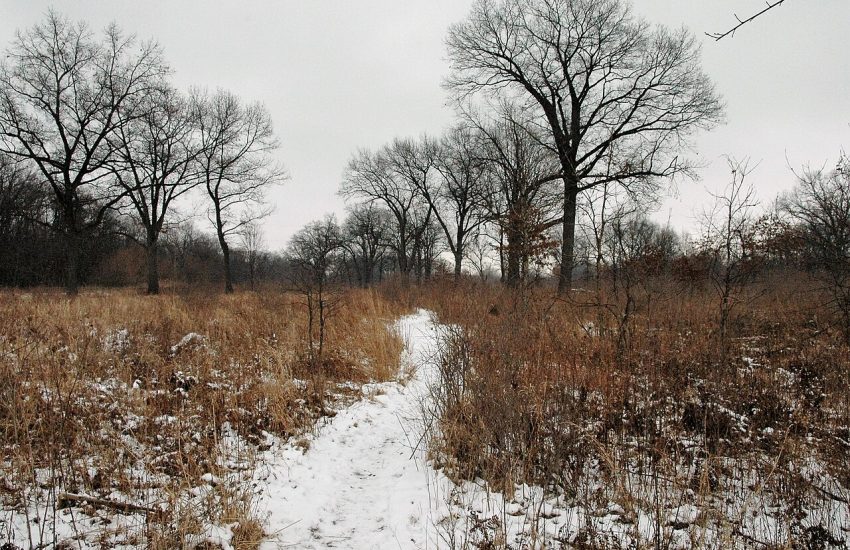
A path makes a woodland edge feel like a garden instead of a thicket. It also brings you close enough to enjoy spicebush up close. Wikipedia notes that the leaves and stems smell spicy and citrusy when crushed, and a path lets you brush past them.
- Curve it. A gentle curve that dips in and out of the shrub layer feels more natural than a straight line, and it hides what’s around the next bend.
- Use soft materials. Shredded wood mulch, leaf mulch, or stepping stones suit a woodland edge and let water soak in.
- Make it wide enough. Three to four feet lets one person walk comfortably and carry tools.
- Leave room for growth. Set each spicebush back from the path by at least half its expected mature width, plus a foot or two. With a 6- to 12-foot spread, that’s roughly 4 to 7 feet from the path edge to the center of the shrub.
If a spicebush does crowd the path later, take out whole stems instead of shearing. Our guide to pruning spicebush near a walkway covers selective cuts.
Ground-Layer Companions
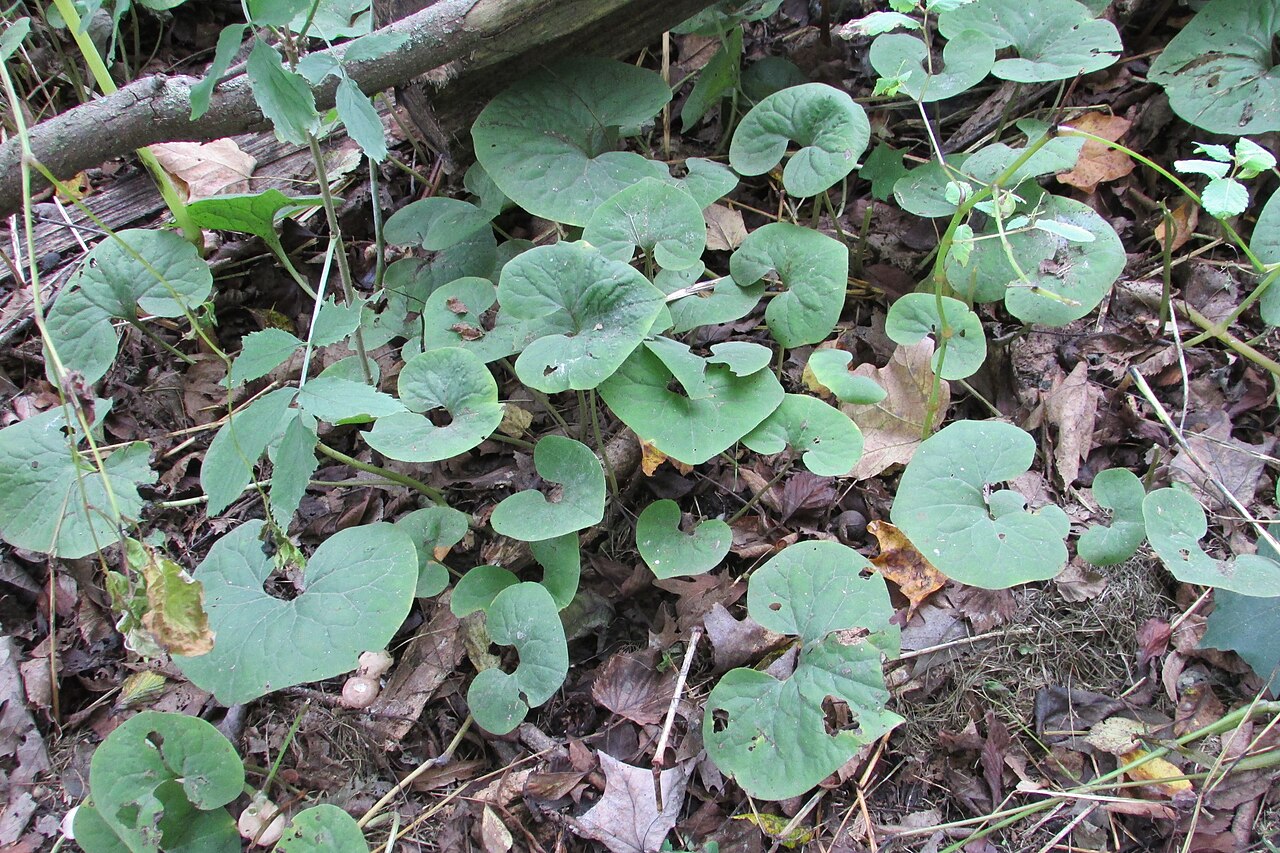
Wild ginger is an easy groundcover for the shade under spicebush. NC State lists it at 6 to 12 inches tall in dappled light to deep shade. It spreads slowly by underground rhizomes and naturalizes as a deciduous groundcover.
Virginia bluebells add spring color. NC State lists them at 1½ to 2 feet. They bloom in spring and go dormant by midsummer, so pair them with ferns or sedges that will fill the gap.
Christmas fern and Pennsylvania sedge carry the ground layer through summer and winter. NC State describes Christmas fern as evergreen. It lists Pennsylvania sedge as a low, grass-like plant under 8 inches tall that grows in sun to deep shade and tolerates dry soil, which makes it a good path edging.
Plant Palette
| Plant | Role | Height | Sun / moisture | Native range |
|---|---|---|---|---|
| Spicebush | Anchor shrub; early bloom, fall gold | 6–12 ft (to 15) | Part shade; moist, drained | SW ME, MI, SE KS south to FL and SE TX |
| Pawpaw | Understory tree | 15–30 ft | Shade to sun; moist | FL to TX, north to w. NY, MI, IL, SE IA, SE NE |
| Eastern redbud | Understory tree, spring flowers | 20–30 ft | Sun to part shade; drained | FL to TX, north to PA, OH, s. MI, s. IA, SE NE |
| Maple-leaf viburnum | Shade shrub, fall color | 4–6 ft | Dappled to part shade; moist, drained | Eastern North America |
| Wild ginger | Groundcover | 6–12 in | Dappled to deep shade; moist | Quebec to MN, south to FL and LA |
| Virginia bluebells | Spring ephemeral | 1½–2 ft | Part to deep shade; moist | ME and MN south to GA, AL, MS, AR |
| Christmas fern | Evergreen ground layer | 1–3 ft | Part to deep shade; moist, drained | Nova Scotia to MN, south to FL and e. TX |
| Pennsylvania sedge | Path edging | Under 8 in | Sun to deep shade; dry to moist | Central and eastern Canada and US |
Heights and light from NC State Extension and the Lady Bird Johnson Wildflower Center; ranges from the Wildflower Center and NC State. Confirm each plant is native to your county.
Spacing and Quantities
For a woodland edge about 30 feet long and 15 feet deep, start with this mix:
- 1 understory tree, either pawpaw or redbud, toward the back.
- 3 to 5 spicebush, 6 to 10 feet apart in an irregular group. Spicebush has separate male and female plants, so a group of several gives better odds of berries. Our guide to planning a spicebush group covers this in detail.
- 2 maple-leaf viburnums in the shadiest spots.
- Ground layer: 10 to 15 wild ginger, 5 to 7 Virginia bluebells, 7 to 10 Christmas ferns, and Pennsylvania sedge along the path edge.
Installation Steps
- Plant in early spring or fall, when soil is moist and temperatures are mild.
- Lay out the path first. Mark it with a hose or flour line, then place shrubs in their pots along it and adjust.
- Buy young container plants. The USDA plant guide calls spicebush difficult to transplant, so a small, well-rooted pot establishes better than a large shrub.
- Dig wide holes, twice as wide as the root ball, and set plants at the same depth they grew in the pot.
- Mulch with leaves. Spread 2 to 3 inches of shredded leaves over the whole bed, keeping it off stems.
- Water deeply at planting and whenever the top few inches of soil dry out during the first summer.
The First Three Years
- Year 1, spring and summer: water during dry spells. Weed by hand, and keep the path mulched so it stays clear.
- Year 1, fall: let leaves fall into the bed. They’re free mulch for the ground layer.
- Year 2, spring: watch for which spicebush plants bloom and note any that fruit later. Fill gaps in the ground layer.
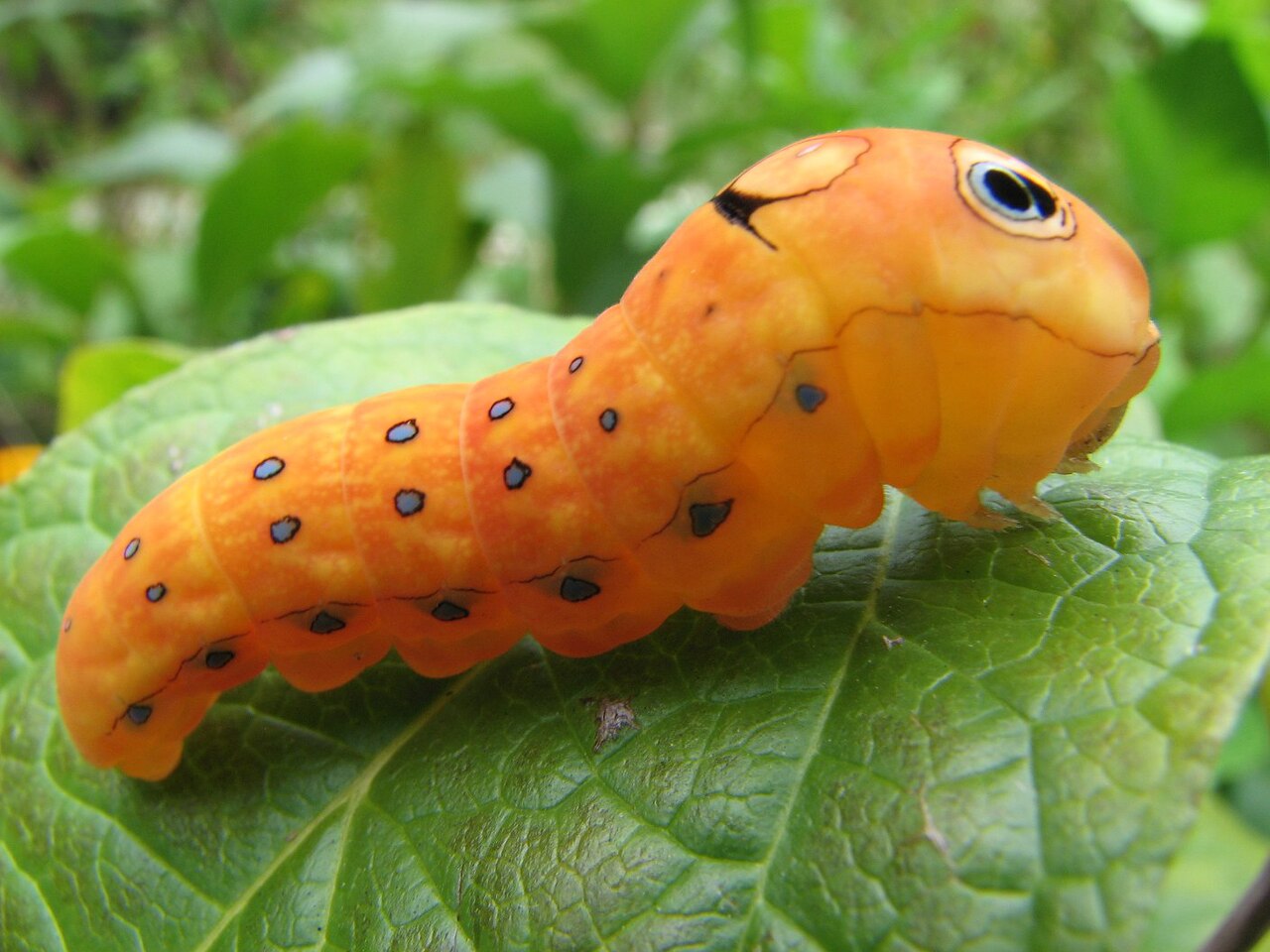
- Year 2, summer: look for folded leaves on spicebush. They may hold spicebush swallowtail caterpillars, so leave them alone.
- Year 3: edit as needed. Remove a crowding stem at the base if a shrub leans over the path, and thin root sprouts that wander into the walkway.
Mistakes to Avoid
- Planting too close to the path. A shrub that reaches 12 feet wide will swallow a walkway set 3 feet away.
- Cleaning up too much. Raking out leaves removes mulch, and it can remove the caterpillars and cocoons of spicebush swallowtails and promethea moths, which both use spicebush.
- Planting a single spicebush and expecting berries. One plant may turn out to be male. Plant a group.
- Choosing the driest edge. Spicebush is a plant of moist woods. A hot, dry, sandy edge suits other shrubs better.
- Moving established shrubs. Spicebush resents transplanting. Pick the right spot the first time.
Regional Notes
Spicebush covers most of the eastern United States, but its companions don’t all go as far. NC State’s distribution for Virginia bluebells doesn’t include Florida, Louisiana, or Texas, and the Wildflower Center’s range for wild ginger stops at Louisiana. In those areas, lean on Christmas fern and native sedges for the ground layer.
In New England, pawpaw and redbud fall outside the ranges listed above. Use a small native tree from your state’s list for the understory layer, or simply let your existing trees provide it.
West of the Great Plains, spicebush isn’t native. Look to your state’s native plant list for a moisture-loving understory shrub instead.
📋 Find it in your region: spicebush appears in our native plant lists for New York, Pennsylvania & Northern New Jersey, Delaware, Southern New Jersey & Long Island, Maryland, Virginia & West Virginia, North & South Carolina, Ohio & Indiana, Illinois, Iowa & Missouri, Michigan, Wisconsin & Eastern Minnesota, and Arkansas, Louisiana, Eastern Oklahoma & Eastern Texas.
Frequently Asked Questions
How much sun does spicebush need at a woodland edge?
Part shade suits it best, per NC State. Wikipedia notes plants in sun grow denser with more flowers and berries, while plants in shade grow looser.
How far from a path should I plant spicebush?
Set the center of each shrub at least half its mature width, plus a foot or two, from the path edge. For a 6- to 12-foot shrub, that’s about 4 to 7 feet.
Will spicebush spread?
It can. The USDA plant guide notes that it reproduces by root sprouting and that many wild patches and thickets are probably clonal. In a garden, pull or cut stray sprouts at the edges.
What wildlife uses spicebush?
The Wildflower Center lists it as a larval host for spicebush and eastern tiger swallowtails. The USDA plant guide reports more than 20 bird species eating the fruit, which it calls a favorite of wood thrushes.
When does spicebush bloom?
In early spring, before its leaves open. The USDA plant guide gives March to April, and the Wildflower Center lists March through May depending on location.
Sources
- North Carolina Extension Gardener Plant Toolbox, Lindera benzoin: light and soil preferences, size, habit in shade, male and female plants, fall color.
- USDA NRCS Plant Guide, Spicebush, Lindera benzoin: understory habit, clonal root sprouting, canopy openings, transplant difficulty, wildlife use.
- Lady Bird Johnson Wildflower Center, Lindera benzoin: native distribution and habitat, size, larval hosts. Distribution records for pawpaw, redbud, wild ginger and Christmas fern.
- Wikipedia, Lindera benzoin: aromatic leaves, sun vs. shade growth, wildlife and host relationships.
- NC Extension Gardener Plant Toolbox: Asimina triloba, Cercis canadensis, Viburnum acerifolium, Asarum canadense, Mertensia virginica, Polystichum acrostichoides and Carex pensylvanica: companion sizes, light and habit.