Common Evening Primrose in a Naturalistic Garden: Planning for a Biennial
Last updated: November 6, 2026
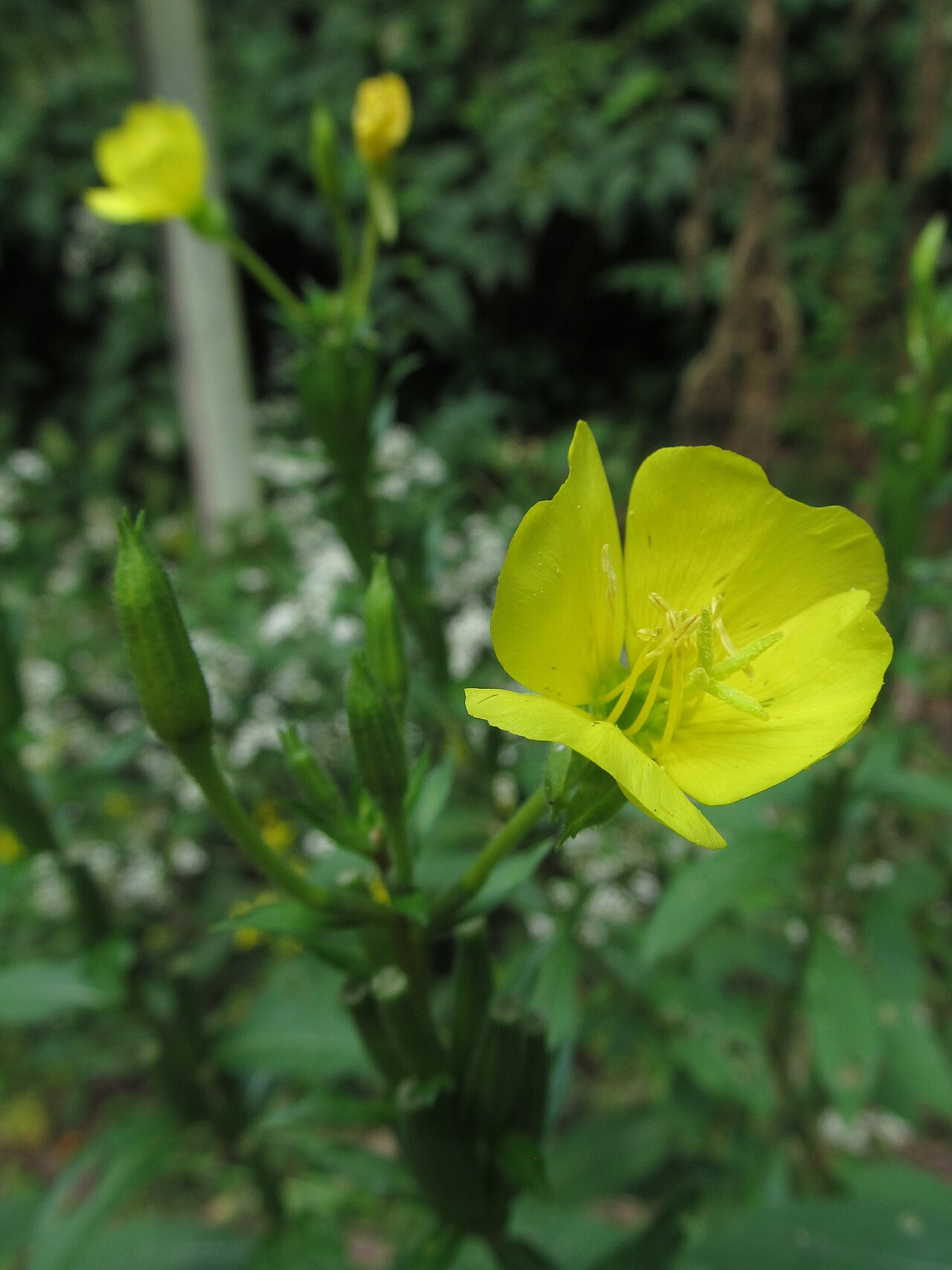
Common evening primrose is one of the easiest native wildflowers to grow and one of the hardest to plan around. It doesn’t stay put the way a perennial does.
It is a biennial. Illinois Wildflowers describes a stubby rosette in the first year, then a tall flowering stem in the second, after which the plant sets seed and dies. Next year’s flowers come from a different plant, often in a different spot.
That makes it a poor fit for a tidy border and a good fit for a naturalistic garden, where plants are allowed to move. This plan shows how to design for that movement: where to put it, what to grow with it, and how to keep it coming back.
Plan at a Glance
| Site | A meadow-style planting, wildflower strip or informal bed where self-sown plants are welcome. |
| Size | Any size from a 4 × 8 foot strip to a large meadow. Bigger areas give self-sown plants more room. |
| Sun | Full sun is preferred; part shade is tolerated. |
| Soil | Average moisture, well-drained, ideally somewhat sandy or gravelly. No fertilizer needed. |
| Maintenance | Low but ongoing: thinning seedlings, deciding which seed stalks to keep, and leaving some bare ground. |
| Best regions | Much of eastern and central North America, from Newfoundland to southeastern Alberta, south to Georgia, Louisiana and northeastern Texas. |
Understand the Two-Year Cycle First
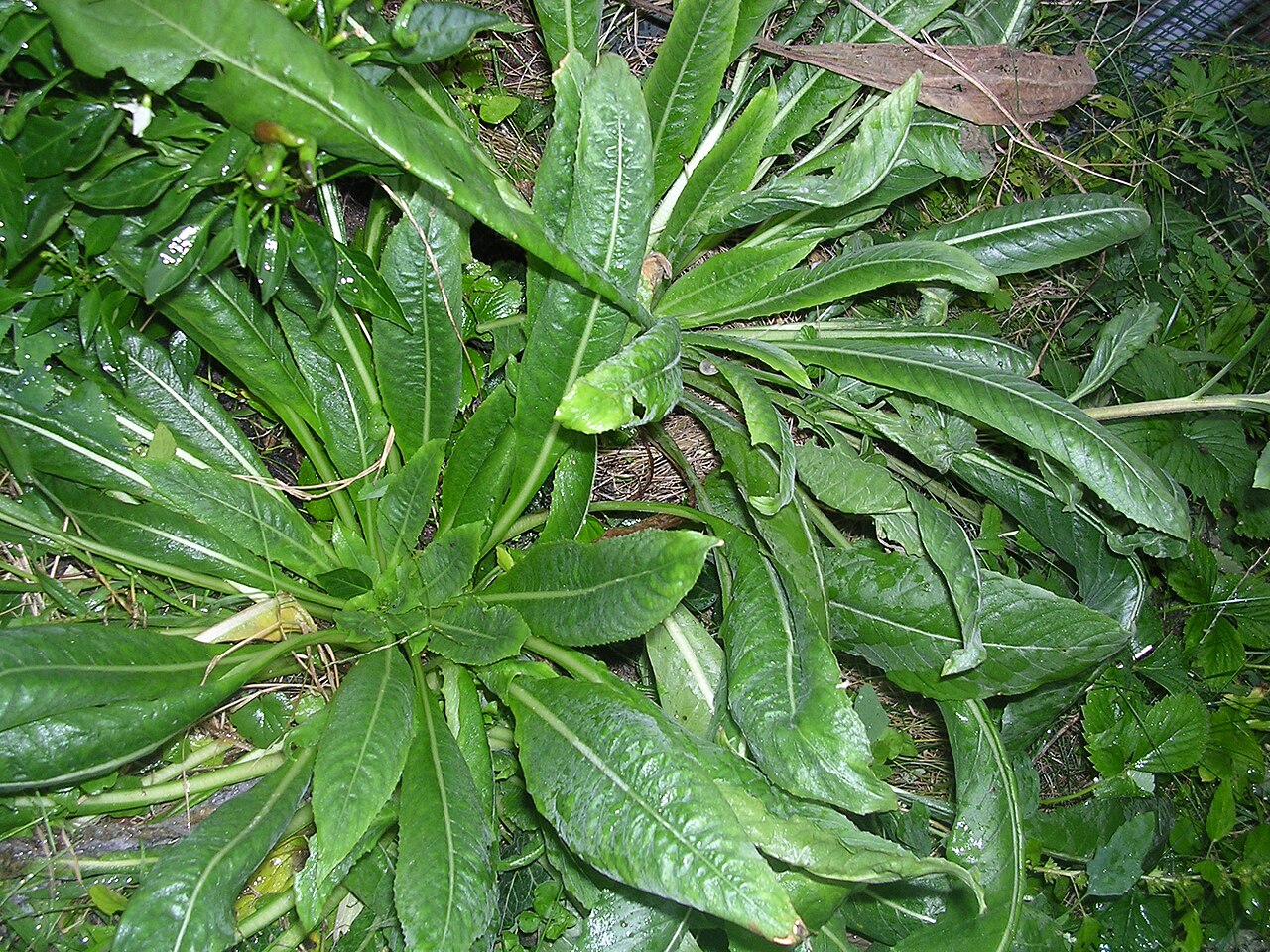
Every design decision follows from the life cycle. In year one, the plant is a low, flat rosette of leaves. NC State calls it stubby, and it is easy to mistake for a weed.
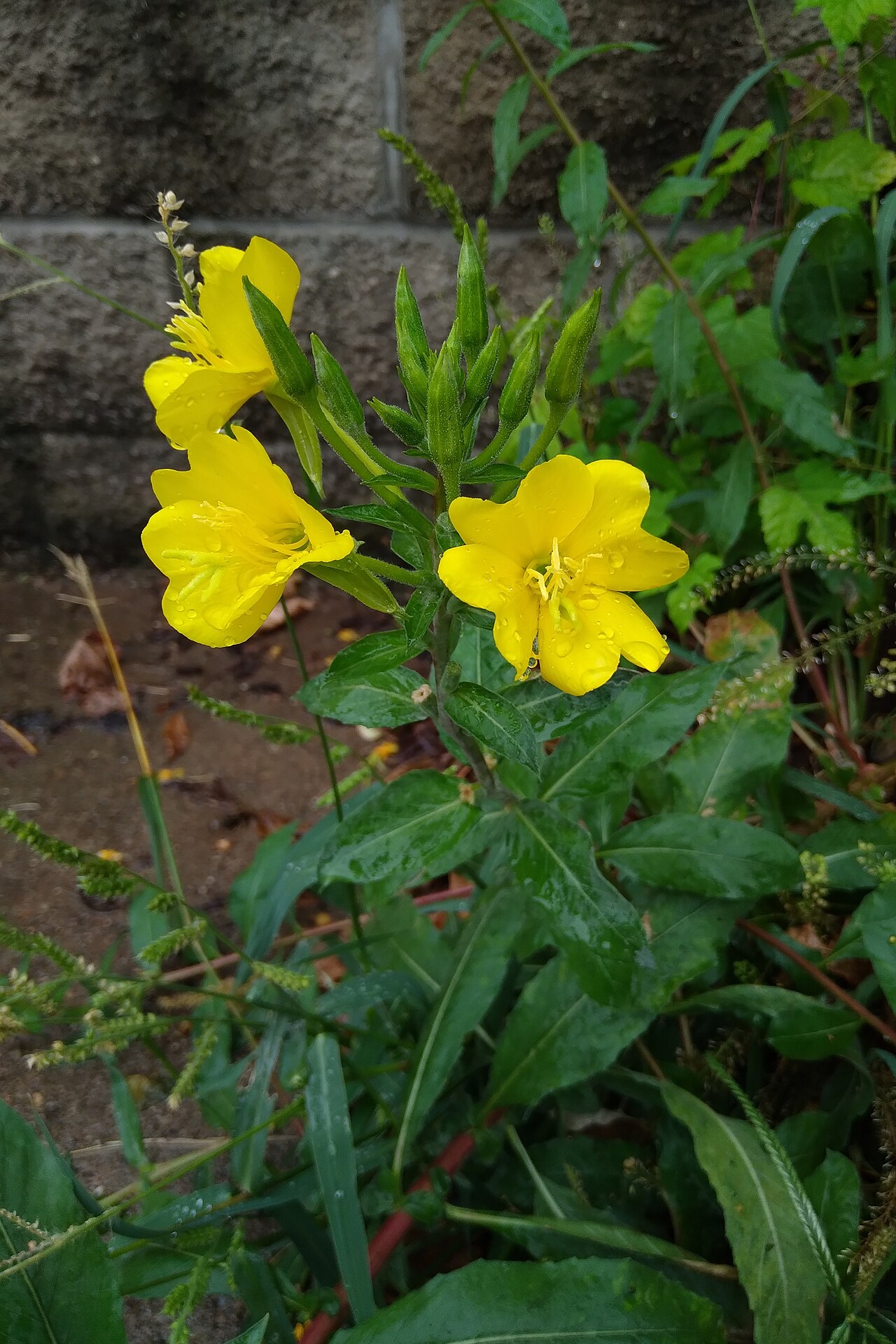
In year two, a stem rises from the rosette and flowers through summer into fall. NC State notes that individual flowers open at dusk and close later the next day, which is where the common name comes from.
After flowering, the plant sets seed and dies. If you want flowers every summer, you need two overlapping generations: one in its rosette year and one in its flowering year. Our guide to evening primrose rosettes with no flowers explains the biology in more detail.
Assess the Site: It Likes a Little Disturbance
Illinois Wildflowers lists the preference as full sun, average moisture and somewhat sandy soil, though other conditions are acceptable. NC State adds that it is highly drought tolerant and does well with afternoon shade.
The more important clue is habitat. The Lady Bird Johnson Wildflower Center notes that common evening primrose does well in newly established landscapes but does not persist. Its seeds stay in the soil and germinate when the ground is disturbed.
In other words, it is a pioneer. It thrives in open ground and fades as perennials and grasses close in. Ask yourself:
- Is there open soil? A new meadow, a regraded slope or a freshly planted bed suits it best.
- Will there be open soil later? If the planting will close into a dense sod, expect evening primrose to fade out unless you keep some gaps.
- Are self-sown seedlings welcome? NC State notes it can spread by self-seeding and can be somewhat weedy. If you want a tidy bed, choose a different plant.
Design With Drifts and Gaps, Not Fixed Spots
In a perennial border, you decide where each plant goes. With evening primrose, you decide where it is allowed to go.
Think in zones rather than points. Mark one or two broad areas in the middle of the planting where evening primrose may grow, and keep the edges and paths for longer-lived plants.
Within those zones, leave small patches of bare or lightly mulched soil each year. The Wildflower Center’s note on germination after disturbance suggests those gaps are where the next generation will start.
Place It for Height and for Evening Viewing
The flowering stems are tall. The Wildflower Center lists plants up to about 6 feet, and NC State gives 3 to 5 feet in its plant data, so treat it as a mid- to back-layer plant.
Illinois Wildflowers also notes that it often becomes rather unsightly as the season progresses, with leaf spots and, in drought, lower leaves that yellow and drop. Lower plants in front hide that untidy base.
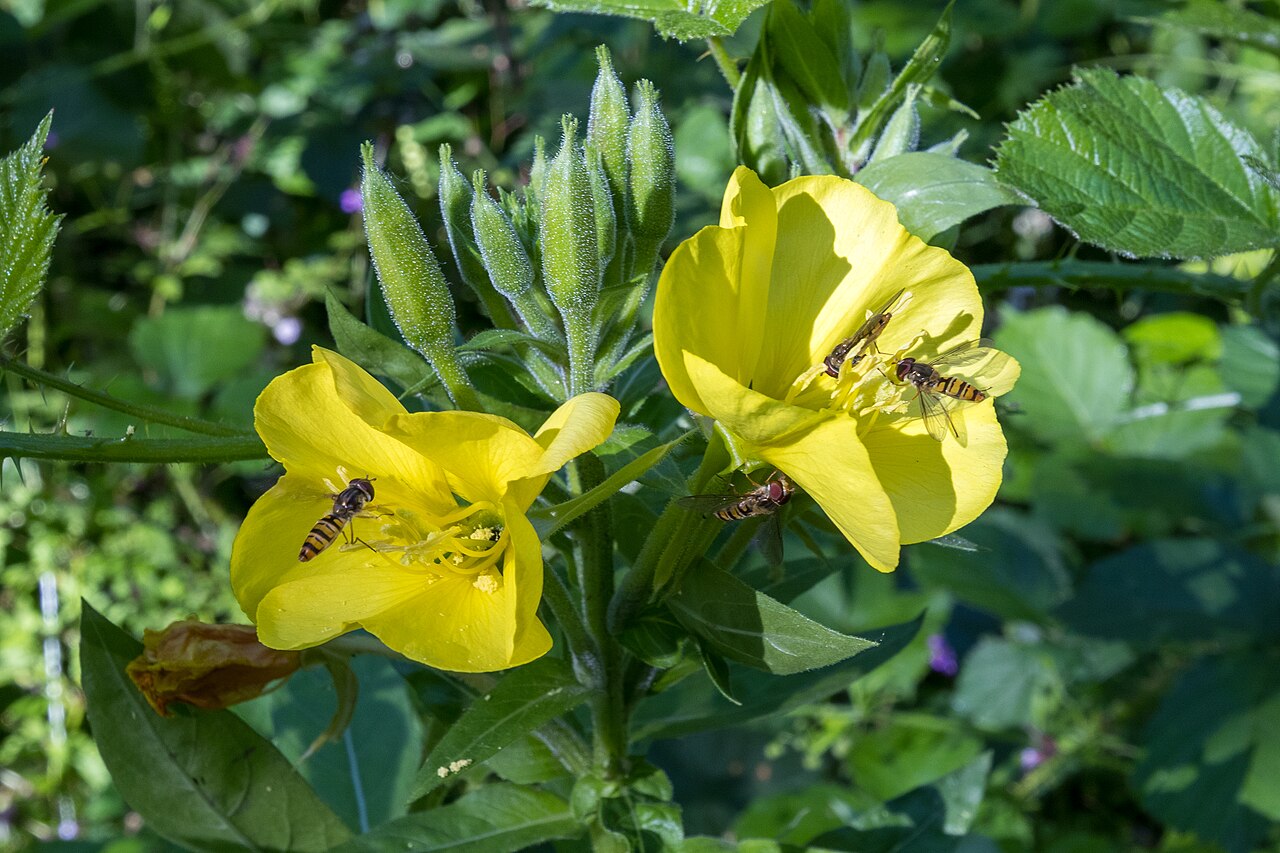
Because the flowers open at dusk, put the evening primrose zone where you’ll see it in the evening, such as along a path to the door or beside a patio. Illinois Wildflowers notes that moths, especially sphinx moths, pollinate the flowers.
Pair It With Plants That Fill the Gaps It Leaves
Because individual plants come and go, the design depends on longer-lived companions that hold the structure. A good naturalistic mix has three groups:
- Structure: a bunchgrass such as little bluestem that stays in place for years.
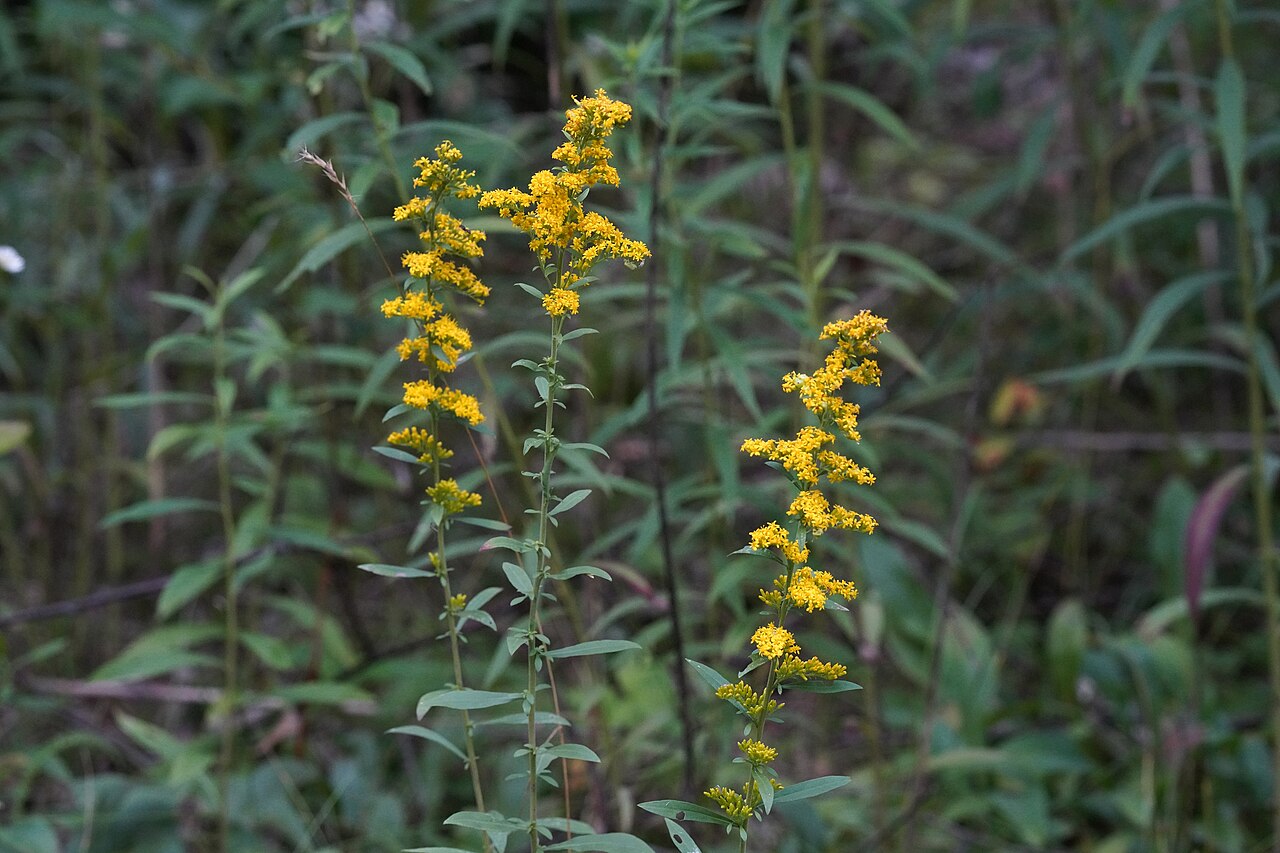
- Long-lived perennials: wild bergamot, butterfly weed, gray goldenrod and smooth blue aster, which flower before and after the primrose.
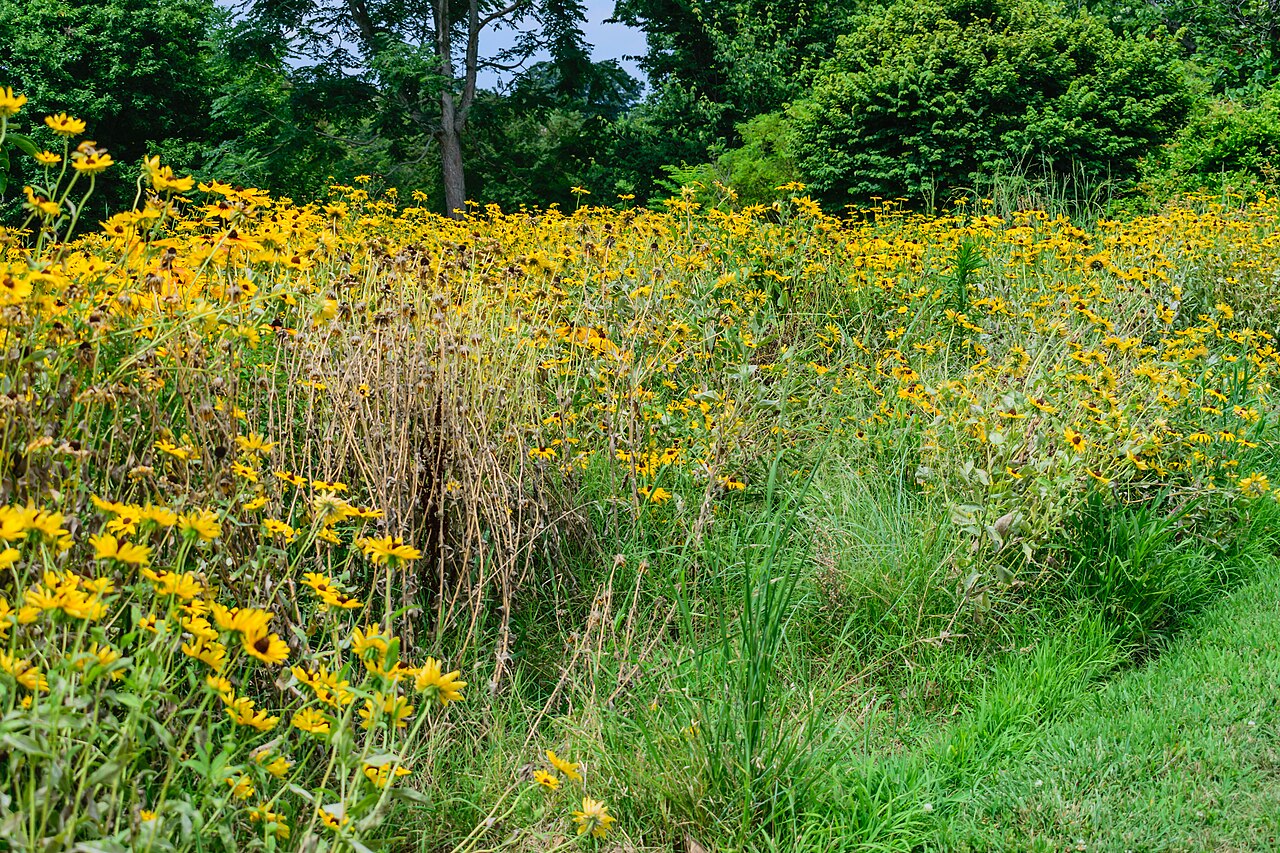
- Short-lived fillers: black-eyed Susan, which NC State describes as a biennial or short-lived perennial, behaves much like evening primrose and fills the same gaps.
Plant Palette
| Plant | Role | Height | Sun / moisture | Native range |
|---|---|---|---|---|
| Common evening primrose (Oenothera biennis) | Moving biennial, mid/back | 3–6 ft | Sun to part shade; dry to average | Newfoundland to se. Alberta, south to GA, LA and ne. TX |
| Little bluestem (Schizachyrium scoparium) | Permanent structure | 2–4 ft | Full sun; well-drained | Quebec and ME to Alberta and ID, south through much of the U.S. east of the Rockies |
| Black-eyed Susan (Rudbeckia hirta) | Short-lived gap filler | 2–4 ft | Sun to part shade; dry to moist | W. MA to Manitoba and WY, south to FL and NM |
| Wild bergamot (Monarda fistulosa) | Early-summer perennial | 2–4 ft | Sun to part shade; dry to moist | Most of the U.S. and s. Canada east of the Rockies |
| Butterfly weed (Asclepias tuberosa) | Low summer perennial, front | 1–2 ft | Full sun; dry to medium | New England to FL, west to TX, north through CO to MN |
| Gray goldenrod (Solidago nemoralis) | Late gold, front/middle | 0.5–2 ft | Full sun; dry to medium | Southern Canada south through much of the U.S. east of the Rockies |
| Smooth blue aster (Symphyotrichum laeve) | Fall blue, middle | 2–4 ft | Full sun; dry to medium | Much of North America except FL, CA and the far north |
Heights from the NC State Extension Plant Toolbox (evening primrose combines NC State and Wildflower Center figures); ranges from the Lady Bird Johnson Wildflower Center. Confirm each plant for your county.
Getting Two Generations Going
| Year 1 | Sow seed or plant young rosettes in the primrose zone. Rosettes only; few or no flowers. |
| Year 2 | Year-1 plants flower. Sow a second batch of seed in a nearby gap so a new set of rosettes forms now. |
| Year 3 | Year-2 sowing flowers, plus any self-sown plants from the first generation. You now have overlapping cohorts. |
| Ongoing | Let some plants set seed each year and keep a few gaps open, and the cycle tends to run itself. |
The Wildflower Center suggests sowing unstratified seed in fall or stratified seed in spring.
Installation Steps
Step 1: Plant the permanent framework first. Set little bluestem and the long-lived perennials, leaving open patches in the primrose zone.
Step 2: Add evening primrose as seed or small rosettes. Illinois Wildflowers describes a fleshy taproot, so move plants while they are young. Our guide to transplanting a young evening primrose covers timing.
Step 3: Sow black-eyed Susan in the same gaps. It gives early color while the primrose is still in its rosette year.
Step 4: Mulch lightly or not at all in the primrose zone. Heavy mulch blocks the bare soil its seeds need.
Step 5: Water only while plants establish. NC State calls evening primrose highly drought tolerant once settled.
The First Three Years
Three-Year Maintenance Calendar
| Year 1, summer | Weed carefully around rosettes. Learn what they look like so you don’t pull them. |
| Year 2, summer | Enjoy the flowers. Stake or remove any stem that falls into a path. |
| Year 2, fall | Decide which seed stalks to keep. Illinois Wildflowers notes goldfinches eat the seeds, so leave some standing. |
| Year 3, spring | Thin self-sown seedlings to the number you want, and remove any outside the primrose zone. |
| Every year | Scratch open a few small patches of soil in the primrose zone so new seedlings have somewhere to start. |
Seedlings can be hard to tell from weeds. Our guide to recognizing common evening primrose seedlings shows what to look for.
If it seeds more than you want, see managing evening primrose reseeding in a small bed. For leaning stems, see evening primrose falling over.
Mistakes to Avoid
- Expecting it to come back in the same spot. The plant that flowered dies. Plan for its offspring, not for it.
- Letting the planting close completely. The Wildflower Center notes it does not persist in established landscapes. Without gaps, it fades out.
- Heavy mulch everywhere. It suppresses the germination you’re counting on.
- Putting it at the front. Tall stems and untidy lower leaves look best partly hidden behind shorter plants.
- Cutting every seed stalk. That ends the cycle. Keep at least a few each year.
- Underestimating the seed bank. Illinois Wildflowers notes seeds can remain viable in the soil after 70 years. Once it’s in a bed, it can reappear whenever the soil is turned.
Regional Notes and Alternates
The Wildflower Center lists common evening primrose from Newfoundland to southeastern Alberta, south to Georgia, Louisiana and northeastern Texas. That covers much of the East and the Plains.
- Florida and the far South: outside its listed range. Look for another native Oenothera on your regional list.
- The West: other evening primroses are native there. The Wildflower Center lists tufted evening primrose (Oenothera caespitosa), a low perennial, from Washington to western North Dakota, south to California and New Mexico.
- Small or formal gardens: sundrops (Oenothera fruticosa), a perennial native from southern New England to Florida and Oklahoma per the Wildflower Center, stays put better than a self-sowing biennial.
📋 More on this plant: read the full Evening Primrose (Oenothera biennis) profile, or see it in our native plant lists for North Dakota, South Dakota & Western Minnesota and Nebraska, Kansas & Eastern Colorado.
Frequently Asked Questions
Does common evening primrose come back every year?
Individual plants don’t. Each plant forms a rosette in year one, flowers in year two, then sets seed and dies. Flowers return each year only if new plants keep starting from seed.
How do I get evening primrose to bloom every summer?
Start two generations a year apart, either by sowing seed two years in a row or by planting rosettes one year and sowing seed the next. After that, let some plants self-seed.
Why did my evening primrose disappear after a few years?
The Wildflower Center notes it does well in newly established landscapes but does not persist. As perennials and grasses close in, there’s no bare soil for seedlings. Keep a few open patches.
Is common evening primrose invasive?
It is native across much of eastern and central North America. NC State notes it can be somewhat weedy because it self-seeds, so give it a zone where that is welcome.
What wildlife uses evening primrose?
Moths, especially sphinx moths, pollinate the flowers, according to Illinois Wildflowers, and goldfinches eat the seeds. The Wildflower Center notes that deer may graze older plants.
Sources
- Illinois Wildflowers, Common Evening Primrose: life cycle, taproot, site preference, late-season appearance, seed longevity, moth pollinators and goldfinches.
- Lady Bird Johnson Wildflower Center, Oenothera biennis: native distribution, height, persistence, germination after disturbance, sowing and wildlife.
- North Carolina Extension Gardener Plant Toolbox, Oenothera biennis: rosette, dusk-opening flowers, drought tolerance, size and self-seeding.
- North Carolina Extension Gardener Plant Toolbox: Schizachyrium scoparium, Rudbeckia hirta, Monarda fistulosa, Asclepias tuberosa, Solidago nemoralis and Symphyotrichum laeve: companion heights, light and soil.
- Lady Bird Johnson Wildflower Center: native distribution of S. scoparium, R. hirta, M. fistulosa, A. tuberosa, S. nemoralis and S. laeve, plus Oenothera caespitosa and O. fruticosa as regional alternates.