Evening Primrose Rosette but No Flowers: Understanding the Plant You Have
Last updated: November 5, 2026
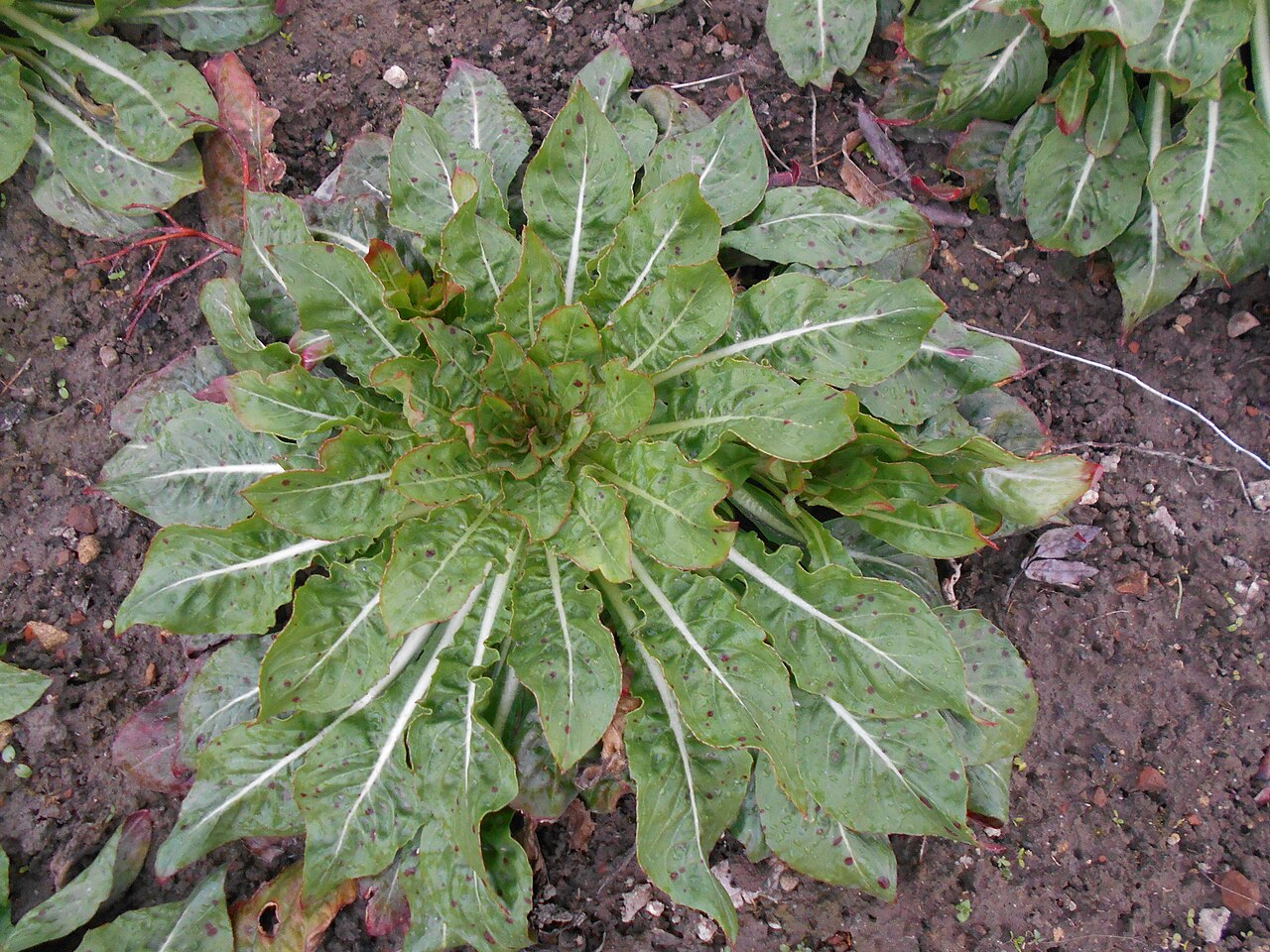
You have a common evening primrose that looks perfectly healthy. It has a wide, flat circle of leaves, and it stayed that way all summer without sending up a single flower.
Nothing is wrong with it. In most cases you are looking at the first half of a two-year plant, and the flowers are scheduled for next summer.
This guide explains how evening primrose decides when to bloom, how to tell whether your rosette is on track, and the few situations where a rosette really does stall.
The Short Answer
Common evening primrose (Oenothera biennis) is a biennial. It spends its first growing season as a ground-hugging rosette, flowers in its second summer, sets seed and dies. A rosette with no flowers is usually:
- A first-year plant that still needs a winter before it can bloom.
- A late seedling or summer transplant that hasn’t had its cold period yet.
- A small or crowded rosette that needs another season of growth before it can bolt.
- A plant in heavy shade or competition, growing too slowly to flower on schedule.
- A different plant with a similar rosette.
How Evening Primrose Decides When to Flower
In its first year, evening primrose grows as a low rosette and stores energy in a thick, fleshy taproot. In the second year, a stem rises from the center of the rosette, flowers through summer, ripens its seed and then the whole plant dies.
The trigger for that switch is mostly about seasons, not care. Research growers of Oenothera describe the biennial types as needing a period of cold (vernalization) followed by long summer days before they will flower. Short days hold them in the rosette stage.
That is why a rosette can look big and vigorous in September and still refuse to bloom. It hasn’t been through a winter yet.
The Evening Primrose Life Cycle
| Year 1, spring to fall | Seed germinates. The seedling builds a flat rosette and a fleshy taproot. No stem, no flowers. |
| Year 1, winter | The rosette stays green near the ground and gets its cold period. |
| Year 2, late spring | As days lengthen, a leafy stem rises from the center. This is called bolting. |
| Year 2, summer to fall | Yellow flowers open each evening along the top of the stem. Seed capsules form below them. |
| Year 2, fall to winter | The plant dies. Its dry stalk and split capsules often stand through winter. |
Most published bloom ranges fall between June and October, depending on region. Minnesota Wildflowers lists July to October, while the Lady Bird Johnson Wildflower Center gives July through September.
Check 1: Work Out How Old the Plant Is
This one question settles most cases. Think back to when the rosette first appeared or when you planted it.
- It appeared this year: it’s a first-year rosette. No flowers is exactly what it should be doing.
- It has already been through one winter: it should bolt this coming season or the next. Keep reading.
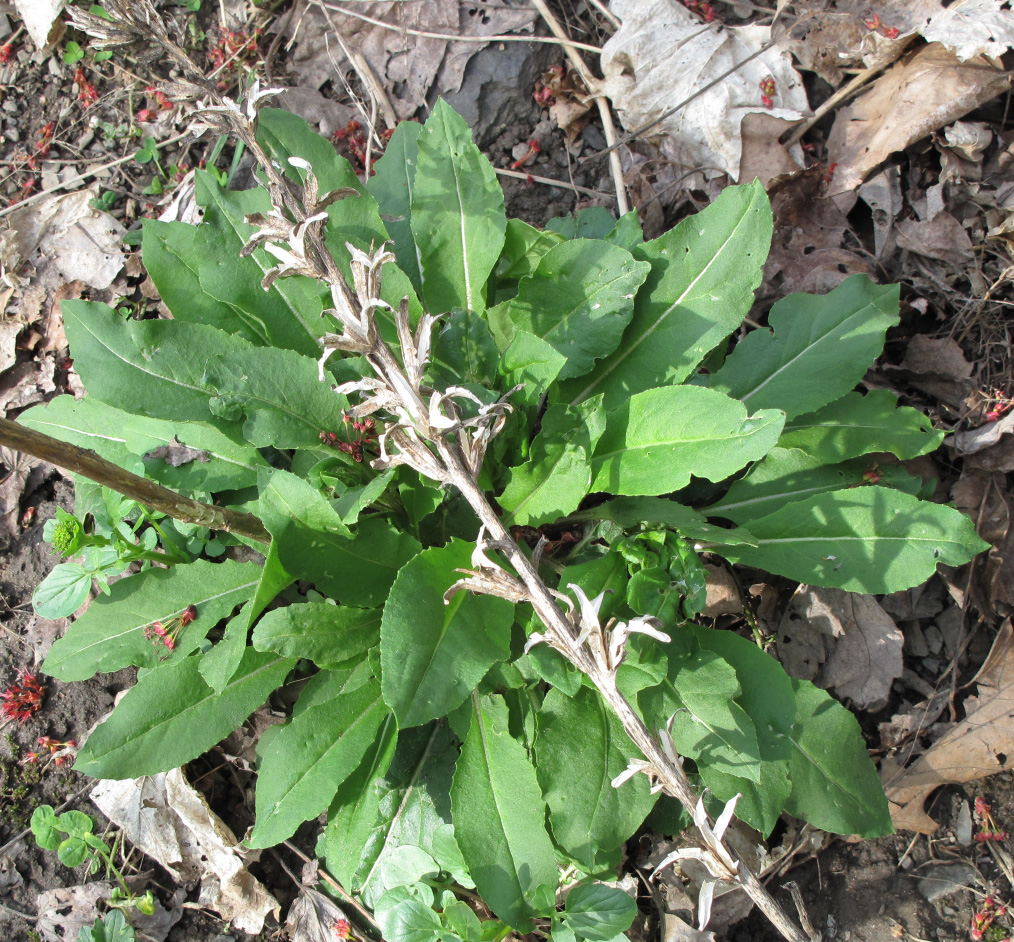
- You’re not sure: look for a dead flower stalk nearby. A rosette next to an old stalk is almost always a new seedling, not the plant that flowered.
That last point catches many gardeners. The plant that bloomed last year is gone. Evening primrose drops most of its seed close to the parent, so next year’s rosettes often come up right at the base of the old stalk.
Check 2: Consider When It Germinated or Was Planted
Evening primrose seeds can germinate in summer or fall, and those seedlings spend the winter as small rosettes. A seedling that came up in August has had only a few weeks to grow before its first winter.
Nursery plants follow the same rule. A potted rosette planted in late spring or summer is still a first-year plant, however big it looks at the garden center.
Researchers who grow Oenothera for study note that plants set out in June generally need a winter before they flower. Expect bloom the following summer, not the same one.
Spring-sown plants are the one gray area. Annual forms of this species are documented, and some plants sown early in open, uncrowded ground do flower their first summer. Most garden plants, though, follow the two-year pattern. Our evening primrose seed-growing guide covers sowing basics.
Check 3: Measure the Rosette
Size matters, but less than you might expect. Ecological studies summarized by Greiner and Köhl found that bolting generally required a rosette at least 9 to 12 cm across, roughly 3.5 to 5 inches.
The same review adds a caution: field observations show rosette size is not strictly tied to bolting. Plants in harsh sites sometimes flower from small rosettes, while well-fed plants may grow much larger first.
Use the measurement as a rough guide:
- Smaller than a coffee mug after a full season: the plant is struggling. Check light and crowding next.
- Hand-sized or bigger: size probably isn’t the issue. It most likely just needs its winter.
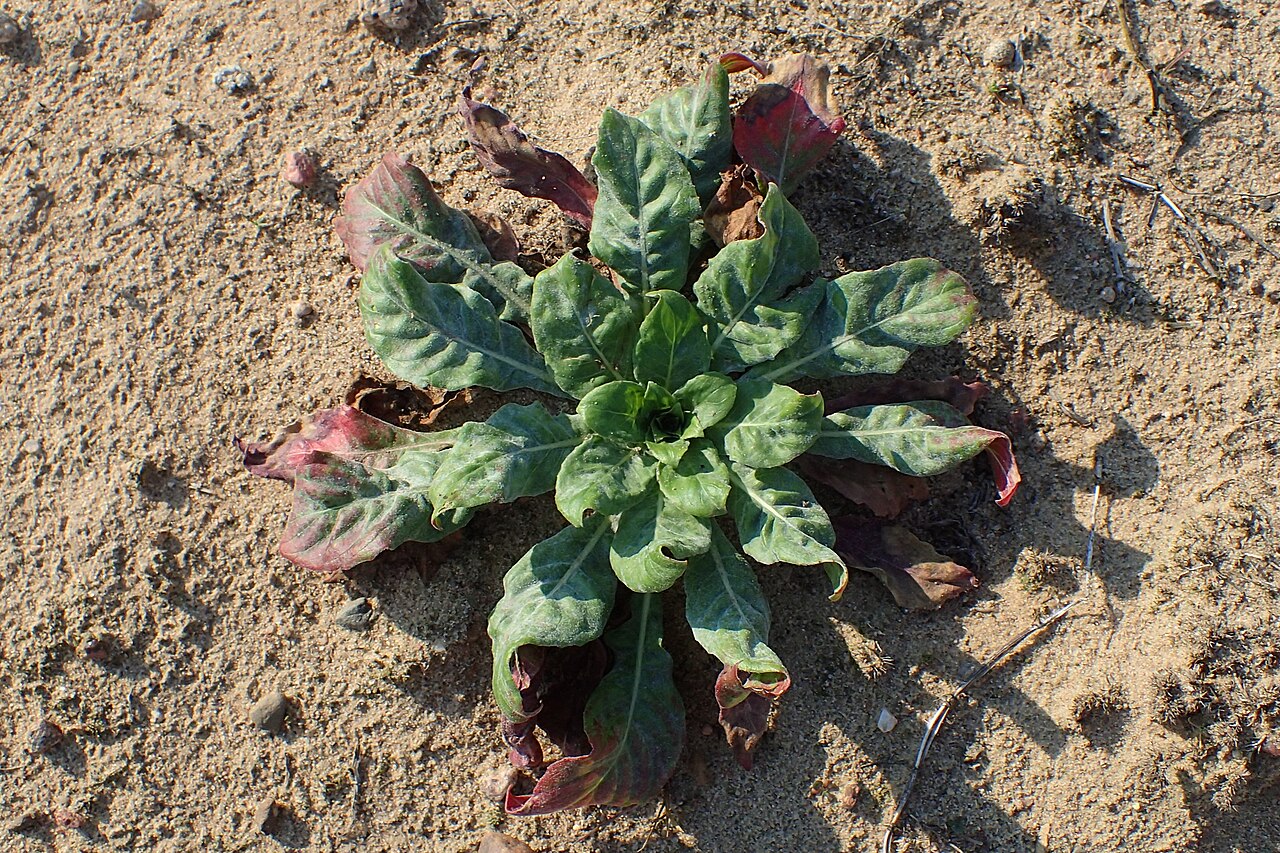
Cultivated rosettes commonly reach 4 to 16 inches across, so a big rosette is normal and nothing to worry about.
Check 4: Look at Light and Crowding
Evening primrose does best in full sun. NC State Extension describes it as preferring sandy, well-drained soil in full sun while tolerating afternoon shade.
In deeper shade, rosettes grow slowly. A slow rosette may need an extra season to reach a size that can carry a flower stem.
Crowding has the same effect. A cluster of self-sown seedlings packed into one spot competes for light and water, and none of them grows quickly. Greiner and Köhl also note that, despite its size, evening primrose is not very competitive in experimental field plots.
If you have a dense patch, thin it so the keepers stand about a foot apart. That gives each rosette room to bulk up before winter.
Check 5: Think About Winter and Indoor Growing
Garden plants in most of the species’ range get plenty of winter cold. Evening primrose is native across much of eastern and central North America, from Newfoundland to Alberta and south to Florida and Texas.
Plants grown indoors or in a warm greenhouse are a different story. Research growers have to give biennial lines an artificial cold treatment before they flower, and some lines bolt only erratically even then.
If your rosette has lived its whole life on a sunny windowsill, that is probably the reason. Move it outdoors and let it go through a normal winter.
Check 6: Rule Out Damage to the Crown
The flower stem grows from the very center of the rosette. Anything that removes or damages that center can set the plant back.
The Lady Bird Johnson Wildflower Center notes that small mammals eat the roots and leaves of young plants, and that deer graze older ones. A rosette that has been chewed down to its base, or mowed over, may spend the rest of the season simply regrowing leaves.
Look for a ragged, bitten center, disturbed soil around the crown, or a rosette that seems smaller each time you check. If animals are the problem, a simple wire cage over the plant through spring is usually enough.
Check 7: Confirm It’s Really Evening Primrose
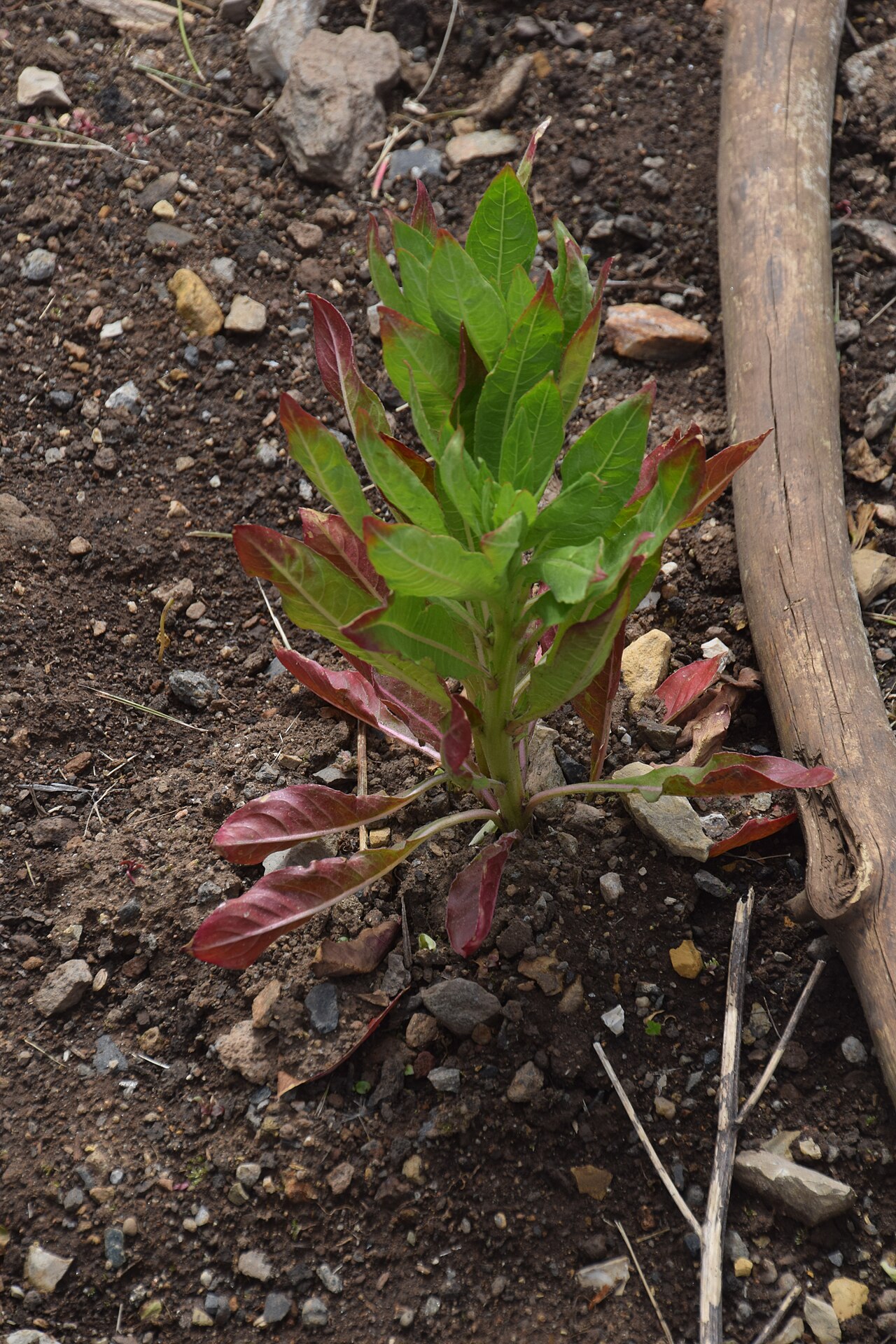
Several plants form flat first-year rosettes, and young rosettes are easy to mix up. Common evening primrose leaves are long and lance-shaped, with a white to pinkish midrib and smooth or only slightly toothed edges. Ohio State’s weed guide notes that the midribs of rosette leaves are often reddish.
Close relatives can look almost identical. Minnesota Wildflowers notes that common evening primrose is easily confused with northern evening primrose (Oenothera parviflora) and hairy evening primrose (O. villosa). Those are also biennial, so the timing advice still applies.
A perennial relative will behave differently. If your plant is actually Missouri primrose, a low-growing perennial, it blooms from the same crown year after year instead of following the rosette-then-bolt pattern. If you’re unsure what you have, our beginner’s guide to identifying native plants walks through the features to check.
Troubleshooting at a Glance
| Rosette appeared this year | Normal first-year growth. Leave it and expect flowers next summer. |
| Planted from a pot in late spring or summer | Still a first-year plant. It needs a winter outdoors. |
| Rosette next to an old dead stalk | A new seedling, not last year’s plant. Treat it as year one. |
| Small rosette after a full season | Too little light or too much competition. Thin neighbors and give it sun. |
| Grown indoors all year | No cold period. Move it outside for winter. |
| Chewed or mowed center | Crown damage. Protect it and give it another season. |
| Leaves woolly, lobed or milky-sapped | Probably not common evening primrose. Re-check the identification. |
What to Do With the Rosette Now
For most readers the right move is to do very little.
If it’s a healthy first-year rosette: leave it in place. Don’t feed it to “push” flowers. Greiner and Köhl point out that field studies recorded the biggest plants and seed crops in tilled, rich soil, so fertility isn’t what’s holding a rosette back.
If it’s in the wrong spot: decide now. Evening primrose grows a deep taproot, and our profile notes it doesn’t transplant well once established. Move young rosettes early, or plan to let this one finish and collect seed for the spot you prefer.
If it’s crowded or shaded: thin the patch and clear tall neighbors that cast shade, rather than moving the plant.
If you want flowers every year: let a few plants go to seed each season. Overlapping generations mean some rosettes are always in year one while others bloom. If you’d rather have a primrose that returns from the same roots, consider a perennial relative such as pink primrose or sundrops, if they are native in your region.
A Season-by-Season Plan
- Fall: leave first-year rosettes in place. Thin crowded clusters so keepers stand about a foot apart. Skip fertilizer.
- Winter: nothing to do. The rosette stays low and green while it gets its cold period.
- Spring: watch the center. A tight bud of new leaves that starts to lift means bolting has begun. Protect the crown from browsing if rabbits or deer are around.
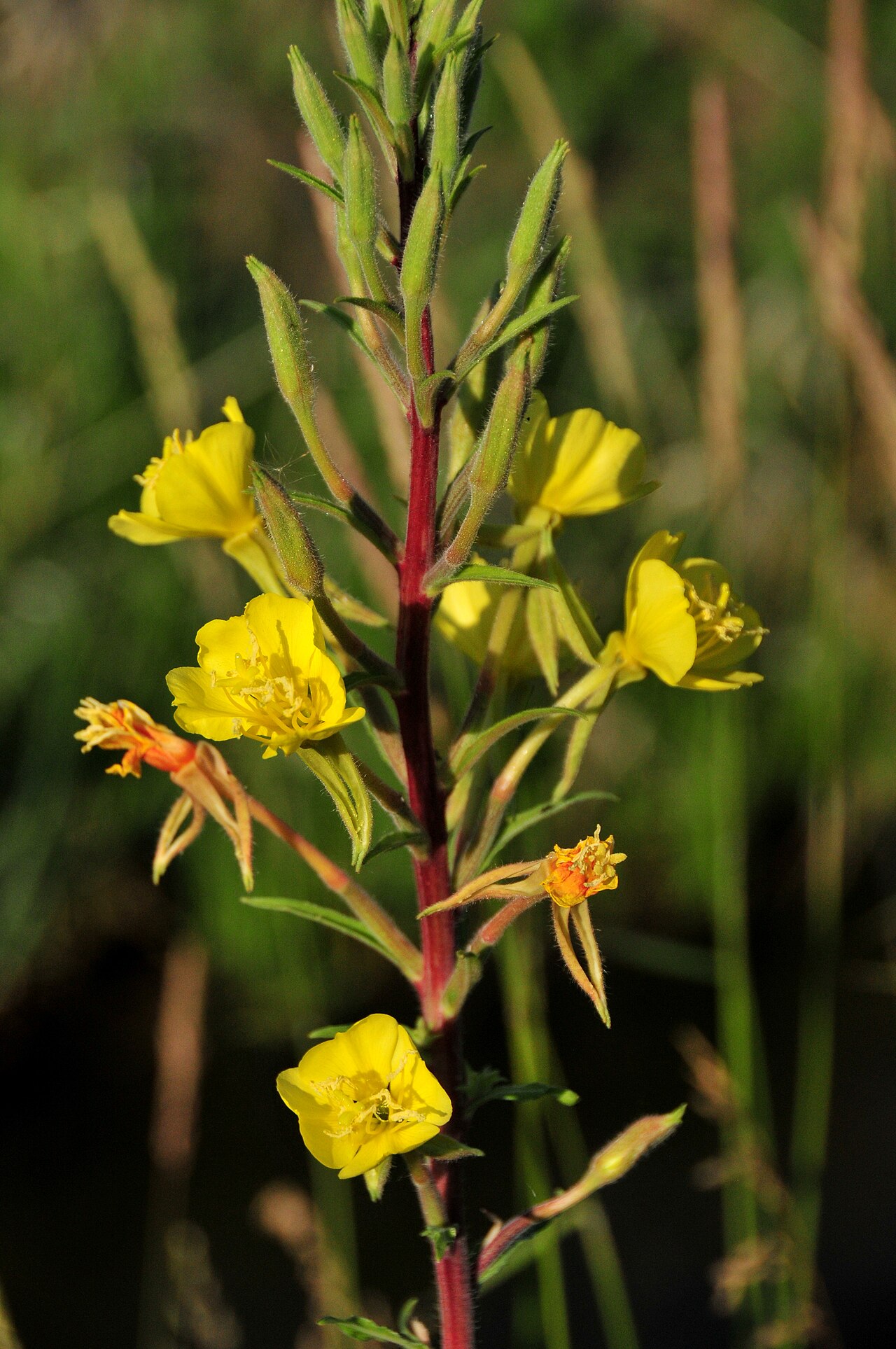
- Summer: enjoy the flowers, which open in the evening. Evening primrose is a strong fit for a pollinator garden aimed at moths and other night visitors.
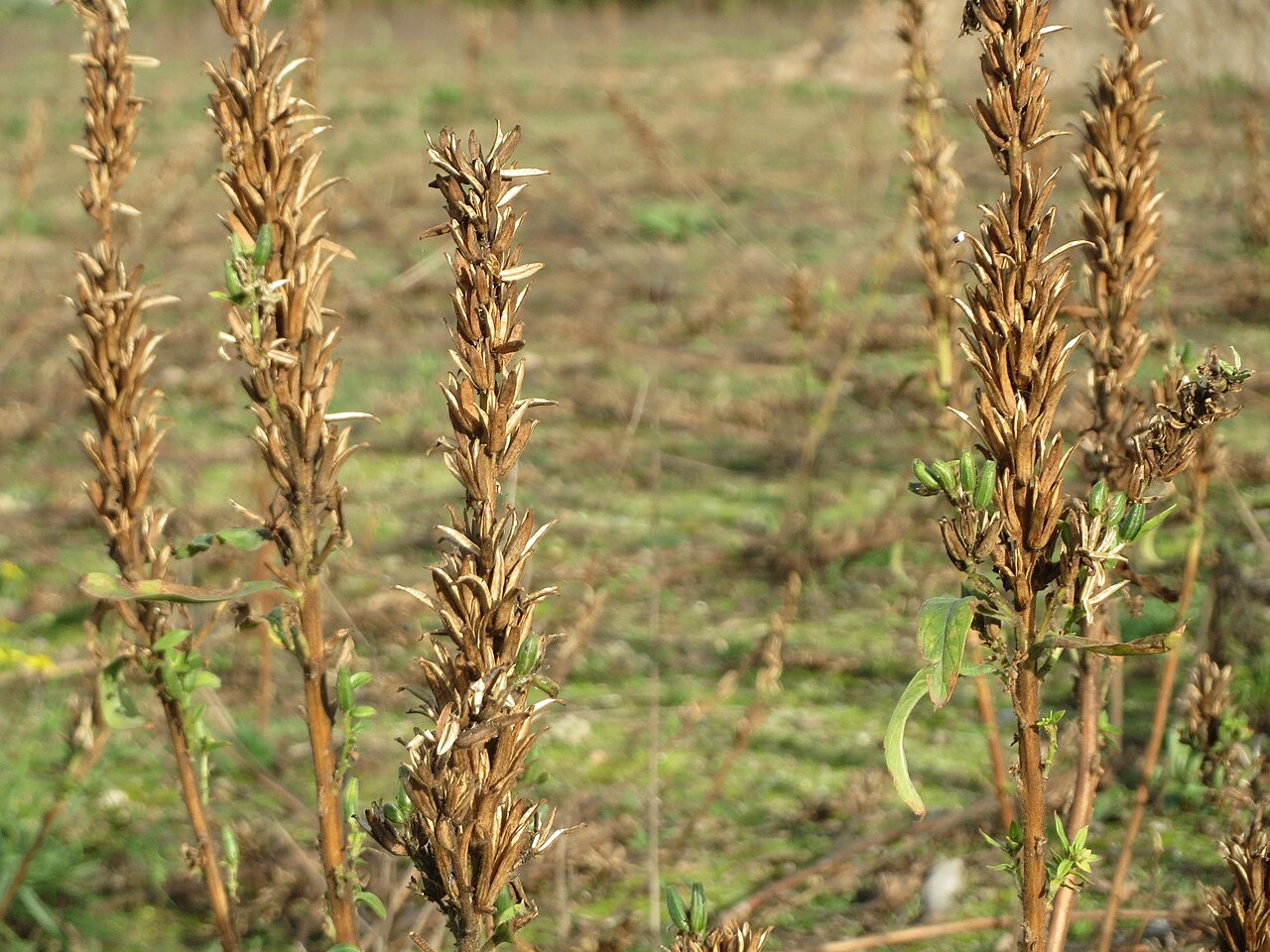
- Late summer to fall: let some capsules ripen. Birds such as American goldfinches eat the seed, so the standing stalks pull double duty in a songbird-friendly yard. New rosettes will appear around the old plant.
If you want to start a new generation on purpose, fall is a good time to scatter seed. Our guide to sowing native seeds in fall explains timing and seed-to-soil contact.
📋 More on this plant: read the full Evening Primrose (Oenothera biennis) profile, or see it in our native plant lists for North Dakota, South Dakota & Western Minnesota and Nebraska, Kansas & Eastern Colorado.
Frequently Asked Questions
Why is my evening primrose only leaves?
It is most likely in its first year. Common evening primrose grows a rosette of leaves the first season, then flowers in its second summer after going through a winter.
Will a first-year evening primrose flower if I fertilize it?
Fertilizer won’t replace the winter cold and long days the plant needs to switch to flowering. A healthy rosette in average or lean soil will bolt on its own schedule.
Does evening primrose come back after it flowers?
The individual plant usually dies after setting seed, though Wikipedia notes it occasionally grows another stem in a third year. The patch persists because seedlings replace the parents.
How big does the rosette need to be before it flowers?
Studies suggest bolting typically needs a rosette at least 3.5 to 5 inches across, but that isn’t a strict rule. Most garden rosettes pass that size well before their first winter.
Can I make evening primrose flower in the first year?
Sometimes. Annual-type plants exist, and early-sown plants in open ground occasionally bloom the first summer. For reliable bloom, plan on two seasons, or keep plants of different ages in the bed.
Sources
- Greiner, S. and Köhl, K. (2014), Growing evening primroses (Oenothera), Frontiers in Plant Science: vernalization and long-day requirements, rosette size at bolting, rosette diameters, competition and soil fertility.
- Steckel, L. E. et al. (2019), Common evening-primrose (Oenothera biennis L.), Weed Technology: summer and fall germination, rosette and stem description, seed dispersal near the parent and persistent winter stalks.
- Illinois Wildflowers, Common Evening Primrose: first-year rosette, second-year flowering and death, cultivation preferences.
- NC State Extension Plant Toolbox, Oenothera biennis: sun and soil preferences, rosette description, self-seeding.
- Lady Bird Johnson Wildflower Center, Oenothera biennis: bloom time, light tolerance and wildlife browsing.
- Minnesota Wildflowers, Common Evening Primrose: life cycle, bloom season and similar species.
- Ohio State University Weed Guide, Common Evening-primrose: rosette leaf features.
- Wikipedia, Oenothera biennis: native range, growing cycle, annual forms and seed-eating birds.