A Part-Sun Native Border: Plan for Morning Shade and Afternoon Heat
Last updated: November 7, 2026
A border that sits in shade until noon and then bakes until sunset is one of the trickiest spots in a yard. It’s usually labeled “part sun,” and that label sends people to the shade-plant table at the nursery.
That’s often a mistake. The hours of sun this border gets fall in the hottest part of the day, so the plants need sun tolerance and some drought tolerance, not a woodland plant’s appetite for cool, moist shade.
This guide shows you how to measure what the border really gets and choose native plants that handle both halves of the day. It also covers how to lay out the bed so the toughest plants take the late-day heat.
Plan at a Glance
| Site | West-facing beds, or beds on the west side of a house, fence, or tree line that shades them until midday |
| Size | The example plan is 6 feet deep by 20 feet long |
| Sun | Shade in the morning, then several hours of direct afternoon sun |
| Soil | Average garden soil that dries quickly in summer |
| Maintenance | Moderate in year one (watering), low after establishment |
| Best regions | Eastern and central U.S. for the plants listed, with regional swaps noted |
Why Afternoon Sun Is Different
University of Minnesota Extension puts it plainly: morning sun is less intense and gives full-sun conditions without extreme heat, while afternoon sun is stronger and temperatures are warmer.
So a bed with four hours of morning sun and a bed with four hours of afternoon sun are not the same “part sun.” The afternoon bed gets its light when air temperatures peak and soil is already drying.
Minnesota’s own plant table shows how much this matters. It lists Culver’s root as full sun to part shade, but “best in afternoon shade.” That’s the opposite of what this border offers. Choose plants that don’t carry that kind of note.
Site Assessment: Measure the Light You Have
Count the hours
On a clear day in early summer, check the border every hour from morning until the sun drops behind trees or buildings. Note when direct sun first reaches each section and when it leaves.
Light categories vary by source. NC State Extension’s plant database calls 6 or more hours of direct sun “full sun” and 2 to 6 hours “partial shade.” Minnesota defines part shade as about 3 to 6 hours.
If your border gets six or more hours, even if it’s all afternoon, treat it as a full-sun bed that happens to have a cool morning. If it gets three to five hours, you’re in true part sun, and plants listed for both sun and part shade are the safest bet.
For a fuller method, including how shadows change with the seasons, see the sun-mapping steps in our guide to a native garden beside a fence.
Take the temperature
Minnesota Extension also suggests putting a thermometer in different parts of the landscape and watching how temperatures change as the sun moves. Try it in late afternoon on a hot day.
A bed backed by a west-facing brick wall or beside pavement can run much hotter than an open lawn. If yours is next to a driveway, our plan for native plants beside a hot driveway covers reflected heat in more detail.
Check the soil moisture
Dig down a few inches two days after rain. Afternoon sun dries the surface fast, and beds under house eaves or near trees may also miss rain.
If the soil is dry and full of tree roots, this is closer to dry shade than part sun. Our guide to a dry-shade native border under established trees is the better starting point there.
Plant Selection: Three Rules
Rule 1: Start with “sun to part shade” plants
The best candidates are listed for both full sun and part shade, and for soil that is occasionally dry. They get enough light in a few afternoon hours and don’t wilt when the heat arrives.
Purple coneflower fits that profile in both NC State and Wildflower Center listings. So do foxglove beardtongue and brown-eyed Susan.
Rule 2: Be careful with true shade plants
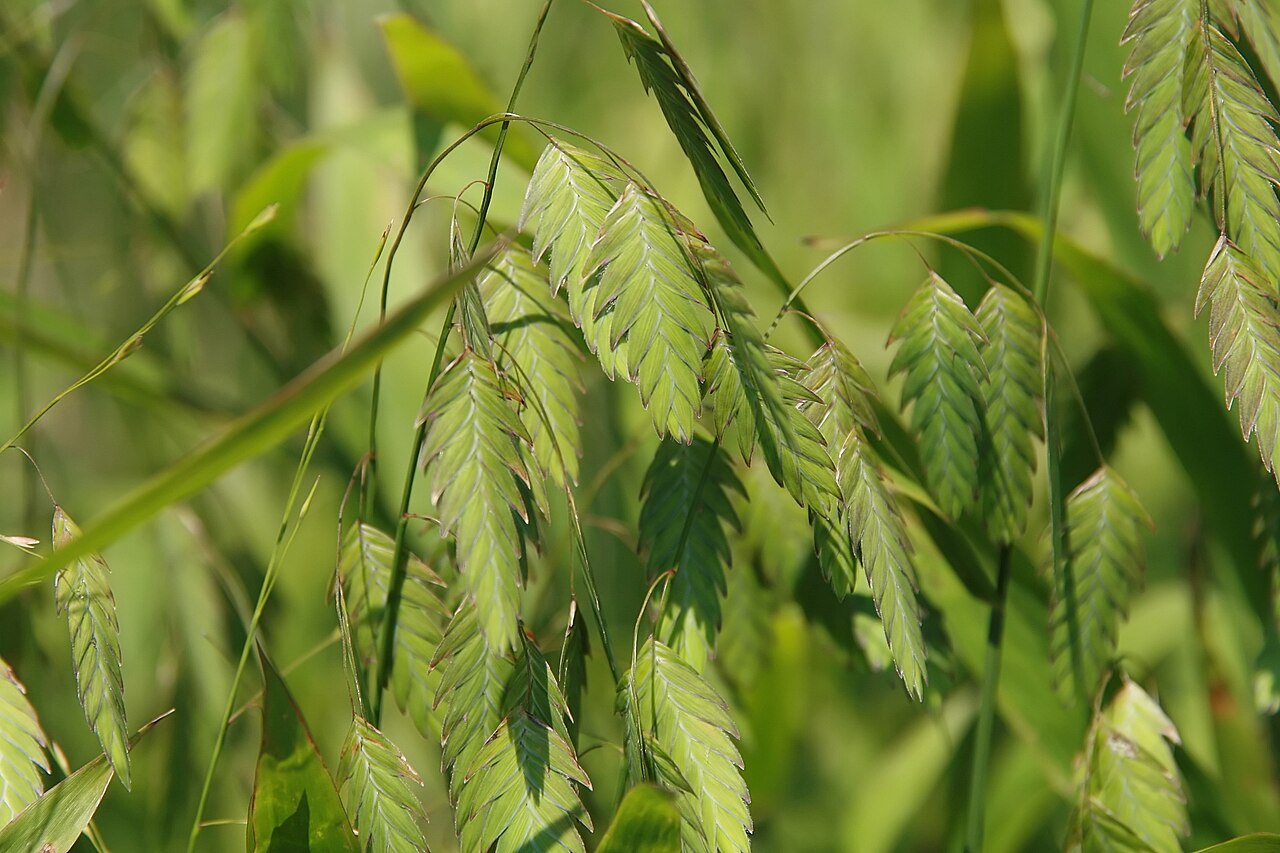
Woodland plants that thrive in cool morning light can struggle when the sun hits at 3 p.m. The Wildflower Center warns that inland sea oats turns yellowish in continuous full sun without enough shade, though more water makes it more tolerant.
Minnesota’s shade list makes a similar point about ferns, noting that fronds scorch and dry up when soil goes dry. If you love a shade plant, give it the coolest pocket of the border, usually right behind a shrub.
Rule 3: Match moisture, too
A part-sun plant that needs steady moisture will struggle in a fast-drying west-facing bed unless you irrigate. Blue star is described by the Wildflower Center from wet to moist sandy sites, though NC State lists it for occasionally dry soil as well.
Plants that spread in moist soil can be useful here. The Wildflower Center notes that mountain mint can be aggressive but is less so in drier soil. Blue mistflower spreads quickly and can become a pest, so use it only where you want a groundcover.
Design and Layout
Layers
Put shrubs and the tallest perennials at the back, where they’re often against the wall or fence that casts the morning shade. Use mid-height perennials in the middle and lower plants along the front edge.
Shrubs do double duty. A shrub on the sunniest end of the border casts a late-day shadow that can protect a shade-leaning plant planted just east of it.
Repetition
Choose three or four core plants and repeat them in groups along the 20-foot length. A row of single plants reads as a collection. Drifts of three to five read as a border.
Access
Leave a narrow gap or stepping-stone path behind the back layer if the wall, fence, or downspout needs maintenance. It also makes it easier to cut back perennials in late winter.
Plant Palette
Light and size from NC State Extension’s plant database; ranges from the Lady Bird Johnson Wildflower Center. Confirm each plant is native to your area.
| Plant | Role | Height | Sun / moisture | Native range (summary) |
|---|---|---|---|---|
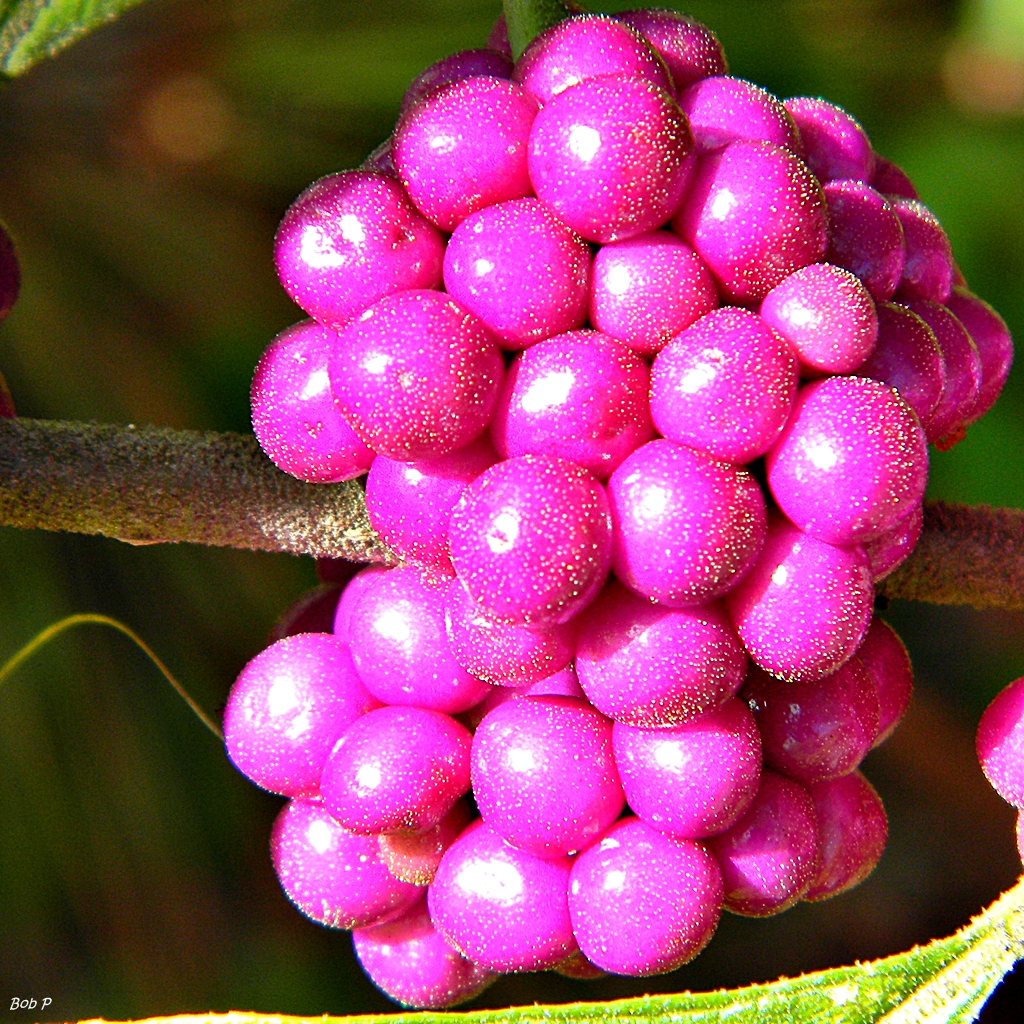
| American beautyberry | Back shrub, fall fruit | 3–8 ft | Sun–part shade; moist to occasionally dry | Virginia to Arkansas, south to Florida and east Texas |
| Coralberry | Low shrub, winter fruit | 2–4 ft | Sun–part shade; occasionally dry | New York to Texas, west to South Dakota and Colorado |
| Gray dogwood (Cornus racemosa) | Northern back shrub | 10–27 ft | Sun to shade; adaptable | Maine to Manitoba, south to SC and Arkansas |
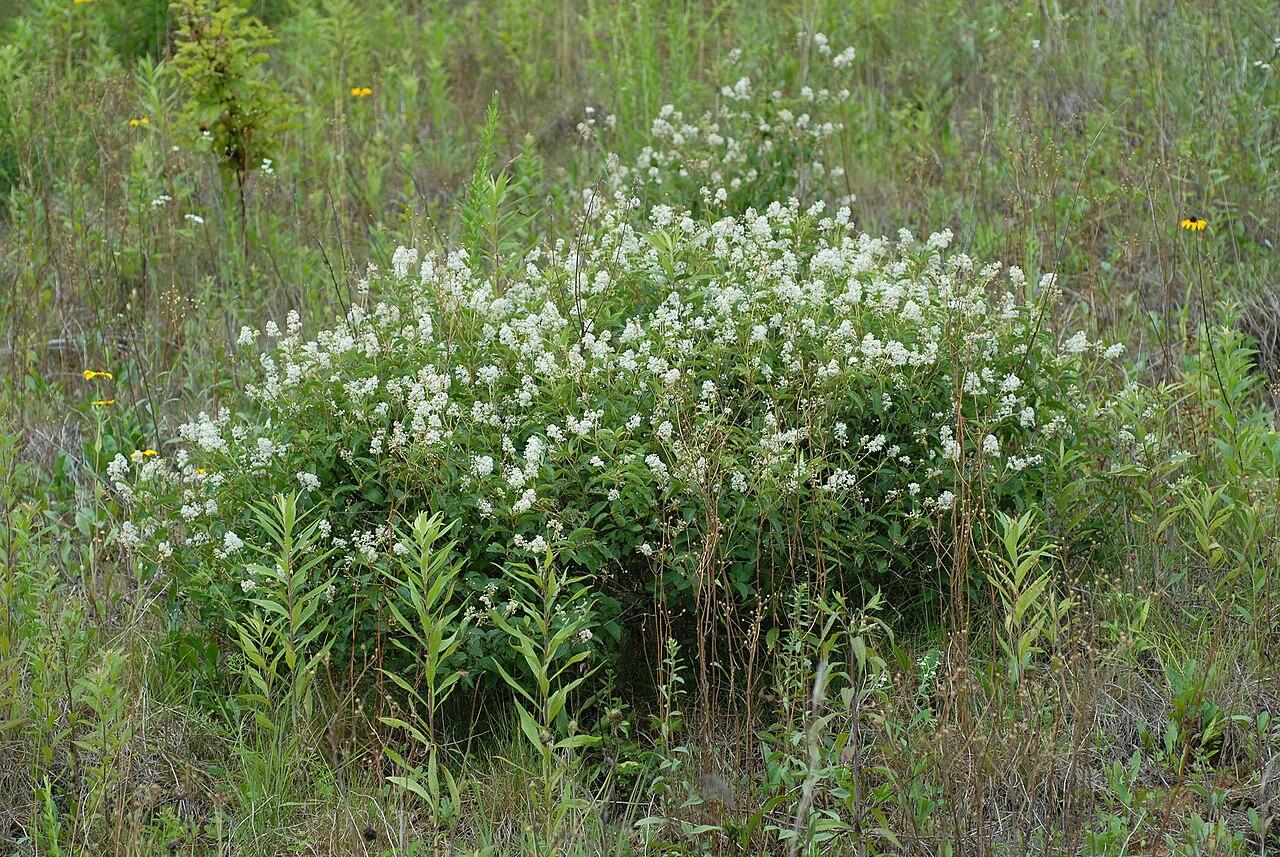
| New Jersey tea | Small shrub, spring–summer flowers | 2–3 ft | Sun–part shade (LBJ); dry to moist | Quebec to Florida, west to MN, NE, KS, TX |
| Purple coneflower | Summer bloom | 3–4 ft | Sun–part shade; occasionally dry | Georgia to NE Texas, north to NC, OH, IL, IA |
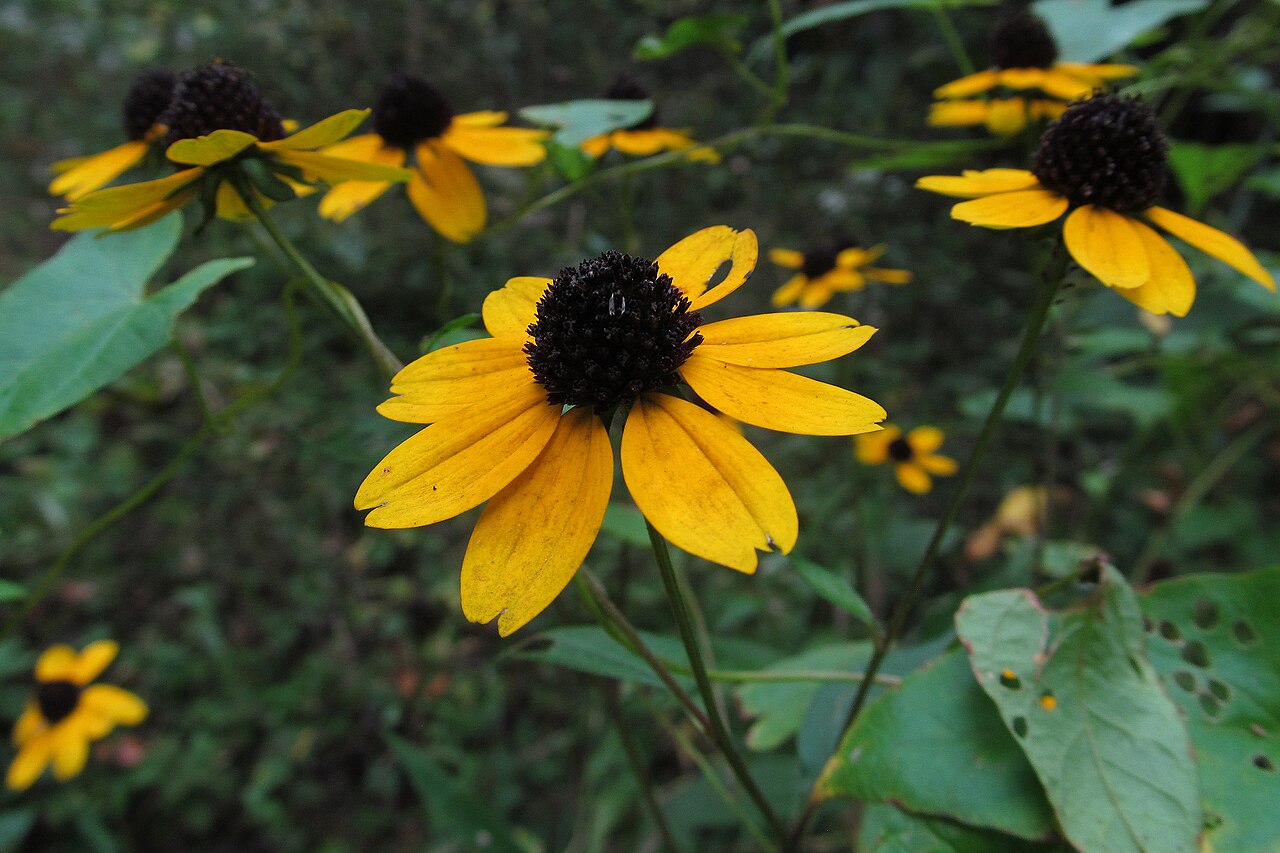
| Brown-eyed Susan | Summer–fall bloom | 3–5 ft | Sun–part shade; drought-tolerant | New York to Georgia, west to MN, IA, NE, OK |
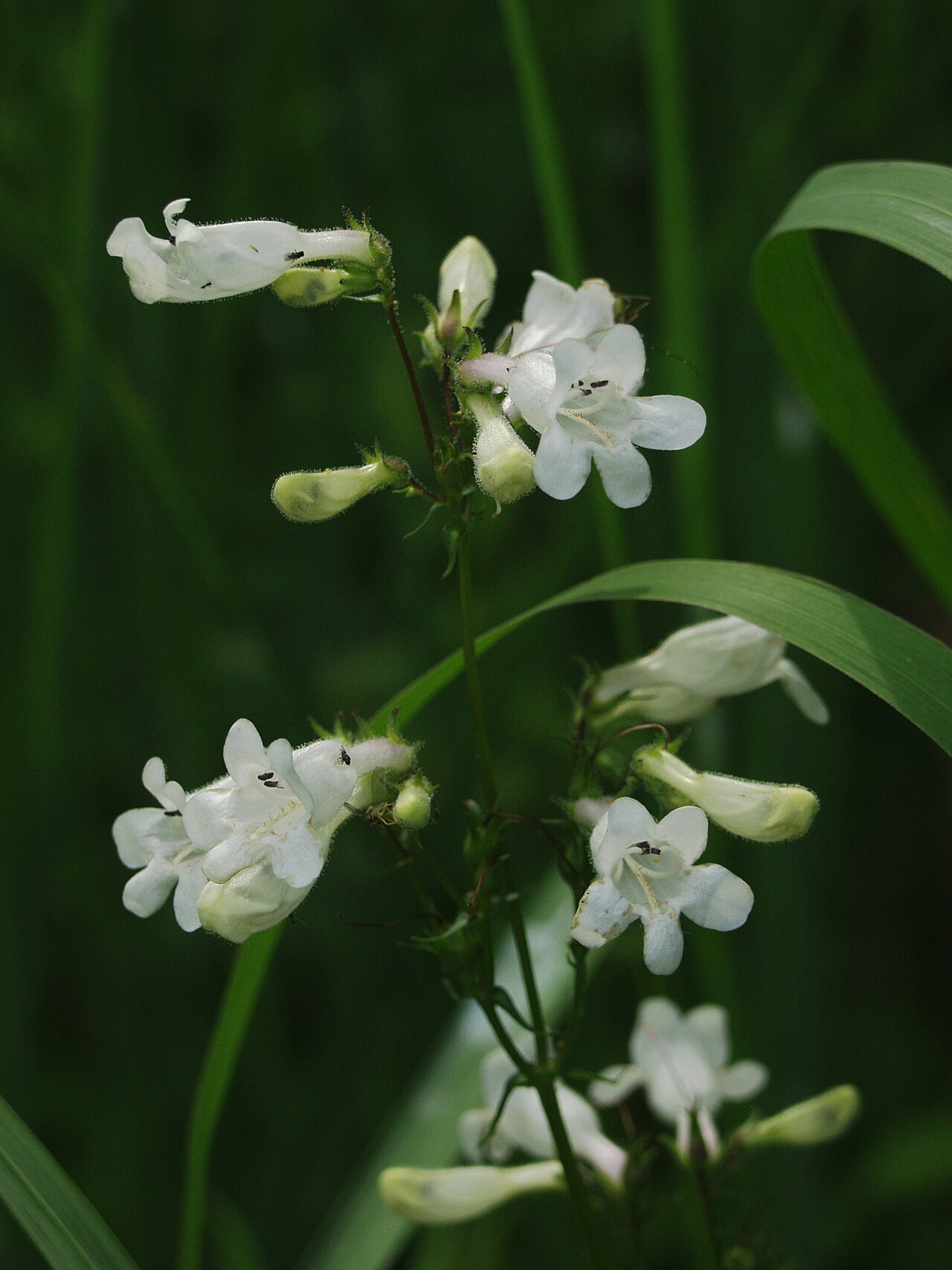
| Foxglove beardtongue | Late spring–summer bloom | 2–4 ft | Sun–part shade; dry to moist | Maine to SD, south to VA, AL, east Texas |
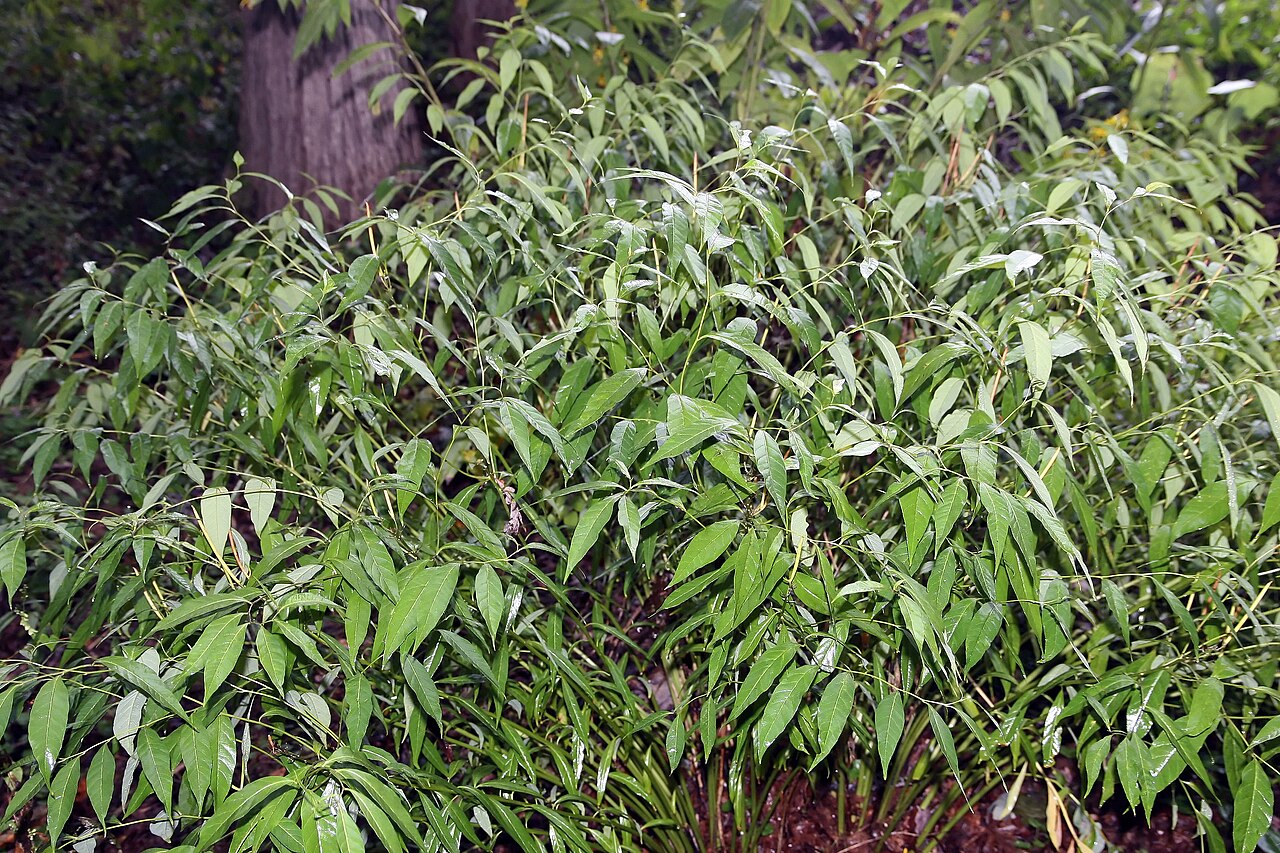
| Blue star | Spring bloom, yellow fall color | 2–3 ft | Sun–part shade; moist, occasionally dry | Maryland to southern Illinois, south to FL and TX |
| Mountain mint (Pycnanthemum virginianum) | Pollinator filler | 2–3 ft | Sun–part shade; moist | Maine to North Dakota, south to GA and OK |
| Inland sea oats | Shaded pocket only | 2–5 ft | Part shade–shade; moist | Pennsylvania to north Florida, west to IL, KS, TX |
Regional swaps
- Northeast and upper Midwest: American beautyberry isn’t native here. Use gray dogwood or coralberry for the shrub layer and foxglove beardtongue, brown-eyed Susan, and mountain mint in front.
- Southeast: Beautyberry is the natural anchor. See what to plant with American beautyberry in a part-shade border for a shadier version of this bed.
- Plains and West: Few of these plants are native west of the Plains. Start from a regional list or your state native plant society, and apply the same rule: sun-to-part-shade plants that handle dry spells.
Sample Plan: 6 × 20-Foot Border
Quantities assume plants spaced near their mature width. Adjust for your plant sizes.
| Layer | Plants | Spacing guide |
|---|---|---|
| Back | 3 American beautyberry (or 2 gray dogwood in the North) | 5–6 ft apart |
| Middle | 5 purple coneflower, 5 brown-eyed Susan, 3 blue star | 18–30 in, groups of 3–5 |
| Front | 5 foxglove beardtongue, 3 coralberry or New Jersey tea | 18–24 in for perennials; shrubs 3–4 ft |
| Shaded pocket | 3 inland sea oats behind a shrub | 18–24 in |
Installation Steps
- Plant in fall or early spring when temperatures are mild, so roots grow before the first summer heat.
- Mark the sun map on the ground with flags, noting the sunniest and most sheltered sections.
- Clear turf and weeds and loosen compacted soil. Add compost only if the soil is very poor.
- Place shrubs first at their mature spacing, then fill in perennials around them.
- Plant the toughest, most sun-tolerant species at the sunniest end and along the front.
- Mulch 2 to 3 inches deep to slow soil drying, keeping it off stems and crowns.
- Water deeply right after planting and through the first summer, preferably in the morning.
First-Three-Years Maintenance Calendar
Year one
- Spring and summer: Water deeply whenever the top few inches of soil dry out. Afternoon sun dries the bed faster than you expect.
- Late summer: Note any scorched or yellowing plants and plan to move them to the shadier end in fall.
- Fall: Replace losses and top up mulch.
Year two
- Late winter: Cut back perennial stems before new growth, or leave some for overwintering insects until spring.
- Summer: Water only during long dry spells.
- Fall: Divide crowded perennials and fill gaps.
Year three
- Spring: Shape shrubs only as needed. Remove dead wood and a few of the oldest stems.
- Summer: Pull out spreaders like mountain mint where they crowd smaller plants.
- Ongoing: Watch for new shade from growing trees and adjust plant choices over time.
Mistakes to Avoid
- Treating “part sun” as “part shade.” Afternoon sun is hotter, so shade-loving plants may scorch.
- Counting hours once. Light changes through the seasons, and a nearby tree can add shade as it grows.
- Skipping first-summer water. Even drought-tolerant natives need regular water while roots establish.
- Planting a hedge of single plants. Group plants in threes and fives so the border reads as a whole.
- Ignoring native range. A plant that’s native in Georgia may not be native in Minnesota, so check before buying.
📋 Find plants confirmed for your area in our regional lists, such as the native plant list for Georgia, Alabama and Mississippi, the list for Arkansas, Louisiana, eastern Oklahoma and eastern Texas, and the list for Ohio and Indiana.
Frequently Asked Questions
Is morning shade and afternoon sun considered part sun?
Usually, if the bed gets about 3 to 6 hours of direct sun. If it gets 6 or more afternoon hours, treat it as a full-sun bed.
Can I use shade plants in a west-facing border?
Only in the most sheltered spots. Plants that prefer shade, like inland sea oats, can yellow or scorch in strong afternoon sun.
What native shrubs handle afternoon sun?
In the Southeast, American beautyberry. Farther north, gray dogwood and coralberry. All three are listed for sun to part shade.
How often should I water a part-sun border?
Water deeply through the first summer, especially in hot, dry spells. After plants establish, most in this palette need water only during long droughts.
Will my plants bloom less with only afternoon sun?
Plants listed for sun to part shade usually bloom well with several hours of direct sun. If a plant flops or blooms poorly, move it to the sunniest end of the bed.
Sources
- University of Minnesota Extension: Gardening in the shade
- NC State Extension Plant Toolbox: Callicarpa americana (also Symphoricarpos orbiculatus, Cornus racemosa, Ceanothus americanus, Echinacea purpurea, Rudbeckia triloba, Penstemon digitalis, Amsonia tabernaemontana, Pycnanthemum virginianum, Chasmanthium latifolium)
- Lady Bird Johnson Wildflower Center: Rudbeckia triloba
- Lady Bird Johnson Wildflower Center: Ceanothus americanus
- Lady Bird Johnson Wildflower Center: Chasmanthium latifolium
- Lady Bird Johnson Wildflower Center: Penstemon digitalis
- Lady Bird Johnson Wildflower Center: Amsonia tabernaemontana
- Lady Bird Johnson Wildflower Center: Pycnanthemum virginianum
- Lady Bird Johnson Wildflower Center: Conoclinium coelestinum
- Lady Bird Johnson Wildflower Center: Callicarpa americana
- Lady Bird Johnson Wildflower Center: Symphoricarpos orbiculatus
- Lady Bird Johnson Wildflower Center: Cornus racemosa
- Lady Bird Johnson Wildflower Center: Echinacea purpurea