A California Native Shrub Border: Group Plants by Summer-Water Needs
Last updated: November 7, 2026
A California native shrub border usually fails for one reason: plants with very different water needs end up on the same drip line. The manzanita gets watered like the spicebush, or the spicebush goes as dry as the manzanita, and one of them suffers.
UC Master Gardeners of Placer County call the fix hydrozoning, which means grouping plants by their summer water needs. Their own yard has separate areas for plants watered weekly, every 10 to 14 days, every 3 to 4 weeks, and not at all.
This plan builds a shrub border the same way. Every shrub below is native to California according to Calflora, and each is placed in a zone using the California Native Plant Society’s Calscape summer-irrigation guidance.
Plan at a Glance
| Site | A sunny to partly shaded border along a fence, property line or patio edge |
| Garden size | A border 6 to 15 feet deep; long enough for two or more zones |
| Sun | Full sun for the dry zone; part shade suits several moderate and regular-water shrubs |
| Soil | Well-drained for dry-zone shrubs; most moderate-zone shrubs tolerate ordinary garden soil |
| Maintenance | Extra water for the first few years, then zone-based summer watering |
| Best regions | California; confirm each shrub’s range near your address before buying |
Why Summer Water Is the Organizing Rule
UC Master Gardeners of Placer County point out that not all California natives are drought tolerant. The state’s natives come from deserts, cool, moist coasts, high mountains and streambanks, and their needs reflect those places.
The Theodore Payne Foundation adds that most California natives are adapted to wet winters and dry summers, but riparian (streamside) plants tolerate year-round moisture. It warns that some plants, including manzanita, ceanothus and flannelbush, are especially sensitive to summer watering.
Put those two groups on one irrigation valve and you’re forced to overwater one or underwater the other. Separate zones solve the problem before planting.
Step 1: Map Your Site and Water Source
Walk the border and note sun, shade, drainage and where water is easy to deliver. Plants that need the most water belong closest to the hose bib, patio or existing irrigation, and the driest zone belongs farthest out.
Check drainage before choosing dry-zone shrubs. UC Master Gardeners note that manzanitas need excellent drainage and ceanothus need well-drained soil. On heavy clay, the Theodore Payne Foundation notes that water lingers and it’s easy to overwater, so first-summer watering may be only every 2 to 4 weeks.
Then confirm each shrub is native near you. Calscape maps an estimated range for each plant from herbarium and observation records, so you can check whether your area falls within it. California’s natives vary as much as its climates do.
Step 2: Divide the Border Into Four Water Zones
The zones below follow the UC Master Gardeners’ four watering groups. Each shrub’s placement comes from the maximum summer irrigation Calscape recommends once it’s established.
Water Zone Guide
Summer watering frequencies apply to established plants. All shrubs need more water during their first few years.
| Zone | Summer Water Once Established | Where It Goes | Example Shrubs |
|---|---|---|---|
| Zone 1: Dry | None, or no more than about once a month | Farthest from the house; sunny, well-drained ground | Flannelbush, black sage, California buckwheat, manzanitas |
| Zone 2: Occasional | Every 3–4 weeks; some tolerate up to twice a month | Middle of the border | Toyon, coffeeberry |
| Zone 3: Moderate | Every 10–14 days | Nearer paths and seating | Red flowering currant, bush anemone, wild mock orange |
| Zone 4: Regular | About once a week | Next to the patio or water source; low spots | Western spicebush, creek dogwood |
Zone 1: The Dry Zone
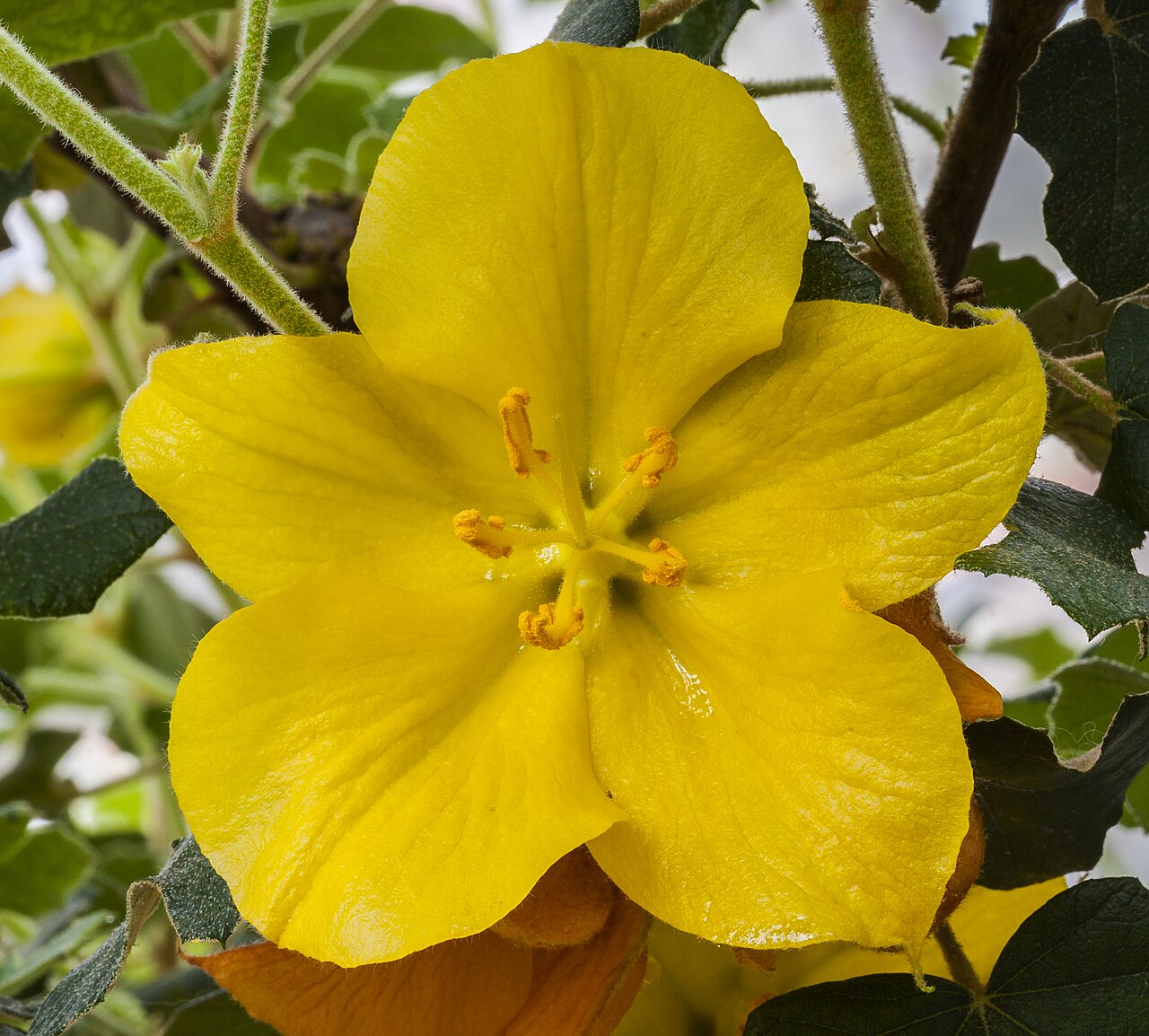
Flannelbush is the most water-sensitive shrub in this plan. Calscape lists it as never irrigated once established, and the Theodore Payne Foundation warns that it dislikes any summer water. UC Master Gardeners add that it grows fast and can reach 20 feet, has shallow roots and may need staking in windy spots.
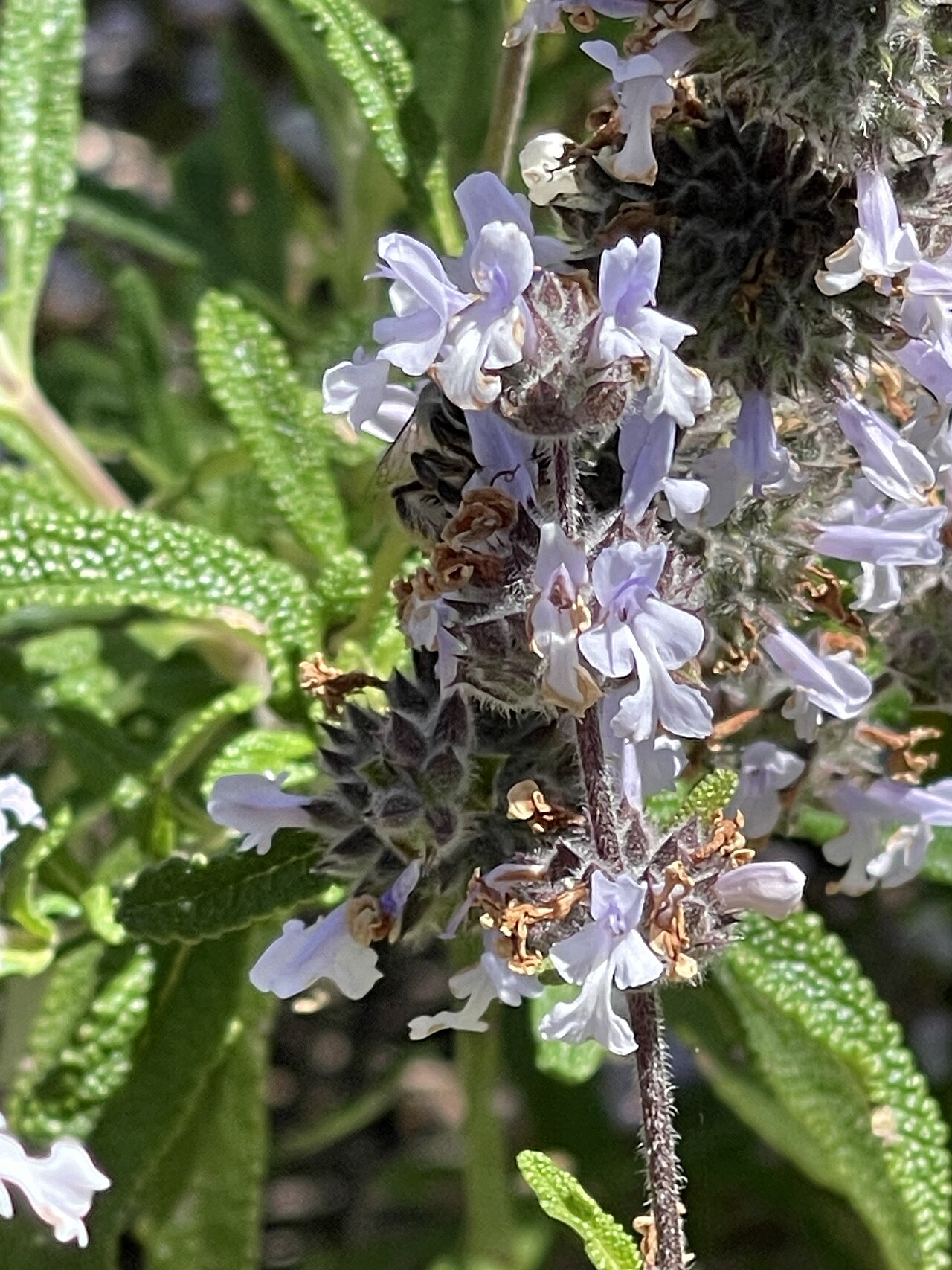
Black sage grows 3 to 6 feet tall with whorls of pale lavender flowers. Calscape lists its water needs as extremely low to very low, with no more than one summer watering a month. Calflora places it in coastal sage scrub and chaparral.
California buckwheat is another very-low-water shrub, 1 to 7 feet tall depending on form. Calflora records it in coastal sage scrub, sagebrush scrub, creosote bush scrub and pinyon-juniper woodland, so it suits both coastal and inland gardens.
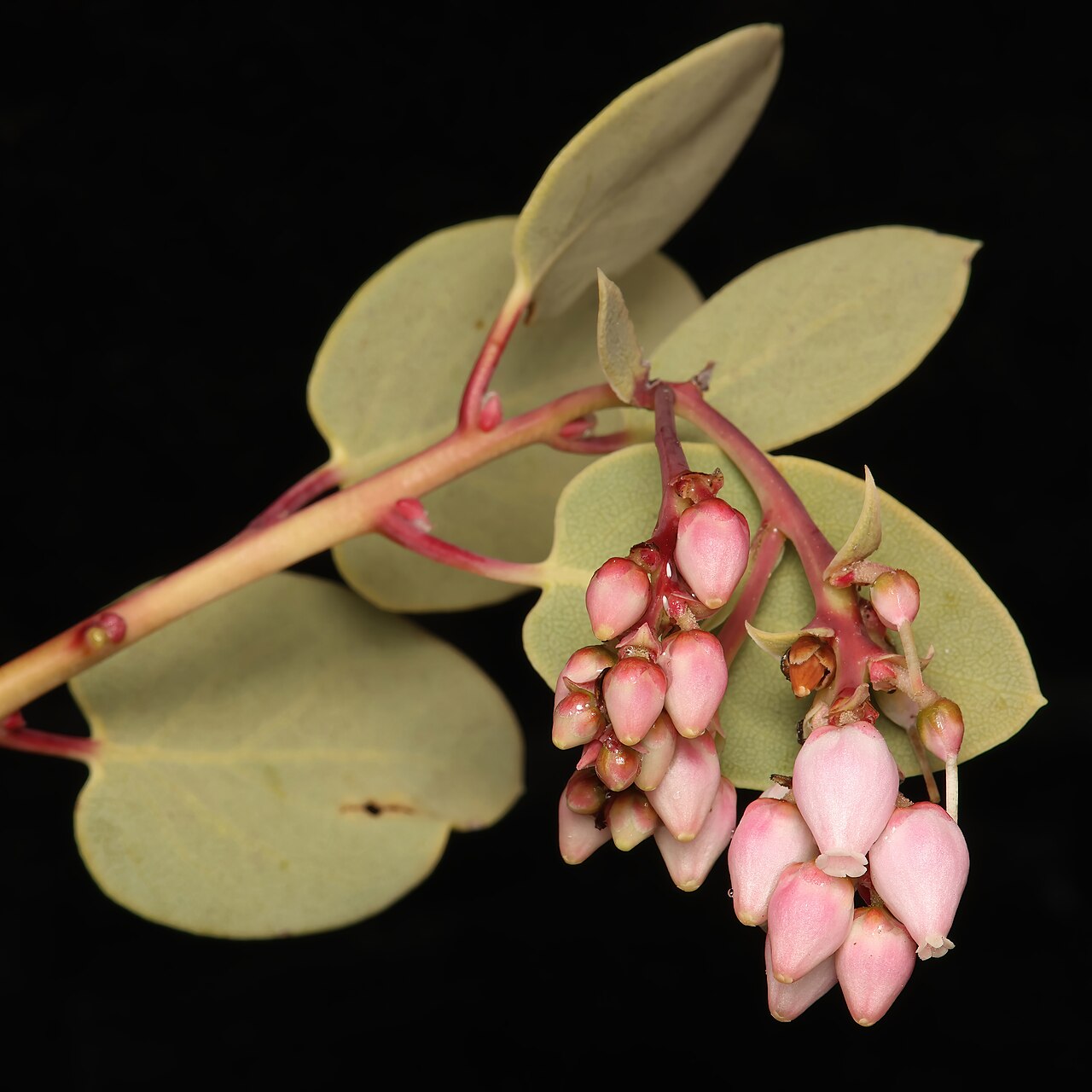
Manzanitas belong here too. Bigberry manzanita (chaparral and Joshua tree woodland, per Calflora) and common manzanita (foothill woodland and chaparral, endemic to California) both rate no more than one summer watering a month on Calscape. UC Master Gardeners say established manzanitas in the Placer foothills need water about once a month.
Ceanothus also fits the dry zone. UC Master Gardeners note that most prefer no summer water once established, and that summer water may shorten their lives even in varieties that tolerate it.
Zone 2: The Occasional-Water Zone
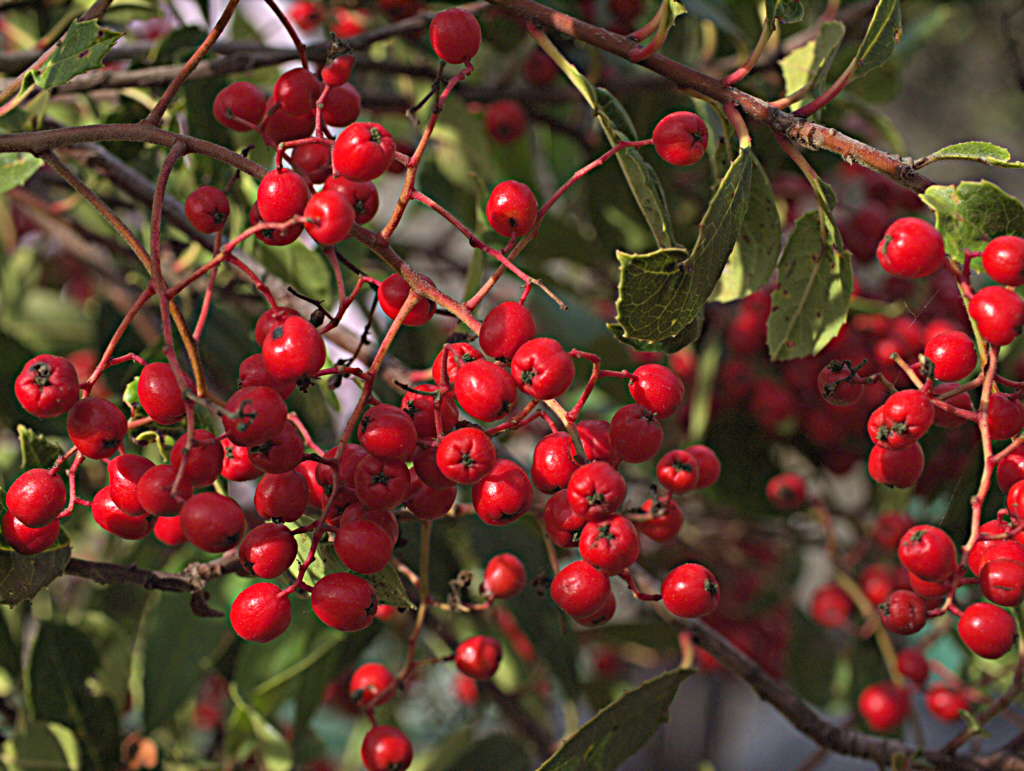
Toyon is a large evergreen shrub, 6 to 30 feet tall, with red winter berries. Calscape rates its water needs very low to low, with summer irrigation no more than twice a month, or none at all once established. It grows naturally along creeksides, slope bottoms, north-facing slopes and canyons, according to Calscape.
Coffeeberry grows 6 to 15 feet and, like toyon, takes up to two summer waterings a month. UC Master Gardeners note it adapts to sites that change from sun to shade, and that its fruit can stain patios and paths, so keep it back from paving.
Western redbud works as a bridge plant between zones. Calscape lists its water needs from very low to moderate, and UC Master Gardeners say it needs good drainage and little to occasional summer water. Place it where Zone 2 meets Zone 3, and expect it to grow 10 to 20 feet tall.
Zone 3: The Moderate-Water Zone
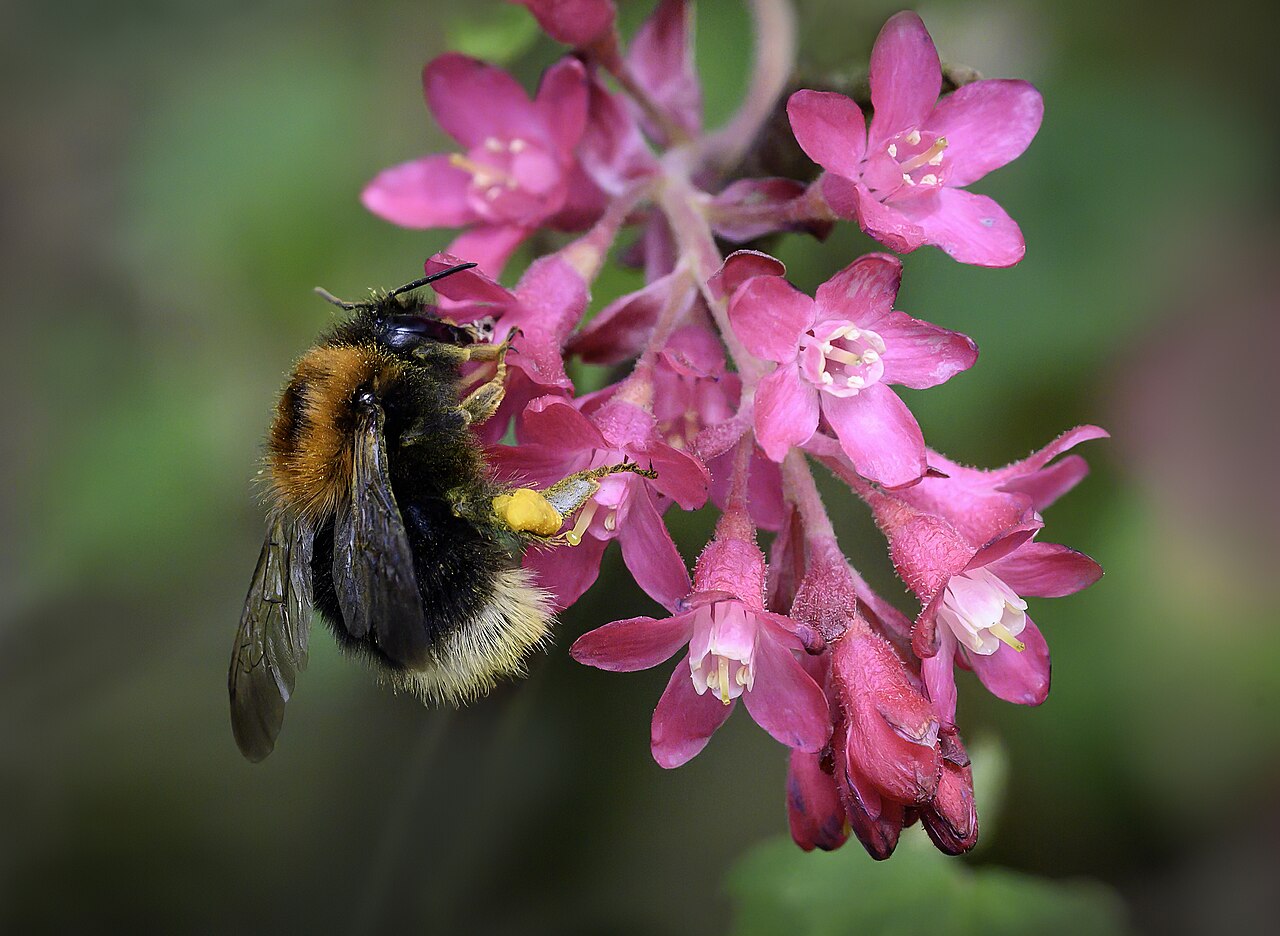
Red flowering currant grows 6 to 13 feet with pink spring flowers. UC Master Gardeners in Placer County say it needs part shade there and, while quite drought tolerant, looks better with occasional water. Calscape allows up to three summer waterings a month.
Bush anemone is an evergreen with fragrant white spring flowers, 6 to 10 feet tall. UC Master Gardeners give it little to moderate water and part shade in hotter, lower-elevation gardens. Calflora lists it as endemic to California, and it’s on the CNPS Rare Plant Inventory (list 1B.2), so buy nursery-grown stock rather than collecting from the wild.
Wild mock orange is deciduous, 5 to 12 feet tall, with citrus-scented white flowers in spring. UC Master Gardeners give it moderate water, and Calscape allows up to three summer waterings a month.
Zone 4: The Regular-Water Zone
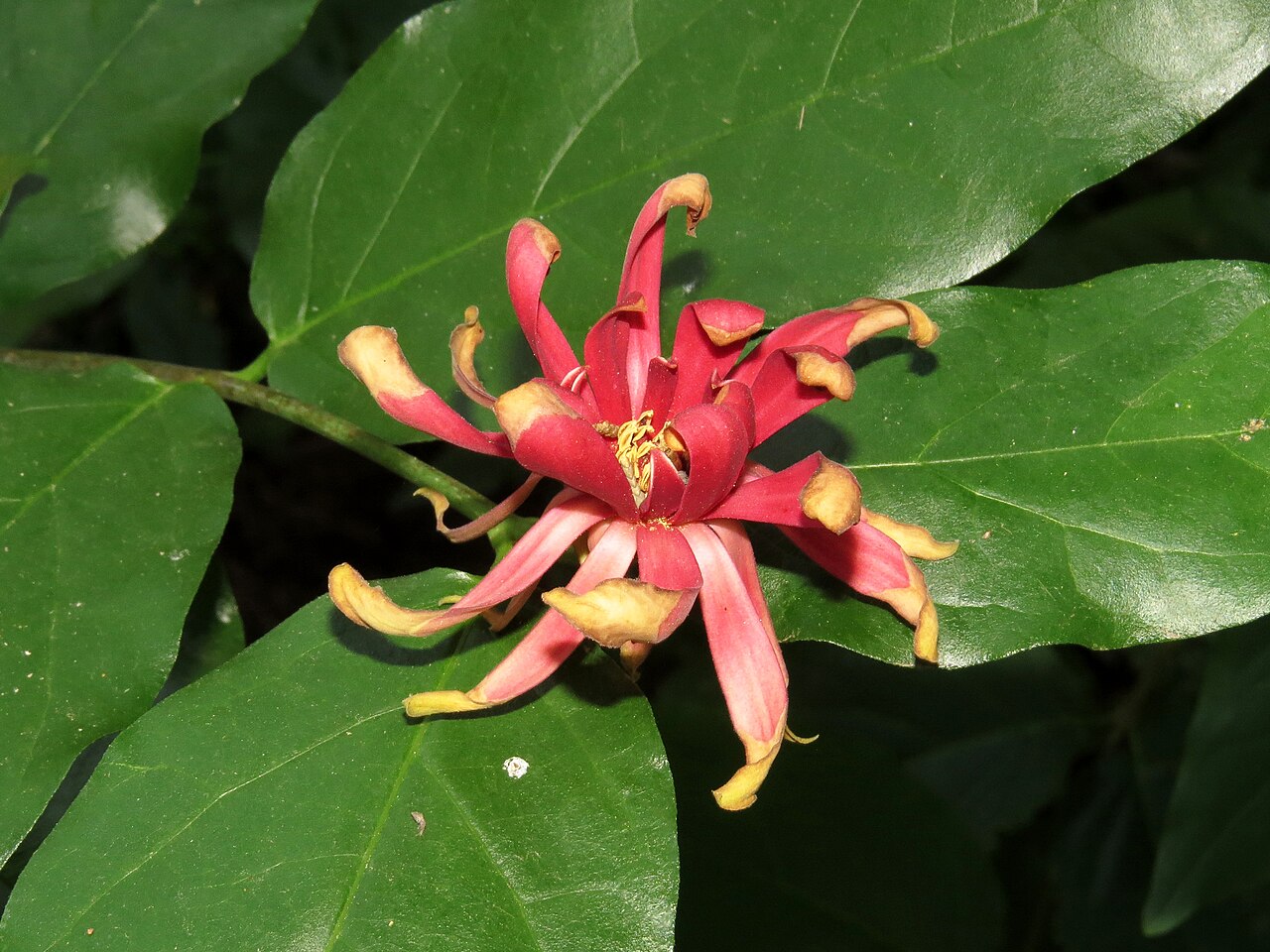
Western spicebush is native along foothill streams, according to UC Master Gardeners, and needs regular water. It’s deciduous, with fragrant maroon flowers and leaves, and Calscape allows summer watering up to once a week. Calflora lists it as endemic to California.
Creek dogwood (also called red-osier dogwood) is a wetland-riparian shrub, 4 to 13 feet tall. Calscape rates its water needs as high, with up to one summer watering a week, and notes it grows naturally in damp soils such as wetlands. Use it in the lowest, wettest corner or next to the patio.
Plant Palette
Native status and plant communities from Calflora; heights and summer irrigation from Calscape (California Native Plant Society).
| Plant | Zone and Role | Height | Sun / Max Summer Water | Native Habitat (Calflora) |
|---|---|---|---|---|
| Flannelbush | Zone 1; spring color | 6–20 ft | Full sun / none | Yellow pine forest, chaparral, pinyon-juniper |
| Black sage | Zone 1; fragrant filler | 3–6 ft | Full sun / 1x a month | Coastal sage scrub, chaparral |
| California buckwheat | Zone 1; low filler | 1–7 ft | Full sun / 1x a month | Coastal sage scrub, sagebrush and creosote scrub |
| Bigberry manzanita | Zone 1; evergreen structure | 3–20 ft | Full sun / 1x a month | Chaparral, Joshua tree woodland |
| Common manzanita | Zone 1; evergreen structure | 6–20 ft | Sun to part shade / 1x a month | Yellow pine, oak woodland, chaparral |
| Toyon | Zone 2; berries, screening | 6–30 ft | Sun to part shade / 2x a month | Chaparral |
| Coffeeberry | Zone 2; evergreen hedge | 6–15 ft | Sun to part shade / 2x a month | Coastal scrub to forests; many habitats statewide |
| Western redbud | Zones 2–3; bridge plant | 10–20 ft | Sun to part shade / up to 1x a week | Foothill woodland, chaparral |
| Red flowering currant | Zone 3; early spring flowers | 6–13 ft | Part shade inland / 3x a month | Forests, foothill woodland, chaparral |
| Bush anemone | Zone 3; evergreen, white flowers | 6–10 ft | Sun to part shade / 3x a month | Foothill woodland, chaparral |
| Wild mock orange | Zone 3; fragrant flowers | 5–12 ft | Sun to part shade / 3x a month | Yellow pine and mixed evergreen forest, foothill woodland |
| Western spicebush | Zone 4; streamside shrub | 3–13 ft | Sun to part shade / 1x a week | Streambanks; yellow pine forest, foothill woodland |
| Creek dogwood | Zone 4; wet corner | 4–13 ft | Sun to shade / 1x a week | Wetland-riparian |
Spacing and Layout
How to Lay Out the Zones
- Put each zone on its own irrigation valve or drip line. Mixing zones on one line defeats the purpose.
- Arrange zones in bands or blocks from wettest near the house to driest at the far edge.
- Space shrubs by mature width, not container size. Most shrubs in this palette eventually spread several feet or more.
- Use western redbud or a low groundcover to soften the line where two zones meet.
- Keep coffeeberry and toyon back from paths and patios, since their fruit drops.
How to Install the Border
- Plant in fall or winter if you can. The Theodore Payne Foundation recommends waiting until fall or winter to plant manzanita, ceanothus and flannelbush, which are hard to establish in summer, especially inland.
- Set up separate irrigation zones before planting, matching the four groups above.
- Keep soil and mulch away from the crown. The Theodore Payne Foundation notes the crown is particularly sensitive to long periods of moisture.
- Mulch the rest of the bed. UC Master Gardeners note mulch conserves moisture, moderates soil temperature and suppresses weeds.
- Water deeply and infrequently. The Theodore Payne Foundation advises watering only when the root ball is dry 3 to 4 inches down, then soaking it and the surrounding soil.
The First Three Years
Maintenance Calendar
- Year 1: Water all zones more often while roots establish. UC Master Gardeners note that every California native needs extra water for the first few years, regardless of its eventual needs.
- Year 1, summer: Check the original root ball, which can dry faster than the surrounding soil. Water early in the morning and avoid watering on extremely hot days, as the Theodore Payne Foundation advises.
- Year 2: Begin tapering each zone toward its long-term schedule, starting with the dry zone.
- Year 2–3, winter: In dry winters, give plants supplemental water. The Theodore Payne Foundation notes this helps fortify them for the year.
- Year 3 and beyond: Water each zone only as its plants need. Stop summer watering in the dry zone entirely for flannelbush and most ceanothus.
Mistakes to Avoid
- Assuming every native is drought tolerant. Western spicebush and creek dogwood need regular water.
- Watering flannelbush in summer. It’s one of the least forgiving plants for summer irrigation.
- Putting manzanita in poorly drained clay. It needs excellent drainage.
- Planting dry-zone shrubs in midsummer. Wait for fall or winter, especially inland.
- Ignoring local range. A plant native to California may not be native to your part of it. Check Calscape for your area before buying.
📋 For more California shrubs, see the native plant list for California and Nevada and our guide to California native flowering shrubs.
Frequently Asked Questions
What is hydrozoning?
It’s grouping plants by their water needs so each group can be watered on its own schedule. UC Master Gardeners describe it as one of the most important concepts in sustainable landscaping.
Can I water California native shrubs in summer?
Some, yes. Calscape allows weekly summer water for western spicebush and creek dogwood, but lists flannelbush as never irrigated once established. Check each plant’s guidance before watering.
How often should I water a new native shrub?
It depends on soil and weather. The Theodore Payne Foundation suggests watering only when the root ball is dry 3 to 4 inches down. In the first summer that could be twice a week in sandy soil or once a month in heavy clay.
Which shrubs work as a transition between dry and watered areas?
Western redbud, which Calscape rates from very low to moderate water needs, is a good bridge. Toyon and coffeeberry also accept occasional summer water.
Are these shrubs native everywhere in California?
No. Calflora confirms all are California natives, but each grows naturally in particular communities and regions. Use Calscape’s range map to confirm a plant is native near you.
Sources
- UC Master Gardeners of Placer County: California Native Shrubs for Fall Planting
- Theodore Payne Foundation: Irrigation Part I, Summer Planting With California Native Plants (PDF)
- Calscape (CNPS): California Flannelbush
- Calscape (CNPS): Toyon
- Calscape (CNPS): Black Sage
- Calscape (CNPS): Spicebush
- Calscape (CNPS): Creek Dogwood
- Calflora: native status and plant communities for each species