
Barestem Biscuitroot (Lomatium nudicaule)
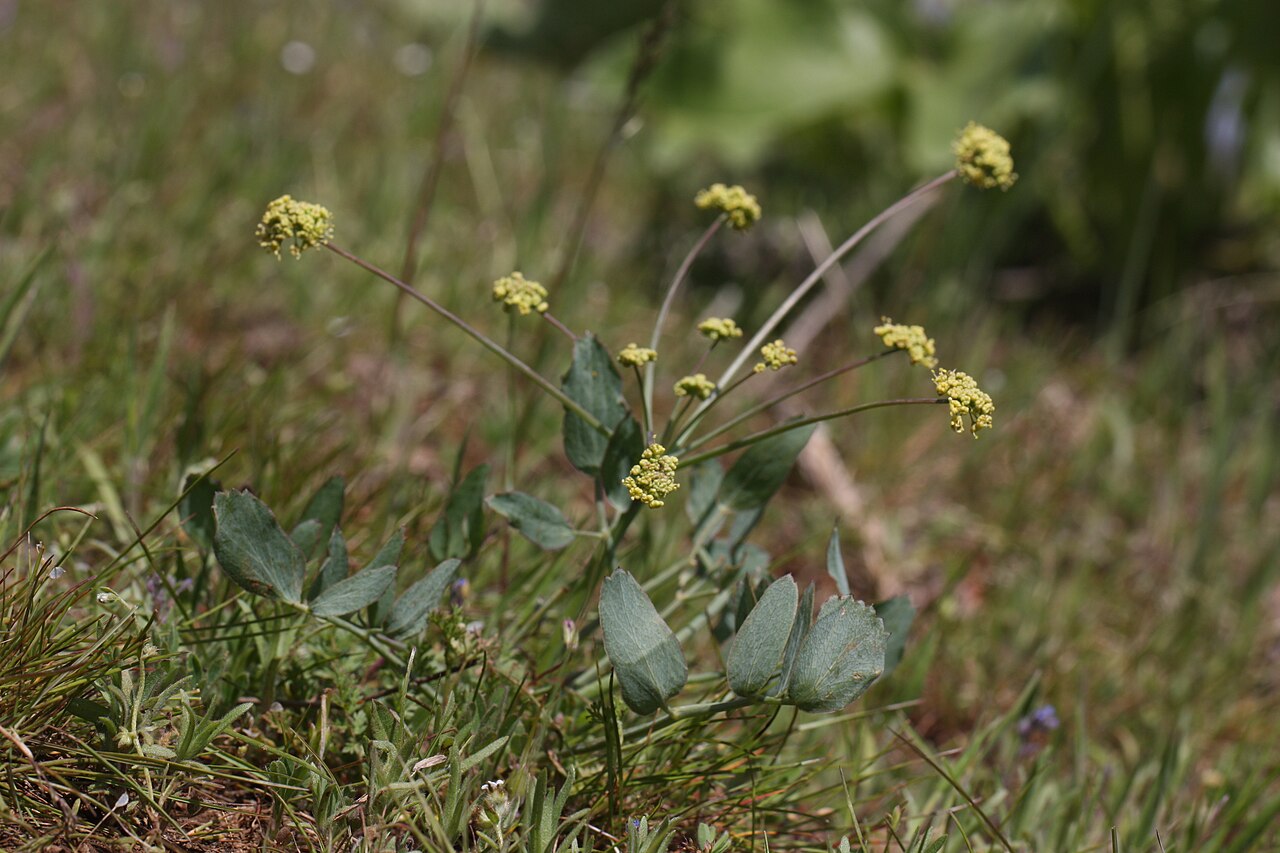
Lomatium nudicaule, known as Barestem Biscuitroot, pestle parsnip, or Indian consumption plant, is a spring-blooming perennial of the carrot family (Apiaceae) from the Pacific Northwest and northern California. Unlike most lomatiums, which have lacy, finely cut leaves, it has broad, smooth, blue-gray leaflets, and its rounded umbels of small yellow flowers rise on long, leafless stalks, which gives it the name “barestem”.
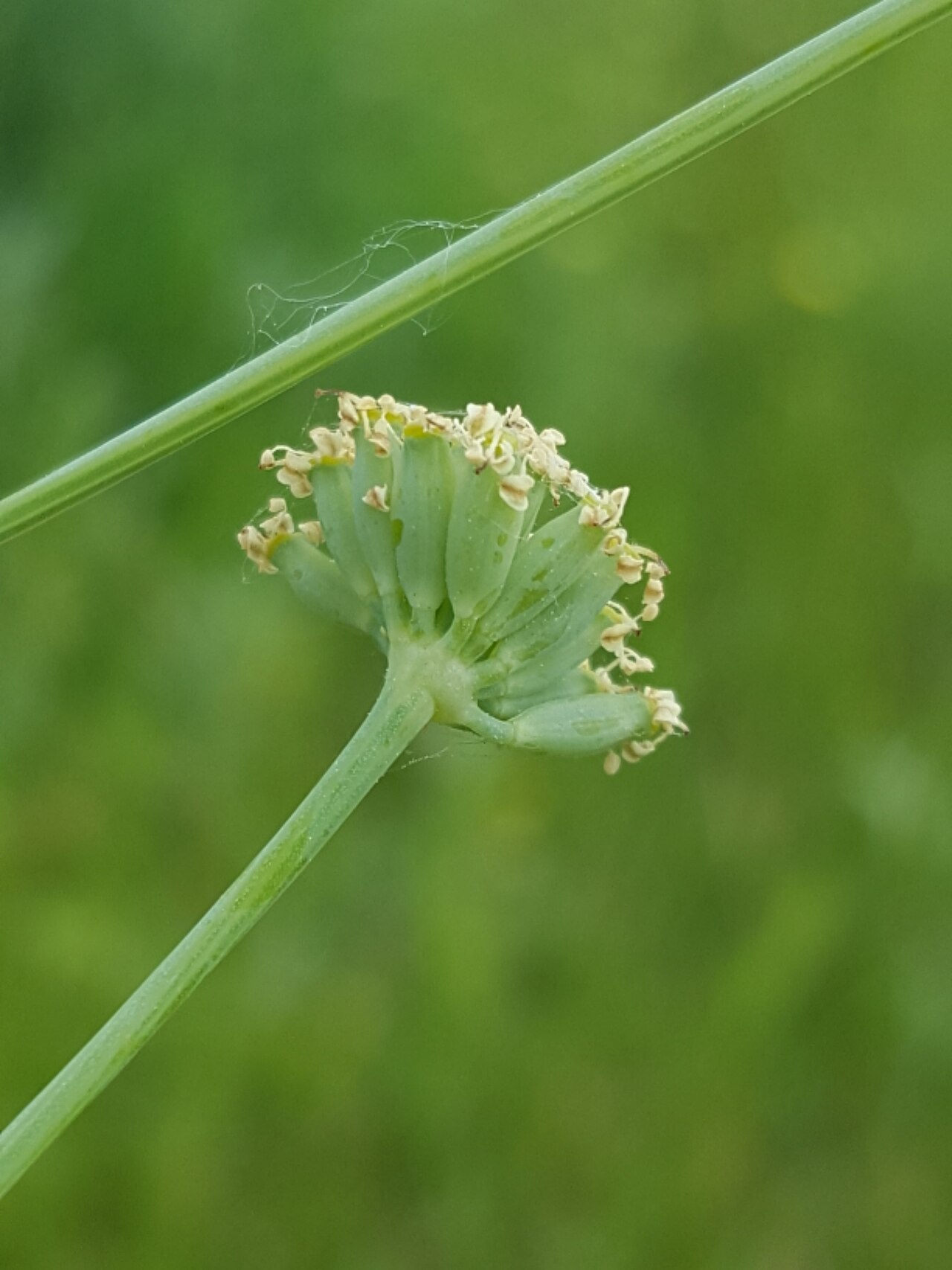
Each plant grows from a deep taproot and usually stands about 8 to 30 inches tall in flower. The flowering stalk is often swollen just below the umbel, which looks a little like a pestle, and the narrow, winged fruits ripen in early summer before the plant dies back for the dry season. The aromatic seeds and young shoots have a long history of use by Indigenous peoples of the region.
Barestem biscuitroot grows on open grassy slopes, rocky balds, meadows and oak and pine woodland edges, from British Columbia south to California and east to Idaho, Nevada and Utah. It is a host plant for swallowtail butterflies and an early nectar source for small bees and flies. This guide covers how to identify it, where it grows, how to grow it from seed in a dry native garden, and its value to wildlife.
Identification
Barestem biscuitroot is one of the most distinctive lomatiums. Look for the combination of broad, blue-gray leaflets and yellow umbels on bare stalks.
Roots & Growth Habit
It grows from a long, slender to thickened taproot. The plant is stemless at the base: the leaves and one or more flowering stalks rise directly from the root crown. The whole plant is smooth and has a waxy, blue-green (glaucous) cast. It appears in late winter or early spring and dies back by midsummer.
Leaves
The leaves are basal and divided once or twice into three to many broad, oval to egg-shaped leaflets, each up to about 2 1/2 inches long, with smooth or slightly toothed edges. Their size and shape are unusual for a lomatium and are the easiest way to recognize the plant before it blooms.
Flowers
Small yellow flowers are borne in compound umbels with long, unequal rays, so the flower head often looks open and irregular. The leafless stalk is often noticeably thickened just below the umbel. It blooms from about March to June, depending on elevation and latitude.
Fruit & Seeds
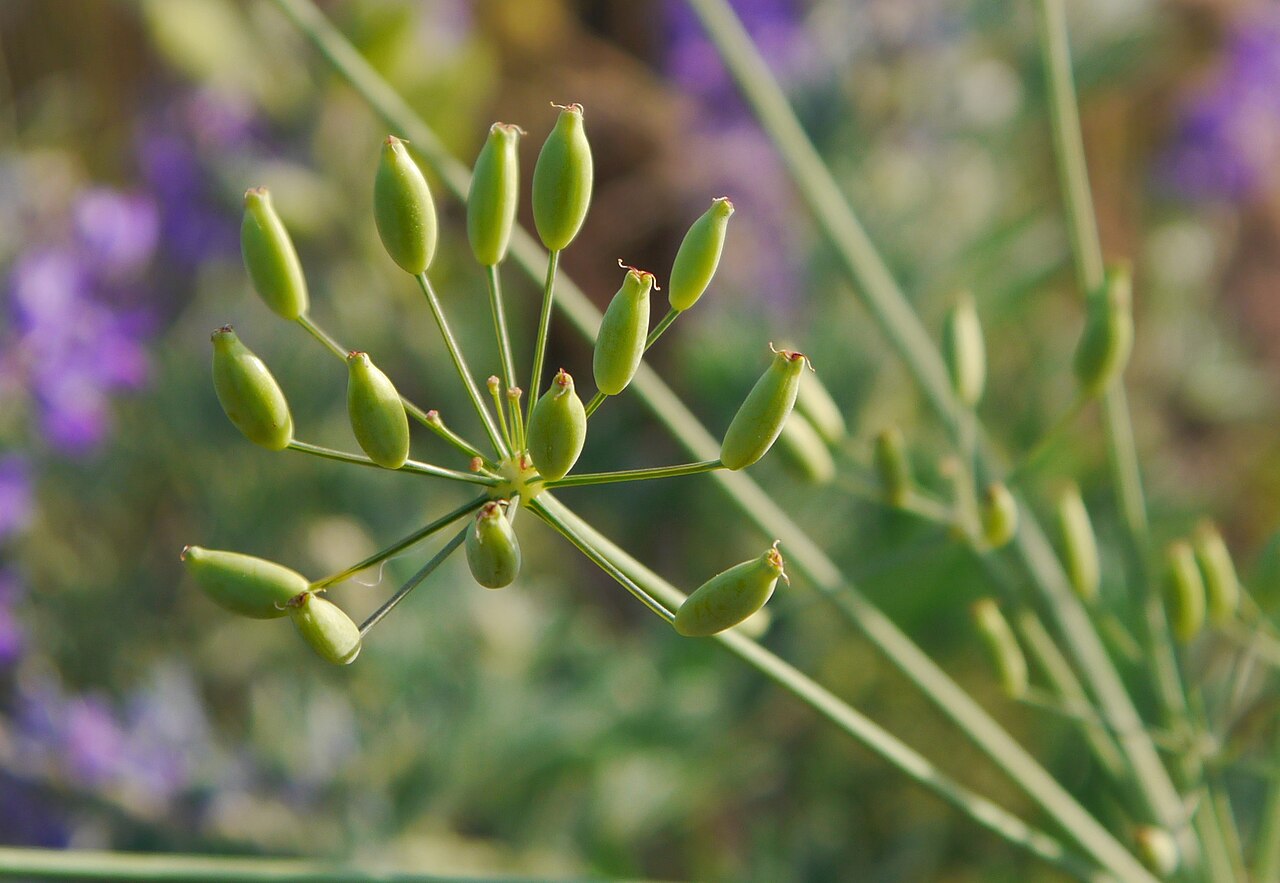
The fruits are flattened, oblong and narrowly winged, about 1/3 to 1/2 inch long, and green turning tan as they ripen. They are strongly aromatic when crushed, with a celery-like scent.
Look-alikes
Most other lomatiums, such as woollyfruit desertparsley, have finely dissected leaves. Nine-leaf biscuitroot (Lomatium triternatum) has long, narrow leaflets. Never eat a wild carrot-family plant on the basis of these features alone: the family includes deadly poisonous species such as poison hemlock (Conium maculatum) and water hemlock (Cicuta).
Quick Facts
| Scientific Name | Lomatium nudicaule (Pursh) J.M. Coult. & Rose |
| Family | Apiaceae (carrot family) |
| Plant Type | Herbaceous perennial from a taproot; summer-dormant |
| Mature Height | 8–30 in in flower |
| Mature Spread | 8–18 in |
| Growth Rate | Slow |
| Sun Exposure | Full sun to light shade |
| Water Needs | Low; dry summer dormancy |
| Soil Type | Well-drained rocky, gravelly or loamy soils |
| Soil pH | About 6.0–7.5 |
| Bloom Time | March–June |
| Flower Color | Yellow |
| Fall Color | None; dormant from summer until the fall or winter rains |
| Fruit | Flattened, oblong, narrowly winged and aromatic |
| Deer Resistant | Moderate; foliage is browsed at times |
| USDA Hardiness Zones | 5–9 |
Native Range
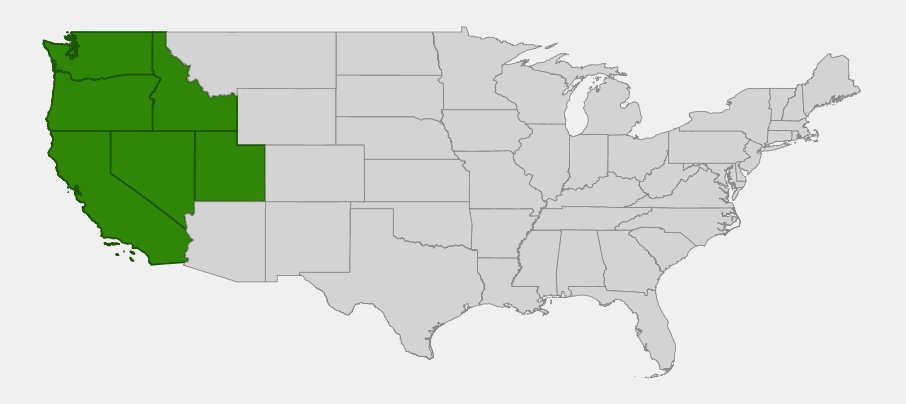
Barestem biscuitroot is native to the Pacific Northwest and northern California. USDA PLANTS lists it in California, Idaho, Nevada, Oregon, Utah and Washington, and in British Columbia, where it reaches southern Vancouver Island and the Gulf Islands.
It is common on both sides of the Cascades in Washington and Oregon: in the Puget Trough, the San Juan Islands, the Willamette Valley and the Columbia River Gorge to the west, and in the dry foothills around Wenatchee, Yakima and the Columbia Plateau to the east. It extends south through the Klamath region and the Coast Ranges and northern Sierra Nevada of California, and east into Idaho. Records in northern Nevada and Utah are scattered and lie at the edge of its range.
It grows in open, sunny places: grassy slopes, rocky balds and outcrops, meadows, sagebrush steppe, and the edges of oak and ponderosa pine woodland, from near sea level into the mountains.
📋 Regional plant lists featuring Barestem Biscuitroot: Idaho, Eastern Oregon & Eastern Washington · Utah & Western Colorado · Western Oregon & Western Washington · California & Nevada
Growing & Care Guide
Barestem biscuitroot is a good choice for a dry, sunny native garden or meadow in the Pacific Northwest and northern California. It is occasionally sold by native nurseries and seed suppliers. Its needs are simple: sun, good drainage, winter and spring moisture, and a dry summer rest.
Light
Plant it in full sun or light shade. In the wild it grows on open slopes and in woodland openings with plenty of spring sun.
Soil & Water
It prefers well-drained rocky, gravelly or loamy soil and tolerates thin, poor soils. Let winter and spring rains water it, and keep it dry in summer once it goes dormant. Heavy, wet soil in summer can rot the taproot.
Planting Tips
Because it has a deep taproot, start it from seed sown in place or plant young plants from deep pots in fall. It fits well in a meadow or rock garden with bunchgrasses such as Idaho fescue, and with camas, balsamroot, seablush and other spring wildflowers that share its rhythm of growing in spring and resting in summer.
Pruning & Maintenance
No pruning is needed. Leave the seed heads to ripen and scatter, then cut back the dry stalks if you like. Mark its location, as the plant disappears completely in summer.
Propagation
Grow it from seed. Collect the ripe fruits in early summer and sow them outdoors in fall, so they receive the cold, moist winter conditions that lomatium seeds need to germinate. Seedlings appear in late winter or early spring and grow slowly, often taking two or more years to flower. Established plants do not transplant well.
Landscape Uses
- Dry native meadows: blue-gray leaves and yellow umbels among native bunchgrasses
- Rock gardens and slopes: thrives in thin, fast-draining soil
- Butterfly gardens: a larval host plant for swallowtails
- Oak and pine woodland restoration: a characteristic wildflower of oak savanna and pine woodland edges
- Early pollinator plantings: spring pollen and nectar for small native bees and flies
Wildlife & Ecological Value
Barestem biscuitroot is a modest-looking plant, but like other lomatiums it supports insects early in the season and is part of the spring wildflower community of western grasslands.
For Pollinators
The open umbels of small yellow flowers are visited by small native bees, including mining bees, and by flies and beetles. Some mining bees in the Pacific Northwest specialize on lomatium pollen.
For Butterflies
Lomatiums are important larval hosts for swallowtail butterflies in the West, especially the anise swallowtail (Papilio zelicaon), whose caterpillars eat the leaves and flowers of carrot-family plants. The Indra swallowtail also uses lomatiums.
For Birds & Mammals
Deer and elk browse the foliage in spring, and rodents such as pocket gophers feed on the taproots. Seed-eating birds may take the fruits.
Ecosystem Role
It grows during the wet season and survives the dry summer as a dormant taproot, a typical pattern for plants of Pacific Northwest grasslands and oak savannas. These habitats have declined sharply, and native wildflowers like barestem biscuitroot are part of restoring them.
Cultural & Historical Uses
The genus name Lomatium comes from the Greek loma, a border or fringe, for the winged fruits; nudicaule means “bare-stemmed”. The plant was first described by Frederick Pursh from specimens collected by the Lewis and Clark expedition, which encountered it in the Columbia River country.
Barestem biscuitroot was widely used by Indigenous peoples of the Northwest. The young stems and leaves were eaten as greens in spring, and the aromatic seeds were used as a flavoring, a tea and a medicine for colds and coughs, which is the source of the old name Indian consumption plant. The plant is still gathered and valued in some communities.
Because many carrot-family plants are deadly poisonous and difficult to tell apart, foraging for lomatiums is best left to experts and to the communities that have traditionally harvested them.
Frequently Asked Questions
How do I recognize barestem biscuitroot?
Look for broad, smooth, blue-gray leaflets, unusual among lomatiums, and small yellow flower umbels on long, leafless stalks that are often swollen just below the flowers.
Where does barestem biscuitroot grow?
From British Columbia south through Washington and Oregon to northern California, and east to Idaho, with scattered records in Nevada and Utah. It grows on grassy slopes, rocky balds, meadows and oak or pine woodland edges.
Can I grow it in my garden?
Yes, in a sunny, well-drained spot with dry summers. Sow seed outdoors in fall. Plants grow slowly and go dormant each summer.
Is it a host plant for butterflies?
Yes. Lomatiums are larval hosts for the anise swallowtail and other western swallowtails.
Is barestem biscuitroot edible?
It has a long history of use as food and medicine by Indigenous peoples, but do not eat it unless an expert has confirmed the identification. The carrot family includes deadly poisonous plants such as poison hemlock and water hemlock.

Looking for a nursery that carries Barestem Biscuitroot?
Browse our native plant nursery directory: California · Idaho · Nevada · Oregon · Utah · Washington

